

Feeling bloated, foggy, and low on energy? Your gut might need a reset. You don’t need expensive pills; the solution is in your food. This guide shows you 14 powerful fermented foods that rewire your gut.
Science in confirms these foods do more than help digestion. They feed your good bacteria, lower inflammation, and even improve your gut-brain axis, helping you think more clearly.
You’ll get a simple plan to add foods like kefir, kimchi, and tepache to your diet safely.
Beyond Probiotics: How Fermented Foods Rewire Your Gut’s Metabolic Network
The Gut “Rewire”
Not Just Bacteria. A Matrix.
The magic isn’t just the count of probiotics. It’s the Bioactive Compounds (Enzymes, Vitamins, & SCFAs) created during fermentation.
Feeds
Nourishes good microbesCalms
Reduces inflammationBuilds
Strengthens gut barrierThe Supercomputer Link
SCFAs act like text messages, sending signals directly from your gut to your brain.
For years, we’ve only talked about “probiotics”—the live bacteria in fermented foods. The idea was simple: add more good bacteria to your gut. But the latest science shows that’s not the full story. It’s not just about the bacteria counts themselves. The real magic is in what these microbes create during the fermentation process.
This process creates a whole matrix of new bioactive compounds. These are things like vitamins, enzymes, and most importantly, Short-Chain Fatty Acids (SCFAs). These compounds are the real power behind the best fermented foods for gut health.
So, what does “rewire” actually mean? It means these bioactive compounds change the whole environment of your gut. A major meta-analysis in Frontiers in Nutrition confirmed that fermented foods “positively modulate the gut microbiota.” This means a few key things:
They feed your good bacteria: The fiber in fermented foods (like sauerkraut) and the SCFAs feed your unique good microbes, helping them grow stronger.
They calm things down: They help reduce chronic inflammation in your gut lining.
They strengthen the gut barrier: SCFAs are the main fuel source for the cells that line your intestines, helping to keep that barrier strong. This is why a systematic review found that eating fermented foods clearly helps reduce GI symptoms like bloating and flatulence.
The benefits don’t stop at digestion. This is where the “supercomputer” idea comes in. Your gut and brain are in constant contact through the gut-brain axis. Those SCFAs and other compounds aren’t just local fuel; they act as signaling molecules, like little text messages sent directly to your brain.
1. Kefir: The Expert’s Choice for Gut Diversity
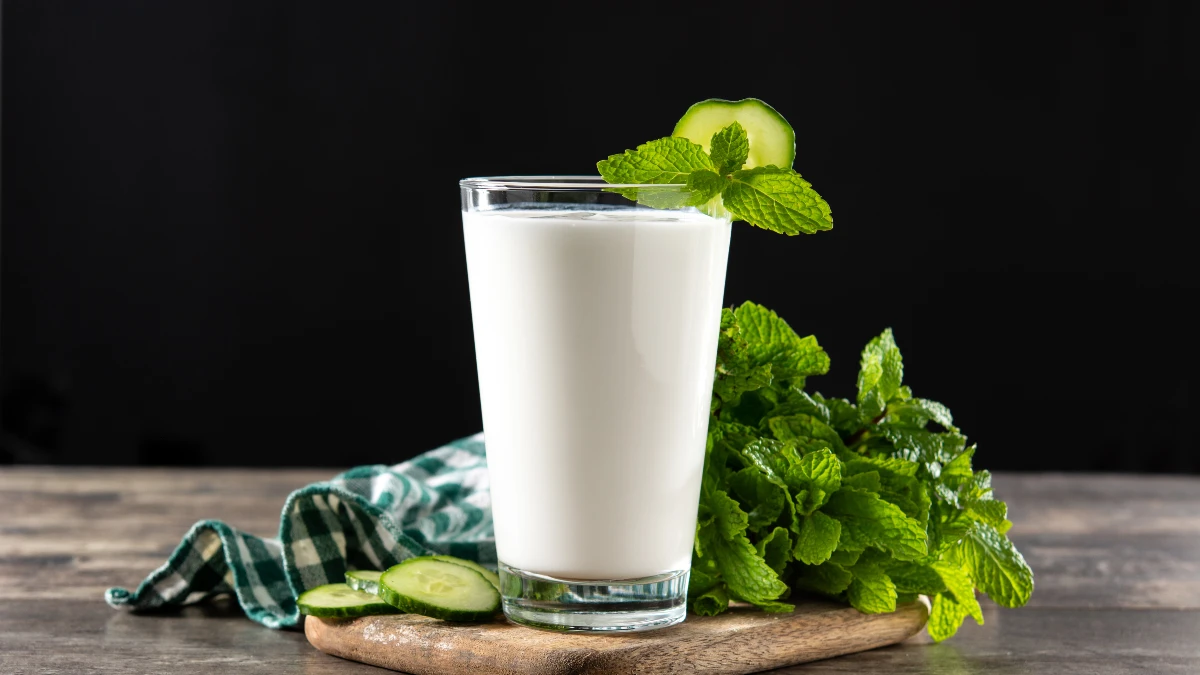
Kefir is a fermented milk drink with a creamy, thin texture, similar to a drinkable yogurt. It has a tangy, slightly sour taste that is very refreshing. It’s made using “kefir grains,” which are not actually grains but are small, rubbery-looking clusters of bacteria and yeast.
These grains are added to milk (cow, goat, or even plant-based milks) and allowed to ferment for about 24 hours. This process thickens the milk and creates the beneficial acids, enzymes, and microbes.
Why do experts so often pick kefir as a top choice? It comes down to diversity. While yogurt is a fantastic gut-health food, it usually contains just a few strains of bacteria (like Lactobacillus and Bifidobacterium).
Kefir, on the other hand, is a complex little ecosystem. It can contain up to 30 or even 50 different strains of good bacteria and beneficial yeasts. This wide variety is like giving your gut ecosystem a full team of helpers, not just one or two.
This diversity is key to “rewiring” your gut. The different microbes in kefir produce a wide range of byproducts, including short-chain fatty acids (SCFAs). These SCFAs are the main food source for the cells that line your colon.
They help strengthen your gut barrier, which keeps unwanted particles from “leaking” into your bloodstream. This process helps to lower inflammation throughout your body, which is a huge step toward better overall health.
When you buy kefir, always try to get it “plain” or “unsweetened.” The fruit-flavored versions are often loaded with sugar, which can feed the bad bacteria you’re trying to manage. It’s much better to buy plain kefir and add your own fresh fruit, like a handful of berries, to control the sugar.
A great bonus is that the fermentation process breaks down most of the lactose (milk sugar). This means many people who are lactose sensitive find they can drink kefir with no problems at all.
2. Yogurt (Live-Culture): The Classic Gut-Health Food
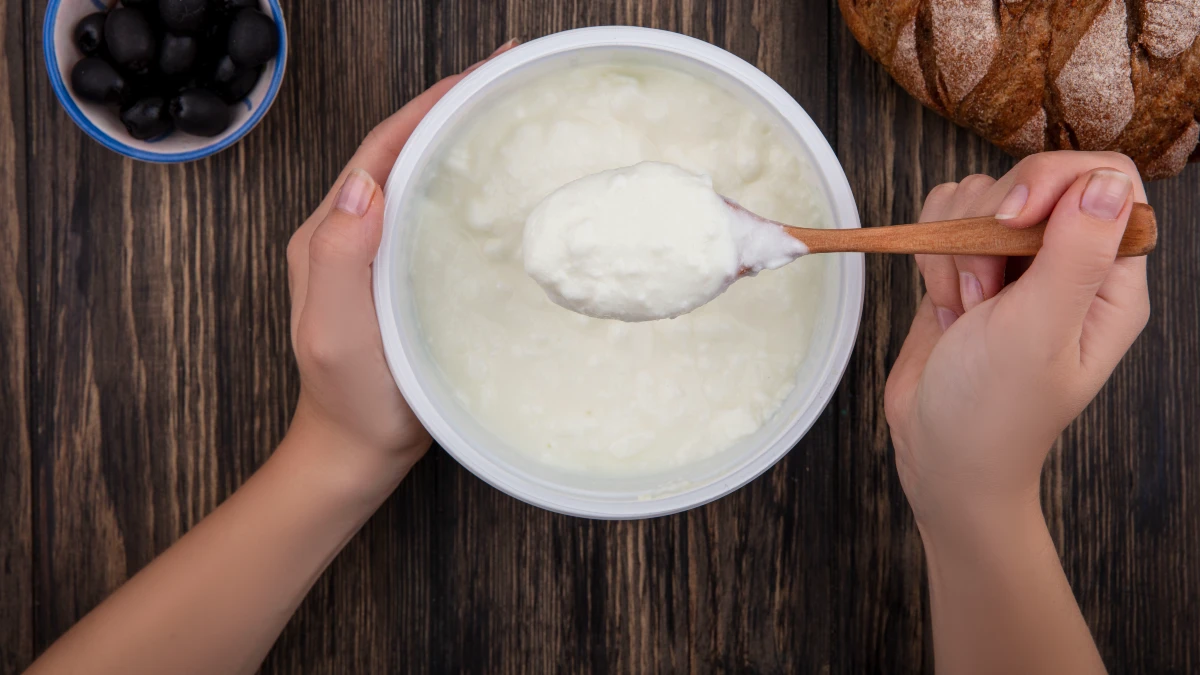
Yogurt is the most well-known fermented food, and for good reason. It’s a classic starting point for anyone looking to improve their gut health. It’s made by fermenting milk with specific bacterial cultures. This process does two great things: it makes the milk easier to digest and it adds millions of beneficial microbes that can support your existing gut community.
To get any of the health benefits, you must check the label for one specific phrase: “live and active cultures.” This wording is your guarantee that the good bacteria are still alive and well inside the container.
The yogurt has been heat-treated or pasteurized after fermentation, those microbes are gone, and you’re just eating flavored milk. Look for common strains you might see listed, like Lactobacillus acidophilus or Bifidobacterium bifidum.
These live cultures help your gut in a few ways. They can help you digest food more efficiently, especially lactose. They also compete for space and resources with less helpful bacteria, helping to keep your gut ecosystem in balance.
This balance is critical. When your gut is balanced, you experience less gas, bloating, and irregularity. It’s a simple, daily way to support your gut’s basic functions.
For a double benefit, choose plain Greek yogurt. It’s been strained, which removes some of the liquid whey, resulting in a much thicker product with about twice the protein of regular yogurt. This protein helps you stay full longer.
If you don’t eat dairy, the market is full of plant-based yogurts (made from almonds, coconut, soy, or oats) that now add live cultures to give you the same gut benefits.
3. Sauerkraut (Raw): The Easy Gut-Health Boost
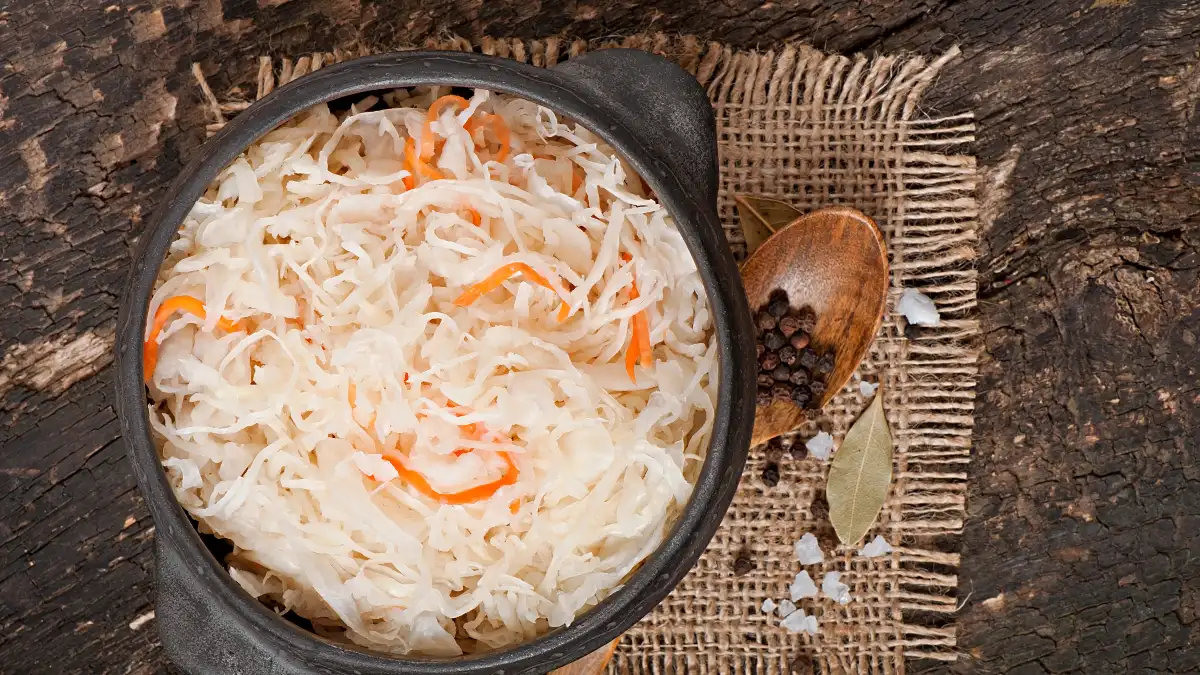
Sauerkraut is simply fermented cabbage. That’s it. For centuries, people made it by shredding cabbage, mixing it with salt, and packing it into a container. The salt draws water out of the cabbage, creating its own brine.
The natural bacteria on the cabbage leaves (especially Lactobacillus plantarum) then get to work, eating the natural sugars in the cabbage and converting them into lactic acid. This acid is what preserves the cabbage and gives it that wonderful, tangy flavor.
This is a powerhouse food because it’s both a probiotic (it contains the good bacteria) and a prebiotic (it feeds your good bacteria). The cabbage itself is full of fiber that your own gut microbes love to eat.
The L. plantarum strain is especially tough and is known for its ability to survive the journey through your stomach acid and make it to your intestines, where it can set up shop and help out.
You must buy “raw” or “unpasteurized” sauerkraut. This is critical. Look for it in the refrigerated section of your grocery store. The cans and jars of sauerkraut on the regular, non-refrigerated shelves have been cooked (pasteurized) at a high temperature to make them shelf-stable.
This heat kills all the live, beneficial microbes, destroying the entire reason to eat it for gut health. Real sauerkraut’s ingredient list should just be “cabbage, salt,” and maybe “water.”
Raw sauerkraut is one of the easiest foods to add to your diet. You don’t need to eat a huge bowl of it. Start with just a single tablespoon as a side dish. Add it to your eggs in the morning, put it on top of a sandwich or hot dog, or just have a small forkful with your dinner. It’s an instant flavor and gut-health boost with almost zero effort.
4. Kimchi: The Spicy Anti-Inflammatory Ferment
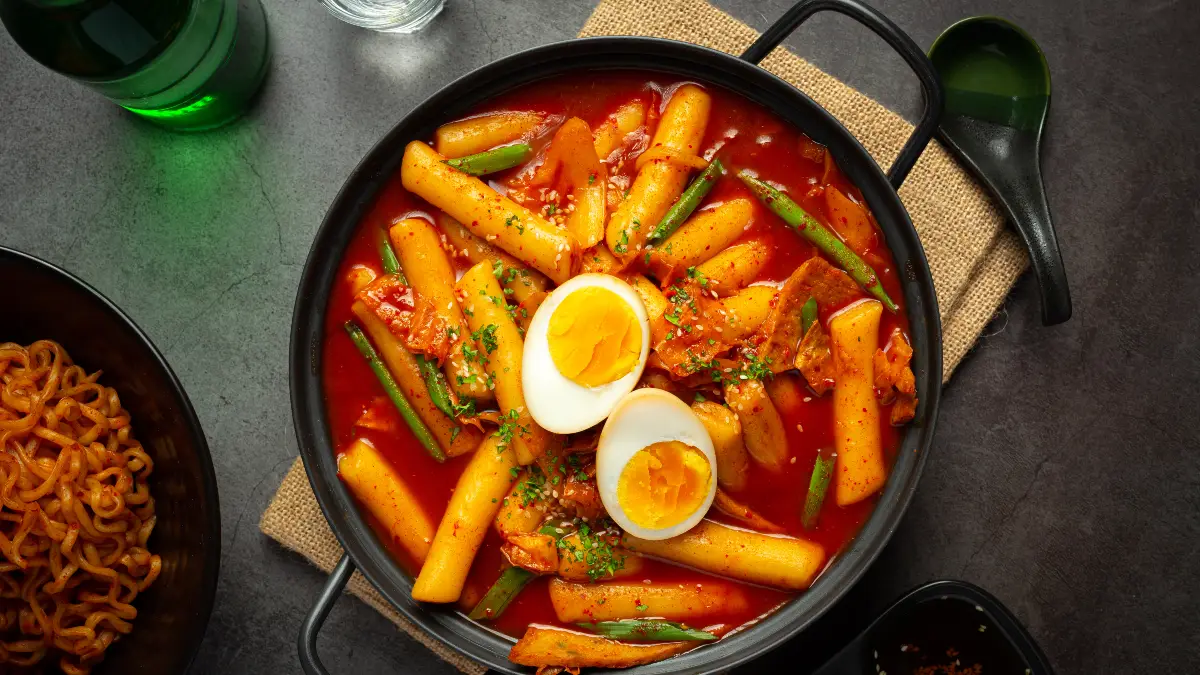
Kimchi is a staple in Korean cuisine and is a fiery, spicy cousin to sauerkraut. It’s most often made from fermented napa cabbage and daikon radish, but the real magic comes from the ingredients it’s mixed with. A paste made from Korean chili flakes (gochugaru), garlic, ginger, and fish sauce or soy sauce is rubbed into the vegetables before they ferment.
This makes kimchi a true “functional food.” You get all the probiotic benefits from the fermentation, just like with sauerkraut. But you also get a massive anti-inflammatory boost from its other ingredients.
Garlic and ginger are both powerful, well-studied anti-inflammatory compounds. The capsaicin from the chili flakes also has its own metabolic benefits. This combination helps “cool down” inflammation in your gut and throughout your body.
The flavor of kimchi is complex. It’s spicy, sour, salty, and savory (umami) all at the same time. It’s an amazing way to add a huge punch of flavor to a simple meal. Like other raw ferments, it’s packed with fiber that feeds your gut microbes.
Helping them produce more of those all-important short-chain fatty acids. These SCFAs help power your gut lining and communicate with your immune system.
Don’t waste the liquid at the bottom of the kimchi jar! This “kimchi brine” is liquid gold. It’s full of flavor and all the same probiotic goodness. You can use it as a base for a spicy salad vinaigrette, add it to a stir-fry, or even just take a small “gut shot” of it in the morning for a quick boost.
5. Lacto-Fermented Pickles: The Real Probiotic Pickle
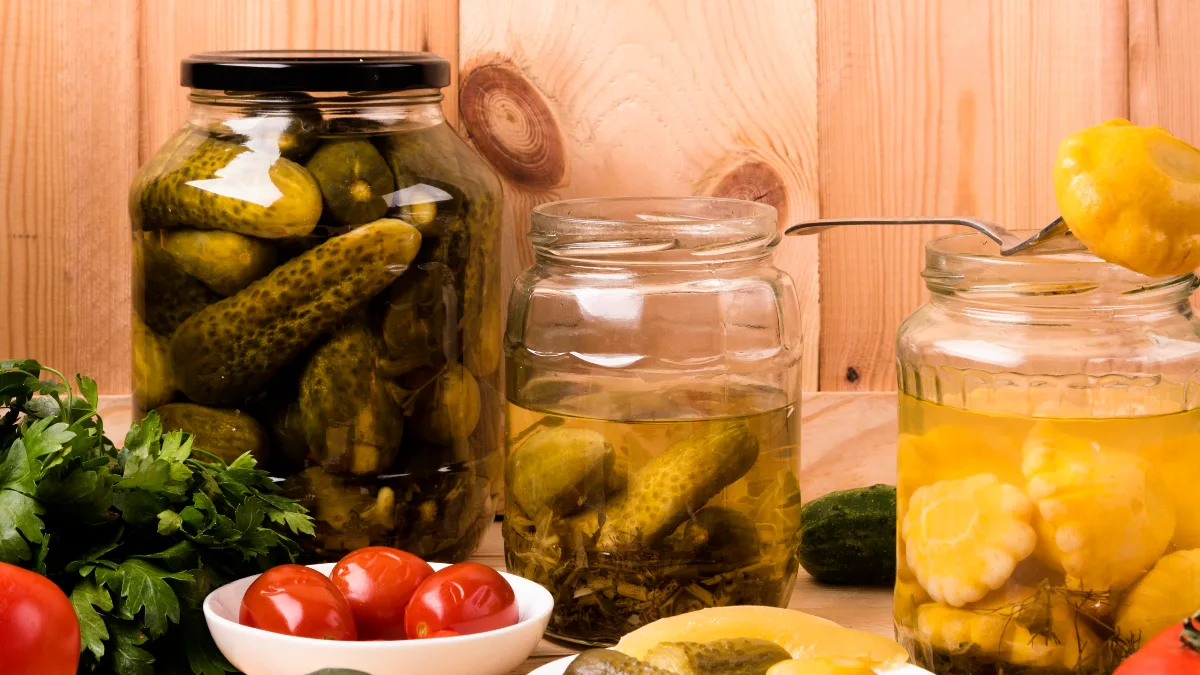
This is an important one: these are not the normal pickles you find on most grocery store shelves. The vast majority of commercial pickles are made by “pickling” cucumbers in a hot vinegar brine. This is a quick process, but the vinegar and heat mean there is no fermentation and no live microbes. They are a tasty, crunchy snack, but they do nothing for your gut health.
The pickles you want are “lacto-fermented.” These are the original, old-world pickles. They are made just like raw sauerkraut: cucumbers are placed in a saltwater brine and left to ferment at room temperature.
The Lactobacillus bacteria naturally present on the cucumber skins eat the sugars and create lactic acid, which pickles the cucumbers. This process fills them with live, gut-friendly microbes.
Finding them is the key. You will never find these on a warm shelf. You must look in the refrigerated section of your store, often near the raw sauerkraut and kimchi. The label will usually say “fermented” and the ingredients list will be simple: “cucumbers, water, salt,” and maybe some dill and garlic. It will not list vinegar.
Because they are alive, they will continue to ferment slowly in your fridge. They will get softer and more sour over time. They are a fantastic, crunchy, salty snack that delivers probiotics with every bite. Add a fermented pickle spear to your lunch plate for an easy win.
6. Beet Kvass: The Earthy Digestive Tonic
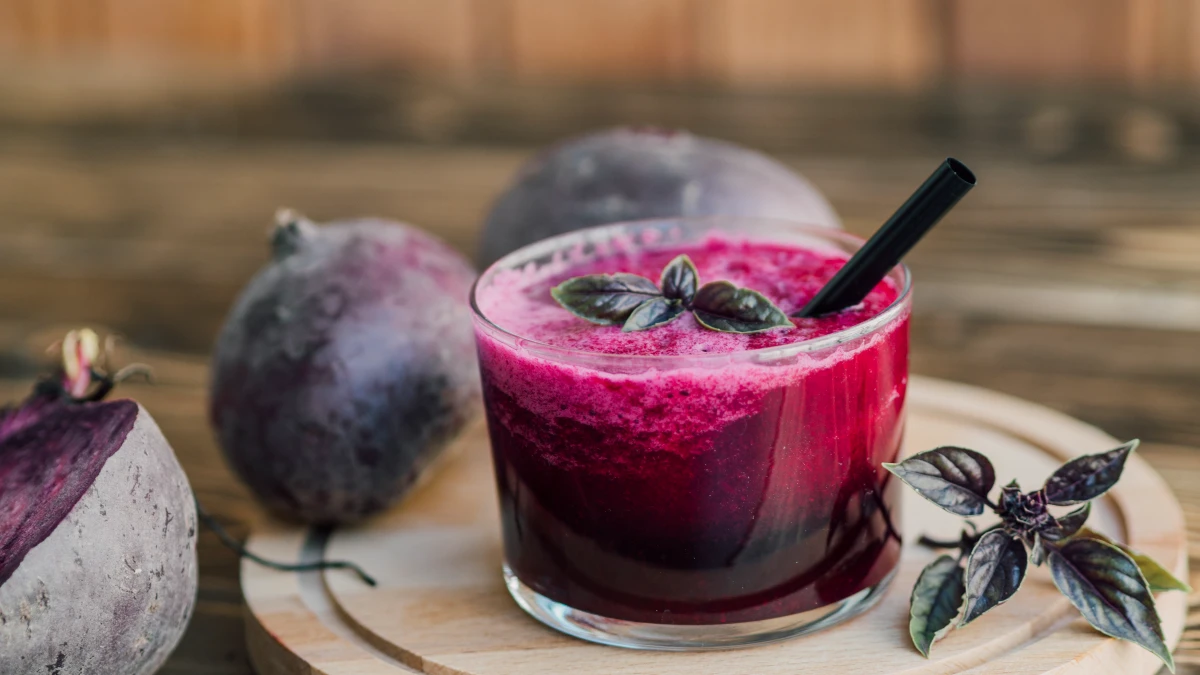
Beet Kvass is a traditional fermented drink from Eastern Europe, especially popular in Ukraine and Russia. It’s a non-alcoholic (or very, very low-alcohol) tonic made by fermenting raw beets in a saltwater brine, similar to making pickles. The result is a drink with a truly unique flavor. It’s not sweet; it’s earthy, salty, and slightly sour. It’s definitely an acquired taste for many.
This drink is prized as a digestive aid. People have traditionally used it to help with sluggish digestion and to support liver function. The fermentation makes the nutrients in the beets more available to your body.
Beets are already rich in folate, manganese, and nitrates (which can help with blood flow), and fermenting them adds a dose of beneficial microbes and enzymes to the mix.
The saltiness of the brine also encourages your stomach to produce the right amount of stomach acid. For people with low stomach acid, this can be a huge help in properly digesting their meals, especially protein. A well-digested meal means less bloating, gas, and discomfort later on.
You do not drink Beet Kvass like a juice. It’s meant to be taken as a tonic. The traditional way is to pour a very small shot glass (about 1-2 ounces) and drink it about 15 minutes before a large meal, especially breakfast. This helps “prime the pump” for digestion.
7. Tepache: The Bubbly Pineapple Trend

Tepache is a fantastic, bubbly fermented drink from Mexico that has become very popular. It’s easy to see why: it’s delicious, easy to make, and uses food scraps. It’s made by fermenting the rinds and core of a pineapple with cinnamon and piloncillo (a type of raw cane sugar).
The wild yeasts and bacteria on the pineapple rind eat the sugar, producing carbon dioxide (fizz) and a small amount of alcohol.
This is a “wild ferment,” meaning you don’t add a starter culture. You rely on the microbes already present on the fruit. This can create a really interesting and diverse mix of microbes. Because it ferments for just a few days, it’s very low in alcohol (usually under 1% ABV, like kombucha) and has a bright, sweet-tart pineapple flavor with a hint of cinnamon spice.
It’s a perfect gateway into the world of fermented drinks for people who find kombucha a bit too vinegary or strong. It’s light, refreshing, and feels more like a healthy soda. It’s a great way to get a dose of beneficial microbes and digestive enzymes from the pineapple.
Tepache is very easy to make at home. Next time you buy a pineapple, save the rind and core, put them in a large jar with water, a cinnamon stick, and a bit of brown sugar, and let it sit on your counter for 2-3 days. When it’s fizzy, strain it and put it in the fridge. It’s also great to use as a healthy, low-sugar base for a mocktail.
8. Miso: The Savory Prebiotic Powerhouse
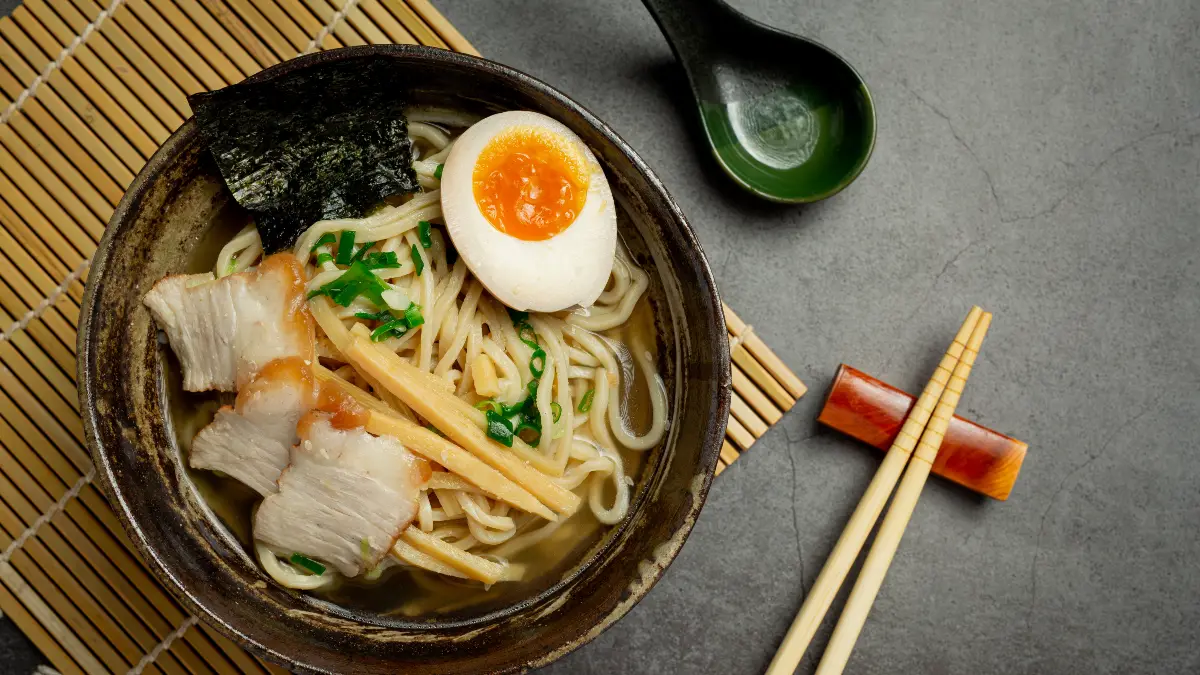
Miso is a staple paste in Japanese cooking, made from fermented soybeans. It’s created by mixing soybeans with salt and koji (a specific mold, Aspergillus oryzae, that is grown on rice, barley, or soybeans). This mixture is then left to ferment for months or even years. The result is a thick paste with a deep, salty, and savory (umami) flavor.
Miso is a gut-health champion for a few reasons. First, it contains all the beneficial byproducts of that long fermentation, including enzymes that help you digest your food. Second, it’s considered a prebiotic. The fermented soy provides a great food source for your existing good gut bacteria, helping them grow stronger.
There are many types of miso. White miso (shiro) is fermented for a short time and is sweet and mild. Yellow miso (shinsu) is a bit stronger. Red miso (aka) is fermented the longest and has a very deep, salty, and intense flavor. All are beneficial, so you can pick the one you like the taste of.
The beneficial microbes and enzymes in miso are sensitive to high temperatures. Heat kills the good stuff. If you are making miso soup, never boil the miso. Bring your broth to a simmer, turn off the heat, and then stir in the miso paste at the very end.
You can also use it raw by mixing it into salad dressings, marinades, or a little bit into butter to spread on toast.
9. Tempeh: The Plant-Based Protein Ferment
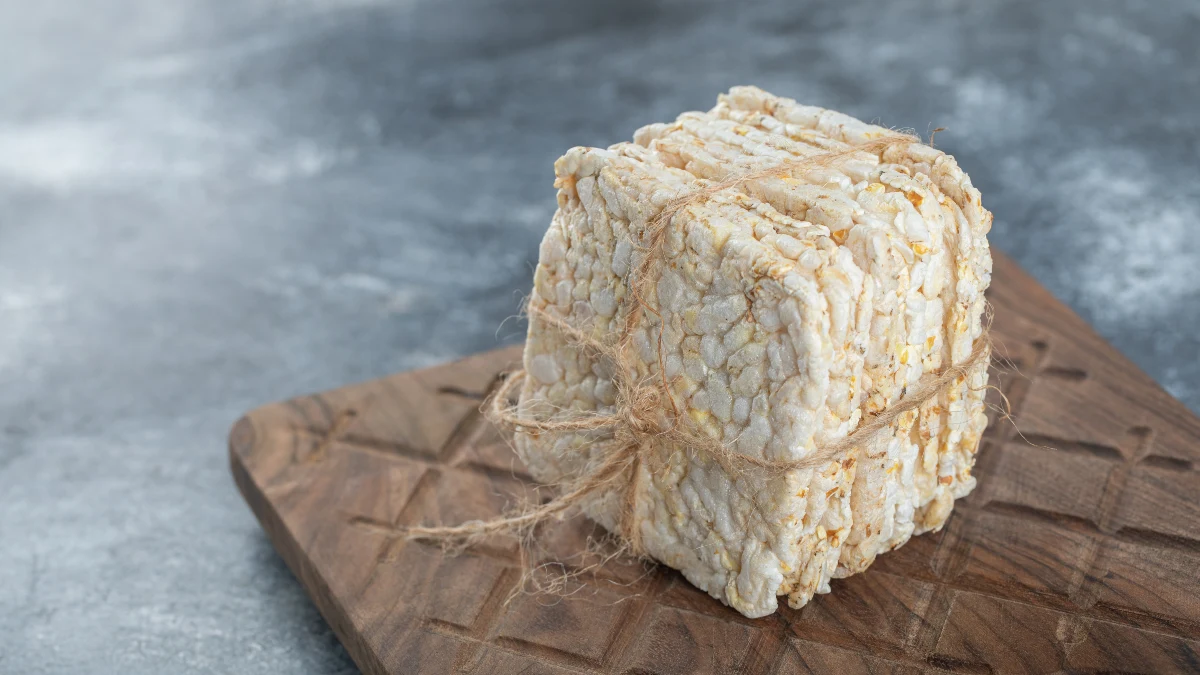
Tempeh is a traditional food from Indonesia, made from fermented soybeans. It’s different from tofu. To make tempeh, whole soybeans are cooked, then mixed with a starter culture (Rhizopus oligosporus), and packed into a brick-like cake.
The mold culture grows all through the soybeans, binding them together into a firm, solid block. You can see the whole beans pressed together.
This fermentation process is amazing. It “pre-digests” the soybeans, making them much easier on your digestive system. It breaks down the phytic acid, an “anti-nutrient” in beans that can block the absorption of minerals. This means your body can absorb more of the protein, iron, and calcium from the soy. It also has a firm, nutty, and slightly mushroom-y flavor.
It’s an absolute champion for plant-based eaters, but it’s a great food for anyone. It’s packed with high-quality protein and fiber. That fiber is a fantastic prebiotic, feeding your gut microbes and helping them thrive. You get the benefits of the soy protein and the fiber, all in a form that is easy for your body to use.
Tempeh is a fantastic meat substitute because it holds its shape so well. It’s not soft like tofu. Marinate it in soy sauce, ginger, and garlic, then slice it and pan-fry or air-fry it until it’s brown and crispy. You can crumble it into pasta sauces, add it to stir-fries, or slice it for sandwiches.
10. Natto: The Adventurous Superfood
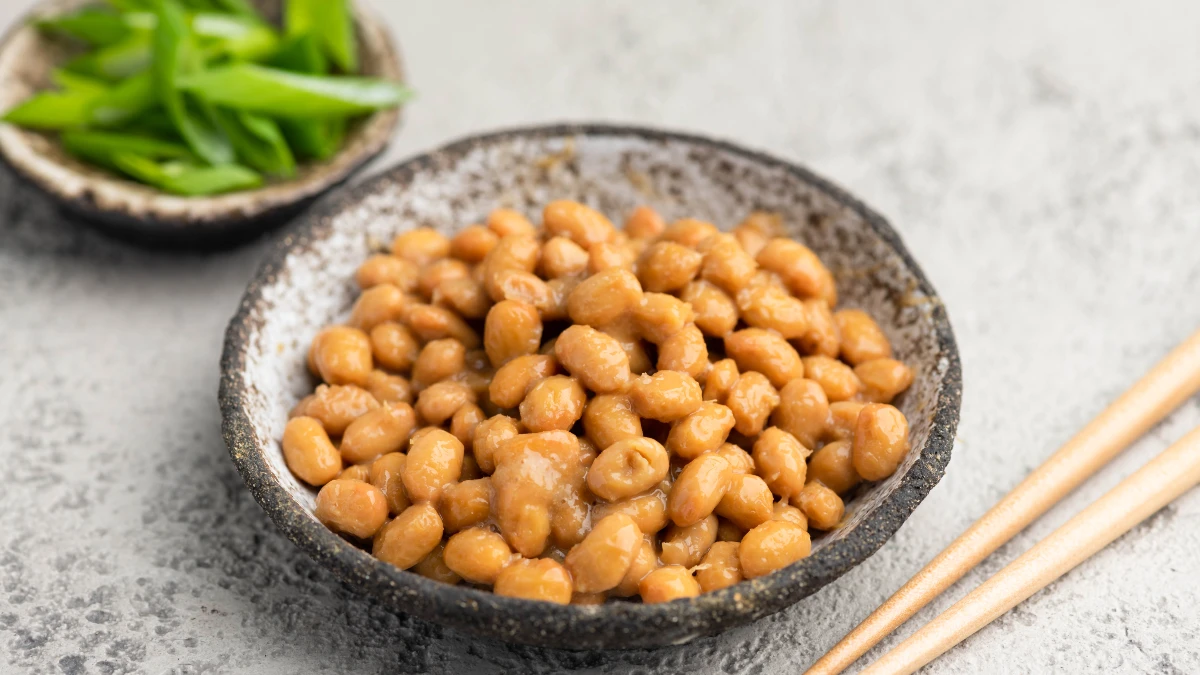
This one is for the more adventurous eaters. Natto is a traditional Japanese breakfast food made from soybeans fermented with a specific bacterium called Bacillus subtilis. The result is… unique. The beans are very sticky and slimy, with a “stringy” texture. They have a very strong, pungent, ammonia-like smell and a powerful flavor. It is definitely an acquired taste.
So why would anyone eat it? Because it is one of the most powerful nutritional bombs you can find. First, it’s full of probiotics from the B. subtilis. Second, it is packed with Vitamin K2.
This vitamin is very important for moving calcium into your bones and teeth and out of your arteries. Natto is one of the richest food sources of K2 on the planet.
Natto also contains a special enzyme called nattokinase. This enzyme is created during the fermentation process and is famous in Japan. It’s studied for its potential to support heart health by helping to thin the blood and break down clots. You get a probiotic, a bone-health vitamin, and a heart-health enzyme all in one small (and slimy) package.
11. Sourdough (Authentic): The Gut-Friendly Bread
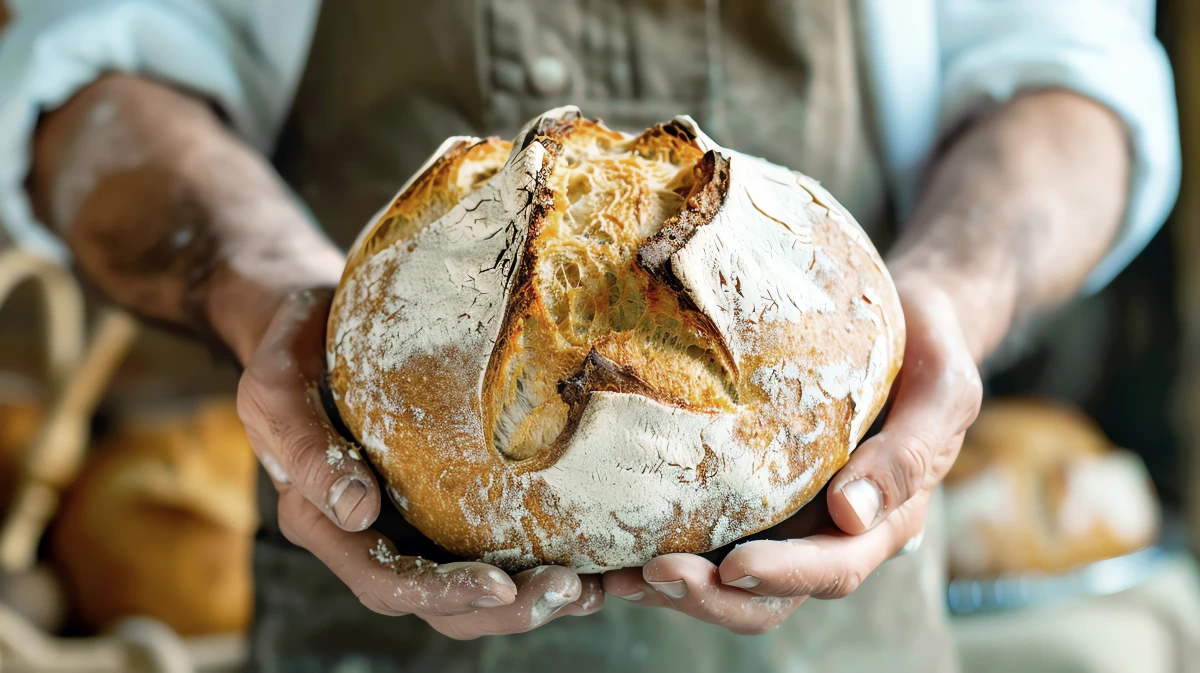
This is great news for bread lovers. Real, authentic sourdough bread is a fermented food. It’s not just a flavor; it’s a completely different way of making bread. Instead of using fast-acting commercial yeast, sourdough is made with a “starter.”
This starter is a living colony of wild yeast and lactic acid bacteria (the same Lactobacillus found in sauerkraut and yogurt) that you feed with flour and water.
This starter does all the work of leavening the bread, but it takes a long time. This long, slow fermentation process is where the magic happens. The bacteria pre-digest some of the carbohydrates and gluten in the flour.
They also break down phytic acid, the same anti-nutrient found in beans, which makes the bread’s minerals (like iron and zinc) easier for your body to absorb.
Because some of the gluten is broken down, many people who are sensitive to gluten (but not those with celiac disease) find they can eat real sourdough bread without any issues. It’s not “gluten-free,” but it is “gut-friendlier.”
It’s a fantastic example of how fermentation makes a food more nutritious and easier for our bodies to handle.
12. Kombucha: The Fizzy Soda Replacement
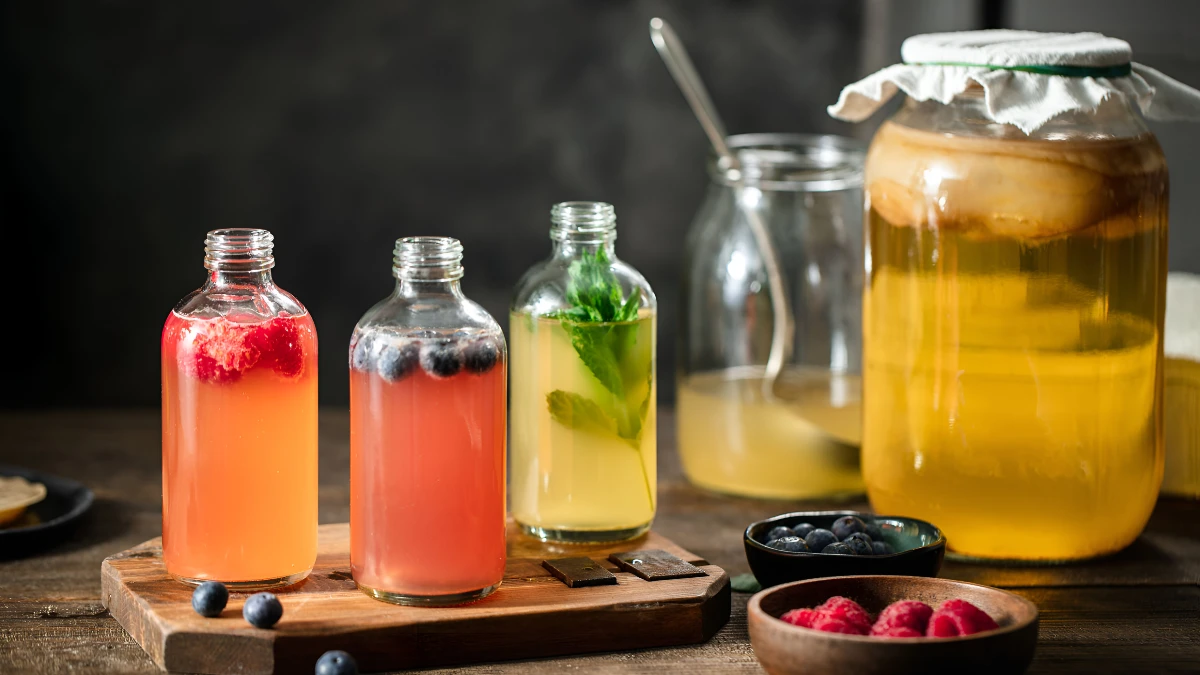
Kombucha is the most famous fermented drink in the West. It’s a fizzy, tart, and slightly sweet tea. It’s made by fermenting sweetened black or green tea with a SCOBY (Symbiotic Culture Of Bacteria and Yeast).
This rubbery, pancake-like disk is a living colony of microbes that eat the sugar in the tea, producing acetic acid (which makes it tart, like vinegar), carbon dioxide (fizz), and a tiny amount of alcohol.
Kombucha can be a fantastic, healthy replacement for sugary sodas. It gives you that same satisfaction of drinking something fizzy and flavorful, but with a fraction of the sugar. It also provides a dose of beneficial acids and microbes that can help with digestion. The key is to treat it as a replacement for soda, not as a magic health potion.
You have to read the label. The “raw” or “unpasteurized” rule applies here, too. Choose brands from the refrigerated section. The main thing to watch for is sugar. Some brands are so popular because they pump their kombucha full of fruit juice and added sugar after fermentation to make it sweeter. This defeats the purpose and can just feed your bad gut bacteria.
Look for brands that have 5 grams of sugar or less per serving. A little sugar is fine (and necessary for fermentation), but it shouldn’t be a sugar bomb. Think of kombucha as a treat or a single-serving drink, not something to chug all day long.
13. Jun Tea: Kombucha’s Lighter Cousin

If you find the taste of traditional kombucha a little too strong or vinegary, you should try Jun. It’s often called the “champagne of kombucha” for its light, delicate, and less-sour flavor. It’s a close relative of kombucha, but with two key differences in how it’s made.
First, Jun is made with green tea instead of black tea. Second, it’s fermented with honey instead of cane sugar. The SCOBY for Jun is a different culture, one that has adapted to thrive on the specific nutrients found in honey. This combination gives it a much lighter, more floral, and naturally smoother taste. Many people who don’t like kombucha find they love Jun.
It still provides all the same benefits. You get the fizz, the beneficial acids, and a living dose of good bacteria and yeasts. The green tea base also means you get a healthy dose of antioxidants, called catechins. It’s a really elegant and refreshing fermented drink.
14. Cashew “Cheese” Culture: The Plant-Based Trend
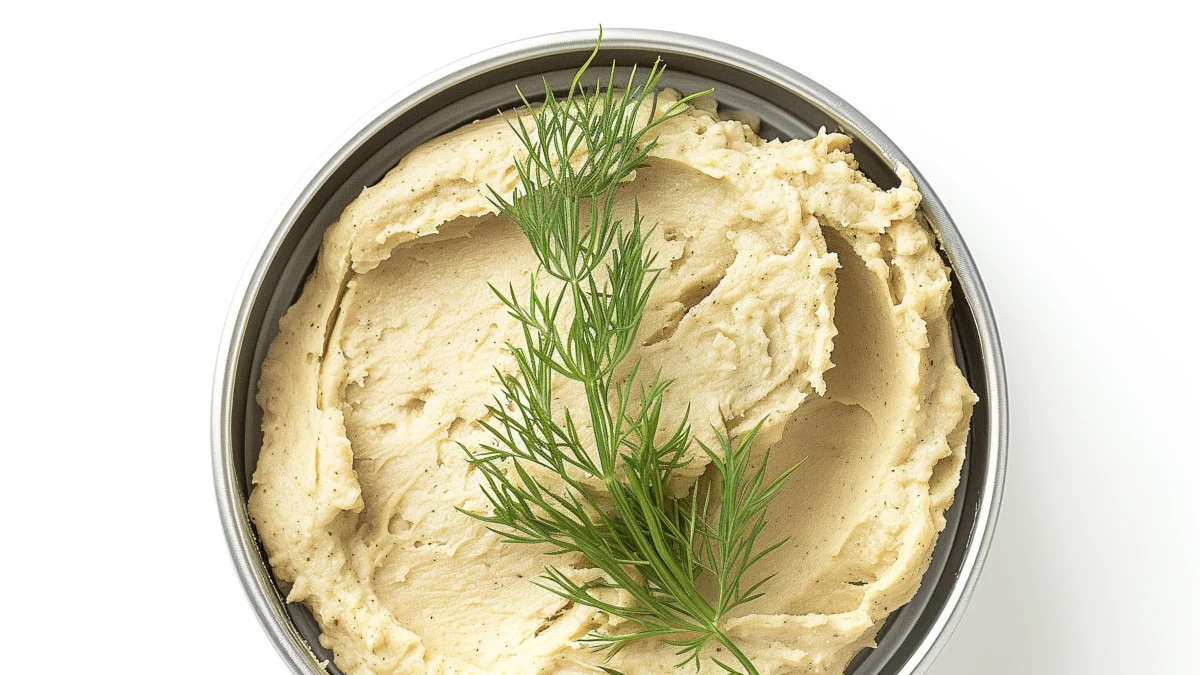
This is a key trend, especially for plant-based eaters or anyone avoiding dairy. You can now get (or make) amazing “cheeses” from nuts that are genuinely fermented. This isn’t just cashews blended with nutritional yeast; this is a live, cultured food. It’s made by soaking raw cashews, blending them smooth, and then mixing in the contents of a probiotic capsule.
This mixture is then left to ferment in a warm place for a day or two. The Lactobacillus bacteria from the probiotic capsule eat the natural starches in the cashews and produce lactic acid. This is the exact same acid that makes yogurt and sauerkraut tangy.
This process transforms the bland cashew paste into a tangy, complex, spreadable “cream cheese” that is alive with good microbes.
This is a game-changer for people who miss cheese but want a whole-food, plant-based option. You get all the healthy fats from the cashews, plus a powerful dose of probiotics. You can mix in herbs, garlic, or chives to make different flavors.
This is surprisingly easy to make at home. All you need is a good blender, raw cashews, and a basic probiotic capsule. You can find many simple recipes online. It’s a great way to get probiotics into your diet in a savory, delicious way, and it tastes amazing spread on real sourdough toast.
Conclusion
Rewiring your gut isn’t about finding one single magic pill or expensive supplement. It’s about getting back to basics and diversifying your diet with real, powerful foods. As the science shows, the benefits go far beyond just digestion.
These 14 fermented foods feed your unique gut microbes, help lower inflammation, and directly support your gut-brain axis, leading to better energy and clearer thinking. You now have the science, the list, and a safe, actionable plan to get started.