
Missing the wisdom from older generations? Our fast-paced digital world has us constantly chasing new trends while overlooking time-tested practices.
Science now confirms what our grandparents knew all along: those old-school habits weren’t just traditions but powerful tools for wellbeing.
From hands-on science experiments to walking barefoot, these seemingly simple activities offer surprising benefits for mental and physical health.
Ready to bring back what works? Let’s explore ten grandparent-approved habits that modern research shows we should revive in our daily lives.
1. Hands-On Science Experiments

Kids light up when mixing baking soda and vinegar to create mini volcanoes at grandma’s house. These simple kitchen experiments teach complex concepts through play and wonder rather than textbooks.
Science comes alive through these tactile activities, giving children a chance to form hypotheses and see reactions happen before their eyes.
The joy of discovery sticks with them far longer than memorized facts. Many adults recall these childhood experiments fondly decades later.
Grandparents naturally excel at creating these memorable learning moments, often using everyday items from around the house.
Whether growing crystals in a jar or making rainbow-colored reactions, these activities plant seeds of curiosity and analytical thinking that benefit children throughout their lives. The bond formed during these shared discoveries strengthens relationships while teaching valuable skills.
2. Knitting, Crocheting, and “Grandma Hobbies”
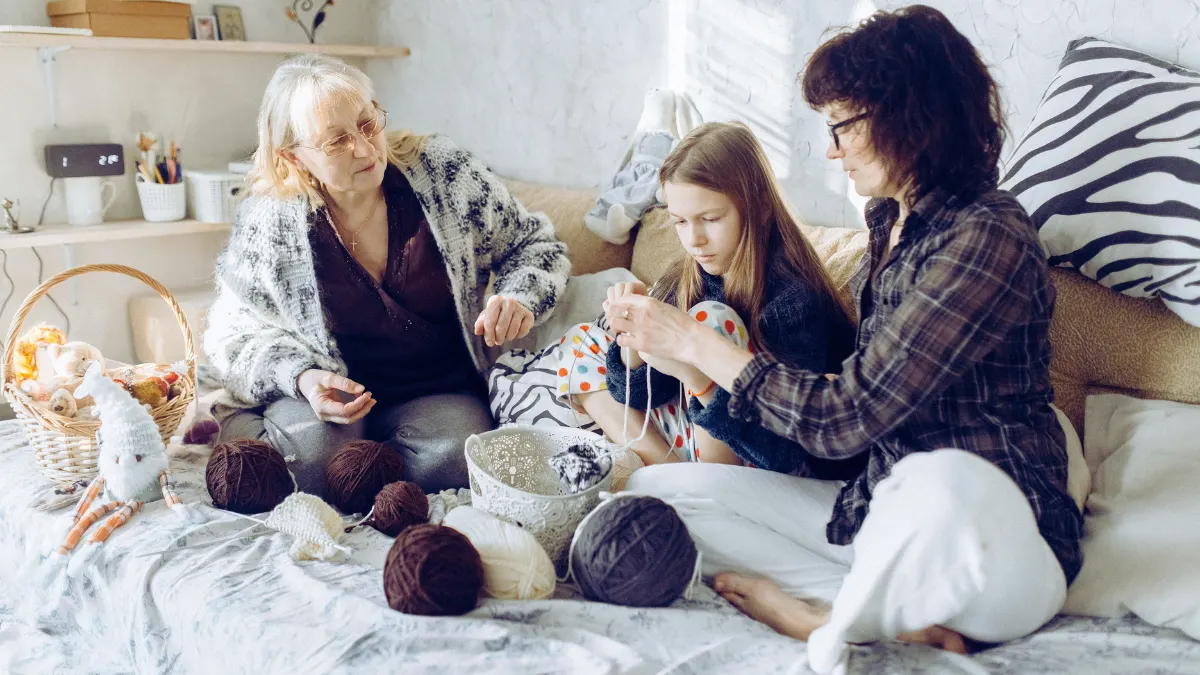
The rhythmic click of knitting needles isn’t just creating scarves—it’s building brain cells. These traditional crafts engage both hands and mind in patterns that boost neural connections and create a meditative state.
These activities reduce stress hormones while increasing feelings of accomplishment and self-worth. The repetitive motions act as a natural anxiety treatment, similar to meditation, but with a tangible result at the end.
Many people report that these crafts help them manage chronic pain and insomnia. Learning these skills from older generations creates meaningful connections while preserving cultural traditions.
The sense of creating something useful with your own hands satisfies a basic human need often missing in our digital world.
These crafts also build patience and perseverance as projects develop stitch by stitch over time, teaching valuable life skills alongside the technical knowledge.
3. Gardening for Mental and Physical Health
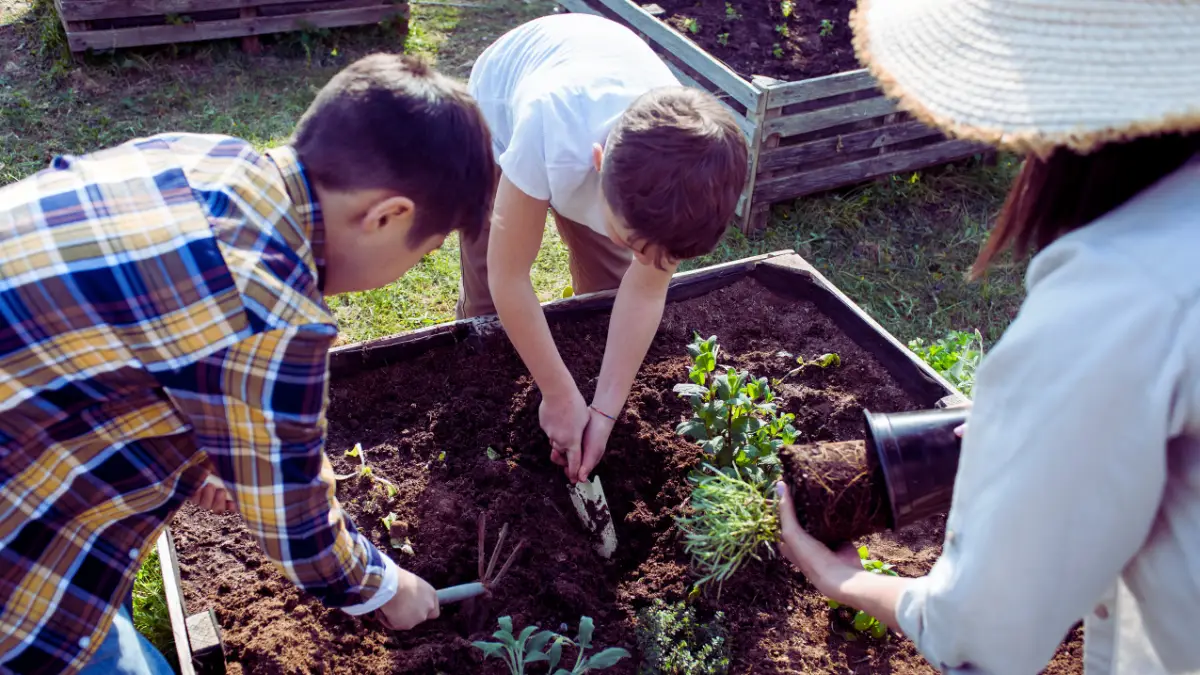
Digging in soil releases microbes that activate brain serotonin production—nature’s antidepressant. Gardening connects people to growth cycles and provides a sense of purpose and accomplishment that boosts self-esteem.
Physical benefits include improved hand strength, flexibility, and vitamin D absorption from moderate sun exposure.
Working in gardens burns calories while building muscle tone in a low-impact way that suits all ages. The fresh air and movement often lead to better sleep patterns and increased energy.
Gardens create opportunities for sharing knowledge across generations. Grandparents pass down plant wisdom and food traditions while spending quality time with younger family members.
The satisfaction of eating vegetables you’ve grown yourself encourages healthier eating habits. Princeton researchers found gardeners report happiness levels comparable to other popular recreational activities like biking or dining out.
4. Rubber Duck Debugging (Talking Through Problems Aloud)
Problems often solve themselves when explained aloud, even to an inanimate object like a rubber duck. This technique forces your brain to structure thoughts linearly and expose assumptions you might miss when thinking silently.
The process works because verbalizing requires organizing concepts enough for someone else to understand. Your brain switches from abstract problem-solving to concrete communication, often revealing the solution midway through the explanation.
The technique works beyond programming—trying to explain difficult concepts in relationships, creative blocks, or career decisions often leads to clarity.
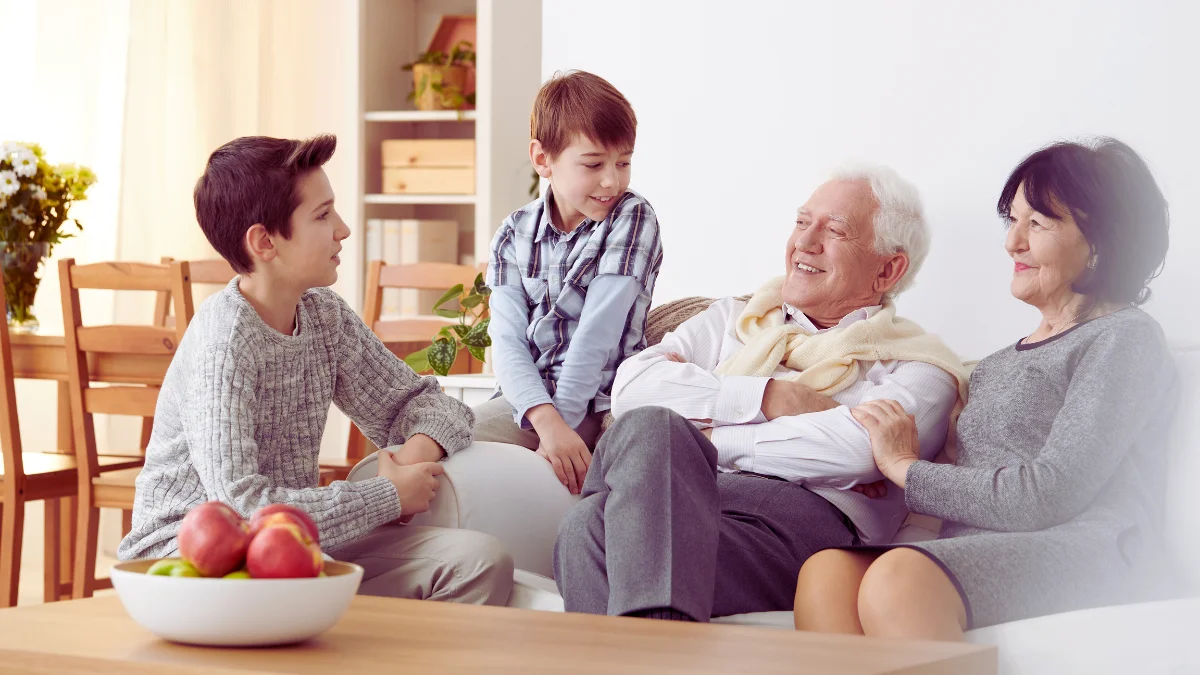
Grandparents naturally use this approach when listening to children’s problems, asking questions that guide kids toward finding their solutions.
The simple act of speaking aloud engages different neural pathways than silent thinking, creating new connections that often lead to breakthrough moments.
5. Intergenerational Bonding and Support
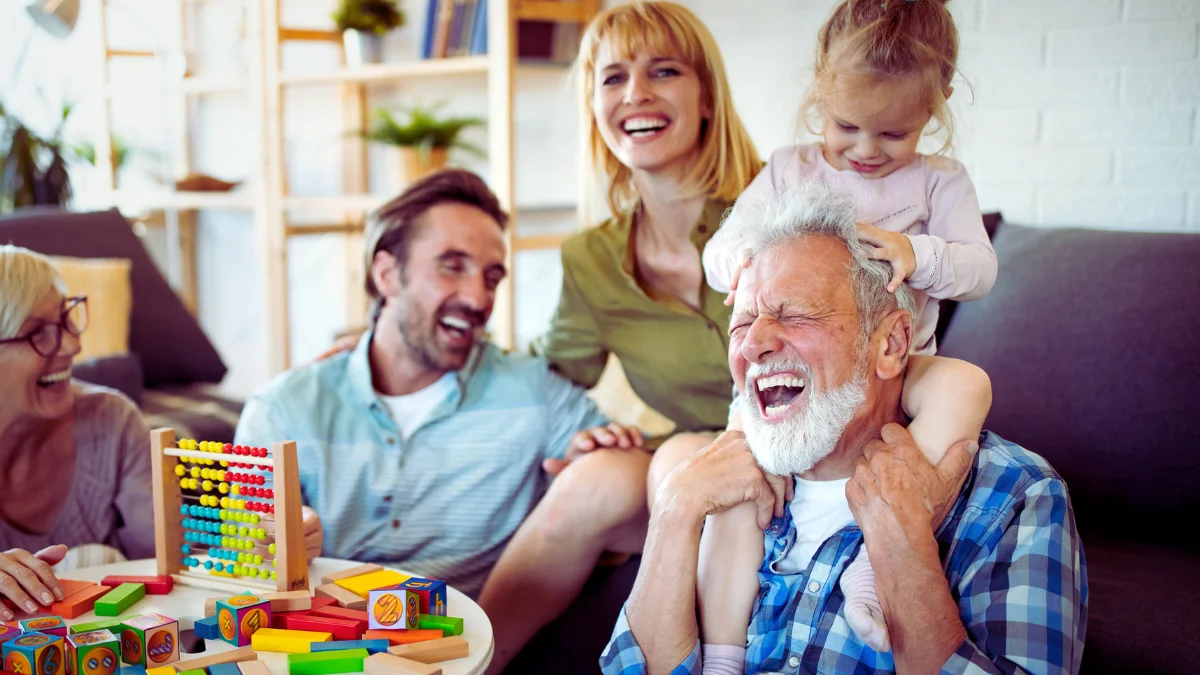
Children who spend regular time with grandparents show higher emotional intelligence and stronger coping skills.
This connection provides a safety net of unconditional love beyond the parent-child relationship. Maternal grandmothers are particularly effective at buffering children from adverse childhood experiences.
Their presence creates stability during family disruptions and offers alternative perspectives on handling challenges. Grandparents often have time and patience that busy parents might lack.
These relationships benefit older adults equally by providing purpose and keeping them mentally engaged. Teaching skills and sharing stories give seniors opportunities to contribute meaningfully to family life.
The exchange goes both ways—grandchildren often teach technology skills while absorbing life wisdom, creating a beautiful reciprocal relationship that strengthens family bonds across generations.
6. Mindful Sun Exposure with Protection
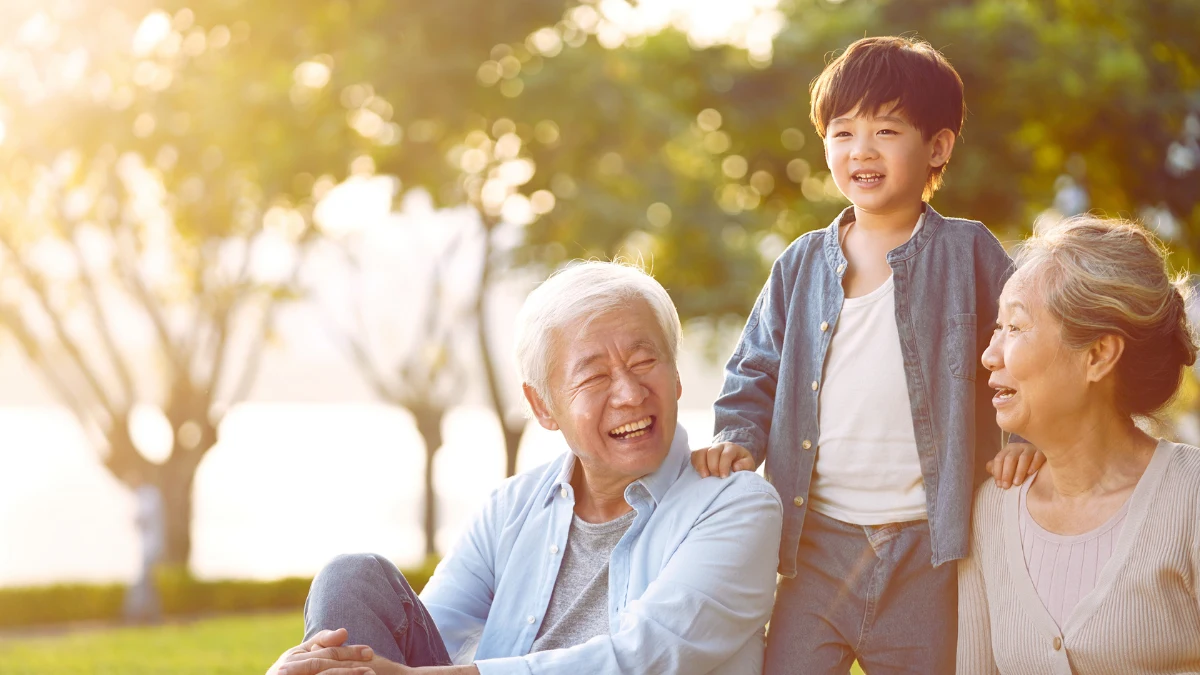
Sunlight triggers vitamin D production, essential for bone health, immune function, and mood regulation. Our ancestors understood the balance between beneficial sun exposure and protection from overexposure.
Grandparents often practice common-sense approaches—seeking morning light when UV rays are less intense, wearing hats and appropriate clothing, and using natural shade.
A Study on Sun Exposure and Associated Behaviours among Canadians found that while 93% of people recognized sun risks, only 10% consistently followed protection guidelines.
This disconnect shows how traditional wisdom sometimes aligns better with health needs than modern practices.
Short, regular sun sessions provide benefits without damage. Fifteen minutes of morning light on arms and face several times weekly helps maintain vitamin D levels for most people.
Grandparents tend to model this balanced approach, avoiding both excessive fear of the sun and careless overexposure that increases skin cancer risk.
7. Walking Barefoot (Earthing/Grounding)

Taking off your shoes to feel the grass between your toes isn’t just nostalgic—it might improve your health. Direct skin contact with the earth transfers natural electrical energy that may reduce inflammation and reset biological rhythms.
A 2018 study found that massage therapists using grounding mats showed lower stress biomarkers after four weeks.
Additionally, 2022 research noted accelerated wound healing in diabetic patients who practiced regular earthing. The science suggests free electrons from the Earth’s surface may neutralize harmful free radicals in our bodies.
Our ancestors walked barefoot daily, while modern humans rarely touch natural ground. This disconnect may contribute to chronic inflammation issues.
Grandparents often encourage barefoot time, intuitively understanding its calming effects. Morning dew walks or beach strolls connect us to nature while potentially providing measurable health benefits, making this simple practice worth reviving.
8. Baking and Cooking from Scratch
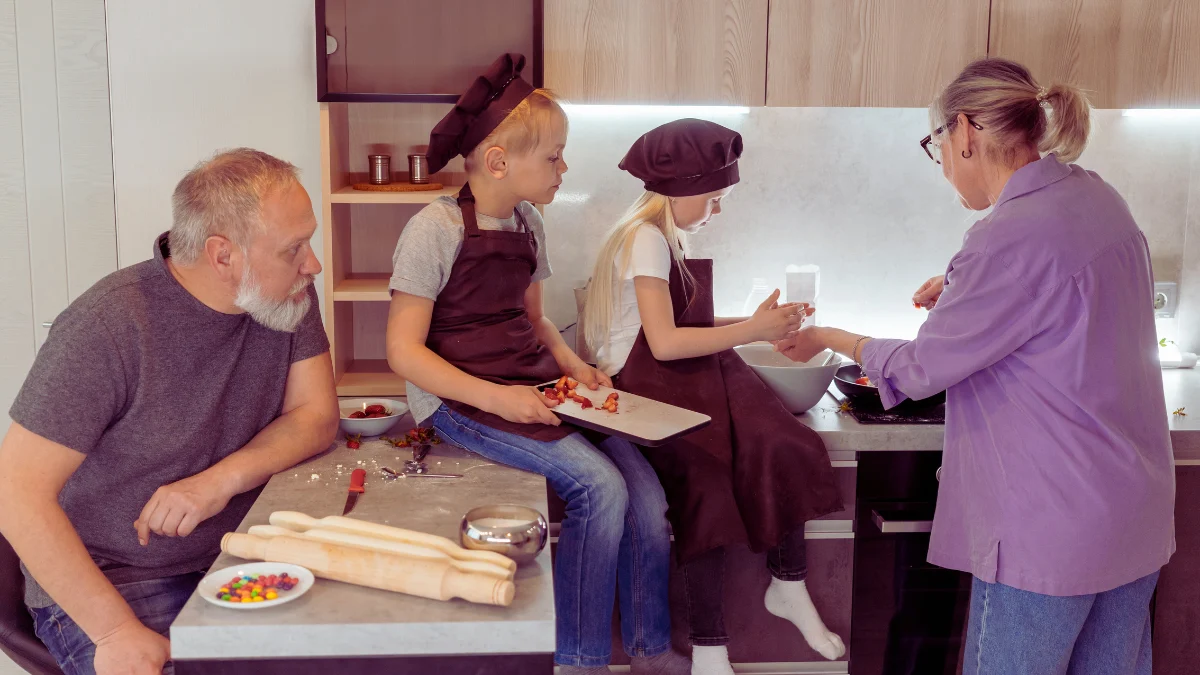
Family recipes passed through generations contain more than ingredients—they hold stories, traditions, and connections to our past. Making food from basic components creates a sensory experience that engages all five senses.
The tactile nature of kneading bread dough or rolling out pie crust creates a form of mindfulness similar to meditation.
Time spent cooking with family builds communication skills and creates space for natural conversations that might not happen in more structured settings. Many adults recall learning important life lessons while cooking with their grandparents.
Homemade food typically contains fewer preservatives and processed ingredients than commercial alternatives. The skills learned through cooking build confidence and self-sufficiency.
When children participate in meal preparation, they typically show more interest in trying new foods and understanding nutrition, creating healthy relationships with food that can last a lifetime.
9. Storytelling and Oral History Sharing
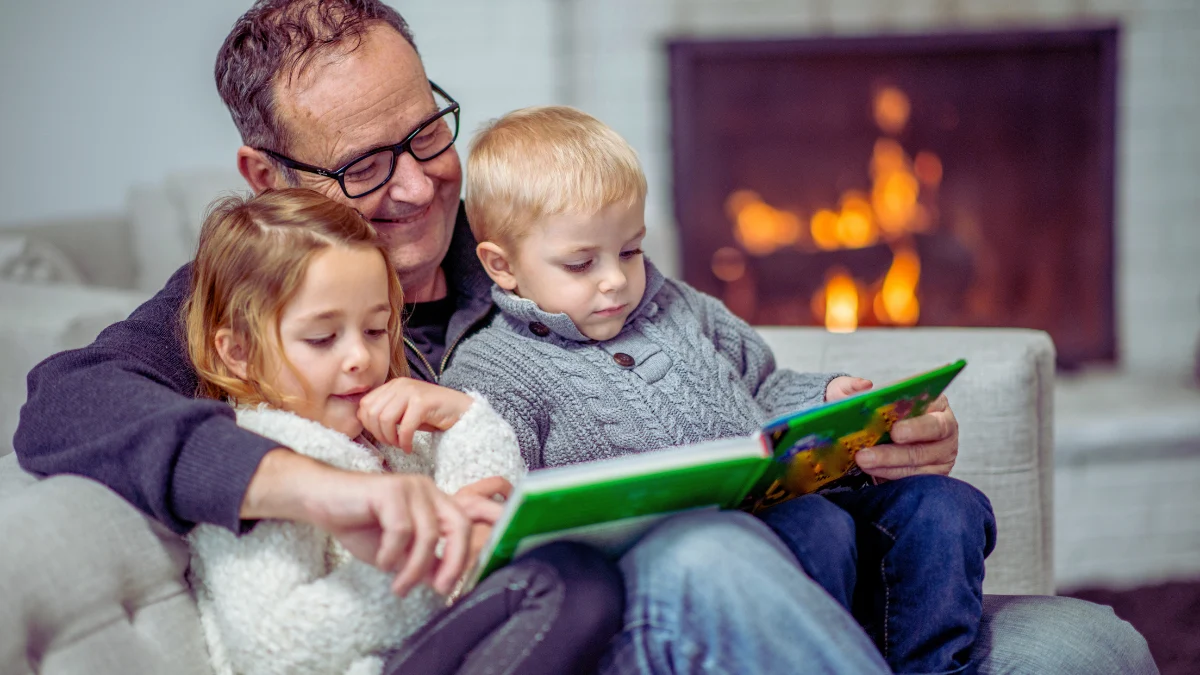
Family stories anchor us in something larger than ourselves and help develop identity. When grandparents share tales of overcoming hardships, children absorb messages about resilience and problem-solving without explicit lessons.
These narratives create mental models for handling life challenges. Children who know their family history demonstrate stronger emotional health and a sense of control over their lives.
Stories often communicate values and cultural knowledge that might feel forced if presented as direct instruction.
Storytelling creates multi-generational connections that support both teller and listener. For seniors, recounting personal history provides cognitive benefits while giving younger generations context for their own place in the family journey.
10. Mindful Handicrafts for Flow States
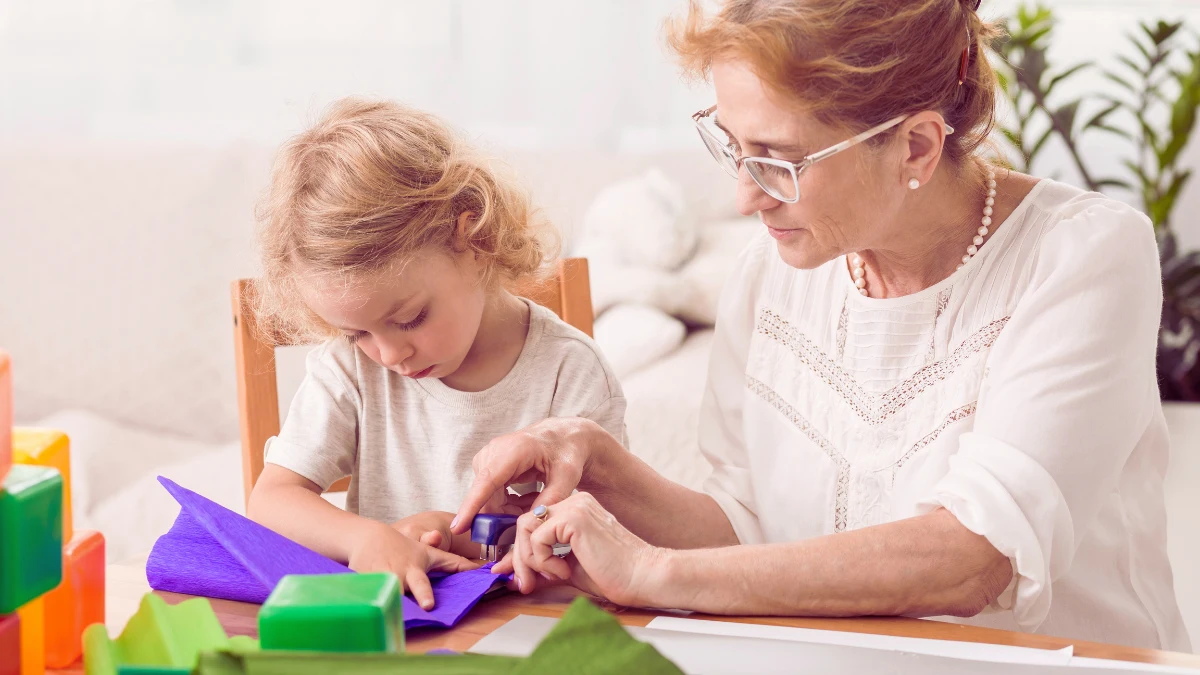
Working with hands-on projects like woodworking, quilting, or pottery creates what psychologists call “flow”—a state of complete absorption where time seems to disappear.
This mental state promotes well-being and satisfaction. Creating objects requires full attention, temporarily shutting out worries and mental chatter.
The bilateral movements involved in many crafts engage both brain hemispheres, similar to techniques used in trauma therapy. This may explain why many people find handicrafts healing during difficult life periods.
Finished projects provide tangible evidence of accomplishment, building confidence and self-efficacy. Unlike many modern activities with immediate results, traditional crafts teach patience and delayed gratification.
The skills involved in these activities build both fine motor coordination and problem-solving abilities. Many grandparents naturally share these activities, passing down both techniques and the mental benefits that come with creating something beautiful or useful with your own hands.