

Michael thought he had done everything right.
He ran long distances, stayed lean, and followed the low fat diet that had been promoted for heart health for years. Then an ultrasound found plaque in his carotid arteries, and the estimated condition of those arteries looked much older than his actual age.
The frightening part was not simply that plaque existed. It was that atherosclerosis can grow silently for years, then announce itself through a heart attack, stroke, or circulation problem.
Michael did not literally scrub plaque from his arteries. What he did was identify previously missed risk factors, change the conditions that allowed plaque to grow, and work with medical professionals to make the plaque less dangerous.
Before making changes based on this article, speak with your doctor, particularly if you have diagnosed cardiovascular disease, diabetes, kidney disease, high blood pressure, or take prescription medication.
What “Cleaning” Arterial Plaque Really Means
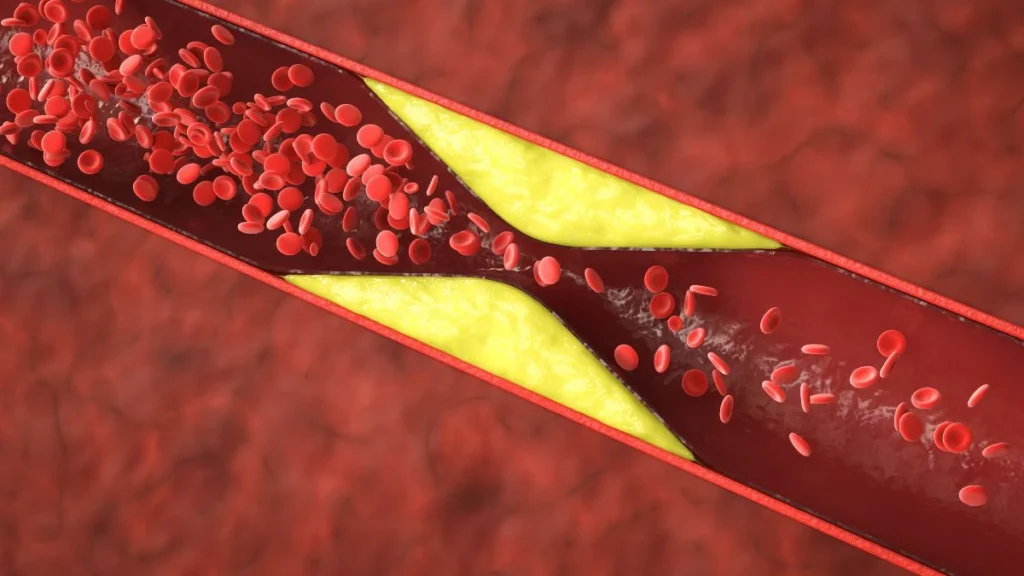
Atherosclerotic plaque is not dirt stuck inside a pipe.
It is living, biologically active tissue within an artery wall. Plaque can contain cholesterol, inflammatory cells, connective tissue, calcium, and cellular debris. It may gradually narrow an artery, but it can also rupture and trigger a blood clot even when the narrowing is not severe.
That distinction changes the goal.
The most realistic goal is usually to stop plaque from progressing, stabilize vulnerable plaque, reduce the chance of rupture, and lower the risk of a heart attack or stroke. A measurable decrease in plaque volume may occur, but complete disappearance is unusual.
Michael’s account, supplied as the background for this article, describes carotid plaque discovered in his late fifties, followed by changes involving diet, exercise, sleep, stress, supplements, and prescribed medication.
It later describes imaging that reportedly showed very little soft plaque and mostly stable plaque. Those personal scan results have not been independently verified here, so they should be treated as an individual account rather than proof that one program works for everyone.
| Phrase people hear | What it should mean medically | What it does not prove |
|---|---|---|
| Plaque reversal | A measurable reduction in plaque burden on repeat imaging | That every artery is clear |
| Plaque stabilization | Plaque becomes less inflamed and less likely to rupture | That the plaque has disappeared |
| Improved arterial age | A calculated imaging measure has improved | A guarantee against heart attack |
| Better blood flow | An artery has less functionally significant narrowing | That the underlying disease is cured |
The First Step Was Not a Diet. It Was Finding the Risk

Michael’s biggest lesson was simple: looking fit does not rule out cardiovascular disease.
People can exercise regularly and still have high blood pressure, abnormal cholesterol, elevated lipoprotein(a), insulin resistance, diabetes, sleep apnea, or a strong genetic risk. Atherosclerosis usually reflects several interacting factors rather than one food or one laboratory number.
His story began with a carotid ultrasound. This type of imaging can detect carotid plaque, but it is not the standard screening test for every symptom free adult.
Whether imaging is appropriate depends on age, symptoms, family history, existing risk factors, and whether the result would change treatment.
Current cardiovascular prevention increasingly emphasizes formal risk estimation. The American Heart Association’s PREVENT calculator considers factors such as age, blood pressure, cholesterol, diabetes, smoking, kidney function, and medication use.
Newer lipid guidance also discusses selective use of additional testing when the initial risk assessment remains uncertain.
Tests worth discussing with a clinician
| Test or measurement | What it can reveal | Important limitation |
| Blood pressure | Mechanical stress placed on artery walls | One reading can be misleading |
| Fasting lipid panel | LDL cholesterol, HDL cholesterol, triglycerides | Does not show plaque directly |
| Lipoprotein(a) | A largely inherited cardiovascular risk factor | Lifestyle may have limited effect on the level |
| A1C and fasting glucose | Average or baseline glucose status | Can miss some post meal abnormalities |
| Oral glucose tolerance test | How the body handles a measured glucose load | Must be interpreted using diagnostic criteria |
| Coronary calcium scan | Calcified coronary plaque burden | Does not directly measure every type of soft plaque |
| Carotid ultrasound | Plaque or narrowing in neck arteries | Does not directly show coronary artery plaque |
The American Diabetes Association recognizes a 75 gram oral glucose tolerance test as one accepted method for diagnosing diabetes and prediabetes.
A two hour value from 140 to 199 milligrams per deciliter indicates impaired glucose tolerance, while 200 or higher can meet a criterion for diabetes when properly confirmed. A single brief rise above 140 after an ordinary meal does not prove that artery inflammation has begun or establish a diabetes diagnosis.
That is an important correction to the original story. Glucose matters, but there is no universally accepted rule that each reading above 140 immediately injures the arteries.
Michael Changed the Quality of His Carbohydrates

After learning that his glucose regulation was abnormal, Michael reduced foods that produced large glucose rises for him.
That did not require declaring every grain dangerous. The more defensible approach is to limit refined carbohydrates and added sugars while building meals around minimally processed plant foods, protein, healthy fats, and fiber.
Fiber slows digestion, supports fullness, and usually produces a gentler glucose response than refined flour or sugary drinks. Beans, lentils, vegetables, intact whole grains, nuts, seeds, and whole fruit also provide nutrients that highly processed low fat foods often lack.
A person’s response can vary according to portion size, preparation, sleep, activity, medication, and existing insulin resistance. Oatmeal, for example, may raise Michael’s glucose substantially while producing a moderate response in someone else. That does not make oatmeal inherently harmful.
| More likely to produce a rapid glucose rise | Usually gentler choices |
| Sugary drinks and sweetened coffee | Water, unsweetened tea, or coffee |
| White bread and refined crackers | Beans, lentils, or minimally processed whole grains |
| Large portions of white rice | Smaller portions paired with vegetables and protein |
| Candy and pastries | Whole fruit with nuts or seeds |
| Highly processed breakfast cereal | Steel cut oats, chia pudding, or an egg and vegetable meal |
| Large servings of refined pasta | A smaller serving with beans and abundant vegetables |
A plant focused arterial health pattern does not have to be extremely low in carbohydrate. It should be low in refined carbohydrate, high in fiber, rich in unsaturated fats, and realistic enough to maintain.
The Small Post Meal Habit That Can Help

Michael also began moving after meals.
Skeletal muscle can absorb glucose during physical activity, reducing the amount that remains in the bloodstream after eating. A short walk is not a substitute for diabetes treatment, but it is a practical way to improve daily glucose management.
A ten minute walk after one or more meals is a sensible starting point. Walking also supports blood pressure, cardiovascular fitness, weight management, and physical function.
People with limited mobility can try seated marching, repeated sit to stand movements, gentle calf raises while holding a stable surface, or brief movement breaks approved by a physical therapist.
Exercise can lower glucose more than expected in people taking insulin or certain diabetes medicines. Ask your clinician how to exercise safely and how to recognize low blood sugar.
Why Long Cardio Was Not Enough for Him

Michael had completed marathons, but endurance did not eliminate his other risks.
That does not mean long distance exercise causes diabetes or fails to improve insulin sensitivity. Aerobic exercise is strongly associated with better cardiovascular health. The lesson is that fitness and metabolic health overlap, but they are not identical.
Resistance training adds something valuable. Muscle tissue is a major destination for circulating glucose, and maintaining muscle becomes increasingly important with age.
For many adults, a balanced week may include brisk walking or another aerobic activity, plus two or more resistance sessions. Exercises can include chair squats, supported lunges, step ups, calf raises, wall pushups, resistance band rows, and light weight training.
Very intense intervals are not appropriate for everyone. A person with known plaque, chest symptoms, uncontrolled blood pressure, an abnormal heart rhythm, or a long period of inactivity should obtain medical clearance before beginning all out sprints.
A safer progression than jumping into maximal intervals
| Starting level | Appropriate first move | Progression |
| Mostly inactive | Five to ten minutes of easy walking | Add several minutes each week |
| Regular walker | Add three or four brisk thirty second periods | Gradually lengthen the brisk periods |
| Ready for strength work | Chair squats and wall pushups | Add resistance or repetitions |
| Experienced exerciser | Clinician approved intervals | Increase intensity gradually |
| Balance or joint limitations | Supervised seated or supported exercise | Work with a physical therapist |
Blood Pressure and Cholesterol Still Matter
The supplied story places heavy emphasis on blood sugar, but glucose is not “more important than cholesterol” in every person.
Atherosclerosis is strongly driven by exposure to cholesterol containing particles, particularly LDL particles, as well as smoking, high blood pressure, diabetes, kidney disease, inflammation, genetics, and aging. Managing one factor while ignoring the others leaves risk on the table.
Current guidelines continue to treat statins as foundational therapy for many people with established atherosclerotic disease and for selected people at elevated risk. They are not prescribed only for an anti inflammatory effect. Their ability to lower LDL cholesterol and cardiovascular events is central to their use.
Medication choice and dose should be individualized. Taking a statin only two or three times per week, as described in the source story, is not a universal plaque treatment and should not be copied without a prescriber.
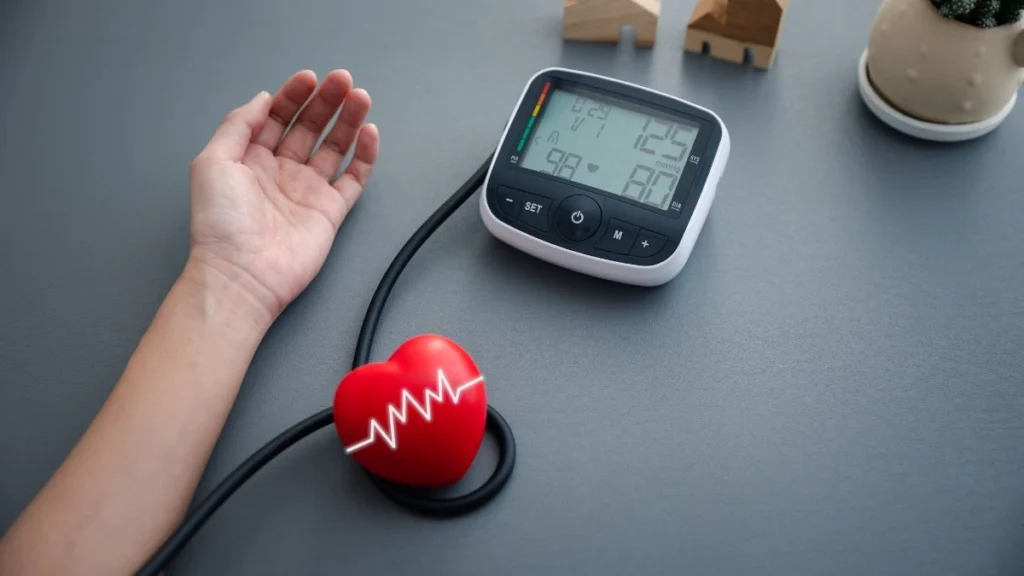
Blood pressure deserves equal attention. Repeated pressure against an already vulnerable artery wall increases cardiovascular risk. Home measurements can help, but the cuff must fit properly and the readings should be reviewed with a clinician.
Supplements Were Not the Main Reason
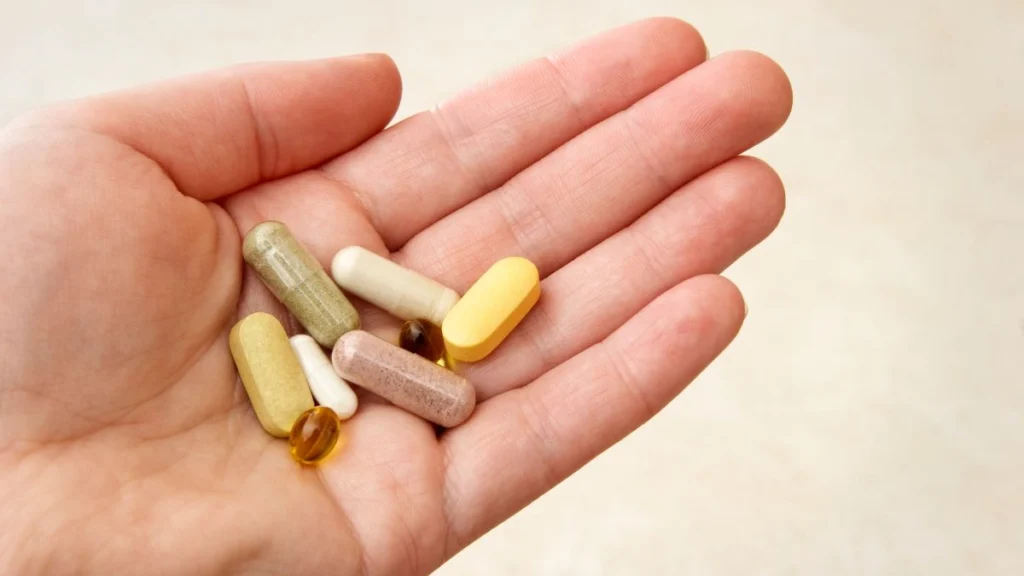
The original account lists vitamin D, vitamin K2, niacin, magnesium, fish oil, aged garlic, and nattokinase.
That section requires caution.
Supplements may correct a documented deficiency or serve a specific medical purpose, but none has been proven to clean arteries in the way the headline suggests.
The NIH reports that multivitamin and mineral supplements generally do not reduce cardiovascular events. High dose niacin can cause flushing, liver injury, glucose problems, and drug interactions, and it has not routinely improved outcomes when added to modern statin therapy.
Vitamin K2 has not been established as a treatment that heals artery walls or removes vascular calcium. One randomized trial discussed by the American Heart Association found that vitamin K2 plus vitamin D did not slow existing aortic valve calcification.
Fish oil prescriptions may be useful in selected patients, but an over the counter product is not automatically equivalent to a studied prescription formulation. Nattokinase may increase bleeding risk, especially when combined with aspirin, anticoagulants, or certain supplements.
Aspirin Is Not a Do It Yourself Plaque Treatment
Michael’s story also describes aspirin and later prescription anticoagulation.
These are not interchangeable.
Aspirin reduces platelet activity. Anticoagulants such as apixaban affect the blood clotting system and may be prescribed for conditions such as atrial fibrillation. Combining them can substantially increase bleeding risk.
The American Heart Association advises people not to start daily low dose aspirin without discussing the individual benefits and risks with a clinician.
Routine aspirin use is discouraged for many adults who have never experienced a cardiovascular event because bleeding may outweigh the benefit.
Finding a small amount of plaque on a scan also does not automatically mean that every person should take aspirin. Age, bleeding history, other medications, plaque location, symptoms, and overall cardiovascular risk all matter.
Sleep and Stress Can Quietly Undermine Progress

Michael eventually learned that poor sleep and possible sleep apnea were part of his risk picture.
Sleep apnea repeatedly disrupts breathing and oxygen levels during the night. It is associated with high blood pressure, abnormal heart rhythms, insulin resistance, daytime fatigue, and increased cardiovascular risk.
Clues include loud snoring, witnessed pauses in breathing, waking with headaches or a dry mouth, nighttime choking, and severe daytime sleepiness. A sleep study, not guesswork, is the appropriate way to assess it.