
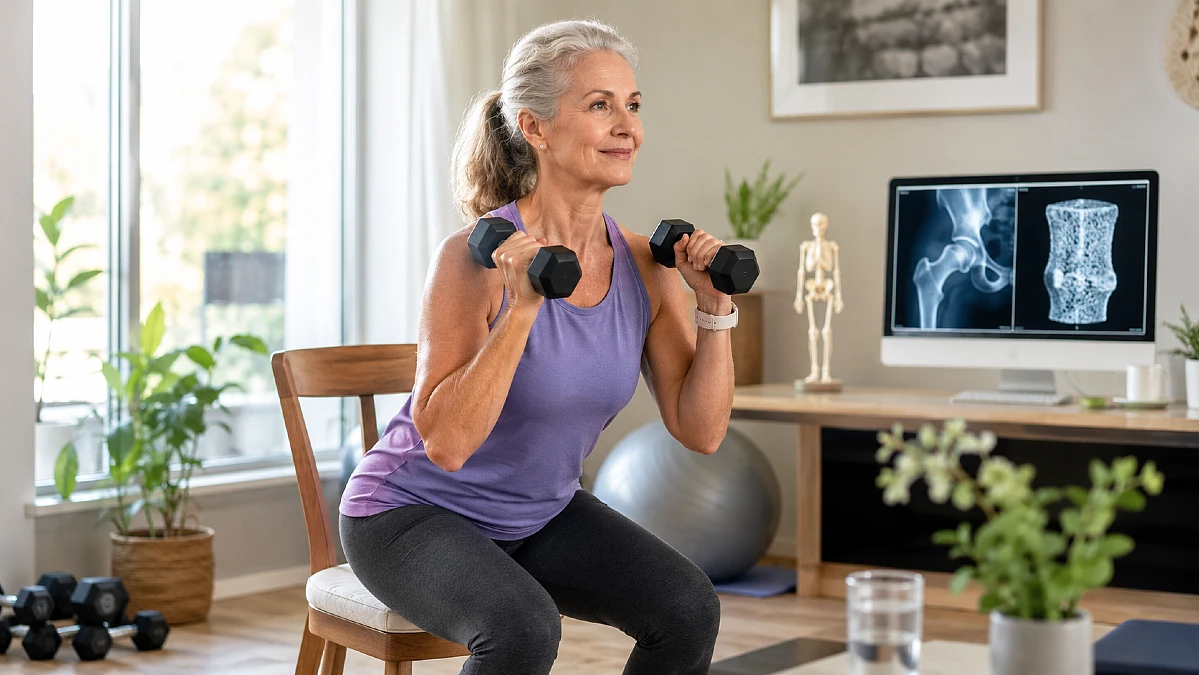
Carol did not feel her bones getting weaker. That was the problem.
For nearly 15 years, missed strength workouts, menopause related bone loss, low calcium intake, and long stretches of inactivity quietly shifted the balance inside her skeleton.
By the time a bone density scan revealed the damage, an ordinary fall carried consequences she had never seriously considered.
The solution was not one miracle supplement. Carol needed a coordinated plan that gave her bones a reason to adapt, corrected nutritional gaps, reduced her risk of falling, and treated osteoporosis when lifestyle changes were not enough.
Before changing exercise, supplements, or osteoporosis medication, speak with your doctor. Fragile bones, kidney disease, digestive disorders, and certain medications can change what is safe for you.
Carol First Had To Understand What “Rebuilding” Really Meant
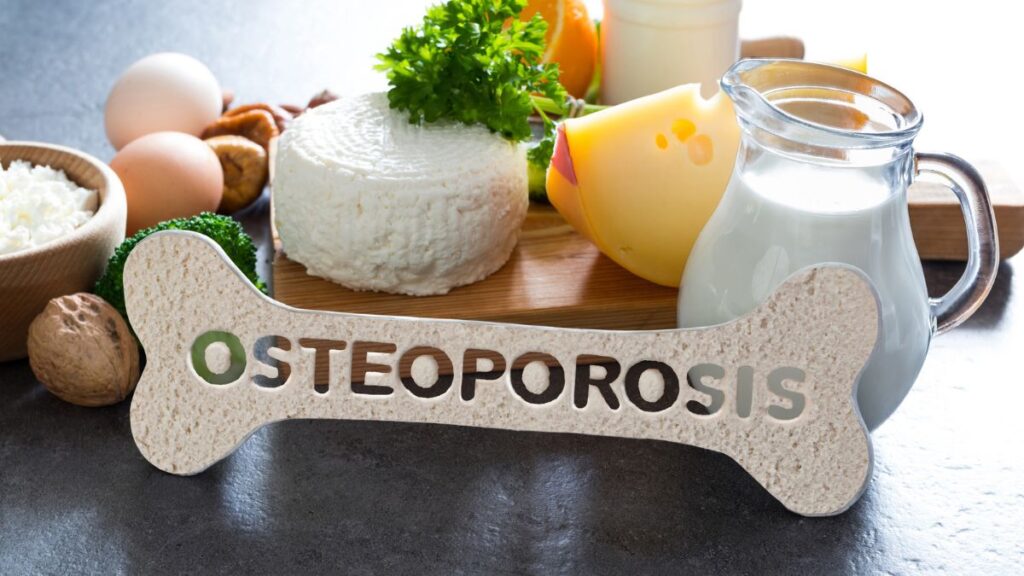
Bone is living tissue. Old bone is continuously removed, while new bone is formed to replace it.
During youth, bone formation usually outpaces bone breakdown. Later in life, particularly after menopause, that balance can reverse. Osteoporosis develops when new bone formation fails to keep pace with the amount being lost.
Carol’s goal was not to make her skeleton young again. Her realistic goals were to slow further loss, improve bone mineral density where possible, strengthen the muscles protecting her hips and spine, and reduce her chance of a fracture.
That distinction matters. A small improvement on a scan can be encouraging, but fracture prevention remains the outcome that matters most.
The Scan Revealed More Than A Single Number
A DXA scan measures bone mineral density, usually at the hip and lumbar spine. The result is reported partly as a T score, which compares the patient’s bone density with that of a healthy young adult.
A T score of minus 1.0 or higher is generally considered normal. A result between minus 1.0 and minus 2.4 indicates low bone density, often called osteopenia. A score of minus 2.5 or lower is consistent with osteoporosis.
| DXA result | General meaning | What usually happens next |
|---|---|---|
| T score of minus 1.0 or higher | Bone density is in the normal range | Protect bone with exercise, nutrition, and fall prevention |
| T score between minus 1.0 and minus 2.4 | Low bone density or osteopenia | Review fracture risk, health history, medications, and secondary causes |
| T score of minus 2.5 or lower | Osteoporosis | Discuss medication, nutrition, safe exercise, and fracture prevention |
| Previous hip or spinal fragility fracture | High fracture concern, regardless of one scan number | Prompt medical evaluation and a treatment discussion |
Carol also learned that one scan could not explain why the loss occurred. Her clinician reviewed menopause, family history, previous fractures, steroid exposure, thyroid problems, digestive disorders, kidney disease, smoking, alcohol use, weight changes, and medications.
This investigation was essential. Low bone density caused partly by vitamin D deficiency, untreated celiac disease, an overactive thyroid, or long term steroid use cannot be addressed fully by adding a few exercises.
Strength Training Became The Center Of Carol’s Plan
Walking was useful for Carol’s heart, mood, and general mobility. It was not the entire bone building plan.
Bones respond to mechanical loading. When muscles pull against bone during resistance exercise, that strain signals bone tissue to adapt. The response is specific, meaning the hips and spine need exercises that actually load those regions.
The National Institute of Arthritis and Musculoskeletal and Skin Diseases recommends resistance activities such as free weights, machines, resistance bands, and body weight exercises. It also emphasizes balance training because preventing falls is a major part of preventing fractures.
A 2022 systematic review and meta analysis found that resistance training can support bone mineral density in older adults. Another 40 week trial reported improvements at the proximal femur and lumbar spine, although responses varied by site and participant.
Carol began with supervised movements that matched her current strength and fracture risk. Her program included squats to a chair, supported step ups, hip hinge practice, standing calf raises, rows, chest presses, and progressive resistance for the legs and hips.
The resistance increased gradually. Repeating the same light movement forever would improve familiarity, but it would provide less reason for the body to keep adapting.
| Training element | Why Carol used it | Practical starting approach |
| Leg strength work | Loads the hips and improves rising, climbing, and balance | Two sessions each week with controlled chair squats or leg presses |
| Pulling and pushing exercises | Strengthens the upper body and supports daily function | One or two sets using bands, machines, or manageable weights |
| Step ups and lunges | Challenge the hips while training balance | Begin with a low step and stable hand support |
| Posture and back extensor work | Helps resist rounded posture and improves spinal support | Use clinician approved extension exercises with slow control |
| Balance practice | Reduces fall risk even when density changes are modest | Practice near a counter for several minutes most days |
| Walking | Supports fitness and provides weight bearing activity | Add regular brisk walks if walking is safe and comfortable |
Heavy Exercise Was Helpful Only When It Was Properly Supervised
The LIFTMOR randomized controlled trial studied supervised high intensity resistance and impact training in postmenopausal women with low bone mass. The program improved measures of bone strength and physical function, with high adherence and one minor training related adverse event reported.
That finding does not mean every person with osteoporosis should begin lifting heavy weights or jumping at home.
Participants were screened, taught precise technique, and closely supervised. Someone with spinal compression fractures, severe balance problems, uncontrolled pain, or advanced osteoporosis may need a very different starting point.
Carol worked with a qualified professional before increasing the load. She avoided sudden twisting, uncontrolled impact, and repeated forward bending through the spine.
The Bone Health and Osteoporosis Foundation specifically cautions people with osteoporosis against forward spinal flexion during exercise and daily movement because it may increase stress on vulnerable vertebrae.
Exercise intensity must match fracture history, balance, pain, and current bone strength. A program that helped one research group may be unsafe for someone with vertebral fractures or significant osteoporosis.
Calcium Filled A Gap, But More Was Not Automatically Better
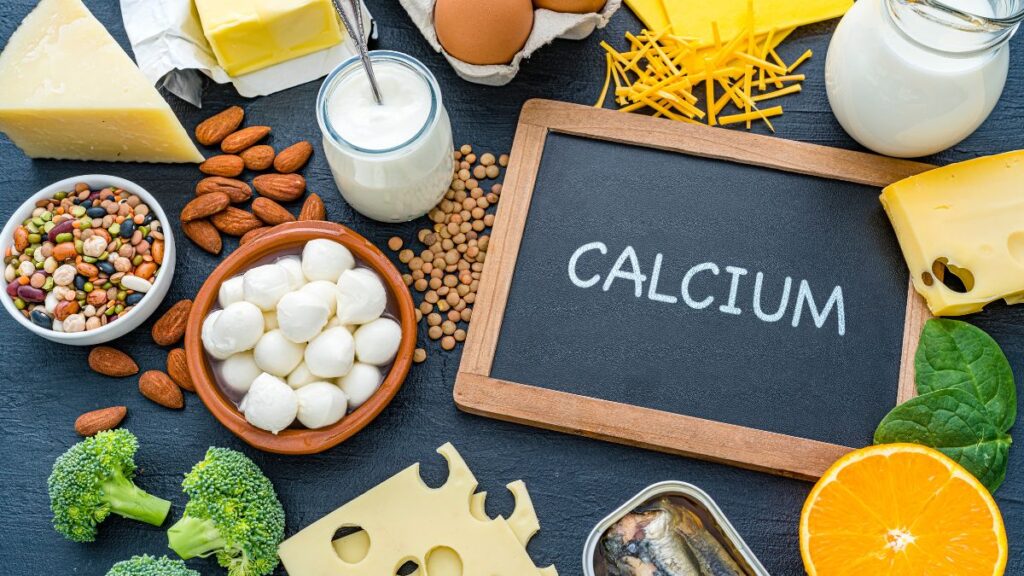
Carol’s first instinct was to buy the largest calcium supplement she could find. Her clinician asked her to calculate her food intake first.
Calcium provides structural material for bone, but the body also needs calcium for nerve signals, muscle contraction, and other essential functions. When intake is inadequate, bone may be used as a calcium reservoir.
The current recommended dietary allowance is 1,200 milligrams daily for women older than 50. This total includes calcium from food and supplements, not 1,200 milligrams from pills in addition to meals.
Carol relied primarily on calcium rich foods. Depending on dietary preferences, options can include fortified plant milk, calcium set tofu, yogurt, milk, canned fish with edible bones, beans, tahini, and selected leafy greens.
She checked labels because calcium amounts differ widely among brands. Some plant drinks provide roughly 300 milligrams per fortified cup, while an unfortified version may contain very little.
Supplements were used only to fill the remaining gap. Excessive calcium supplementation can create problems for some people, especially those with kidney stones, kidney disease, high blood calcium, or certain parathyroid disorders.
Vitamin D Helped Carol Use The Calcium She Was Eating
Vitamin D helps the intestines absorb calcium. Severe deficiency can contribute to weak or poorly mineralized bone.
For adults, the recommended vitamin D intake generally falls between 600 and 800 international units daily, depending on age. Personal needs may differ when a deficiency, malabsorption disorder, limited sun exposure, or another medical issue is present.
Carol did not assume that a high dose was harmless. Vitamin D can accumulate, and excessive amounts may raise blood calcium and damage the kidneys or other tissues.
Her clinician decided whether a blood test was appropriate. Routine vitamin D testing is not required for everyone, but it may be useful when deficiency is suspected or when a condition affects vitamin D absorption or metabolism.
Protein And Enough Food Protected The Muscle Around Her Bones
Bone health is not only about minerals. Carol also needed enough protein and total food to maintain muscle.
Muscle generates the forces that stimulate bone during movement. It also improves the ability to catch a stumble, rise from a chair, and protect the body during everyday tasks.
Carol spread protein across her meals rather than saving almost all of it for dinner. Her choices included lentils, beans, tofu, tempeh, soy milk, yogurt, eggs, fish, poultry, and other foods that matched her preferences.
She also stopped treating weight loss as automatically healthy. Aggressive dieting can reduce muscle and may worsen bone loss, particularly when protein, calcium, vitamin D, and resistance exercise are inadequate.
| Earlier pattern | Bone supportive replacement | Why the change mattered |
| Coffee with little breakfast | Protein rich breakfast with a calcium source | Supports muscle maintenance and improves nutrient intake |
| Long periods of calorie restriction | Adequate meals built around protein and plants | Reduces the risk of losing muscle along with weight |
| Calcium pills without checking food | Food first calculation, then a small supplement if needed | Helps avoid both deficiency and unnecessary excess |
| Walking as the only exercise | Walking plus progressive resistance and balance work | Adds a stronger mechanical signal for bone and muscle |
| Random high dose vitamin D | Clinician guided intake based on risk and testing | Avoids untreated deficiency and excessive dosing |
| Waiting for pain before seeking care | Planned DXA follow up and fracture risk review | Osteoporosis often causes no warning symptoms before fracture |
Medication Was Not A Sign That Carol Had Failed
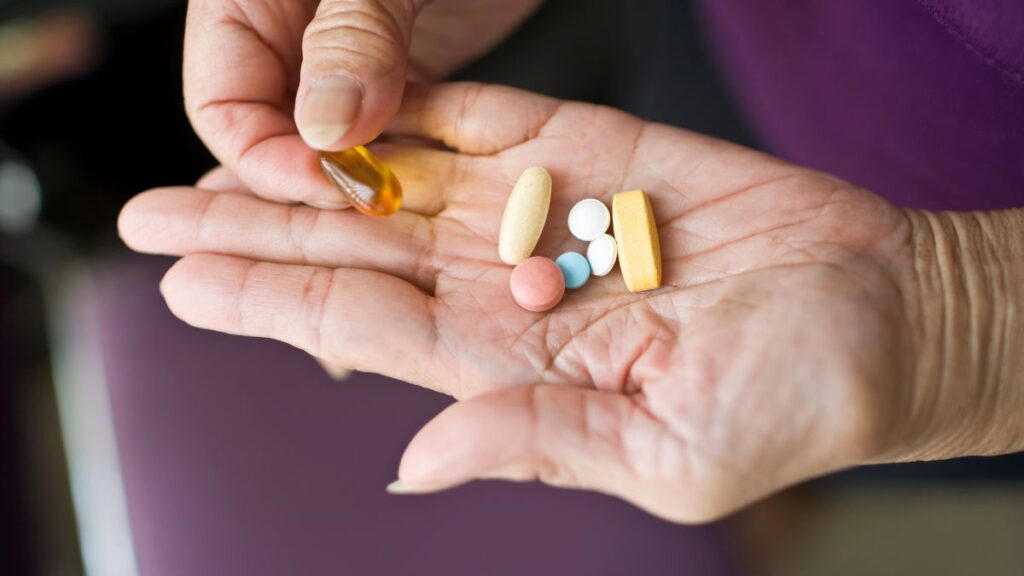
Lifestyle measures form the foundation of bone health, but they may not provide enough protection for someone at high fracture risk.
The Endocrine Society recommends pharmacological treatment for postmenopausal women at high risk of fractures, particularly those who have already experienced a fracture. Treatment choice depends on fracture risk, medical history, kidney function, side effect concerns, and prior therapy.
Antiresorptive medicines slow bone breakdown. This group includes bisphosphonates and denosumab.
Bone forming medicines stimulate new bone formation and may be considered for people at very high fracture risk. The sequence and length of treatment matter, so these medicines require a structured plan rather than casual use.
Carol asked three direct questions before choosing treatment:
- How much could this medicine reduce her fracture risk?
- What side effects or monitoring did it require?
- What would happen when the treatment was paused or stopped?
She did not stop a prescribed medicine because of an alarming social media post. Some osteoporosis medicines require careful transition planning, and suddenly ending treatment can have consequences.
Carol Removed The Habits That Kept Pulling Bone In The Wrong Direction
Exercise and nutrition mattered, but Carol also looked for forces working against them.
Smoking is associated with poorer bone health. Heavy alcohol use can interfere with nutrition, balance, and fall prevention.
Certain medications can also contribute to bone loss. Examples may include long term glucocorticoids and some treatments for seizures, cancer, or hormone related conditions.
Carol brought every prescription, nonprescription medicine, and supplement to a medication review. She did not stop anything on her own. Instead, her clinician checked whether each medicine was still needed and whether bone protection should be added.
She also made her home safer. Loose rugs were removed, dark hallways received better lighting, frequently used objects were moved within easy reach, and stable shoes replaced slippery socks.
These changes did not alter a T score directly. They reduced the chance that weak bone would meet the force that causes a fracture.
Try This Bone Building Routine Today
Carol’s Daily Bone Support Checklist
- Include a calcium rich food at two or three meals.
- Include a meaningful protein source at every main meal.
- Perform balance practice near a stable surface for several minutes.
- Complete clinician approved resistance training at least twice weekly.
- Review smoking, alcohol, sleep, medications, and fall hazards with a healthcare professional.
Consistency mattered more than an occasional burst of effort. Bone remodeling is slow, so Carol built a routine she could continue for years.