
You just heard the word “cancer” from your doctor. Your mind races. You start searching for hope, for options, for anything that works.
Scientists found that certain mRNA vaccines are helping cancer patients live years longer. Not months. Years.
This isn’t hype. It’s happening right now in hospitals across the world.
Here you’ll know exactly which cancers are responding to these vaccines, what the actual survival numbers look like, and how you might access these treatments today.
What Makes These Cancer Vaccines Different
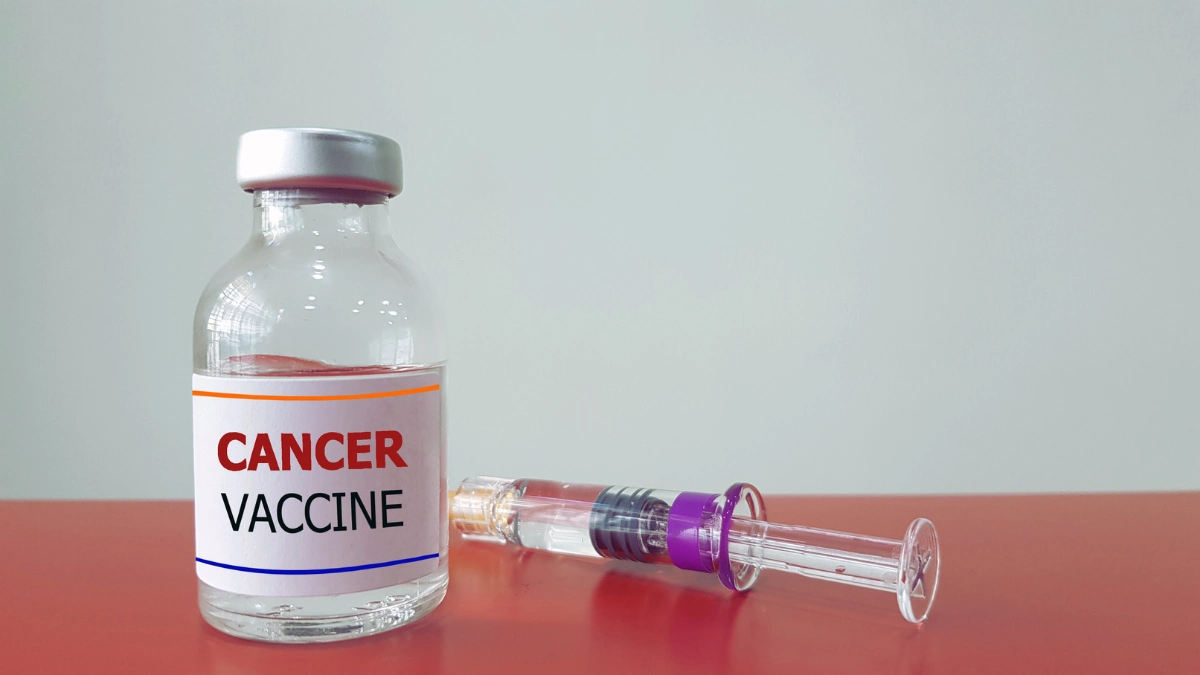
Think about how a typical cancer drug works. Chemotherapy kills fast-growing cells. But it can’t tell the difference between cancer cells and healthy cells. That’s why people lose their hair and feel so sick.
mRNA cancer vaccines work completely differently.
They teach your immune system to recognize cancer cells. It’s like showing your body’s security team a photo of the intruder. Once your immune system knows what to look for, it hunts down those specific cancer cells.
Each vaccine targets up to 34 mutations that are unique to your specific tumor. Your cancer is different from everyone else’s cancer. So you get a personalized vaccine made just for you.
The process used to take nine weeks. Now, thanks to AI helping identify the best targets, it takes less than four weeks.
These vaccines create immune cells that can survive for an average of 7.7 years. Some might last for decades. That means your body keeps fighting cancer long after the treatment ends.
Right now, over 120 clinical trials are testing these vaccines on different types of cancer.
The Melanoma Results That Changed Everything
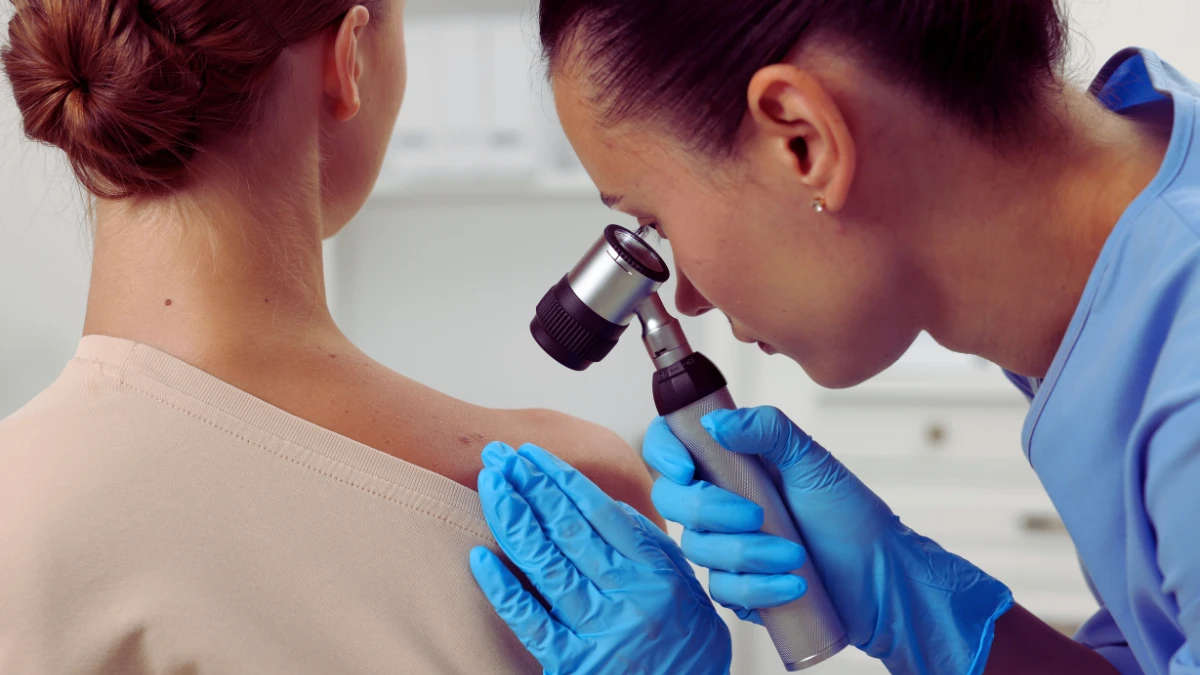
Melanoma is a dangerous skin cancer. It spreads fast. And when it comes back after surgery, survival rates drop.
But here’s what happened when doctors combined an mRNA vaccine called mRNA-4157 with a standard drug called pembrolizumab.
The KEYNOTE-942 Phase 2b trial, published in multiple updates from 2024 to 2025, involved 157 patients with melanoma who had undergone complete surgical resection. These patients were randomly assigned in a 2:1 ratio, with 107 receiving the mRNA vaccine (mRNA-4157/V940) in combination with pembrolizumab, and 50 receiving pembrolizumab alone.
Here’s what happened over three years:
The vaccine group had a 44% lower risk of their cancer coming back. At the 2.5-year mark, 74.8% of vaccine patients were still cancer-free compared to 55.6% who didn’t get the vaccine.
Even better: Overall survival reached 96% with the vaccine versus 90.2% without it.
The vaccine cut the risk of cancer spreading to distant parts of the body by 62%.
You might worry about side effects with a new treatment. About 25% of vaccine patients had serious side effects compared to 20% who took only pembrolizumab. That’s barely any difference.
The vaccine works because it makes cancer cells produce a protein called PD-L1 as a defense mechanism. This creates the perfect setup for drugs like pembrolizumab to work better.
Right now, 1,089 patients are enrolled in a larger Phase 3 trial at 165 locations worldwide. Doctors expect to submit this vaccine for FDA approval in 2026. If everything goes well, it could be available by 2029.
The FDA already gave this vaccine “Breakthrough Therapy” status, which speeds up the approval process.
The Surprising Lung Cancer Discovery

This next finding happened by accident. And it might help people right now.
Doctors at MD Anderson Cancer Center noticed something odd. Lung cancer patients who got the COVID mRNA vaccines seemed to live longer. A lot longer.
They decided to study this carefully.
The MD Anderson retrospective analysis found that among 884 advanced non-small cell lung cancer patients on immunotherapy, those who received a COVID mRNA vaccine within 100 days of starting treatment had nearly double the median survival compared to those who did not. The results were striking
Patients who got the COVID vaccine lived a median of 37.33 months. Patients who didn’t get the vaccine lived a median of 20.6 months. The vaccine nearly doubled their survival time.
After three years, 55.7% of vaccinated patients were still alive compared to only 30.8% of unvaccinated patients.
Here’s what makes this even more interesting: Timing mattered. The closer patients got their COVID vaccine to starting cancer treatment, the better they did.
Some lung cancers are called “cold tumors.” They barely respond to immunotherapy because the immune system doesn’t notice them. For these patients, the COVID vaccine made an almost five-fold difference in three-year survival.
Researchers tested whether other vaccines helped. They checked flu vaccines and pneumonia vaccines. None of them improved survival. Only mRNA vaccines made a difference.
Dr. Adam Grippin from MD Anderson explains it this way: “The mRNA vaccine works like an alarm that puts the body’s immune system on high alert”.
They saw the same pattern in 210 melanoma patients. Three-year survival was 67.6% with the COVID vaccine versus 44.1% without it.
This matters because COVID-19 vaccines are already approved. They’re available right now. If you’re starting immunotherapy for lung cancer, talk to your doctor about getting an mRNA COVID vaccine.
Pancreatic Cancer: Breaking Through the Toughest Barrier
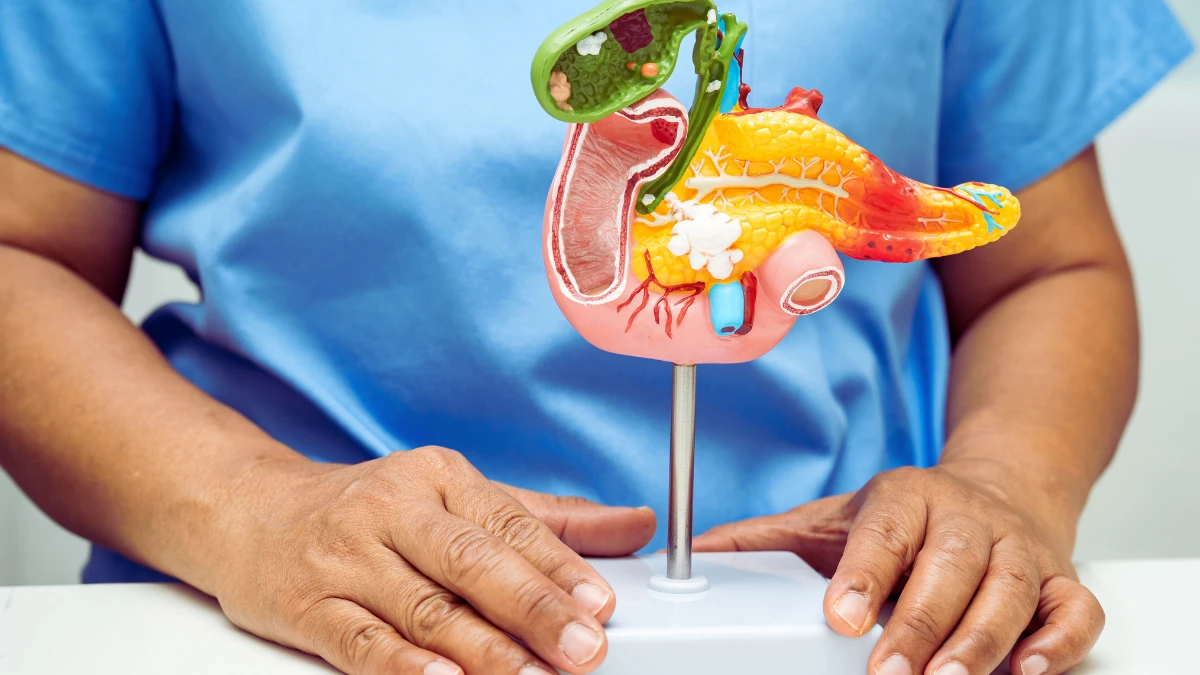
Only 12% of people with pancreatic cancer survive five years. It’s one of the deadliest cancers we know.
Immunotherapy drugs that work for other cancers don’t work for pancreatic cancer. Scientists thought mRNA vaccines wouldn’t work either because pancreatic tumors have fewer mutations to target than other cancers.
They were wrong.
A team at Memorial Sloan Kettering tested a personalized mRNA vaccine on 16 pancreatic cancer patients. They removed the tumor, sequenced its DNA, and made vaccines targeting up to 20 mutations unique to each patient’s cancer.
Eight of the 16 patients showed strong immune responses to the vaccine.
Now here’s the important part. After a median follow-up of 3.2 years, the eight patients whose immune systems responded to the vaccine still hadn’t seen their cancer come back. The patients who didn’t respond saw their cancer return after a median of 13.4 months.
Think about that. Half the patients got more than three years without their cancer returning. For a cancer this deadly, that’s huge.
In one patient, the immune cells actually found and destroyed a small tumor that had spread to the liver.
The immune cells created by this vaccine last a long time. Scientists calculated they survive for an average of 7.7 years, with some potentially lasting up to 100 years.
A bigger Phase 2 trial is now recruiting patients at over 60 sites around the world.
Who Can Get These Vaccines Right Now
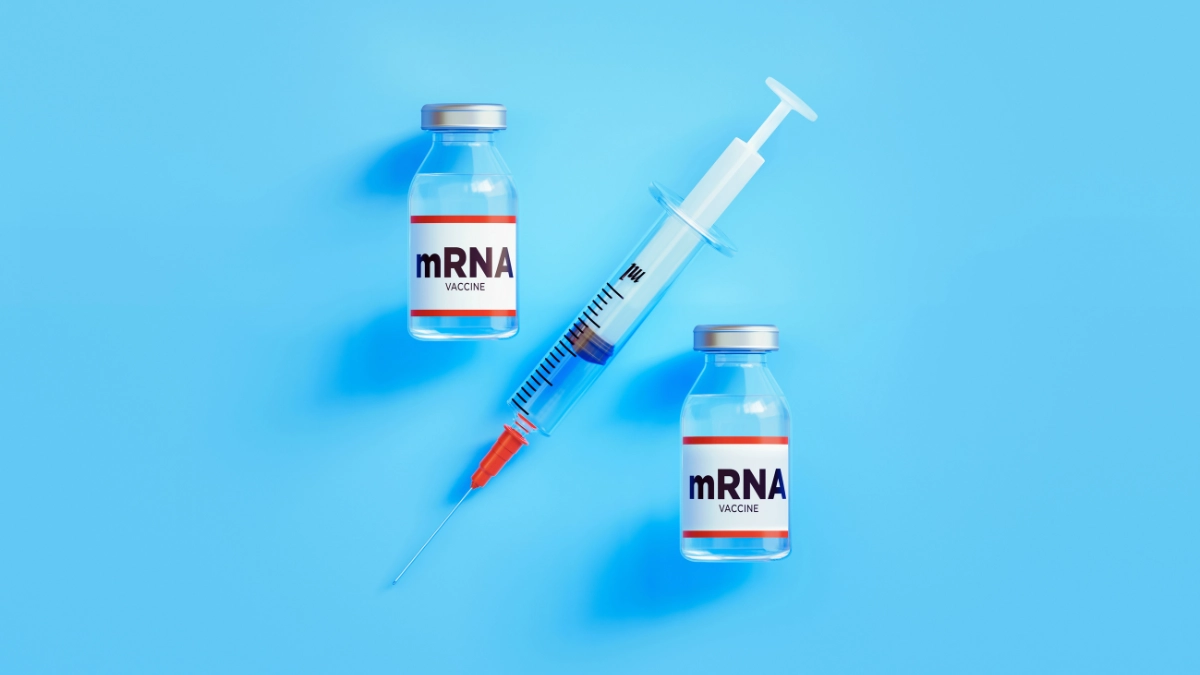
Most mRNA cancer vaccines aren’t approved yet. But you can access them through clinical trials.
Here’s who qualifies:
For melanoma trials: You need Stage 2B to Stage 4 melanoma that doctors have removed completely with surgery. The vaccine helps prevent it from coming back.
For pancreatic cancer trials: You need a tumor that doctors can remove with surgery. About one in five pancreatic cancer patients has tumors with enough mutations to make a good vaccine.
For lung cancer: If you have advanced non-small cell lung cancer and you’re starting immunotherapy, you can ask about getting an mRNA COVID vaccine. This one is already approved for COVID, so your doctor can prescribe it now.
To join a trial, you need:
- A tumor sample that can be sequenced
- Good enough health to wait 4+ weeks while they make your vaccine
- Access to a hospital running the trial
You can find trials on ClinicalTrials.gov. Search for your cancer type plus “mRNA vaccine.”
There are 57 NCI-designated Comprehensive Cancer Centers in the U.S. These hospitals usually run the most advanced trials.
Trial numbers to look up:
- NCT05933577 (melanoma Phase 3)
- NCT05968326 (pancreatic cancer Phase 2)
What Treatment Actually Looks Like
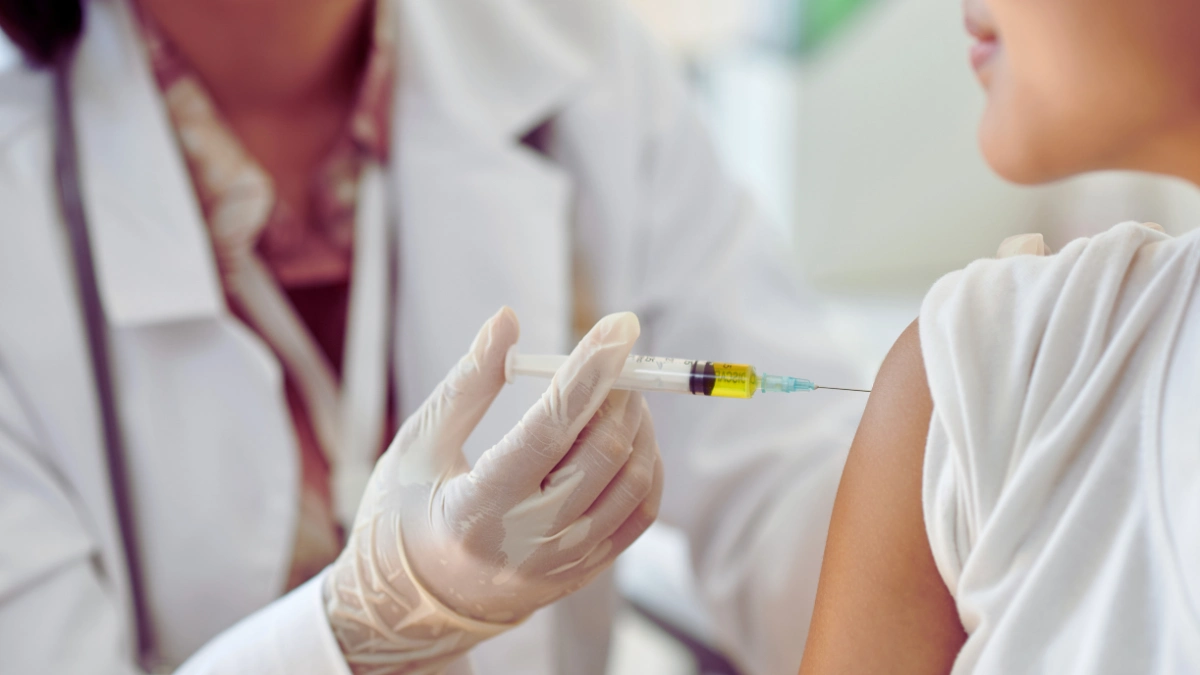
Let’s walk through what happens if you join a trial.
First, doctors send your tumor sample to a lab. For some trials, it goes to a facility in Germany. Scientists sequence your tumor’s DNA and design a vaccine just for you.
This used to take nine weeks. Now it takes less than four weeks.
Once your vaccine arrives, you start treatment. For mRNA-4157, you get shots in your arm muscle every three weeks, up to nine doses total. You also get pembrolizumab through an IV every three weeks, up to 18 doses.
Side effects are similar to what people get from cancer drugs alone. The vaccine doesn’t make the immune-related side effects worse.
The shots feel like getting a COVID vaccine. Some people have arm soreness, fatigue, or mild flu-like symptoms. These usually go away in a day or two.
Doctors monitor your immune response with blood tests. About half of the patients show measurable immune responses within weeks of vaccination.
You’ll get regular scans to check for cancer. The trial covers all these appointments and tests.
The Cost Problem and How to Work Around It

Here’s the hard truth: These personalized vaccines cost over $100,000 per patient.
Making a custom vaccine for one person is expensive. Scientists need to sequence your tumor, design unique mRNA, manufacture it in a sterile facility, and ship it to your hospital. All within a few weeks.
Right now, insurance won’t cover these vaccines because they’re not approved yet.
But clinical trials are completely free. The companies making the vaccines pay for everything: the vaccine itself, the cancer drugs, all your appointments, and all your scans.
You might need to travel to reach a trial site. The melanoma Phase 3 trial has 165 sites worldwide. That’s more than most early trials.
Some people worry about being a “guinea pig.” But these trials already proved the vaccines are safe. Now they’re just confirming they work in larger groups.
What about after approval? The global market for mRNA vaccines is expected to grow from $6 billion in 2025 to $20 billion by 2032. When more companies compete, prices usually drop.
AI is helping make vaccines faster, which should reduce costs, too.
For now, trials give you access years before the general public.
What’s Coming Next
The first mRNA cancer vaccine could get FDA approval by 2029. That’s only four years away.
Multiple vaccines are moving through late-stage trials right now. In 2024 alone, the FDA approved eight new cell and gene therapies. They’re building the systems to review these faster.
Scientists are testing mRNA vaccines for more cancer types: kidney cancer, bladder cancer, and some skin cancers. All of these are in Phase 2 or Phase 3 trials.
Brain cancer (glioblastoma) and colorectal cancer are also showing promising early results.
Some researchers are working on “universal” vaccines. Instead of targeting mutations unique to one person, these target markers that many patients. They’d be cheaper and faster to get.
Scientists are also combining mRNA vaccines with CAR-T cell therapy in early trials. This could make treatments even more powerful.
One analysis looked at what would happen if mRNA cancer vaccines became standard care. Researchers calculated they could prevent about 49,000 cancer deaths every year in the U.S. alone, with an economic value of $75 billion.
What You Should Do Now
If you have melanoma, lung cancer, or pancreatic cancer, here are your next steps:
Search for trials. Go to ClinicalTrials.gov. Type in your cancer type and “mRNA vaccine.” Look for trials marked “recruiting.”Talk to your oncologist. Ask if they know about mRNA vaccine trials. Ask specifically about the trial numbers listed in this article.
Consider NCI cancer centers. The 57 NCI-designated Comprehensive Cancer Centers run most cutting-edge trials. Find the nearest one to you.
Ask about COVID vaccines. If you have lung cancer and you’re starting immunotherapy, ask your doctor about timing an mRNA COVID vaccine. This isn’t experimental. It’s already approved.
Join patient groups. Organizations like the Melanoma Research Foundation and Pancreatic Cancer Action Network track new trials and share updates.
The difference between 20 months and 37 months of survival isn’t just numbers on paper. It’s another birthday. Another holiday season. More time with the people you love.
These vaccines aren’t available everywhere yet. But they’re not science fiction either. They’re working with real patients right now. Over 1,000 people are already enrolled in the melanoma trial alone.
The question isn’t whether mRNA cancer vaccines work. The data proves they do. The question is whether you can access them before they’re widely available.
Start searching for trials today. Talk to your doctor this week. The sooner you start looking, the better your chances of getting in.
Cancer treatment is changing faster than most people realize. Don’t wait for it to come to you. Go find it.