

You’ve been eating healthy. You’re hitting the gym. But that belly fat? It won’t budge.
You’re not alone. And you’re not doing anything wrong. Belly fat is stubborn for real biological reasons. Your body actually wants to keep it there.
But here’s what you need to know. That fat around your middle isn’t just annoying; it’s also a health concern. It’s dangerous. The kind of fat that builds up in your belly wraps around your organs. Doctors call it visceral fat. And it’s linked to heart disease, diabetes, and even dementia.
The good news? You can burn it off faster than you think. But you need the right strategies. Not the ones that sound good on social media. The ones that actually work according to science.
In this guide, you’ll learn exactly how to lose belly fat quickly. You’ll see proven methods from 2025 research. And you’ll understand why this matters so much for your health.
Let’s get started.
How to Actually Burn Off Belly Fat FAST
Burning belly fat requires more than just cardio and salads. You need a smart plan that attacks fat from multiple angles. Based on current research, these seven strategies work together to give you real results.
1. Do High-Intensity Interval Training (HIIT)

HIIT burns more belly fat than regular cardio. It’s not even close.
Here’s how it works. You exercise hard for short bursts. Then you rest. Then you go hard again. This pattern has a unique effect on your body.
During HIIT, your insulin levels drop. That’s the hormone that tells your body to store fat. When insulin is low, your body starts burning fat instead. Your liver also starts using up stored fat for energy.
But there’s more. After you finish a HIIT workout, your body keeps burning calories. Scientists call this the “afterburn effect.” Your metabolism stays high for hours.
People who do HIIT lose way more body fat than people doing regular exercise. The difference was huge.
Try this: Do 20-30 minutes of HIIT, 3-4 times per week. Work at 70-85% of your maximum effort. Sprint for 30 seconds. Rest for 60 seconds. Repeat.
Good HIIT exercises include burpees, sprint intervals, jumping jacks, and mountain climbers. Pick ones you can actually stick with.
Start slow if you’re new to this. Your body needs time to adapt. And don’t do HIIT every single day. Your muscles need rest to recover.
2. Try Intermittent Fasting
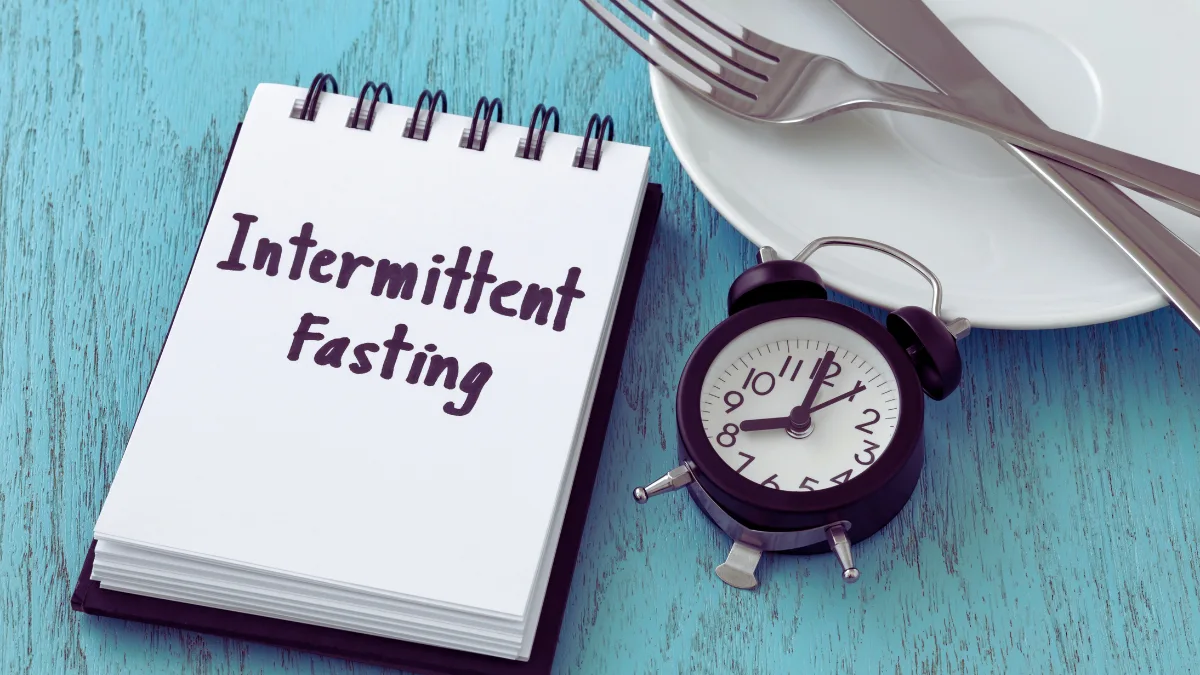
Intermittent fasting means you eat during certain hours. Then you don’t eat for a longer stretch. It’s not about what you eat. It’s about when.
This works because of something called metabolic switching. After 12-14 hours without food, your body runs out of easy energy. It starts burning stored fat instead.
A major study came out in 2025 that changed everything. Researchers at the University of Granada published their findings in Nature Medicine. They studied people with obesity and tested different fasting schedules.
The results were clear. People who stopped eating at 5 PM and didn’t eat again until 9 AM lost more belly fat. They also saw better blood sugar control. This “early fasting” approach worked better than other timing patterns.
Here’s why timing matters. When you fast overnight and into the morning, your body has more time in fat-burning mode. Your insulin stays low. Your body produces more growth hormone, which helps burn fat while keeping muscle.
The most popular method is 16:8. You fast for 16 hours. You eat during an 8-hour window. For example, eat between noon and 8 PM. Then fast until noon the next day.
Another option is the 5:2 approach. Eat normally five days a week. On two days, eat only about 500-600 calories.
One warning: Don’t eat late at night. Eating before bed messes with your sleep and makes fat loss harder. Your body’s metabolism slows down at night.
Start with a 12-hour fast if 16 hours sounds too hard. Work your way up slowly.
3. Cut Carbs or Eat Mediterranean

Low-carb diets work really well for belly fat. So does the Mediterranean diet. Both are backed by solid science.
Johns Hopkins researchers compared low-carb and low-fat diets. They tracked people for six months. Everyone ate the same number of calories.
The low-carb group lost an average of 28.9 pounds. The low-fat group lost 18.7 pounds. That’s 10 pounds more just from eating fewer carbs. Even better, the low-carb dieters lost mostly fat, not muscle.
Why does this work? When you eat fewer carbs, your insulin levels stay lower. Remember, insulin tells your body to store fat. Less insulin means more fat burning.
You don’t have to go full keto. Just focus on these foods:
Eat more of these:
- Fatty fish like salmon (has omega-3s that help burn belly fat)
- Leafy greens like spinach and kale
- Avocados and olive oil
- Nuts and seeds
- Whole grains like quinoa and brown rice
- Lean protein from chicken, eggs, and beans
Eat less of these:
- White bread, pasta, and rice
- Sugary drinks and snacks
- Processed foods
- Fast food
- Alcohol (especially beer)
- Foods high in salt
The Mediterranean approach is simple. Eat real food. Lots of vegetables. Fish twice a week. Healthy fats. Not much processed junk.
Both methods work. Pick the one you can actually stick with for months, not just weeks.
4. Sleep 7-9 Hours Every Night

Bad sleep makes you fat. Especially around your belly. This isn’t opinion. It’s a proven fact.
The National Health and Nutrition Examination Survey tracked thousands of Americans. They found that people sleeping less than seven hours had much higher obesity rates. The connection was clear.
Here’s what happens when you don’t sleep enough. Your body makes more cortisol. That’s your stress hormone. High cortisol tells your body to hold onto belly fat.
Sleep deprivation also messes with two other hormones. Leptin tells you when you’re full. Ghrelin makes you hungry. When you’re tired, leptin drops and ghrelin rises. You feel hungrier and eat more.
Tired people eat way more junk food. They go for sugar and fat. They skip fruits and vegetables. It’s not about willpower. Your hungry brain just wants quick energy.
Poor sleep even hurts your gut bacteria. The microbes in your stomach affect how you process food and store fat. Mess up your sleep, and you mess up your gut.
Fix your sleep with these steps:
- Go to bed at the same time every night
- Wake up at the same time every morning
- Make your room cool and dark
- No screens for an hour before bed
- Don’t eat big meals right before sleeping
Aim for 7-9 hours. Your body needs this time to repair itself and balance hormones. It’s not lazy. It’s necessary.
5. Manage Your Stress Levels

Stress makes your belly bigger. It’s not just in your head. It’s real biology.
When you’re stressed, your body pumps out cortisol. This hormone was helpful when humans faced actual danger. It helped us survive. But constant stress from work, money, and life keeps cortisol high all the time.
Here’s the problem. High cortisol does several bad things:
- Makes you crave sugar and fatty foods
- Increases your appetite
- Tells your body to store fat in your belly
- Mess with insulin, making fat loss harder
Your belly fat has more cortisol receptors than fat anywhere else on your body. That’s why stress hits your stomach first.
Women who carry more fat around their waist made way more cortisol when stressed. Their bodies were stuck in stress mode.
You can lower cortisol naturally:
- Get outside for 20 minutes. Time in nature drops cortisol fast.
- Try meditation or deep breathing for just 5-10 minutes daily
- Walk at least 8,000 steps per day
- Do yoga or tai chi
- Spend time with people who make you feel good
But here’s something important. Too much intense exercise can raise cortisol. If you’re already stressed, doing HIIT every single day makes things worse. Balance hard workouts with easy movement days.
Stress management isn’t optional if you want to lose belly fat. It’s required.
6. Lift Weights 2-3 Times Weekly

Cardio burns calories during your workout. Strength training burns calories 24/7.
When you build muscle, your body needs more energy just to exist. Muscle tissue burns about three times more calories than fat tissue, even when you’re sitting on the couch.
Strength training also improves how your body handles sugar. Your muscles pull glucose out of your blood and use it for energy. This helps prevent diabetes and reduces fat storage.
The best part? You can see results with just 2-3 sessions per week.
Focus on big movements that work multiple muscles:
- Squats
- Deadlifts (or Romanian deadlifts with lighter weight)
- Push-ups (or bench press)
- Rows
- Overhead press
You don’t need a fancy gym. Bodyweight exercises work great. So do resistance bands.
Start with weights you can lift for 8-12 reps. Do 3-4 sets. Rest 60-90 seconds between sets.
One warning from research: if you’re cutting calories, you need strength training even more. It protects your muscles while you lose fat. People who lost weight without exercise lost both fat and muscle. The ones who exercised kept their muscle.
More muscle means faster metabolism. Faster metabolism means easier fat loss.
7. Create a Calorie Deficit (The Right Way)
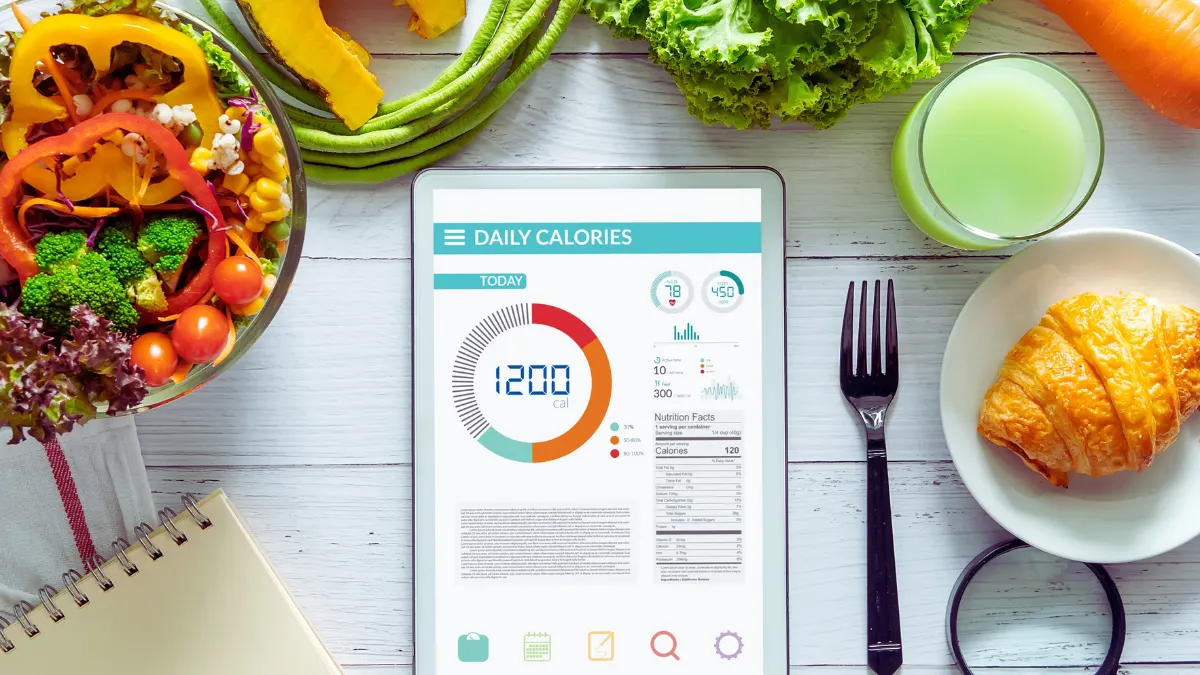
You can’t burn fat if you eat more calories than you burn. That’s just physics.
But you also can’t starve yourself. Extreme diets slow your metabolism and make you lose muscle.
The sweet spot is 500-750 fewer calories per day than you need. This leads to losing 1-1.5 pounds per week. That’s fast enough to see results but slow enough to maintain.
Track what you eat for a week. Use an app or write it down. Most people are shocked when they actually measure their food. Those “small” snacks add up fast.
People who keep a food diary lose more weight than people who don’t. It’s not fun, but it’s effective.
Here’s what matters more than counting every calorie:
- Eat mostly whole foods
- Get 30 grams of protein at each meal
- Fill half your plate with vegetables
- Drink water instead of sugary drinks
- Stop eating when you’re 80% full
Don’t try to lose more than 2 pounds per week. Faster weight loss means you’re losing muscle too. And muscle is what keeps your metabolism running.
Be patient. Real fat loss takes time. But it’s also permanent when you do it right.
Why Burning Off Belly Fat FAST Matters?
Belly fat isn’t just about how you look. It’s a serious health threat. The fat deep in your belly, wrapped around your organs, is dangerous in ways other fat isn’t.
Understanding these risks can help you stay motivated when changes feel hard.
1. Your Heart Disease Risk Doubles

Even if your weight seems normal, too much belly fat puts your heart in danger.
Women with more belly fat had a 10-20% higher chance of having a heart attack than women who just weighed more overall. The location of fat mattered more than total weight.
Here’s why. Visceral fat releases chemicals that make your arteries stiff. Blood can’t flow as easily. This leads to high blood pressure.
Belly fat also messes with your cholesterol. It raises the bad kind (LDL) and lowers the good kind (HDL). This combination builds plaque in your arteries.
Your waist size predicts heart problems better than your weight on a scale. For women, a waist over 35 inches is risky. For men, it’s over 40 inches.
Hidden belly fat speeds up how fast your heart ages. It causes faster stiffening and inflammation. Your heart literally gets older faster when you carry too much visceral fat.
The good news? Losing belly fat improves your arteries quickly. When people lose weight, their blood vessels start working better within months.
Your heart needs you to take this seriously.
2. Type 2 Diabetes Becomes Much More Likely
Belly fat and diabetes go hand in hand. Almost everyone with type 2 diabetes has too much visceral fat.
Here’s the mechanism. Belly fat makes your cells ignore insulin. Insulin is the key that lets sugar into your cells for energy. When cells ignore insulin, sugar stays in your blood instead. Your pancreas makes more insulin to compensate. Eventually, this system breaks down.
Fat cells in your belly are biologically active. They’re not just storage. They release chemicals that cause inflammation throughout your body. This inflammation makes insulin resistance worse.
Your liver is especially vulnerable. Most people with type 2 diabetes have fatty liver disease. The fat in your liver makes it terrible at managing blood sugar.
The scary part? This can happen even if you’re not very overweight. Some people with “normal” weight but high belly fat get diabetes.
Your risk goes up as your waist grows. Every inch matters.
But diabetes isn’t inevitable. Losing just 5-10% of your body weight can dramatically improve insulin sensitivity. Exercise helps your muscles use sugar better, even before you lose much weight.
Catch this early, and you can reverse it. Wait too long and the damage becomes permanent.
3. Cancer Risk Triples (Especially Colon Cancer)
This one surprises people. But belly fat significantly raises your cancer risk.
People with the most visceral fat had three times the risk of developing precancerous colon polyps. Three times. That’s huge.
These polyps often turn into colon cancer if not removed. Belly fat is directly connected to polyps through insulin resistance.
Other cancers linked to belly fat include:
- Breast cancer (especially after menopause)
- Pancreatic cancer
- Liver cancer
- Kidney cancer
Why does fat cause cancer? Inflammation is part of it. Belly fat creates constant low-grade inflammation in your body. This inflammation can damage DNA and help tumors grow.
Belly fat also messes with hormones like estrogen. Higher estrogen increases breast cancer risk in women.
The good news is that losing weight lowers your risk. Your body can repair some of the damage. Every pound you lose helps.
Regular colon cancer screening is critical if you carry belly fat. Catch polyps early, and they’re easy to remove.
4. Dementia Risk Nearly Triples

Your belly fat affects your brain. This might be the scariest connection of all.
Kaiser Permanente followed thousands of people starting in their 40s. They tracked them for 30+ years. The people with the highest belly fat in their 40s were nearly three times more likely to develop dementia by their 70s.
Three times more likely. And this was specifically belly fat, not thigh or hip fat.
Scientists aren’t completely sure why yet. But they have theories. The inflammation from belly fat might damage brain cells over time. The insulin resistance might hurt your brain’s ability to use energy properly.
High belly fat in middle age predicts Alzheimer’s disease decades later. You can’t feel it happening. But the damage builds slowly over the years.
This makes losing belly fat now an investment in your brain later. What you do in your 40s and 50s affects your mind in your 70s and 80s.
Regular exercise helps protect your brain, too. It increases blood flow and helps grow new brain cells.
Your future self will thank you for taking action today.
5. Constant Inflammation Damages Everything

Belly fat is like a factory that pumps out inflammatory chemicals. These chemicals travel through your blood and affect every organ.
Scientists measure inflammation with markers in your blood. People with high belly fat have high inflammatory markers. This inflammation affects:
- Your blood vessels (raising heart disease risk)
- Your joints (causing arthritis)
- Your immune system (making you sick more often)
- Your mood (linked to depression)
Visceral fat cells are more active than other fat cells. They release more fatty acids into your bloodstream, especially when you’re stressed. These fatty acids interfere with how your body processes sugar and stores energy.
Belly fat affects overall death risk. People with high visceral fat had higher rates of death from all causes. The inflammation it creates is that damaging.
Your body is constantly trying to fight this inflammation. That wears down your immune system over time. You get sick more easily. You heal more slowly.
The solution is losing the fat that’s causing the inflammation. As belly fat drops, inflammatory markers drop too. Your body can finally stop fighting itself.
Take Action Now

Belly fat responds to the right approach. You need to combine strategies, not just pick one.
Start this week with these steps:
- Try a 14-hour fast (finish dinner by 7 PM, don’t eat until 9 AM)
- Do one HIIT workout for 20 minutes
- Walk 8,000 steps at least three days
- Get 8 hours of sleep tonight
- Measure your waist to track progress
Track your waist circumference, not just your weight. Measure at your belly button. Write it down. Check again in four weeks.
Most people can lose 1-2 inches from their waist in the first month with consistent effort. That’s meaningful fat loss around your organs.
Remember, this isn’t about looking good for summer. This is about protecting your heart, brain, and future health. Belly fat is the most dangerous fat you can carry.
The research is clear. Multiple 2025 studies confirm that combining exercise, smart eating, good sleep, and stress management works better than any single approach.
You don’t need perfection. You need consistency. Small changes add up to big results over months.
Start today. Your body will respond faster than you think.