

1. Fatty Fish (Salmon, Mackerel)

Salmon and mackerel pack a powerful punch for your skin health. They contain abundant omega-3 fatty acids that work to reduce inflammation throughout your body, including your skin.
These healthy fats strengthen your skin’s barrier function, which helps lock in moisture and prevents dryness. Fish like salmon also provide vitamin E, a strong antioxidant that fights harmful free radicals.
This protection is crucial since free radical damage accelerates skin aging and causes dullness. The protein in fatty fish supports cell repair and helps maintain skin elasticity over time.
Adding salmon or mackerel to your diet twice weekly can make a noticeable difference in your skin’s appearance.
Many people report smoother, more hydrated skin within weeks of increasing their intake of these omega-rich foods. You might try a simple grilled salmon with lemon or a mackerel salad to boost your skin’s natural glow.
2. Avocado
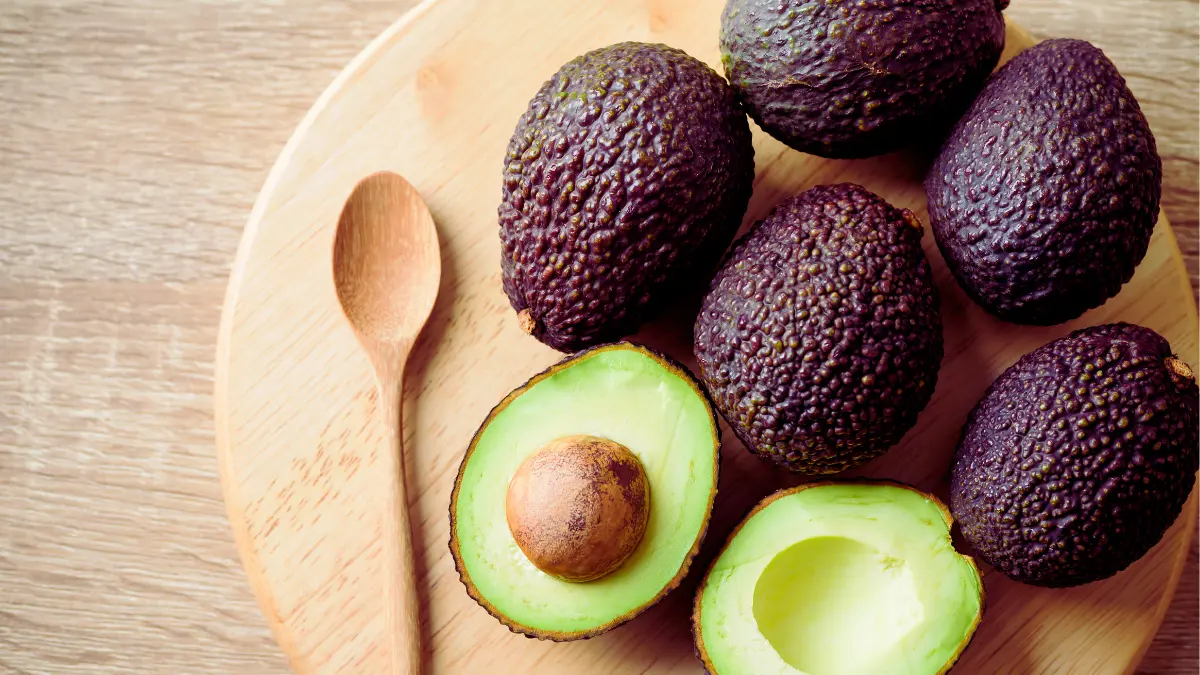
Avocados offer exceptional benefits for dry or aging skin. Their high content of monounsaturated fats helps maintain your skin’s natural oil barrier, which keeps the skin hydrated and prevents water loss.
One medium avocado contains about 20 different vitamins and minerals that support skin health. Vitamin E in avocados works as an antioxidant, protecting skin cells from oxidative damage.
This fruit (yes, it’s technically a fruit) also contains compounds that may protect your skin from sun damage, though it’s not a replacement for sunscreen.
The healthy fats in avocados also help your body absorb other nutrients from foods you eat alongside them. Regular avocado consumption can improve skin elasticity and firmness over time.
Try adding sliced avocado to your morning toast, blending it into smoothies, or using it as a base for a hydrating face mask. Your skin will thank you for including this creamy, nutrient-dense food in your diet.
3. Walnuts

Walnuts stand out as one of the best plant sources of omega-3 fatty acids, which help manage inflammation and support your skin’s moisture balance.
Just a small handful provides a substantial amount of these beneficial fats along with zinc, which aids wound healing and combats bacteria that can cause acne.
These nuts contain antioxidants called polyphenols that fight oxidative stress and support collagen production. Collagen gives your skin structure and helps it maintain its firmness.
Walnuts also offer vitamin E, which protects skin cells from damage, and selenium, which helps maintain skin elasticity.
What makes walnuts particularly valuable is their melatonin content, which can improve sleep quality. Good sleep is fundamental for skin repair and regeneration.
Try sprinkling chopped walnuts on your morning oatmeal, adding them to salads, or grabbing a small handful as an afternoon snack to support your skin from within.
4. Tomatoes
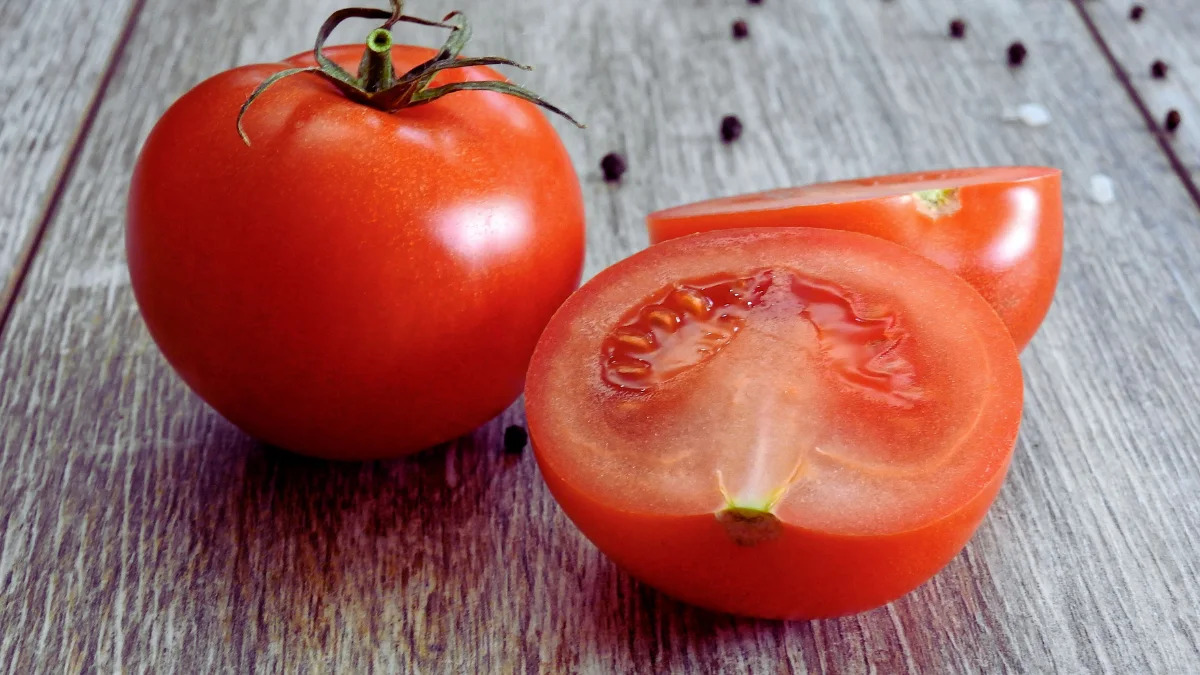
Tomatoes can transform your skin thanks to their high lycopene content. This powerful antioxidant gives tomatoes their red color and acts as a natural sunscreen from within, neutralizing free radicals caused by UV exposure.
Your body absorbs lycopene better when tomatoes are cooked or processed with a bit of healthy fat. With their high water content (about 94%), tomatoes contribute significantly to your daily hydration needs.
Proper hydration keeps skin cells plump and helps transport nutrients throughout your body. Tomatoes also provide vitamin C, which supports collagen production and helps maintain your skin’s strength and structure.
Tomatoes contain other skin-friendly nutrients like potassium, vitamin K, and various B vitamins. These work together to support cell turnover and repair.
Consider adding tomatoes to your diet through pasta sauces, roasted tomato soups, or fresh salads with olive oil to maximize their skin benefits. Even tomato juice or paste can provide these valuable nutrients.
5. Bell Peppers

Bell peppers boost your skin health through their exceptional vitamin C content. Just one cup of sliced red bell pepper provides more than 150% of your daily vitamin C needs.
This vitamin is essential for collagen synthesis, which keeps your skin firm and youthful. Without enough vitamin C, your skin becomes more prone to damage and slower to heal.
The vibrant colors of bell peppers come from various carotenoids and antioxidants that protect skin cells from environmental damage.
These compounds help repair past skin damage while preventing future harm. Bell peppers also contain water (about 92% of their weight), contributing to your overall hydration and helping maintain plump, moisturized skin.
A lesser-known benefit of bell peppers is their vitamin A content, which supports cell renewal and gives skin a healthy glow. Red varieties contain more of these nutrients than green ones.
Try eating bell peppers raw with hummus, roasted as a side dish, or stuffed with whole grains and lean protein for a skin-nourishing meal. Their crisp texture and sweet flavor make them an easy addition to many dishes.
7. Dark Chocolate

Good news for chocolate lovers – high-quality dark chocolate with at least 70% cocoa can work wonders for your skin.
The flavonoids found in cocoa are potent antioxidants that fight free radicals and protect against sun damage. These compounds also improve blood flow to your skin, which helps deliver nutrients and oxygen to skin cells.
Eating a small amount of dark chocolate regularly can enhance skin hydration and thickness. Better hydration means more supple skin with fewer fine lines.
The improved blood circulation from cocoa flavonoids gives your complexion a natural, healthy glow. Some people notice their skin looks more radiant after adding dark chocolate to their diet for a few weeks.
The key is moderation and quality. Choose chocolate with minimal added sugar and at least 70% cocoa content to maximize the skin benefits.
A square or two (about 1 ounce) a few times a week is enough to see results without overdoing calories or sugar. Your taste buds and your skin will both appreciate this delicious addition to your skincare routine.
8. Green Tea

Green tea stands out as one of the most powerful beverages for skin health. Its high concentration of catechins, particularly EGCG (epigallocatechin gallate), provides strong anti-inflammatory and antioxidant effects that protect skin cells from damage. These compounds help neutralize free radicals before they can harm your skin.
A 12-week study published by Heinrich et al. in 2011 found that women who drank green tea daily experienced significant improvements in skin elasticity, density, and hydration.
The researchers noted a 25% increase in skin protection against UV damage, suggesting green tea can work as an internal supplement to your topical sun protection. The study concluded that the polyphenols in green tea improved overall skin quality and structure.
Two to three cups daily provide optimal benefits, though even one cup can help. Hot or cold doesn’t matter – the catechins remain effective either way.
For best results, brew green tea for 3-5 minutes to extract the maximum amount of skin-benefiting compounds.
Many people incorporate it into their morning routine or as an afternoon refreshment that supports both energy levels and skin health.
9. Watermelon
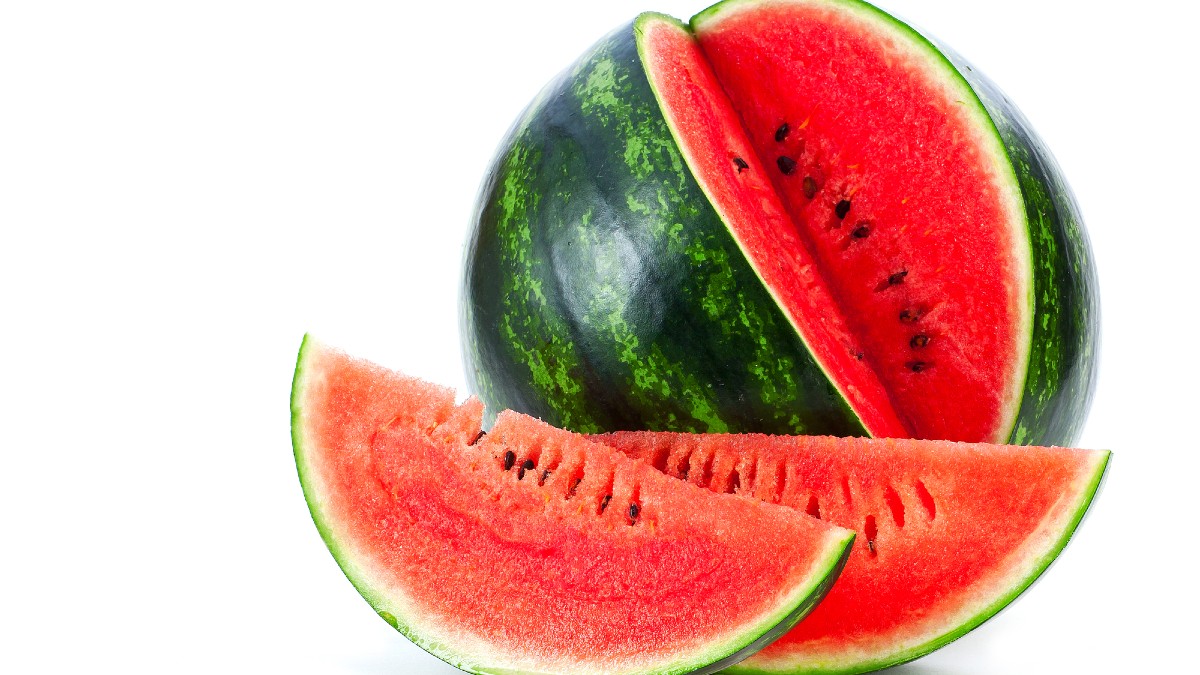
Few foods hydrate your skin as effectively as watermelon. With a composition of 92% water, this juicy fruit delivers moisture directly to your cells.
Proper hydration is fundamental for maintaining skin elasticity and preventing dryness, making watermelon nature’s refreshing solution for parched skin.
Alongside its hydrating properties, watermelon offers a generous dose of lycopene – the same antioxidant found in tomatoes but in an even more bioavailable form.
Lycopene helps protect skin cells from sun damage and inflammation. This juicy summer fruit is packed with vitamin C, a nutrient that boosts collagen production and keeps your skin firm.
The natural sugars in watermelon provide quick energy without the crash associated with processed sweets. Try blending watermelon into a refreshing smoothie, adding it to salads, or simply enjoying slices as a snack.
Your body absorbs both the water and nutrients efficiently, helping your skin stay plump and radiant from within.
Many people notice their skin looks more vibrant after increasing their watermelon intake during the summer months.
10. Kiwi

This small fuzzy fruit packs an impressive punch for skin health. Kiwis contain more vitamin C per ounce than almost any other fruit – about 141% of your daily needs in just one medium fruit.
Vitamin C plays a critical role in collagen synthesis, which keeps your skin firm and helps prevent sagging and wrinkles.
The high water content in kiwis (about 90%) contributes to your daily hydration needs. Well-hydrated skin appears more plump and youthful, with fewer visible fine lines.
Kiwis also contain vitamin E and vitamin K, which work together to fight inflammation and support skin healing. The unique combination of these vitamins helps promote a more even skin tone and texture.
Eating kiwis with the skin on provides extra fiber and nutrients, though many people prefer them peeled. Try slicing kiwi into your morning yogurt, adding it to smoothies, or enjoying it on its own as a snack.
For an extra skin boost, some people use mashed kiwi as a quick face mask – the enzymes gently exfoliate while the vitamins nourish your skin both inside and out.
11. Flaxseeds

These tiny seeds offer enormous benefits for skin health through their omega-3 fatty acid content. Flaxseeds contain alpha-linolenic acid (ALA), a plant-based omega-3 that helps strengthen your skin’s barrier function and lock in moisture. A single tablespoon contains enough of these good fats to make a real difference for your skin.
A notable study by Neukam et al. in 2011 demonstrated that women who took flaxseed oil supplements for 12 weeks experienced a 39% increase in skin hydration and a significant reduction in roughness and scaling.
The researchers attributed these improvements to the omega-3 fatty acids’ ability to improve the skin’s lipid barrier and reduce inflammation. Study participants also reported their skin felt more comfortable and less irritated.
Beyond omega-3s, flaxseeds contain lignans – plant compounds with antioxidant properties that may help protect against skin damage. Ground flaxseeds offer better nutrient absorption than whole seeds.
Try sprinkling ground flaxseeds on oatmeal, blending them into smoothies, or mixing them into yogurt. Your skin will benefit from consistent intake, with many people noticing improvements in hydration and texture within a few weeks.
12. Sweet Potatoes

Orange-fleshed sweet potatoes can transform your complexion through their rich beta-carotene content. Your body converts this plant pigment into vitamin A, which supports cell turnover and repair.
Regular consumption helps your skin shed old cells and generate new ones, resulting in a fresher, more radiant appearance.
The natural vitamin A from sweet potatoes acts as a gentle internal sunblock, though it doesn’t replace topical sunscreen. This protection helps prevent sunburn and reduces long-term UV damage.
One medium sweet potato contains more than 400% of your daily vitamin A needs, making it one of the most efficient sources of this skin-essential nutrient.
Sweet potatoes also provide vitamins C and E, which work synergistically to combat oxidative stress and support collagen production.
Their lower glycemic index compared to white potatoes means they’re less likely to trigger inflammation or breakouts.
Bake, steam, or roast sweet potatoes with a small amount of healthy fat like olive oil to maximize your absorption of beta-carotene.
Many people who increase their sweet potato intake notice their skin tone becomes more even and their complexion takes on a natural, healthy glow.