

Struggling with restrictive diets that leave you hungry and frustrated? Most weight loss plans force you to eat tiny portions that never satisfy, creating a cycle of deprivation and rebound eating.
But what if you could eat MORE food while weighing LESS? Science has uncovered specific foods that fill you up without filling you out. These 10 power-packed options let you enjoy generous portions while naturally consuming fewer calories.
From protein-rich eggs to fiber-packed berries, these everyday foods work with your body’s natural signals to control hunger and boost metabolism—no starvation required. Ready to transform your plate and your waistline?
1. Leafy Greens

Want to fill your plate without filling out your clothes? Spinach, kale, and other leafy greens contain mostly water and fiber, creating volume with minimal calories.
A large salad might look like a lot of food but often has fewer calories than a small cookie. These nutritional powerhouses pack vitamins A, C, and K along with folate and iron.
The fiber content works two ways: it physically fills your stomach and slows digestion. This combination means you stay full longer after eating a meal that includes plenty of greens.
For best results, try adding greens to smoothies, eggs, soups, and stir-fries. Raw greens offer more volume.
Cooked greens become more compact but easier to consume in larger amounts. Both forms provide the same benefits, so you can choose based on your preference or the specific meal.
2. Oatmeal
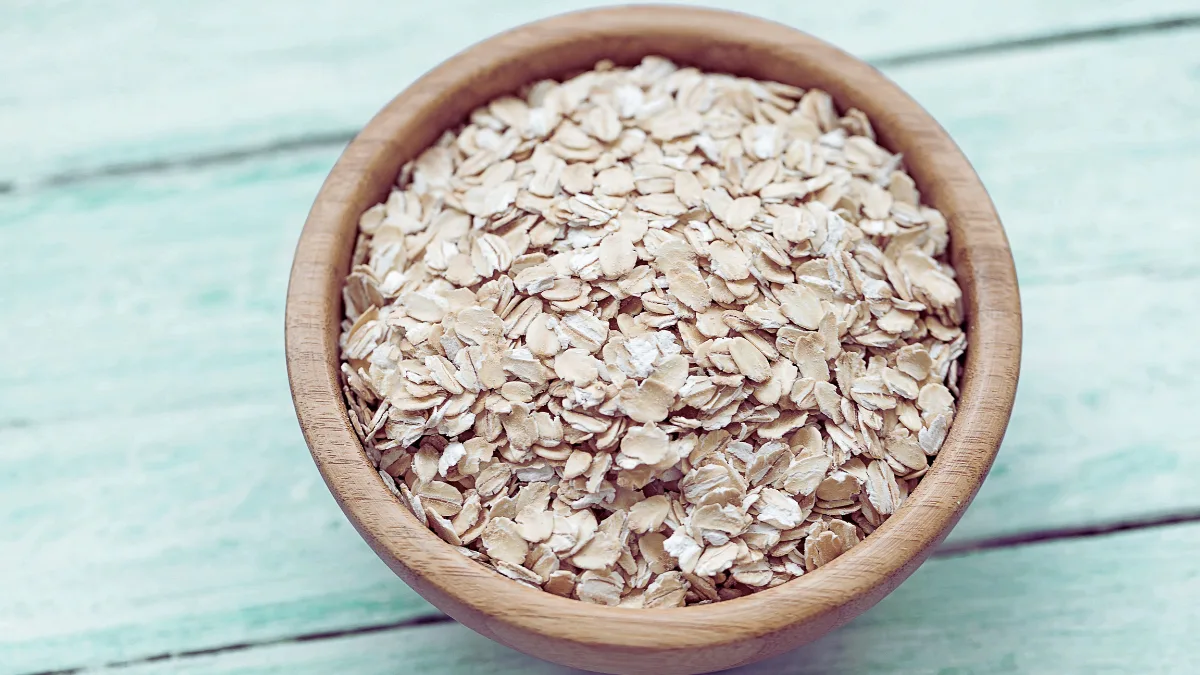
Starting your day with a bowl of oatmeal creates a strong foundation for weight management. The beta-glucan fiber in oats forms a gel-like substance in your digestive tract that slows down digestion and keeps hunger at bay for hours.
Steel-cut oats offer the most benefits, but even instant varieties (without added sugar) contain plenty of fiber. The slow-release carbohydrates in oatmeal help maintain stable blood sugar levels, preventing the spikes and crashes that often lead to cravings and overeating throughout the day.
To boost the staying power of your breakfast, top oatmeal with protein sources like nuts or Greek yogurt. Adding cinnamon not only improves flavor without extra calories but may also help regulate blood sugar.
A single cup of cooked oatmeal contains about 150 calories while providing exceptional fullness compared to most breakfast options.
3. Eggs

Few foods match eggs for protein quality and satiety effect. Their unique combination of complete protein and healthy fats signals your body to reduce the production of ghrelin, the hormone responsible for hunger signals.
People who eat eggs for breakfast naturally consume fewer calories throughout the entire day. The effect isn’t small either—which can be 400+ calories without any conscious effort to eat less.
Eggs contain just 70-80 calories each while providing 6 grams of high-quality protein. Contrary to old beliefs, eggs don’t raise cholesterol for most people. The choline in egg yolks supports brain health and metabolism.
For maximum benefit, try eggs prepared with minimal added fat and pair them with vegetables for extra volume. Hard-boiled eggs also make convenient, portable snacks that help control hunger between meals.
4. Greek Yogurt

The protein content in Greek yogurt sets it apart from regular varieties. With up to twice the protein and half the sugar of conventional yogurt, it keeps you satisfied much longer.
The thick, creamy texture also tricks your brain into thinking you’re eating something much more calorie-dense.
Greek yogurt contains beneficial bacteria that support gut health, which scientists now recognize as crucial for weight management.
These probiotics may improve how your body processes food and regulate appetite hormones. Even better, the calcium content might help your body burn fat more efficiently.
Look for plain varieties to avoid added sugars. Make it more interesting by adding fresh fruit for natural sweetness or a sprinkle of nuts for crunch.
At roughly 100 calories per 6-ounce serving of plain, non-fat Greek yogurt, you get 17 grams of protein—more than many protein bars with far fewer artificial ingredients.
5. Legumes
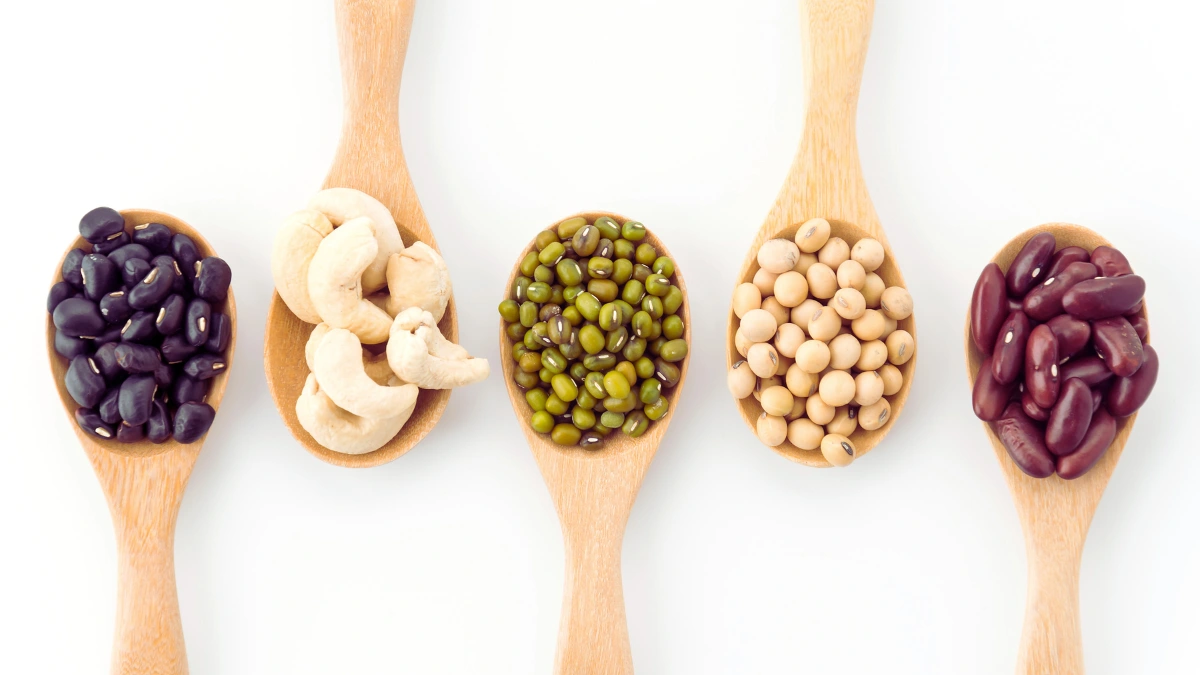
Beans, lentils, and chickpeas stand out as weight management superfoods thanks to their unique combination of protein and fiber.
This pairing slows digestion and provides steady energy that keeps you full for hours. A cup of most legumes contains about 15 grams of protein and 15 grams of fiber for around 200-250 calories.
The resistant starch in legumes acts as food for beneficial gut bacteria, which may improve metabolism and reduce inflammation linked to weight gain.
Your body burns more calories breaking down protein compared to carbs or fats, which gives legumes an edge for metabolism.
Try adding black beans to salads, blending white beans into creamy soups, or snacking on roasted chickpeas. Lentils cook quickly and work well in everything from salads to pasta sauce.
For convenience, canned varieties work just as well—just rinse them first to remove excess sodium. Many cultures with traditionally low obesity rates feature legumes as dietary staples, suggesting their effectiveness over generations.
6. Chia Seeds

These tiny seeds pack an impressive nutritional punch. When added to liquid, chia seeds absorb up to 10 times their weight in water, expanding in your stomach and creating a feeling of fullness that lasts for hours.
Just one ounce contains 11 grams of fiber and 4 grams of protein for only 137 calories. The soluble fiber in chia forms a gel-like substance in your digestive tract, slowing down the absorption of food and helping to control blood sugar levels.
This prevents the spikes and crashes that can lead to hunger and cravings. Many people find that adding chia to meals helps them naturally eat less throughout the day.
You can sprinkle them on yogurt, blend them into smoothies, or make chia pudding for a filling breakfast or snack. Soaking chia seeds overnight in almond milk creates a pudding-like texture that feels indulgent while supporting weight management goals.
The omega-3 fatty acids in chia also help reduce inflammation, which is often linked to weight gain and metabolic issues.
7. Nuts (Almonds, Walnuts, Pistachios)

Most people assume high-calorie foods like nuts would cause weight gain, but research shows the opposite. A landmark study published in the American Journal of Clinical Nutrition found that people who ate nuts regularly had lower body weights and waist measurements than those who didn’t. The combination of protein, fiber, and healthy fats creates lasting satiety that prevents overeating later.
Your body doesn’t absorb all the calories in nuts because their cell walls resist digestion. Studies show that 10-15% of calories from nuts pass through your body unabsorbed.
Nuts also increase metabolism—your body burns more calories processing them than it does with many other foods. This metabolic boost contributes to their weight-friendly profile.
Small portions go a long way. Just a handful (about 1 ounce) can curb hunger for hours. Try eating pistachios in the shell—the time spent cracking them slows down consumption and allows your brain to register fullness.
Almonds work well as snacks while walnuts add crunch and nutrition to salads and oatmeal. The key is moderation: enjoy nuts regularly but in controlled portions.
8. Berries (Strawberries, Blueberries, Raspberries)

Among fruits, berries stand out as weight management champions. They contain fewer calories and sugar than most other fruits while providing more fiber.
A cup of raspberries delivers 8 grams of fiber for just 64 calories—an impressive ratio that helps fill you up without filling you out.
The natural sweetness of berries can healthily satisfy sugar cravings. Their vibrant colors come from polyphenols, compounds that may help burn fat and prevent fat cell formation.
These compounds can alter gene expression related to fat metabolism. Berries also have a low glycemic index, meaning they won’t cause the blood sugar spikes that lead to hunger.
Fresh berries make great snacks on their own, but you can also add them to yogurt, oatmeal, or salads. Frozen berries work just as well nutritionally and can be kept on hand year-round.
Try blending frozen berries with a bit of Greek yogurt for a simple, satisfying dessert that feels indulgent but supports your weight goals. The high water content in berries provides volume, helping you feel like you’re eating more.
9. Salmon & Fatty Fish

Salmon, mackerel, sardines, and other fatty fish offer powerful appetite-suppressing properties. The combination of high-quality protein and omega-3 fatty acids helps keep you full longer than many other protein sources.
A 3-ounce serving of salmon provides about 17 grams of protein and numerous nutrients for around 175 calories.
The omega-3s in fatty fish do more than just fill you up—they may actively help with weight management by reducing inflammation and improving insulin sensitivity.
These healthy fats also support brain health, potentially helping with mood regulation that can prevent emotional eating. Your body also burns more calories digesting protein than carbohydrates or fat, giving fish a metabolic advantage.
Two to three servings of fatty fish weekly provide optimal benefits. Canned salmon or sardines offer convenience and similar nutritional profiles to fresh varieties.
Try adding salmon to salads, making fish tacos with plenty of vegetables, or enjoying sardines on whole-grain crackers for a filling snack.
For best results, choose wild-caught fish when possible, as they typically contain more omega-3s and fewer contaminants.
10. Dark Chocolate (85% Cocoa or Higher)
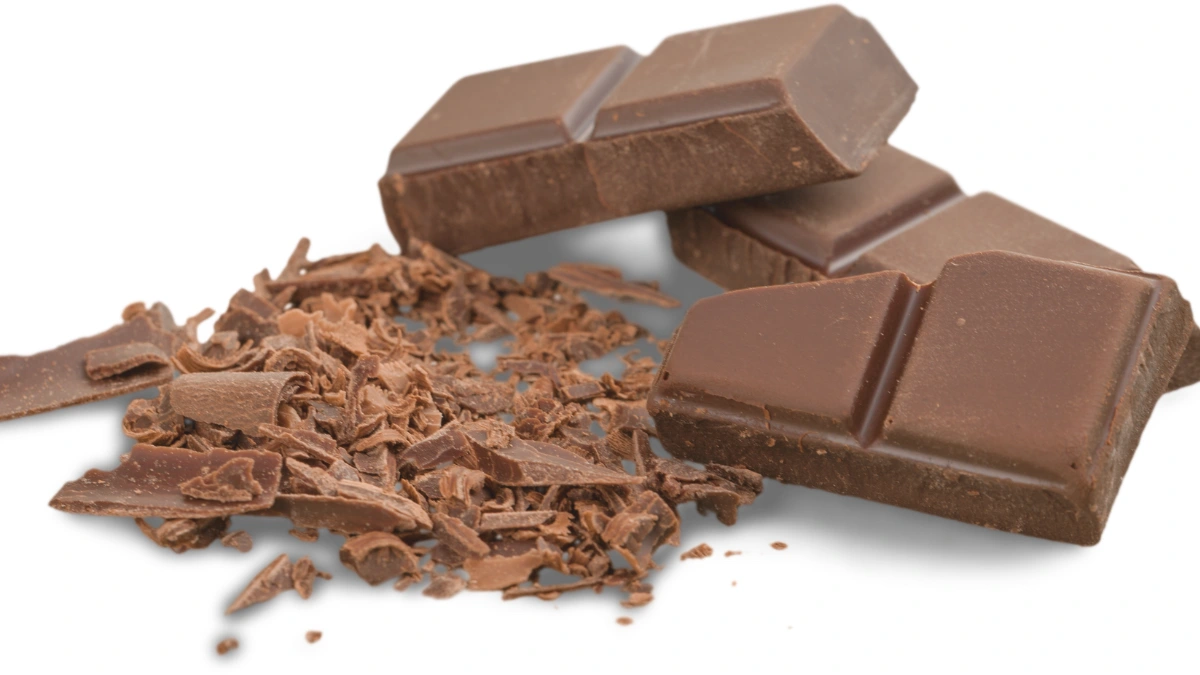
Yes, chocolate can be part of a weight management plan—when you choose the right kind. High-cocoa dark chocolate contains compounds that may help control appetite and reduce cravings.
A fascinating study in The FASEB Journal found that participants who ate dark chocolate consumed 17% fewer calories at their next meal compared to those who ate milk chocolate.
The bitterness of dark chocolate naturally limits portion size, making it harder to overeat. Its slow-melting properties also extend the eating experience, giving your brain more time to register satisfaction.
The stearic acid in dark chocolate has been shown to slow digestion, helping you feel full longer than you would with other treats.
A small square (about 10-15 grams) after dinner can help satisfy sweet cravings while providing health benefits.
The key is choosing varieties with at least 85% cocoa content, which contains less sugar and more beneficial compounds. Store your dark chocolate away from sight to avoid mindless eating.
When enjoyed mindfully in small amounts, dark chocolate can support your weight management efforts rather than sabotage them.