
You wake up. Your back hurts. Your knees crack when you stand. You wonder when getting old starts to feel so… old.
You don’t need a gym membership to stay in great shape after 40. You don’t need expensive equipment. You don’t need hours of free time you don’t have.
What you do need is a plan that works with real life. A plan backed by science. A plan you can actually stick to.
That’s what you’re about to get.
1. Understanding What Happens to Your Body After 40

Your body changes. That’s not news. But knowing what actually happens helps you fix it.
After 30, you start losing muscle. The rate? About 3 to 8 percent every ten years. That’s real muscle that keeps you strong and burns calories while you rest.
Your metabolism slows down, too. You burn about 100 fewer calories each day compared to your 30s. That doesn’t sound like much. But over a year, it adds up to gaining 10 pounds if you change nothing.
Your joints also get stiffer. The cartilage between bones gets thinner. Ligaments don’t stretch as much. This is why you feel creaky in the morning.
Recovery takes longer now. A hard workout that used to take one day to bounce back from now takes three. Your body needs more time to repair itself.
Women face extra challenges. After 40, women lose muscle mass twice as fast as men. Hormones shift. Bones lose density faster.
But here’s the good news: None of this means you’re doomed. You can fight back. You can build strength, keep your metabolism up, and feel great. And you can do it all at home.
2. The Power of Walking: Your Secret Weapon

Walking sounds too simple to work. It’s not.
A large study published in JAMA found that people who walked 7,000 steps per day had a lower risk of dying from any cause. That’s huge. And you don’t need 10,000 steps. Seven thousand is the sweet spot.
Walking does more than you think. It strengthens your heart. It lowers your blood pressure. It burns calories without beating up your joints.
A brisk 30-minute walk burns 150 to 200 calories. Do that five days a week and you burn an extra 4,000 calories per month. That’s more than a pound of fat.
Walking also protects your brain. It improves blood flow to your head. It helps you think clearly and remember better. Regular walkers have lower rates of dementia.
Your bones benefit too. Walking is a weight-bearing exercise. This means your bones work against gravity. That stress makes them stronger and helps fight bone loss.
Here’s how to make walking work:
Start with 10 minutes if that’s all you can manage. Walk around your block twice. That’s it. Do this every morning.
After one week, add five more minutes. Now you’re at 15 minutes. Keep adding time slowly.
Try interval walking for extra benefits. Walk fast for three minutes. Then slow for three minutes. Repeat this pattern. It boosts your heart health even more than steady-pace walking.
Walk outside when you can. Natural light helps your sleep. Green spaces lower your stress. But walking on a treadmill or around your house works too.
The best time? Morning walks wake up your body and mind. Evening walks help you sleep better. Pick what fits your schedule. Consistency matters more than timing.
3. Building Real Strength With Just Your Body
You don’t need weights to build muscle. Your body provides all the resistance you need.
Bodyweight exercises work because they use multiple muscle groups at once. This is called functional fitness. It trains your body for real-life movements like lifting groceries or getting off the floor.
Squats: The King of Lower Body Exercises
Squats work your legs, glutes, and core all at once. They build the strength you need for stairs, standing up from chairs, and playing with grandkids.
Here’s proper form: Stand with feet shoulder-width apart. Keep your back straight. Lower down, like you’re sitting in a chair. Go as low as you can. Push through your heels to stand back up.
Start with 10 squats. Rest for one minute. Do two more sets of 10. That’s your workout.
Can’t do full squats? Use a chair. Lower yourself until you almost touch the seat. Then stand back up. This protects your knees while building strength.
Push-Ups: Upper Body Power
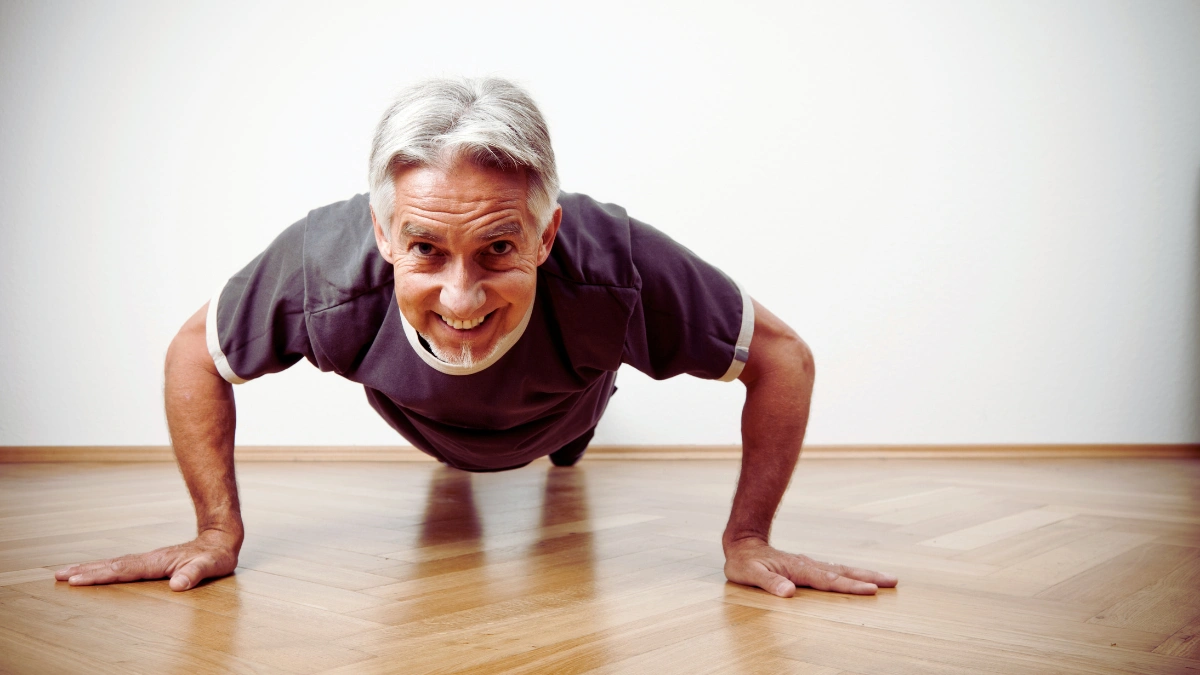
Push-ups build your chest, shoulders, and arms. They also work your core to keep your body straight.
Can’t do floor push-ups yet? Start against a wall. Put your hands on the wall at shoulder height. Step back so your body is at an angle. Push away from the wall. Come back slowly. Do 10 reps.
When wall push-ups feel easy, move to a countertop. Lower height makes it harder. Keep progressing until you can do knee push-ups. Then work toward full push-ups.
Planks: Core Strength Without Sit-Ups
Planks protect your back while building deep core strength. Get on your forearms and toes. Keep your body straight like a board. Don’t let your hips sag.
Hold for 20 seconds at first. Rest. Repeat three times. Add 10 seconds each week until you can hold one minute.
The 10-Minute Power Routine
Do this circuit three times per week:
- 10 squats
- 10 push-ups (at your level)
- 30-second plank
- Rest 30 seconds
- Repeat 2 more times
This takes exactly 10 minutes. It works your whole body. And it builds real, usable strength.
4. Flexibility: The Missing Link Most People Ignore
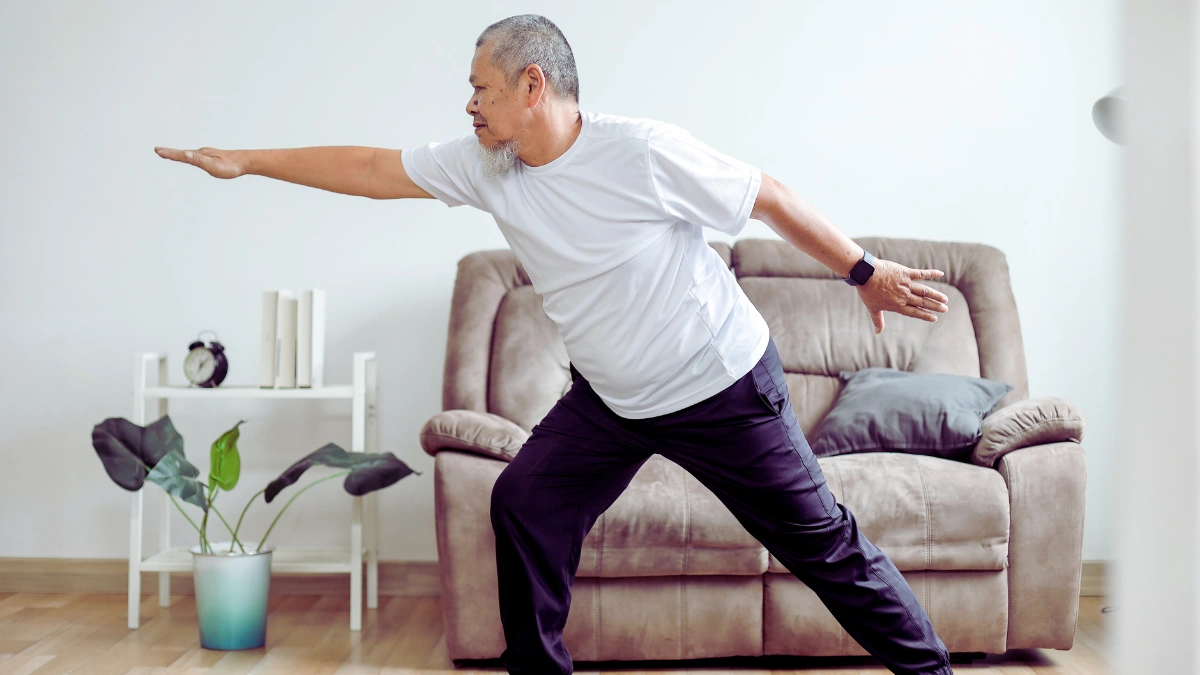
Stiff joints and tight muscles make everything harder. They also increase your injury risk.
After 40, your tendons hold less water. This makes them stiffer. Your joint capsules tighten up. Cartilage changes. All of this reduces how far you can move.
But flexibility can improve at any age. You just need to work on it regularly.
Morning Mobility Routine (5 Minutes)
Do this right after you wake up:
Cat-cow stretches: Get on hands and knees. Arch your back like a scared cat. Then drop your belly and look up like a cow. Do 10 slow reps. This wakes up your spine.
Hip circles: Stand and put your hands on your hips. Make big circles with your hips. Go 10 times each direction. This lubricates your hip joints.
Shoulder rolls: Roll your shoulders backward 10 times. Then forward 10 times. This loosens your upper body.
Ankle circles: Stand on one foot. Circle your other ankle 10 times each way. Switch feet. This prevents ankle stiffness.
Post-Workout Stretching
After your strength work or walk, your muscles are warm. This is the perfect time to stretch.
Hold each stretch for 30 seconds. Don’t bounce. Just hold steady. Stretch your calves, hamstrings, quads, hips, chest, and shoulders.
Make this a habit and you’ll notice a difference in two weeks. Your body will move more easily. Daily tasks won’t feel as hard.
5. Eating Right: Fuel Your Body After 40

Exercise alone won’t keep you in peak shape. What you eat matters just as much.
Your protein needs go up after 40. You need protein to keep and build muscle. Aim for 0.7 to 1 gram of protein for every pound you weigh.
Weigh 150 pounds? Eat 105 to 150 grams of protein daily. Spread it across all your meals.
Good protein sources:
- Chicken breast (30g per 4 oz)
- Greek yogurt (20g per cup)
- Eggs (6g per egg)
- Fish (25g per 4 oz)
- Beans (15g per cup)
- Lean beef (25g per 4 oz)
The Perfect Plate Method
This makes healthy eating simple. Picture your plate. Fill half with vegetables. Non-starchy ones work best: broccoli, spinach, peppers, cauliflower, green beans.
Fill one quarter with protein. Chicken, fish, eggs, or beans.
Fill the last quarter with fiber-rich carbs. Sweet potato, brown rice, quinoa, or whole grain bread.
This balance gives you energy, keeps you full, and supports your fitness goals.
Calcium for Strong Bones
Your bones need calcium, especially after 40. Get 2 to 3 servings daily from:
- Low-fat milk
- Greek yogurt
- Cottage cheese
- Fortified plant milk
- Leafy greens
Don’t Forget Healthy Fats
Your body needs fat for hormones and joint health. Include small amounts at each meal:
- Olive oil for cooking
- Avocado on salads
- Nuts as snacks
- Fatty fish twice per week
Water Matters More Now
As you age, you feel less thirsty. But your body still needs water. Drink water with every meal. Carry a water bottle. Aim for 8 glasses daily.
6. Sleep: Where Your Body Rebuilds

You can’t out-exercise bad sleep. Sleep is when your body repairs muscle, burns fat, and recharges.
People over 40 need 7 to 9 hours of sleep. Not getting enough? You’ll feel hungrier. You’ll crave junk food. Your workouts will suffer. Your body won’t recover.
A 2019 study tracked adults who increased their daily steps by 2,000 (about one mile) over four weeks. On the days they walked more, participants slept longer and better. Walking helps you sleep. Sleep helps your fitness. It all connects.
Physical activity during the day tires out your body. This makes falling asleep easier. It also deepens your sleep quality.
Better Sleep Habits
Set a bedtime and stick to it. Your body loves routine. Go to bed at the same time every night, even on weekends.
Turn off screens one hour before bed. The blue light tricks your brain into thinking it’s daytime. This blocks melatonin, the sleep hormone.
Keep your bedroom cool. Around 65 to 68 degrees works best. Your body needs to cool down to sleep deeply.
Don’t eat large meals late. Give yourself 3 hours between dinner and bedtime. A full stomach makes quality sleep harder.
If you wake up at night, don’t look at your phone. The light will wake you up more. Just stay in bed with eyes closed.
7. Managing Stress to Stay Fit

Stress ruins your fitness progress. High stress means high cortisol. This hormone tells your body to store fat, especially around your belly. It also breaks down muscle.
Walking reduces cortisol naturally. Just 10 minutes outside lowers stress hormones. A 60-minute walk in nature decreases brain activity in areas that process stress.
Physical movement releases endorphins. These are your body’s natural mood boosters. They make you feel calm and happy. Even a short walk triggers this effect.
Simple Stress Management
Take three deep breaths before meals. Breathe in for 4 counts. Hold for 4. Breathe out for 4. This activates your calm nervous system.
Spend time outside daily. Sunlight and nature lower stress better than indoor exercise. Even 15 minutes helps.
Move when you feel stressed. Don’t sit with anxiety. Stand up. Walk. Do 10 squats. Physical movement breaks the stress cycle.
Sleep enough. Tired people feel more stressed. Good sleep makes everything more manageable.
8. Your Weekly Routine: Putting It All Together
You need a plan. Random exercise doesn’t work as well as a schedule.
Here’s your week:
Monday: Upper Body Strength
- 10 push-ups (your level)
- 30-second plank
- Repeat 3 times
- Total time: 10 minutes
Tuesday: Walk
- 30 minutes at a brisk pace
- Try some interval walking
Wednesday: Lower Body Strength
- 15 squats
- 10 glute bridges (lie on back, lift hips)
- 10 lunges each leg
- Repeat 2 times
- Total time: 10 minutes
Thursday: Active Recovery
- 20-minute easy walk
- 10 minutes of stretching
Friday: Full Body Circuit
- 10 squats
- 10 push-ups
- 30-second plank
- 10 glute bridges
- Rest 1 minute
- Repeat 3 times
- Total time: 15 minutes
Saturday: Long Walk
- 45 to 60 minutes
- Bring a friend or listen to music
Sunday: Complete Rest
- Light stretching only
- Let your body recover
This gives you 3 strength days and 4 cardio/active recovery days. That’s the perfect balance for people over 40.
You can adjust based on how you feel. Tired? Take an extra rest day. Feeling great? Add 5 more minutes to your walks.
9. Recovery: The Part That Makes Everything Work
Your 40-something body needs recovery time. This isn’t a weakness. It’s smart training.
You don’t build muscle during workouts. You build it during rest. Exercise breaks down muscle fibers. Rest time lets them repair stronger.
If you feel extra tired, your resting heart rate goes up. Check your pulse first thing in the morning. If it’s 10 beats higher than normal, you need rest. Take an easy day.
Foam Rolling
A foam roller costs about $20. It’s worth it. Roll on it for 5 minutes after workouts. This releases tight spots in your muscles and improves flexibility.
Roll slowly over sore areas. When you find a tender spot, pause there for 30 seconds. Let the pressure work out the tightness.
Active Recovery Days
Don’t sit still on recovery days. Move gently instead. Take an easy 20-minute walk. Do some light stretching. This keeps blood flowing to your muscles without stressing them.
Listen to Your Body
Pain is different from discomfort. Muscle soreness after a workout is normal. Sharp pain during exercise is not. Stop if something hurts in a bad way.
Older bodies send clearer signals. Listen to them. Push when you feel good. Back off when you don’t.
10. Tracking Progress That Actually Matters
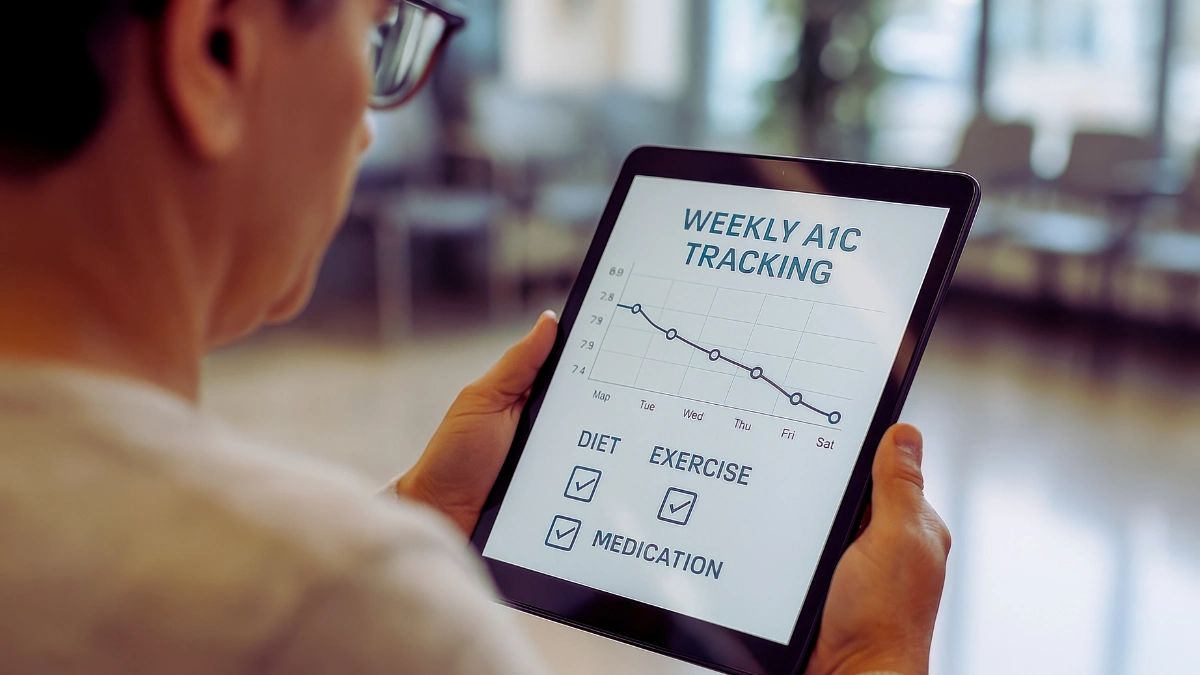
Forget the scale. It doesn’t tell the whole story.
Track how you feel instead. Can you climb stairs without breathing hard? That’s progress. Can you play with your kids without getting tired? That’s success.
Notice how your clothes fit. Muscle weighs more than fat. You might not lose pounds but drop a pant size. That’s what matters.
Track your energy levels. Do you feel more awake during the day? Can you focus better at work? Physical fitness improves mental sharpness.
Count your daily activities. Did grocery shopping used to tire you out? Does it feel easier now? That’s real-world improvement.
Take progress photos every 30 days. You see yourself daily, so changes seem slow. Photos show the truth. Stand in the same spot, same lighting, same clothes. Compare after 90 days.
Set behavior goals, not outcome goals. “Walk 30 minutes 5 days this week” is better than “lose 5 pounds.” You control your actions. Results follow from consistent action.
11. Staying Consistent When Life Gets Hard
You’ll have bad days. Everyone does. The secret is getting back on track fast.
When You’re Short on Time
Do something small. Can’t do your full workout? Do 5 squats and a 20-second plank. That takes 1 minute. Small actions keep the habit alive.
When You’re Not Motivated
Motivation is unreliable. Discipline is what works. Show up even when you don’t feel like it. Do the minimum. You’ll usually end up doing more once you start.
When You Get Sick or Injured
Rest completely until you’re better. Don’t try to push through illness. You’ll just stay sick longer. Start again slowly when you’re well.
When Family Life Is Chaos
Include your family. Walk with your spouse after dinner. Do squats while your kids play. Show them that fitness is normal, not a chore you hide from them.
When You Miss a Week
Don’t quit. One bad week doesn’t erase months of progress. Just start again. Do a simple walk tomorrow. Build back up from there.
The people who succeed aren’t the ones who never mess up. They’re the ones who start again quickly.