

An experiment was designed to test if a diet of Big Macs and McDoubles could actually be the key to getting ripped, testing the ultimate fitness dogma that a calorie is just a calorie in a way that was both scientifically intriguing and gastronomically challenging.
Many people have been told that weight loss is a simple math problem, yet their real world results often fail to add up. Plateaus are common even with clean eating, leading to confusion about whether the what of our diet matters more than the how much.
This exploration covers the hard truths about the Calories In, Calories Out CICO principle, discovers the hidden factors that can sabotage weight loss, like inaccurate calorie labels and the way the body absorbs processed food, and ultimately provides a powerful, science-backed framework for managing weight without eliminating preferred foods.
The $1,000 Bet: Putting the CICO Diet to the Ultimate Test with a McDonald’s Diet for Weight Loss
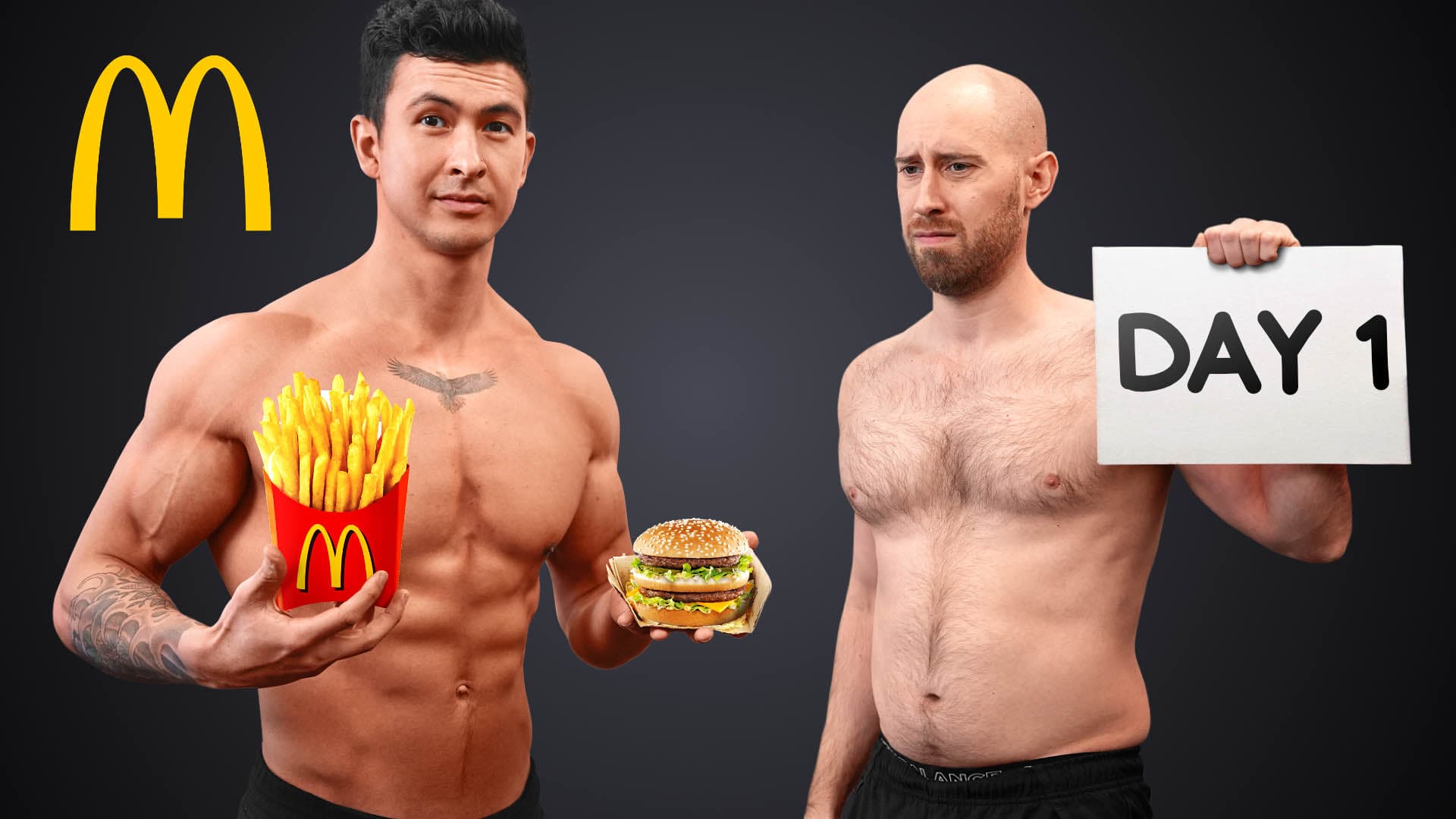
The experiment began with a simple premise rooted in a common frustration. The subject, a videographer named Brendan who regularly tried to “eat clean,” had hit a persistent fat loss plateau.
The experimenter, fitness expert Jeremy Ethier, proposed a counterintuitive solution to test a foundational principle of nutritional science: for 30 days, Brendan would eat nothing but McDonald’s. A $1,000 wager was placed on the outcome, setting the stage for a high-stakes test of a widely debated concept.
The Scientific Hypothesis
The core principle under examination was Calories In, Calories Out (CICO). This concept posits that weight change is determined by the balance between the energy consumed (calories in) and the energy expended (calories out).
The experiment was designed to isolate this variable: if CICO is the sole determinant of weight loss, a carefully controlled calorie deficit from McDonald’s should yield predictable results. This directly challenges the conventional wisdom that fast food is inherently fattening and provides a clear, testable hypothesis.
Rules of Engagement and Scientific Measurements
To ensure the integrity of the experiment, a strict protocol was established. Brendan, the subject, began at a weight of 158 lbs. Based on his estimated metabolic rate, a daily target of 2,000 calories was set to create a moderate energy deficit. To mitigate the risk of muscle loss—a common side effect of weight loss—a minimum daily protein intake of 120 grams was also mandated.
To lend credibility and provide objective data, a rigorous testing protocol was implemented before and after the 30-day period. This included:
DEXA (Dual-Energy X-ray Absorptiometry) scans: To precisely measure changes in body fat percentage and lean muscle mass.
Comprehensive blood work: To assess key health markers, including cholesterol levels (LDL and HDL), HbA1c (a marker for diabetes risk), and indicators of inflammation and liver health.
Strength tests: To objectively measure performance changes, the subject’s one-rep max capabilities were tested on the bench press, pull-ups, and deadlifts.
This setup transformed a sensational premise into a structured scientific inquiry. By controlling for calorie and protein intake while dramatically altering food quality, the experiment was perfectly designed to explore the nuances of energy balance and the true role of food composition in health and body composition.
The First 15 Days: Hunger, “Hidden Calories,” and Why My McDonald’s Diet Weight Loss Stalled
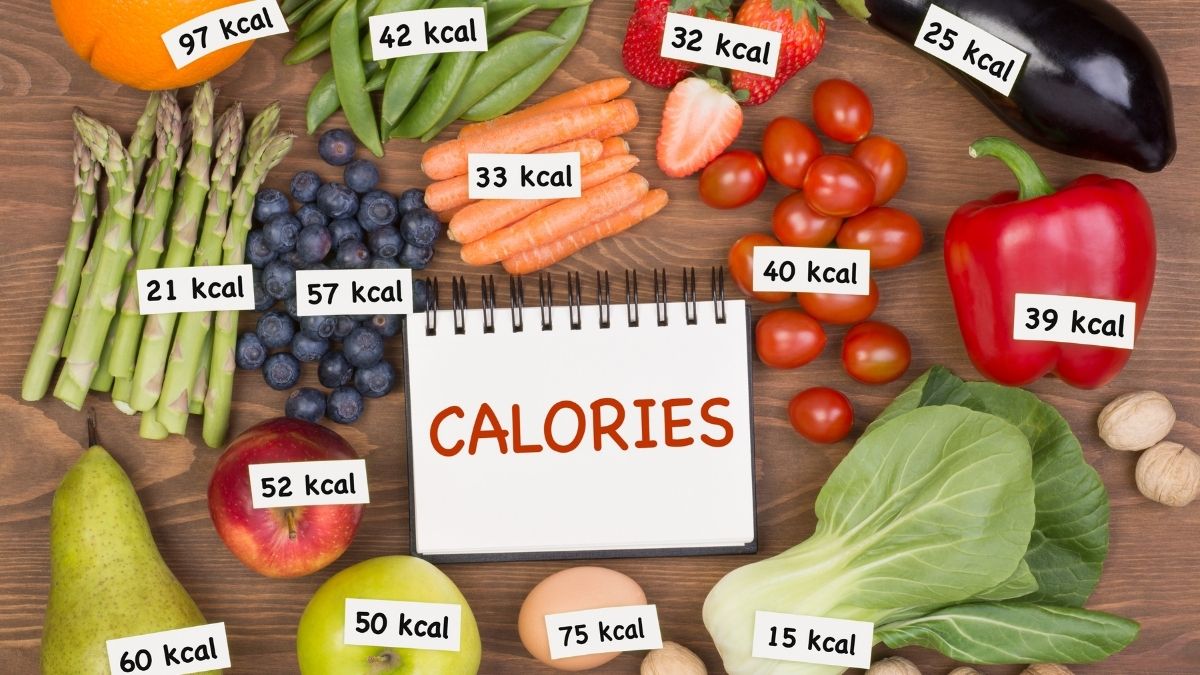
The initial days of the experiment quickly revealed the practical challenges of a diet composed entirely of ultra-processed fast food. The subject’s first breakfast, an Egg McMuffin, contained a claimed 290 calories and 16 grams of protein. While calorically dense, it was consumed in under three minutes, leading to a lack of fullness and immediate, persistent hunger.
This experience highlighted a critical weakness of the simplistic CICO model: it fails to account for satiety, the feeling of fullness and satisfaction after a meal. Foods low in volume and fiber but high in calories often do not trigger the same satiety signals as whole foods, making it psychologically and physiologically more difficult to adhere to a calorie budget.
This difficulty was anticipated by nutritional science expert Dr. Layne Norton, who consulted on the experiment. He predicted that the lack of variety and novelty would lead to monotony, which in turn could diminish satisfaction and threaten adherence.
Physiological Pushback and Nutritional Deficiencies
Beyond the psychological challenges of hunger and monotony, the subject’s body began to exhibit signs of physiological distress. The most immediate issue was a drastic reduction in dietary fiber.
The recommended daily fiber intake for an adult male like Brendan is approximately 35 grams; on the McDonald’s diet, his intake plummeted to less than a third of that, barely reaching 10 grams per day.
The Investigation: Uncovering Hidden Saboteurs

The most perplexing issue arose around the 15-day mark: despite supposedly adhering to a 2,000-calorie daily limit, the subject was not losing weight as predicted by the CICO model. This prompted an investigation that uncovered two critical, often-overlooked factors that sabotage calorie-counting efforts.
Culprit #1: Inaccurate Calorie Labeling The first discovery was the potential for significant inaccuracies in the stated nutritional information provided by fast-food chains. The experimenter began to suspect that items were under-reported. For example, the Egg McMuffin, listed at 290 calories, contains an English muffin, egg, ham, American cheese, and, as was discovered, spread butter—a combination that realistically calculates to over 400 calories.
Culprit #2: The Calorie Absorption Revelation The second, more profound discovery relates to how the human body processes food. A 2023 study highlighted in the experiment revealed a crucial difference in caloric availability between processed and unprocessed foods. The study compared two groups that ate the same number of calories.
The Turning Point: A Whole Foods “Cheat Meal” and How We Hacked the McDonald’s Menu

Faced with the dual challenges of inaccurate calorie data and increased calorie absorption, the experiment required a significant course correction. To create a true calorie deficit, a new, stricter protocol was implemented after day 15: all “hidden” calorie sources were to be eliminated. This meant ordering breakfast sandwiches without butter and burgers and wraps without any sauces or creamy dressings.
To combat the growing monotony and psychological strain of the diet, a strategic “cheat meal” was introduced. In research, this is known as a “planned hedonic deviation,” an effective tool for improving long-term dietary adherence. However, in this context, the cheat meal served a more profound purpose. The subject’s body was craving nutrient- and fiber-rich foods, leading to a trip to Whole Foods rather than another fast-food outlet
Hacking the Menu for Success
Armed with this new understanding, the subject shifted his approach from passive consumption to active strategy. He began to “hack” the McDonald’s menu to better align with his goals, demonstrating how mindful choices can improve outcomes even within a highly constrained environment. These strategies included:
Customizing Orders: Consistently requesting no sauces or butter to eliminate hidden fats and calories.
Deconstructing Meals: Turning a chicken wrap into a makeshift salad by discarding much of the tortilla and focusing on the protein and lettuce.
Prioritizing Protein: Selecting items with a better protein-to-calorie ratio, such as the McDouble or a Filet-O-Fish without tartar sauce, which became staples in the latter half of the experiment.
These adjustments, though minor, were critical. They allowed the subject to finally establish a consistent and genuine calorie deficit, setting the stage for the final phase of the experiment. The table below outlines some of the “smarter” swaps that can be made at McDonald’s, based on the learnings from the experiment.
| “Smarter” McDonald’s Choices | Calories | Protein (g) | Fiber (g) | Sodium (mg) | Rationale |
|
Egg McMuffin | 290 | 16 | 2 | 750 | A balanced breakfast option with decent protein. Requesting no butter can further reduce calories. |
|
McDouble | 380 | 21 | 2 | 840 | Two beef patties provide a solid protein boost for a relatively low calorie count compared to larger burgers. |
|
Filet-O-Fish (No Sauce) | 289 | 15 | 1 | 520 | Removing the tartar sauce significantly cuts fat and calories, making it a leaner protein choice. |
|
Apple Slices | 15 | 0 | 0 | 0 | The only fruit option: a low-calorie, no-sodium side that can replace high-calorie fries. |
Day 30: 5 Pounds Lost, Stronger in the Gym, and What the Blood Work Actually Revealed

After 30 days of navigating hidden calories, physiological challenges, and strategic menu adjustments, the final results of the experiment were collected. The data provided a nuanced and often counterintuitive picture of the interplay between calorie quantity, food quality, and overall health.
This outcome demonstrates that with a sufficiently high protein intake (the target was 120g/day) and consistent resistance training, it is possible to preserve and even build muscle and strength during a fat loss phase, debunking the common myth that “clean eating” is a prerequisite for gym performance.
The Shocking Health Marker Results

The most astonishing finding of the experiment came from the blood work. Pre- and post-diet analysis of cholesterol, HbA1c, inflammation markers, and liver health indicators showed no negative changes. All of the subject’s key health markers remained stable and within a healthy range.
The explanation for this lies in the powerful therapeutic effect of weight loss itself. For individuals carrying excess body fat, the reduction of that fat is a primary driver of improved metabolic health. In the short term, the positive effects of creating an energy deficit and losing weight can offset the potential negative effects of a nutrient-poor diet.
This phenomenon is not an isolated case. It mirrors the results of other well-documented “junk food diet” experiments. The table below compares this 30-day experiment with two other notable examples.
These experiments collectively demonstrate a crucial hierarchy in nutrition: while food quality is vital for long-term health and well-being, the act of achieving and maintaining a healthy body weight through energy balance is the most powerful short-term lever for improving metabolic health markers.
The Real Lesson: How to Use Flexible Dieting with Fast Food for Sustainable Results in 2025

The conclusion of this analysis is not a recommendation for a McDonald’s-only diet. Such an approach is nutritionally incomplete, psychologically taxing, and unsustainable. The true lesson is far more nuanced and powerful: the extreme experiment serves as a stress test that reveals the fundamental principles of any successful, long-term weight management strategy.
The core finding is that while CICO is the fundamental law of weight management, it is an oversimplification in practice. The quality of food is the master lever that determines how easy the CICO equation is to follow. A diet rich in whole foods, protein, and fiber promotes satiety, provides essential nutrients, and minimizes the variables of calorie absorption and labeling inaccuracies.
Introducing Flexible Dieting as the Solution
The most practical application of these findings is the concept of flexible dieting, also known as “If It Fits Your Macros” (IIFYM). This is not an excuse to eat a diet of junk food, but rather a sustainable framework for incorporating treats and preferred foods into an overall healthy eating pattern.
A common and effective application is the 80/20 rule: consuming 80% of calories from whole, nutrient-dense sources and allowing 20% for more processed, “fun” foods. This approach prevents the feelings of deprivation that often lead to binge eating and diet failure, promoting better long-term adherence.
An Actionable Plan for Sustainable Weight Management
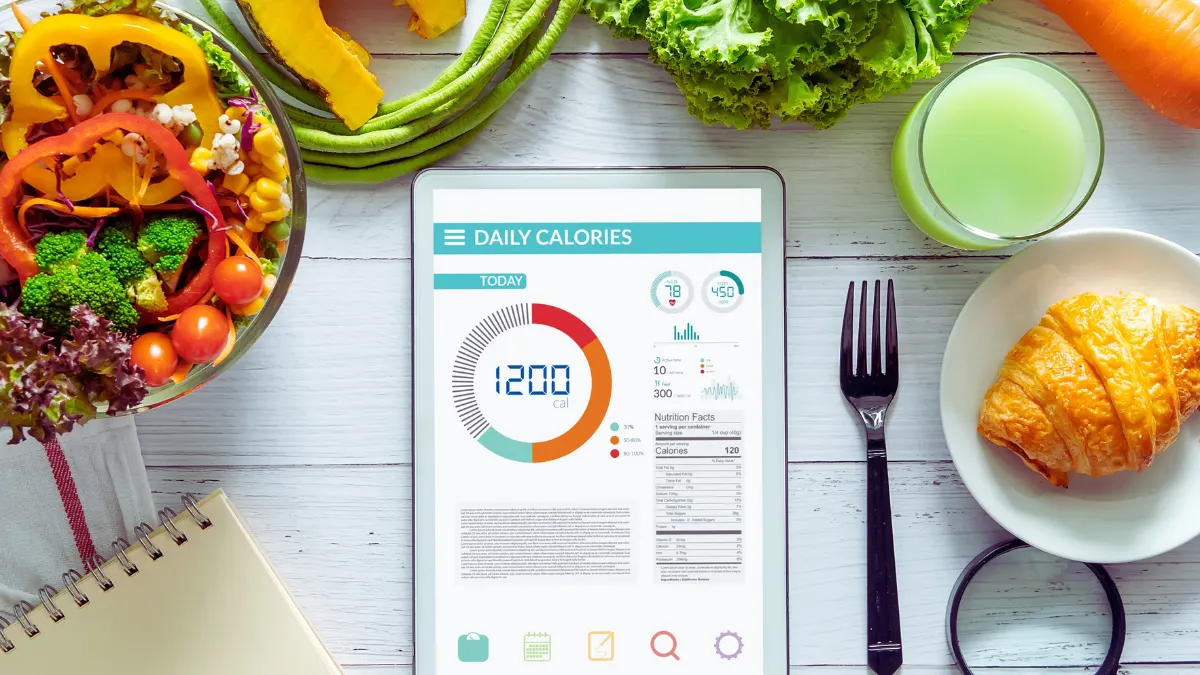
The lessons from the 30-day experiment can be distilled into a practical, step-by-step guide for anyone looking to lose weight by eating fast food as part of a balanced lifestyle.
Step 1: Establish Your True Calorie Deficit Online calculators provide a rough estimate of maintenance calories, but they can be inaccurate by as much as 20-30%.
Step 2: Prioritize Protein and Fiber These two nutrients are the cornerstones of satiety. Aiming for 20-30 grams of protein per meal helps preserve muscle mass and significantly reduces hunger.
Step 3: Plan Your “Splurges” Strategically Instead of viewing fast food as a “cheat,” plan for it. If a McDonald’s meal is desired for dinner, one can structure breakfast and lunch around high-protein, high-fiber, lower-calorie options. For example, a day could consist of Greek yogurt with berries for breakfast, a large chicken salad for lunch, and a McDouble with a side of apple slices for dinner, all while remaining within a calorie and protein target.
Step 4: Be a Fast Food Architect When ordering fast food, small modifications can have a large impact. A checklist for making any order healthier includes:
Choose grilled over fried or “crispy” items to reduce fat and calories.
Hold the sauces and dressings or ask for them on the side to control the amount used. Mayonnaise and creamy sauces are particularly high in calories.
Load up on vegetables like extra lettuce, tomatoes, and onions on sandwiches and burgers.
Swap the sides. Opt for apple slices or a side salad instead of french fries to save hundreds of calories.
Rethink your drink. Choose water, unsweetened iced tea, or a diet soda instead of sugar-sweetened beverages.
Order a kid’s meal. This provides built-in portion control and often comes with healthier side options like fruit or milk.
Conclusion
The journey began with a simple question: can a person lose weight by eating only McDonald’s? The answer is a qualified “yes”—but only if one can successfully navigate inaccurate calorie counts, increased calorie absorption from processed foods, and soul-crushing monotony to maintain a true energy deficit and adequate protein intake. The real discovery of this experiment was not about the viability of a fast-food diet, but about the universal and immutable principles of fat loss.
Fat loss is fundamentally a numbers game governed by the law of energy balance. However, the quality of the food one chooses determines how easy that game is to play. A diet centered on protein, fiber, and whole foods makes staying in a calorie deficit feel more effortless and sustainable. In contrast, a diet of ultra-processed foods becomes a constant battle against hunger, cravings, and the hidden variables that make accurate tracking nearly impossible.
The next time a craving for a burger strikes, the solution is not to banish it. The solution is to build it into a well-structured plan. By using the principles of flexible dieting, it is possible to enjoy preferred foods while still making consistent progress toward health and fitness goals. Ultimately, the story of this experiment is not a license to live at the drive-thru, but a blueprint for achieving results with freedom, knowledge, and sustainability.