

The scene is a familiar one: standing in front of a mirror, locked in a frustrating stalemate with a reflection that doesn’t quite feel like your own. For me, this moment was the culmination of yet another diet that felt like a full-time job a constant battle of willpower, calorie counting, and forbidden foods.
The goal was simple, driven by the glossy promises of a quick fix: lose the weight. When I first stumbled upon intermittent fasting (IF), it seemed like the ultimate life hack, a straightforward path to the results I craved, championed by everyone from celebrities to health experts.
But this isn’t another story about dropping a dress size. While the numbers on the scale did eventually move, that change quickly became the least interesting part of the entire experience.
The real transformation was unexpected, a quiet revolution that took place not on my waistline, but in my mind. Intermittent fasting changed my life, but not by shrinking my body—it expanded my mental clarity, fortified my emotional stability, and handed me a sense of control that had nothing to do with food.
The Honeymoon and The Hurdles: My First 30 Days of Fasting
Choosing a Path
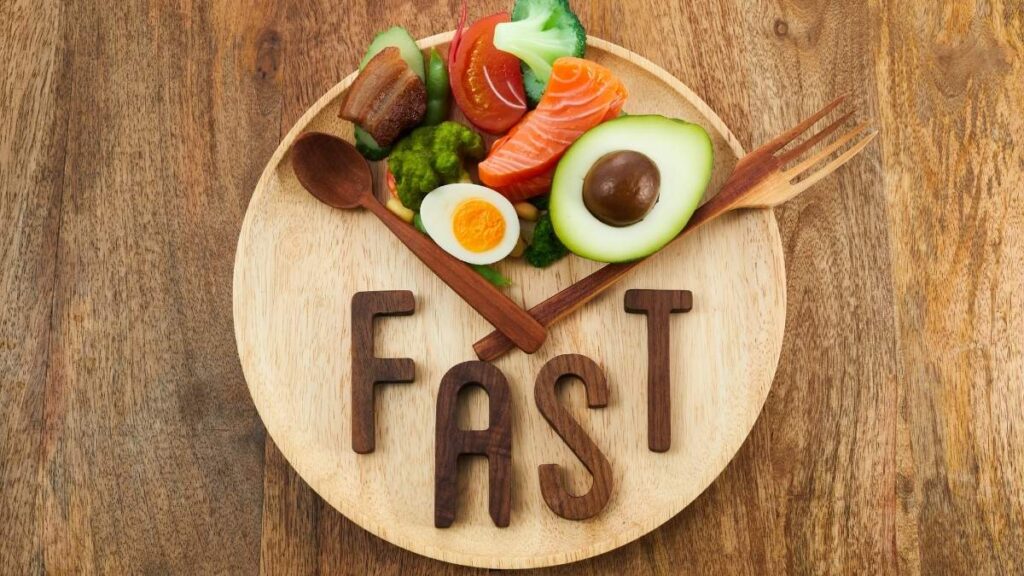
My initial foray into intermittent fasting was a dive into a sea of acronyms and schedules: 16:8, 5:2, Alternate-Day Fasting (ADF), and more. The sheer number of options was daunting, but the advice for beginners was consistent: start slow.
Big, abrupt changes to eating habits are notoriously difficult to sustain. Heeding this, I bypassed the more aggressive protocols and began with a gentle 12-hour overnight fast, simply closing my eating window at 8 p.m. and reopening it at 8 a.m.
The plan was to gradually extend this window over a few weeks, a strategy recommended to improve long-term adherence and allow the body to adapt.
The Adaptation Reality
The first week was anything but glamorous. The initial side effects were potent and predictable: waves of hunger, a short-fused irritability that my family affectionately dubbed “hangry,” and occasional dizziness. This difficult period, however, is not a sign of failure but a well-documented biological adjustment.
Research from neuroscientist Mark Mattson at Johns Hopkins has shown that it can take two to four weeks for the body to become fully accustomed to intermittent fasting. Knowing this provided a crucial scientific timeline, transforming my frustration into patience. I wasn’t failing; my body was learning a new skill.
This initial struggle is more than just a test of willpower; it is a direct physiological symptom of the body’s metabolic state. Most modern eating patterns involve consuming meals and snacks throughout our waking hours, which keeps our bodies constantly running on recently consumed calories without ever needing to tap into fat stores.
When this steady supply of glucose is suddenly cut off during a fast, a body that is not efficient at burning fat for fuel sends out distress signals in the form of hunger, fatigue, and mood swings.
Early Mistakes and Corrections

In my eagerness, I made a classic beginner’s mistake: breaking my first few fasts with a celebratory, carbohydrate-heavy meal. The result was immediate—bloating, lethargy, and a jarring energy crash that left me feeling worse than before. I quickly learned that how you break a fast is as important as the fast itself.
The key was to reintroduce food gently, focusing on nutrient-rich whole foods. A meal centered on lean protein, healthy fats, and vegetables provided sustained energy and prevented the blood sugar rollercoaster. This simple correction turned a painful lesson into a cornerstone of my sustainable practice.
The Turning Point: Discovering the Real Benefits of the Fasted State
After the initial adaptation period, something remarkable happened. The focus on the clock and the scale began to fade, replaced by an awareness of profound internal shifts. These were the real, lasting benefits of fasting—changes that had very little to do with weight.
The Fog Lifted: A Newfound State of Mental Clarity

The first unexpected benefit arrived during a demanding work project. Normally, I would have been fighting the typical mid-afternoon slump with caffeine and sugar. Instead, I found myself in a state of sustained, calm focus that lasted for hours. The mental fog that had been a constant companion was gone.
The science behind this newfound clarity is fascinating. During a fast, as the body’s glucose stores are depleted, it initiates a metabolic switch, beginning to burn fatty acids which are converted into ketone bodies in the liver.
One of these ketones, beta-hydroxybutyrate ($\beta$-HB), is an exceptionally efficient fuel source for the brain. Studies show that this switch to ketones can enhance neuronal energy efficiency, cognitive performance, and resistance to stress.
Simultaneously, fasting triggers a significant boost in a protein called Brain-Derived Neurotrophic Factor (BDNF). Often described as “fertilizer for the brain,” BDNF plays a critical role in neuron survival, the growth of new neurons (neurogenesis), and the strengthening of connections between them (synaptic plasticity).
The growing scientific interest in this area is highlighted by protocols for systematic reviews, set for 2025, aimed at clarifying the effects of IF on mental health, including stress, anxiety, and depression. Indeed, some studies have already shown that fasting leads to measurable improvements in mood, including increased vigor and reduced tension.
The Deep Clean: How Fasting Reprogrammed My Health from the Inside Out
Beyond the mental boost, I began to notice a deeper sense of physical well-being. I felt like my body was “running cleaner.” I recovered from workouts faster, and the usual seasonal sniffles seemed to bypass me entirely. This wasn’t just a feeling; it was the result of a powerful cellular process being switched on by the fast.
This process is called autophagy, a term derived from Greek for “self-eating.” It is the body’s essential quality control system, where cells identify, degrade, and recycle their own damaged components from misfolded proteins to dysfunctional organelles.
The health implications of enhanced autophagy are profound. This process helps protect cells from oxidative stress and DNA damage, down-regulates inflammation, and is a crucial defense against neurodegeneration.
A dysfunction in this system has been implicated in a host of diseases, including cancer and Alzheimer’s. By engaging in intermittent fasting, I wasn’t just following a diet; I was regularly scheduling a maintenance cycle for my body at the cellular level, an investment in long-term health.
The End of Food Obsession: Rewiring My Relationship with Hunger

Perhaps the most liberating change was the one that happened in my relationship with food. Previous diets had trapped me in a cycle of obsession—constantly thinking about my next meal, calculating calories, and feeling guilty over any perceived misstep.
Intermittent fasting broke that cycle. I learned to distinguish true, physiological hunger from the phantom pangs driven by boredom, stress, or habit.
This mental freedom is rooted in hormonal regulation. Intermittent fasting helps reduce levels of ghrelin, the primary “hunger hormone,” which leads to more even-keeled hunger levels throughout the day. It also improves insulin sensitivity and can help regulate leptin, a hormone involved in satiety.
This hormonal reset fosters a profound behavioral shift. A compelling 12-month study found that while a group practicing daily calorie restriction (DCR) saw an increase in maladaptive behaviors like binge eating, the group practicing 4:3 intermittent fasting showed a significant decrease in both binge eating and uncontrolled eating.
This finding is critical. Traditional diets, with their focus on constant external restriction, can create a psychological pressure that triggers compensatory bingeing. Intermittent fasting, by offering flexibility within the eating window, seems to alleviate this pressure.
The Modern Science of an Ancient Practice
My personal experience was compelling, but it was the backing of cutting-edge science that solidified intermittent fasting as a long-term lifestyle. The practice, while ancient, is now being understood through the lens of modern biology, revealing why it is such a powerful strategy for health in 2025.
It’s All in the Timing: The Power of Your Circadian Clock
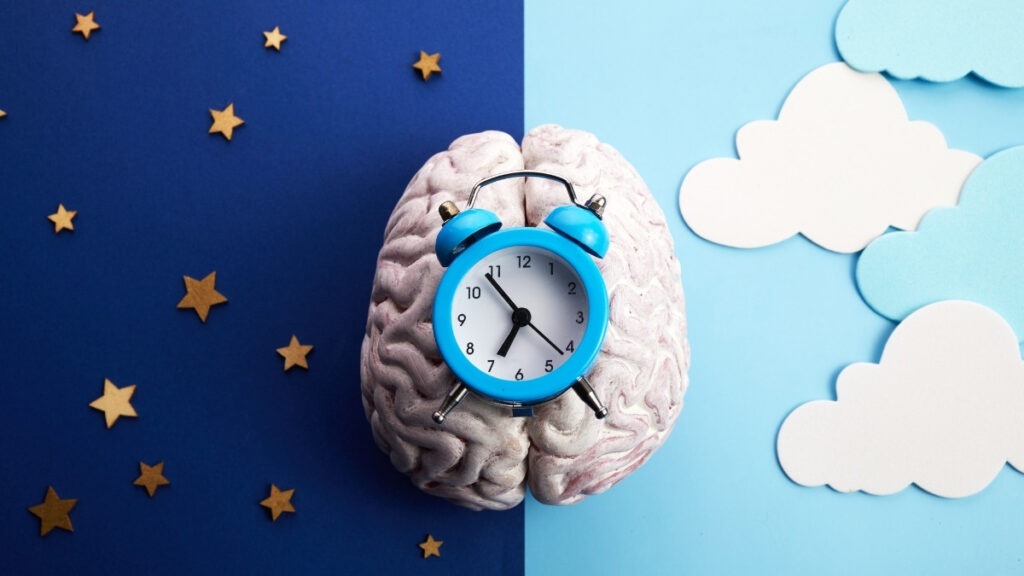
A pivotal figure in this field is Dr. Satchin Panda of the Salk Institute, a leading researcher on circadian rhythms. His work has championed a powerful idea: it’s not just what you eat, but when you eat that matters profoundly for your health. Our bodies operate on a 24-hour internal clock that governs nearly every cell and biological process, from digestion to hormone release.
This system is designed to optimize functions for specific times of day. Eating erratically, especially late at night, disrupts these natural rhythms and can contribute to metabolic dysfunction.
Time-restricted eating (TRE), a form of IF, works by aligning our eating patterns with our body’s innate clockwork. A landmark 2024 clinical trial from Dr. Panda and his collaborators at UC San Diego demonstrated this effect in adults with metabolic syndrome.
Participants who adopted a customized 10-hour eating window showed significant improvements in blood sugar, cholesterol, and hemoglobin A1c, and also experienced a reduction in abdominal fat.
One of the most actionable takeaways from this research is the recommendation to end the eating window at least three hours before going to sleep. This gives the body’s digestive system adequate time to rest, allowing it to shift into repair and restoration mode overnight, fully harnessing the power of its circadian biology.
The Great Debate: Is It Just Eating Less?

A valid and important scientific question is whether the benefits of IF are simply a byproduct of eating fewer calories. An April 2024 study from Johns Hopkins University found that when calories were held constant between a time-restricted group and a group with a normal eating pattern, both lost a similar amount of weight.
This suggests that for weight loss, IF is a very effective behavioral tool that helps people naturally reduce their caloric intake, but it is not a metabolic magic trick.
However, to conclude that IF is only about calorie reduction is to miss the larger, more significant picture. While IF may not defy the laws of thermodynamics for weight loss, its unique benefits extend far beyond the scale.
The profound physiological states triggered by fasting—such as the cellular cleanup of autophagy and the brain-boosting effects of BDNF—are activated by the extended period without food itself, independent of the total calories consumed over a 24-hour period.
As Dr. Jason Fung, a Canadian nephrologist and fasting expert, argues, fasting is a method for switching the body’s primary fuel source from glucose to fat, a change that has cascading hormonal consequences that simple calorie counting does not address.
Part IV: Your Actionable Blueprint for a 2025 Fasting Lifestyle
Embarking on an intermittent fasting journey is a personal process, but it doesn’t have to be complicated. With the right knowledge and tools, you can build a sustainable practice that fits your life.
Finding Your Rhythm: A Practical Guide to Fasting Schedules

The best fasting schedule is the one you can stick with consistently. Flexibility is crucial, and it’s perfectly fine to adjust your window based on your daily needs. The following table synthesizes current research to help you choose a starting point that aligns with your goals and lifestyle.
The Modern Faster’s Toolkit
Technology can make tracking your fasting schedule simple and motivating. Top-rated apps for 2025 like Intermittent Fasting Tracker, DoFasting, and YAZIO offer timers, progress statistics, educational content, and healthy recipes.
Some are even incorporating advanced features like food barcode scanning for instant nutritional information. For ongoing, evidence-based knowledge, follow credible experts who provide nuanced protocols, such as Dr. Satchin Panda, Dr. Jason Fung, and Stanford neuroscientist Dr. Andrew Huberman.
Avoiding the Beginner’s Burnout: A Troubleshooting Guide
Navigating the initial challenges is key to long-term success. Here are solutions to the most common mistakes.
Problem: “I’m starting too aggressively with a 20-hour fast.”
Solution: Jumping into a long fast can lead to fatigue, dizziness, and burnout.8 Begin with a 12:12 schedule and gradually extend your fasting window by an hour every few days as your body adapts.
Problem: “I’m dehydrated and have headaches.”
Solution: Fasting can lead to a loss of water and electrolytes. Stay well-hydrated with water, herbal tea, and black coffee. For longer fasts, a pinch of sea salt or a sugar-free electrolyte supplement in your water can help replenish crucial minerals like sodium, potassium, and magnesium, alleviating headaches and fatigue.
Problem: “I’m overeating and eating junk food in my window.”
Solution: An eating window is not a license to binge on processed foods, which can negate many of the health benefits. Prioritize nutrient-dense whole foods—protein, healthy fats, and high-fiber vegetables—to properly nourish your body and promote lasting satiety.
Meal prepping can be a powerful strategy to ensure healthy options are always available.
Problem: “I’m exhausted and my workouts are suffering.”
Solution: Always listen to your body. Poor sleep and high stress levels increase the hormone cortisol, which can hinder the benefits of fasting and make it feel much harder.
Consider scheduling intense workouts during your eating window or opting for lighter activity like walking on fasting days. Never force a fast when you are sick, sleep-deprived, or under significant stress.
Problem: “I put cream in my coffee. Does that break my fast?”
Solution: To achieve the full metabolic benefits, a true fast is water-only. Any food or drink containing calories will trigger an insulin response and effectively “break the fast”. During your fasting window, stick to water, black coffee, and unsweetened tea.
Conclusion: The Real Transformation Is The One You Can’t Weigh
I return to the mirror, but the reflection I see today is different. The change isn’t just in the fit of my clothes, but in the clarity of my eyes—a look of calm confidence that wasn’t there before. The focus is no longer on the external, but on the profound internal feeling of being balanced and well.
My journey with intermittent fasting began with a common, superficial goal: weight loss. And while research confirms it is an effective strategy for that purpose, that discovery proved to be the tip of the iceberg.
The truly life-altering benefits were the ones that could never be measured on a scale: the sharp, sustained mental focus powered by ketones and BDNF ; the long-term investment in health through cellular autophagy ; and the psychological freedom that came from finally healing my relationship with food.
Intermittent fasting is not a restrictive diet. It is a powerful and flexible rhythm for modern life. It is about creating intentional periods of digestive rest, giving your body and mind the space to repair, reset, and ultimately, thrive. The most meaningful change isn’t about what you lose, but about the clarity, energy, and peace you stand to gain.