

A growing waist can hide something more dangerous than the soft fat you can pinch. Visceral fat sits deeper, wrapping around organs and raising the odds of insulin resistance, fatty liver, heart disease, and type 2 diabetes.
Ignoring it does not make it harmless. The good news is that visceral fat often responds to the same habits that improve blood sugar, fitness, and overall body fat.
Mark would not waste four weeks chasing detox drinks or punishing fasts. He would build a focused system that makes eating less easier, protects muscle, and creates enough daily movement to force stored energy to be used.
Before changing your diet, fasting schedule, supplements, or exercise routine, talk with your doctor if you have diabetes, heart disease, kidney disease, liver disease, low blood pressure, or take prescription medication.
What “Kill Visceral Fat” Can Realistically Mean In Four Weeks

Visceral fat is stored inside the abdominal cavity, while subcutaneous fat sits beneath the skin. You cannot choose exactly which fat cells your body uses first, but visceral fat can respond well to a consistent combination of calorie reduction, aerobic exercise, and strength training.
Four weeks is enough time to make a measurable start. It is not usually enough time to reveal a six pack or remove years of abdominal fat.
A small study comparing alternate day fasting with continuous calorie restriction found changes in abdominal fat distribution after four weeks. Larger exercise reviews also include programs lasting at least four weeks, but the strongest changes usually appear over longer periods.
The most sustainable expectation is gradual weight loss. The Centers for Disease Control and Prevention notes that people losing about one to two pounds per week are more likely to maintain that loss than people using extreme methods.
The “Visceral Fat Switch” Is Not Just Insulin
Insulin helps move glucose from the blood into cells and influences whether energy is stored or released. However, describing insulin as a single switch that automatically turns sugar into visceral fat is too simple.
Someone can experience an insulin rise after eating blueberries, potatoes, beans, or yogurt and still lose body fat. What matters most is the pattern across the entire day: total energy intake, food quality, physical activity, muscle mass, sleep, and metabolic health.
Exercise plus reduced calorie intake creates the energy deficit needed for weight loss. Exercise also improves insulin sensitivity and can reduce visceral fat even when scale changes are modest.
| Popular claim | What the evidence supports | Mark’s four week decision |
|---|---|---|
| Insulin is the only fat storage switch | Insulin matters, but daily energy balance and insulin sensitivity also matter | Reduce large glucose swings without fearing all carbohydrates |
| A 24 hour fast melts visceral fat | Fasting may reduce calorie intake, but it is not automatically better than regular calorie restriction | Begin with a consistent overnight fast |
| Ten thousand steps are mandatory | Activity needs vary, while at least 150 weekly minutes has broad evidence | Track minutes and gradually increase steps |
| Psyllium blocks fat storage | Psyllium can slow digestion and improve glycemic control, but it is not a visceral fat burner | Use only as an optional fiber tool |
| Ab exercises burn belly fat | They strengthen abdominal muscles but cannot target visceral fat | Prioritize walking, aerobic work, and full body strength training |
First, Stop Making Overeating Effortless

Mark’s first action would be removing the foods and drinks that deliver many calories before fullness has time to develop.
For four weeks, alcohol would be removed. Alcohol supplies calories, can weaken food decisions, and affects several organs involved in metabolic health, including the liver, gut, pancreas, and cardiovascular system.
Sugary drinks, sweet coffee beverages, gummies, candy, chips, and packaged desserts would also leave the daily routine. Higher ultra processed food consumption has been associated with greater accumulation of visceral and overall fat over time.
This does not mean every packaged food is harmful. Frozen vegetables, canned beans, plain yogurt, tinned fish, and minimally processed whole grain foods can make a healthy plan easier.
The target is not dietary purity. The target is removing the products that are easy to eat quickly, hard to stop eating, and poor at controlling hunger.
Build Every Meal Around Protein And Fiber
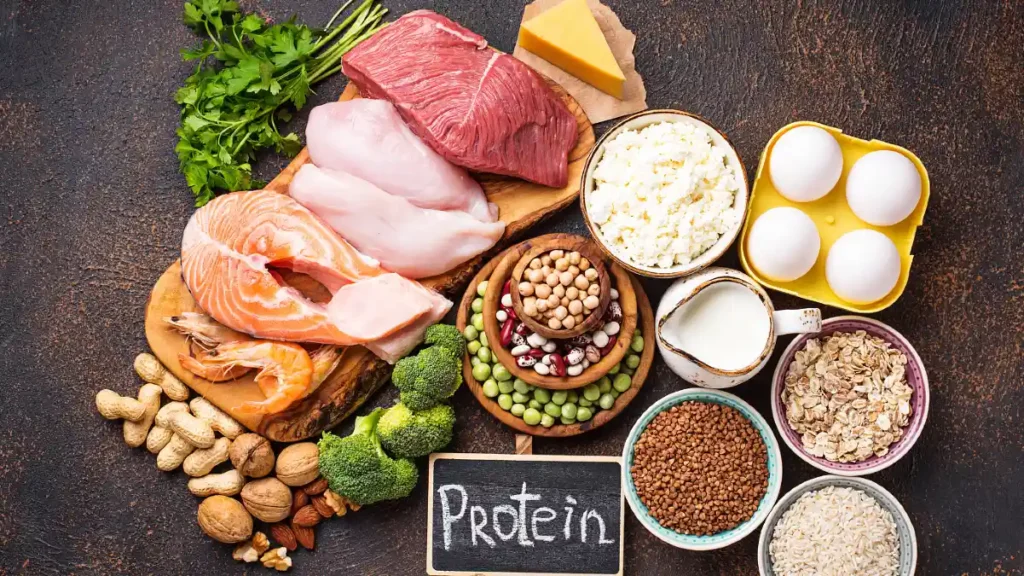
Protein is useful because it tends to increase fullness and requires more energy to digest than diets lower in protein. Reviews consistently find that higher protein patterns can improve satiety and diet induced thermogenesis.
Mark would place a clear protein source in every meal. Practical choices include plain Greek yogurt, kefir, eggs, fish, chicken, tofu, lentils, beans, and unsweetened protein powder when food is inconvenient.
For many adults, roughly 25 to 35 grams of protein at each main meal is a practical target. People with kidney disease or another condition requiring protein restriction need an individualized amount from their healthcare provider.
Fiber would come mostly from berries, vegetables, beans, lentils, chia seeds, whole grains, nuts, and intact fruit. Fiber rich foods take longer to chew, create more volume, and generally produce a slower glucose response than candy or sweetened drinks.
A Mediterranean style pattern works well here because it emphasizes vegetables, fruit, beans, lentils, whole grains, nuts, olive oil, fish, and moderate amounts of yogurt and poultry.
A Simple Plate Formula
Half the plate would contain nonstarchy vegetables such as spinach, broccoli, peppers, mushrooms, cabbage, or salad greens.
One quarter would contain protein. The remaining quarter would contain beans, potatoes, brown rice, oats, or another minimally processed carbohydrate.
Potatoes do not automatically cause visceral fat. The bigger issue is whether they are baked and served beside salmon and vegetables, or fried and eaten with a sugary drink.
Psyllium Can Help, But It Is Not The Main Event

The reference plan uses psyllium before meals to create a gel that slows digestion. That mechanism has some support.
A review of controlled trials found that psyllium taken before meals improved measures of glycemic control, with greater benefits seen in people who already had type 2 diabetes.
Still, psyllium should remain optional. Someone trying it could begin with one teaspoon mixed thoroughly into a large glass of water, followed by additional water.
It should never be swallowed dry. Anyone taking medication should ask a pharmacist or doctor about timing because fiber supplements can affect medication absorption.
Apple cider vinegar is also optional. Reviews suggest vinegar may modestly reduce glucose and insulin after some meals, but it does not replace a calorie deficit, exercise, or medical treatment.
Individual responses to fiber supplements and vinegar vary. Ask your healthcare provider before using them if you take diabetes medicine, have swallowing difficulty, digestive disease, reflux, ulcers, or a history of low blood sugar.
Use A Fasting Window, Not A Fasting Stunt

Mark would not begin with a weekly 24 hour fast.
A twelve hour overnight break is a safer starting point. Someone could finish dinner at 7:30 p.m. and eat breakfast at 7:30 a.m., while avoiding evening snacks and calorie containing drinks.
After the first week, people who feel well could consider a fourteen hour overnight period. A sixteen hour fast is not required.
Time restricted eating can help some people reduce eating occasions and calorie intake. However, results are mixed, and one twelve week pilot found weight loss without a significant reduction in visceral fat compared with controls.
A later trial comparing early, late, and self selected eating windows found time restricted eating generally feasible for adults with overweight or obesity. That does not mean longer fasting is automatically more effective.
Claims that one 24 hour fast reliably activates major human autophagy, dramatically raises growth hormone, repairs the gut, and melts organ fat go beyond the evidence. A review of acute fasting concluded that whether a single fast produces a significant increase in human autophagy remains unknown.
Walking Is The Workhorse

The exercise plan would begin with brisk walking because it is repeatable, accessible, and easier to recover from than daily intense workouts.
Adults are generally advised to complete at least 150 minutes of moderate aerobic activity each week, plus muscle strengthening on at least two days. The aerobic minutes can be divided into smaller sessions.
A large analysis of 116 randomized trials involving 6,880 adults found that body weight, waist circumference, and body fat decreased as weekly aerobic exercise increased toward 300 minutes. At least 150 weekly minutes was associated with clinically meaningful improvements.
Mark’s target would be 30 to 45 minutes of brisk walking on five days each week. Someone starting from a low fitness level could use three ten minute walks and gradually combine them.
Ten thousand to fifteen thousand steps may work for some people, but it is not a universal requirement. Body size, walking speed, terrain, age, medication, and current fitness all affect energy use.
Add One Controlled Interval Session
After establishing regular walking, Mark could add one interval session each week:
- Warm up gently for five minutes.
- Walk quickly for 90 seconds.
- Slow down for 90 seconds.
- Repeat the fast and slow cycle four times.
- Cool down for five minutes.
A review of 84 randomized trials involving 4,836 participants found that several exercise types reduced visceral fat in adults with overweight or obesity. Aerobic and interval based approaches performed particularly well, although the best program is still the one a person can perform safely and consistently.
Strength Training Protects The Tissue You Want To Keep

Calorie restriction can reduce both fat and lean tissue. Strength training tells the body that muscle is still needed.
Muscle also acts as a major storage site for glucose in the form of glycogen. Using and rebuilding muscle can improve glucose handling without requiring a bodybuilder’s routine.
Mark would complete two full body sessions each week. Each session could include a chair squat, wall push, supported row, hip hinge, step up, and loaded carry.
Beginners could perform one or two sets of eight to twelve controlled repetitions. The final repetitions should feel challenging without causing pain, breath holding, or loss of form.
Harvard Health and Mayo Clinic both recommend combining aerobic activity with strength training rather than relying on abdominal exercises. Sit ups may strengthen the stomach muscles, but they cannot selectively remove the fat surrounding internal organs.
The Daily Habit That Actually Works
- Build three planned meals around protein, vegetables, and a high fiber carbohydrate.
- Complete at least 30 minutes of brisk walking, even if divided into smaller sessions.
- Avoid alcohol, sugary drinks, and unplanned evening snacks.
- Record sleep, activity, weight, and waist measurements instead of guessing.
- Repeat the system the next day without trying to compensate for an imperfect meal.
Sleep Loss Can Work Against The Plan

Sleep should not be treated as a minor detail. In a controlled sleep restriction study, participants increased calorie intake and accumulated more abdominal fat, including visceral fat.
Mark would set a consistent bedtime and wake time, aiming for seven to nine hours in bed. Caffeine would stop by early afternoon if it interfered with sleep, and the phone would leave the bed during the final 30 to 60 minutes of the evening.
Cortisol is involved in stress regulation and can affect appetite, sleep, and body fat distribution. However, calling cortisol an unstoppable fat storage switch is another oversimplification.
Five to fifteen minutes of slow breathing, quiet walking, journaling, or meditation can help control stress. These habits support the plan mainly by improving sleep, reducing emotional eating, and making healthy decisions easier.
Mark’s Four Week Visceral Fat Plan
| Week | Food focus | Movement focus | Main goal |
| Week 1 | Remove alcohol, sugary drinks, and frequent packaged snacks | Walk 20 to 30 minutes on five days | Establish a repeatable routine |
| Week 2 | Add protein and fiber to every meal | Reach about 150 aerobic minutes and complete two strength sessions | Improve fullness and glucose handling |
| Week 3 | Keep meals consistent and use a twelve to fourteen hour overnight fast if appropriate | Add one controlled interval session | Increase activity without excessive fatigue |
| Week 4 | Repeat the same meals instead of adding new restrictions | Maintain walking, strength, and recovery | Finish with habits that can continue |
What One Day Could Look Like
Breakfast could be plain Greek yogurt mixed with berries, chia seeds, and a small handful of almonds. Protein powder can be added when a higher protein meal is needed.
Lunch could be salmon, a baked potato, and a large serving of spinach or mixed vegetables. Kimchi or sauerkraut can add flavor, although fermented foods are optional rather than necessary for fat loss.
Dinner could include eggs and egg whites with vegetables, or a bowl made from lentils, chicken, salad greens, avocado, and brown rice.
| Meal | Protein anchor | Fiber source | Easy adjustment |
| Breakfast | Greek yogurt, eggs, or tofu | Berries, chia, or oats | Remove sweetened cereal and juice |
| Lunch | Fish, chicken, beans, or lentils | Vegetables, beans, or potato skin | Double the vegetables before adding more starch |
| Dinner | Eggs, tofu, poultry, or legumes | Salad, cooked vegetables, or whole grains | Finish eating two to three hours before bed |
| Snack, if hungry | Plain yogurt, fruit with nuts, or boiled eggs | Whole fruit, nuts, or vegetables | Portion it before eating |
Measure Progress Without Letting The Scale Mislead You
Mark would collect baseline measurements on the morning before the plan begins.
Waist circumference is useful because it reflects abdominal size, although it cannot directly distinguish visceral fat from subcutaneous fat. MRI and CT scans measure visceral fat more precisely, but they are rarely needed for routine weight management.
To measure the waist, stand and place a tape around the abdomen just above the hip bones. Keep the tape horizontal and measure after a normal exhale without pulling the stomach inward.
General United States thresholds associate health risk with waist measurements above 35 inches for women and 40 inches for men. These are screening values rather than diagnoses, and metabolic risk may begin at lower measurements in Asian populations.
The measurement should be repeated under the same conditions once per week. Daily waist checks create noise because food volume, constipation, sodium, and hydration can temporarily change abdominal size.
| Marker | How often | What improvement may look like |
| Body weight | Three mornings per week | The weekly average gradually trends downward |
| Waist circumference | Once per week | A small but consistent reduction |
| Walking pace | Weekly | The same route feels easier or takes less time |
| Strength | Each session | More controlled repetitions or slightly more resistance |
| Sleep | Daily | More nights reaching the planned sleep window |
When To Stop And Call A Doctor

Visceral fat itself usually does not produce an emergency symptom. Problems can appear when someone begins aggressive fasting, supplements, or exercise without considering an existing condition.
Seek urgent medical care for:
- Chest pressure, fainting, severe shortness of breath, or pain spreading to the jaw, back, or arm.
- Shaking, sweating, confusion, weakness, or other possible low blood sugar symptoms.
- Severe abdominal pain, repeated vomiting, black stool, or difficulty swallowing.
- New swelling, rapid unexplained weight change, or breathlessness that worsens when lying down.
People taking insulin or medicines that increase insulin release should not begin extended fasting without a clinician adjusting the plan. Older adults who are frail, pregnant people, anyone who is underweight, and people with a current or previous eating disorder should also avoid aggressive fasting.
Four Weeks Should Be The Beginning, Not The Finish Line
Mark’s plan is deliberately less dramatic than the viral version.
There is no magic drink, perfect fasting hour, or single hormone switch. The strongest four week approach is to remove easy excess calories, prioritize protein and fiber, complete at least 150 minutes of aerobic activity, strength train twice weekly, and protect sleep.
That combination can reduce body weight, waist size, blood sugar exposure, and visceral fat over time. Four weeks creates momentum, while eight to twelve weeks gives the changes more time to become visible and measurable.
This article is for informational purposes only and is not a substitute for professional medical advice, diagnosis, or treatment. Always consult your doctor or another qualified healthcare provider before changing your diet, exercise routine, supplements, fasting schedule, or medication, especially if you have an existing medical condition.