

Prediabetes can feel harmless because it rarely hurts, yet blood sugar may keep climbing while the pancreas works harder to produce insulin. Ignore that warning long enough, and the risk of type 2 diabetes, heart disease, and stroke rises.
Mark would not waste six weeks chasing detox drinks, cutting out every carbohydrate, or exercising until his knees hurt. He would focus on a small group of habits that directly improve insulin sensitivity, reduce glucose surges, and create measurable progress.
Six weeks may not be enough to guarantee normal laboratory results. It is enough time to change the direction of the problem.
Before changing your eating pattern, activity level, or medication, speak with your doctor, especially if you have kidney disease, heart disease, mobility limitations, or take medicine that can lower blood sugar.
First, Mark Would Confirm What “Reverse Prediabetes” Actually Means
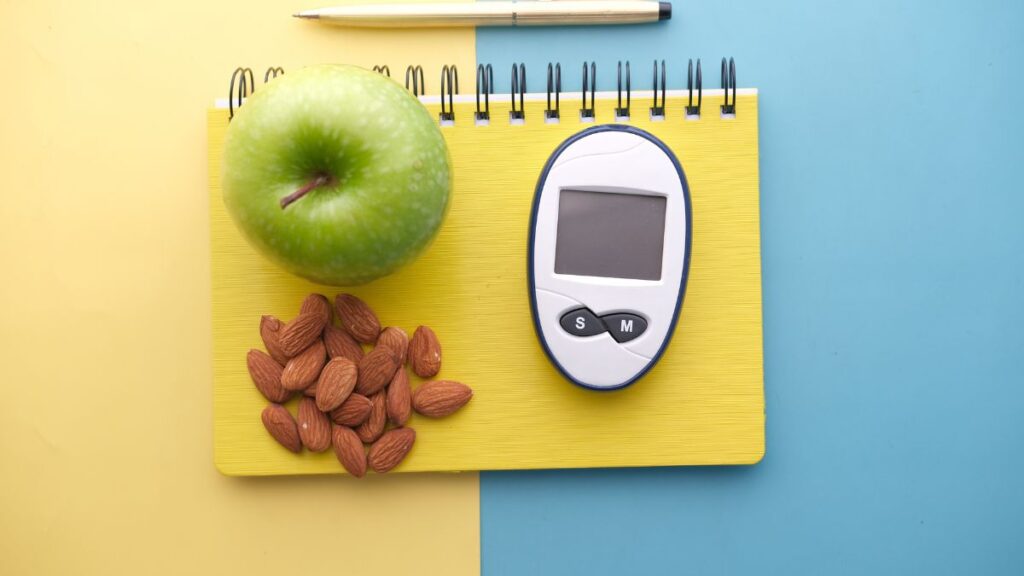
Prediabetes is diagnosed when blood glucose is higher than normal but has not reached the diabetes range.
An A1C result from 5.7 percent to 6.4 percent falls within the prediabetes range. A fasting plasma glucose level from 100 to 125 mg/dL also qualifies. A two hour oral glucose tolerance result from 140 to 199 mg/dL is another diagnostic marker.
Returning below those thresholds is often described as reversing or achieving remission from prediabetes. It does not mean the underlying tendency toward insulin resistance has disappeared forever.
Blood sugar can rise again when weight returns, activity drops, sleep worsens, or old eating patterns come back.
Prediabetes Test Ranges At A Glance
| Test | Normal Range | Prediabetes Range | Diabetes Range |
|---|---|---|---|
| A1C | Below 5.7 percent | 5.7 to 6.4 percent | 6.5 percent or higher |
| Fasting plasma glucose | 99 mg/dL or lower | 100 to 125 mg/dL | 126 mg/dL or higher |
| Two hour glucose tolerance test | 139 mg/dL or lower | 140 to 199 mg/dL | 200 mg/dL or higher |
These measurements should be interpreted by a healthcare professional. A diabetes diagnosis normally requires confirmation unless symptoms and glucose levels make the diagnosis clear.
The Six Week Goal Would Be Progress, Not A Miracle

A1C represents average blood glucose over roughly the previous three months. That means a test after only six weeks still includes several weeks from before the new routine began.
Mark would therefore track more than one number.
He would watch body weight, waist measurement, walking minutes, meal consistency, fasting glucose if his doctor recommended home testing, and how he felt after meals. A lower A1C would be encouraging, but a modest change after six weeks would not mean the plan failed.
The strongest long term evidence comes from the Diabetes Prevention Program. Participants assigned to intensive lifestyle change lowered their risk of developing type 2 diabetes by 58 percent over about three years. Among participants age 60 and older, the reduction reached 71 percent.
That program aimed for at least 150 minutes of weekly activity and modest weight loss. It was not a six week crash plan.
Week 1: Mark Would Establish His Baseline
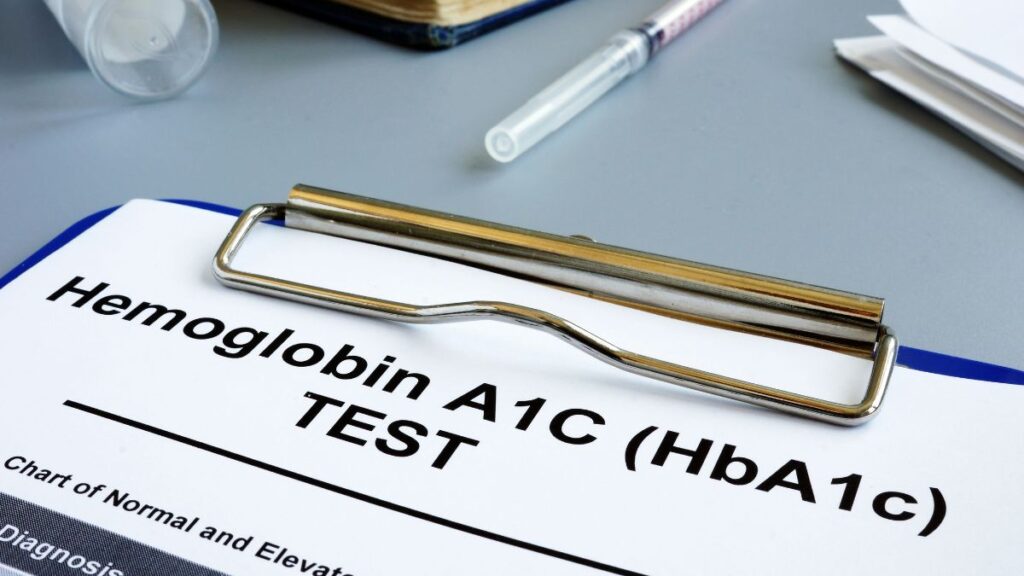
Before changing everything, Mark would record what was already happening.
He would write down his latest A1C, fasting glucose, weight, waist measurement, blood pressure, medication list, sleep schedule, usual drinks, and three days of normal meals. This would reveal where the easiest improvements were hiding.
Many people begin by banning bread or fruit while overlooking sweetened coffee, soft drinks, oversized portions, evening snacking, and long periods of sitting.
Mark would also schedule a medical visit if his prediabetes diagnosis came from only one test, especially if the result was close to the diabetes threshold.
At that appointment, he would ask about blood pressure, cholesterol, liver health, kidney function, sleep apnea, and medications that may influence glucose. Prediabetes often appears alongside other cardiovascular risk factors, so focusing on glucose alone can miss part of the picture.
Week 2: He Would Rebuild Every Plate
Mark would not label carbohydrates as the enemy. He would change their quality, quantity, and company.
Carbohydrates eaten alone are often digested quickly. Pairing them with protein, fiber, and unsaturated fat usually creates a slower meal and makes portions easier to manage.
His lunch might contain lentils, mixed vegetables, plain yogurt, and a small serving of brown rice. Dinner might include tofu or fish, roasted vegetables, beans, and a modest potato.
Johns Hopkins recommends a balanced approach for prediabetes rather than a single restrictive diet. The focus includes portion awareness, high fiber foods, lean protein, healthy fats, and fewer heavily processed carbohydrates.
The Plate Mark Would Use Most Often
| Plate Section | What Mark Would Choose | Why It Helps |
| Half the plate | Non starchy vegetables such as broccoli, spinach, peppers, cabbage, or green beans | Adds volume and fiber with fewer rapidly absorbed carbohydrates |
| One quarter | Beans, lentils, tofu, eggs, fish, chicken, or plain Greek yogurt | Protein supports fullness and helps preserve muscle |
| One quarter | Oats, brown rice, quinoa, corn, fruit, or potatoes | Provides carbohydrates in a measured portion |
| Small addition | Nuts, seeds, avocado, or olive oil | Adds unsaturated fat and may improve meal satisfaction |
| Drink | Water, sparkling water, or unsweetened tea | Avoids liquid sugar that can raise glucose quickly |
Mark would not need to make every meal flawless. He would need to make this pattern normal enough that it stopped requiring constant willpower.
The First Foods To Leave Would Be Liquid Sugars
Sweet drinks are one of the fastest places to reduce unnecessary glucose exposure.
Mark would remove regular soda, sweet tea, energy drinks, sweetened coffee beverages, and routine fruit juice. Whole fruit would stay because it comes with fiber, water, chewing, and a slower eating pace.
He would also inspect foods marketed as healthy.
Granola, flavored yogurt, breakfast bars, bottled smoothies, and sweetened oatmeal can carry substantial added sugar. The front of the package might emphasize protein or whole grains while the ingredient list tells a different story.
Mark would compare labels and choose versions with less added sugar and more fiber. He would not obsess over a single gram. The goal would be a repeatable improvement.
Week 3: He Would Walk After Meals

Mark would treat post meal movement as part of eating, not as a separate workout that required gym clothes.
He would begin with a 10 minute walk after lunch and dinner. When time allowed, he would also walk after breakfast.
Muscle contractions help pull glucose from the bloodstream for energy. This provides a direct reason why movement shortly after eating can soften the glucose rise.
A randomized crossover study involving 41 adults with type 2 diabetes found that walking for 10 minutes after each main meal improved post meal glucose control more than taking one continuous 30 minute walk at an unspecified time. The study involved diabetes rather than prediabetes, but the mechanism is still useful for people trying to control meal related glucose rises.
A 2025 study also found that a brief 10 minute walk immediately after a glucose load reduced post meal glucose exposure.
Exercise responses vary. Anyone with chest pain, severe shortness of breath, foot wounds, balance problems, advanced neuropathy, or a history of low blood sugar should ask a healthcare professional what activity is safe.
Week 4: Mark Would Reach 150 Minutes Without Overtraining

The target would be at least 150 minutes of moderate activity each week. That might mean 30 minutes on five days, or shorter sessions added together. CDC prevention guidance pairs this activity target with modest weight loss for people who have overweight.
Moderate intensity means Mark could talk, but singing would be difficult.
He would combine post meal walking with one or two longer walks during the week. He would not depend on a weekend marathon to erase five inactive days.
A Realistic Weekly Movement Plan
| Day | Main Activity | Glucose Focus |
| Monday | 10 minute walk after lunch and dinner | Reduces prolonged sitting and post meal glucose exposure |
| Tuesday | 30 minute brisk walk | Builds aerobic fitness and insulin sensitivity |
| Wednesday | 10 minute walks after two meals, plus basic strength work | Uses muscles after meals and preserves lean tissue |
| Thursday | 30 minute brisk walk | Adds consistent moderate activity |
| Friday | 10 minute walk after each main meal | Spreads movement across the day |
| Saturday | 30 to 40 minute comfortable walk | Raises weekly activity without extreme intensity |
| Sunday | Light activity and mobility work | Supports recovery while avoiding a fully inactive day |
Mark would add strength training twice a week if his doctor considered it safe.
Muscle is a major destination for glucose. Squats to a chair, wall pushups, resistance band rows, calf raises, and light carries could train large muscle groups without demanding a gym membership.
Week 5: He Would Create A Modest Calorie Gap
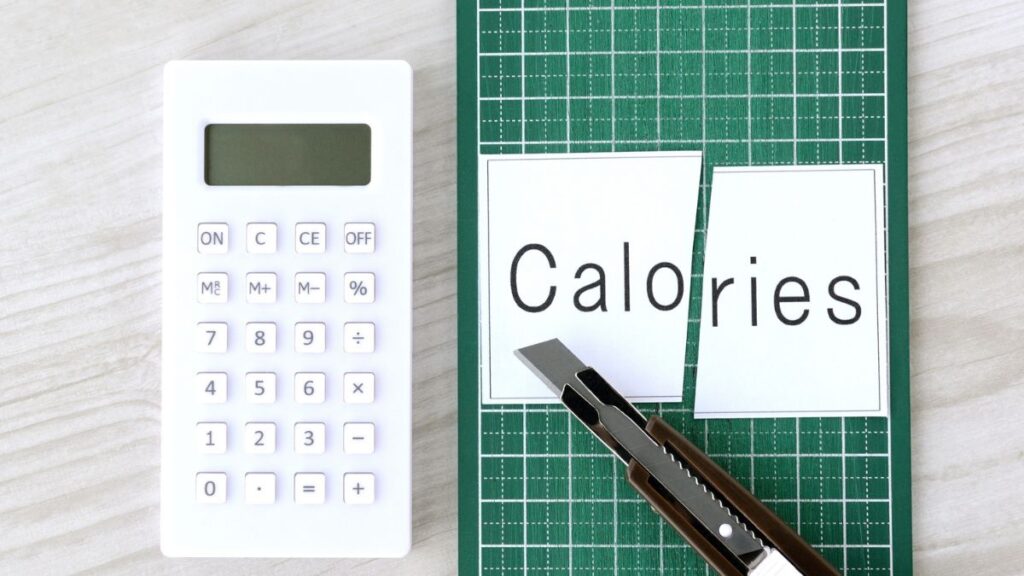
If Mark had overweight, losing some weight would be one of the most powerful tools available.
The CDC defines modest weight loss as about 5 percent to 7 percent of starting body weight. For someone weighing 200 pounds, that equals roughly 10 to 14 pounds.
Mark would not expect everyone to lose that full amount in six weeks. A slower pace may be more appropriate and sustainable.
He would create the gap by removing liquid calories, reducing restaurant portions, using smaller servings of refined starches, limiting automatic snacks, and filling more of the plate with vegetables and protein.
The target would not be hunger all day. Severe restriction often produces fatigue, overeating, and rapid regain.
Try This Today
- Replace one sugary drink with water or unsweetened tea.
- Walk for 10 minutes after the largest meal.
- Add one cup of non starchy vegetables to lunch or dinner.
- Pair fruit with nuts, plain yogurt, or another protein source.
- Record bedtime, waking time, and total walking minutes.
Small actions are useful because they expose the real obstacles. Mark could adjust a plan he was actually following. He could not adjust an extreme plan he abandoned after four days.
Week 6: He Would Protect Sleep And Review The Data

Mark would treat sleep as metabolic care, not leftover time.
Poor sleep can increase hunger, reduce energy for activity, and make consistent food choices harder. Loud snoring, morning headaches, witnessed breathing pauses, or severe daytime sleepiness would prompt a conversation about sleep apnea.
During the final week, he would review his records.
Which meal caused the strongest hunger afterward? Which walk was easiest to repeat? Did late night snacking fall when dinner contained more protein and vegetables? Did weekends undo the progress made during weekdays?
He would then repeat laboratory testing when his clinician advised it. Since A1C reflects approximately three months, some doctors may prefer to repeat it closer to the three month mark rather than relying on a six week result alone.
What Mark Would Ask About Metformin

Lifestyle change would remain the foundation, but Mark would not treat medication as failure.
The 2026 American Diabetes Association Standards state that metformin has the most robust efficacy and safety evidence among medicines used for diabetes prevention in people with prediabetes.
In the Diabetes Prevention Program, metformin reduced diabetes incidence by 31 percent, compared with 58 percent for the intensive lifestyle intervention over about three years.
A clinician may consider metformin more strongly when risk is high, such as when glucose values are rising, body mass index is high, previous gestational diabetes is present, or lifestyle changes have not been enough.
Mark would never start, stop, or change the dose without medical guidance. Metformin may cause digestive side effects and can contribute to vitamin B12 deficiency with longer use, so monitoring may be appropriate.
The Mistakes That Could Waste The Six Weeks
The first mistake would be chasing a single “blood sugar lowering” food.
Cinnamon, vinegar, supplements, and specialty drinks cannot compensate for sweet beverages, oversized portions, low activity, and insufficient sleep. Some supplements can also interact with medications.
The second mistake would be avoiding all carbohydrates.
Beans, intact whole grains, vegetables, and fruit can fit into a prediabetes eating pattern. The more useful question is how processed the carbohydrate is, how much is served, and what accompanies it.
The third mistake would be relying on fasting glucose alone.
Fasting glucose can fluctuate with sleep, stress, illness, alcohol, and the timing of the previous meal. A clinician may use A1C, fasting plasma glucose, or an oral glucose tolerance test to understand the full picture.
The fourth mistake would be treating six weeks as the finish line.
Prediabetes can return. The habits that improve glucose need to remain in some form after the initial challenge ends.