

The phone rang at 3 AM. Dr. Elias Thorne’s father was dead. A massive heart attack at 52.
Dr. Thorne was terrified. He inherited his father’s eyes. Did he inherit his arteries too? For years, he believed his genetic destiny was sealed. He was wrong.
Most people rely on luck and outdated tests. That is gambling, not medicine.
“Genetics loads the gun, but lifestyle pulls the trigger.”
Now a top preventative cardiologist, Dr. Thorne has spent two decades mastering heart protection. He doesn’t live in fear anymore. He lives by a protocol.
Here are the 16 actionable things Dr. Thorne does differently to protect his heart.
1. Check ApoB, Not Just LDL
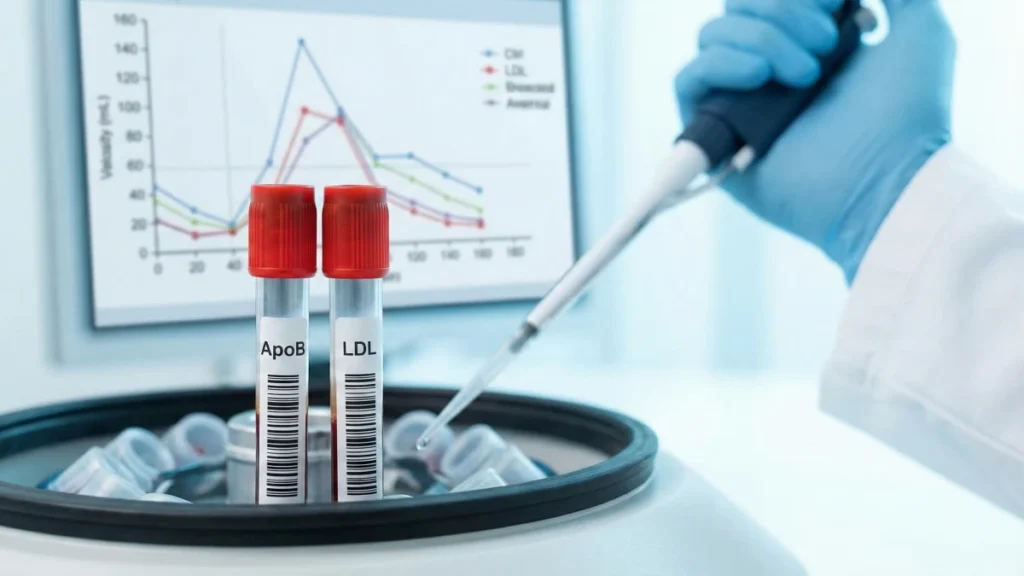
His father had a normal physical the month before he died. Dr. Thorne explains why that wasn’t enough. Basic exams miss the silent signs of disease. Most doctors check LDL cholesterol. Dr. Thorne says that is a mistake. He checks ApoB.
LDL measures the concentration of cholesterol in the blood. ApoB measures the actual number of particles that carry that cholesterol. This matters. A patient can have normal LDL but high ApoB. This is called discordance. It puts them in the danger zone.
Data shows that 50% of people who have heart attacks have “normal” LDL. ApoB is the superior marker in 2026. It tells him exactly how many plaque-causing particles are in his blood.
- Action: Ask your doctor for an ApoB test. It is often not on the standard panel.
2. Test Lp(a) Once
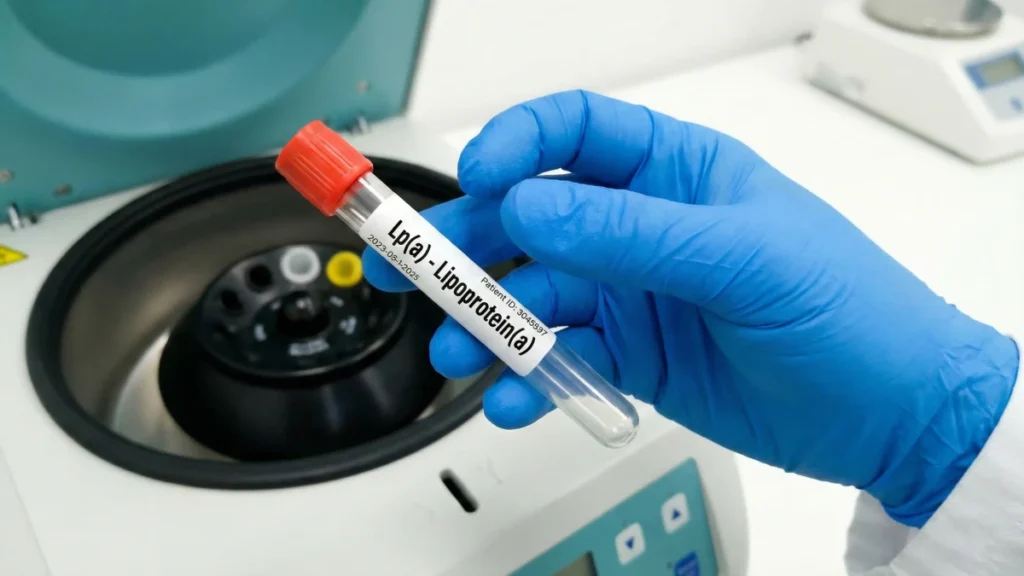
This is a genetic marker. Lipoprotein(a), or Lp(a), is a sticky type of cholesterol. It builds up plaque fast.
Diet does not change it. Exercise does not change it. You are born with it.
If Lp(a) is high, the risk of a heart attack triples. The European Atherosclerosis Society now recommends every adult test this once. Dr. Thorne did. Knowing his number helps him decide how aggressive to be with other factors.
- Action: Add Lp(a) to your next blood work. You only need to do it one time in your life.
3. Get a CAC Score at 40
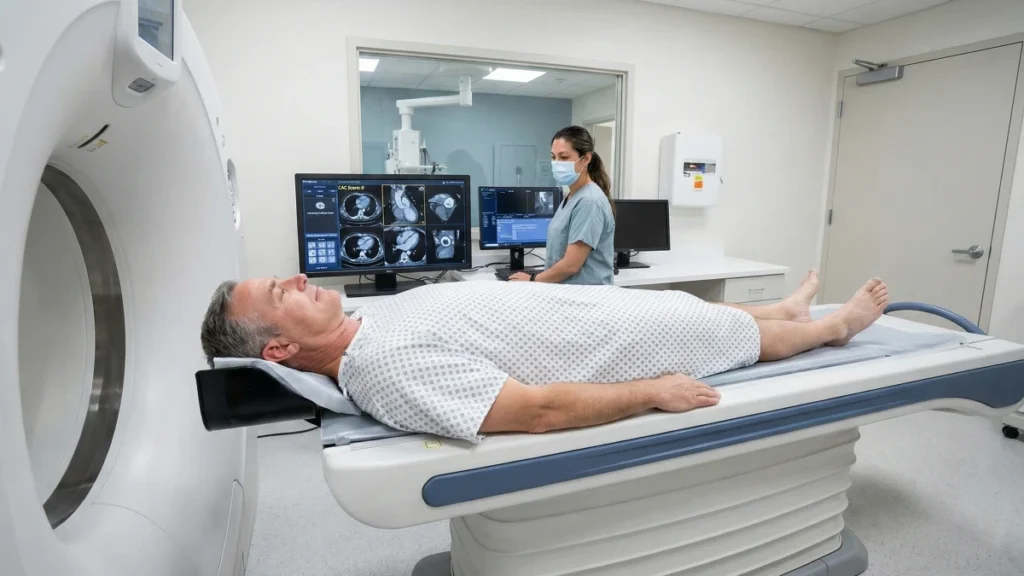
A cholesterol test estimates risk. A Coronary Calcium Scan (CAC) shows actual disease.
It is like a mammogram for the heart. It uses a specialized X-ray to look for calcified plaque in the arteries. A score of zero is what you want. Any positive number means plaque is present.
Dr. Thorne’s father likely had a high score. They never knew. Dr. Thorne gets this scan to see the truth.
- Action: If you are over 40 with risk factors, ask for a CAC scan. It is quick and painless.
Score 0 = Clear
Score > 0 = Plaque Present
4. Know the “PREVENT” Score
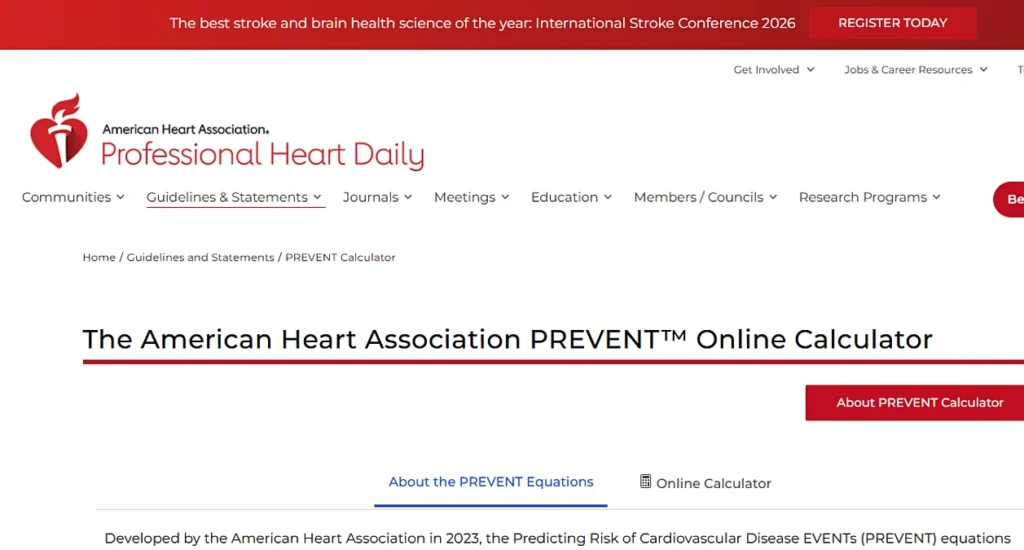
Old risk calculators were flawed. They missed key data points.
Dr. Thorne uses the new PREVENT calculator from the American Heart Association. It is a modern tool. It includes kidney function and metabolic health in the equation. It gives a clear picture of risk for the next 10 and 30 years.
Knowing this score helps him track progress. It keeps him honest.
- Action: Search for the “AHA PREVENT Calculator” online. It takes five minutes to fill out.
5. Zone 2 Cardio (The Foundation)

Your heart is a muscle. Most people train it wrong. They either do too little or go too hard all the time. Dr. Thorne does Zone 2 training three to four times a week for 45 minutes.
Zone 2 is steady effort. It is not a sprint. He uses the talk test to find his zone. He should be able to have a conversation, but he should not be able to sing.
This specific intensity builds mitochondria. These are the power plants of the cells. More mitochondria mean a more efficient heart. It helps the body burn fat for fuel and keeps metabolic health in check.
- The Workout: A slow jog, a ruck with a weighted pack, or an incline walk.
6. The “4-Minute” VO2 Max Interval

Once a week, he goes hard.
VO2 max is the maximum amount of oxygen the body can use. It is the strongest predictor of how long someone will live. Higher is better.
Dr. Thorne does intervals to boost this. He runs or cycles as hard as he can for four minutes. Then he rests for four minutes. He repeats this four times. It is painful. It is effective. It forces the heart to adapt and grow stronger.
- The Goal: Push the heart rate up to 90% of its max.
7. Train Grip Strength

He shakes hands with patients every day. He notices their grip.
Data shows a strong link between grip strength and heart health. Weak hands often signal a weak heart system. It measures overall robustness.
Dr. Thorne does not just lift heavy weights. He carries them. He does “farmer carries” at the gym. He picks up heavy kettlebells and walks until his grip fails. This builds functional strength that protects his arteries.
- Action: Buy a hand dynamometer to test your baseline or just carry heavy grocery bags for distance.
8. Stand Every 45 Minutes
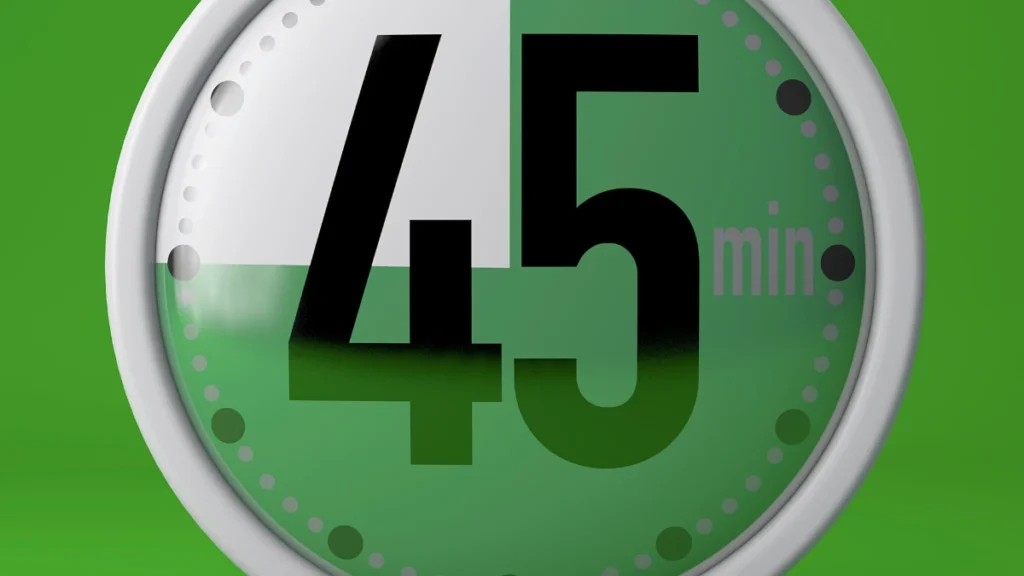
Sitting is the new smoking.
Prolonged sitting slows down blood flow. It makes blood vessels stiff. Dr. Thorne does not let this happen.
He relies on Non-Exercise Activity Thermogenesis (NEAT). This is the energy burned just living. He has a rule. If he has been sitting for 45 minutes, he must stand up. He walks down the hall. He does ten air squats. He just moves. This clears glucose from the blood and keeps enzymes active.
- Action: Set a timer on your phone. Move for two minutes every hour.
9. Aim for 30g of Fiber Daily
Dr. Thorne doesn’t follow fads. He follows biochemistry. Fiber is not just for digestion. It is an internal broom.
Soluble fiber binds to cholesterol particles in the gut. It drags them out of the body before they get into the bloodstream. It feeds the good bacteria in the stomach. These bacteria produce chemicals that lower inflammation.
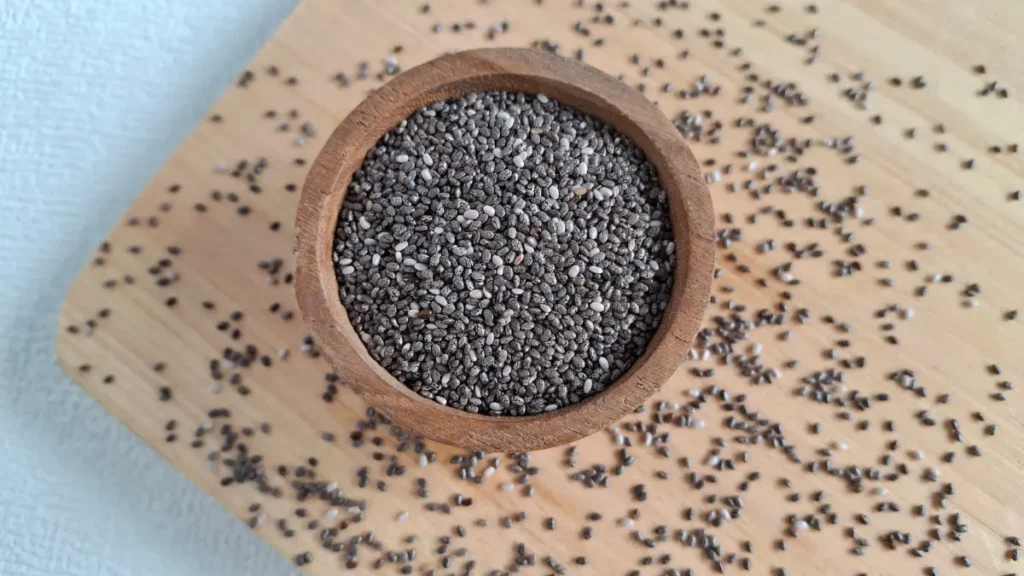
Most people get 10 grams. Dr. Thorne demands 30 grams. He eats raspberries, chia seeds, lentils, and avocados.
- Quick Fix: Two tablespoons of chia seeds in water gives you 10 grams instantly.
10. Stop Eating 3 Hours Before Bed
He respects his circadian rhythm.
When you eat late, the body has to work to digest food. This keeps the heart rate high while sleeping. The heart needs to rest too.
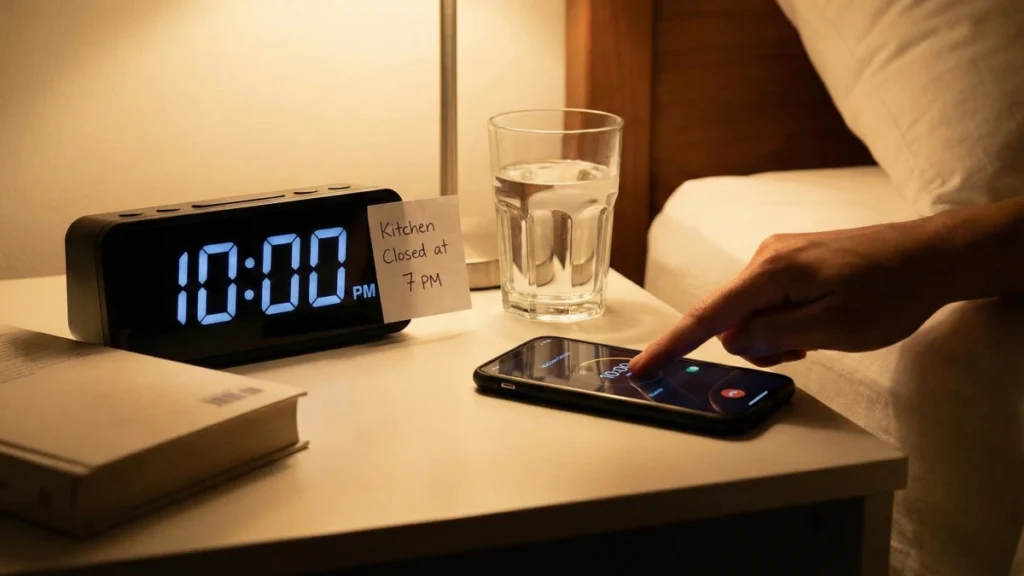
Dr. Thorne finishes dinner by 7 PM. He goes to sleep at 10 PM. This fasting window allows his heart rate to drop. It improves his Heart Rate Variability (HRV). His recovery is better. His sleep is deeper.
- Rule: The kitchen closes three hours before lights out.
11. Zero to Low Alcohol
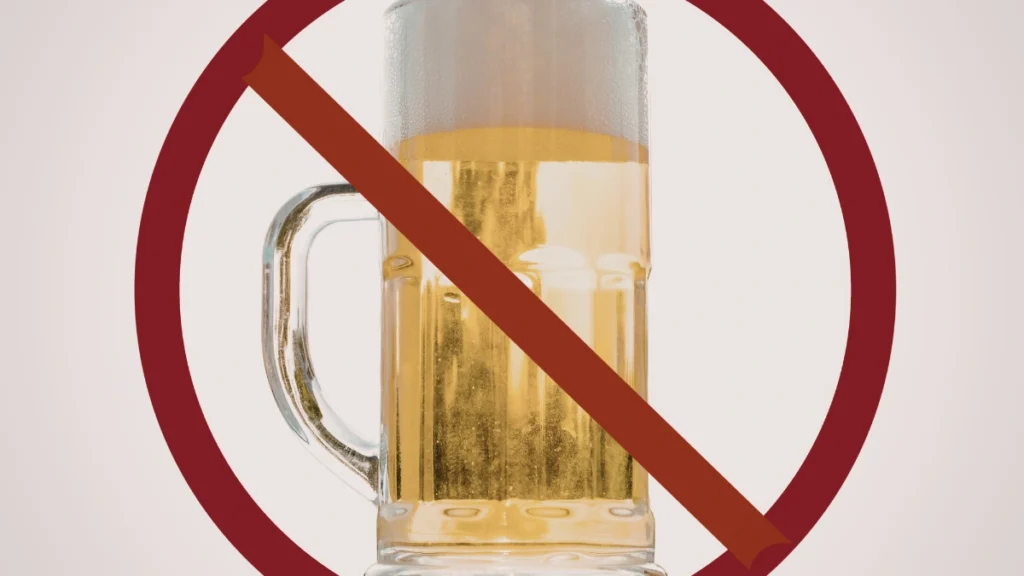
We used to think a glass of wine was good for the heart. New data says otherwise.
Alcohol is a toxin. It raises blood pressure. It increases arrhythmias like atrial fibrillation. It ruins sleep quality.
Dr. Thorne saves alcohol for rare celebrations. He does not drink it for health. He drinks sparkling water with lime instead. His heart beats slower and stronger without the ethanol.
- Truth: No amount of alcohol is “protective” for the heart.
12. Fear Sugar, Not Salt
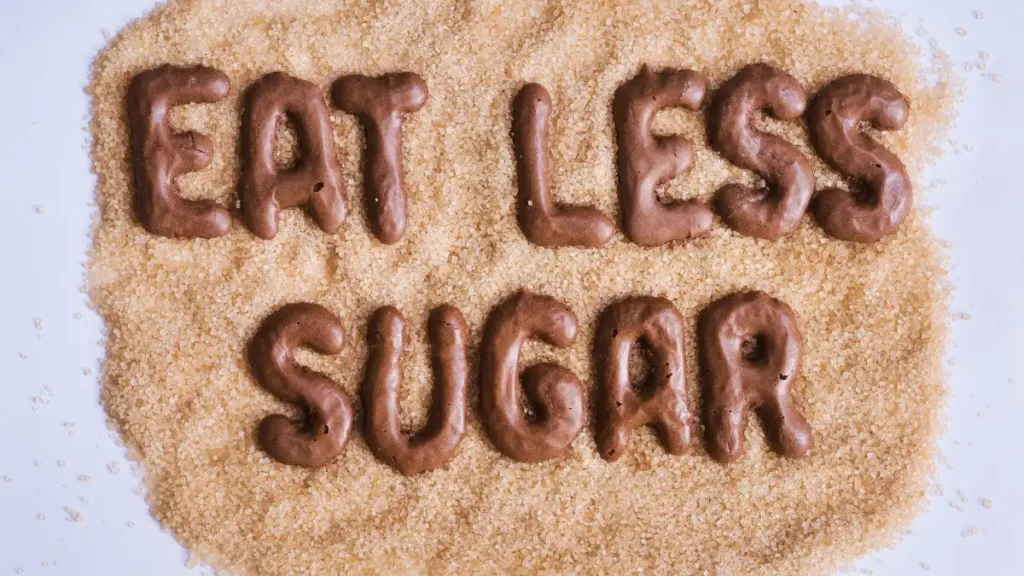
He has normal blood pressure. He is not salt-sensitive. So he does not obsess over sodium.
He obsesses over sugar.
Added sugar drives insulin resistance. Insulin resistance damages the lining of the arteries. It is the root cause of most heart disease. It turns cholesterol into dangerous, small particles.
He avoids soda, juice, and sweet snacks. He eats real food. If he wants something sweet, he eats whole fruit. The fiber in the fruit slows down the sugar spike.
- Check: Look at nutrition labels. If “Added Sugars” is more than 5 grams, put it back.
13. Strict Oral Hygiene (Floss Daily)

You can eat right and run daily, but inflammation will still catch you. The mouth is the gateway to the heart.
Scientists have found oral bacteria, specifically P. gingivalis, inside heart valve plaque. If gums bleed, bacteria enter the bloodstream. They travel to the heart and cause inflammation.
Dr. Thorne brushes twice a day. He flosses every single night. He treats his gums like he treats his arteries.
- Tip: If you hate string floss, get a water flosser. Use it daily.
14. Turn Down the Noise

Noise pollution is a physical stressor.
Living in a loud city raises cortisol. High cortisol raises blood pressure. The constant noise keeps the nervous system in “fight or flight” mode.
He protects his ears. He uses noise-canceling headphones when he commutes. He creates quiet time in his house. Lowering the volume lowers the stress on his heart.
- Action: Find 10 minutes of total silence in your day.
15. Sauna or Hot Baths

Heat is good for the heart.
Sitting in a sauna mimics moderate exercise. It dilates blood vessels. It improves blood flow. It lowers blood pressure.
Dr. Thorne tries to use a sauna four times a week for 20 minutes. If he cannot find a sauna, he takes a very hot bath. It provides similar benefits. It forces the heart to pump more blood to the skin to cool down.
- Benefit: Regular heat exposure reduces the risk of fatal heart events.
16. Track Sleep Consistency, Not Just Hours

Eight hours of sleep is good. But eight hours at the same time is better.
The heart loves routine. Going to bed and waking up at the same time regulates the internal clock. It balances hormones.
Dr. Thorne does not sleep in on weekends. He wakes up at 6 AM every day. This consistency keeps his resting heart rate low. It prepares his body for the day without the shock of an alarm.
- Strategy: Set an alarm for bedtime, not just wake-up time.