
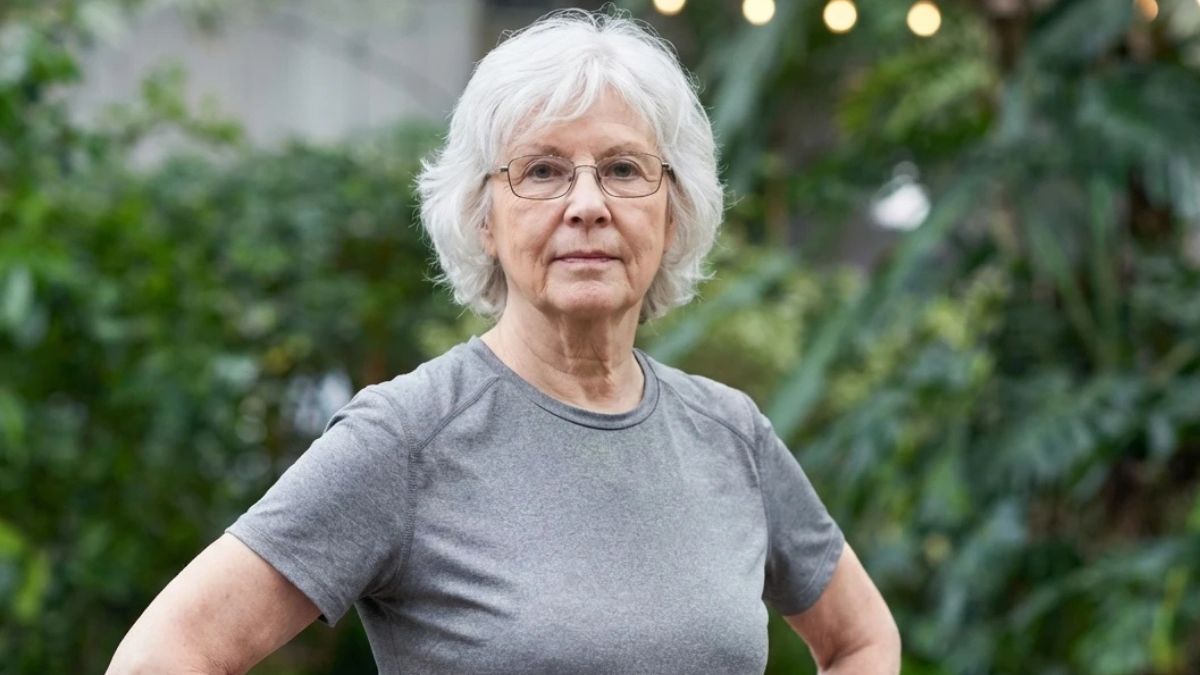
Elena Rossi sees patients every day who fear food. As a cardiovascular dietitian, she notices a pattern. People think a heart healthy diet means eating dry toast and boiled vegetables forever. Rossi disagrees. She believes food is fuel, but it must also bring joy.
Heart disease remains the leading killer globally. The problem is misinformation. In 2026, social media is full of conflicting advice about fats and sugars. It leaves people confused. They freeze up and do nothing.
Rossi wants to simplify this. She avoids complex fads. She focuses on science and consistent habits. Her approach adds good things rather than just restricting bad ones.
This article shares the exact list of foods Rossi buys every week to protect her cardiovascular health. It covers what she eats, what she avoids, and why she makes these choices.
Nutrition Auditor
Tap to add food. Goal: 50% Vegetables/Fruit.
Target: 5g Carbs per 1g Fiber (or better).
Tap dinners to toggle Meat vs. Plant. Goal: 2 Plant Meals.
9 Things Rossi Eats Every Week for a Strong Heart
Rossi prioritizes foods that lower inflammation. These items are staples in her kitchen. They are tasty and backed by strong data.
1. Berries (Blueberries and Strawberries)
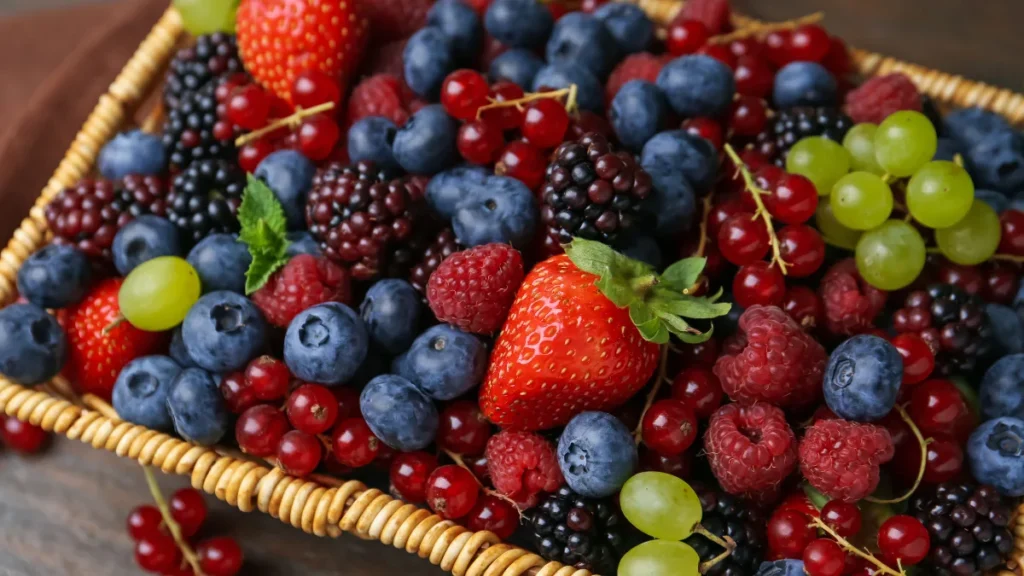
Rossi eats berries almost every morning. They are full of antioxidants called anthocyanins. These compounds protect blood vessels from damage.
Research shows that eating blueberries daily can reduce coronary heart disease risk by 11% to 14%. She tosses them in oatmeal or eats them plain.
2. Leafy Greens (Spinach and Kale)
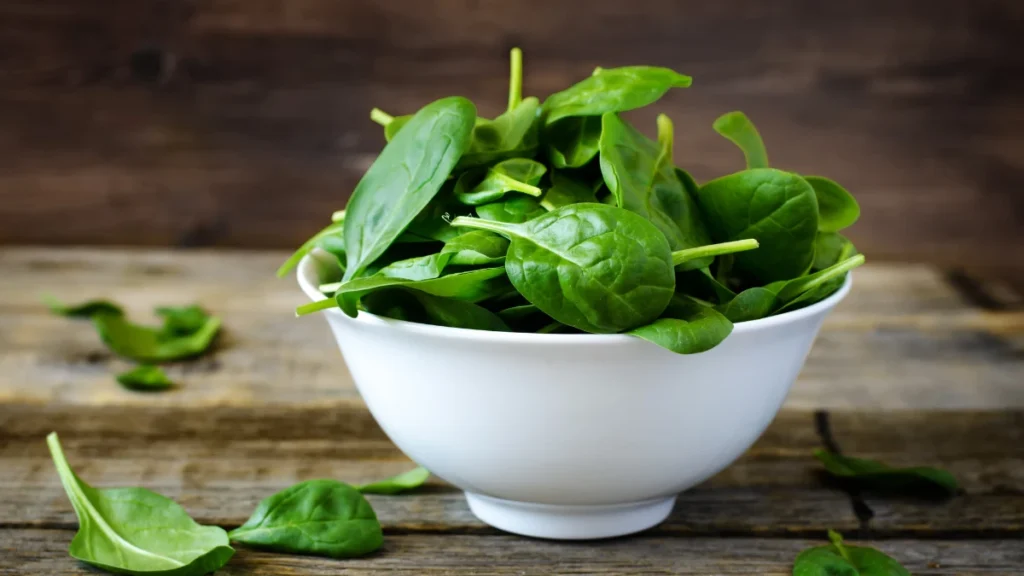
Greens are non negotiable for Rossi. They contain dietary nitrates. The body turns nitrates into nitric oxide. This helps relax blood vessels and keeps blood pressure low. She adds a handful of spinach to eggs or smoothies. You barely taste it, but the heart loves it.
3. Fatty Fish (Salmon and Sardines)
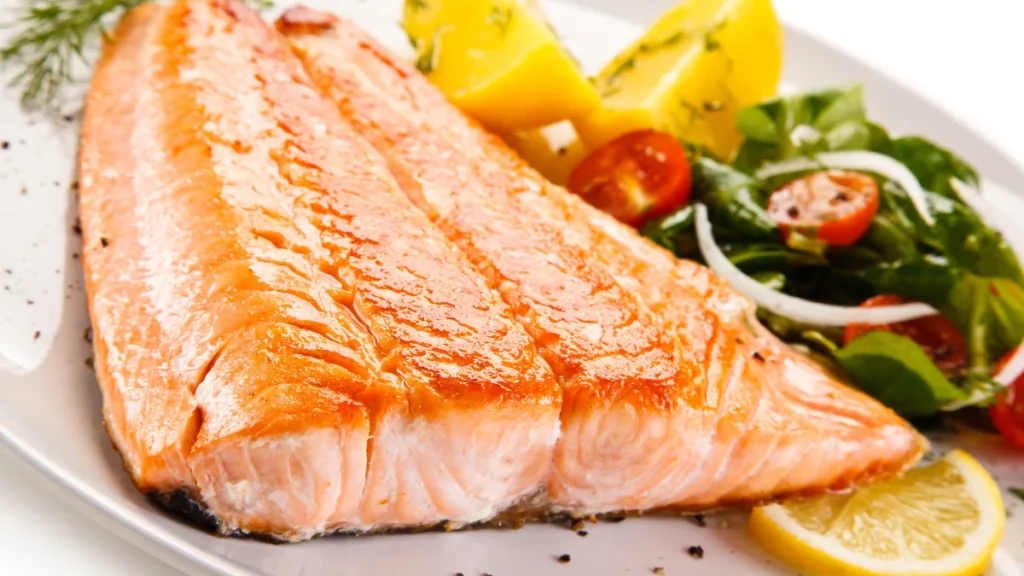
She eats fatty fish two times a week. They are rich in Omega 3 fatty acids. These healthy fats lower triglycerides and slow down plaque buildup in arteries. If fresh fish is too expensive, Rossi suggests canned sardines. They are cheap and just as healthy.
4. Avocados
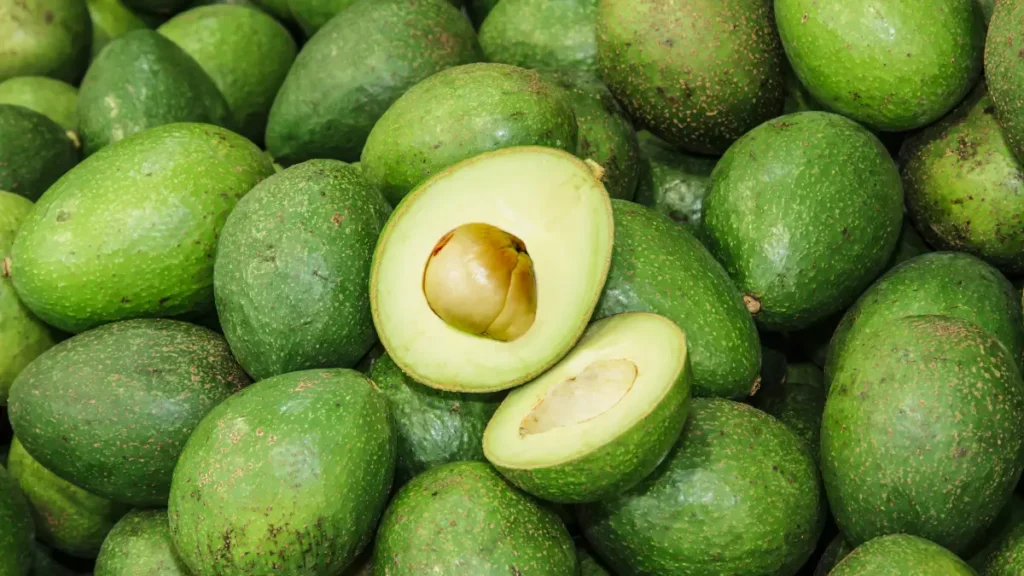
Rossi loves avocados for their creaminess. They are packed with potassium and monounsaturated fats. This combination helps control blood pressure.
The Journal of the American Heart Association notes that eating two or more servings of avocado weekly lowers cardiovascular disease risk by 16% to 21%. She puts slices on toast or blends them into dressings.
5. Legumes (Lentils and Chickpeas)
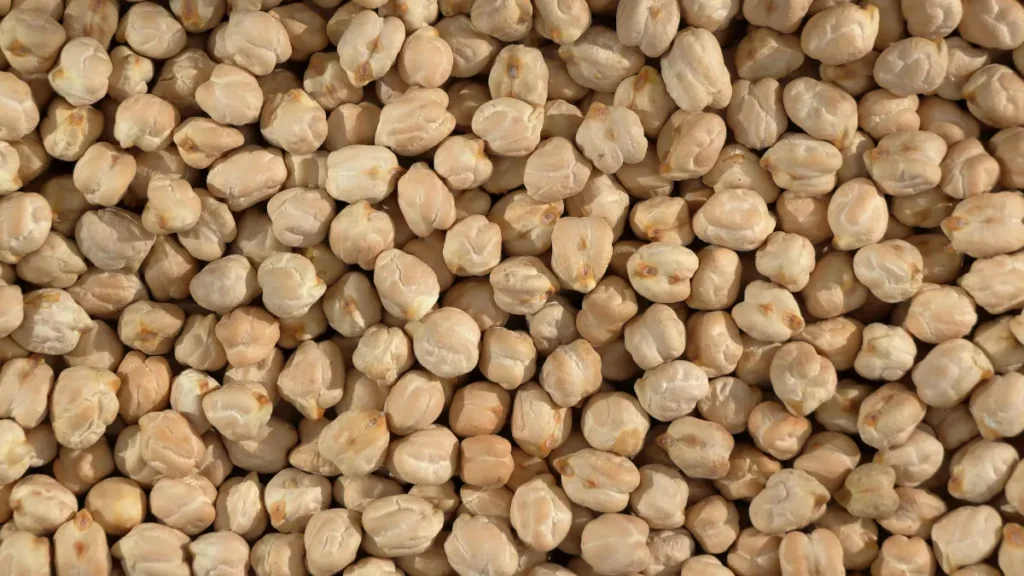
This is her favorite swap for 2026. Rossi replaces meat with beans or lentils in stews often. Plant protein is powerful.
The National Institutes of Health found that replacing just 3% of animal protein with plant protein reduces cardiovascular mortality by 11%. It is a small change with a huge impact.
6. Walnuts
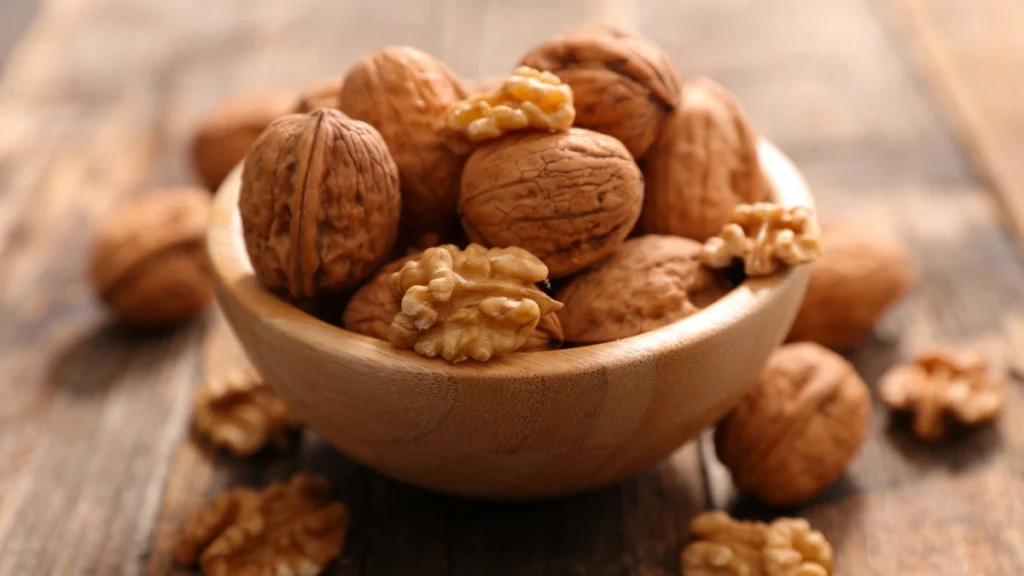
Most nuts are good, but walnuts are special. They are the only tree nut with a significant amount of ALA Omega 3s. Rossi crushes them over salads for crunch. They help lower cholesterol numbers naturally.
7. Oats and Barley
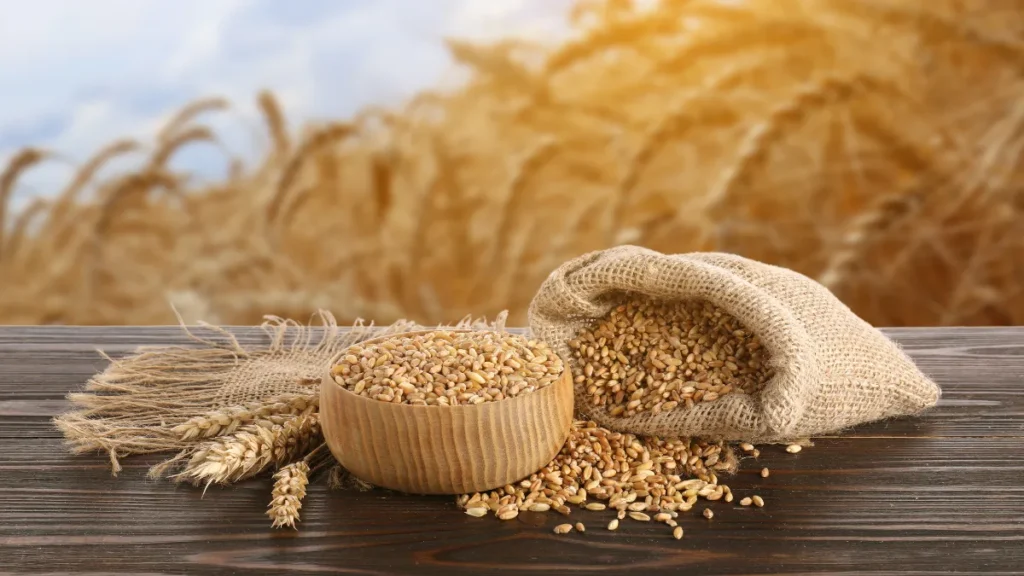
These grains contain beta glucan. This fiber binds to cholesterol in the digestive system and removes it from the body. It acts like a sponge. Rossi chooses steel cut oats because they digest slowly and keep blood sugar stable.
8. Fermented Foods (Kimchi and Yogurt)
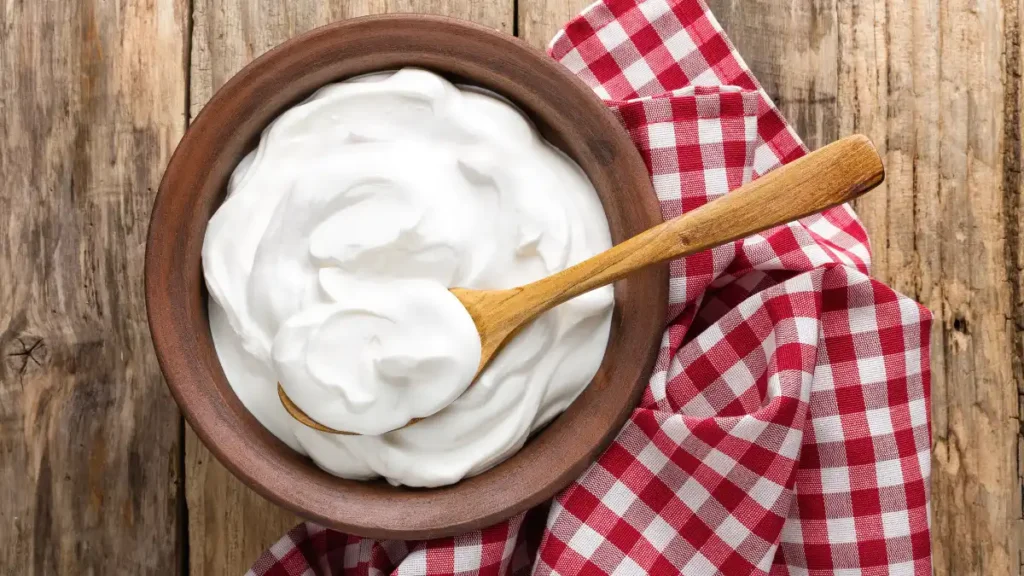
Gut health connects directly to heart health. Rossi eats kimchi or plain yogurt regularly. These foods support a healthy microbiome. A balanced gut helps reduce overall body inflammation. She advises clients to look for “live active cultures” on the label.
9. Extra Virgin Olive Oil (EVOO)
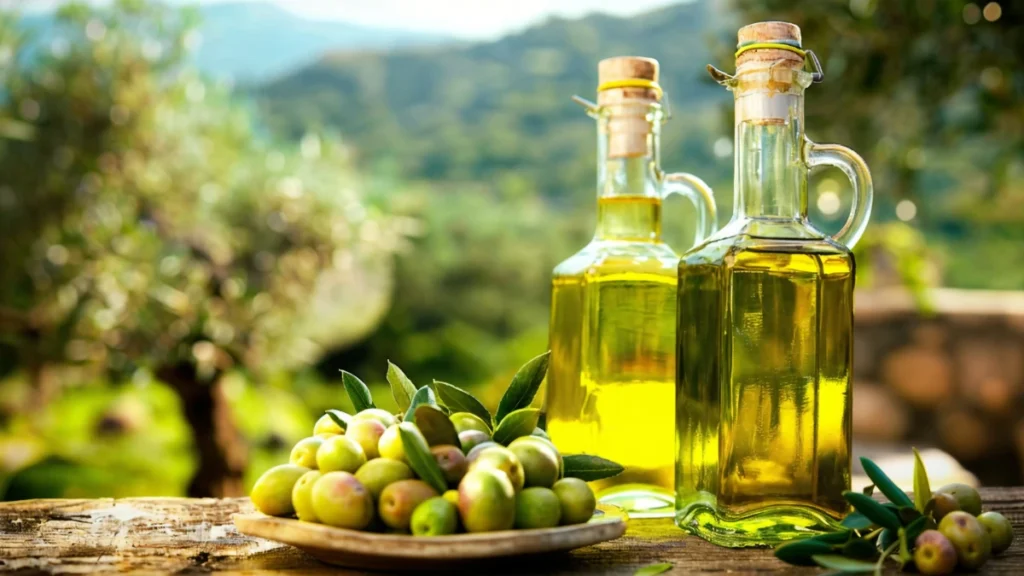
This is her primary cooking fat. She uses it for roasting, sautéing, and dressing salads. It is rich in antioxidants and healthy fats. Rossi ignores the myth that you cannot cook with it. It stands up fine to normal cooking heat.
5 Foods She Strictly Avoids (And Why)
Rossi is not a perfectionist, but she draws the line here. These foods drive up inflammation and blood pressure. Cutting them out lowers risk significantly.
1. Processed Meats
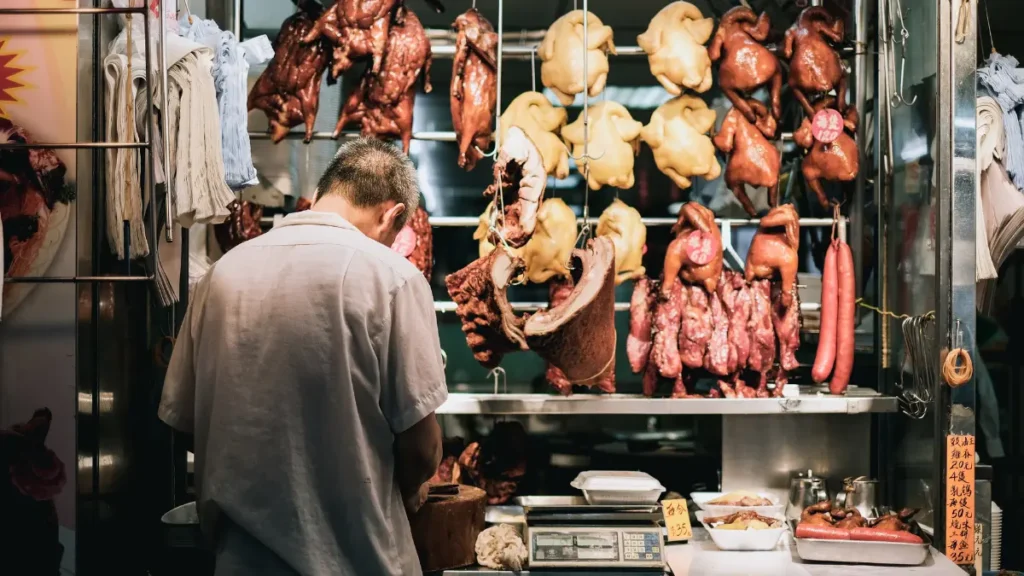
She skips the bacon, sausage, and deli slices. These are classified as carcinogens and are loaded with sodium and nitrates. They damage blood vessel linings. Rossi uses leftover roasted chicken or turkey breast for sandwiches instead.
2. Sugary Beverages

This is the number one source of added sugar for most people. Rossi avoids soda, sweet tea, and sports drinks. Liquid sugar spikes insulin faster than a cookie does. High insulin levels over time damage arteries. She drinks water, black coffee, or herbal tea.
3. Ultra Processed Snacks (UPFs)
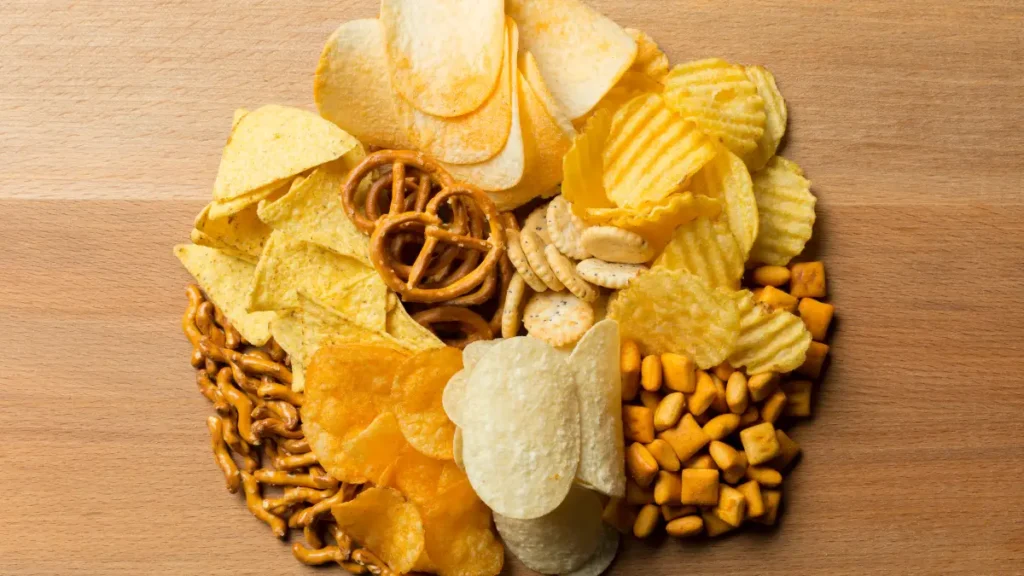
She stays away from packaged cookies, cakes, and chips. They usually contain industrial additives and low quality fats. These provide empty calories and no nutrition. If she wants a treat, she makes it herself or buys a high quality version from a bakery.
4. “Hidden” Sodium Bombs
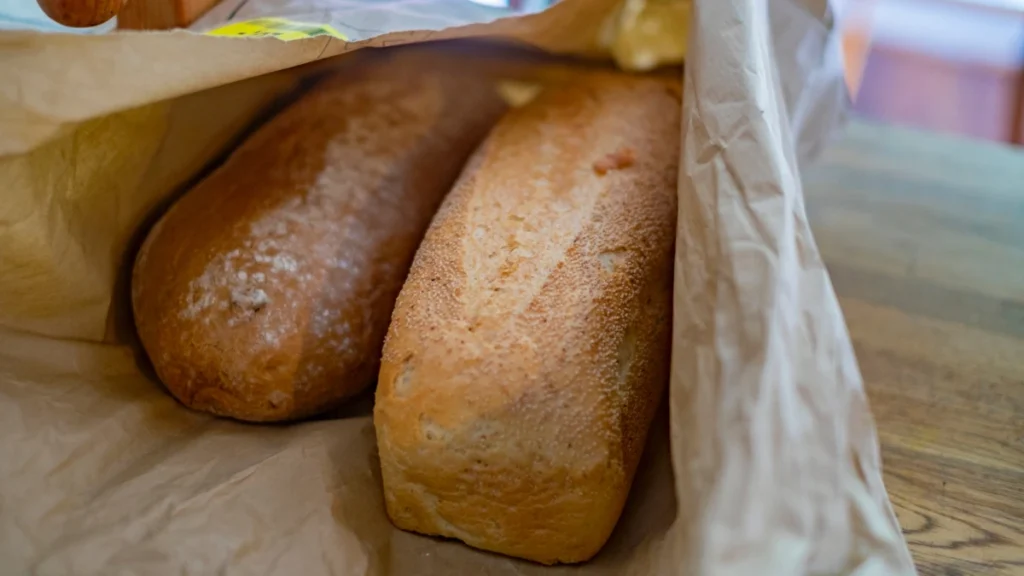
You expect salt in chips, but not in bread or soup. Canned soups and packaged breads are often full of sodium. The 2025 Dietary Guidelines confirm that cutting sodium is crucial to reduce stroke risk. Rossi checks the “Life’s Essential 8” metrics and aims to keep daily sodium under 2,300 mg.
5. Coconut and Palm Oil
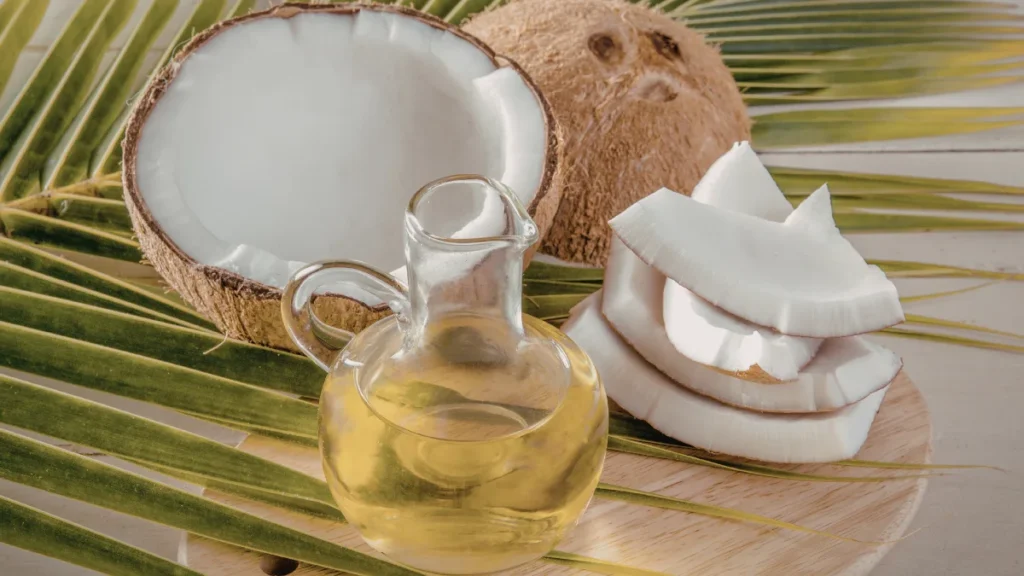
Rossi limits tropical oils. They are very high in saturated fat. While some claim they are healthy, excessive saturated fat raises LDL cholesterol. She prefers olive oil or avocado oil for daily cooking.
How to Build Your Plate in 2026
You don’t need a calculator to eat well. Rossi uses three simple visual rules to keep meals on track.
The Half Plate Rule Fill half the plate with vegetables or fruit at every meal. This automatically controls calories and boosts fiber. It leaves less room for processed junk.
Plant Protein Twice a Week Rossi aims for two meatless dinners per week. She uses the beans or lentils mentioned earlier. This saves money and protects the heart.
The 5 to 1 Fiber Rule When she buys packaged grain products like bread or crackers, she looks at the label. She wants a ratio of 5 grams of carbohydrates to at least 1 gram of fiber. If a bread has 20g of carbs, it needs at least 4g of fiber. This ensures she gets whole grains, not dyed white flour.
Conclusion
You don’t have to fix everything overnight. Small swaps matter more than strict diets. The goal is progress.
Start with one change. Pick one food from the “Avoid” list to drop this week. Or add one serving of berries to breakfast. These tiny steps compound over time to build powerful heart disease prevention.
Your heart works hard for you every second. Feed it well.