

Every Tuesday, Dr. James Sterling walks into his clinic and sees the same heartbreaking MRI results. He looks at shredded meniscus tissue and cartilage worn down to the bone.
These patients are often confused. They tell him they exercise daily and eat right. They think they are doing everything correctly.
That is the problem, according to Dr. Sterling.
“We often hear that motion is medicine,” Dr. Sterling explains. “That is true. But the wrong motion acts like poison for your joints.”
Many popular gym moves place unnatural shear forces on the knee joint. They grind down the protective layers that are supposed to last a lifetime. Dr. Sterling emphasizes that patients do not have to stop moving. In fact, they should not stop. They just need to stop “grinding their gears.”
1. Seated Leg Extension Machine
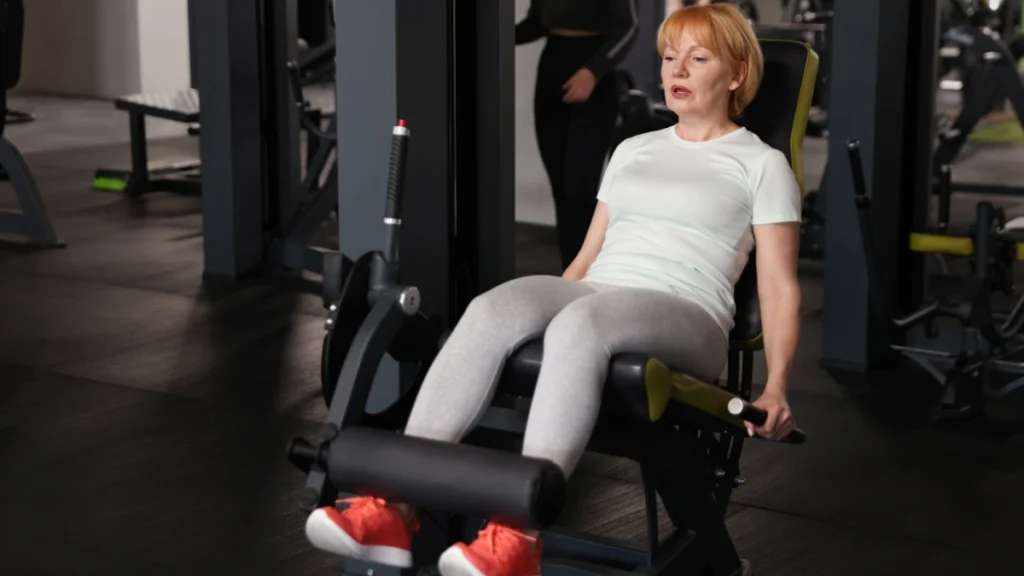
Risk Rating: High
The Anatomy of the Injury This machine is a staple in most gyms, but Dr. Sterling calls it a “knee wrecker.” While it isolates the quadriceps, it places extreme shear force on the ACL.
It also creates massive pressure behind the kneecap. Dr. Sterling asks patients to think of the knee joint as a lever. This movement grinds the kneecap against the femur like a mortar and pestle.
The Surgeon’s Fix He recommends switching to closed-chain exercises. These are movements where the foot stays fixed on the ground, allowing forces to dissipate naturally.
Alternative: Squats or Step-Ups
- Stand with feet shoulder-width apart.
- Lower hips back like sitting in a chair.
- Keep the chest up and heels flat.
- Drive back up to standing.
2. Seated Hip Abductor/Adductor Machine
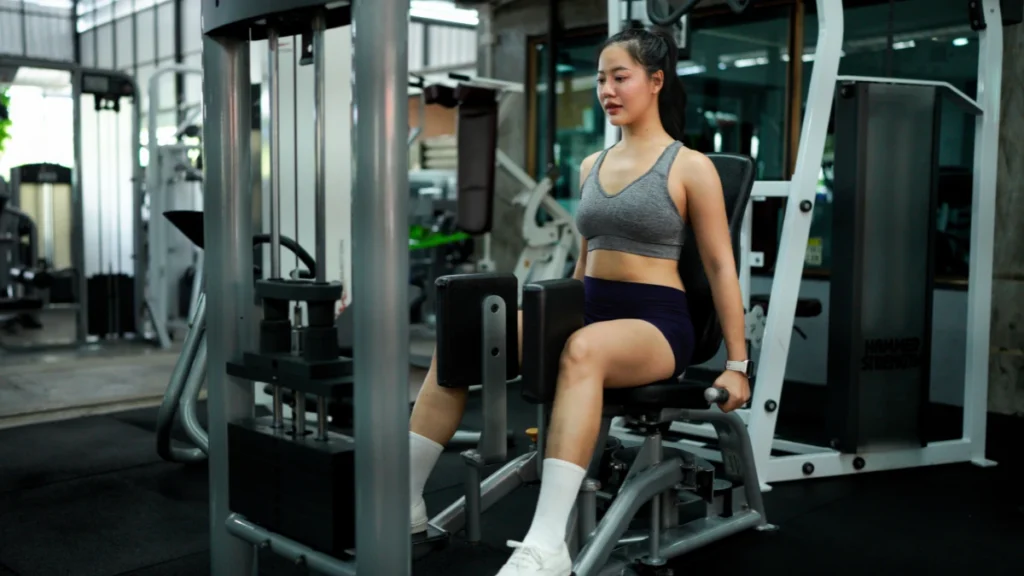
Risk Rating: Medium
The Anatomy of the Injury On this machine, the user sits and pushes their legs apart or squeezes them together against heavy weight. Dr. Sterling notes that this forces the legs into movements that rarely occur in nature under such heavy load.
It strains the IT band and hip capsules. When hips become tight or inflamed, they refer pain directly to the knees.
The Surgeon’s Fix Work these muscles using functional movements that build stability.
Alternative: Clamshells with Resistance Bands
- Lie on one side with knees bent at 45 degrees.
- Place a band around the thighs just above the knees.
- Keep feet touching and lift the top knee.
- Lower it slowly to resist the band.
3. The Leg Press (specifically locking the knees)
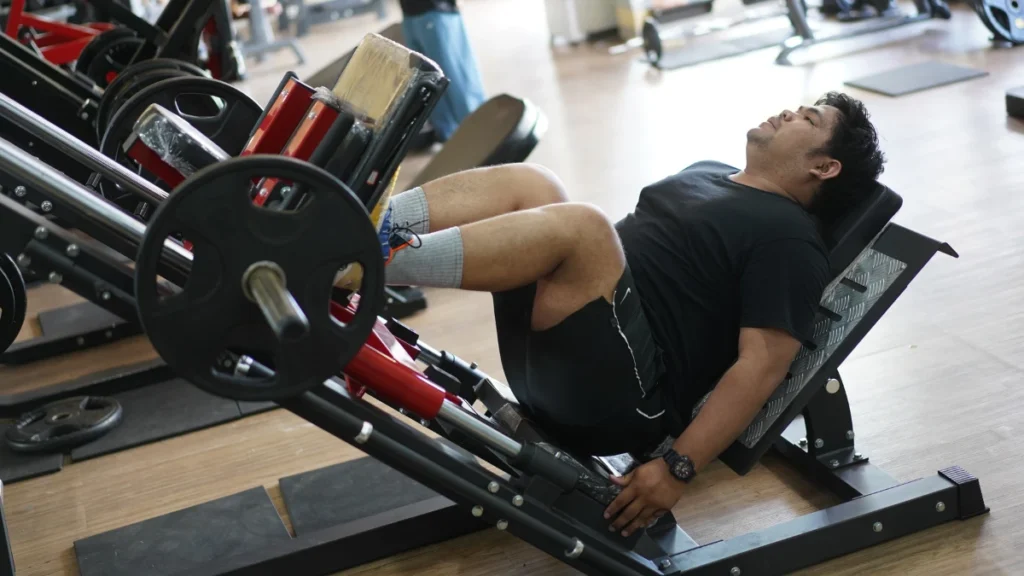
Risk Rating: High
The Anatomy of the Injury “The danger here is not the machine itself,” Dr. Sterling clarifies. “The danger is the lockout.” When a lifter pushes the weight up and locks their knees straight, they transfer hundreds of pounds from the muscles directly to the joint structure.
This risks hyperextension. Dr. Sterling has treated knees that bent backward from this exact mistake.
The Surgeon’s Fix Keep the tension on the muscle, not the bone.
Alternative: Leg Press (No Lockout)
- Push the platform up until legs are almost straight.
- Stop about 2 inches before the knees lock out.
- Ensure constant tension is felt in the quads.
- Lower the weight slowly and repeat.
4. The Hurdler’s Stretch

Risk Rating: High
The Anatomy of the Injury This is the stretch where one sits with one leg straight and the other bent behind them. It rotates the lower leg while the knee is bent.
Dr. Sterling warns that this “crushes the meniscus between the bones.” The knee is a hinge joint. It is not designed to rotate under pressure like this.
The Surgeon’s Fix Stretch the hamstring without twisting the joint.
Alternative: Standing Hamstring Stretch
- Place a heel on a low step or bench.
- Keep the standing leg slightly bent.
- Hinge forward at the hips until a stretch is felt.
- Keep the back flat.
5. Deep Duck Walks

Risk Rating: High
The Anatomy of the Injury Deep flexion under load puts maximum compressive force on the posterior meniscus. When a person adds a walk to this deep squat position, they are grinding the cartilage with immense weight.
Dr. Sterling advises that full-depth squat jumps fall into this same dangerous category.
The Surgeon’s Fix Limit the range of motion to where the user has control.
Alternative: Parallel Squats
- Squat down until thighs are parallel to the floor.
- Do not drop below this point if knee concerns exist.
- Focus on smooth control rather than depth.
6. Concrete Running (with poor mechanics)

Risk Rating: Medium to High
The Anatomy of the Injury Not all running is bad. But pounding the pavement with heavy heel strikes sends shockwaves up the tibia bone. This repetitive impact wears down the cushioning in the joint over time.
Dr. Sterling points to current data showing that while runners with good form have healthy knees, those with poor mechanics suffer higher rates of osteoarthritis.
The Surgeon’s Fix Change the surface or the machine.
Alternative: Trail Running or Elliptical
- Trail Running: Dirt and grass are softer than asphalt and absorb more shock.
- Elliptical: This machine mimics the running motion without the impact.
7. Bleacher or Stadium Runs
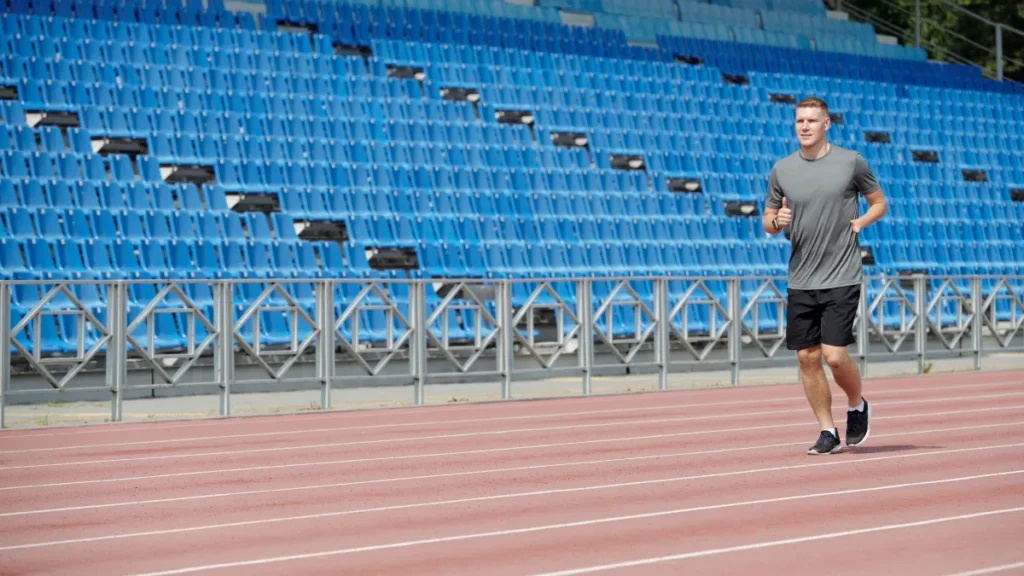
Risk Rating: High
The Anatomy of the Injury Running up stairs combines high impact with shearing force. Stepping up aggressively puts stress on the cartilage behind the kneecap.
Dr. Sterling warns that running down the stairs is even worse because of the braking force required to stop gravity.
The Surgeon’s Fix Get the incline without the impact.
Alternative: Uphill Treadmill Walking
- Set the treadmill incline to 10 percent or higher.
- Walk at a brisk pace.
- Do not hold onto the handrails.
- This builds glute strength which protects the knees.
8. Rebound Box Jumps
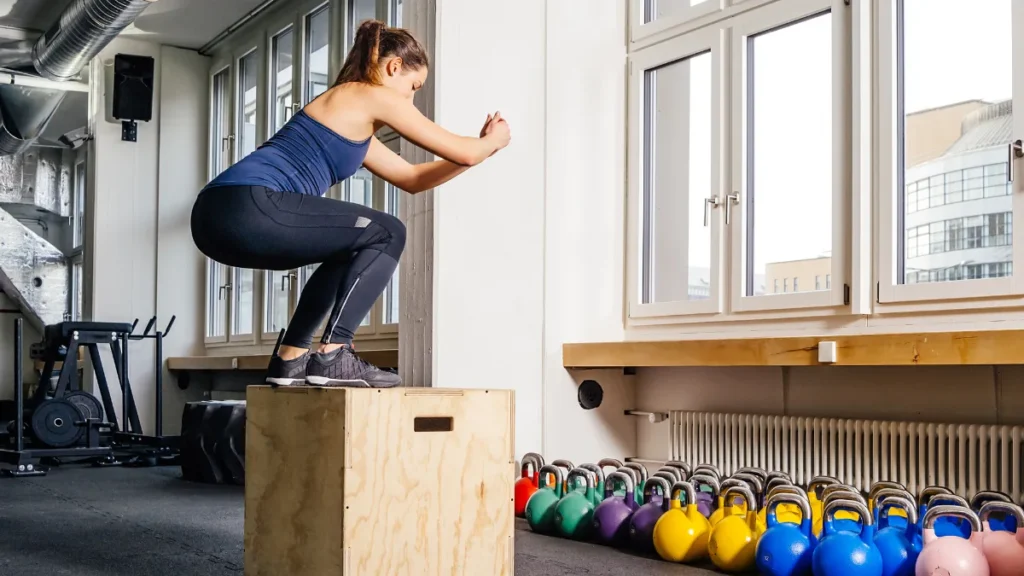
Risk Rating: High
The Anatomy of the Injury Jumping up onto a box is generally fine. The problem is jumping back down. When an athlete jumps down backward, their knee has to absorb 5 to 7 times their body weight. They often land in an awkward position that creates instability.
The Surgeon’s Fix Remove the landing impact.
Alternative: Jump Up and Step Down
- Explode up onto the box.
- Stand tall at the top to finish the rep.
- Step down one foot at a time.
- Reset feet before the next jump.
9. Weighted Walking Lunges
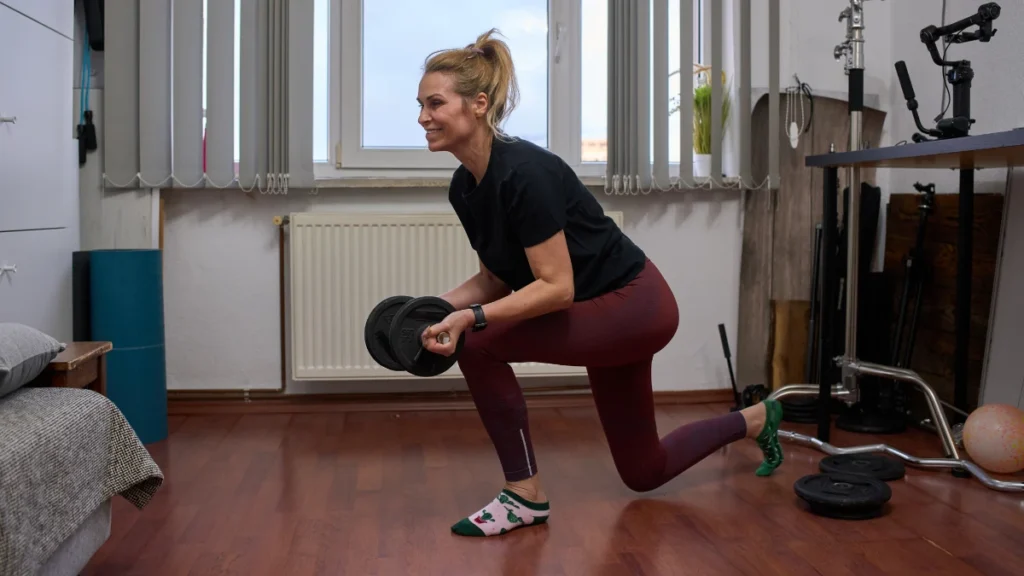
Risk Rating: Medium
The Anatomy of the Injury As fatigue sets in, form breaks down. Dr. Sterling observes that most people lose stability and their knee caves inward. In medicine, this is called “valgus collapse.” It tears at the MCL and strains the ACL.
The Surgeon’s Fix Use a stationary lunge to maintain better control.
Alternative: Reverse Lunges
- Stand tall with dumbbells in hand.
- Step one foot back and lower the hips.
- Keep the front shin vertical.
- This vertical angle places less stress on the knee joint.
10. High Volume Burpees

Risk Rating: Medium
The Anatomy of the Injury Burpees are often done for speed. As the person gets tired, they tend to drop into the plank position carelessly. This hyperextends the back and slams the knees into the floor. The repetitive impact adds up quickly.
The Surgeon’s Fix Slow it down to keep it safe.
Alternative: Walk Out Burpees
- Place hands on the floor.
- Step feet back one at a time into a plank.
- Perform a push-up if able.
- Step feet back in and stand up.
11. Curtsy Lunges

Risk Rating: High
The Anatomy of the Injury This move places rotational torque on the knee while loading it with weight. “Your knees are hinges,” Dr. Sterling reminds his patients. “They are not ball-and-socket joints like your hips.” Twisting a loaded hinge is the fastest way to break it.
The Surgeon’s Fix Stick to linear movements.
Alternative: Standard Split Squats
- Take a wide stance with one foot forward and one back.
- Lower the back knee straight down toward the floor.
- Push back up without moving the feet.
- This targets the same muscles without the twist.
Dr. Sterling’s Knee Pain Red Flags Not all pain is the same. Dr. Sterling advises patients to listen to these signals:
- If it clicks: It is usually just noise (crepitus). This is generally safe if there is no pain.
- If it catches or locks: This suggests structural damage, like a meniscus tear. See a doctor immediately.
- If it swells: This is inflammation. The joint needs rest and assessment.
Conclusion
Dr. Sterling reminds his patients that they only get one set of natural knees. While technology is improving, nothing beats the original parts. His goal for patients in 2026 is “Prehab” preventing injuries before they happen.
“Protect your joints by choosing closed-chain exercises over isolation machines,” says Dr. Sterling. “Reduce rotational torque whenever possible.”
He urges everyone to review their workout plan today. Swapping just one of these exercises for a safer alternative can save the knees from years of unnecessary wear. Long-term joint health starts with the decisions made in the gym today.