

Do your joints scream in protest every morning? Does chronic inflammation leave you reaching for pain pills more often than you’d like? You’re not alone.
Millions of adults over 35 battle ongoing pain that limits their activities and enjoyment of life. But what if your kitchen held the answer? Simple foods can fight inflammation at its source.
Rheumatologists now recommend these 15 powerful options that work naturally to cool inflammation and ease pain. No prescriptions are needed—just delicious, everyday foods that give your body the tools to heal itself.
1. Fatty Fish (Salmon, Mackerel, Sardines)

Omega-3 fatty acids EPA and DHA found in salmon, mackerel, and sardines work to fight inflammation at its source.
These compounds directly block inflammatory pathways in the body by inhibiting proteins that cause pain and swelling. The anti-inflammatory benefits become apparent with consistent consumption.
Many people notice joint pain relief after making these fish a regular part of their meals. For best results, aim for two servings weekly.
The healthy fats also support brain function and heart health, making them a smart choice for overall wellness after 35.
Baking or grilling preserves the beneficial oils better than frying. Try adding herbs instead of salt to enhance flavor without increasing inflammation.
Cold-water fish varieties contain the highest concentration of beneficial omega-3s, so prioritize these when shopping.
2. Berries (Blueberries, Strawberries, Raspberries)
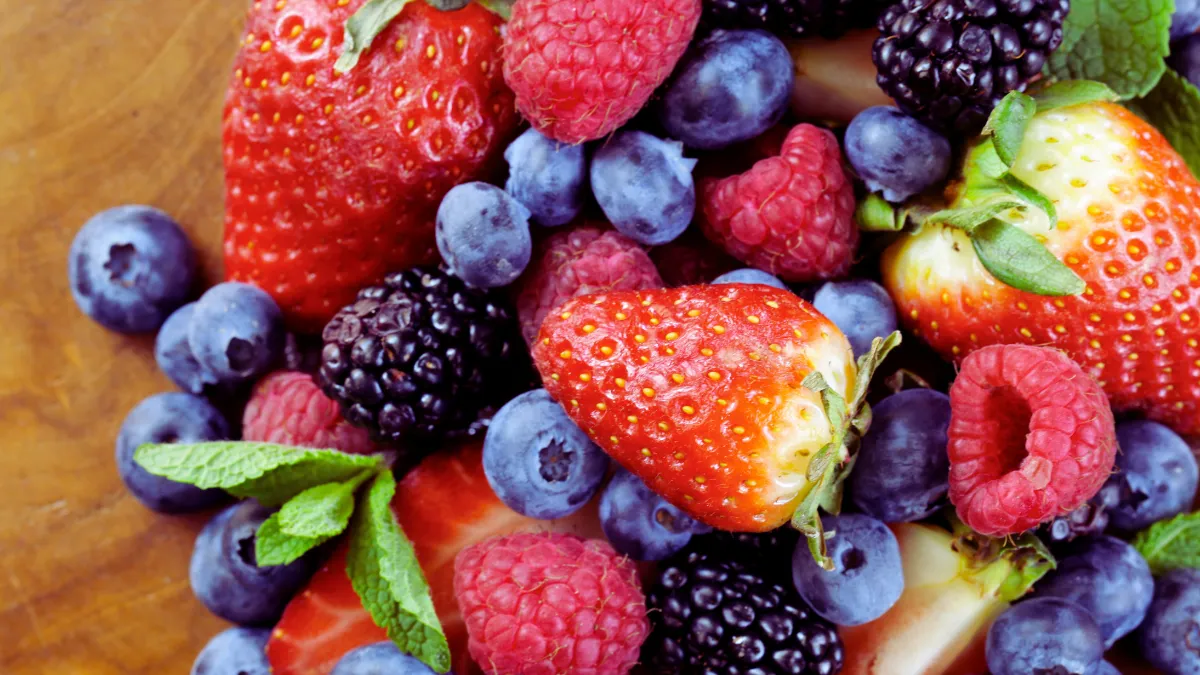
Small but mighty, berries pack an impressive punch against chronic inflammation. Their vibrant colors come from anthocyanins, powerful plant compounds that neutralize harmful free radicals in the body.
Regular consumption helps lower key inflammatory markers that contribute to pain. The antioxidant content in a cup of mixed berries rivals many supplements on the market.
Fresh or frozen options work equally well, making them accessible year-round. Many people find that adding berries to their morning routine helps reduce stiffness throughout the day.
Blueberries show particular promise for brain health and memory protection. Strawberries contain ellagic acid, which helps fight inflammatory enzymes.
Raspberries provide fiber and anti-inflammatory benefits, supporting gut health and reducing whole-body inflammation.
3. Leafy Greens (Spinach, Kale)
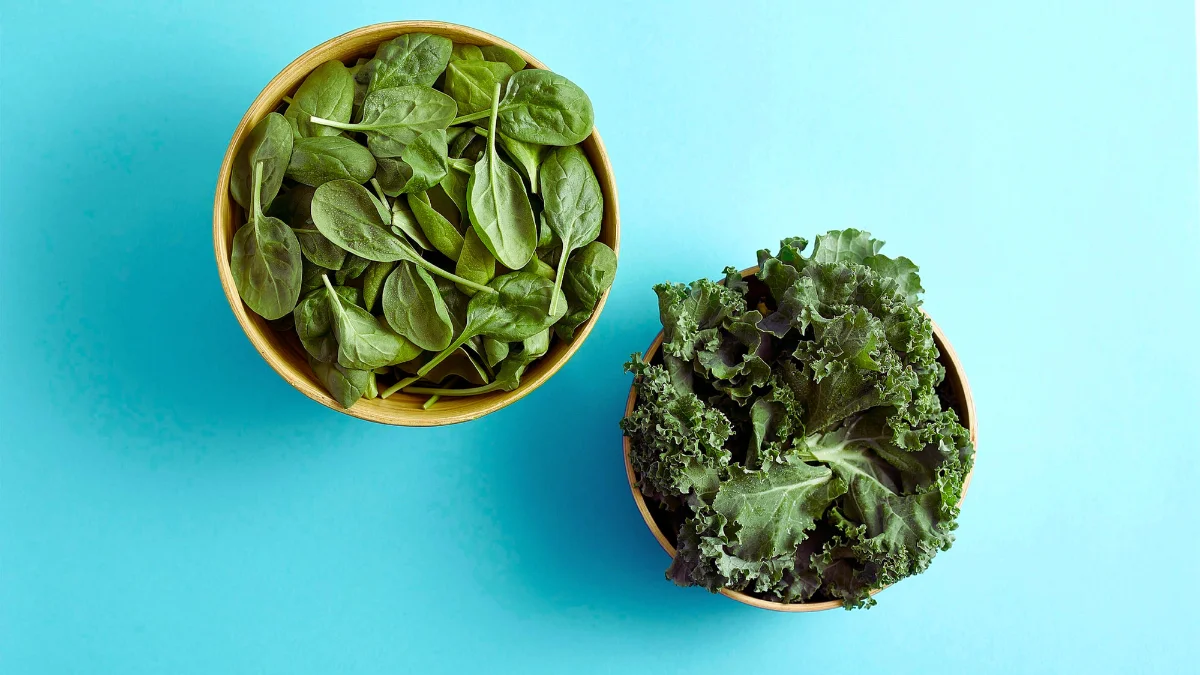
Leafy greens deliver an array of vitamins and minerals that combat inflammation through multiple pathways.
The vitamin K found in these vegetables helps regulate inflammatory responses, while their magnesium content relaxes tight muscles and eases pain.
Kale contains over 45 different flavonoids with antioxidant and anti-inflammatory effects. Spinach provides similar benefits plus iron, which helps prevent the fatigue that often accompanies chronic pain conditions.
A daily serving can make a noticeable difference in how your body feels. The chlorophyll in green vegetables supports your body’s natural detoxification processes.
This helps remove inflammatory triggers and reduces overall pain levels. Try adding greens to smoothies if you struggle with their taste, or lightly sauté them with garlic for a tasty side dish.
4. Nuts (Walnuts, Almonds)

Walnuts contain alpha-linolenic acid, a plant-based omega-3 that helps cool inflammation throughout the body. Their unique nutrient profile supports brain health while fighting pain.
A small handful provides lasting benefits without spiking blood sugar. Almonds bring vitamin E to the table, a powerful antioxidant that protects cells from inflammatory damage.
The fiber in nuts feeds beneficial gut bacteria, creating an environment that naturally reduces inflammation. Eating them regularly can help maintain joint flexibility and function.
Raw nuts preserve more anti-inflammatory compounds than roasted varieties. Store them in the refrigerator to protect their healthy fats from oxidation.
Sprinkle chopped nuts on salads, yogurt, or oatmeal for an easy way to incorporate their benefits into your daily routine.
5. Extra Virgin Olive Oil
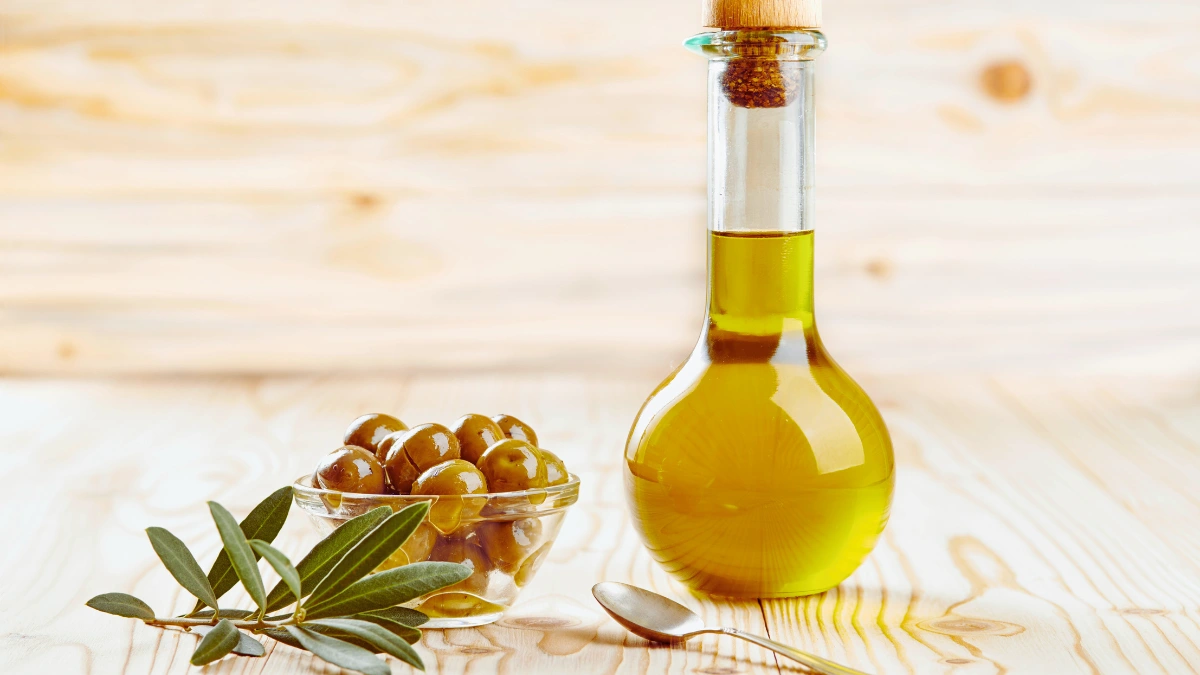
Extra virgin olive oil contains oleocanthal, a natural compound that works similarly to ibuprofen but without side effects. This substance blocks the same inflammatory enzymes as pain medications.
The oil works best when consumed raw, as cooking reduces some of its beneficial properties. The monounsaturated fats in olive oil help lower markers of inflammation throughout the body.
Many people report improved joint mobility after making it their primary cooking fat. Quality matters greatly – look for oils in dark bottles with a harvest date.
Using olive oil as a replacement for butter or processed oils creates a foundation for an anti-inflammatory diet.
Try drizzling it over vegetables or using it as a base for homemade salad dressings. Its distinctive flavor enhances food while delivering powerful health benefits.
6. Turmeric
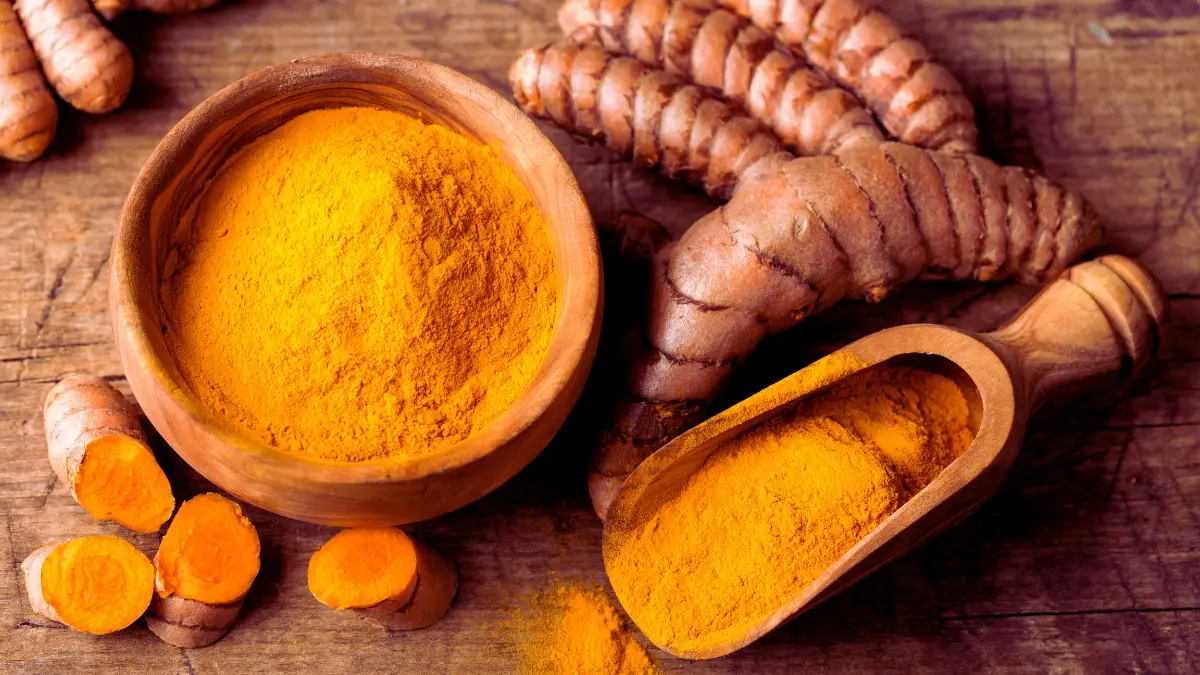
The golden spice contains curcumin, a compound that blocks NF-kB, a key trigger of inflammation in the body.
This ancient remedy has gained modern recognition for its ability to reduce pain similar to some medications, but without the harsh side effects. Adding black pepper increases curcumin absorption by up to 2000%.
Many people notice reduced joint stiffness within weeks of adding turmeric to their daily routine. The benefits extend beyond pain relief to include improved digestion and brain function.
A teaspoon daily provides meaningful benefits for most adults over 35. You can add this vibrant spice to scrambled eggs, rice dishes, or vegetable soups.
Another option is golden milk – warm plant milk with turmeric, cinnamon, and a touch of honey. For those who dislike the taste, supplements offer a convenient alternative, though whole food sources typically provide better results.
7. Ginger
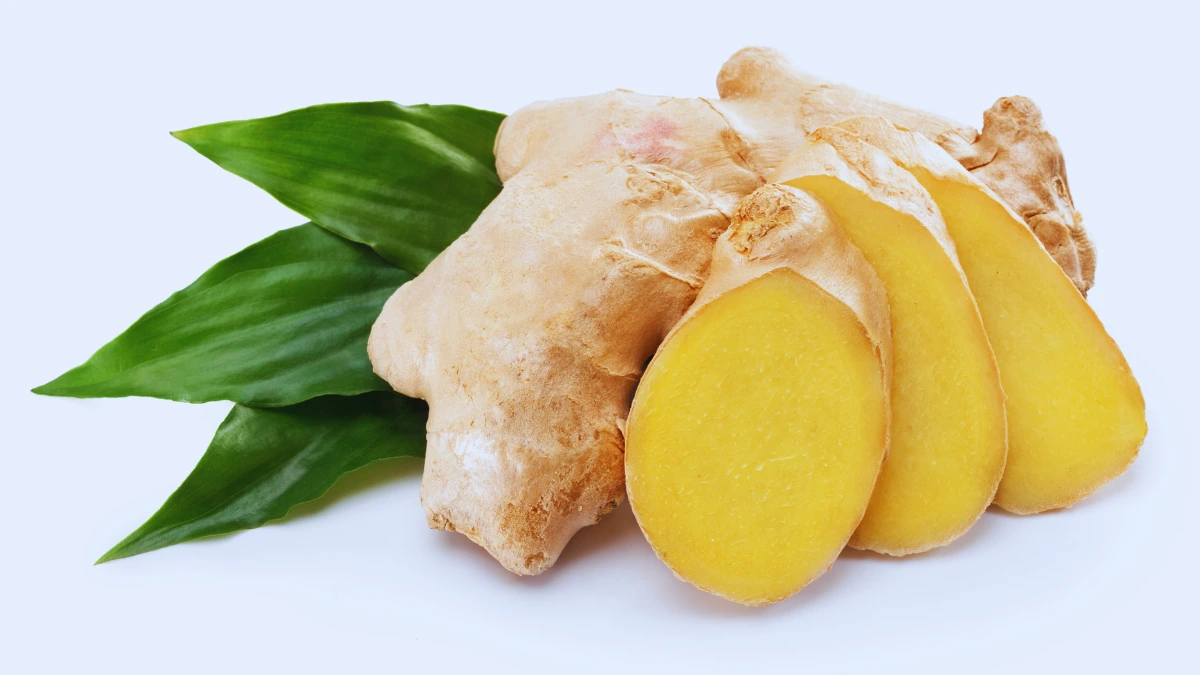
This spicy root contains gingerol, a potent anti-inflammatory that suppresses pain-causing compounds. Your body responds to ginger by producing fewer cytokines and prostaglandins, the chemical messengers that trigger discomfort and swelling. Fresh ginger offers the strongest effects, though dried versions still provide benefits.
A 2001 study published in Arthritis & Rheumatology found that ginger extract reduced knee pain in osteoarthritis patients by 40% compared to placebo.
Many people report feeling relief within hours of consumption. The warming sensation it creates helps increase blood flow to painful areas, speeding recovery.
Ginger tea offers a simple way to harness these benefits daily. You can also grate fresh ginger into stir-fries, smoothies, or homemade salad dressings.
The flavor pairs well with both sweet and savory dishes, making it versatile for any meal. Start with small amounts if you find the taste strong.
8. Garlic
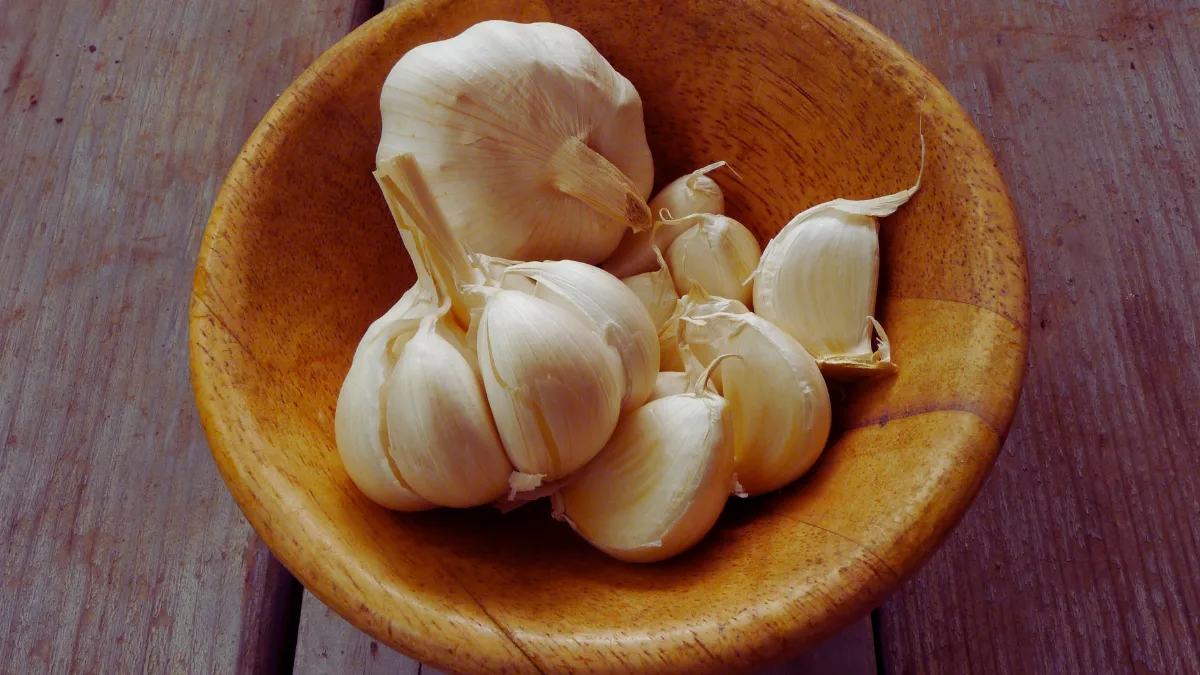
Allicin and other sulfur compounds in garlic act as powerful inflammation fighters. These substances help lower C-reactive protein (CRP), a marker of inflammation in the blood.
The benefits build over time with regular consumption, creating lasting relief for chronic pain sufferers. Crushing or chopping garlic and letting it sit for 10 minutes before cooking maximizes its therapeutic compounds.
Aged garlic extract shows particular promise for reducing whole-body inflammation. Many cultures with garlic-rich diets report lower rates of inflammatory diseases.
Raw garlic provides the strongest anti-inflammatory punch, but roasted garlic offers a milder, sweeter option that’s easier to incorporate into meals.
Try adding minced garlic to olive oil as a bread dip or tossing roasted garlic cloves into mashed potatoes. Even garlic powder provides some benefits when fresh isn’t available.
9. Green Tea

The catechins in green tea, especially EGCG, actively block inflammatory cytokines that trigger pain. This gentle beverage provides all-day inflammation protection without side effects.
Three cups daily seems to offer optimal benefits for most adults. Your joints may feel less stiff within weeks of making green tea a habit.
The L-theanine it contains also promotes relaxation, which indirectly helps reduce pain perception. Green tea works best when steeped for 3-5 minutes in water just below boiling.
Both hot and cold versions provide anti-inflammatory benefits. The antioxidants in green tea also protect cartilage from further damage, making it particularly valuable for those with arthritis.
Matcha, a powdered form of green tea, contains even higher concentrations of beneficial compounds and can be added to smoothies or baked goods.
10. Tomatoes
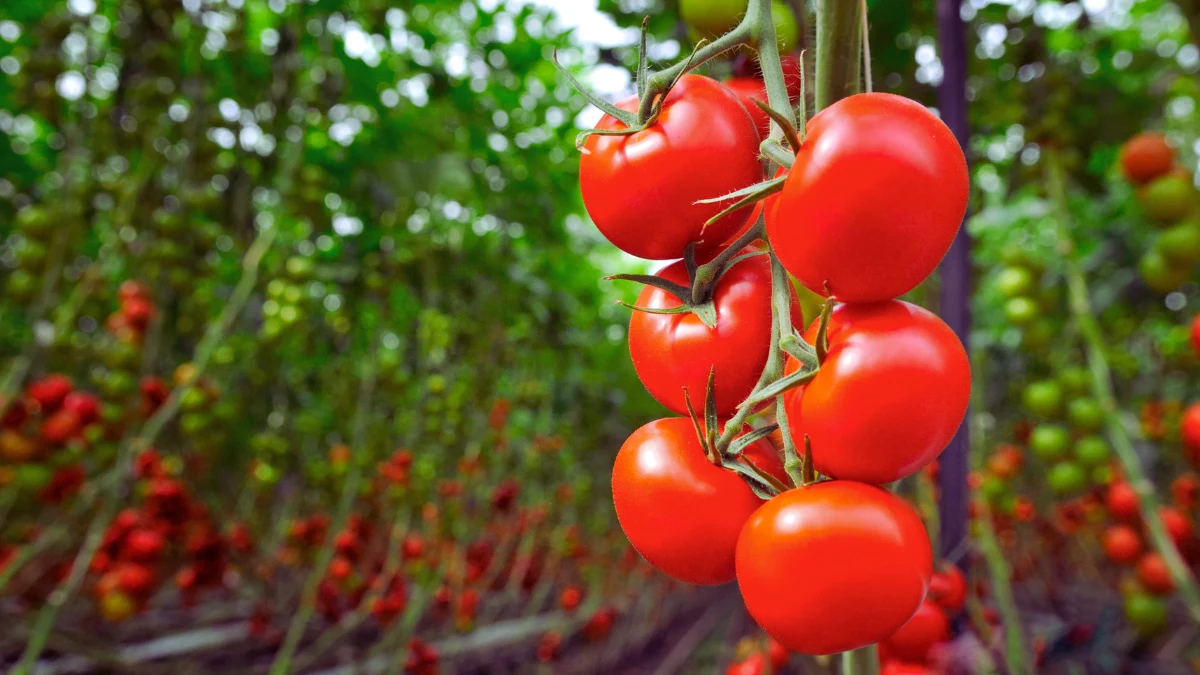
Lycopene gives tomatoes their red color and serves as a potent inflammation fighter. Your body absorbs this compound better from cooked tomatoes, making pasta sauce, soup, and stewed dishes particularly beneficial.
The antioxidants in tomatoes help neutralize free radicals that contribute to pain and aging. Some people with specific joint conditions report sensitivity to tomatoes due to their solanine content.
For most adults, however, the anti-inflammatory benefits outweigh potential concerns. The combination of vitamins C and E in tomatoes provides synergistic effects against inflammation.
Sun-dried tomatoes offer concentrated lycopene in a convenient form. Cherry tomatoes make easy snacks that deliver anti-inflammatory compounds throughout the day.
Tomato-based dishes that include olive oil increase lycopene absorption substantially. Even tomato juice can provide meaningful benefits for those seeking pain relief.
11. Dark Chocolate (70%+ Cocoa)

Flavonoids in high cocoa chocolate fight inflammation at the cellular level. These compounds improve blood flow and reduce inflammatory markers like CRP and IL-6.
A study in The American Journal of Clinical Nutrition showed that daily cocoa flavonoid intake lowered inflammatory markers and improved cardiovascular health.
Choosing chocolate with at least 70% cocoa ensures you get the anti-inflammatory benefits without excessive sugar.
Many people notice reduced muscle soreness and joint pain after incorporating small amounts into their routine.
The theobromine in cocoa also provides gentle, sustained energy without the crash that comes from caffeine.
One ounce a few times weekly provides meaningful benefits. Store your dark chocolate in a cool, dry place to preserve its anti-inflammatory compounds.
The slight bitterness of high cocoa chocolate pairs well with berries for a double dose of anti-inflammatory power. Look for minimally processed options without unnecessary additives for the best results.
12. Cherries (Tart Cherries)

Tart cherries contain unique anthocyanins that target the same inflammatory enzymes as common pain medications. The ruby-red fruit reduces uric acid levels, making it especially helpful for gout sufferers.
Their effect works quickly—many people report reduced pain within days of regular consumption. Cherry juice concentrate provides a convenient option when fresh cherries aren’t available.
Marathon runners who drink tart cherry juice experience less post-exercise pain than those who don’t. The melatonin naturally present in cherries also improves sleep quality, which further helps the body heal from inflammation.
You can enjoy cherries fresh, frozen, dried, or as juice. Morning is an excellent time to consume cherry products since their anti-inflammatory effects can help reduce stiffness throughout the day.
The natural sugars in cherries provide steady energy without the inflammation spike caused by processed sweets. Just two tablespoons of concentrate or a cup of whole cherries daily offers significant benefits.
13. Broccoli
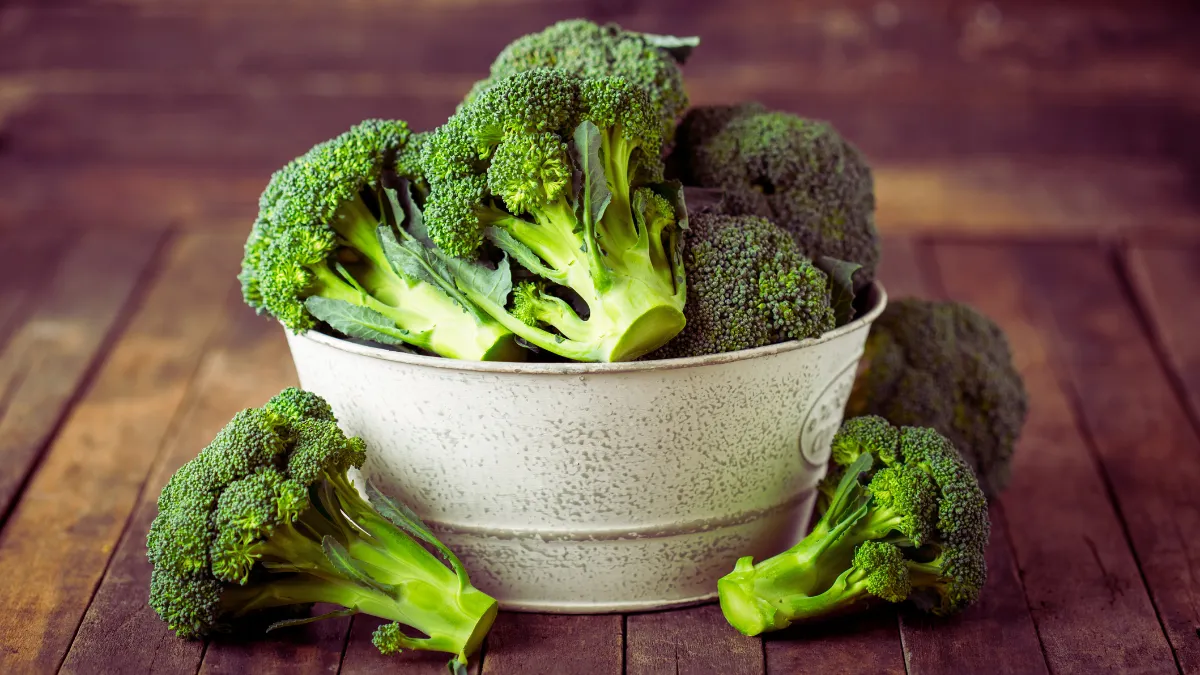
Sulforaphane in broccoli targets inflammation at the genetic level by activating a protective pathway called Nrf2. This unique compound helps prevent cartilage destruction in joints.
Eating this green vegetable regularly supports your body’s natural detoxification systems, which further reduces inflammatory burden.
Lightly steaming broccoli preserves its anti-inflammatory compounds better than boiling or microwaving. Many people with arthritis report improved mobility when they make cruciferous vegetables a regular part of their diet.
The vitamin K in broccoli also supports bone health, which complements its joint-protecting properties. Broccoli sprouts contain up to 100 times more sulforaphane than mature broccoli.
Adding these to salads provides concentrated anti-inflammatory benefits. Broccoli stalks, often discarded, actually contain valuable fiber that feeds beneficial gut bacteria, creating another avenue for inflammation reduction. Roasting broccoli with olive oil creates a delicious dish that doubles the anti-inflammatory impact.
14. Whole Grains (Oats, Quinoa, Brown Rice)
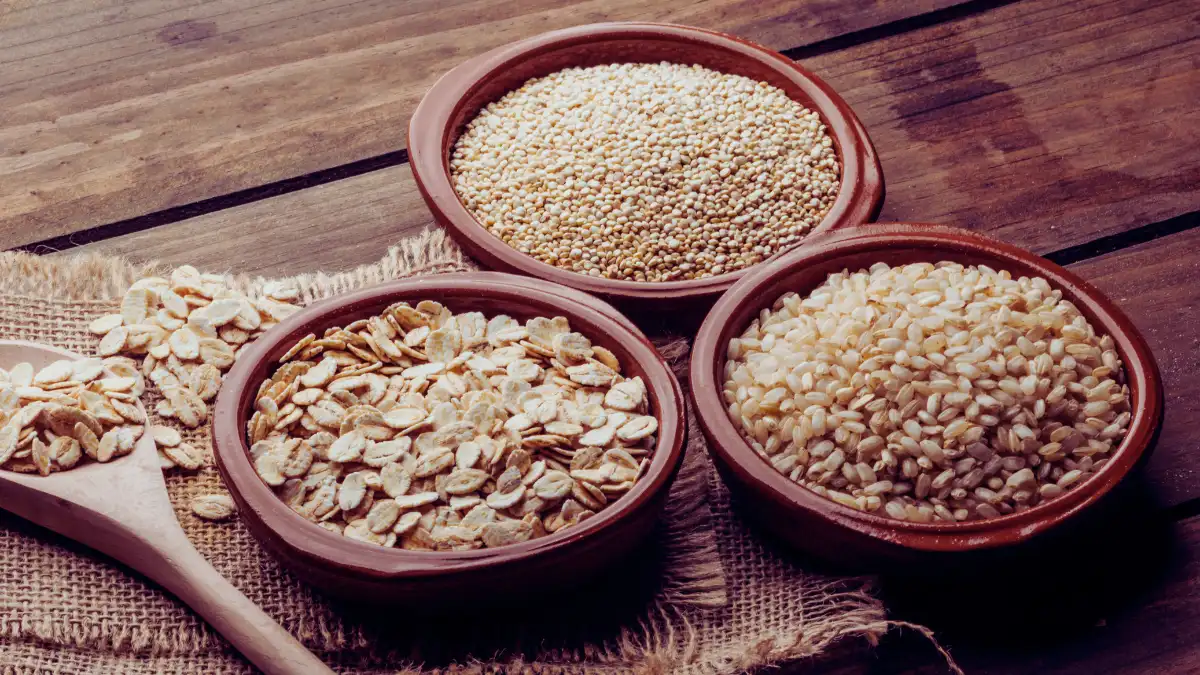
Fiber in whole grains feeds beneficial gut bacteria that produce short-chain fatty acids, and natural anti-inflammatory compounds.
Your digestive system functions as a foundation for whole-body inflammation levels. A 2013 study in The Journal of Nutrition found whole-grain intake reduced CRP by 14% in premenopausal women.
Switching from refined grains to whole versions can significantly reduce chronic pain over time. Oats contain unique compounds called avenanthramides that specifically target skin and joint inflammation.
Quinoa provides complete protein along with its anti-inflammatory benefits, making it valuable for tissue repair. Brown rice offers magnesium, which relaxes muscles and eases tension-related pain.
Steel-cut oats provide more anti-inflammatory benefits than instant varieties. Soaking or sprouting grains before cooking increases nutrient availability and reduces compounds that might contribute to inflammation.
A serving of whole grains at breakfast helps maintain stable blood sugar throughout the day, preventing the inflammation spikes that come with glucose fluctuations.
15. Beets
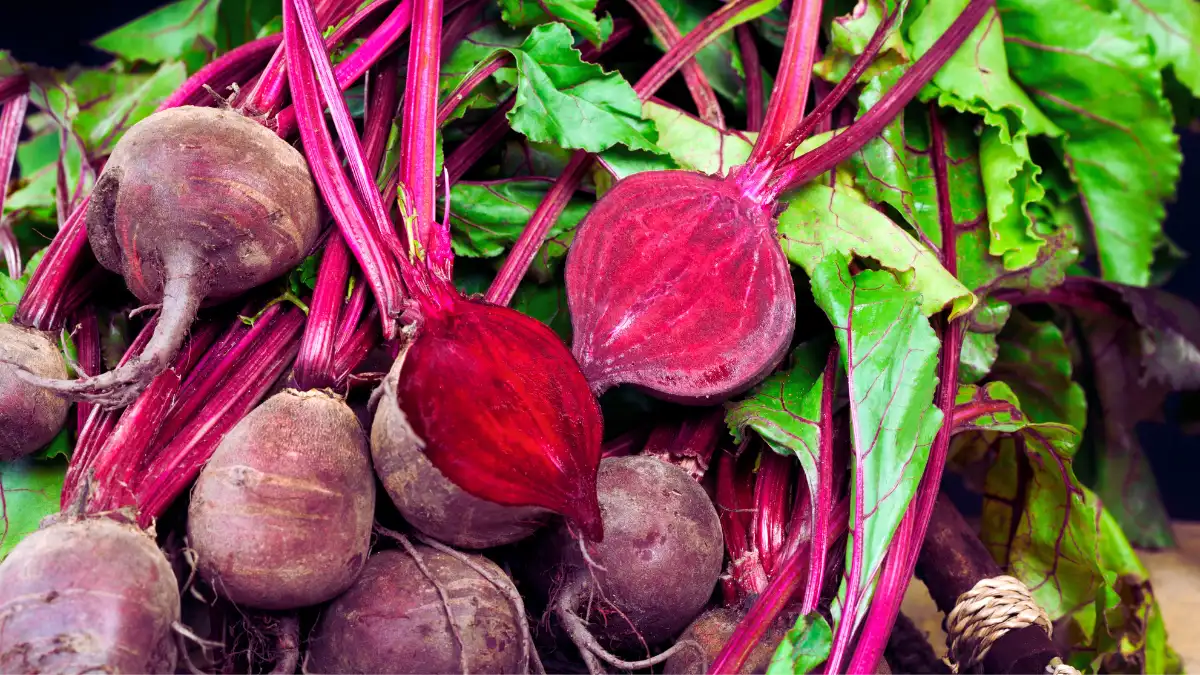
Betalains give beets their rich color and provide powerful anti-inflammatory benefits. These compounds help repair cell damage that contributes to pain and aging.
The natural nitrates in beets improve blood flow, delivering oxygen and nutrients to sore muscles and joints while removing inflammatory waste products.
Roasting brings out the natural sweetness in beets while preserving their healing compounds. Many athletes consume beetroot juice before exercise to reduce muscle soreness and speed recovery.
The fiber in whole beets supports gut health, creating another pathway for reducing whole-body inflammation.
Both roots and greens offer anti-inflammatory benefits, though most people focus only on the roots. Beet kvass, a fermented beet drink, provides probiotics alongside anti-inflammatory compounds for dual benefits.
Raw beets grated into salads offer maximum nutrient preservation. For those who dislike the earthy flavor, yellow beets provide a milder taste with similar benefits.