
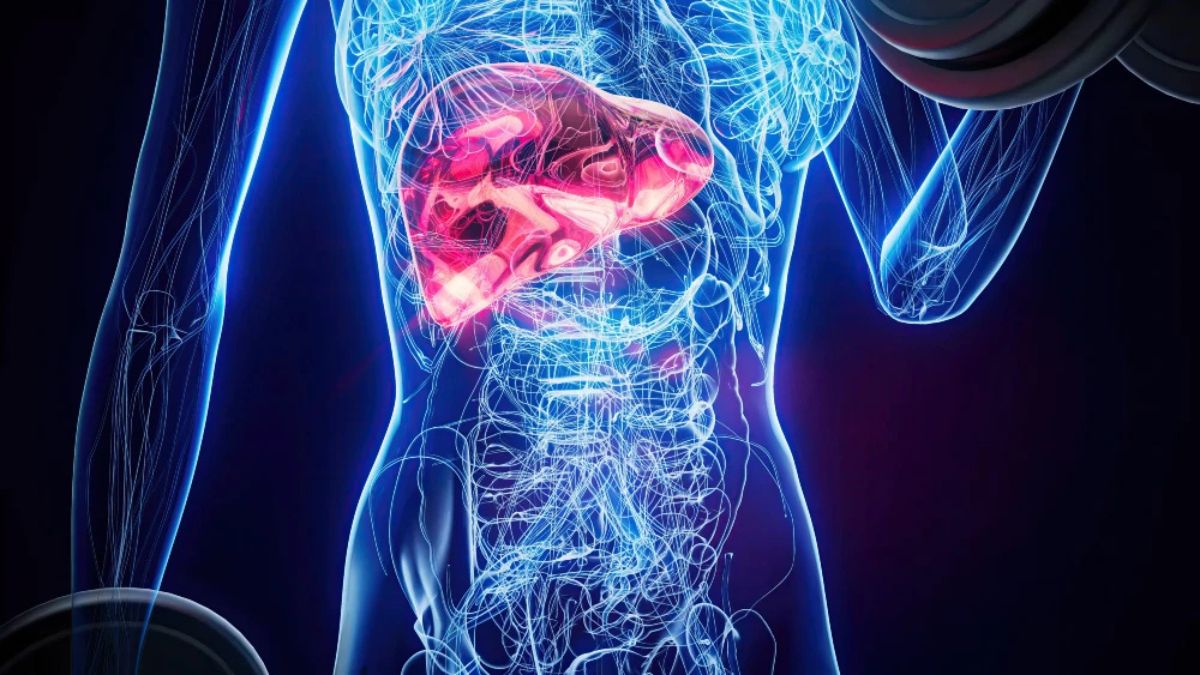
Your liver silently battles an invisible enemy: microplastics. These tiny particles have invaded our food, water, and air, building up in our bodies and stressing our hardworking livers.
But you don’t have to surrender. Nature offers powerful allies to help your liver fight back against this modern threat.
Environmental health experts have identified 15 specific foods that actively combat microplastic damage. These natural defenders work by boosting detoxification, reducing inflammation, and repairing cellular damage caused by plastic particles.
Want to give your liver the backup it desperately needs? These everyday foods might be its secret weapon.
1. Leafy Greens
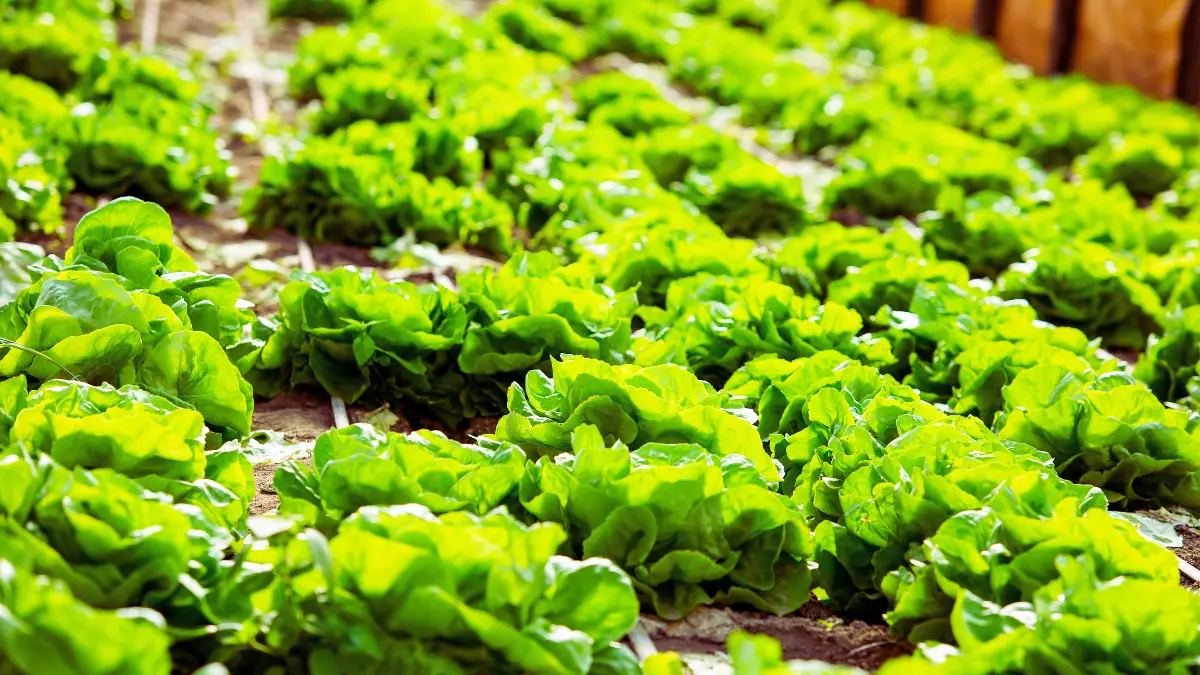
Spinach, kale, and Swiss chard pack a powerful punch against microplastics. These green superheroes contain chlorophyll, which acts like a magnet for toxins in your body, helping to flush them out before they cause damage.
Their high fiber content works as an internal broom, sweeping away harmful particles that might otherwise accumulate in your liver.
The glutathione and folate found in these greens support your liver’s natural detoxification processes. Your liver uses these compounds to transform harmful substances into forms that can be eliminated from your body.
This process is especially important when dealing with the constant exposure to microplastics in our environment.
Adding a handful of leafy greens to your daily meals gives your liver extra protection. You can toss them in smoothies, use them as salad bases, or sauté them as side dishes.
Their versatility makes them easy to incorporate into almost any meal, providing continuous support for your liver’s battle against microplastic pollution.
2. Cruciferous Vegetables

Broccoli, Brussels sprouts, and cauliflower contain powerful compounds called glucosinolates and sulforaphane that kick your liver’s detoxification system into high gear.
These compounds stimulate the production of enzymes that neutralize harmful substances, including those leached from microplastics. Your body transforms these vegetables’ nutrients into protective shields for liver cells.
The anti-inflammatory properties of cruciferous vegetables help calm the stress response triggered when microplastics enter your system.
This family of vegetables works at the cellular level, activating pathways that help your body process and eliminate toxins more efficiently. Regular consumption creates a stronger defense system against environmental pollutants.
Try roasting these vegetables with olive oil and garlic for a simple, tasty addition to meals. Steam them lightly to preserve their beneficial compounds.
Including this food in your meals just two or three times a week can provide remarkable benefits for your liver’s health.
Your body will thank you as these foods work silently behind the scenes, helping to combat the invisible threat of microplastic exposure in our daily lives.
3. Berries
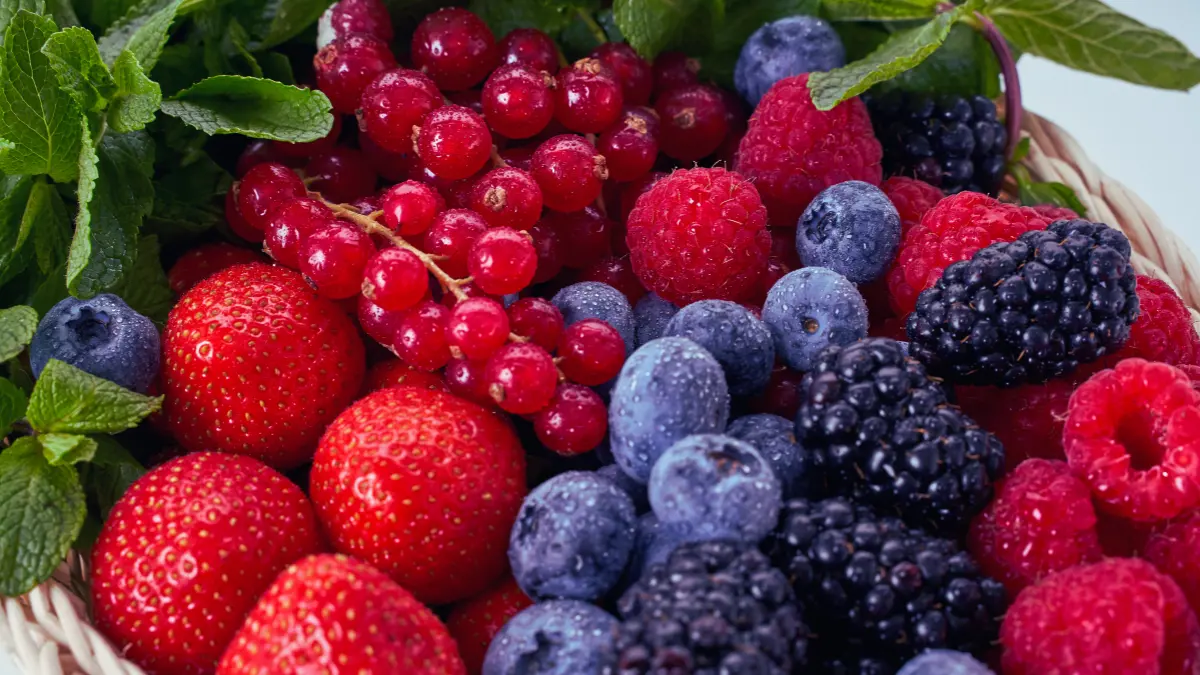
Blueberries, strawberries, and raspberries contain powerful antioxidants called anthocyanins that give them their vibrant colors. These compounds act as bodyguards for your liver cells, protecting them from damage caused by microplastic particles.
The vitamin C in berries also helps regenerate other antioxidants in your body, creating a continuous cycle of protection against harmful free radicals.
Berry consumption can significantly reduce liver inflammation, a common response to microplastic exposure. Their unique combination of nutrients helps prevent scarring and fat accumulation in liver tissue.
Your liver processes everything that enters your bloodstream, and berries provide the tools it needs to handle environmental toxins more effectively.
Fresh or frozen, berries make an excellent addition to your daily routine. Sprinkle them on cereal, blend them into smoothies, or enjoy them as a simple snack.
Their natural sweetness satisfies cravings while delivering powerful liver-protective benefits. Just a handful daily helps your body maintain resilience against the growing threat of microplastic pollution in our food and water supplies.
4. Turmeric
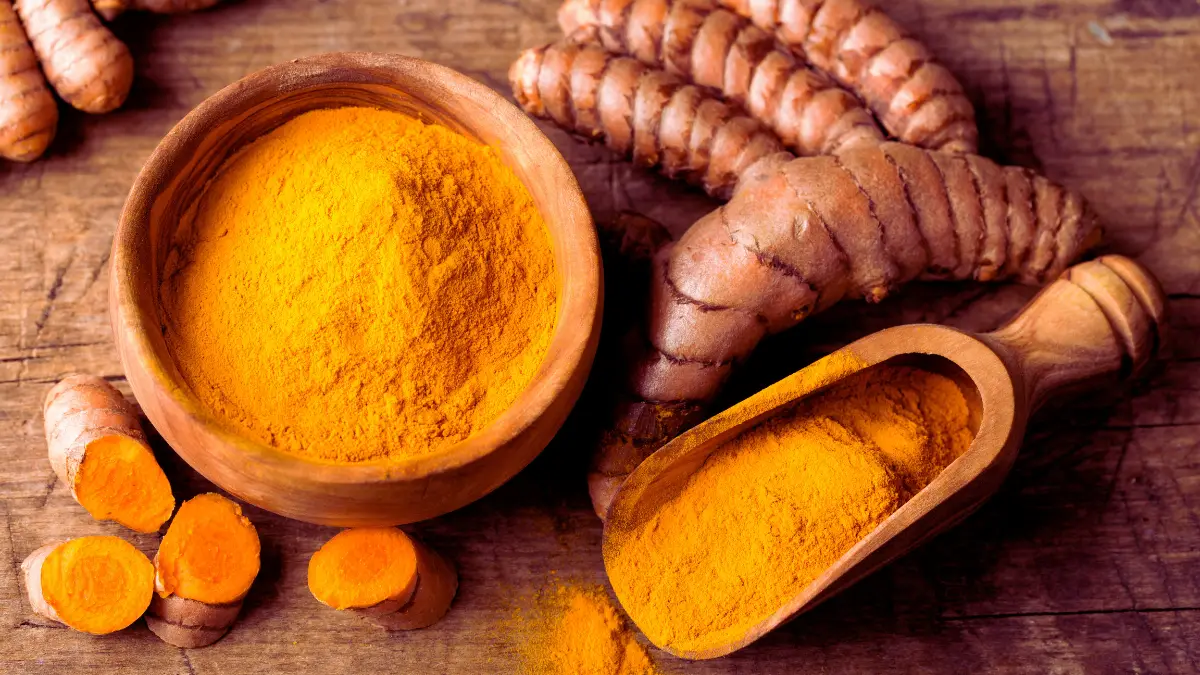
Turmeric contains curcumin, a compound with remarkable anti-inflammatory properties that helps protect liver cells from microplastic damage.
This golden spice works by inhibiting inflammatory pathways that would otherwise be activated when your body encounters foreign particles like microplastics. Your liver bears the brunt of environmental toxin exposure, and turmeric helps lighten this load significantly.
The antioxidant properties of turmeric prevent the oxidative stress that microplastics cause in liver tissue. It helps maintain the structural integrity of liver cells and supports their natural regeneration process.
Turmeric also enhances bile production, which aids in flushing toxins from your system before they can accumulate and cause harm.
Adding turmeric to your diet is simple. Sprinkle it into soups, stews, or rice dishes. Mix it with black pepper to increase absorption by up to 2000%. You can also brew it into a warming tea with ginger and honey.
Regular consumption creates a protective buffer between your liver and the microplastics that inevitably enter your system through food, water, and air.
5. Green Tea
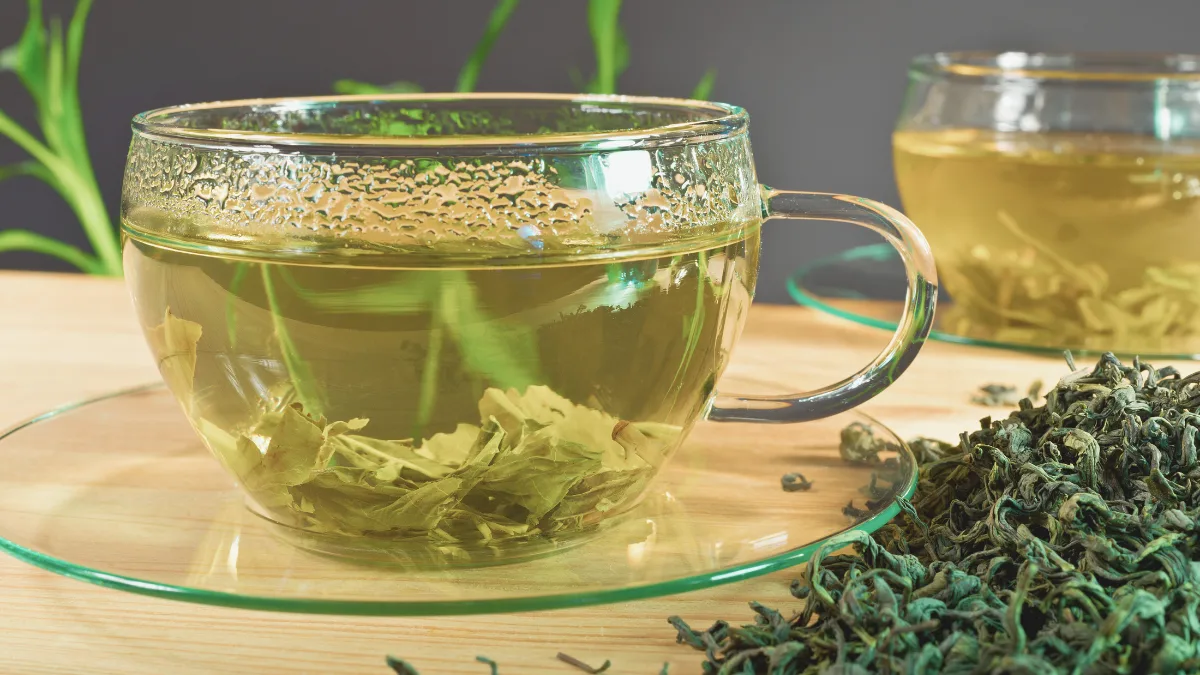
Green tea stands out as a powerful ally for liver health in our plastic-filled world. The catechins in green tea, particularly EGCG, bind to heavy metals that often hitch rides on microplastic particles.
This binding action prevents these toxins from damaging sensitive liver tissue. Your liver can then process these bound compounds more easily, reducing their harmful effects.
Drinking green tea regularly helps reduce fat accumulation in the liver, maintaining its efficiency as your body’s primary filtration system.
The antioxidants in green tea also help quench the oxidative stress caused when microplastics trigger inflammatory reactions. This protection is crucial as we face increasing exposure to plastic particles in our environment.
Three cups daily provide optimal benefits for most people. Allow your tea to steep for 3-5 minutes to extract the maximum amount of beneficial compounds. You can enjoy it hot or cold, plain or with a touch of honey or lemon.
This simple habit creates a shield against the constant barrage of microplastics your liver must process from modern life.
6. Walnuts
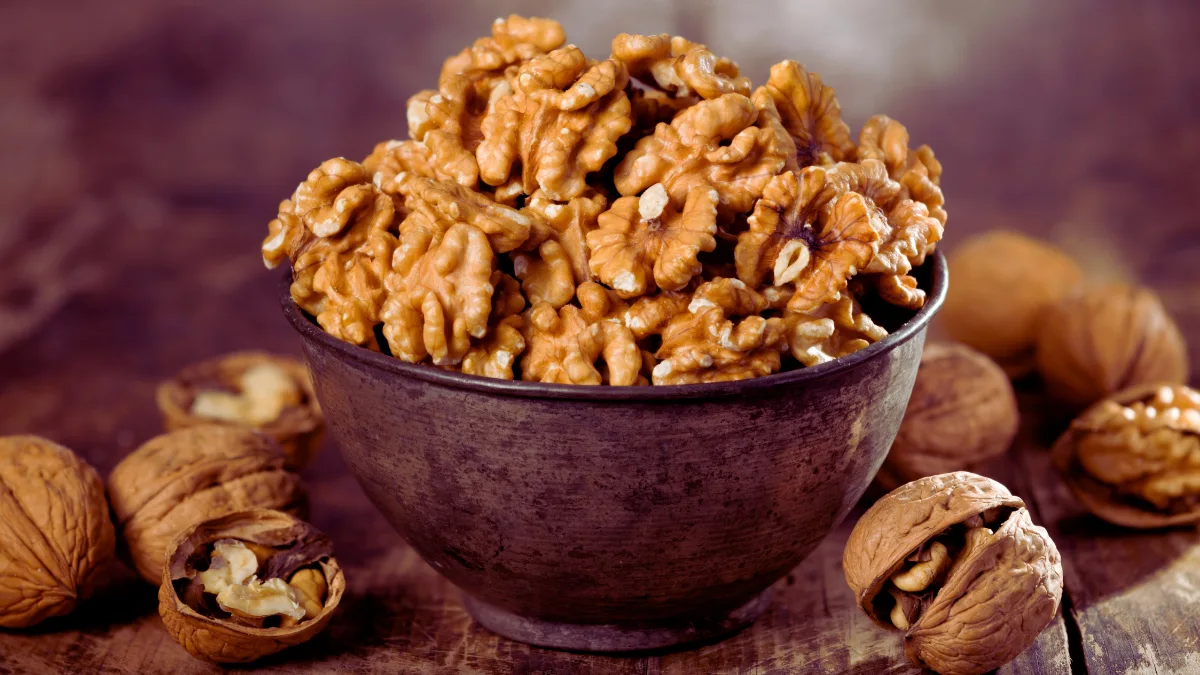
These brain-shaped nuts pack incredible power against microplastics through their omega-3 fatty acids, glutathione, and arginine content. Your liver uses these compounds to neutralize harmful particles before they can cause damage.
The unique combination of nutrients in walnuts supports glutathione production—often called the body’s master antioxidant—which plays a key role in detoxification.
Walnuts reduce the ammonia load on your liver, giving it more resources to fight microplastic exposure. The healthy fats in walnuts also help repair cell membranes that may be damaged by plastic particles.
This repair function keeps your liver cells working efficiently even when under stress from environmental toxins.
A small handful daily provides significant liver support. You can add them to oatmeal, yogurt, or salads for a satisfying crunch with benefits.
Their slightly bitter skin contains some of the most potent compounds, so eat them whole when possible. Your liver silently processes everything you encounter, and walnuts give it extra ammunition against the invisible threat of microplastics.
7. Garlic
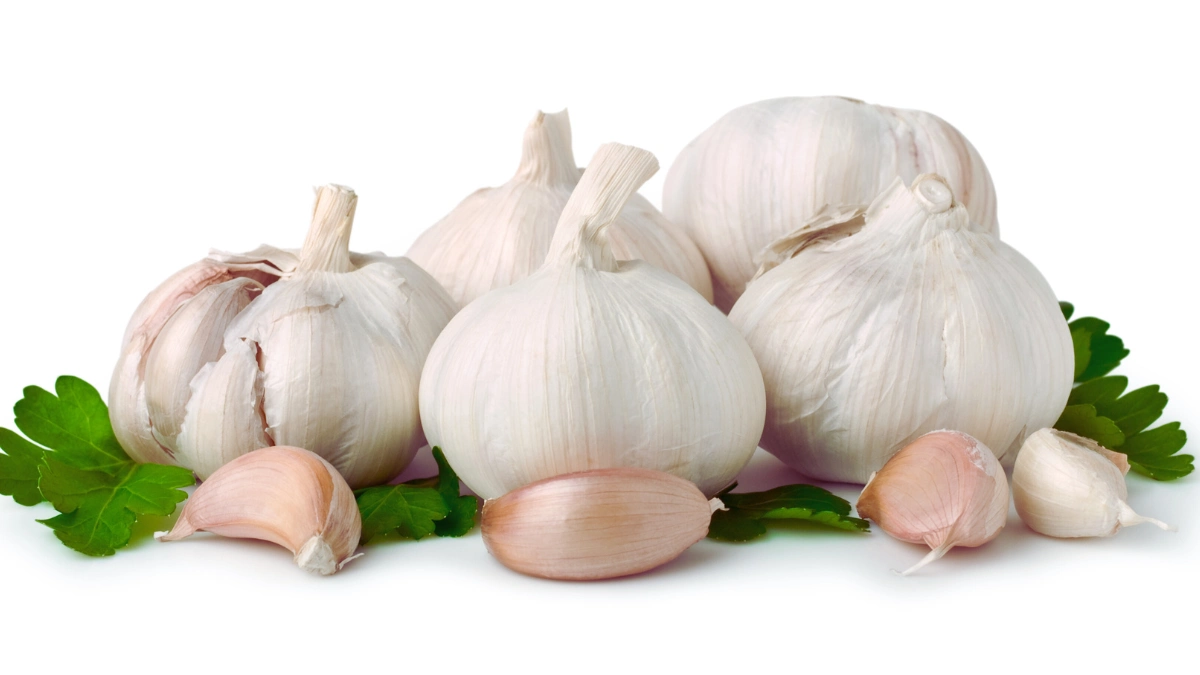
This pungent bulb contains powerful compounds like allicin, selenium, and sulfur that activate liver enzymes crucial for breaking down toxins.
Your liver relies on these enzymes to neutralize harmful substances, including those from microplastic exposure. Garlic also helps reduce fat buildup in liver cells, keeping this vital organ functioning at its best.
A study published in MDPI discovered that allicin in garlic reduced oxidative stress and liver damage in mice exposed to polystyrene microplastics.
Scientists found that garlic’s sulfur compounds enhanced the production of metallothionein, a protein that binds to heavy metals often carried by microplastics.
Crushing or chopping garlic and letting it sit for 10 minutes before cooking maximizes its beneficial compounds. Try adding it to sautéed vegetables, soups, or homemade salad dressings.
Even a small amount—one or two cloves daily—provides significant protection. Raw garlic offers the most benefits, but cooked garlic still supports liver health while being gentler on your digestive system.
8. Apples
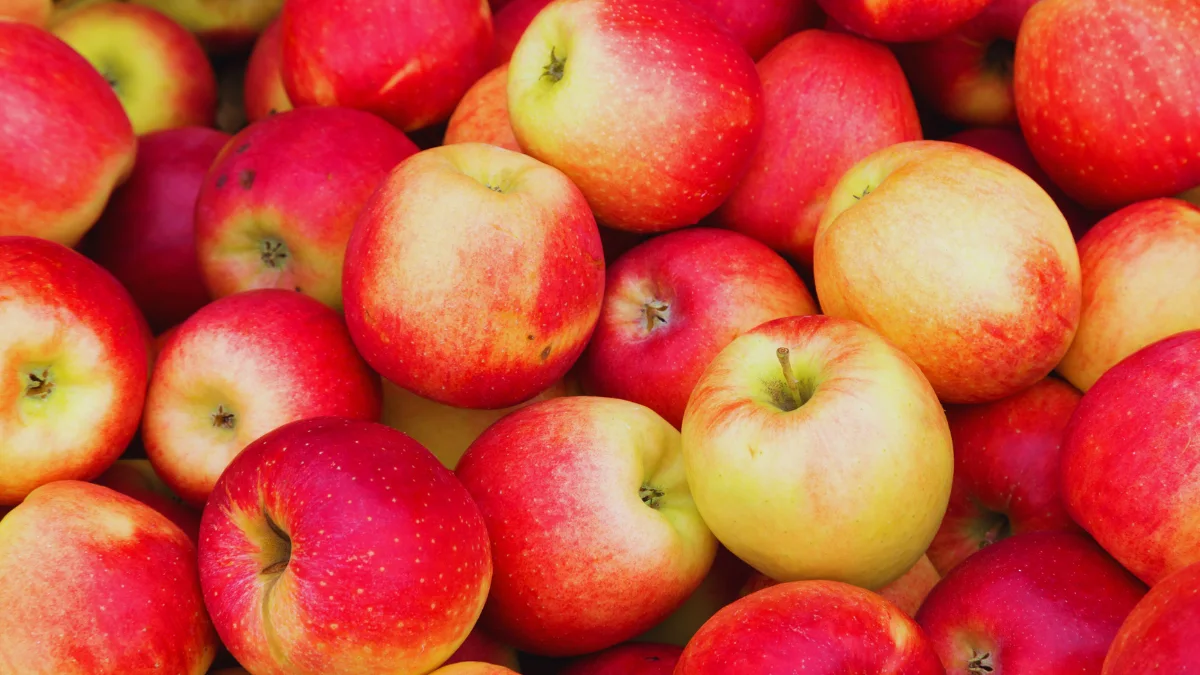
The old saying about keeping doctors away holds when fighting microplastics too. Apples contain pectin, a type of soluble fiber that acts like a sponge for toxins in your digestive tract.
This helps prevent harmful particles from reaching your liver in the first place. The quercetin in apples works as a powerful antioxidant, protecting liver cells from damage.
Pectin binds to bile acids, which help remove toxins through your digestive system before they can be reabsorbed.
Your liver produces bile to break down fats, but this same substance can carry microplastic toxins back into your bloodstream if not properly eliminated. Apples interrupt this cycle, supporting the complete removal of these harmful substances.
Eating one apple daily, with the skin on, provides outstanding support for your liver’s detoxification efforts. The skin contains much of the quercetin and fiber, so washing thoroughly rather than peeling gives you maximum benefits.
Try slicing them into salads, baking them with cinnamon, or simply enjoying them as a convenient snack. Their natural sweetness satisfies cravings while their compounds work behind the scenes to protect your liver.
9. Beets
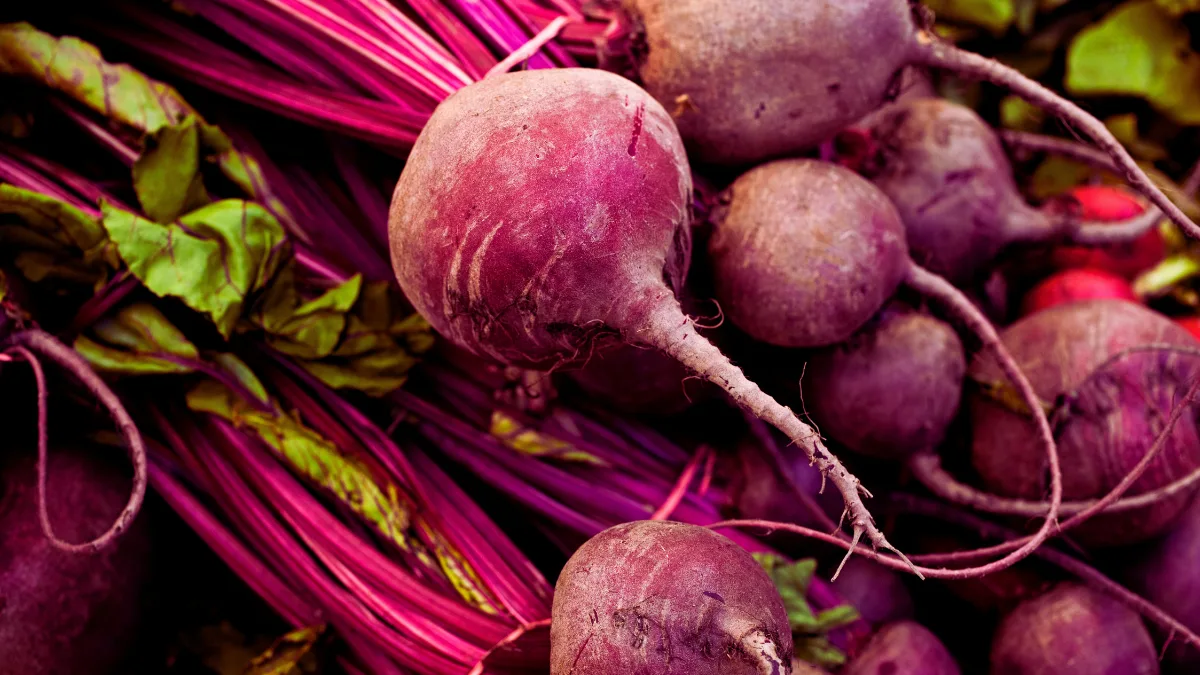
The deep red color comes from betalains, potent compounds that help repair and regenerate liver cells damaged by exposure to environmental toxins like microplastics.
Your liver appreciates how beets stimulate bile flow, which carries toxins out of your body more efficiently. This natural flushing action helps prevent harmful substances from accumulating.
Beets contain nitrates that improve blood flow to the liver, enhancing its ability to filter out toxins. Better circulation means more oxygen and nutrients reach your liver cells, supporting their detoxification work.
The compounds in beets specifically target phase II detoxification pathways, which transform harmful substances into water-soluble forms your body can eliminate.
Roast them whole, grate them raw onto salads, or blend them into smoothies for liver-loving benefits. Their natural sweetness pairs well with carrots and apples in fresh juices.
Even a small serving twice weekly gives your liver extra tools to combat microplastic exposure. Some people notice red urine after eating beets—this harmless effect called beeturia simply shows these powerful compounds are moving through your system.
10. Flaxseeds

These tiny seeds pack a powerful punch against microplastics with their lignans, soluble fiber, and omega-3 fatty acids. Your liver uses these nutrients to reduce inflammation caused by environmental toxins.
The mucilage (gel-forming fiber) in flaxseeds helps trap toxins in your digestive tract for elimination, preventing them from reaching your liver.
A study in NIH revealed that flaxseed lignans reduced gut absorption of microplastics in zebrafish by strengthening the mucosal barrier function.
Researchers discovered that the fiber in flaxseeds binds to endocrine-disrupting chemicals like BPA that are often transported by microplastics.
Grinding flaxseeds just before eating makes their nutrients more available to your body. Try sprinkling them on cereal, or yogurt, or adding them to smoothies and baked goods. Just two tablespoons daily provide significant liver protection.
Store them in the refrigerator to preserve their delicate oils. Your liver works constantly to filter toxins, and flaxseeds offer essential support in our increasingly plastic-filled environment.
11. Lemons

Citrus power helps your liver fight microplastics through vitamin C and limonene, a compound found in the peel.
Starting your day with lemon water stimulates bile production, which helps flush toxins from your body before they can cause damage. Your liver uses bile to break down fats and carry away harmful substances that might otherwise accumulate.
The vitamin C in lemons helps regenerate glutathione, one of your body’s most important antioxidants for neutralizing toxins from microplastics.
Lemons also help alkalize your internal environment after digestion, creating optimal conditions for detoxification pathways to function. This citrus fruit supports both phases of liver detoxification, making it a complete helper in the battle against environmental pollution.
Try adding fresh lemon juice to water throughout the day or squeezing it over salads and fish dishes. Using the zest in cooking captures the limonene content, which offers additional protective benefits.
Even small amounts daily can help your liver process the constant barrage of microplastics we encounter in modern life. Your body will thank you as this simple fruit works quietly to support your main detoxification organ.
12. Avocados
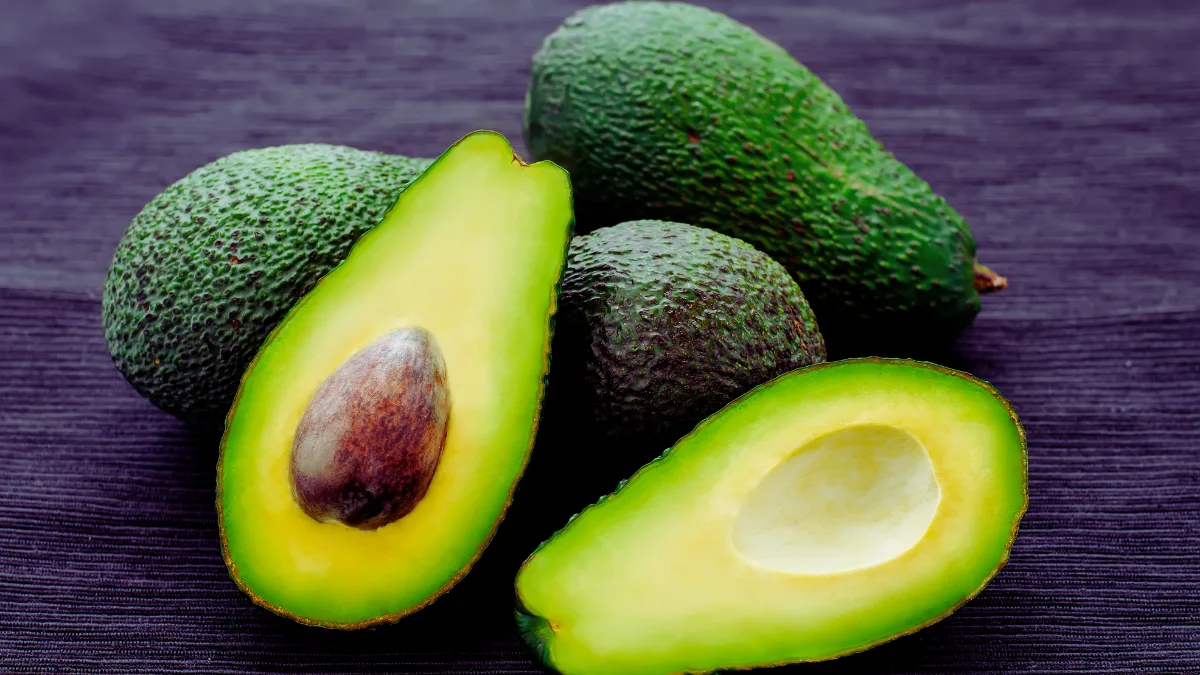
This creamy fruit offers built-in protection against microplastics through its rich glutathione content. Your liver uses glutathione as a primary defense against toxins, and avocados deliver it in a form your body can easily use.
The monounsaturated fats in avocados help repair liver cells that may be damaged by plastic particles, maintaining your detoxification capacity.
Eating avocados reduces hepatic inflammation triggered by environmental toxins. Your liver processes everything that enters your bloodstream, and avocados provide nutrients that help it handle this massive job more efficiently.
The healthy fats in avocados can reduce the absorption of fat-loving toxins that often hitchhike on microplastics.
Spread avocado on toast, add it to smoothies for creaminess, or enjoy it in salads and wraps. Half an avocado several times weekly gives your liver significant support against microplastic damage.
Your body stores many toxins in fat tissue, but avocados help mobilize and eliminate these stored toxins safely. Their combination of fiber and healthy fat creates the optimal conditions for your liver to process environmental pollutants.
13. Ginger
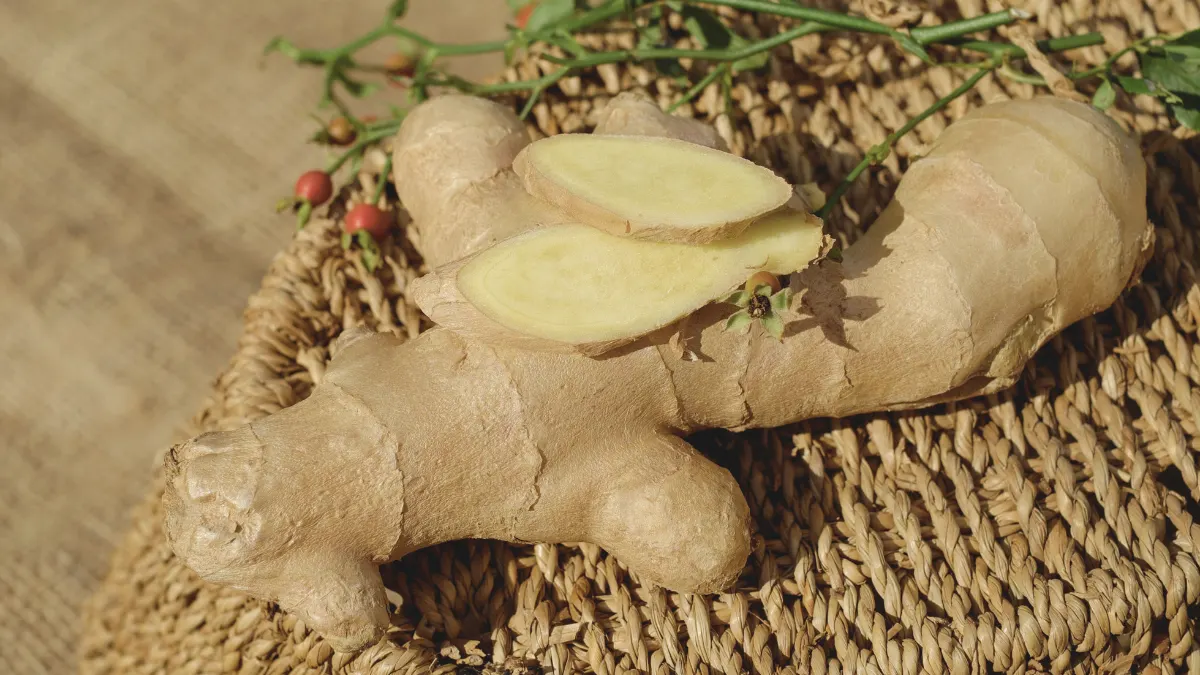
This spicy root contains gingerols and zingerone, compounds that actively fight the inflammation caused by microplastic exposure.
Your liver becomes inflamed when exposed to foreign particles, and ginger helps calm this response. The aromatic compounds in ginger improve bile flow, helping your body eliminate toxins more efficiently before they can cause damage.
Consuming ginger regularly helps prevent liver fibrosis—the formation of scar tissue that can result from chronic exposure to environmental toxins like microplastics.
Your liver needs to maintain its smooth, healthy tissue to function properly, and ginger supports this goal. The antioxidants in ginger also counteract oxidative stress, a major mechanism by which microplastics harm liver cells.
Fresh ginger can be steeped in hot water for tea, added to stir-fries, or blended into smoothies. Grating a small amount into soups or sauces adds both flavor and protective benefits.
Even cooking with dried ginger powder provides some liver support. Your body faces constant challenges from plastic pollution, and ginger offers a tasty way to build resilience against this modern threat.
14. Artichokes
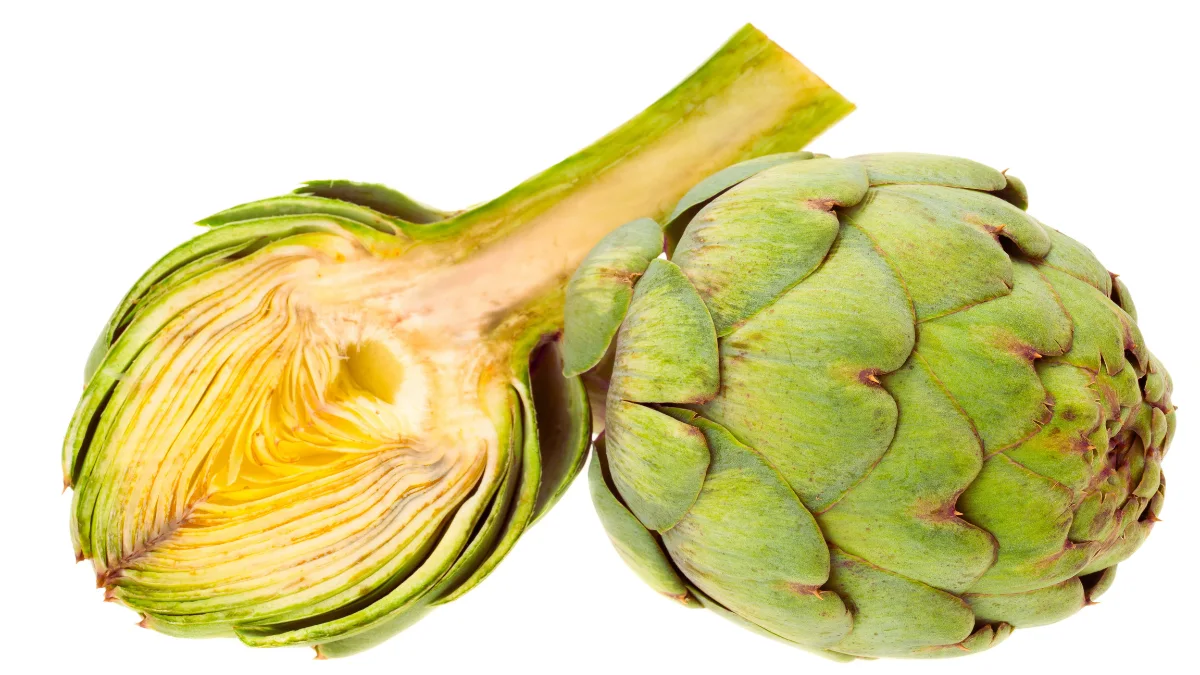
These unique vegetables contain cynarin and silymarin, compounds that increase bile production and protect liver cells from damage.
Your liver uses bile to carry toxins out of your body, making artichokes particularly helpful for eliminating microplastic-related chemicals. The increased bile flow also helps prevent gallstones, which can interfere with proper liver function.
Silymarin in artichokes creates a protective barrier around liver cells, blocking the uptake of toxins that might otherwise cause damage.
Your liver cells can become overwhelmed by constant exposure to environmental pollutants, but artichokes help lighten this toxic load. The fiber in artichokes also supports healthy gut bacteria, improving the gut-liver axis that’s crucial for overall detoxification.
Try steaming whole artichokes and dipping the leaves in olive oil, or using canned artichoke hearts in salads and pasta dishes.
Even artichoke extract supplements provide beneficial compounds for liver health. Your detoxification systems work continuously to process microplastics, and artichokes provide specialized support for this increasingly important job. Their unique flavor makes them an interesting addition to meals with serious health benefits.
15. Fermented Foods
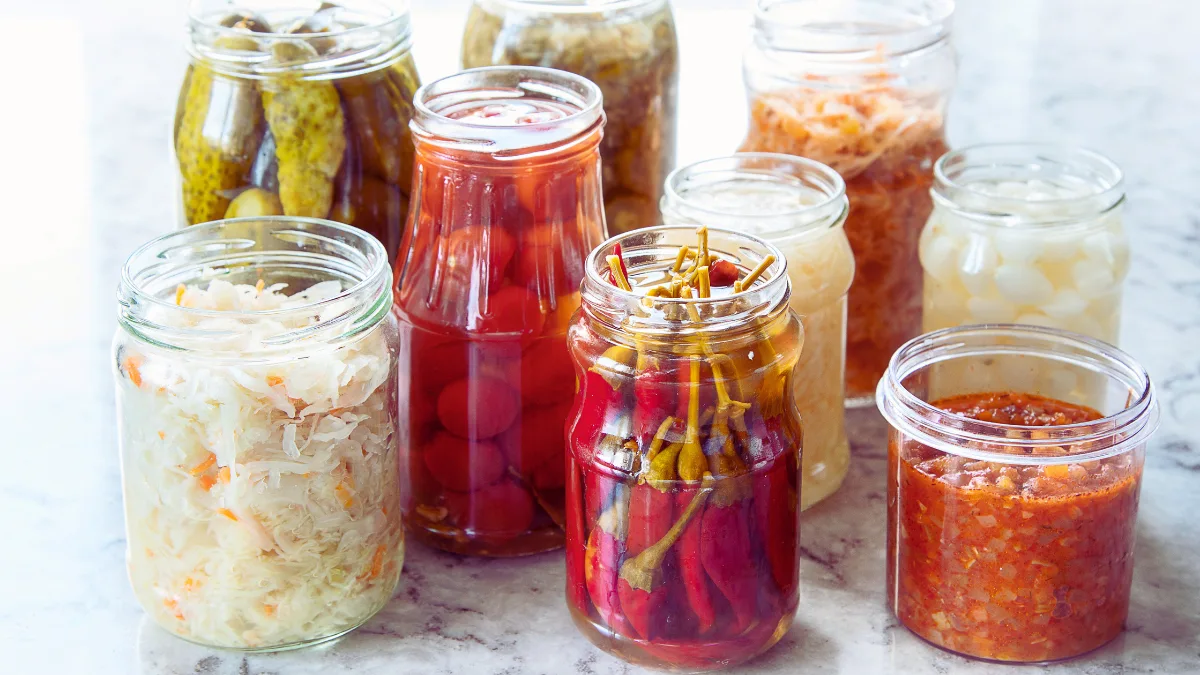
Kimchi, sauerkraut, and other fermented foods contain probiotics and short-chain fatty acids that improve communication between your gut and liver.
This gut-liver axis plays a crucial role in how your body handles toxins from microplastics. Your gut bacteria help break down potentially harmful substances before they reach your liver, reducing its workload.
Fermented foods reduce ammonia levels, which can otherwise drain your liver’s energy and resources. Your body produces ammonia during protein digestion, and high levels make it harder for your liver to focus on detoxifying environmental chemicals.
The beneficial bacteria in fermented foods also help strengthen gut barrier function, preventing microplastics from entering your bloodstream in the first place.
Just a spoonful of sauerkraut with meals or a small bowl of yogurt daily provides significant benefits. Look for unpasteurized versions with live cultures for maximum effect.
Many traditional cuisines include fermented foods for good reason—they help our bodies handle environmental challenges while supporting overall health.
Your microbiome and liver work together as your first line of defense against plastic pollution, and fermented foods strengthen this important partnership.