

Struggling to build muscle on a plant-based diet? Many fitness enthusiasts believe steak is essential for gains, but this myth costs you money, health, and environmental impact.
The meat industry has spent billions convincing us animal protein reigns supreme while hiding a simple truth: plants can build muscle just as effectively.
Innovative companies have created protein-packed alternatives that match or exceed steak’s muscle-building potential without the downsides.
From fungi-based proteins to soy innovations, these 10 options prove you can get ripped without the cow. Saving your heart, wallet, and planet.
1. Impossible Lite Ground Beef

The newest addition to Impossible Foods lineup packs a serious protein punch with 21g per 4-ounce serving. Its soy-based formula successfully recreates beef’s texture while containing minimal saturated fat—just 1g compared to traditional ground beef’s much higher content.
This plant-based option received the American Heart Association’s Heart-Check certification, indicating its role in a heart-healthy diet.
What stands out about this product is its nutritional profile beyond just protein. You’ll find iron and zinc—nutrients traditionally associated with red meat—without the downsides of animal products.
The moderate sodium content (260mg) also helps make it a practical everyday protein source. Many consumers report that it browns and cooks similarly to conventional ground beef, making it straightforward to use in familiar recipes like tacos, burgers, or pasta sauces.
This versatility, combined with its nutrition stats, helps explain why even non-vegetarians have embraced this option for some meals.
2. Prime Roots’ Cracked Pepper Koji Turkey
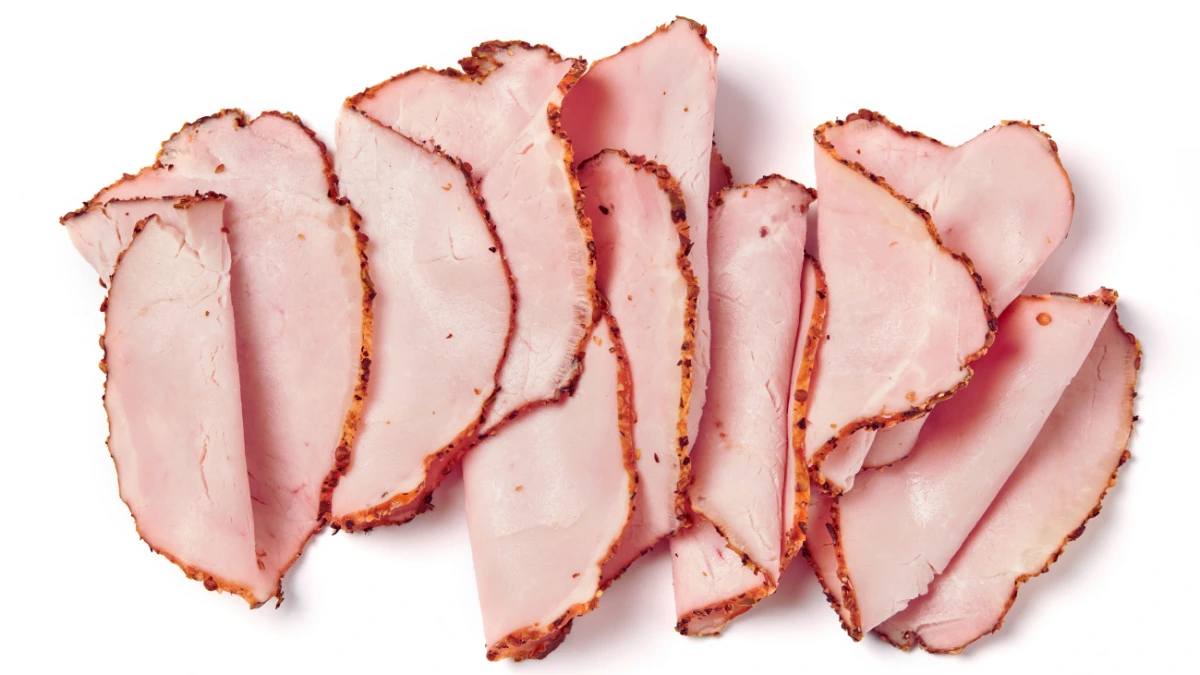
This innovative deli-style meat alternative offers 6g of protein per 2-ounce serving, using koji—Japanese fungi—as its base ingredient.
Unlike many processed plant proteins, it avoids common additives while maintaining a realistic texture that works well in sandwiches and wraps. The product also provides about 70% of daily calcium needs per serving.
Koji has been used in Asian cuisine for centuries to create umami flavors, which explains why this turkey alternative has such a satisfying taste profile.
The cracked pepper seasoning adds complexity without overwhelming the subtle koji base. Simply slice it thin for sandwiches or dice it for salads.
The gluten-free formulation makes this accessible to those with wheat sensitivities. While the protein content might seem modest compared to some alternatives, the clean ingredient list and calcium content make it a worthwhile option.
Many consumers appreciate that it doesn’t rely heavily on soy or wheat gluten like many other meat alternatives.
3. Abbot’s Butcher Ground Chorizo
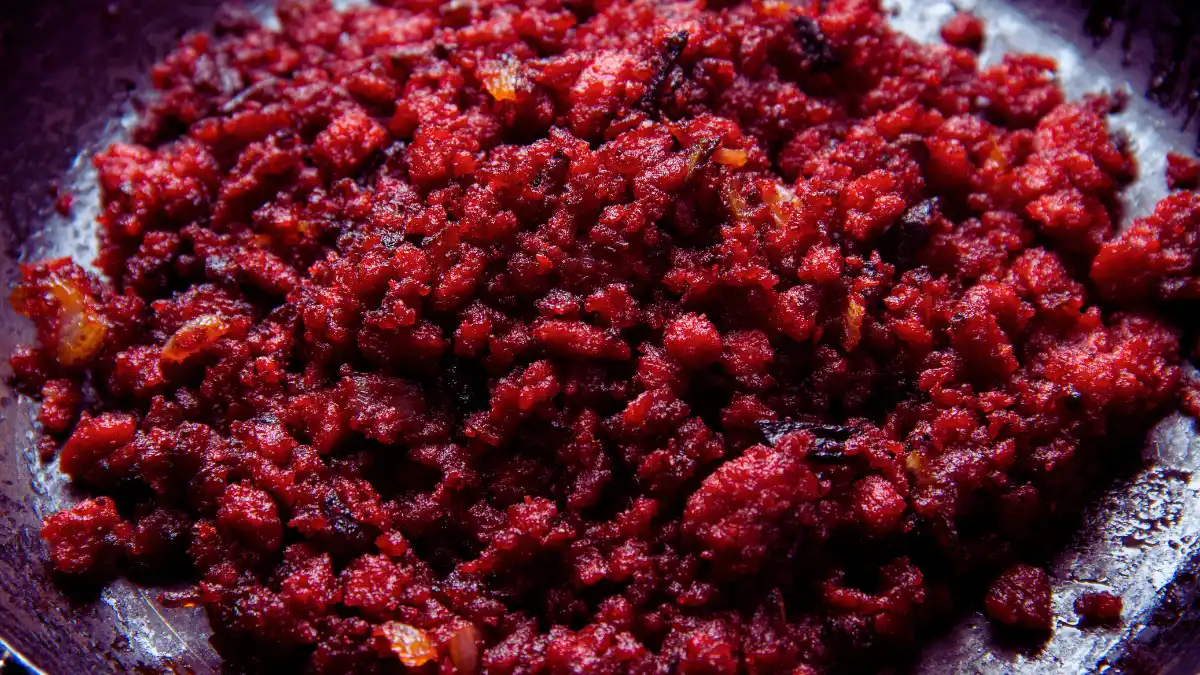
This spicy plant-based chorizo delivers 15g of protein per half-cup serving, using pea protein as its foundation.
Compared to traditional pork chorizo, it contains significantly lower sodium (570mg) while still offering bold, authentic flavors through a blend of spices. The product contains no antibiotics, hormones, or other animal-related concerns.
The iron content makes this chorizo alternative particularly valuable for those monitoring their intake of this essential mineral.
Its texture holds up well during cooking, allowing it to work in tacos, breakfast scrambles, or as a pizza topping. Many users note that it crumbles and browns similar to conventional chorizo.
Pea protein serves as an excellent base due to its neutral flavor that readily absorbs the chorizo seasonings. This product works particularly well when you need a protein option with built-in flavor, saving time on seasoning.
The company focuses on simple ingredients, avoiding artificial preservatives and flavors that often appear in processed meats.
4. Daring Original Plant Chicken Pieces
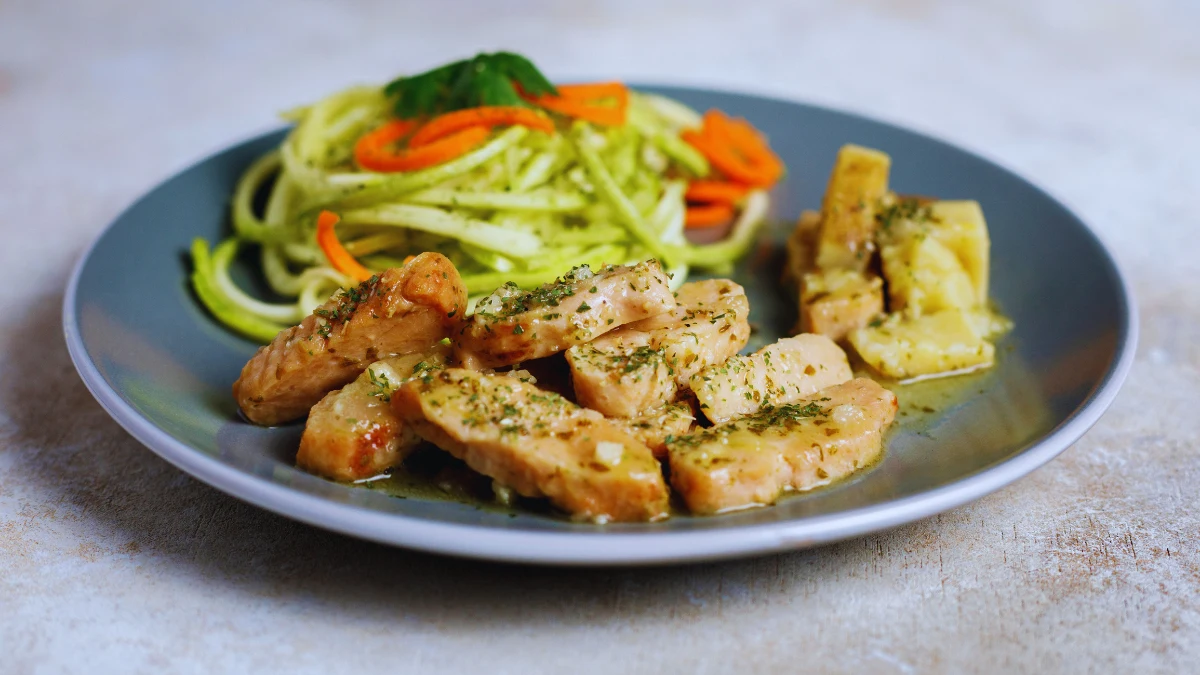
These chicken-like pieces contain 14g of protein per 2.5-ounce serving, offering both soy-free and gluten-free nutrition.
The product includes 5g of fiber—something absent from animal-based chicken—while maintaining a convincing texture that shreds and pulls apart like conventional chicken breast.
Cooking these pieces proves straightforward with several methods yielding good results. They absorb sauces and marinades effectively, making them adaptable to cuisines ranging from Asian stir-fries to Italian pasta dishes.
The neutral flavor profile allows them to work across various recipe styles without competing with other ingredients.
Many athletes and fitness enthusiasts gravitate toward this product because of its clean ingredient list and favorable macronutrient ratio.
The pieces come ready to cook, eliminating the food safety concerns associated with raw chicken. This convenience factor, combined with the nutritional benefits, explains why this product has found its way into many weekly meal rotations.
5. Upton’s Naturals Original Jackfruit
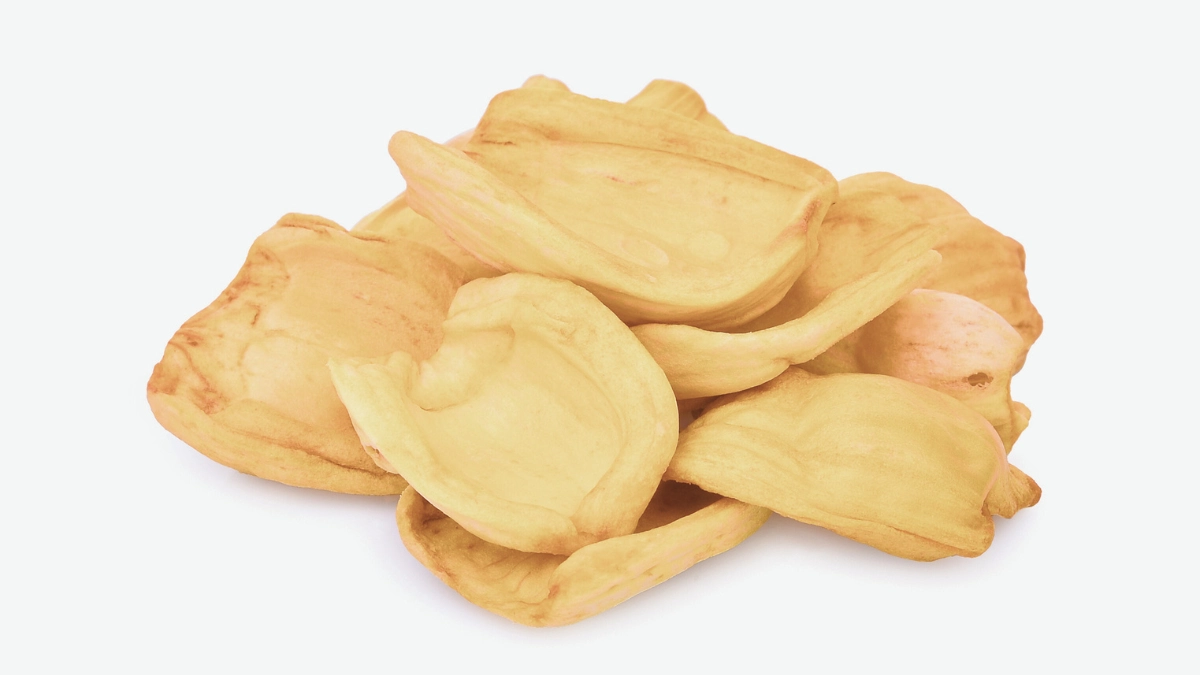
This unique plant-based option contains just 1g of protein per 2.65-ounce serving, yet earns its place on this list through other qualities.
The young jackfruit’s fibrous texture naturally mimics pulled meat when cooked, making it visually and texturally satisfying in dishes traditionally made with shredded meat. Each serving provides 3g of fiber and significant potassium.
Jackfruit absorbs flavors exceptionally well, allowing it to take on whatever seasonings you apply. This product comes pre-prepared, solving the messy challenge of breaking down fresh jackfruit.
For protein-focused meals, combining it with beans or lentils creates complete nutrition while maintaining a meat-like eating experience.
The fruit grows abundantly in tropical regions, requiring fewer resources than livestock production. This sustainability aspect attracts environmentally conscious consumers.
While not protein-rich on its own, jackfruit serves as an excellent “carrier” for protein-packed sauces and accompaniments, making it a smart component in balanced plant-based meals.
6. Sweet Earth Taco Chik’n Plant-Based Pieces

These seasoned soy-based pieces provide 16g of protein per ¾ cup serving, making them a substantial option for muscle building.
Pre-seasoned with taco spices, they save cooking time while delivering authentic flavors. Most impressive is their potassium content, offering 20% of daily needs while keeping sodium levels (340mg) lower than typical seasoned meat products.
Using these pieces couldn’t be simpler in tacos, burritos, or taco salads. The texture holds up well during cooking, maintaining a satisfying bite that won’t become mushy.
Many users appreciate how quickly meals come together—just heat and add your favorite toppings for a protein-rich meal in minutes.
Soy protein forms the foundation here, providing all the essential amino acids your body needs for muscle repair and growth. The balance of spices eliminates the need for additional seasoning, though you can easily customize it with extra heat if desired.
This convenience factor, combined with the solid nutrition profile, makes these pieces a practical weeknight solution for quick, protein-focused meals.
7. Mycoprotein (Quorn)
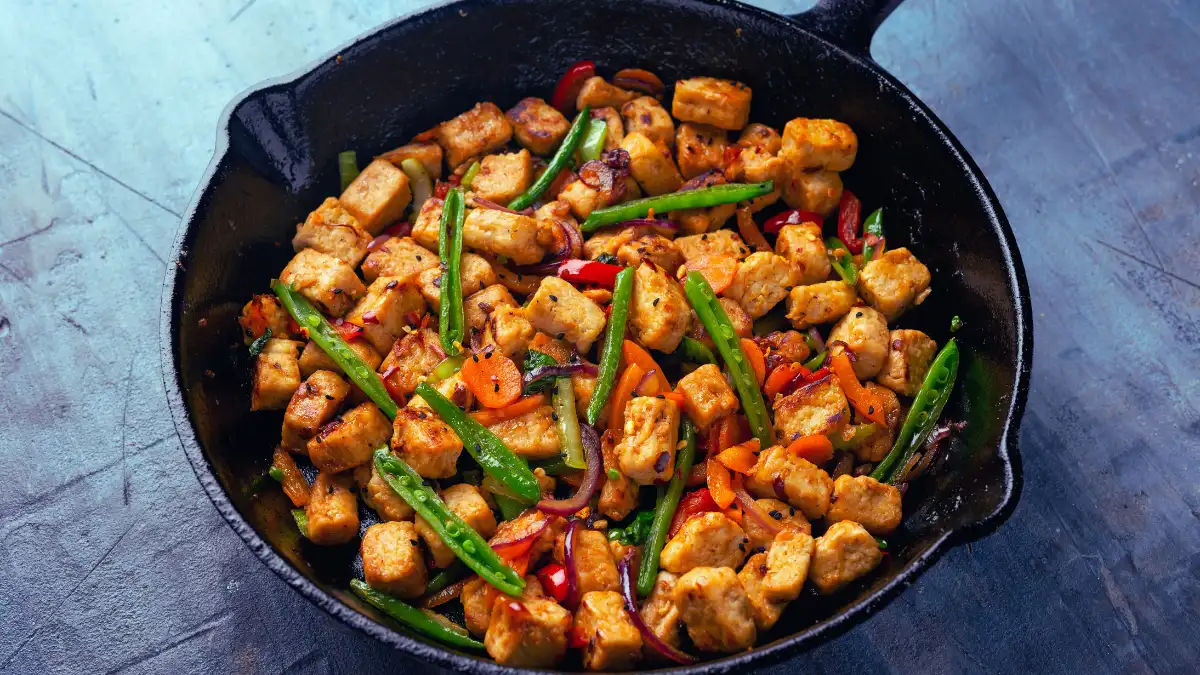
With 15g of protein per ½ cup cooked serving, this fungi-derived protein source offers outstanding muscle-building potential.
Originally developed to address global protein shortages, mycoprotein has evolved into a mainstream option with a surprisingly meat-like texture. The fermentation process creates a fibrous structure similar to chicken or turkey.
Mycoprotein supports muscle hypertrophy effectively through its complete amino acid profile. Athletes following plant-based diets often report similar strength and mass gains compared to their omnivorous counterparts when incorporating mycoprotein regularly.
The unique protein structure appears to be highly bioavailable and easily utilized by muscle tissue. Quorn products typically feature mycoprotein as their base ingredient, available in various forms from grounds to cutlets.
The complete amino acid profile rivals animal proteins, with no cholesterol and minimal saturated fat. Many athletes report excellent digestibility and satiety, making this an increasingly popular choice in sports nutrition.
8. MorningStar Veggie Original Sausage Patties
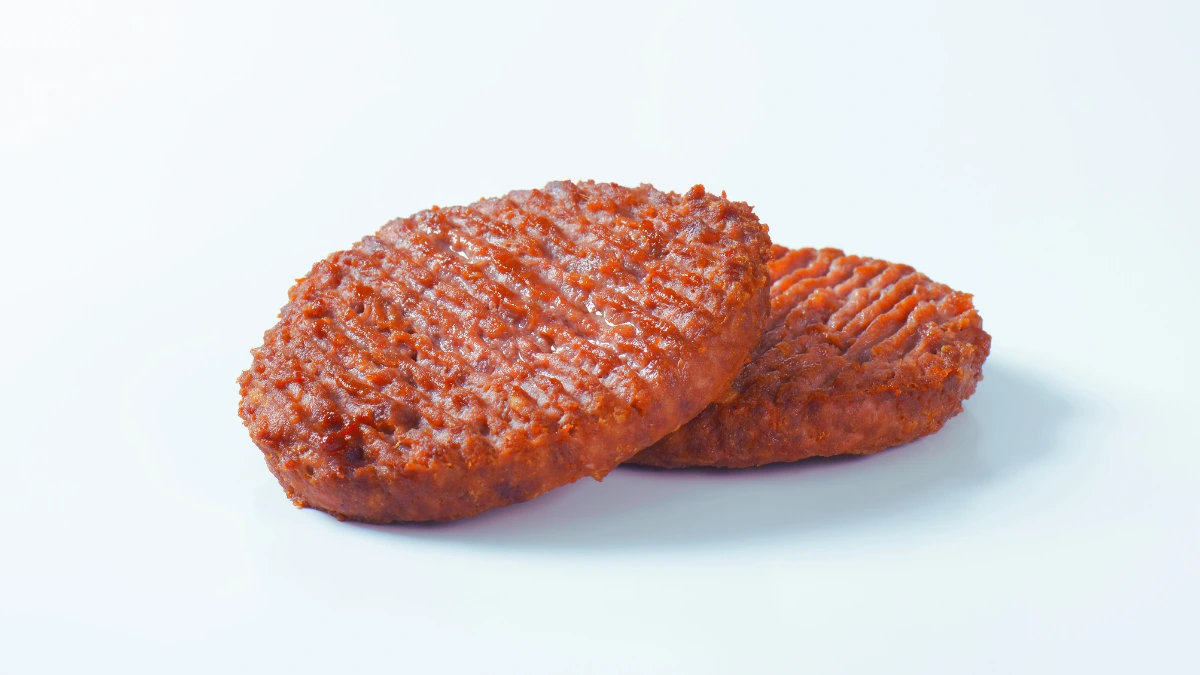
These breakfast-friendly patties deliver 9g of protein each while containing zero saturated fat and modest sodium (230mg).
Such nutritional stats make them significantly heart-healthier than traditional pork sausage patties. The fortified iron content adds particular value for plant-based eaters watching their mineral intake.
Cooking them requires just minutes in a skillet or microwave, creating a crisp exterior with a savory interior. Their texture successfully mimics conventional sausage without the greasiness that often accompanies animal-based versions.
Many consumers report they satisfy meat cravings effectively, especially when served alongside traditional breakfast companions like eggs or toast.
The patties contain a blend of plant proteins and grains that work together to create complete nutrition. This variety of protein sources ensures a broader amino acid profile than single-source options.
For muscle recovery after morning workouts, these patties provide quick, portable protein that doesn’t require extensive preparation—a practical solution for busy athletes and fitness enthusiasts.
9. Beyond Burger Patty

Each patty contains an impressive 21g of protein while supplying 100% of daily vitamin B12 requirements—a nutrient typically associated with animal products and often supplemented by plant-based eaters.
The pea protein base provides a complete amino acid profile, while beet juice creates a realistic “bleeding” effect that satisfies former beef eaters.
Cooking these burgers produces results remarkably similar to beef—they sizzle, brown, and develop a caramelized exterior.
The fat content comes in at 35% less than beef burgers, with significantly lower saturated fat. This favorable fat profile supports cardiovascular health while the protein content supports muscle maintenance and growth.
Many strength athletes and bodybuilders have incorporated these patties into their nutrition plans with positive results.
The combination of protein quality, B12 fortification, and satisfying texture makes this a practical option for plant-based muscle building.
Users report feeling properly fueled for workouts without the digestive heaviness sometimes associated with beef consumption.
10. Pea Protein Blends

Commercial blends typically offer 20-25g of protein per serving, often combining pea protein with rice, hemp, or other complementary sources.
This strategic combination ensures all essential amino acids appear in optimal ratios. Pea protein itself contains approximately 8% leucine—a crucial amino acid that triggers muscle protein synthesis.
Athletes have long known that varied plant protein sources create superior results compared to single-source proteins.
The amino acid profiles complement each other, filling gaps that might exist in individual ingredients. Pea protein’s naturally high leucine content makes it particularly valuable for muscle building when combined with complementary proteins.
These blends work exceptionally well in smoothies, oatmeal, or baked goods, adding substantial protein without overpowering flavors.
Many formulations include digestive enzymes to maximize absorption. Athletes report effective recovery and muscle support when using these blends consistently.
The neutral taste of most pea-based formulations makes them adaptable to various recipes, unlike some plant proteins with stronger flavor profiles.