

1. Blueberries

Blueberries pack a powerful punch for brain health through their rich anthocyanin content. These antioxidants work by strengthening the communication between brain cells while fighting off harmful oxidative stress that damages neural tissue.
You can easily include blueberries in your daily routine by adding them to morning yogurt, blending them into smoothies, or simply enjoying them as a snack.
Fresh or frozen options work equally well, giving you flexibility year-round to access their brain-boosting properties.
What makes blueberries particularly valuable is their accessibility and versatility. The natural sweetness makes them appealing even to picky eaters, and their small size allows for convenient consumption anywhere.
Regular intake can help support both short-term cognitive function and long-term brain health, making them an excellent choice for anyone looking to enhance their memory capacity.
2. Fatty Fish (Salmon, Sardines)

Salmon, sardines, and other fatty fish contain essential omega-3 fatty acids that your brain craves. These nutrients form a crucial part of brain cell membranes and help reduce inflammation throughout the nervous system.
The DHA and EPA found in these fish support gray matter volume in the brain, which plays a key role in memory formation and emotional regulation.
Fish consumption 2-3 times weekly provides enough of these vital compounds to notice improvements in cognitive function. Preparation can be simple—grilling or baking with herbs and lemon preserves the beneficial oils.
Many people notice improved focus and mental clarity when regularly consuming fatty fish. The omega-3s work gradually but effectively to support overall brain structure and function.
Cold-water fish options give you plenty of variety to choose from, making it easier to maintain this brain-healthy habit over time.
3. Dark Chocolate

Dark chocolate with 70% or higher cocoa content offers serious benefits for brain function. The flavonoids in cocoa increase blood flow to critical brain regions and stimulate the growth of new neurons, which helps with learning and memory tasks.
Eating just one or two squares daily provides enough of these compounds to support cognitive health without excess sugar or calories.
The slight bitterness of high-quality dark chocolate comes from the very compounds that help your brain work better. Many people find that having a small piece during afternoon study or work sessions helps maintain focus.
Beyond direct brain effects, dark chocolate also improves mood and supports gut bacteria diversity, which research shows indirectly boosts mental performance through the gut-brain connection.
This makes it a true multi-tasker for cognitive support, offering immediate and long-term benefits from a food most people enjoy consuming.
4. Walnuts
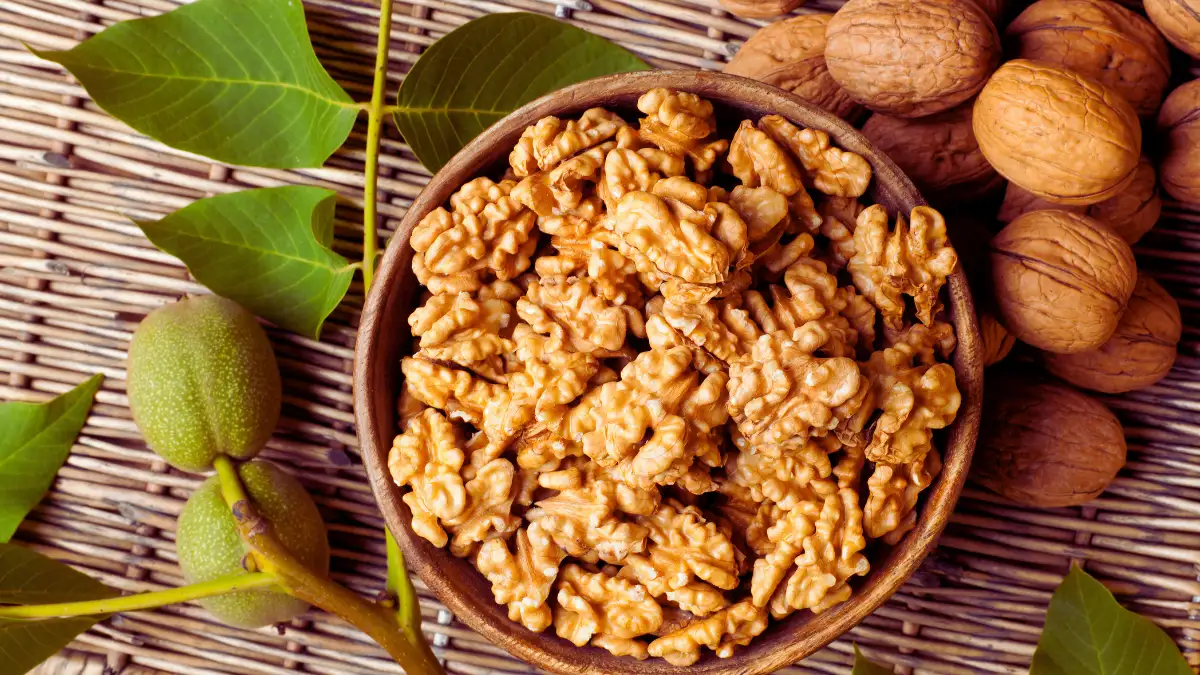
Walnuts stand out among nuts for their exceptional brain benefits. Looking remarkably like tiny brains themselves, these nuts contain high amounts of DHA (a plant-based omega-3) and vitamin E that help protect neurons from oxidative damage.
A small handful of walnuts daily provides significant support for memory and cognitive processing. They work by reducing inflammation in the brain and supporting the structure of neural cell membranes.
Mixed into oatmeal, sprinkled on salads, or eaten alone as a snack, walnuts offer an easy way to get brain-supporting nutrients.
Their combination of healthy fats, antioxidants, and protein makes walnuts particularly effective for sustained brain energy.
Unlike simple carbohydrates that cause energy spikes and crashes, walnuts provide steady fuel for thinking and memory tasks. The pleasant snap and mild taste attract even people who usually avoid foods that benefit the brain.
5. Eggs

Eggs contain abundant choline, a nutrient that serves as a building block for acetylcholine, one of the key neurotransmitters involved in memory storage and recall.
Your brain needs this compound to form new memories and maintain clear thinking. The versatility of eggs makes them easy to include in your diet.
Scramble them with vegetables for breakfast, hard-boil them for portable snacks, or add them to grain bowls for lunch or dinner.
Both the white and yolk offer different benefits, with most of the choline concentrated in the yolk. Consuming eggs regularly helps maintain the integrity of brain cell membranes while supporting overall cognitive function.
They provide complete protein along with their memory-enhancing properties, making them an efficient food for brain health.
Most people notice improved mental clarity and ability to recall information when they include eggs several times weekly in their eating patterns.
6. Broccoli

Broccoli delivers exceptional brain benefits through its unique combination of vitamin K and sulforaphane. These compounds support the formation of specialized fats called sphingolipids that form the protective covering around nerves in your brain.
You can maximize broccoli’s brain-boosting potential by lightly steaming it, which preserves its nutrients while making them more available for absorption.
Adding it to stir-fries, roasting it with olive oil, or blending it into soups provides variety in how you consume this powerful vegetable.
The anti-inflammatory properties of broccoli help protect brain cells from damage while supporting healthy brain function as you age.
For best results, try to include it or other cruciferous vegetables several times weekly. The deep green florets signal the presence of the very compounds that make broccoli so valuable for cognitive health and memory support.
7. Coffee

Coffee does more than just wake you up in the morning—it enhances your brain’s ability to form memories. The caffeine blocks adenosine, a chemical that makes you feel tired, allowing your neurons to fire more efficiently and your mind to stay alert.
A 2011 study found that moderate caffeine intake (75-250 mg) significantly improves short-term memory and reaction times.
Researchers noted that participants performed better on memory tasks after consuming about one to two cups of coffee.
Long-term coffee drinkers also show lower risks of developing Alzheimer’s and Parkinson’s diseases, likely due to coffee’s rich antioxidant content.
Limit your intake to 2-3 cups daily to avoid jitters or sleep disruption. Morning consumption works best for most people, giving your body time to process the caffeine before bedtime.
Black coffee offers the most brain benefits, as added sugar and creamers can counteract some of the positive effects through inflammation. The ritual of morning coffee can itself become a mental cue that helps your brain prepare for focused work.
8. Turmeric (Curcumin)

This bright yellow spice contains curcumin, a compound that crosses the blood-brain barrier to work directly on brain tissue. It fights inflammation in the brain and helps clear away protein buildup that can interfere with memory.
Curcumin works slowly but effectively to support long-term brain health. Your body absorbs it best when combined with black pepper and some fat, which is why traditional curry recipes often pair these ingredients.
Adding turmeric to soups, and rice dishes, or making golden milk (turmeric mixed with warm milk) provides regular exposure to its benefits.
Many people notice subtle improvements in mental clarity after several weeks of regular turmeric consumption. The anti-inflammatory effects build over time, supporting overall cognitive function.
This spice offers an easy, flavorful way to support your brain without medications or supplements. Its earthy flavor complements many foods, making it simple to include in your regular cooking routine.
9. Pumpkin Seeds
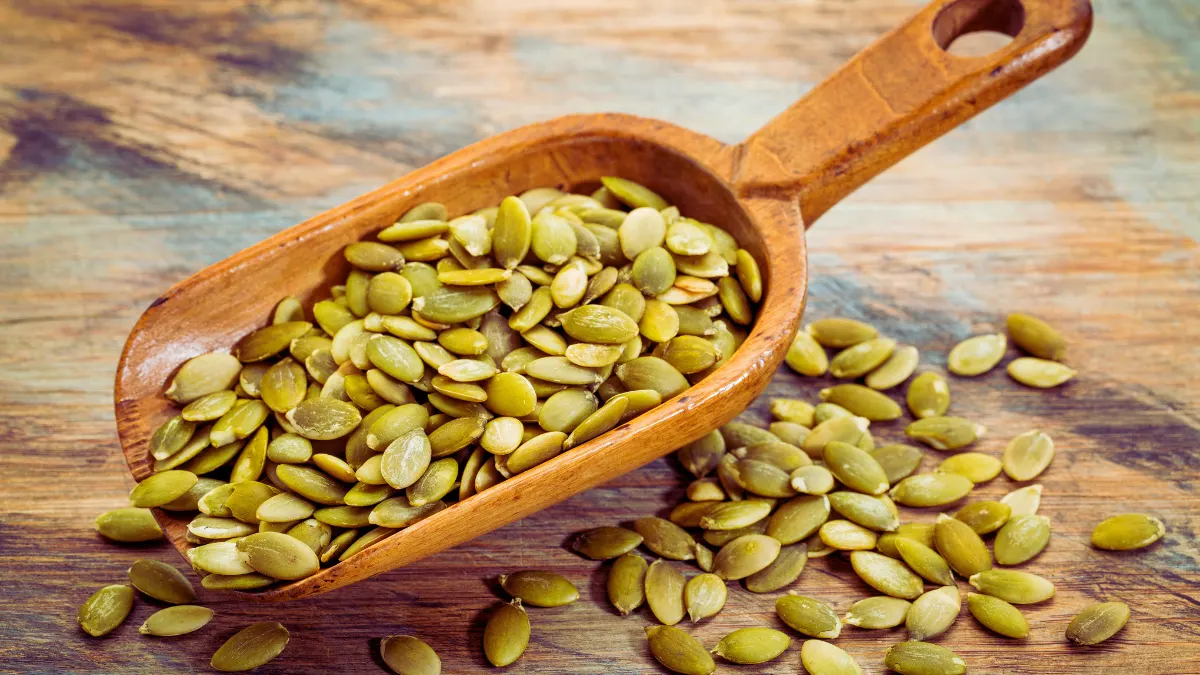
Small but mighty, pumpkin seeds contain an impressive mix of brain-supporting minerals. Zinc, magnesium, and iron work together in these seeds to support neurotransmitter function and help signals travel efficiently between brain cells.
Many people experience better focus and memory when they regularly consume these nutrient-dense seeds. A handful provides a substantial percentage of your daily zinc needs, a mineral directly linked to memory formation and cognitive processing.
Eat them roasted as a snack, sprinkled on salads, or blended into smoothies for easy incorporation into your diet.
The combination of protein and healthy fats in pumpkin seeds also helps stabilize blood sugar, preventing the cognitive fog that can come with glucose fluctuations.
Their satisfying crunch and subtle flavor make them appealing even to picky eaters. Store them in the refrigerator to preserve their delicate oils, which can become rancid at room temperature over time. This simple habit ensures you always have brain-boosting seeds ready to eat.
10. Green Tea

Green tea offers a unique combination of compounds that support mental clarity and memory. The moderate caffeine content works alongside L-theanine, an amino acid that promotes relaxation without causing drowsiness, creating a state of alert calmness ideal for learning and memory tasks.
This balanced energy boost makes green tea especially valuable during study sessions or mentally demanding work.
The experience differs notably from coffee’s effects, providing sustained focus without jitters or anxiety. Drinking 1-2 cups daily gives your brain enough of these compounds to notice improvements in attention span and information retention.
The catechins in green tea also act as powerful antioxidants that protect brain cells from damage over time. Regular consumption has been linked to lower rates of cognitive decline in aging populations.
Matcha, a powdered form of green tea, contains even higher concentrations of these beneficial compounds since you consume the whole leaf rather than just the steeped water.
11. Beets
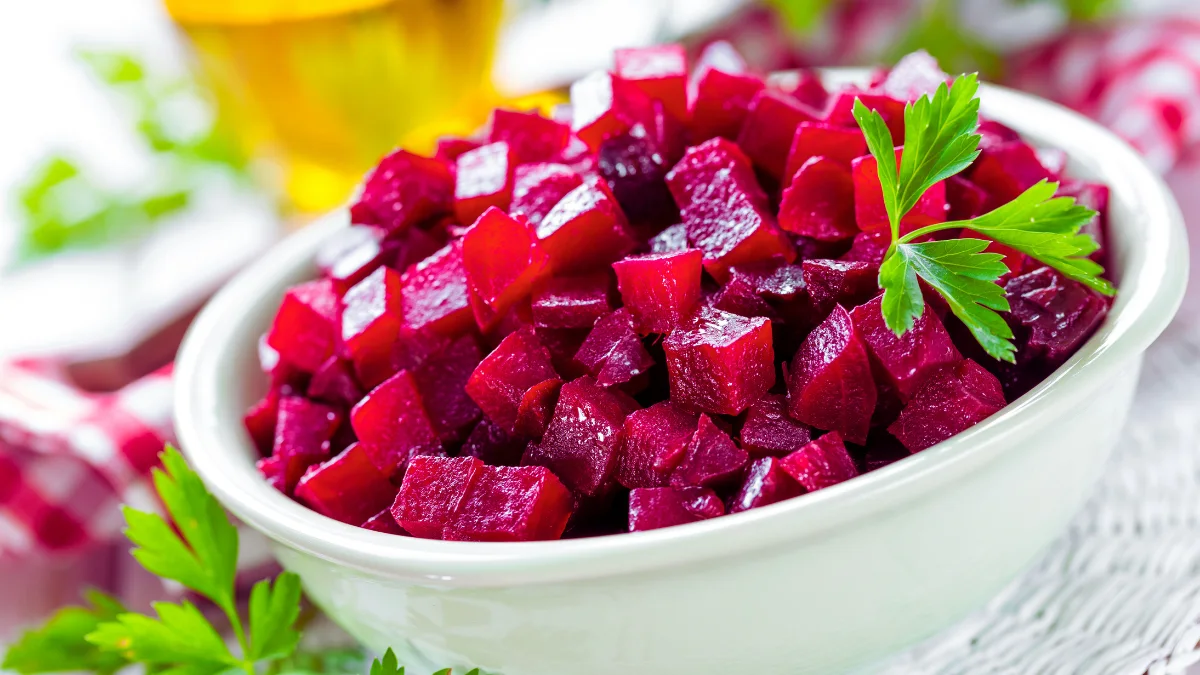
This root vegetable might not be your first thought for brain food, but beets increase nitric oxide production in your body, which expands blood vessels and improves blood flow to the brain.
The frontal lobe, crucial for decision-making and memory, particularly benefits from this enhanced circulation. Beets work quickly—consuming them for about 45 minutes before mentally demanding tasks can provide a noticeable boost in cognitive performance.
You can juice them with apple or carrot to balance their earthy flavor, roast them with olive oil for a sweet caramelized taste, or grate them raw into salads for a colorful brain boost.
The natural nitrates in beets convert to nitric oxide through a process that begins when they mix with your saliva, which explains why beetroot juice shows such strong effects in studies.
This makes beets an excellent pre-exam or pre-presentation food for many people. Their vibrant color comes from betalains, compounds that also help reduce inflammation throughout the body, including the brain.
12. Dark Leafy Greens (Spinach, Kale)
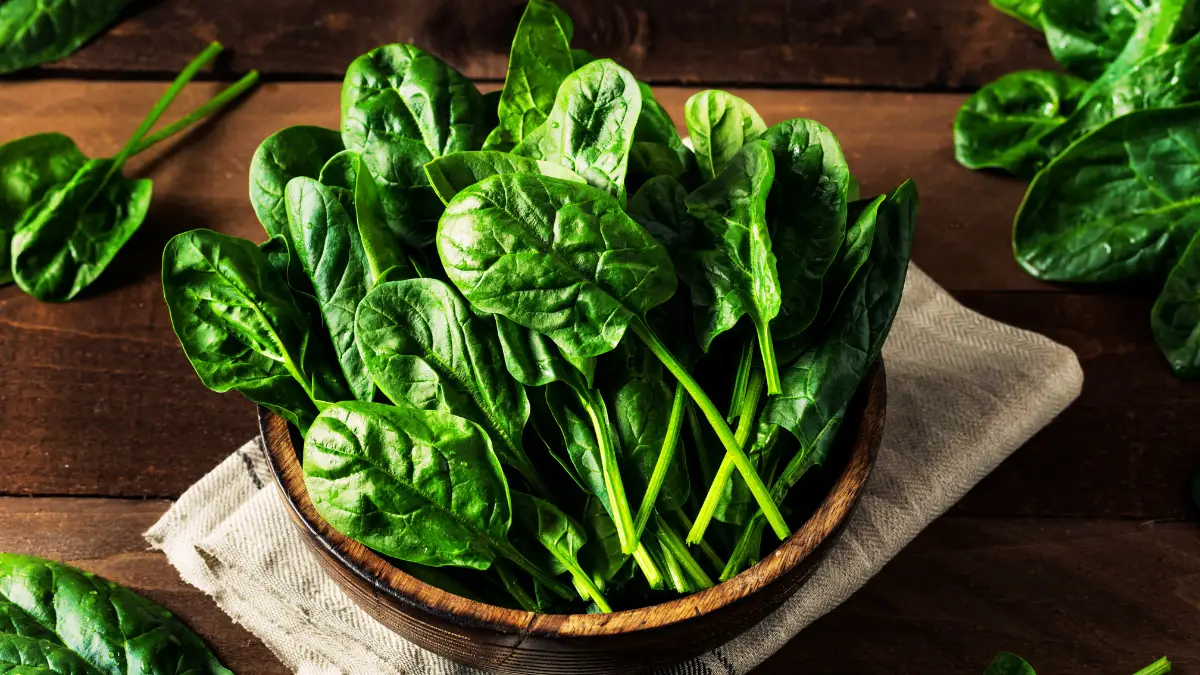
Spinach, kale, and other dark leafy greens work as true brain food through their rich content of folate, vitamin K, and lutein. These nutrients protect neurons from oxidative stress while improving the brain’s ability to form new memories.
A 2025 study published in Frontiers in Neuroscience demonstrated that daily consumption of leafy greens slowed cognitive decline by 30% in older adults compared to those who rarely ate these vegetables.
Researchers tracked participants over five years and found that those consuming at least one serving daily maintained memory and processing speeds similar to people 11 years younger.
These greens offer flexible options for daily consumption. Blend them into fruit smoothies where their taste becomes undetectable, sauté them with garlic as a side dish, or use them as a base for nutrient-packed salads.
The combination of water content and fiber in leafy greens also supports overall hydration, which directly impacts cognitive function.
Your brain performs best when well-hydrated, making these vegetables doubly beneficial for memory and focus.