

Feeling down, stressed, or just plain anxious? Your fridge might hold the solution. What you eat directly affects your brain chemistry – a fact many people overlook when battling mood issues.
Scientists have found strong links between certain foods and improved mental health, yet most of us reach for comfort foods that make us feel worse.
Simple dietary changes can boost your mood naturally, without side effects. These 12 powerful foods work with your body to fight depression and anxiety by providing the exact nutrients your brain craves.
Ready to eat your way to better mental health? Let’s get started with these science-backed options.
1. Fatty Fish (Salmon, Mackerel)

Salmon and mackerel contain omega-3 fatty acids that work wonders for brain health. These essential fats help build brain cell membranes and reduce inflammation, which can worsen symptoms of depression.
Many people don’t get enough omega-3s in their diet, making these fish valuable additions to weekly meals. The vitamin D in fatty fish also plays a crucial role in mood regulation.
Low levels often correlate with depression symptoms, especially during winter months when sunlight exposure decreases. Just two servings of fatty fish weekly can boost your omega-3 intake significantly.
Grilling, baking, or pan-searing these fish preserves their nutritional value better than deep-frying. Try adding herbs like dill or rosemary for extra flavor without heavy sauces.
The combination of healthy fats and protein makes fatty fish a satisfying choice that keeps blood sugar stable, helping maintain steady energy and mood throughout the day.
2. Leafy Greens (Spinach, Kale)
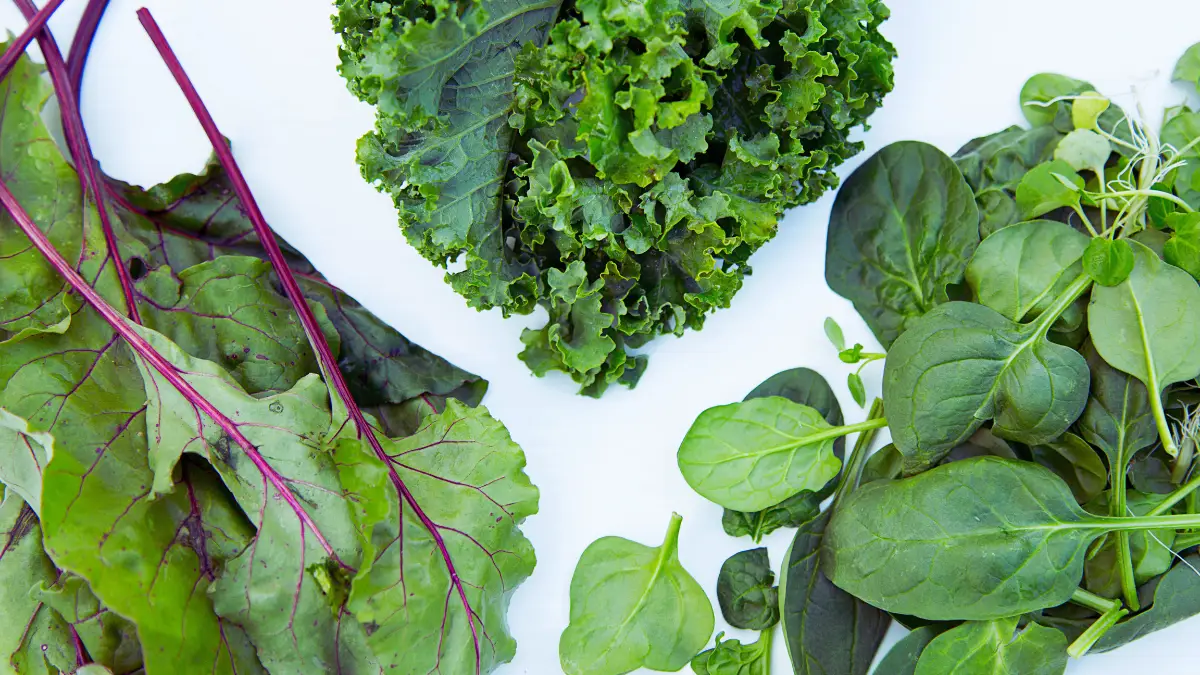
Spinach, kale, and other leafy greens pack a powerful nutritional punch that directly impacts brain chemistry. They contain folate, which helps produce mood-regulating neurotransmitters like serotonin and dopamine.
People with depression often show lower folate levels, making these greens particularly valuable. The magnesium in leafy vegetables helps regulate the body’s stress response by calming the nervous system.
This mineral acts as nature’s tranquilizer, reducing anxiety without medication. Iron in these greens also supports oxygen transport to brain tissues, improving mental clarity and energy.
Adding leafy greens to your diet doesn’t require complicated cooking. Blend them into smoothies, toss them in salads, or sauté them with garlic as a quick side dish.
Even small amounts consumed regularly can make a difference in mood stability. Their high fiber content also supports gut health, which scientists now recognize as closely connected to mental wellbeing.
3. Berries (Blueberries, Strawberries)
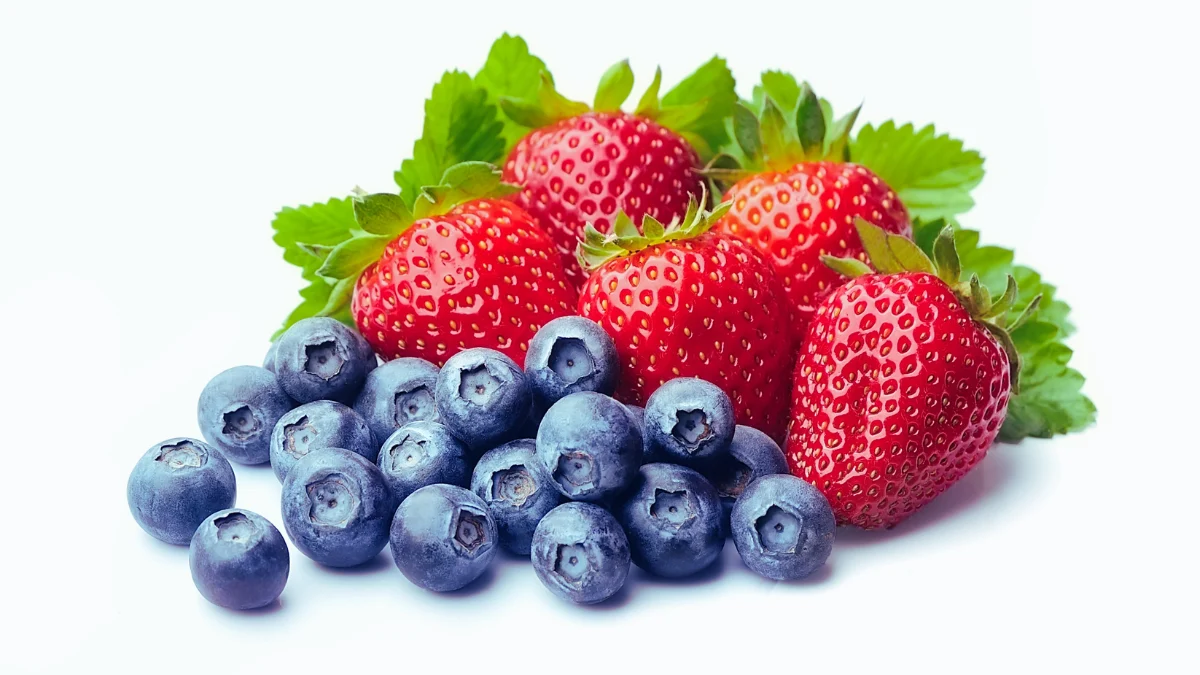
Blueberries, strawberries, and other colorful berries contain powerful antioxidants that protect brain cells from damage.
Their vibrant colors come from anthocyanins, compounds that fight inflammation and oxidative stress linked to depression and anxiety. Regular berry consumption helps maintain healthy brain function as we age.
These fruits offer a quick source of natural sugars that lift mood without causing energy crashes later. Their fiber content slows sugar absorption, providing sustained mental energy rather than brief spikes.
Berries also contain vitamin C, which helps the body manage stress by regulating cortisol production. Fresh berries taste great, but frozen options work just as well and may contain even more nutrients since they’re frozen at peak ripeness.
Sprinkle them on yogurt, blend them into smoothies, or eat them plain as a sweet snack. Their natural sweetness satisfies sugar cravings in a brain-healthy way, making them an excellent alternative to processed sweets that can worsen mood swings.
4. Fermented Foods (Yogurt, Kimchi)

Yogurt, kimchi, sauerkraut, and other fermented foods support mental health through the gut-brain connection.
These foods contain beneficial bacteria that improve digestion and reduce inflammation throughout the body, including the brain. The gut produces most of the body’s serotonin, often called the “happiness hormone.”
Fermented foods help balance gut bacteria, creating an environment where mood-boosting chemicals thrive. This balance helps reduce anxiety and improves stress response.
The connection works both ways – mental stress affects gut health, and gut health affects mental state, creating an important feedback loop.
Starting your day with yogurt or adding small amounts of fermented vegetables to meals can gradually improve your microbiome. Look for products with live active cultures for maximum benefit.
These foods work best when consumed regularly as part of a varied diet. Their tangy flavors also add complexity to meals, making healthy eating more enjoyable and sustainable.
5. Nuts and Seeds (Walnuts, Chia)
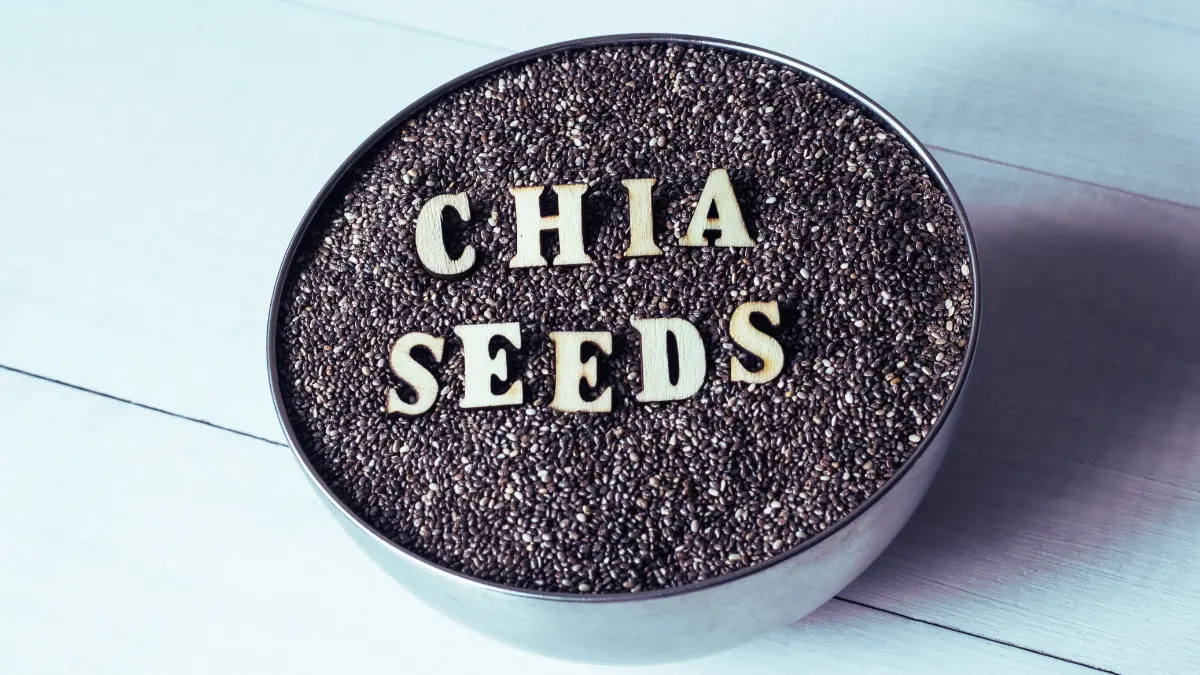
Walnuts, chia seeds, flaxseeds, and other nuts and seeds contain nutrients that directly support brain health. Their healthy fats, particularly omega-3s in walnuts, help maintain brain cell structure and function.
The unique shape of walnuts even resembles the brain they help protect. These small nutritional powerhouses provide tryptophan, which converts to serotonin in the body.
Magnesium in nuts and seeds helps regulate the stress response and improves sleep quality, both critical for mental health.
Their protein content stabilizes blood sugar, preventing mood swings caused by energy crashes. A small handful of mixed nuts makes an excellent snack that satisfies hunger while supporting brain chemistry.
Chia seeds can be sprinkled on yogurt or blended into smoothies for an omega-3 boost. Eating these foods regularly provides a steady supply of brain-nourishing compounds that build resilience against depression and anxiety over time.
6. Turkey and Poultry

Turkey and chicken provide tryptophan, an amino acid that helps create serotonin in the brain. This neurotransmitter plays a key role in regulating mood, anxiety, and happiness.
While many associate turkey with sleepiness after holiday meals, its real value lies in its mood-stabilizing properties when eaten in normal portions.
Poultry also supplies vitamin B6, which works alongside tryptophan in serotonin production. This B vitamin helps many brain processes function smoothly.
The protein in turkey and chicken helps stabilize blood sugar levels, preventing the irritability and mood swings that can come with hunger or energy crashes.
White meat from poultry contains less fat than red meat, making it easier to digest while still providing satisfaction. This lighter protein option works well in many recipes, from soups to salads to main dishes.
Preparing extra chicken or turkey during cooking sessions gives you ready protein for quick meals later in the week, making it easier to eat well even when stress levels rise.
7. Whole Grains (Oats, Quinoa)
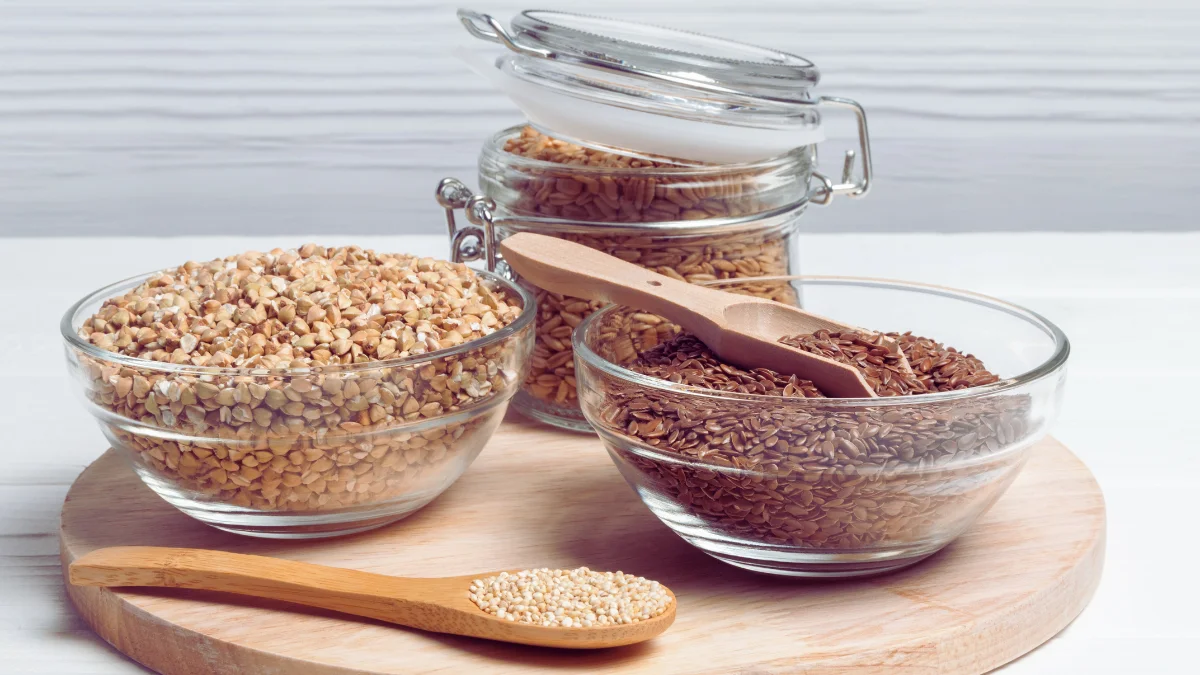
Oats, quinoa, and other whole grains slowly release glucose into the bloodstream, providing steady energy without the crashes that can affect mood.
This stability helps maintain focus and prevents irritability that comes with blood sugar fluctuations. Complex carbohydrates also boost serotonin production, naturally lifting your spirits.
The fiber in whole grains supports gut health, which scientists now link directly to mental well-being. B vitamins abundant in these foods help your body convert food into energy and create important neurotransmitters.
Many people notice improved mood stability when they switch from refined grains to whole alternatives. Starting your day with a bowl of steel-cut oats or having quinoa as a dinner side dish gives your brain consistent fuel.
Whole grain options now include everything from pasta to bread to breakfast cereals. Looking for the words “whole grain” as the first ingredient ensures you’re getting the full nutritional benefit.
Even small switches, like choosing brown rice instead of white, can contribute to better brain chemistry over time.
8. Dark Chocolate (70%+ Cocoa)

High-quality dark chocolate with at least 70% cocoa content contains compounds that boost endorphins and serotonin in the brain.
These natural chemicals improve mood and reduce pain perception. The slight caffeine content provides a gentle energy lift without the jitters coffee might cause.
Flavonoids in dark chocolate increase blood flow to the brain, improving cognition and mood. Magnesium content helps relax muscles and calm nerves during stressful periods. Small amounts satisfy sweet cravings without the sugar overload that can lead to mood crashes later.
A 2019 survey published in Depression & Anxiety found that people who regularly consumed dark chocolate had 70% lower odds of reporting depressive symptoms compared to those who rarely ate it.
Researchers believe this effect comes from the anti-inflammatory properties of cocoa compounds. Just a small square after dinner provides benefits without excess calories. Quality matters more than quantity, so choose chocolate with minimal added sugar and no milk solids.
9. Avocado

Avocados provide healthy monounsaturated fats that build cell membranes throughout the body, including brain cells. These fats help absorb fat-soluble vitamins and support overall brain structure.
Blood sugar stays stable after eating avocados, preventing mood swings caused by hunger or energy dips. The creamy fruit contains nearly 20 different vitamins and minerals, including stress-fighting B vitamins and potassium.
Vitamin B6 in avocados helps create neurotransmitters like dopamine and serotonin that regulate mood. The potassium helps lower blood pressure, which can spike during anxious moments.
Adding avocado to your diet can be as simple as spreading it on toast, mixing it into smoothies, or topping salads. Its mild flavor complements both sweet and savory dishes.
Many people find the satisfying mouthfeel of avocados helps them feel content after meals. Their combination of healthy fats and fiber creates lasting fullness without heaviness, supporting emotional balance throughout the day.
10. Beans and Lentils
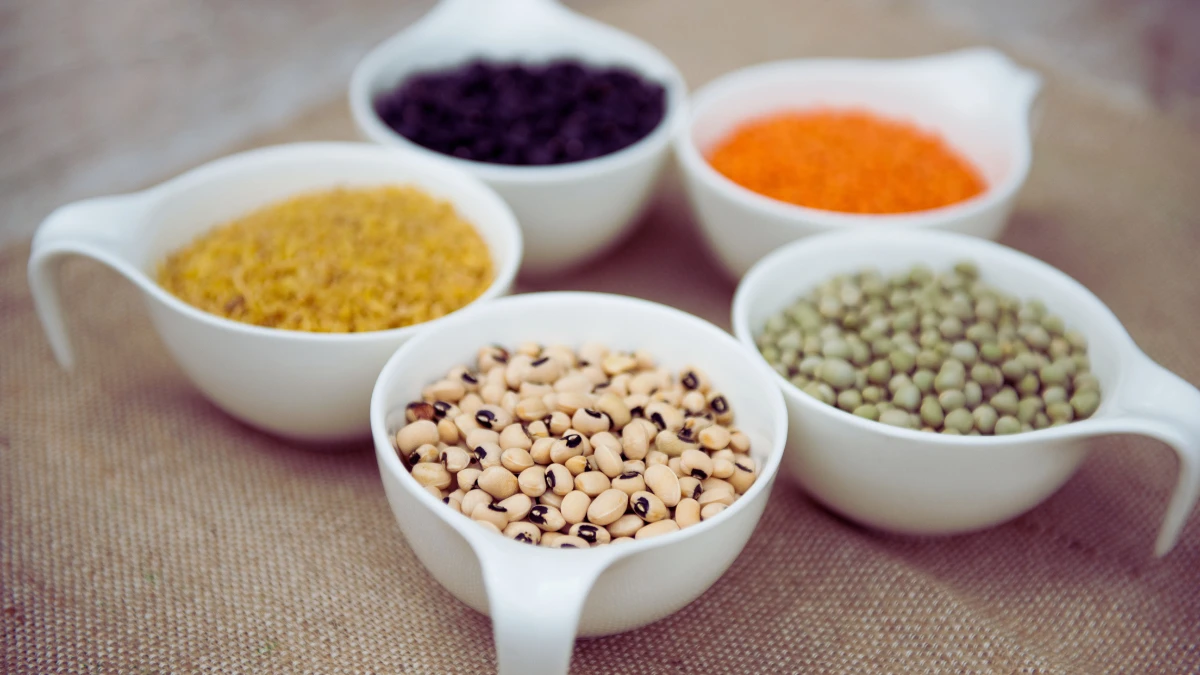
Beans, lentils, and other legumes provide a steady source of energy through complex carbohydrates and plant protein.
This combination helps maintain stable blood sugar levels, preventing the mood swings that can accompany hunger or energy crashes.
Their high fiber content also supports digestive health, which connects directly to brain function. These humble foods contain substantial amounts of folate, a B vitamin crucial for mental health.
Folate helps produce DNA, RNA, and neurotransmitters like serotonin that regulate mood and sleep. Iron in legumes supports oxygen transport to brain cells, improving mental clarity and reducing fatigue often associated with depression.
Cooking a big batch of bean soup or lentil stew provides quick, nutritious meals throughout the week. These versatile foods work well in everything from salads to dips to main dishes.
Mexican, Indian, and Mediterranean cuisines offer delicious ways to incorporate more legumes into your diet. Their affordability makes them accessible mood-boosting options for any budget, proving that good mental health food doesn’t have to be expensive.
11. Eggs
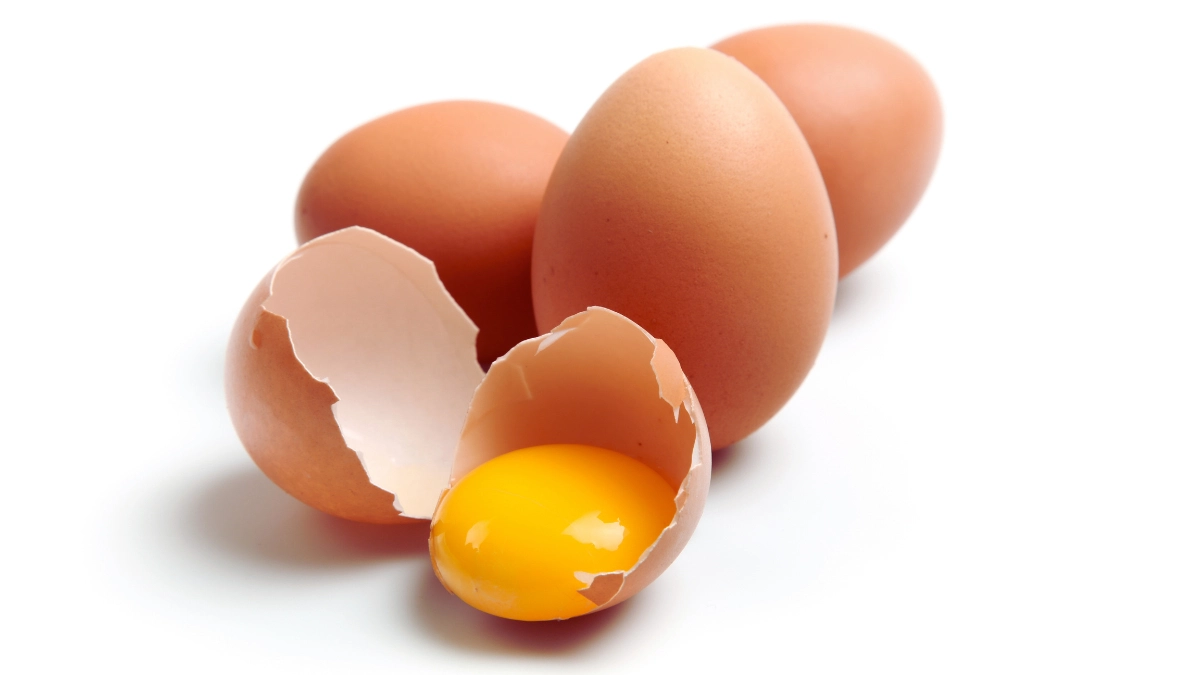
Eggs contain a wealth of brain-supporting nutrients in one small package. The yolks provide choline, a nutrient that helps produce acetylcholine, a neurotransmitter involved in mood regulation and memory.
Most Americans don’t get enough choline in their diet, making eggs an important food for brain health. Protein in eggs supplies amino acids needed to create neurotransmitters that affect mood, motivation, and mental energy.
Vitamin D, often lacking in people with depression, comes naturally in egg yolks. Eating the whole egg provides the complete nutritional package that nature intended.
Scrambling eggs for breakfast or adding a hard-boiled egg to lunch can boost your protein intake without much preparation time. Their versatility means they work in countless recipes across all cuisines.
Contrary to past concerns, moderate egg consumption doesn’t raise cholesterol levels in most people. The quick cooking time makes them practical even on busy days when mental health often needs the most support.
12. Pumpkin Seeds

Small but mighty, pumpkin seeds contain one of the highest concentrations of magnesium found in food. This essential mineral helps activate neurotransmitters that reduce stress and anxiety.
Magnesium regulates the hypothalamic-pituitary-adrenal axis, the body’s central stress response system. Zinc in pumpkin seeds supports immune function and helps the body cope with stress.
The combination of protein, healthy fats, and fiber provides sustained energy for the brain. Many people with anxiety have been found to have lower zinc levels, making these seeds a smart addition to an anti-anxiety diet.
A 2019 meta-analysis in Psychosomatic Medicine examined multiple studies and found that magnesium-rich diets consistently reduced anxiety symptoms by regulating GABA, a calming neurotransmitter in the brain.
Just a quarter cup of pumpkin seeds provides nearly half the daily magnesium needs for most adults. Their portable nature makes them an excellent snack for stressful days. Roasting with minimal salt brings out their nutty flavor without adding unhealthy sodium.