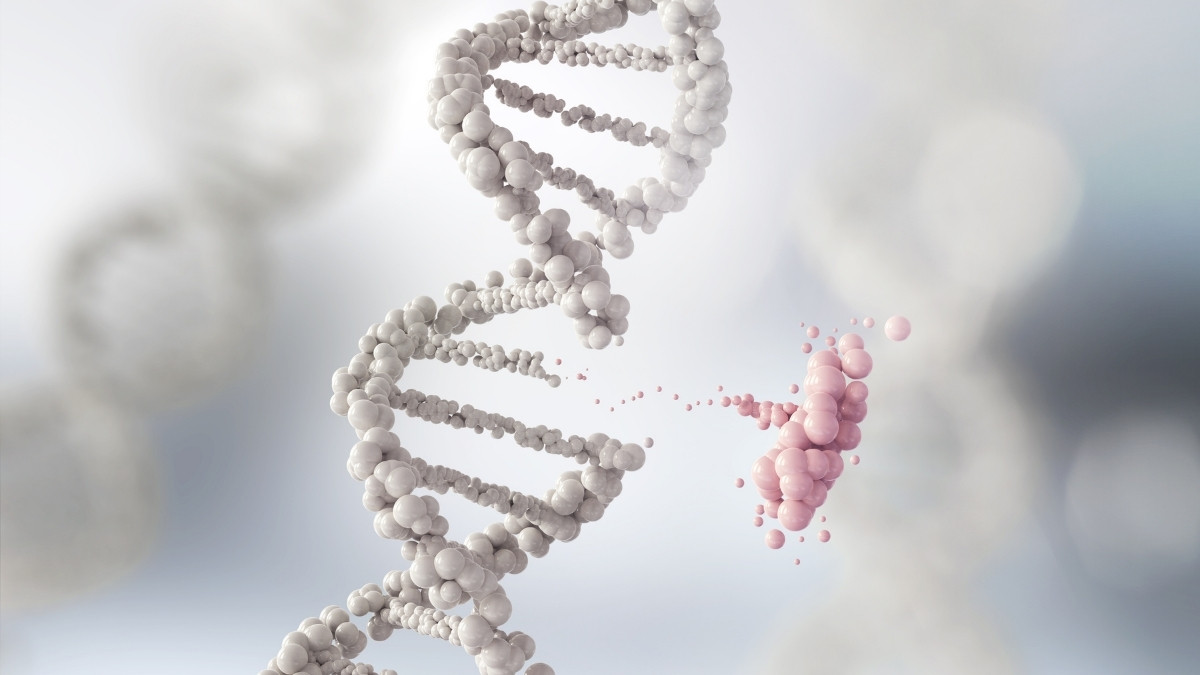
Tired of one-size-fits-all nutrition advice that leaves you feeling lost? Generic food pyramids and fad diets ignore what makes you unique—your genetics, metabolism, and lifestyle.
This explains why your friend thrives on keto while you feel terrible, or why some people can eat carbs all day without gaining weight.
Now, breakthrough technologies like DNA testing and AI algorithms are creating truly personalized nutrition plans that work with your body’s specific needs.
Envision understanding precisely which foods elevate your glucose levels, which nutrients your body has difficulty processing, and which dietary rhythms optimize your vitality—all tailored to your specific genetic makeup. The future of eating is personal.
The Role of DNA Testing in Personalized Nutrition
Photo Credit: Depositphotos
Your genes influence how your body processes what you eat. Modern genetic testing now reveals specific variations that affect your nutritional needs.
For example, the FTO gene affects fat metabolism and obesity risk, while APOE variants impact how your body handles fats and cholesterol.
Testing involves a simple saliva sample or cheek swab that labs analyze to identify these key genetic markers. Results might show you metabolize caffeine slowly and need more vitamin D than average.
They may also reveal you process carbs differently than others. This information helps create eating plans that work with your genetic makeup rather than against it.
A groundbreaking 2020 study in Nature Communications examined the AMY1 gene, which produces salivary amylase for breaking down starches.
Researchers found people with more copies of this gene digest carbs more efficiently. Those with fewer copies had a higher obesity risk when eating starch-rich diets.
This research established a clear link between a specific genetic marker and how the body processes a major food group, opening new paths for truly personalized nutrition advice.
AI-Driven Analytics and Precision Dietary Recommendations
Photo Credit: Depositphotos
AI systems now process vast amounts of personal health data to create nutrition plans tailored to individual needs.
These systems analyze genetic profiles alongside gut microbiome composition, blood markers, sleep patterns, and physical activity to find connections traditional analysis might miss.
What makes this approach powerful is how AI continuously learns from new data. As you track meals, activity, and health markers, the system refines its recommendations.
Your gut bacteria composition might suggest you need more fiber, while your genetics indicate certain fats benefit you more than others. AI weighs these factors together rather than treating them as separate pieces.
A 2021 trial published in Cell Reports Medicine demonstrated this integrated approach with impressive results. Researchers used an AI system that analyzed participants’ genetics, microbiome data, and lifestyle factors to create personalized meal plans.
The prediabetic participants following AI-generated plans showed significantly reduced post-meal blood glucose spikes compared to those following standard dietary guidelines.
The system predicted which foods would cause glucose spikes for specific individuals with 80% accuracy, allowing for truly personalized carbohydrate recommendations that standard nutritional approaches couldn’t match.
Wearable Health Tech and Real-Time Dietary Adjustments
Photo Credit: Depositphotos
Gone are the days when nutrition advice stayed static between doctor visits. Wearable devices now gather your health data continuously, allowing for nutrition plans that adapt daily or even hourly.
Continuous glucose monitors (CGMs) track blood sugar fluctuations after meals, showing exactly how your body responds to specific foods or combinations.
Smartwatches and fitness trackers collect heart rate, sleep quality, and activity levels—all factors that influence nutritional needs.
Someone burning 3,000 calories during an active day requires different fuel than on a rest day. These devices catch patterns humans might miss like subtle blood sugar spikes from foods you thought were “safe.”
The real magic happens when this data syncs with AI nutrition platforms. Eat breakfast, then check your app to see how that meal affected your glucose curve or energy levels.
The system might suggest adding protein next time or eating certain foods earlier in the day. This creates a feedback loop of eating, measuring, learning, and adjusting that was impossible before these technologies.
Users gain insight into their unique body responses rather than following generic advice about “healthy eating.”
Applications in Chronic Disease Management
Photo Credit: Depositphotos
Personalized nutrition approaches show particular promise for managing chronic conditions that respond to dietary changes.
For people with diabetes, customized meal plans based on continuous glucose data help maintain steadier blood sugar levels.
Many patients see meaningful drops in HbA1c levels—a key marker of long-term blood glucose control—simply by adjusting meal timing and composition to their unique metabolism.
Heart patients benefit from personalized approaches that account for their specific lipid metabolism genes. Some people see dramatic LDL cholesterol improvements by reducing saturated fats, while others respond better to lowering carbohydrates.
This targeted approach replaces the frustration of trying standard diets that don’t work for everyone. The economic benefits could be substantial.
Healthcare systems spend billions treating preventable conditions that nutrition could have addressed earlier. Insurance companies have begun covering some personalized nutrition programs, recognizing that prevention costs less than treatment.
Looking forward, the integration of these technologies with healthcare systems could transform our approach to chronic disease—treating the individual rather than the diagnosis and using food as a precise tool rather than general medicine.
Challenges and Ethical Considerations
Photo Credit: Depositphotos
Genetic and health data represent some of our most sensitive personal information. When we submit DNA samples or sync our wearables to nutrition platforms, we create detailed profiles that could potentially expose us to discrimination if misused.
Questions remain about who owns this data, how long companies can store it, and whether insurance providers might someday use it to deny coverage based on genetic predispositions.
Cost barriers present another significant hurdle. Many cutting-edge nutrition technologies remain unaffordable for average consumers.
Full genetic testing, microbiome analysis, and continuous glucose monitors can cost hundreds or thousands of dollars, often without insurance coverage.
This creates a two-tiered system where personalized nutrition becomes a luxury rather than a basic healthcare tool available to all who might benefit.
Regulatory oversight hasn’t kept pace with technological advancement. Many AI algorithms operate as “black boxes” where even their creators can’t fully explain how they reach specific dietary recommendations.
This lack of transparency makes it difficult to verify accuracy or detect potential biases. Without proper frameworks, consumers have little protection against misleading claims or ineffective systems.
Public health experts increasingly call for standards that would require companies to validate their algorithms through peer-reviewed research before marketing them to consumers.
Future Directions and Conclusion
Photo Credit: Depositphotos
Gut microbiome testing stands poised to become as common as blood tests. Scientists continue uncovering connections between gut bacteria composition and nearly every aspect of health.
Soon, regular microbiome sequencing may identify potential health issues before symptoms appear and suggest specific foods to correct imbalances. These tests will likely become simpler and cheaper, eventually offered through standard healthcare.
AI-powered virtual nutritionists represent another exciting frontier. These systems will combine voice recognition, visual food identification, and personalized data to provide real-time guidance.
Imagine pointing your phone at a restaurant menu while an AI assistant suggests the best options based on your unique profile and health goals. Such tools will make personalized nutrition practical for daily life without requiring constant manual tracking.
The ultimate vision brings these technologies into mainstream healthcare. Rather than treating diseases after they develop, doctors will prescribe personalized prevention plans based on individual risk factors.
Nutrition will shift from general guidelines to precision approaches tailored to genetic makeup, microbiome composition, and metabolic responses.
This transformation promises to reduce chronic disease burden through truly personalized prevention rather than standardized treatment.
What once seemed like science fiction now appears inevitable as these technologies become more accurate, affordable, and integrated with conventional medicine.