

Working hard at the gym but still feeling sore for days? Your post-workout food choices might be sabotaging your results.
As we hit our 30s, muscle recovery slows down naturally—but eating the wrong foods makes this problem much worse.
Most fitness enthusiasts focus on what to eat before exercise while completely overlooking how crucial post-workout nutrition becomes after 30.
Your body processes nutrients differently now, and those recovery snacks that worked in your 20s could be preventing muscle repair.
Let’s fix this. Here are 15 common post-workout foods secretly wrecking your recovery—and what to eat instead.
1. Sugary Sports Drinks
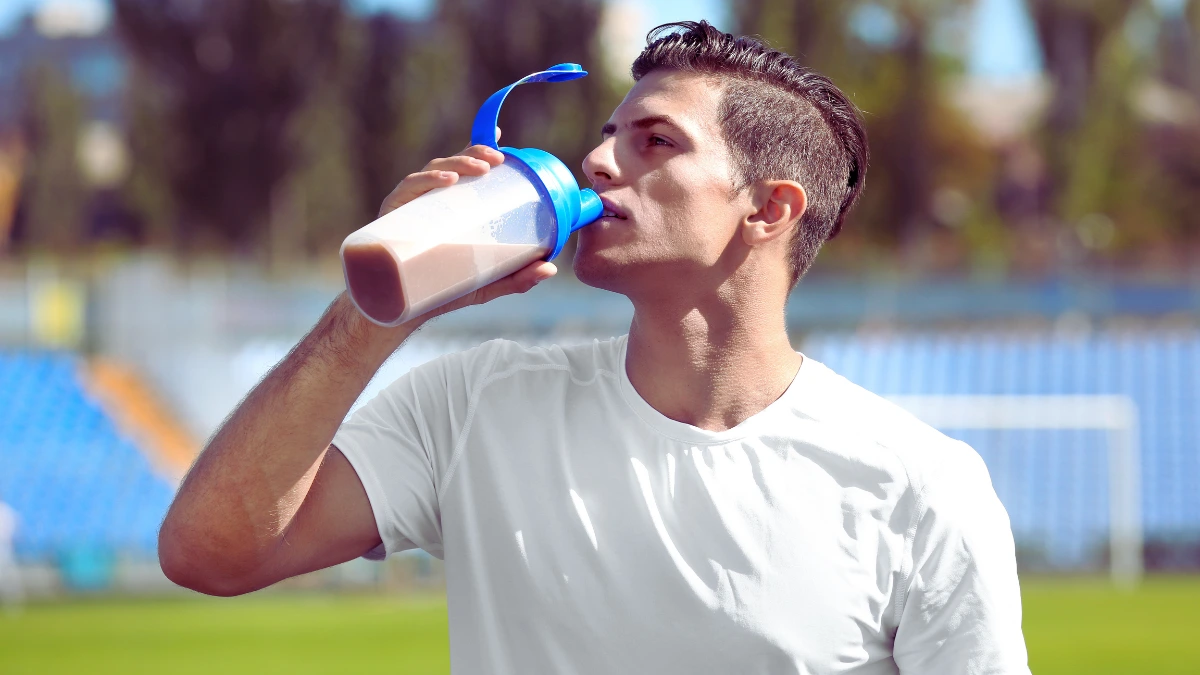
Sports drinks loaded with sugar might seem like a good choice after exercise, but they often work against recovery goals.
These beverages cause rapid insulin spikes that trigger inflammation throughout your body. This inflammatory response slows down the delivery of nutrients to tired muscles right when they need them most.
Your body’s natural growth hormone plays a crucial role in muscle repair, yet excess sugar actively suppresses its production.
Many popular brands contain up to 34 grams of sugar per bottle—equivalent to 8 teaspoons. This sugar overload makes your recovery process much less efficient.
Water or electrolyte drinks without added sugars serve as better alternatives. Some athletes prefer coconut water, which offers natural electrolytes without artificial ingredients.
Try diluting sports drinks with water or opt for branched-chain amino acid (BCAA) supplements mixed with water for recovery benefits without the sugar crash.
2. Alcohol

Grabbing a beer or cocktail after your workout creates several problems for muscle recovery. Alcohol acts as a diuretic, pulling water from your body when hydration is most critical.
This dehydration slows cellular repair processes throughout your muscles. Your muscles rebuild themselves through protein synthesis, but alcohol disrupts this essential mechanism.
Just a few drinks can reduce protein synthesis rates by nearly 30%. Alcohol also boosts cortisol levels in your body—the stress hormone that breaks down muscle tissue instead of building it up.
The effects get worse in your 30s as your metabolism changes. Your liver prioritizes processing alcohol over other nutrients, leaving your muscles without the building blocks they need.
Skip the post-workout drinks and wait at least four hours after exercise if you plan to consume alcohol. Better yet, save it for your rest days to avoid compromising your hard work.
3. Fried Foods
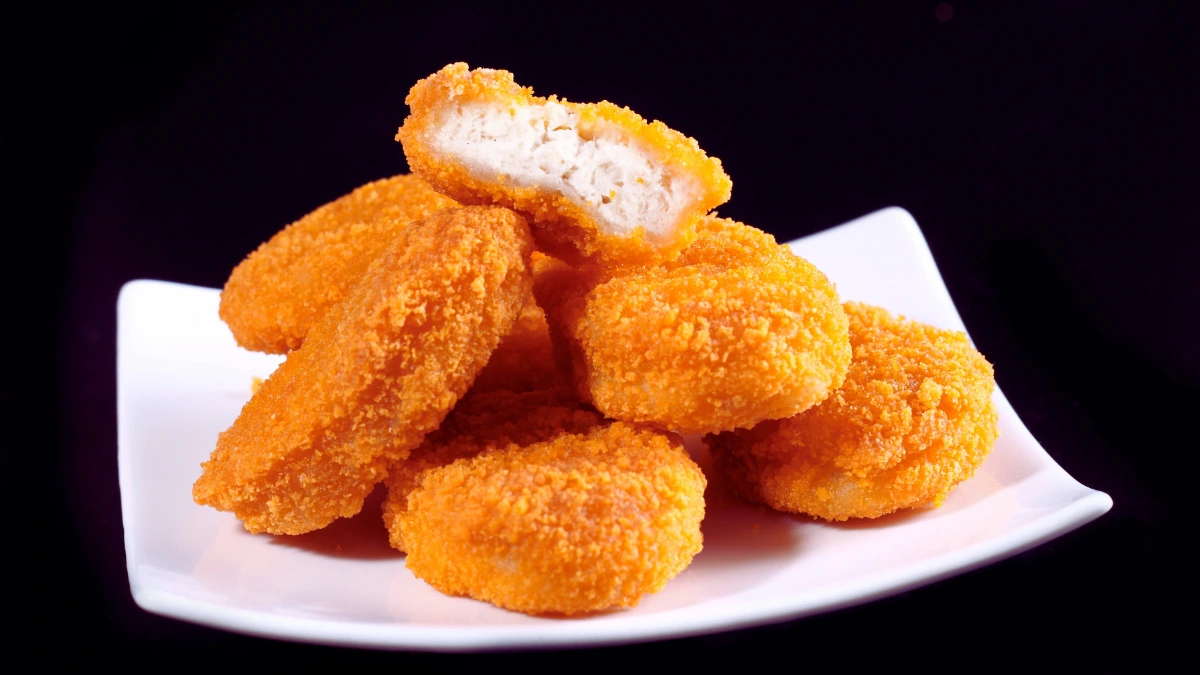
Greasy fried options often tempt us after a tough workout, but they create serious obstacles for muscle recovery.
The high trans fat content in fried foods triggers widespread inflammation—exactly what your already-stressed muscles don’t need. This inflammation extends recovery time and increases soreness.
Fried foods also contain compounds called advanced glycation end-products (AGEs) that form during high-heat cooking.
These compounds cause oxidative stress in your tissues, essentially working against the positive adaptations your body makes from exercise. Your digestive system must work overtime to process these heavy foods, diverting energy away from muscle repair.
The slow digestion of fried foods means nutrients take longer to reach your muscles during their prime recovery window. Your body needs fast-acting proteins and carbs within 30-60 minutes post-workout.
Choose grilled proteins, baked sweet potatoes, or smoothies instead—they deliver recovery nutrients quickly without the inflammatory baggage of fried options.
4. Processed Meats

Bacon, sausage, deli meats, and other processed protein sources might seem convenient after a workout, but they hinder your recovery process.
These products typically contain excessive sodium that disrupts your fluid balance when properly hydrating muscles matters most.
The preserved meats also pack preservatives like nitrates and nitrites that increase oxidative stress in your body.
The inflammation triggered by processed meats affects more than just your muscles. It creates system-wide stress that diverts resources away from recovery.
Most processed meats also contain low-quality proteins with incomplete amino acid profiles compared to fresh alternatives. Your body needs specific amino acids to rebuild muscle tissue efficiently.
The combination of salt, preservatives, and poor protein quality makes processed meats a triple threat to recovery.
Fresh protein sources like eggs, chicken breast, or Greek yogurt offer better amino acid profiles without harmful additives.
These whole foods support muscle protein synthesis more effectively and give your body the clean fuel it needs for optimal recovery.
5. Pastries and Doughnuts

Sweet treats like pastries and doughnuts spell trouble for muscle recovery despite their appeal after a challenging workout.
These foods combine refined carbohydrates with tons of sugar, creating a perfect storm for your metabolism. The rapid blood sugar spike triggers an equally dramatic insulin response, followed by an energy crash just when your muscles need stable fuel sources.
This insulin roller coaster interferes with your body’s ability to use protein effectively for muscle repair. Pastries also lack any meaningful nutrients that support recovery—no quality protein, healthy fats, or micronutrients that aid cellular regeneration.
Your body essentially receives empty calories that provide little benefit to tired muscles. The inflammatory nature of these processed sweets compounds recovery problems, especially in your 30s when inflammation already increases naturally.
Reach for whole-food carbohydrates paired with protein instead. A banana with nut butter, Greek yogurt with berries, or oatmeal with protein powder provides the right balance of nutrients without sabotaging recovery. These options stabilize blood sugar while delivering the building blocks your muscles need.
6. High-Sugar Protein Bars
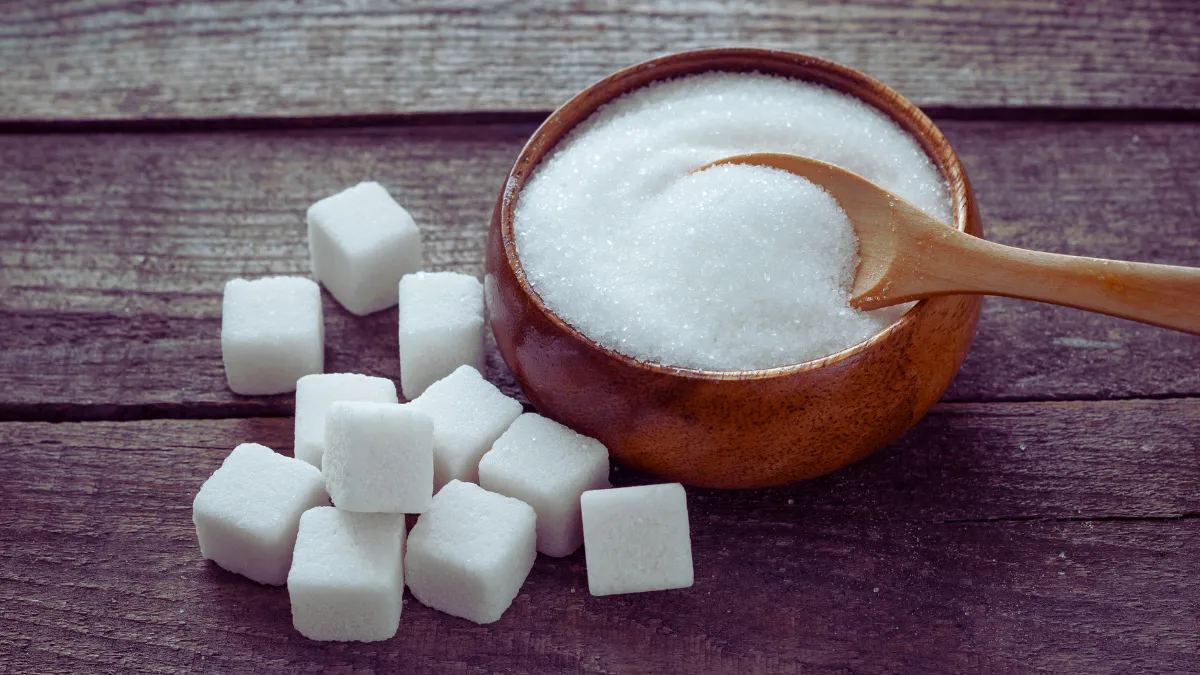
Those convenient protein bars often hide a recovery-sabotaging secret: excessive sugar. Many popular brands pack up to 30 grams of sugar alongside their protein, creating a counterproductive effect on muscle repair.
The sugar content actively blocks the release of growth hormone, which your body desperately needs for recovery.
A 2013 study in the Journal of the International Society of Sports Nutrition found that high sugar intake after exercise significantly reduces growth hormone production.
Researchers observed that participants consuming high-sugar recovery foods showed 40% less growth hormone activity compared to those choosing low-sugar alternatives. This hormone plays a vital role in muscle tissue repair and adaptation.
Your body can’t effectively use the protein in these bars when fighting against the inflammatory response triggered by sugar.
Look at ingredient lists carefully—many bars use multiple sugar sources like cane sugar, brown rice syrup, and agave.
Better options include bars with less than 5g of sugar or making your recovery snack with Greek yogurt and fruit, which provides protein without the sugar overload.
7. Salty Snacks (Chips, Pretzels)

Grabbing a bag of chips or pretzels after your workout creates several recovery obstacles. Salty snacks can contain upwards of 500mg of sodium per serving, which disrupts your body’s fluid balance at a crucial time.
Your muscles rely on proper hydration and electrolyte balance to repair damaged tissue effectively. The sodium overload forces your body to retain water in your bloodstream rather than delivering it to muscle cells that need rehydration.
This imbalance can worsen post-workout muscle cramps and extend recovery time. Most salty snacks also lack any meaningful protein or nutrients that support muscle repair.
Your workout depletes essential minerals through sweat, but chips and pretzels only replace sodium while neglecting potassium, magnesium, and calcium.
These electrolytes work together to optimize muscle function during recovery. Better post-workout choices include bananas with a sprinkle of salt, coconut water, or homemade trail mix with nuts and dried fruit, which provide balanced electrolytes alongside recovery nutrients.
8. Diet Sodas

Those zero-calorie sodas might seem harmless after exercise, but they create several hidden recovery issues. The artificial sweeteners in diet drinks can alter your gut bacteria composition, which plays a surprising role in how well your muscles recover.
This disruption affects how nutrients are absorbed and used for repair. The carbonation in these beverages can cause bloating and discomfort, making it harder to consume the actual nutritious foods your muscles need after working out.
Many people also find that artificial sweeteners increase cravings for sugary foods later in the day, potentially derailing your recovery nutrition plan with poor food choices hours after your workout.
Your body needs simple, clean hydration after exercise to flush out metabolic waste products from hard-working muscles. Water supports every recovery process at the cellular level.
Try infusing water with cucumber or berries if you crave flavor, or sip on electrolyte water that supports hydration without artificial ingredients. These alternatives help your muscles recover without the potential downsides of diet sodas.
9. Excessive Caffeine

Coffee or energy drinks might feel necessary after a draining workout, but too much caffeine creates recovery roadblocks.
Moderate amounts can help muscle glycogen replenish, but excessive intake elevates cortisol levels, the stress hormone that breaks down muscle tissue. This works directly against your recovery goals.
A revealing 2013 study published in Sleep Medicine demonstrated that caffeine consumed even 6 hours before bedtime reduced sleep duration by over an hour and significantly decreased sleep quality.
Researchers found that participants had 27% less restorative deep sleep following caffeine consumption. Since muscle repair happens primarily during sleep, this presents a major recovery problem.
The diuretic effect of high caffeine intake can leave you dehydrated when your muscles need the fluid most. Timing matters tremendously—limit caffeine to earlier workout sessions and switch to caffeine-free options within 6-8 hours of bedtime.
If you exercise in the evening, choose herbal teas or tart cherry juice, which supports melatonin production and muscle recovery rather than disrupting it.
10. High-Fiber Foods (e.g., Beans, Broccoli)
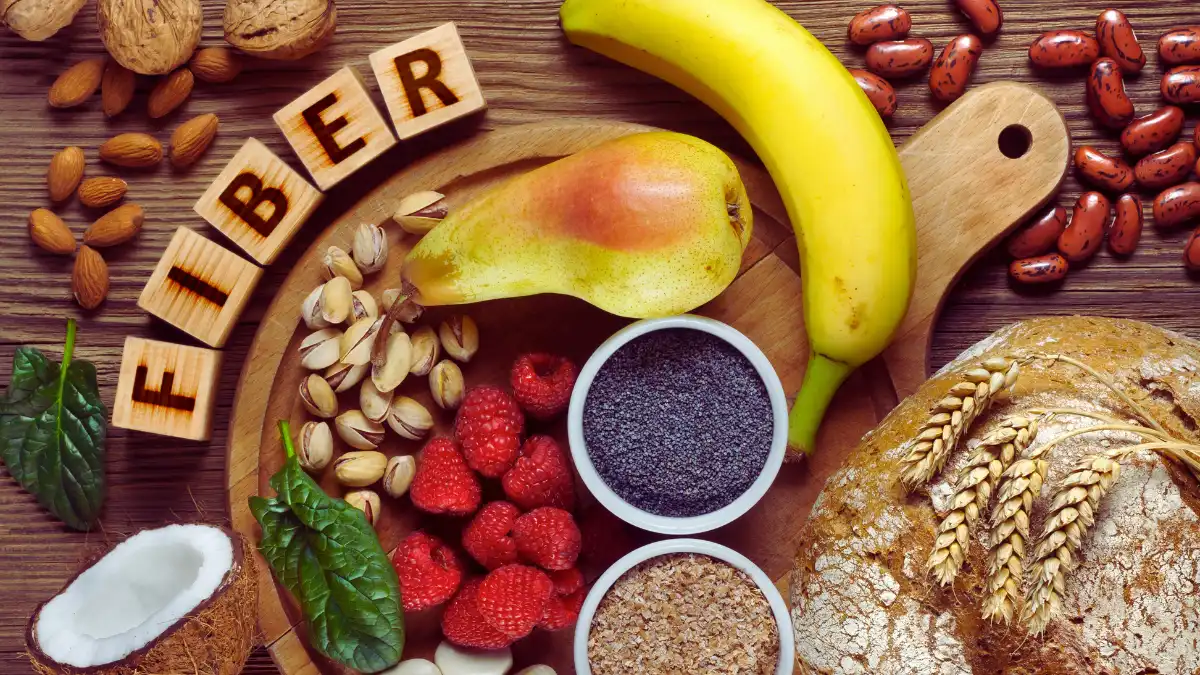
Fiber represents a nutrition paradox for post-workout recovery. While beans, broccoli, and other fiber-rich foods benefit overall health, consuming them immediately after exercise creates timing issues for muscle repair.
High-fiber foods slow down digestion, which delays the delivery of protein and carbohydrates to hungry muscles.
Your post-workout window requires rapidly available nutrients to jump-start recovery processes. Fiber acts like a traffic controller that holds back the amino acids and glucose your muscles need for immediate repair.
Foods with more than 5g of fiber per serving can significantly slow nutrient absorption rates by up to 30-40%. The bloating and digestive discomfort from fibrous foods can also make it harder to consume adequate recovery nutrition.
Save your fiber-heavy meals for at least 2 hours after training when immediate nutrient delivery becomes less critical.
Focus first on faster-digesting options like Greek yogurt with honey, white rice with lean protein, or fruit smoothies that deliver recovery nutrients quickly without the fiber slowdown.
11. Fast Food Burgers
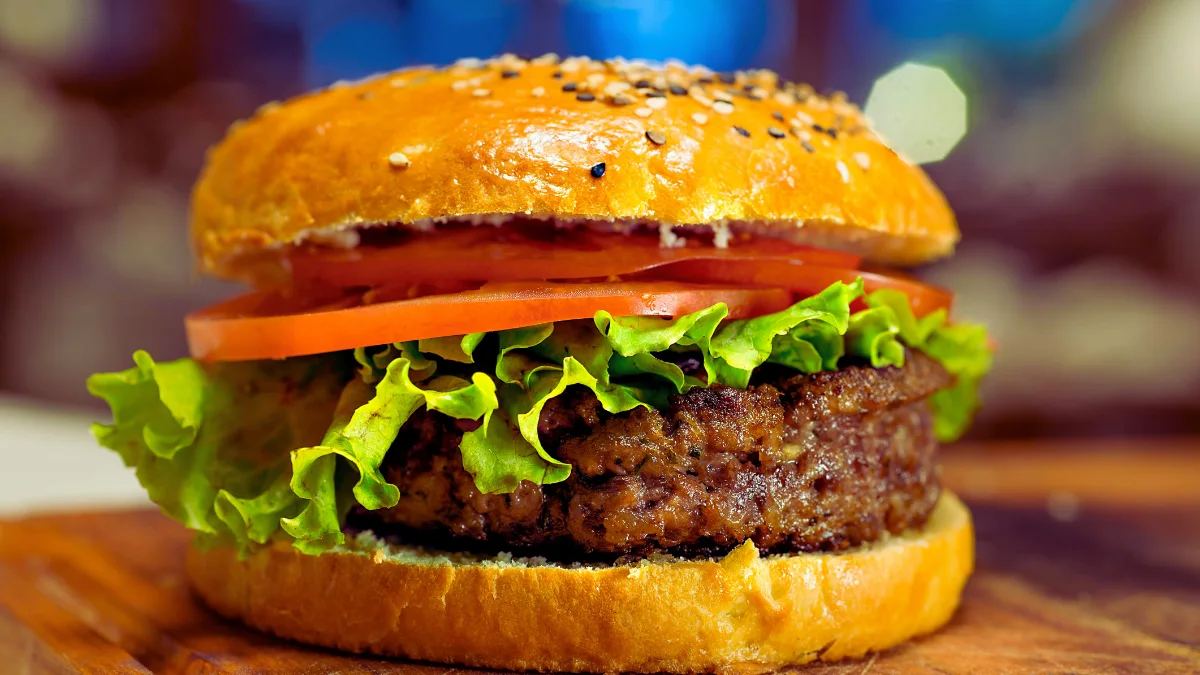
Grabbing a burger after your workout might seem convenient, but it creates multiple recovery roadblocks. The combination of low-quality meat, refined carbohydrates, and excessive fat triggers substantial inflammation throughout your body.
This inflammatory response directly counters the recovery process your muscles need to begin. Most fast food burgers contain meat with poor amino acid profiles compared to quality protein sources.
The protein in these burgers often comes from animals fed unnatural diets, resulting in meat with higher omega-6 fatty acids that promote inflammation.
Your muscles need complete proteins with all essential amino acids to repair effectively, especially in your 30s when recovery naturally slows down.
The heavy fat content in burgers also slows digestion significantly, delaying nutrient delivery to muscles during their prime recovery window.
Blood flow gets redirected to your digestive system rather than your recovering muscles. Better alternatives include lean protein sources like grilled chicken or fish with sweet potatoes or quinoa, which provide quality nutrition without the inflammatory burden of fast food options.
12. Candy

Those colorful sweets might call your name after a tough workout, but candy creates serious recovery setbacks.
The simple sugars in candy cause extreme blood glucose spikes followed by crashes, disrupting the steady energy supply your muscles need for repair. This insulin roller coaster promotes inflammation and impairs proper glycogen restoration.
Candy provides nothing but empty calories—no protein for muscle repair, no healthy fats to reduce inflammation, and no vitamins or minerals to support recovery processes.
Your body needs substantial nutrition after exercise to replace what was lost and fuel the repair of damaged muscle fibers.
Each serving of candy essentially represents a missed opportunity to provide your body with actual recovery nutrients.
The effect worsens in your 30s as your insulin sensitivity naturally decreases with age. Many people notice their ability to handle sugar diminishes, making post-workout candy even more problematic for recovery.
Smart alternatives include fruit with protein (like an apple with string cheese) or Greek yogurt with honey, which provide natural sugars alongside recovery-supporting nutrients that candy completely lacks.
13. Artificial Sweeteners
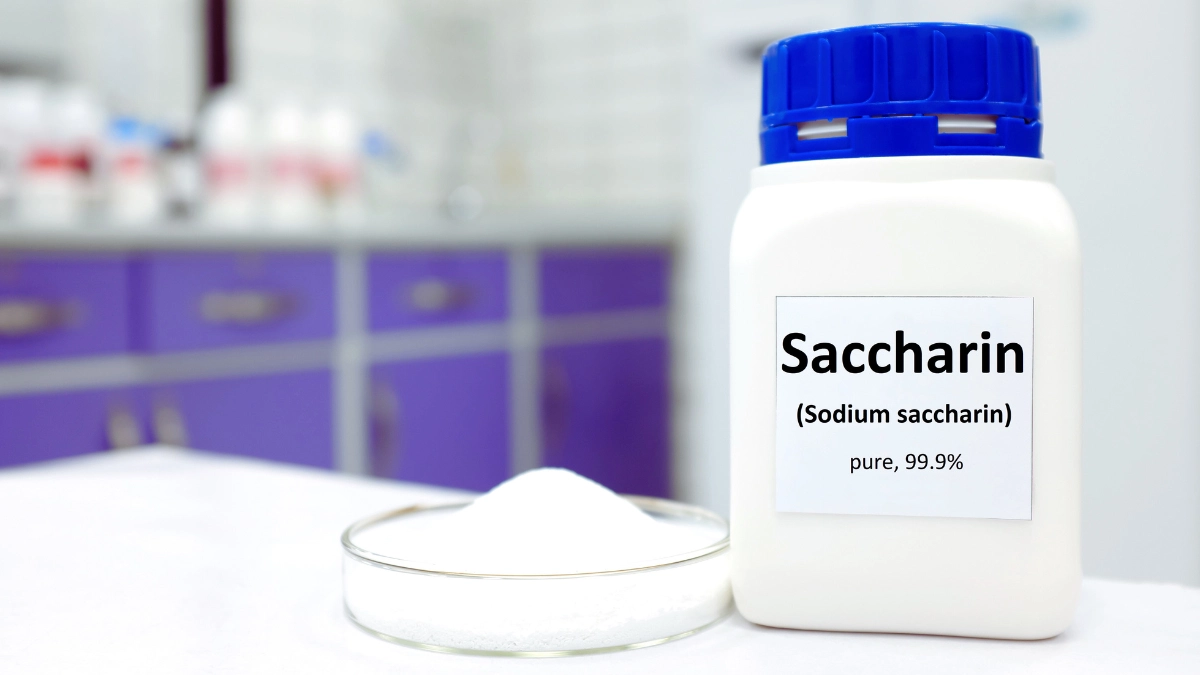
Those zero-calorie sweeteners found in many “diet” products create unexpected recovery complications after workouts.
Despite containing no sugar, artificial sweeteners can disrupt the delicate balance of bacteria in your gut microbiome, which plays a crucial role in nutrient absorption and inflammation control.
A groundbreaking 2014 study published in Nature demonstrated that artificial sweeteners significantly alter gut bacteria composition.
Researchers found that regular consumption induced glucose intolerance in mice and human subjects. The study showed that altered gut microbiota could lead to metabolic changes that affect how your body processes nutrients needed for muscle recovery.
Your body’s natural recovery processes rely on proper nutrient partitioning and reduced inflammation, both potentially compromised by artificial sweeteners.
These compounds can also increase cravings for actual sugar and overly processed foods later in the day. Natural sweeteners like small amounts of honey or maple syrup provide some micronutrients alongside their sweetness and work with your body’s recovery systems rather than against them.
14. Ice Cream

That creamy frozen treat seems like a well-deserved reward after exercise, but ice cream combines several elements that work against muscle recovery.
The high sugar content triggers an intense insulin response that promotes inflammation rather than reducing it. This inflammation slows down the repair of micro-tears in your muscle fibers.
Most commercial ice creams contain low-quality fats that further compound the inflammatory response. The saturated fats in ice cream can temporarily reduce blood flow to muscles when increased circulation is essential for delivering recovery nutrients.
Your body prioritizes digesting this heavy combination of sugar and fat, diverting resources away from muscle repair processes.
The cold temperature of ice cream can also cause gastrointestinal discomfort for many people after exercise, making it harder to consume enough total calories for proper recovery.
Better alternatives include protein-rich frozen Greek yogurt or homemade protein ice cream using whey protein, frozen bananas, and a touch of honey.
These options support recovery with protein while satisfying sweet cravings with less sugar and better fat profiles.
15. White Bread
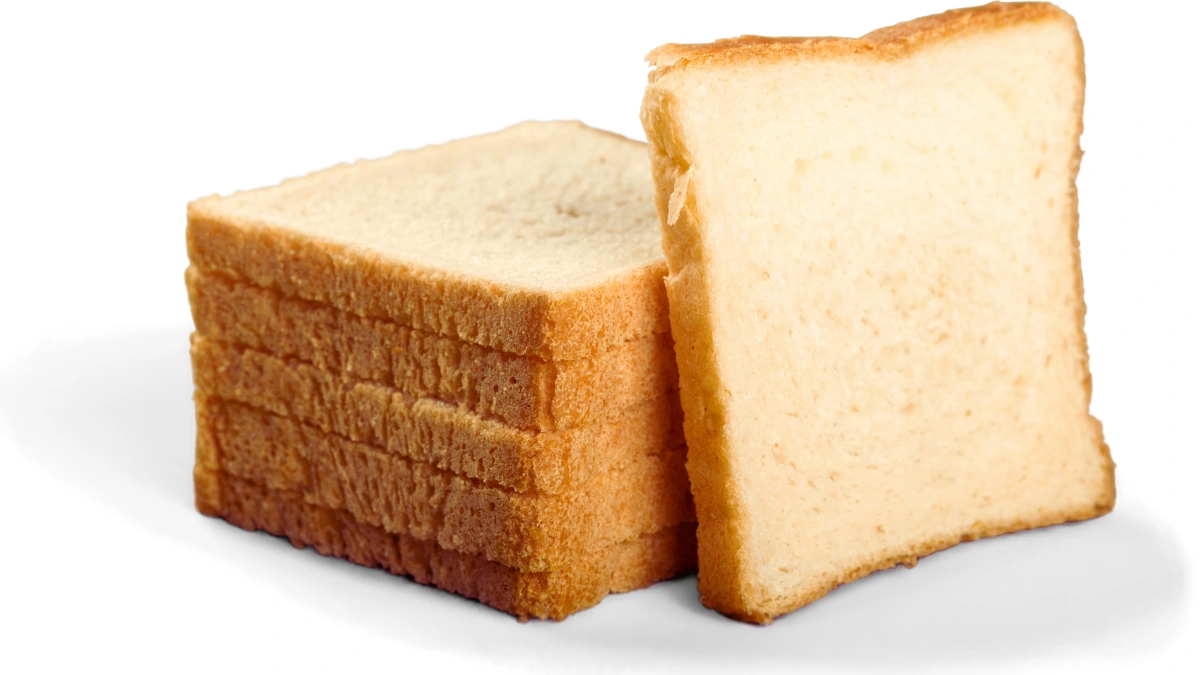
Those simple sandwich rolls might seem harmless, but white bread creates several recovery problems after workouts.
The highly processed flour lacks the fiber, vitamins, and minerals found in whole grain options. This processing strips away nutrients your body needs for effective muscle repair, including crucial B vitamins that support energy production.
White bread causes rapid blood sugar spikes followed by crashes due to its high glycemic index. This unstable energy supply disrupts your body’s recovery processes right when steady nutrition matters most.
Your muscles need consistent fuel to repair damaged tissues and replenish glycogen stores effectively. The refined carbohydrates in white bread convert to blood sugar quickly but leave your muscles without sustained energy for ongoing recovery.
The lack of protein in white bread makes it a poor standalone recovery choice. Recovery meals should include both carbohydrates and protein in a roughly 3:1 ratio.
Whole grain breads contain more protein than white varieties and release energy more steadily. Better options include sprouted grain bread, sourdough made with whole grain flour, or ancient grain varieties like quinoa bread, which provide more micronutrients and support steady energy during the recovery process.