

The experience is a familiar one for many: waking, approaching the bathroom mirror, and being met by a puffy, swollen reflection. The immediate assumptions are common and often correct—the high-sodium dinner, an extra glass of wine, seasonal allergies, or simply a night of restless sleep.
These factors can certainly lead to temporary facial puffiness. However, when this morning phenomenon transitions from an occasional nuisance to a persistent, regular occurrence, it may be more than a cosmetic issue.
It can be a visible signal from the body’s master filtration system, indicating a need for closer attention.
While often harmless, a consistently puffy face in the morning can be a primary external sign of underlying fluid retention, a condition medically known as edema. This symptom points directly to the health and efficiency of a pair of vital organs: the kidneys.
Why Is My Face Puffy Every Morning?

Waking up with facial puffiness is usually a normal, temporary issue caused by fluid retention from factors like your sleeping position, a high-salt diet, or dehydration. If the swelling is severe, doesn’t go away, or appears with other symptoms, it might signal an underlying problem with your kidneys, thyroid, or heart that requires medical attention.
When a puffy face becomes a regular thing, it’s more than just annoying. It can be a sign from your body’s main filter system that something needs attention.
A puffy face that sticks around is often caused by your body holding on to too much water. This is called edema. It points straight to a pair of important organs: your kidneys. This guide will explain what that signal means.
You will learn why your face gets puffy, how to tell if it’s a simple issue or a bigger problem, and what you can do to keep your kidneys healthy in 2025. The goal is to help you fix the real cause, not just the symptom you see in the mirror.
Your Kidneys: The Real Reason for Morning Puffiness

Your kidneys are in charge of keeping the fluids in your body balanced. When they work right, everything runs smoothly. But when they don’t, one of the first signs can show up on your face.
How Your Kidneys Work Like a Filter
Think of your kidneys as your body’s smart filter system. These two small organs clean about half a cup of blood every single minute. They pull out waste, extra salt, and water. This filtering job is key for controlling your blood pressure, balancing minerals like sodium, and making important hormones.
When it comes to a puffy face, their main job is to balance fluids. Your kidneys decide what your body needs to keep and what it needs to get rid of. They make urine to remove extra water and waste. This keeps the amount of fluid in your body stable. If this filter system gets damaged, fluid can build up.
2 Ways Kidney Problems Cause a Puffy Face
A puffy face that won’t go away, especially around your eyes, isn’t random. It happens for specific reasons when your kidneys aren’t working well. It’s not just about having too much water; it’s about that water getting stuck in the wrong places. This happens when your kidneys fail at two jobs: filtering waste and holding on to protein.
First, they can fail to get rid of salt. When your kidneys are weak, they can’t filter out sodium very well. Salt builds up in your blood, so your body holds on to water to try and balance it out. This extra fluid is called hypervolemia.
When you lie down at night, this fluid doesn’t get pulled down by gravity. Instead, it collects in the soft tissue of your face, making you look swollen when you wake up.
Second, they can fail to keep protein in your blood. Healthy kidneys have tiny filters that keep big things, like a protein called albumin, in your blood. If these filters get leaky, albumin can spill into your urine.
This is a condition called proteinuria. Albumin acts like a sponge that holds fluid inside your blood vessels. When you lose it, fluid leaks out into your tissues. This causes swelling all over, but you often see it first as puffiness around your eyes.
Is It Simple or Something Serious?

A puffy face can be caused by simple things or by serious health problems. You have to look at the other signs to know what’s going on. Your kidneys don’t work alone. A fluid problem often means your heart, kidneys, and liver are not working together correctly.
5 Common Reasons for a Puffy Face
Before you worry, think about these common and temporary causes of a puffy face. They usually go away in a few hours.
Salty Food
Eating salty meals, especially at night, is a big one. Your body holds water to deal with the extra salt.
Alcohol
Alcohol makes you pee more, which can dry you out. Your body might then hold on to fluid to make up for it, causing puffiness.
How You Sleep
Lying flat lets fluid gather in your face. Not getting enough sleep can also make your body hold water.
Allergies
Allergies release a chemical called histamine. It makes your blood vessels leak fluid, which causes swelling, itching, and redness.
Hormones
Changes in hormones from your period, pregnancy, or menopause can make you retain water.
When Your Heart, Liver, or Kidneys Need Help
Puffiness that doesn’t go away is rarely about just one organ. It often means there’s a problem with how your heart, kidneys, and liver are working together. When one has trouble, it puts a strain on the others.
Heart Failure
If your heart is weak, it can’t pump blood well. Blood backs up, and fluid gets pushed into your tissues. A weak heart also means less blood gets to your kidneys, so they can’t filter salt and water properly. This makes the fluid problem even worse.
Liver Disease
A sick liver can’t make enough of the protein albumin, which keeps fluid in your blood vessels. Without enough albumin, fluid leaks out and causes swelling in your legs, belly, and face. Liver problems can also cause other issues that hurt your kidneys.
Kidney Disease
As you’ve learned, kidneys are often at the center of fluid problems. Whether they are the main cause or are damaged by heart or liver failure, kidneys that can’t handle salt and water will lead to swelling.
| Cause | How It Causes Puffiness | What to Look For… |
| High-Sodium Meal | Your body holds water to dilute salt. | Goes away in a few hours; happens after a salty meal. |
| Alcohol | You get dehydrated, then your body holds water. | Happens the morning after drinking; you might have other hangover symptoms. |
| Allergies | Histamine makes blood vessels leak fluid. | You might also have itching, redness, sneezing, or watery eyes. |
| Kidney Disease | Can’t filter salt and water; protein leaks into urine. | Puffiness that doesn’t go away. You might also have swollen ankles, foamy pee, feel tired, or notice changes in how often you pee. |
| Heart Failure | Weak pump causes blood to back up and kidneys to get less blood flow. | You might also feel short of breath (especially lying down), have a cough, or get tired easily during activities. |
| Liver Disease | Can’t make enough protein; pressure builds up in belly veins. | You might also have yellow skin or eyes (jaundice), a swollen belly, bruise easily, or feel very tired. |
When to Worry: A Red Flag Checklist

It’s important not to panic. But you also need to know when a puffy face is a serious warning sign. The real clues come from a group of symptoms, not just one.
A Health Problem Millions Don’t Know They Have
Chronic Kidney Disease (CKD) is a big problem because most people don’t know they have it until it’s serious. The numbers show why you should pay attention:
More than 1 in 7 adults in the U.S. have Chronic Kidney Disease. That’s about 35.5 million people.
The scariest part? As many as 9 out of 10 people with CKD don’t know they have it.
Diabetes and high blood pressure are the top two causes of kidney failure.
These facts show why you need to watch for early signs. A puffy face that keeps coming back can be one of the first clues.
When to Call a Doctor: Your Checklist
If your face is puffy every morning, check if you have any of these other red flags. If you do, it’s time to call a doctor.
| If you notice puffiness PLUS… | This Could Signal… |
| Swelling in your legs, ankles, or hands | Your body is holding on to too much fluid. This is a classic sign of kidney disease or heart failure. |
| Foamy or bubbly urine | This is a big sign of protein leaking into your urine (proteinuria). It looks like soap bubbles and points directly to kidney damage. |
| Changes in how often you pee or the color | Your kidneys’ filters might be in trouble. You might pee less, or more (especially at night), or your pee might be dark. |
| Feeling tired and weak all the time | When kidneys don’t filter well, toxins build up in your blood and make you feel exhausted. Bad kidneys can also lead to fewer red blood cells, which makes you feel weak. |
| Shortness of breath | This is a serious sign that fluid is building up in your lungs. It’s a critical symptom of both advanced kidney disease and heart failure. |
| Feeling sick to your stomach, throwing up, or not feeling hungry | This can happen when a lot of toxins build up from advanced kidney disease. |
| New or hard-to-control high blood pressure | Kidneys help control blood pressure. When they don’t work right, your blood pressure can go up, which then damages your kidneys even more. |
Your 2025 Action Plan: A Science-Backed Guide to Supporting Your Kidneys
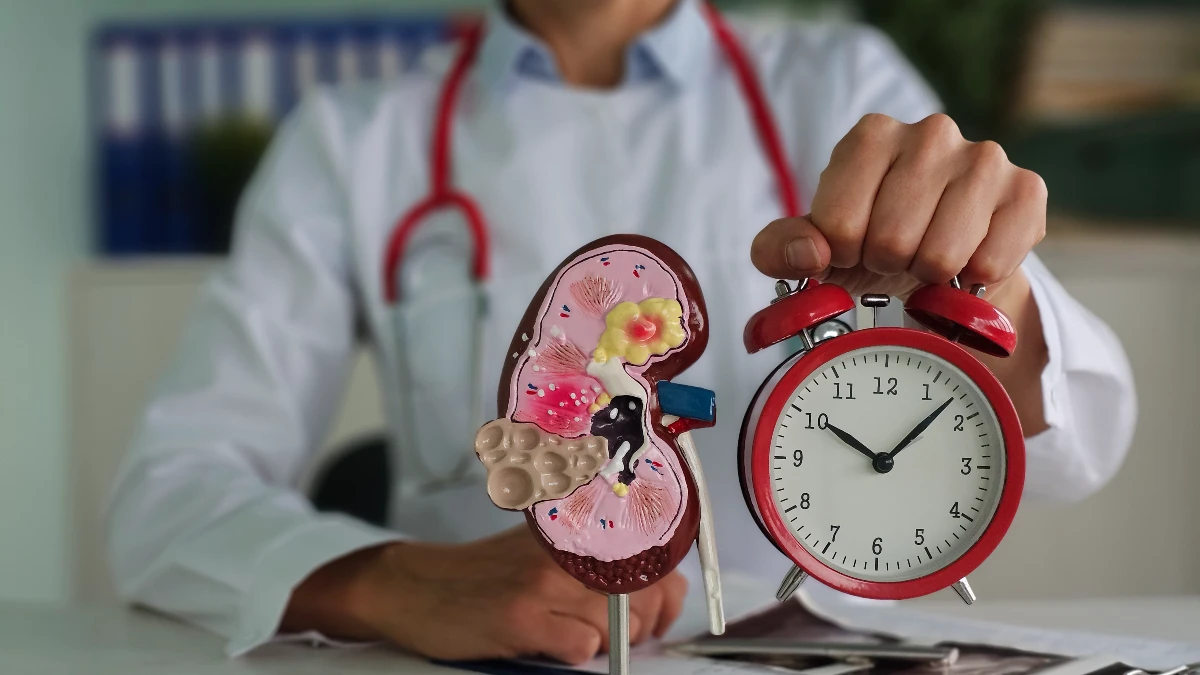
Knowing the signs is the first step. Taking action is next. Here is a simple plan to help you keep your kidneys healthy. This is not a treatment for kidney disease, but a way to protect your health for the long run.
Step 1: Cut Down on Salt
The best thing you can do for your kidneys is to eat less salt.
The Numbers Problem
Health experts say you should eat less than 2,300 mg of sodium a day. If you have high blood pressure or kidney problems, you should aim for 1,500 mg. Most Americans eat over 3,400 mg a day. Over 70% of this salt comes from packaged foods and restaurants, not your salt shaker.
Read the Label
Learn how to read the Nutrition Facts label. Look for the sodium amount. A good goal is to pick foods with 10% or less of the Daily Value (%DV) for sodium. Know what the words mean:
Sodium-Free: Has less than 5 mg of sodium.
Low-Sodium: Has 140 mg or less.
Reduced-Sodium: Has 25% less salt than the original. But it can still be high in salt.
Use this chart to make easy food swaps and cut a lot of salt from your diet.
| Instead of This High-Sodium Trap… | Choose This Kidney-Friendly Powerhouse… | How Much Salt You Save (About) |
| Canned Soup (1 cup) | Homemade or “Low-Sodium” Soup (1 cup) | 600-800 mg |
| Frozen Pizza (1 slice) | Homemade Pizza on pita bread with fresh veggies | 500-700 mg |
| Deli Meats (2 oz) | Fresh roasted chicken or turkey (2 oz) | 400-600 mg |
| Bottled Salad Dressing (2 tbsp) | Olive oil and vinegar or lemon juice | 250-350 mg |
| Salted Snacks (1 cup) | Unsalted nuts or air-popped popcorn | 400-500 mg |
| Flavored Rice or Pasta Mixes | Plain rice seasoned with herbs and spices | 800-1000 mg |
Step 2: Build a Kidney-Friendly Plate
A diet that’s good for your kidneys is full of fresh, whole foods. The National Kidney Foundation suggests a plate with:
- Fruits: Apples, blueberries, grapes, strawberries, and pineapple.
- Vegetables: Cabbage, cauliflower, onions, garlic, and red bell peppers.
- Lean Proteins: Fish like salmon, skinless chicken, and egg whites.
- Grains: For most people, whole grains are great. If you have later-stage kidney disease, your doctor might suggest white bread or rice.
- Flavor without Salt: Use garlic powder (not salt), onion powder, herbs, spices, and lemon juice to season your food.
Step 3: Make Simple Lifestyle Changes
Your diet is just one part of the plan. You also need a healthy lifestyle.
Drink Water (The Smart Way)
Drinking enough water helps your kidneys flush out salt and waste. Aim for 6-8 glasses a day. It’s strange, but not drinking enough water can actually make your body hold on to fluid, which can make puffiness worse. If you already have kidney failure, your doctor will tell you exactly how much to drink.
Get Moving
Try to get at least 150 minutes of exercise a week, like fast walking or swimming. Exercise helps control your blood pressure and blood sugar, which are the two biggest risks for kidney disease.
The “Must-Avoids”:
Smoking: It damages blood vessels and hurts blood flow to your kidneys.
Too Much Alcohol: It can dry you out and raise your blood pressure.
Some Pain Pills: Over-the-counter pain relievers like ibuprofen can harm your kidneys if you use them a lot. Ask your doctor for safer options.
Step 4: Use Apps to Track Your Progress
It’s hard to track salt because it’s hidden in so many foods. Luckily, technology can help. These apps for 2025 make it easy to see how much sodium you’re eating.
MyFitnessPal
This app has a huge database of foods. You can track your salt and other nutrients easily.
Lose It
This app is simple to use. It has a barcode scanner that makes logging food quick and easy.
My Dash Diet: Sodium Tracker
This app is made just for tracking sodium. It follows the DASH diet, which doctors often suggest for heart and kidney health.
Conclusion
We started by talking about a puffy face in the morning. You learned that while it can be harmless, it can also be a sign that your kidneys need help. A puffy face that sticks around is often caused by your body holding on to too much fluid because your kidneys can’t filter salt or keep protein in your blood.
It’s very important to know the difference between a simple problem and a serious one. If you have a puffy face along with other red flags like swollen legs, foamy pee, or feeling tired all the time, you should see a doctor. Kidney disease is common, and many people don’t know they have it. Catching it early is the best way to manage it.