

What if the secret to a longer, healthier life isn’t a miracle pill, but something as simple as the amount of protein on your plate? You’re constantly hearing conflicting advice about protein – eat more, eat less, only eat certain types.
It’s confusing, and you want to know what’s right for you, especially when it comes to living a long and healthy life. This article will break down the latest science on the optimal protein amount for longevity.
You’ll learn how your protein needs change as you age, the best sources of protein for a long life, and actionable tips to optimize your intake for 2025 and beyond.
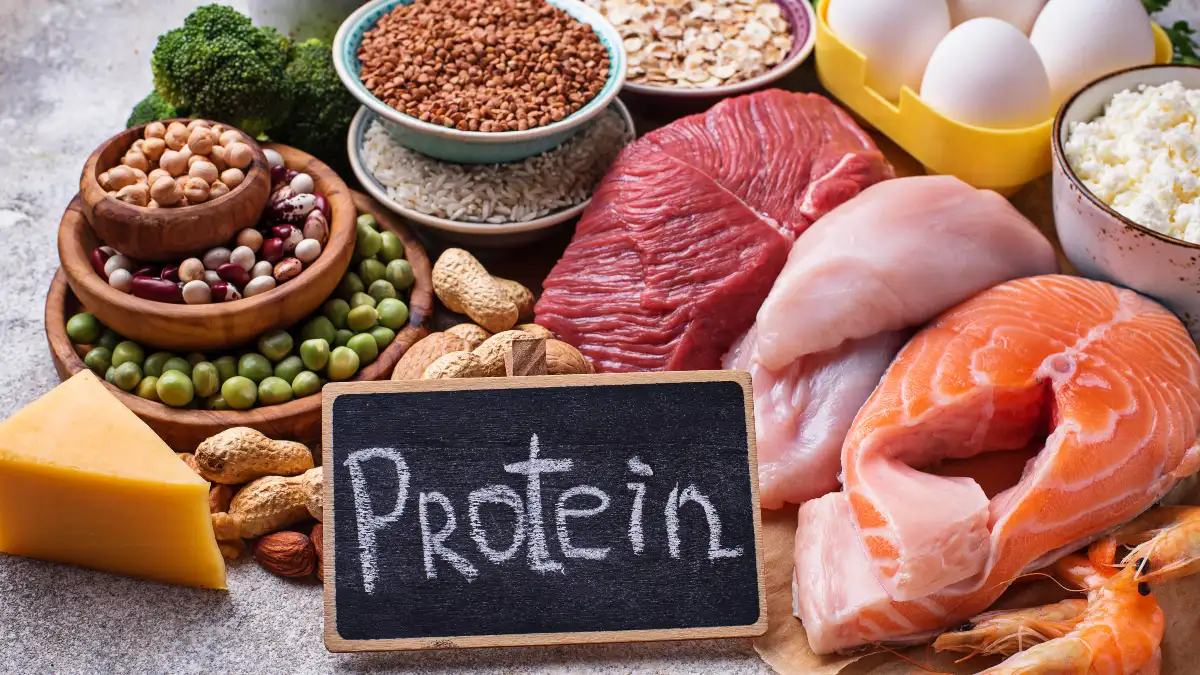
The Protein Paradox: Why Both “More” and “Less” Can Be Right
For years, the prevailing wisdom in health and fitness has been “more protein is better.” And it’s true, protein is essential for building and repairing tissues, making enzymes and hormones, and supporting muscle mass. But when it comes to longevity, the story gets a little more complicated.
Recent research has uncovered a fascinating paradox: the optimal amount of protein for a long, healthy life isn’t a one-size-fits-all number. In fact, it changes as we age.
Here’s what I mean. In younger adults (under 65), a lower protein intake has been linked to a longer lifespan. This is thought to be because high protein intake can activate a cellular pathway called mTOR (mammalian target of rapamycin).
Think of mTOR as a growth switch. When it’s on, it tells our cells to grow and divide, which is important for building muscle. But constantly having this switch in the “on” position may accelerate the aging process.
However, as we get older, the script flips. After the age of 65, our bodies become less efficient at using protein. This can lead to a condition called sarcopenia, which is the age-related loss of muscle mass and strength.
Sarcopenia is a major risk factor for falls, frailty, and loss of independence. To combat this, older adults actually need more protein than their younger counterparts.
So, the key isn’t to simply eat more or less protein, but to find your “protein sweet spot” – the right amount for your age and stage of life. As longevity expert Dr. Valter Longo says, the effects of protein are “very much age-dependent.”
Your Optimal Protein Intake: A Decade-by-Decade Guide for Longevity

So, how much protein do you need? Let’s break it down by age.
For Adults Under 65:
The focus for this age group is on moderation. The goal is to get enough protein to maintain muscle mass and support bodily functions, without over-activating the mTOR pathway.
Recommendation: Aim for 0.7 to 0.8 grams of protein per kilogram of body weight (or about 0.31 to 0.36 grams per pound).
For Adults Over 65:
After 65, the priority shifts to preventing sarcopenia and maintaining strength and mobility. This requires a higher protein intake to overcome the body’s anabolic resistance (the reduced ability to build muscle).
Recommendation: Aim for 1.0 to 1.2 grams of protein per kilogram of body weight (or about 0.45 to 0.55 grams per pound). If you are very active or have a chronic illness, you may need as much as 1.5 g/kg. This is in line with the recommendations from the PROT-AGE Study Group, a panel of international experts.
How to Calculate Your Protein Needs:
Find your weight in kilograms: If you know your weight in pounds, divide it by 2.2.
Multiply by the recommended amount for your age:
Under 65: Your weight in kg x 0.8 = Your daily protein target in grams.
Over 65: Your weight in kg x 1.2 = Your daily protein target in grams.
Example:
A 45-year-old who weighs 150 lbs (68 kg): 68 kg x 0.8 g/kg = 54 grams of protein per day.
A 70-year-old who weighs 150 lbs (68 kg): 68 kg x 1.2 g/kg = 82 grams of protein per day.
| Age Group | Protein Recommendation (per kg) | Protein Recommendation (per lb) | Example (150 lb person) |
|---|---|---|---|
| Under 65 | 0.7 – 0.8 g | 0.31 – 0.36 g | 47 – 54 g/day |
| Over 65 | 1.0 – 1.2 g | 0.45 – 0.55 g | 68 – 82 g/day |
It’s Not Just How Much, But What Kind: Plant vs. Animal Protein
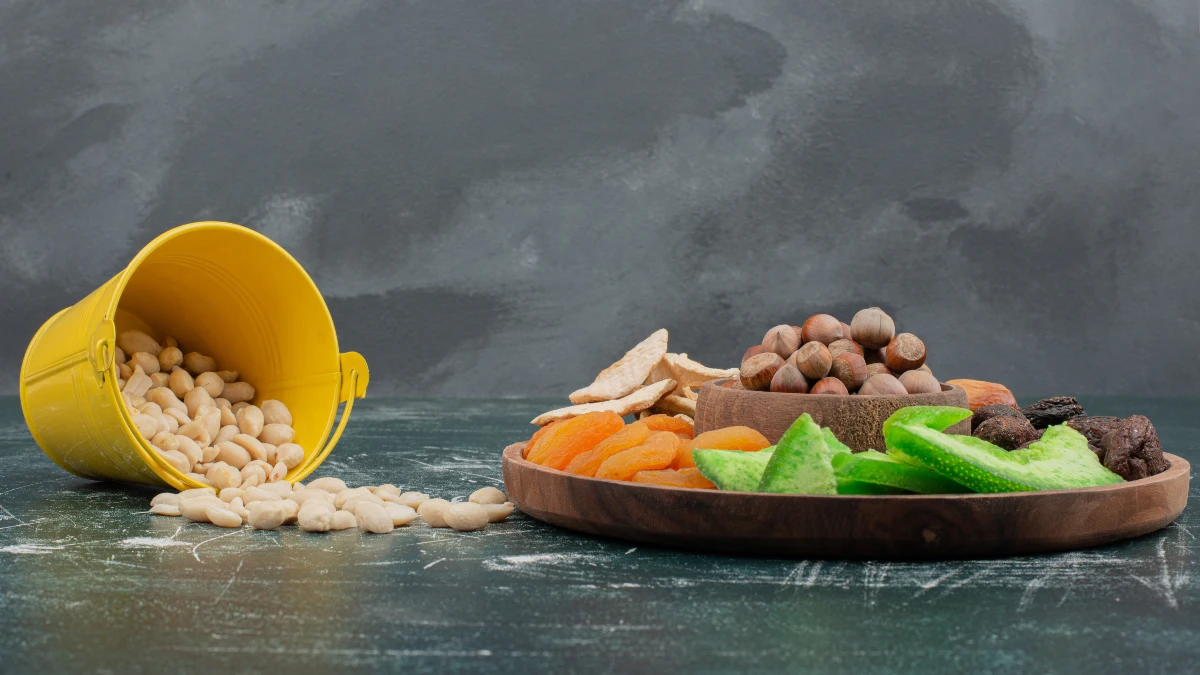
When it comes to longevity, the source of your protein may be just as important as the amount. A growing body of evidence suggests that plant-based proteins are superior to animal-based proteins for a long and healthy life.
People in the “Blue Zones” – regions of the world where people live the longest, healthiest lives – eat predominantly plant-based diets. Their main sources of protein are beans, lentils, nuts, and whole grains.
Studies have shown that a high intake of plant-based protein is associated with a lower risk of all-cause mortality, especially from heart disease.
Conversely, a high intake of animal protein, particularly red and processed meats, is linked to an increased risk of chronic diseases and a shorter lifespan.
This doesn’t mean you have to become a strict vegan or vegetarian. But shifting the balance of your protein intake towards more plant-based sources can have a significant impact on your health and longevity.
Here are some of the best plant-based protein sources:
Legumes: Lentils, chickpeas, black beans, kidney beans
Soy: Tofu, tempeh, edamame
Nuts and Seeds: Almonds, walnuts, chia seeds, flax seeds, hemp seeds
Whole Grains: Quinoa, oats, brown rice
How to get more plant-based protein:
Start with one meatless meal per week.
Add beans or lentils to your soups and salads.
Snack on a handful of nuts or seeds.
Try tofu or tempeh in a stir-fry.
Timing Your Protein: The Key to Unlocking Its Full Potential

You wouldn’t fill your car’s gas tank once a month and expect it to run perfectly every day. Think of your body’s protein needs in the same way.
It’s not just about hitting your daily total; it’s about when and how you consume it. To get the most benefit for muscle health and longevity, you need to spread your protein intake evenly throughout the day.
Here’s the deal. Your body is in a constant state of turnover, breaking down old proteins and building new ones. The process of building muscle is called muscle protein synthesis (MPS).
To kickstart this process, you need to provide your body with a sufficient “trigger” of protein at regular intervals. Research shows that our bodies can only use so much protein for muscle building at one time.
So what’s the magic number? The scientific consensus points to around 25 to 30 grams of high-quality protein per meal to maximally stimulate MPS.
Anything more than that in a single sitting provides diminishing returns for muscle growth and is more likely to be used for energy or stored.
This is why the common pattern of eating a low-protein breakfast (like toast or cereal), a moderate lunch, and then a massive 60-gram steak for dinner is not optimal.
You’ve missed two opportunities to trigger muscle growth and are overloading your system in the evening.
Actionable Steps for Better Protein Timing:
Front-load your day: Aim for at least 25 grams of protein at breakfast. This helps stop the muscle breakdown that happens overnight and sets you up for the day. Think Greek yogurt, eggs, or a tofu scramble.
Balance your meals: Divide your daily protein target by the number of meals you eat. If your target is 80 grams and you eat three meals and a snack, that’s about 25 grams for each meal and 5 for the snack.
Incorporate protein-rich snacks: A handful of almonds, a small tub of cottage cheese, or edamame can be great for bridging the gap between meals and keeping your body in a muscle-building state.
By spacing it out, you give your body a steady supply of the building blocks it needs, right when it needs them. That’s it.
The Dynamic Duo: Protein and Resistance Training

Eating the right amount of protein is one half of the longevity equation. The other, equally important half? Giving that protein a job to do.
You could say protein provides the bricks (amino acids), but resistance training is the construction crew that tells your body to build a strong, sturdy house (your muscles).
For healthy aging, this combination is non-negotiable. As we get older, we fight an uphill battle against sarcopenia—age-related muscle loss.
Simply eating more protein without challenging your muscles is like sending construction materials to a building site with no workers. The materials will just sit there.
Here’s what I mean. Resistance exercise—any activity that makes your muscles work against a force—creates tiny micro-tears in your muscle fibers. This sends a powerful signal to your body to repair and rebuild those fibers stronger than before. The protein you eat provides the raw materials for this repair process.
What’s more, exercise actually makes your muscles more sensitive to protein. This means that after a workout, your body is primed and incredibly efficient at using the amino acids from your meal to build muscle.
This synergy is crucial, especially for adults over 65 who face anabolic resistance, making it harder to build muscle.
You don’t need to be a bodybuilder. Actionable resistance training includes:
Bodyweight exercises: Squats, lunges, push-ups (on knees is fine!), and planks.
Resistance bands: A cheap and effective tool for adding resistance at home.
Lifting weights: Dumbbells or kettlebells can be used for simple exercises like bicep curls and overhead presses.
Functional activities: Heavy gardening, carrying groceries, or taking the stairs are also forms of resistance training.
Aim for at least two sessions of muscle-strengthening activity per week. By pairing your optimal protein intake with regular resistance exercise, you create the ultimate one-two punch against aging, preserving your strength, mobility, and independence for years to come.
A Word on Supplements: Do You Need Protein Powder?

In a world of endless supplement tubs and shaker bottles, it’s easy to wonder: do I really need a protein powder to live longer? The short answer is no, but the more nuanced answer is… it depends.
Let’s be clear: a “food-first” approach is always the best strategy. Whole food sources of protein—like beans, lentils, fish, and eggs—come packaged with a host of other essential nutrients like fiber, vitamins, minerals, and healthy fats that you won’t find in a processed powder. Supplements are just that: they are meant to supplement a healthy diet, not replace it.
However, there are specific situations where a high-quality protein supplement can be a very useful tool.
When a Protein Supplement Might Be Helpful:
Convenience: Let’s face it, life gets busy. A protein shake is a quick and easy way to get 20-25 grams of protein after a workout or on a morning when you don’t have time to cook eggs.
Poor Appetite: This is particularly relevant for older adults. As we age, our appetite can decrease, making it difficult to consume enough protein from whole foods. A light, easy-to-drink shake can be a game-changer for hitting those higher protein targets.
Meeting High Needs: If you’re very active or recovering from an illness, your protein needs might be higher than you can comfortably eat. A supplement can help bridge the gap.
Before you buy, ask yourself these questions:
Am I consistently struggling to hit my daily protein target from food alone?
Do I need a fast-digesting protein source right after my resistance training?
Is my appetite making it difficult to eat enough protein-rich meals?
If you answered “yes” to any of these, a supplement could be a practical choice. Look for one with a simple, clean ingredient list without a lot of added sugars or fillers.
Whey protein is excellent for muscle building, while plant-based options like pea, soy, or hemp protein are fantastic alternatives.
Ultimately, think of protein powder as a helpful tool in your longevity toolbox, not the toolbox itself.
Beyond the Grams: Understanding Protein Quality

So, you’re ready to add more lentils and chickpeas to your plate. But you might have a nagging question in the back of your mind, one you’ve probably heard before: “Is plant protein a ‘complete’ protein?” It’s a common concern, and it’s rooted in the concept of protein quality. Let’s clear this up.
Protein quality refers to a protein’s amino acid profile. Amino acids are the building blocks of protein, and there are nine that our bodies can’t make on their own—we must get them from food. These are called essential amino acids (EAAs).
A “complete” protein contains all nine EAAs in sufficient amounts. Animal proteins (meat, fish, dairy, eggs) fall into this category, as do some plant foods like soy, quinoa, buckwheat, and hemp seeds.
An “incomplete” protein is lower in one or more of the EAAs. Many plant foods, like beans and grains, fall into this category. For example, beans are lower in the EAA methionine, while grains are lower in lysine.
This is where the old, outdated myth of “protein combining” came from—the idea that you had to eat beans and rice in the same meal to get a complete protein.
Here’s the good news: science has moved on. Your body is smarter than that. It maintains a pool of free amino acids to draw from.
As long as you eat a variety of plant-based protein sources throughout the day, your body will have no problem getting all the essential amino acids it needs to function perfectly.
The lentil soup you have for lunch can supply the amino acids that the whole-grain toast you had for breakfast was lower in. It’s a daily balance, not a meal-by-meal crisis.
For longevity, the focus shouldn’t be on the specific amino acid score of a single food. Instead, look at the whole package.
That “incomplete” serving of black beans also comes with a powerful dose of fiber, antioxidants, and micronutrients, with zero cholesterol and very little saturated fat.
The “complete” steak, on the other hand, comes with saturated fat and other compounds linked to an increased risk of chronic disease.
The takeaway is simple: Don’t stress about combining proteins. Just focus on variety in your diet. By eating a mix of legumes, grains, nuts, and seeds, you will easily meet your needs for all essential amino acids and get the incredible health benefits of a plant-rich diet.
Conclusion: Your Blueprint for a Longer, Healthier Life
So, what’s the bottom line? Navigating the world of protein for longevity doesn’t have to be complicated. The science is becoming clearer, and the path forward is actionable. By moving away from a one-size-fits-all approach, you can tailor your protein intake to support a longer, more vibrant life.
Let’s recap the key takeaways:
Your needs change: The optimal protein amount for longevity is age-dependent. Aim for moderation (around 0.8 g/kg) before age 65 and increase your intake (1.0-1.2 g/kg) after 65 to fight muscle loss.
Source matters: Prioritize plant-based proteins from sources like beans, lentils, and nuts to lower your risk of chronic disease.
Timing is key: Spread your protein intake evenly throughout the day, aiming for 25-30 grams per meal to maximize muscle health.
Create the dynamic duo: Pair your protein intake with regular resistance training to give your muscles the signal they need to grow and stay strong.
Your first step is simple: calculate your personal protein needs using the formula in this guide. From there, start by making one small change, whether it’s adding a plant-based meal each week or ensuring your breakfast is packed with protein.
For personalized advice, especially if you have existing health conditions, consider talking to a registered dietitian or your doctor.
By making these informed choices, you’re not just eating for today—you’re actively building the foundation for a healthier tomorrow and finding your optimal protein amount for longevity.