

Want to burn fat without the sweat and struggle of exercise? Frustrated with diets that demand constant sacrifice? Not seeing results despite your best efforts?
Sleep could be your secret weapon. Your body keeps working even when you’re resting, if you fuel it right.
Certain foods kick your metabolism into high gear overnight, turning your sleeping hours into fat-burning time. No extra effort is required. This isn’t about exotic supplements or complicated meal plans.
Simple foods from your grocery store can transform your metabolism while you dream. Ready to wake up lighter? These 10 everyday foods will help your body torch fat all night long.
1. Cottage Cheese

This protein powerhouse works through the night as you rest. Cottage cheese contains casein protein that breaks down slowly, feeding your muscles a steady stream of amino acids while you sleep.
Your body needs this continuous protein supply to maintain muscle mass, which directly affects how many calories you burn.
The calcium in cottage cheese plays a key role too. It helps your body manage fat storage by telling cells to burn fat rather than store it.
Many people don’t know that calcium can influence fat metabolism this way. A small cup before bed can satisfy late-night hunger without loading up on calories.
The protein content helps you feel full longer and controls blood sugar levels, preventing those midnight cravings that lead to unhealthy snacking.
2. Greek Yogurt

Greek yogurt stands out as a nutritional heavyweight compared to regular yogurt. The straining process removes whey, creating a thicker product with nearly double the protein.
This protein-rich food takes longer to digest, keeping your metabolism active throughout the night. The probiotics in Greek yogurt support gut health, which connects directly to metabolism efficiency.
Good bacteria balance helps your body extract nutrients better and may reduce inflammation that can slow down your metabolic rate. Your gut bacteria influence how your body handles calories and fat storage.
Calcium in Greek yogurt works as a metabolic trigger. It signals fat cells to break down fat and discourages new fat formation.
Try adding a bowl to your evening routine about an hour before sleep for best results. You can keep it simple with a drizzle of honey or add berries for extra nutrition.
3. Almonds
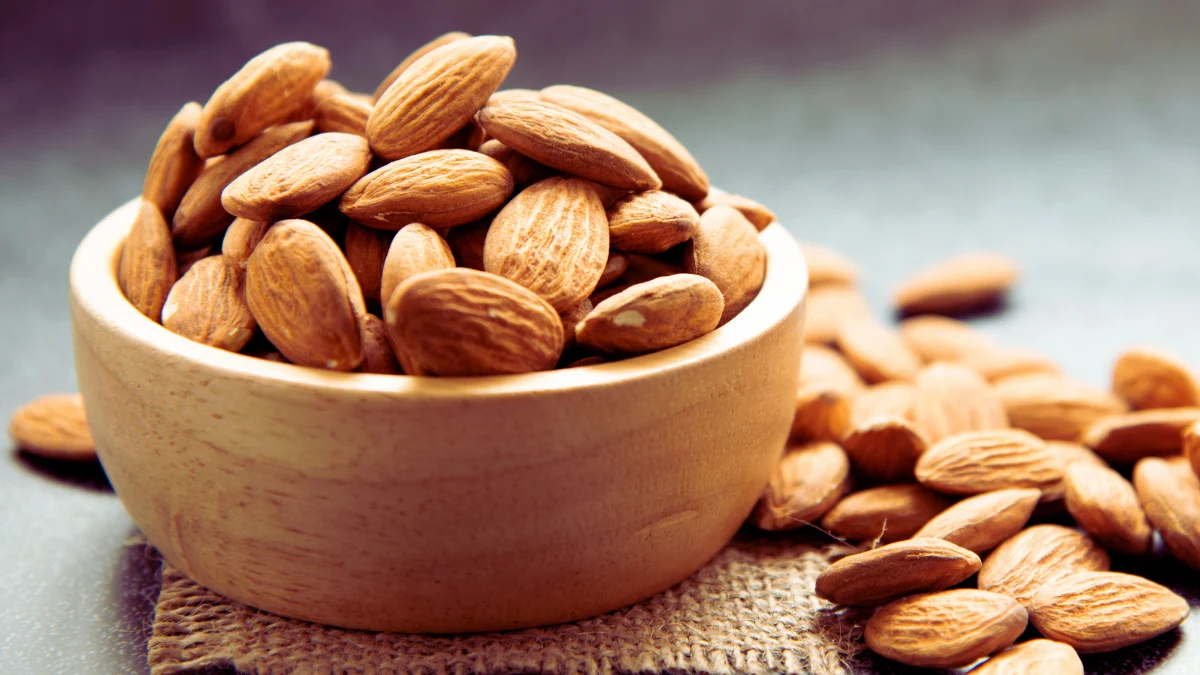
A handful of almonds can fuel your body’s fat-burning potential overnight. These nuts contain magnesium that helps regulate blood sugar and support deep sleep, both crucial for overnight metabolism.
Your body needs stable blood sugar to avoid storing excess fat during rest. The combination of protein, fiber, and healthy fats in almonds creates a triple threat against weight gain.
Your digestive system works harder to process these nutrients, burning more calories in the process. This is called the thermic effect of food – when eating helps you burn calories.
L-arginine, an amino acid in almonds, may boost fat burning during sleep. Your body uses this compound to build protein and support various metabolic functions.
A small portion of almonds (about 1 ounce or 23 nuts) provides enough nutrients without excess calories that could counteract their benefits.
4. Chili Peppers
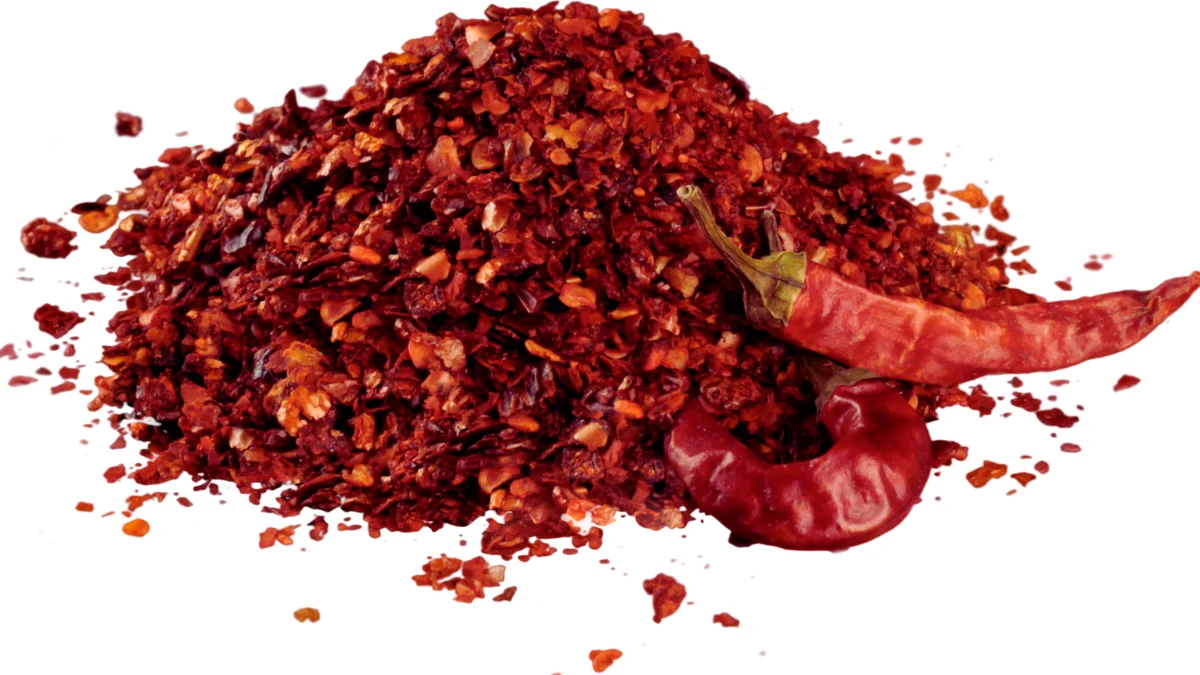
Chili peppers wake up your metabolism with their fiery kick. They contain capsaicin, a compound that temporarily raises your body temperature and speeds up calorie burning.
This heating effect can continue for hours after eating, even while you sleep. Your body works harder to cool down after consuming spicy foods, which burns extra calories.
Capsaicin also helps reduce hunger by affecting hormones that control appetite. Many people naturally eat less at dinner when they include spicy elements in their meals.
These hot peppers also improve blood flow and circulation, delivering nutrients more effectively throughout your body. Better circulation supports overall metabolic health and fat burning.
Try adding fresh or dried chili to your evening meal – even small amounts can provide benefits without overwhelming heat.
5. Green Tea

Green tea offers a gentle metabolism boost that can work through your sleeping hours. The catechins in green tea, especially EGCG, help your body switch from storing fat to using it for energy.
These plant compounds work alongside caffeine to increase the calories and fat you burn. Your body burns fat in a process called oxidation, which green tea helps accelerate.
Though it contains some caffeine, having a cup early in the evening shouldn’t disrupt sleep for most people. The L-theanine in green tea promotes relaxation, balancing any stimulating effects.
The antioxidants in green tea fight inflammation that can slow metabolism. Long-term green tea drinking appears to help maintain a healthy weight by keeping the metabolic rate higher.
Regular consumption shows better results than occasional use, so consider making it part of your daily routine rather than a one-time fix.
6. Grapefruit

Citrus with a purpose, grapefruit contains naringin that actively lowers insulin levels while you sleep. Lower insulin helps your body access and burn fat stores more effectively throughout the night.
Your metabolism can work more efficiently when not fighting against elevated insulin. Eating half a grapefruit before bed provides enough fiber to slow digestion and stabilize blood sugar.
This prevents midnight hunger pangs that might wake you up and interfere with fat-burning sleep cycles. The unique combination of fiber and low-calorie density makes it an excellent evening choice.
Research from the Journal of Medicinal Food found that people who consumed grapefruit daily for six weeks lost significantly more weight than non-grapefruit eaters.
Scientists believe this happens because grapefruit activates specific genes that break down fat, particularly in the abdominal region.
The study participants showed improved metabolism markers even without changing other aspects of their diet.
7. Oatmeal
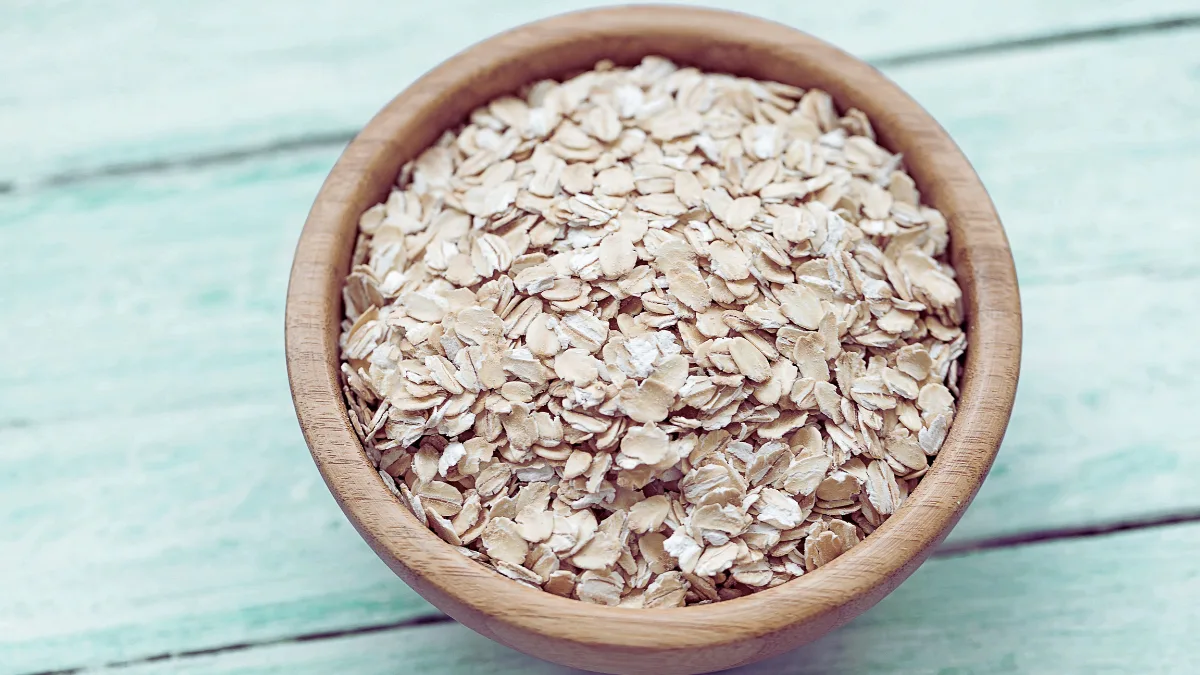
A bowl of oatmeal for dinner or as a late snack can boost overnight metabolism in surprising ways. The beta-glucan fiber creates a gel-like substance in your digestive tract that slows digestion and provides steady energy through the night.
Your body stays active breaking down this complex carbohydrate while you sleep. Resistant starch in oatmeal works as food for beneficial gut bacteria.
These microbes produce short-chain fatty acids that may increase fat oxidation during rest. Many people think carbs at night cause weight gain, but the right kind can support fat burning.
Steel-cut or rolled oats make the best choice for metabolism benefits. They contain more fiber and resistant starch than instant varieties.
Try a small portion about two hours before bedtime with cinnamon (another metabolism booster) and a protein source like milk or yogurt to maximize overnight benefits.
8. Avocados

Rich in monounsaturated fats, avocados help maintain metabolic rate during sleep. These healthy fats signal your body to turn off fat-storage mechanisms and turn on fat-burning processes instead.
Your metabolism responds to dietary fat quality, not just quantity. The fiber content works alongside fat to slow digestion and provide sustained energy.
This prevents blood sugar crashes that can trigger cortisol release and fat storage during sleep. Many minerals in avocados, particularly potassium and magnesium, support metabolic functions that continue during rest.
Adding a quarter or half avocado to your evening meal can improve nutrient absorption from other foods too. Fat-soluble vitamins need dietary fat to be properly used by your body.
The oleic acid in avocados may directly activate genes responsible for breaking down fat cells, helping you burn more while doing less.
9. Eggs

Protein champions that keep your metabolism humming through the night. Eggs provide all nine essential amino acids needed for muscle maintenance and growth.
Your body burns significant calories just by maintaining muscle tissue, even during sleep. The whites contain branched-chain amino acids (BCAAs) that preserve muscle mass while the yolks offer vitamins that support metabolic function.
Choline, found abundantly in egg yolks, helps transport fats and remove them from the liver. Without adequate choline, fat can accumulate and slow metabolism.
Hard-boiled eggs make a simple evening snack that won’t spike blood sugar. Your body digests this protein slowly, providing a steady stream of amino acids throughout the night.
The combination of protein and fat creates lasting satiety, preventing hunger from disturbing your sleep and the fat-burning processes that happen during deep sleep cycles.
10. Legumes (Lentils, Chickpeas)
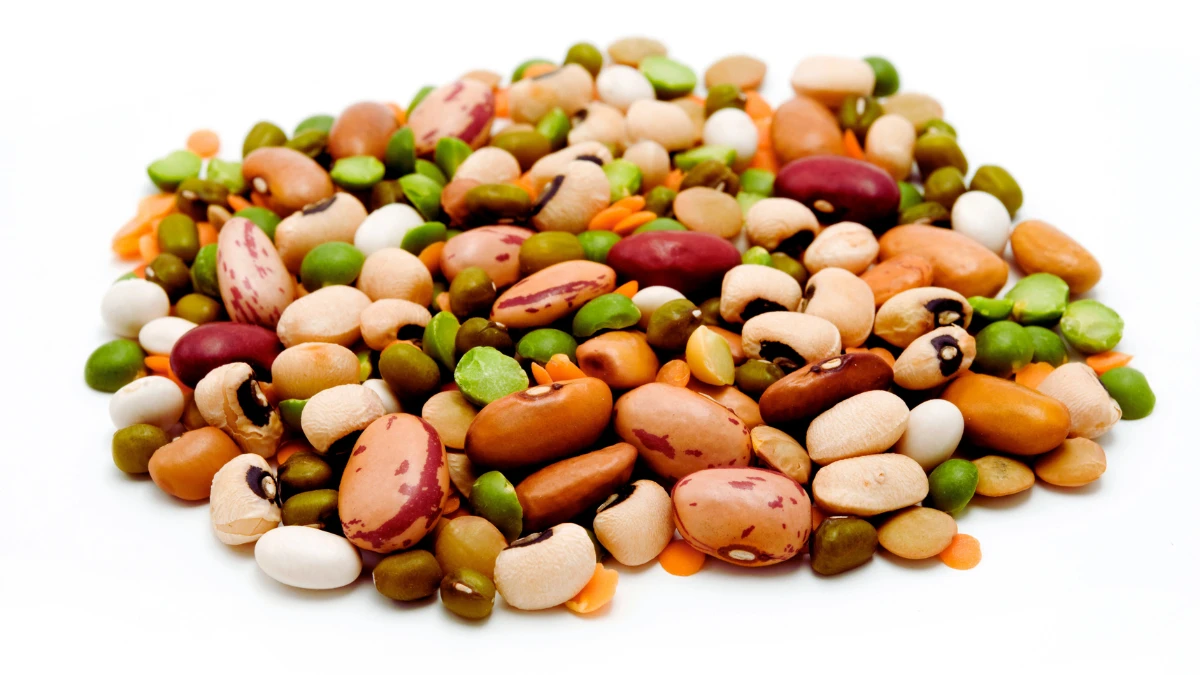
These plant protein powerhouses require significant energy just to digest. Your body burns calories breaking down the complex proteins and fibers in legumes, a process that continues while you sleep.
The technical term for this is “thermic effect of food” — calories burned through digestion. Resistant starch in legumes feeds good gut bacteria, which produce compounds that may enhance fat metabolism.
Your digestive system works through the night processing these nutrients, keeping your metabolism active hours after eating. The fiber also helps remove excess hormones that might otherwise promote fat storage.
Research in the American Journal of Clinical Nutrition found that diets rich in legumes increased metabolism by 15-30% compared to low-protein diets.
Participants in the study burned more fat during the night when they ate legume-based meals for dinner. Scientists attribute this to the unique combination of slow-digesting protein, fiber, and resistant starch that keeps metabolic processes active throughout sleep cycles.