

Your knees creak when you stand up. Your hips ache after sitting too long. You’ve been told that cartilage damage is permanent and surgery might be your only option. Sound familiar?
While doctors focus on managing symptoms, your joints continue deteriorating. Each day brings more stiffness, more pain, and less mobility. The activities you love become distant memories as your body betrays you.
What if decades of cartilage wear could be reversed? This 14-day protocol combines targeted movements with proven regenerative principles to help your joints heal naturally. No surgery required.
Key Principles Behind the Protocol
These foundational concepts form the backbone of joint restoration through targeted movement therapy. Each principle works synergistically to create an environment where cartilage can heal and regenerate.
Mechanical Stimulation for Cartilage Health
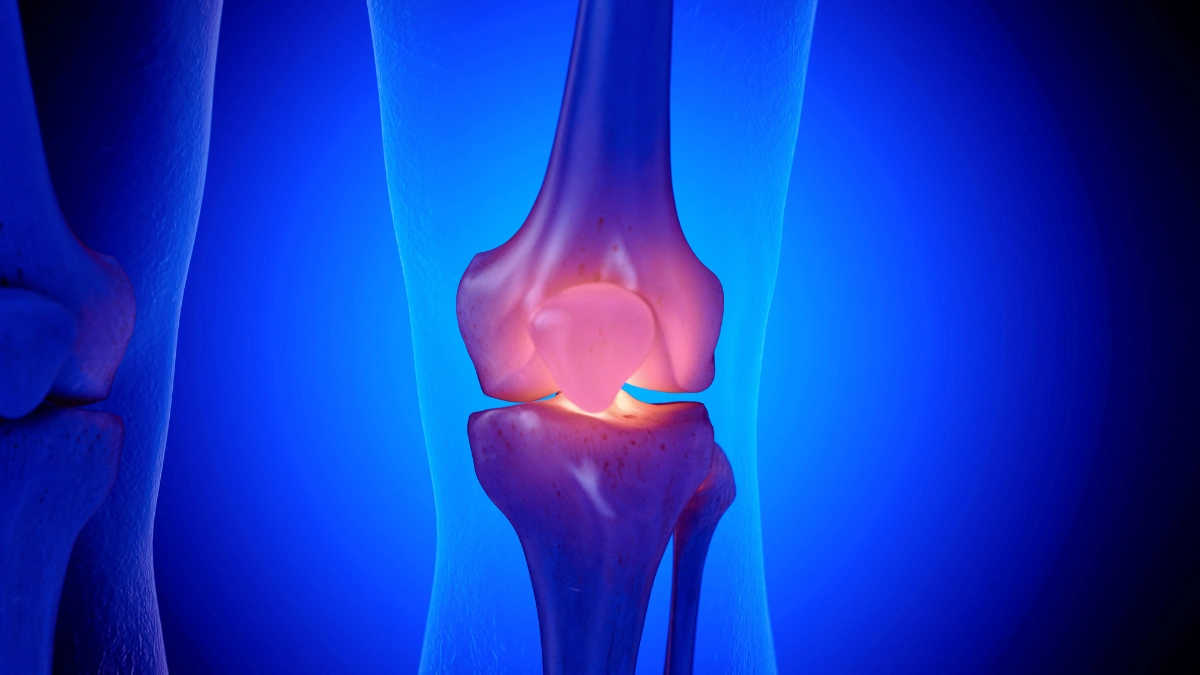
Cartilage lacks blood vessels, making it dependent on movement for nutrition. When joints move, synovial fluid acts like a sponge, delivering nutrients and removing waste products.
This process becomes compromised when we remain sedentary or avoid movement due to pain. Controlled mechanical stress triggers cellular responses within cartilage tissue.
Chondrocytes, the cells responsible for cartilage maintenance, respond to gentle pressure by producing more collagen and proteoglycans.
These building blocks form the cartilage matrix that provides cushioning and shock absorption. Low-impact activities create the right amount of stress without causing damage.
Swimming, cycling, and walking provide compression and decompression cycles that mimic the natural pumping action cartilage needs. This rhythmic loading stimulates repair mechanisms while preventing further breakdown.
Strengthening Supporting Musculature
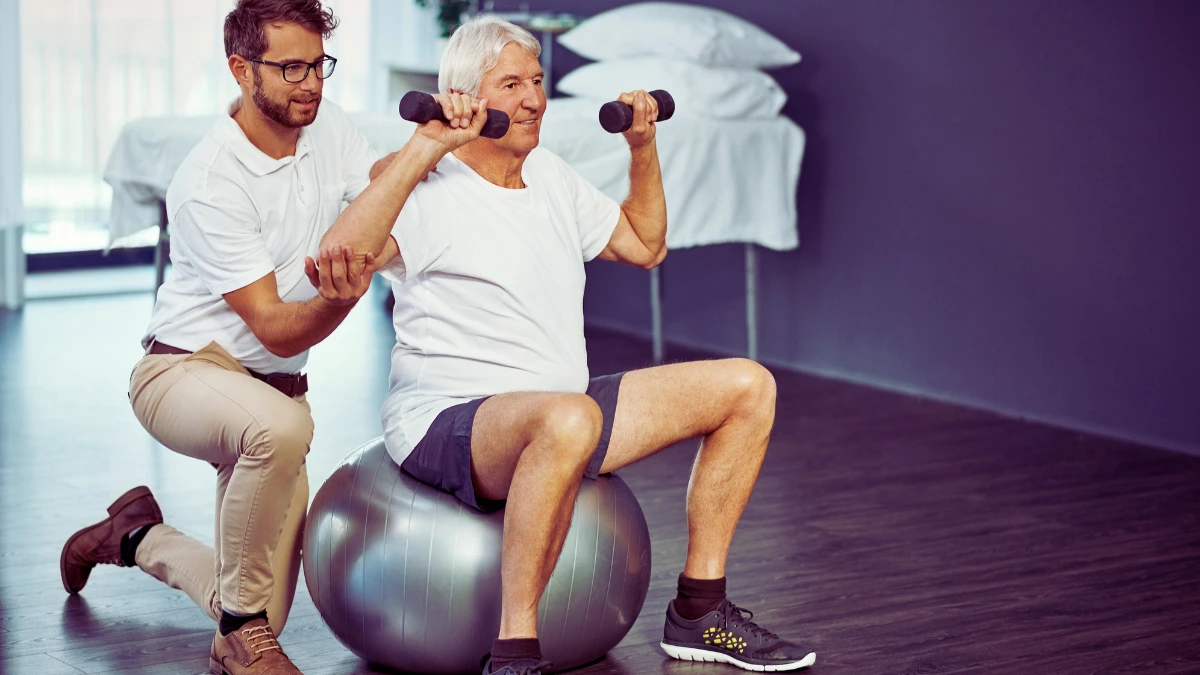
Weak muscles around joints create uneven pressure distribution across cartilage surfaces. When the quadriceps muscles lose strength, the knee joint becomes unstable, and cartilage wears unevenly.
Hip weakness affects the entire kinetic chain, from the lower back down to the ankles. Targeted strengthening exercises restore proper biomechanics and reduce cartilage stress.
Strong glutes stabilize the hip joint and prevent excessive inward knee movement during walking and stair climbing. Well-conditioned quadriceps muscles absorb shock that would otherwise be transmitted directly to cartilage.
Isometric exercises provide muscle activation without joint movement, making them safe during acute flare-ups.
Progressive resistance training builds functional strength that translates to daily activities. This muscular support system acts like a natural brace, protecting joints from excessive wear and tear.
Joint Distraction & Mobility
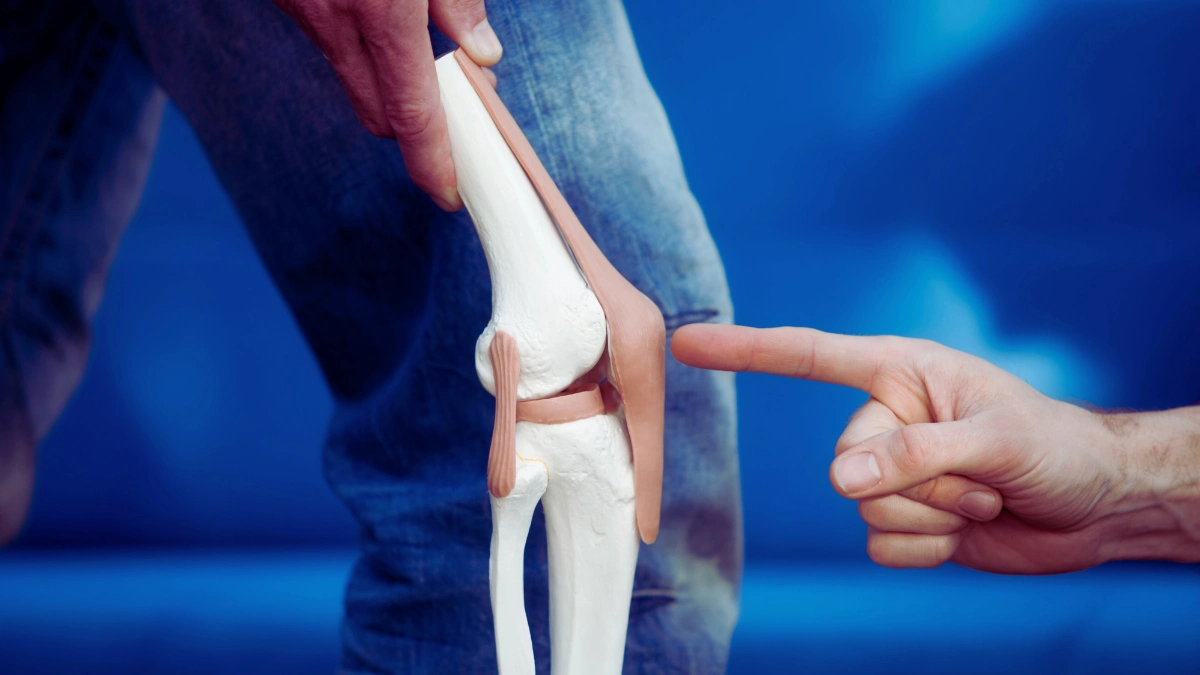
Compressed joints struggle to heal because damaged surfaces remain in constant contact. Creating space between joint surfaces allows for better fluid circulation and reduces friction between cartilage layers.
This decompression mimics the beneficial effects seen in medical traction procedures. Gentle stretching and mobility work counteract the stiffness that develops from chronic inflammation and disuse.
Range of motion exercises maintain joint flexibility and prevent adhesions from forming. Yoga-inspired movements combine stretching with controlled breathing, which helps reduce muscle tension around affected joints.
Traction-based exercises use gravity or gentle resistance to separate joint surfaces. Hanging from a pull-up bar decompresses the spine, while specific stretches create space in hip and knee joints.
These techniques work best when performed consistently over time, allowing tissues to gradually adapt and heal.
Anti-Inflammatory Movement Practices
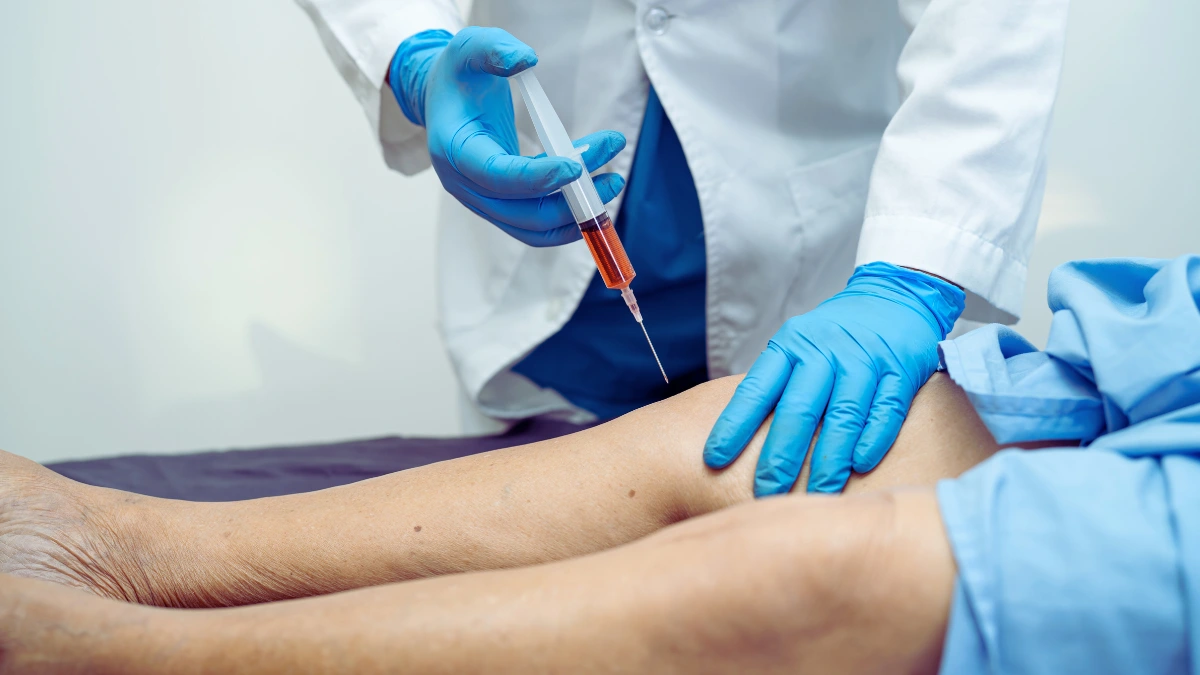
Chronic inflammation disrupts the delicate balance between cartilage breakdown and repair. Inflammatory chemicals interfere with chondrocyte function and accelerate tissue destruction.
Movement practices that reduce systemic inflammation create a more favorable environment for healing. Slow, flowing movements like tai chi and qigong activate the parasympathetic nervous system, which controls the body’s rest and repair functions.
These practices reduce stress hormones that contribute to inflammation and joint pain. The meditative aspect also helps break the pain-tension cycle that often perpetuates joint problems.
Controlled breathing exercises during movement enhance oxygen delivery to tissues and promote relaxation. This combination of physical activity and stress reduction addresses both the mechanical and biochemical aspects of joint health. Regular practice can significantly reduce inflammatory markers in the blood and synovial fluid.
14-Day Movement Plan
This progressive program systematically addresses joint restoration through three distinct phases. Each stage builds upon the previous one, creating momentum toward lasting cartilage regeneration.
Phase 1: Days 1–4 (Reducing Inflammation & Restoring Mobility)
Morning
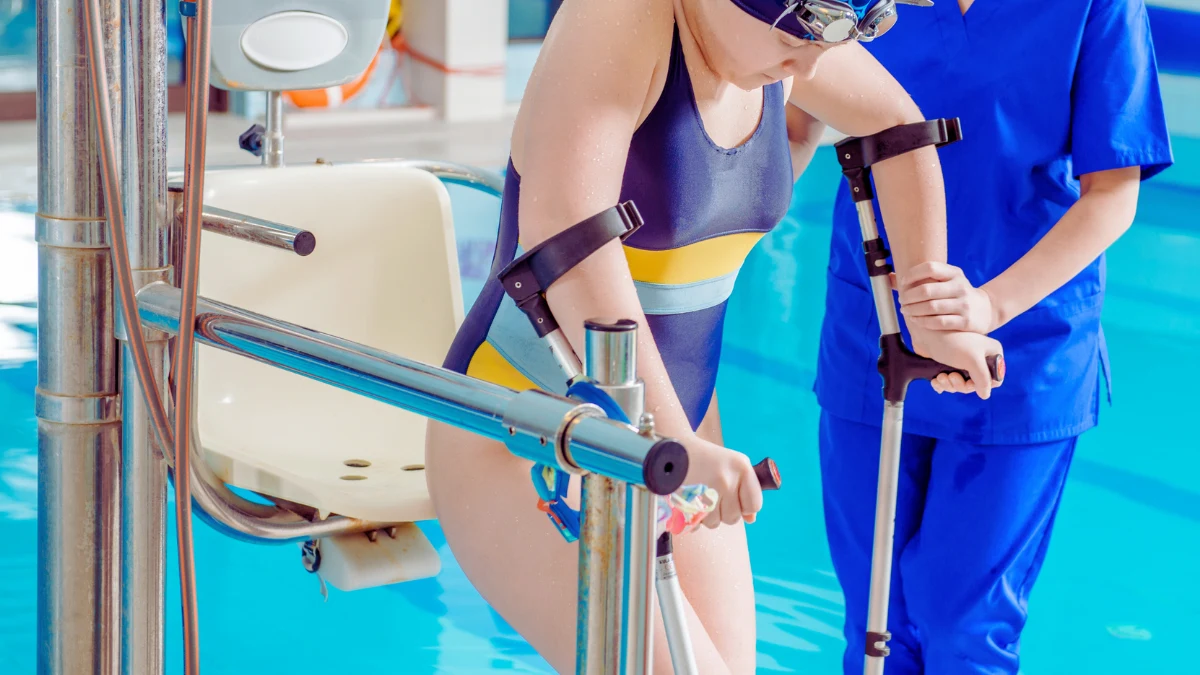
Water-based exercise provides the foundation for joint recovery during these initial days. Pool walking removes gravitational stress while allowing natural movement patterns to emerge.
The buoyancy effect reduces joint compression by up to 90%, making it possible to move freely without pain or stiffness.
Quad sets activate the large thigh muscles without requiring knee movement, making them safe for inflamed joints.
Contracting these muscles for 5 seconds helps maintain strength while you’re dealing with acute symptoms. Calf pumps work similarly, engaging the lower leg muscles to promote circulation and prevent stiffness.
These exercises focus on muscle activation rather than joint movement. Starting slowly allows your body to adapt without triggering defensive responses.
The combination of water therapy and isometric strengthening creates a gentle introduction to the healing process.
Evening
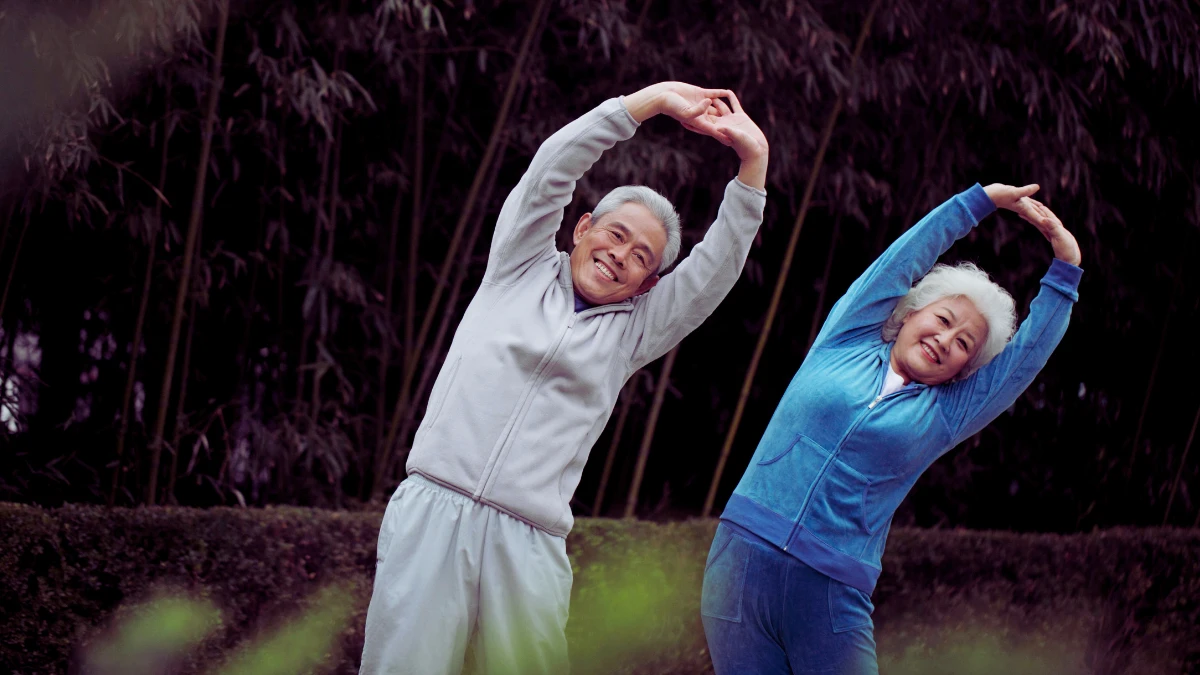
Traction stretches create space between joint surfaces, allowing compressed cartilage to decompress and receive nutrients.
Using a resistance band provides a controlled distraction force that you can adjust based on comfort level. Supine leg traction works particularly well for hip and knee joints that bear weight all day.
Hold each stretch for 5 to 10 seconds, focusing on gentle separation rather than aggressive pulling. This technique mimics therapeutic traction used in physical therapy clinics.
The goal is creating space, not forcing movement through restricted ranges. Performing these stretches in the evening helps counteract the compression effects of daily activities.
Gravity and weight-bearing movements throughout the day compress joints, so evening decompression provides balance. This timing also promotes better sleep by reducing joint pressure and associated discomfort.
Phase 2: Days 5–10 (Progressive Strengthening)
Morning
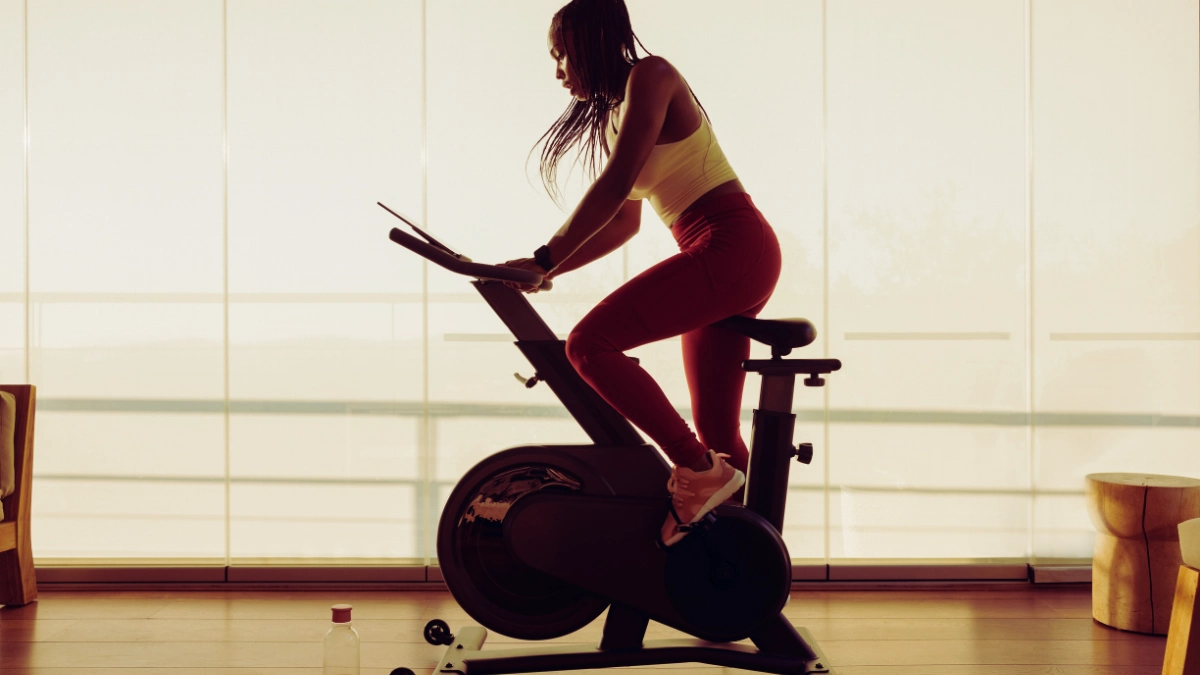
Stationary cycling introduces controlled resistance while maintaining the low-impact benefits established in Phase 1.
The circular pedaling motion promotes synovial fluid circulation without jarring movements. Set resistance to a level that creates mild muscle fatigue without joint pain.
Wall sits build isometric strength in the quadriceps and glutes, two muscle groups crucial for joint stability. Start with 30-second holds and progress to 60 seconds as strength improves.
This exercise loads the muscles while keeping joints in a stable position, reducing shear forces on cartilage. These morning activities prepare your joints for daily activities by warming tissues and activating supporting muscles.
The combination of cardio and strength training addresses both circulation and stability needs. Building this routine in the morning establishes a consistent pattern that becomes easier to maintain.
Evening

Yoga poses specifically chosen for joint decompression help maintain the mobility gains from Phase 1 while adding flexibility components.
Supta Padangusthasana uses gravity and gentle stretching to create space in the hip and knee joints. The supine position removes weight-bearing stress while allowing controlled movement.
These poses work best when held for 30 to 60 seconds, allowing tissues time to respond and lengthen. Focus on breathing deeply during each pose to enhance relaxation and tissue release.
The combination of stretching and breathing activates the parasympathetic nervous system, which promotes healing.
Evening yoga sessions provide a transition from the day’s activities to rest and recovery. This timing allows your body to process the strengthening work from the morning while preparing joints for overnight repair processes. The meditative aspect also helps reduce stress-related inflammation.
Phase 3: Days 11–14 (Functional Integration)
Morning
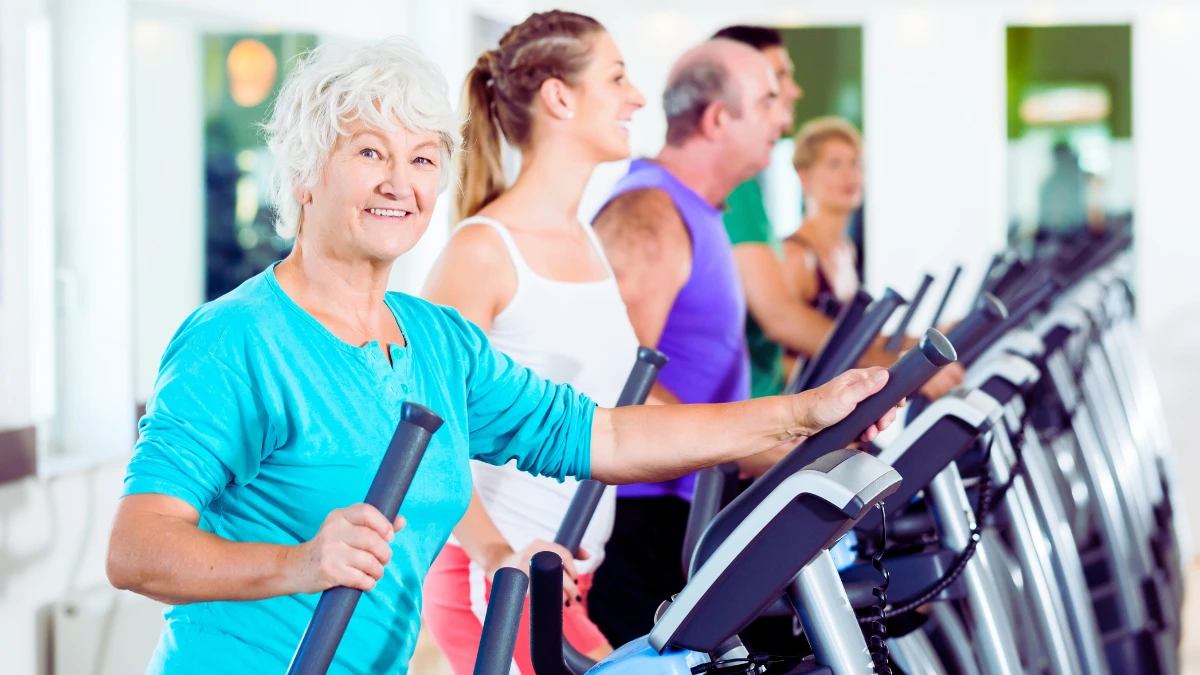
Elliptical training mimics natural walking patterns while maintaining joint-friendly mechanics. The smooth, gliding motion eliminates the impact forces associated with running or jumping.
This equipment allows you to practice normal gait patterns while your joints continue healing. Balance drills address proprioception, your body’s ability to sense joint position in space.
Single-leg stands and similar exercises retrain the nervous system to coordinate muscle responses around joints.
Poor balance often contributes to uneven cartilage wear because muscles don’t activate properly during movement.
These functional exercises prepare you to return to normal activities with improved joint mechanics. The elliptical work builds cardiovascular fitness while the balance training enhances coordination. Together, they create a foundation for long-term joint health beyond the 14-day protocol.
Evening
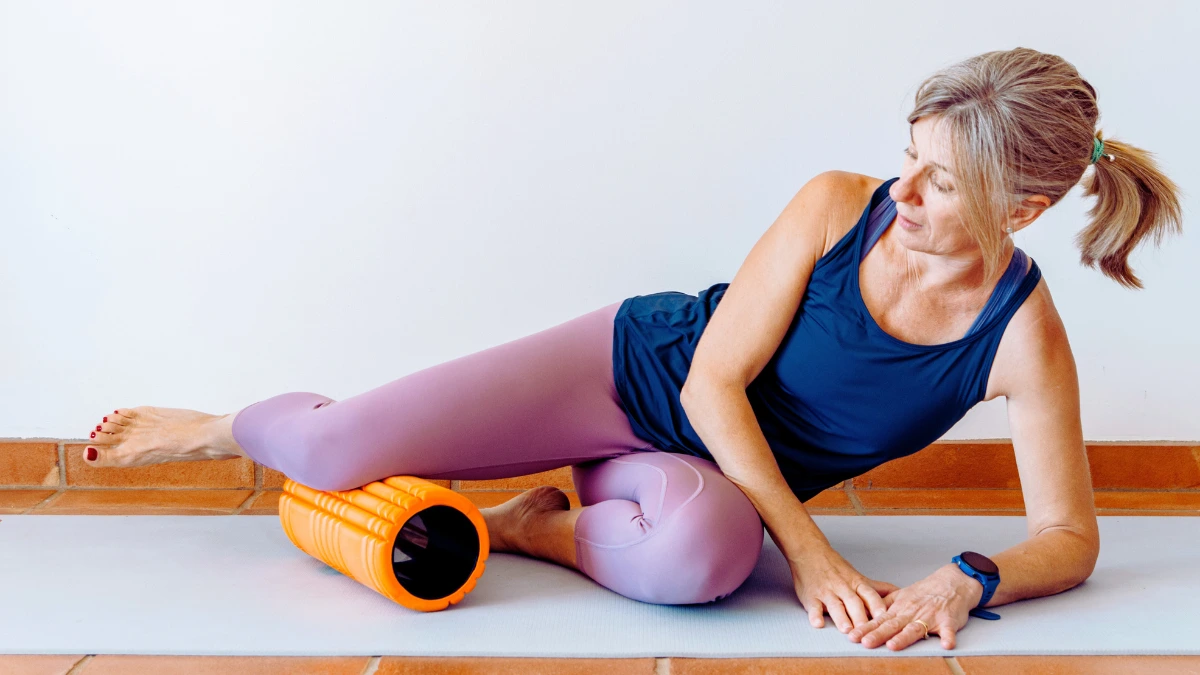
Foam rolling addresses muscle tightness that develops around healing joints. Tight muscles alter joint mechanics and can perpetuate cartilage wear patterns.
Rolling techniques help release trigger points and improve tissue quality around affected joints. Myofascial release targets the connective tissue that surrounds muscles and joints.
This work complements the strengthening and mobility exercises by ensuring optimal tissue quality. Focus on areas that feel tight or tender, spending 30 to 60 seconds on each spot.
These evening sessions help maintain the improvements gained throughout the day while preparing your body for overnight recovery.
Improved tissue quality enhances circulation and reduces mechanical stress on joints. The relaxation effects also promote better sleep quality, which supports the healing process.
Supportive Practices
Movement alone cannot restore cartilage without proper nutritional support and inflammation control. These dietary strategies work synergistically with the exercise protocol to accelerate joint healing.
Hydration & Nutrition
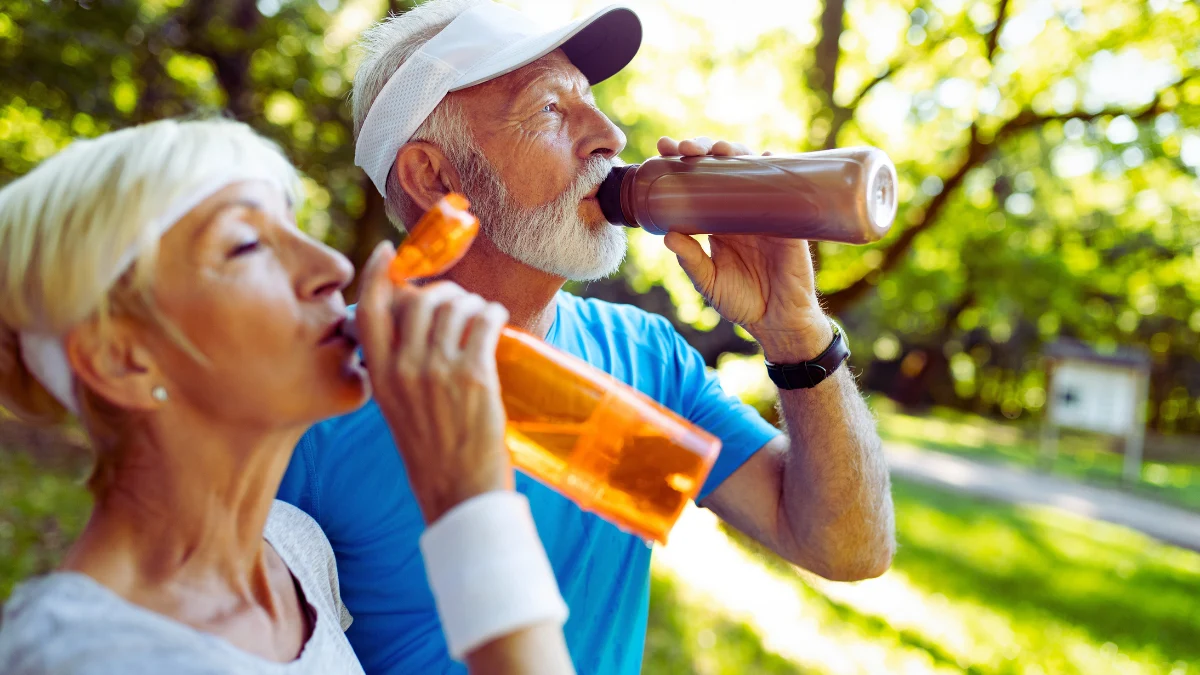
Water forms the foundation of healthy cartilage, comprising up to 80% of its structure. Dehydration reduces synovial fluid production, leading to increased friction between joint surfaces.
Drinking adequate water throughout the day maintains the gel-like consistency that cartilage needs for shock absorption and nutrient transport.
Collagen-rich foods provide the raw materials for cartilage repair and regeneration. Bone broth contains glycine, proline, and hydroxyproline, amino acids that directly support cartilage matrix formation.
Fish with edible bones, such as sardines and salmon, offer both collagen and omega-3 fatty acids that reduce inflammation while supporting tissue repair.
Vitamin C plays a crucial role in collagen synthesis, making citrus fruits, berries, and leafy greens important additions to your daily intake.
Sulfur-containing foods like garlic, onions, and cruciferous vegetables provide the building blocks for cartilage proteins. Timing these nutrients around your exercise sessions can enhance their uptake and utilization by healing tissues.
Anti-Inflammatory Diet

Chronic inflammation sabotages cartilage repair by creating an environment where breakdown exceeds regeneration.
Omega-3 fatty acids from cold-water fish like salmon, mackerel, and sardines actively reduce inflammatory compounds in joint tissues.
These healthy fats also improve cell membrane function, allowing nutrients to enter cartilage cells more efficiently.
Turmeric contains curcumin, a powerful compound that blocks inflammatory pathways without the side effects of pharmaceutical options.
Black pepper enhances curcumin absorption, so combining these spices maximizes their joint-protective benefits.
Ginger works through different mechanisms to reduce inflammation and can be consumed fresh, dried, or as a supplement.
Colorful fruits and vegetables provide antioxidants that neutralize free radicals produced during the healing process.
Cherries, blueberries, and leafy greens contain anthocyanins and other compounds that specifically target joint inflammation.
Avoiding processed foods, excess sugar, and trans fats prevents the production of inflammatory molecules that interfere with cartilage repair.