

Looking in the mirror only to find new wrinkles can feel like a betrayal of your skin. Expensive creams promise results but often leave your wallet empty and your face unchanged.
What if your kitchen held more anti-aging power than your bathroom cabinet? Certain foods can strengthen collagen, boost elastin, and improve skin hydration from within.
This isn’t about miracle cures or complicated regimens – just simple, everyday foods backed by solid science. Ready to eat your way to firmer, more youthful skin? These 10 foods might change how you shop for groceries forever.
1. Avocados

Avocados contain monounsaturated fats that keep your skin flexible and hydrated. These healthy fats strengthen your skin’s outer barrier, which locks in moisture and improves how elastic your skin feels.
The vitamin E in avocados works as an antioxidant that protects your skin cells from damage that can break down collagen. Collagen gives your skin structure and firmness.
Vitamin C, another nutrient found in avocados, is essential for making new collagen. Your body needs this constant collagen production to maintain youthful skin.
Eating avocados regularly can help your skin stay moisturized from within. Many people notice their skin feels less dry and looks more radiant after adding avocados to their diet.
The combination of nutrients in avocados makes them particularly good for fighting the signs of aging that come from both internal and external factors.
2. Tomatoes
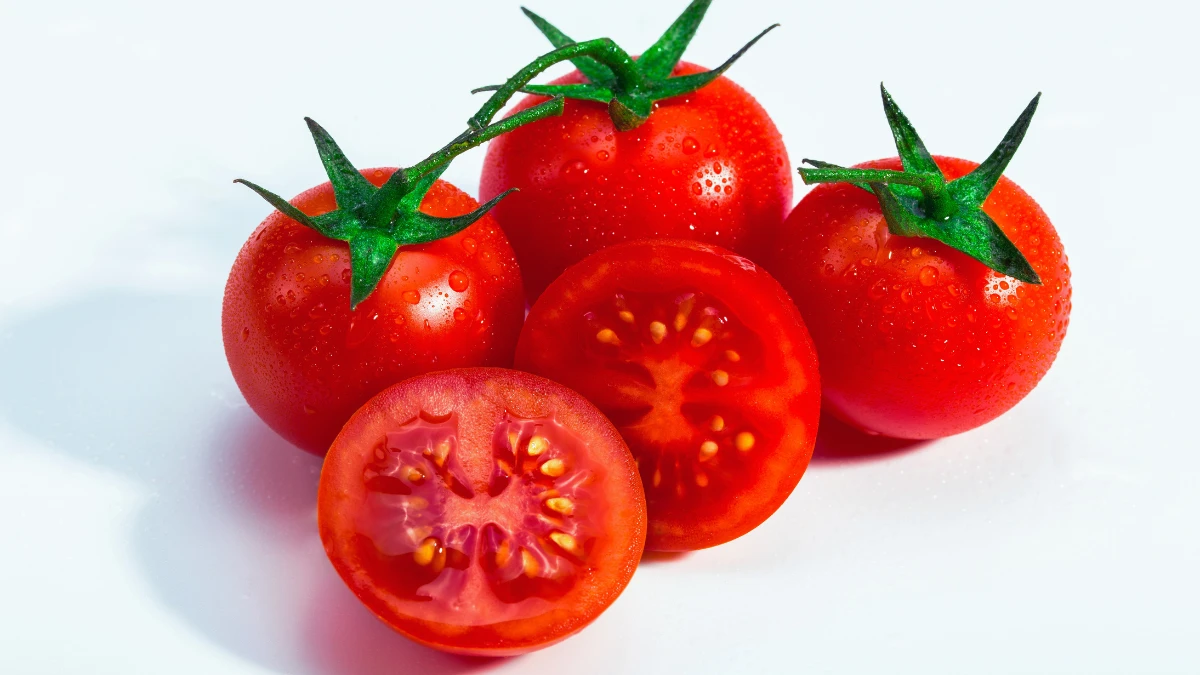
Tomatoes gain their bright red color from lycopene, a powerful antioxidant that protects your skin from sun damage.
Sun exposure creates harmful free radicals in your skin that speed up wrinkle formation and sagging. Lycopene neutralizes these free radicals before they can harm your skin cells.
Cooking tomatoes increases the amount of lycopene your body can absorb. A simple tomato sauce or soup can provide more skin benefits than raw tomatoes.
Your body stores lycopene in your skin tissues, where it acts as a natural sunscreen from the inside out. People who eat tomatoes regularly have better protection against sunburn.
This internal protection works alongside your topical sunscreen to prevent photoaging. Your skin maintains better elasticity and fewer wrinkles when protected from UV damage.
A daily serving of tomatoes or tomato products can make a noticeable difference in how your skin responds to sun exposure.
3. Almonds
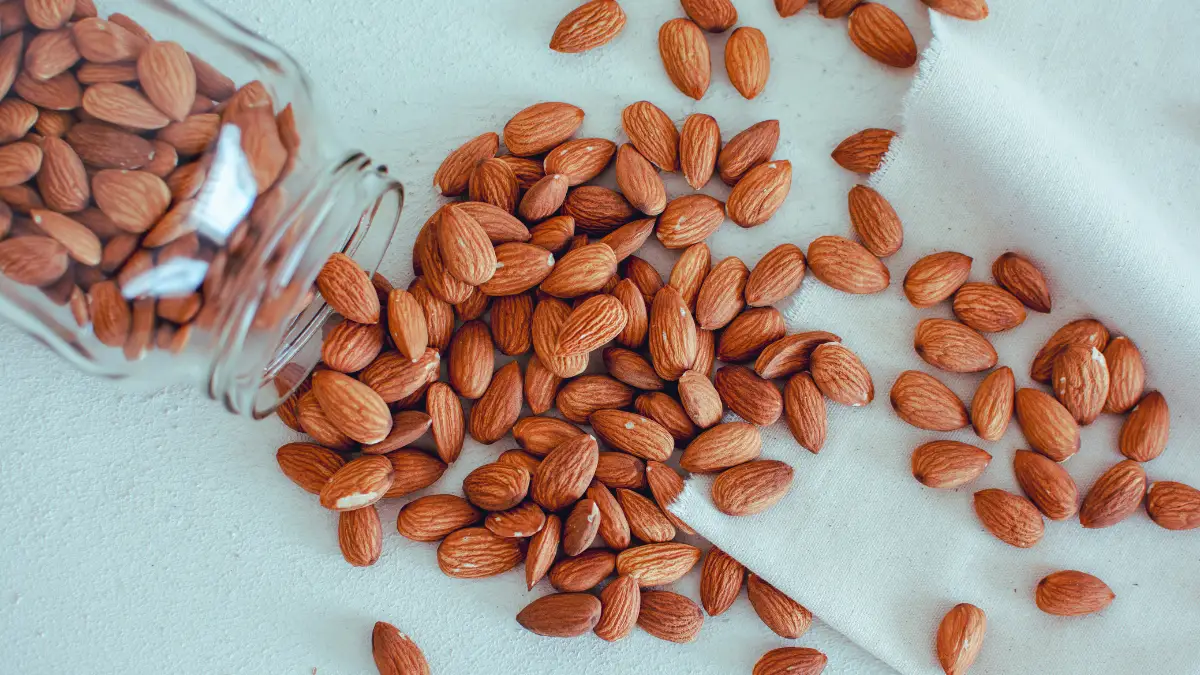
Almonds deliver a powerful combination of vitamin E, biotin, and healthy fats that support skin health. A handful of these nuts provides about half your daily vitamin E needs.
This vitamin acts as an antioxidant that protects cell membranes from oxidative stress that can lead to wrinkles.
The biotin in almonds helps maintain healthy skin cells and supports repair processes. Without enough biotin, skin can become dry, flaky, and more prone to showing signs of aging.
Almond’s protein content also provides the building blocks your body needs to create new skin cells and maintain collagen structure.
Eating nuts regularly correlates with improved skin elasticity. This happens because the nutrients in almonds support your skin from the cellular level up.
People who include almonds in their diet often notice their skin feels more supple and shows fewer fine lines. The concentration of skin-supporting nutrients makes almonds an excellent choice for an anti-aging snack.
4. Fatty Fish (Salmon, Sardines)
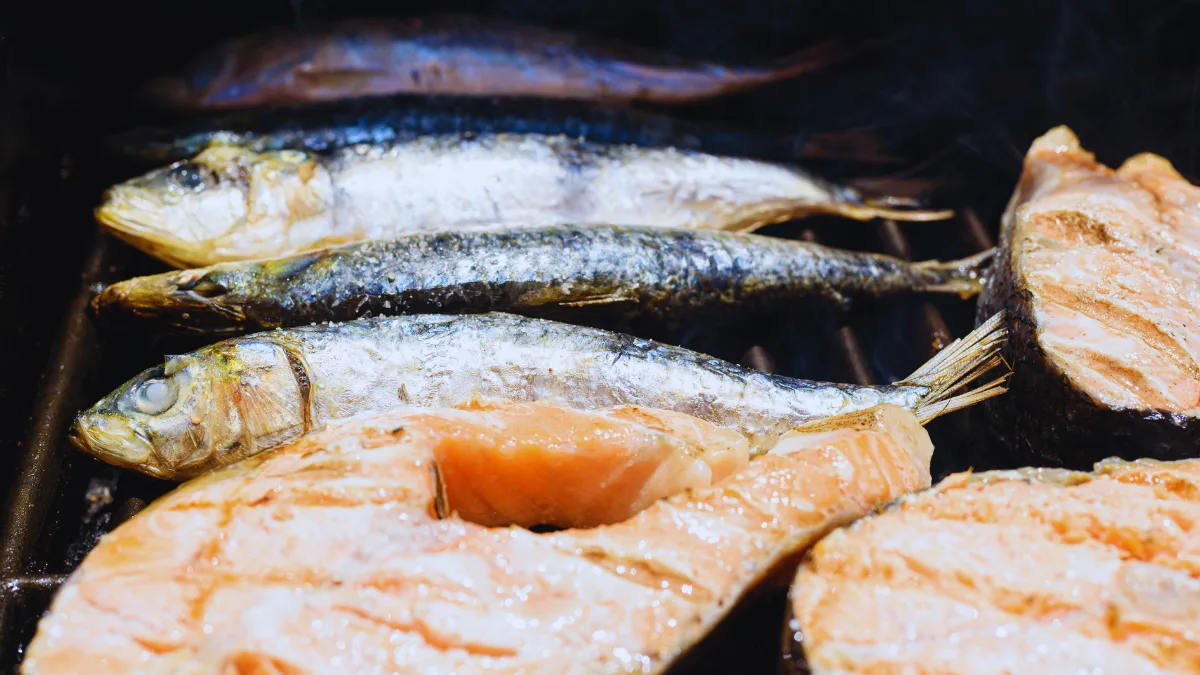
Salmon, sardines, and other fatty fish contain omega-3 fatty acids that benefit your skin in multiple ways. These essential fats reduce inflammation throughout your body, including your skin.
Inflammation breaks down collagen and elastin fibers that keep skin firm and smooth, so lowering it helps prevent wrinkles.
The omega-3s in fatty fish also support cell membrane health, allowing your skin cells to hold more water. This improves hydration and plumpness, making fine lines less visible. Fish also provides protein and zinc, nutrients your body uses to repair and regenerate skin tissue.
A recent cross-sectional analysis of 20,337 U.S. adults found a significant connection between dietary omega-3 intake and slower biological aging.
The study revealed that higher omega-3 consumption was associated with reduced phenotypic aging acceleration (PhenoAgeAccel), suggesting these fats slow cellular aging processes that affect skin integrity. Eating fatty fish twice a week gives your skin ongoing support against age-related changes.
5. Blueberries & Berries
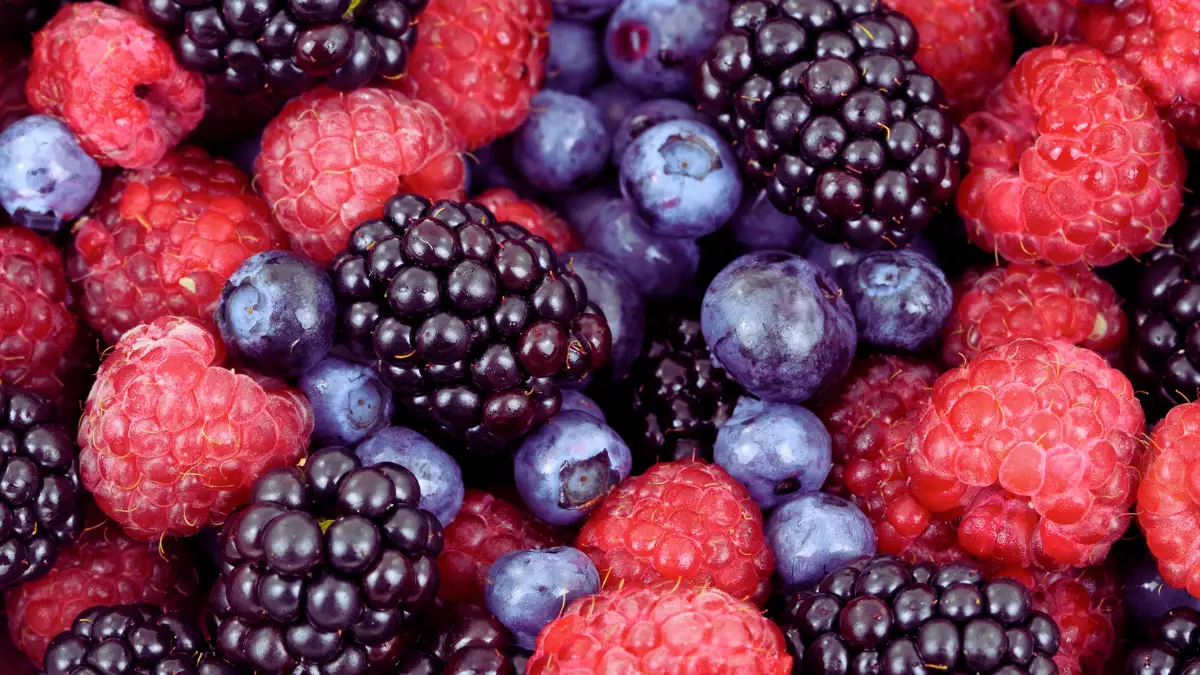
Berries pack an impressive amount of skin-protecting compounds into small packages. Their deep colors come from anthocyanins, potent antioxidants that fight the free radical damage responsible for skin aging.
These compounds help prevent collagen breakdown which leads to wrinkles and sagging. The vitamin C abundant in berries serves as a crucial building block for collagen production.
Your skin cells need this vitamin to create strong, resilient collagen fibers that maintain firmness. Berries also contain other nutrients that support skin health, including manganese and vitamins A and K.
Regular berry consumption has been linked to better skin texture and fewer visible signs of aging. Their low sugar content compared to other fruits makes them especially good choices for skin health, as excess sugar can damage collagen through glycation.
Adding a variety of berries to your breakfast or as snacks provides ongoing protection against the cellular damage that accelerates skin aging.
6. Dark Chocolate (≥70% cacao)

The flavanols found in high-quality dark chocolate can work wonders for your skin. These compounds increase blood flow to skin tissues, delivering more oxygen and nutrients while removing waste products more efficiently.
Better circulation means your skin cells function optimally and maintain their youthful appearance. Cocoa flavanols also boost skin hydration from within.
When your skin holds moisture properly, it appears plumper, and fine lines become less noticeable. The antioxidants in dark chocolate help protect your skin cells from oxidative damage that accelerates aging and wrinkle formation.
A 24-week, double-blind randomized controlled trial demonstrated these benefits. Women with photo-aged skin who consumed high-flavanol cocoa daily showed significantly reduced wrinkle severity compared to those taking a low-flavanol control.
Their skin elasticity improved measurably as well. Just a small square of dark chocolate (at least 70% cacao) each day may help your skin maintain its youthful structure and appearance.
7. Green Tea

Drinking green tea provides your skin with powerful compounds that fight aging from multiple angles. The main antioxidant in green tea, EGCG (epigallocatechin gallate), helps prevent collagen breakdown caused by UV exposure and environmental pollutants. This protection keeps your skin firmer longer.
Green tea compounds also calm inflammation that contributes to skin aging. When inflammation becomes chronic, it breaks down the supportive structures in your skin, leading to sagging and wrinkles.
The catechins in green tea help regulate this inflammatory response. They also reduce the activity of enzymes that degrade collagen and elastin in your skin.
Regular green tea consumption with improved skin texture and reduced signs of photoaging. The polyphenols accumulate in your skin over time, offering ongoing protection against UV damage.
Many people notice their skin looks clearer and shows fewer fine lines after making green tea part of their daily routine. Two to three cups daily provide enough of these beneficial compounds to support skin health.
8. Walnuts
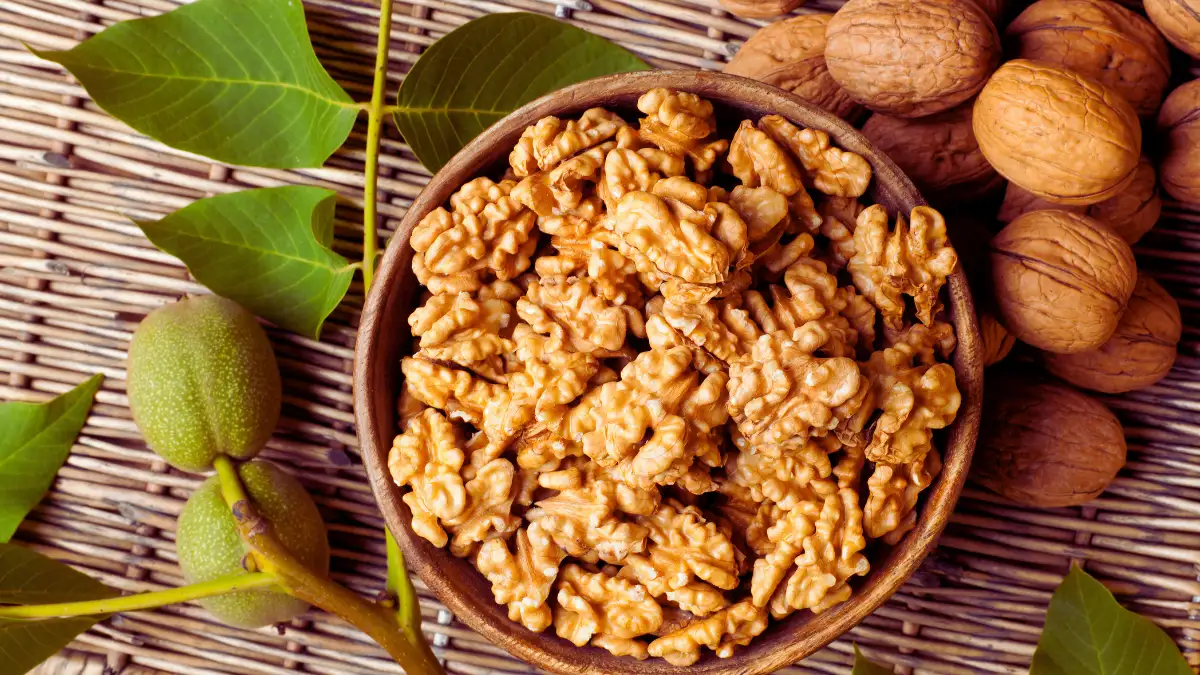
These brain-shaped nuts offer several nutrients that support youthful skin. Rich in plant-based omega-3 fatty acids (ALA), walnuts help maintain your skin’s moisture barrier and reduce inflammation that contributes to premature aging.
The anti-inflammatory effects protect collagen and elastin fibers from breaking down too quickly. Walnuts contain zinc, a mineral essential for wound healing and skin cell regeneration.
Your body needs zinc to create new skin cells and repair damaged ones. The vitamin E in walnuts works alongside zinc to protect cell membranes from oxidative damage that leads to wrinkles and fine lines.
A handful of walnuts provides a combination of nutrients not found in many other foods. The copper in walnuts helps your body produce melanin, which protects your skin from sun damage.
Together, these nutrients support your skin’s structure and function from the inside out. Adding walnuts to your daily diet can help maintain skin firmness and resilience against environmental stressors.
9. Pomegranate

This ruby-red fruit contains unique compounds called punicalagins that actively support collagen in your skin. These polyphenols stimulate your skin cells to produce more collagen while simultaneously protecting existing collagen from breaking down.
The dual action helps maintain skin firmness and reduce the appearance of wrinkles. Pomegranate also inhibits enzymes called MMPs (matrix metalloproteinases) that normally break down collagen as part of the skin’s renewal process.
As we age, these enzymes become overactive, leading to collagen loss that outpaces production. By keeping these enzymes in check, pomegranate helps preserve your skin’s supportive structure.
The benefits of pomegranate for skin aging have solid scientific backing. A randomized, double-blind, placebo-controlled trial tested oral pomegranate extract supplementation over 60 days.
The results showed significantly reduced crow’s-feet wrinkles and forehead fine lines compared to placebo. Participants experienced visible improvements in skin texture and firmness. You can enjoy these benefits by eating the seeds, drinking pomegranate juice, or taking supplements.
10. Spinach & Leafy Greens
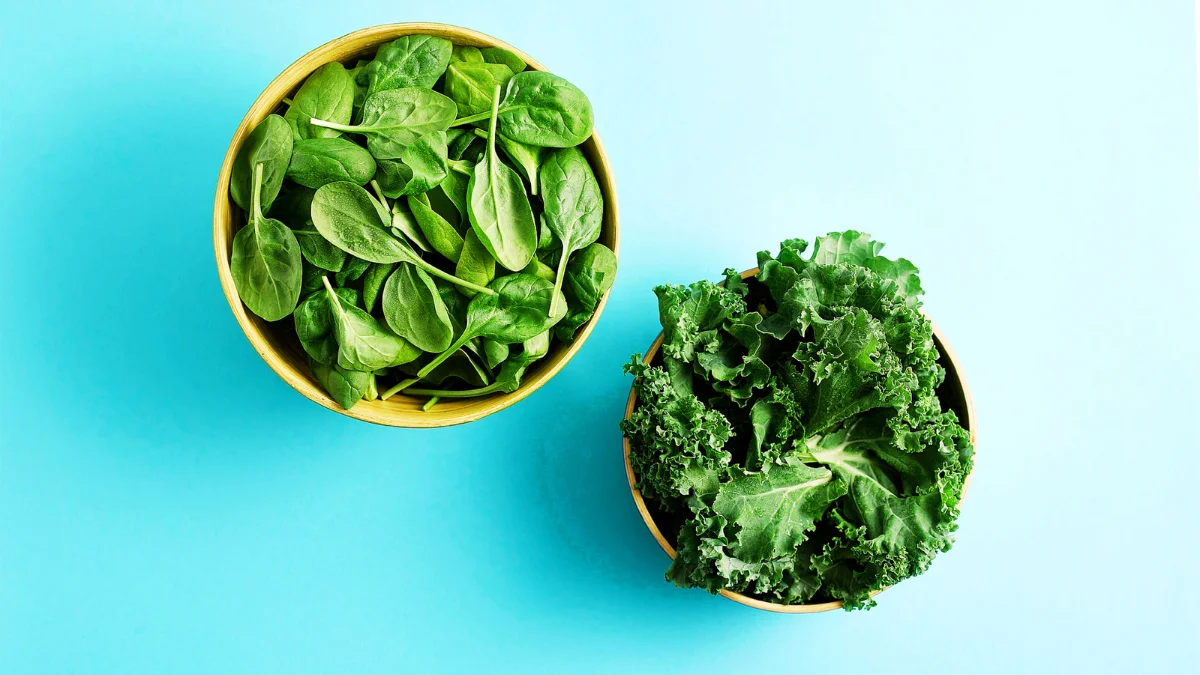
Leafy greens provide an impressive array of nutrients that combat skin aging from multiple angles. The vitamin A in spinach, kale, and other greens supports skin cell turnover, helping your body replace older cells with fresh ones.
This renewal process keeps your skin looking youthful and reduces the buildup of damaged cells. The lutein and zeaxanthin in leafy greens act as internal sunscreens, absorbing harmful blue light and UV radiation before they can damage your skin cells.
Vitamin C works alongside these compounds to neutralize free radicals while supporting collagen production. The vitamin K found abundantly in greens helps strengthen blood vessels near the skin surface, reducing issues like dark circles and improving overall skin tone.
Folate, another B vitamin present in leafy greens, supports DNA repair in skin cells damaged by sun exposure. This repair mechanism helps prevent the mutations that lead to both skin aging and skin cancer.
A daily serving of dark leafy greens provides this comprehensive nutritional support for your skin. Many people notice improvements in skin clarity and texture within weeks of increasing their greens consumption.