

That sudden pounding in your chest at 3 AM isn’t just frustrating—it might be your bedtime habits quietly wreaking havoc. New research reveals surprising connections between common nighttime routines and heart palpitations in women over 45.
From that “harmless” evening scroll through your phone (which Harvard researchers say tricks your brain like daylight) to the nightcap that actually stresses your heart, these daily choices add up. Even your sleeping position or bedtime snack could be stirring up trouble.
Cardiologists are sounding the alarm about these overlooked triggers. The good news? Small tweaks to your nighttime routine can make big differences. Let’s explore what’s really behind those midnight heart jumps—and how to sleep more peacefully tonight.
1. Late-Night Screen Time & Blue Light Disruption

Staring at phones or TVs before bed does more than keep you awake—it can mess with your heart. According to a Harvard Medical School study, blue light suppresses melatonin for nearly twice as long as other wavelengths, delaying REM sleep by 90 minutes in some cases (Harvard Health Publishing, 2020).
Blue light from screens tricks your brain into thinking it’s daytime, slashing melatonin production. For women over 45, this disruption can spike adrenaline levels, making the heart race or skip beats at night.
Dimming screens or using blue-light filters helps, but shutting off devices an hour before sleep works best. Cardiologists warn that chronic nighttime screen habits may lead to long-term heart rhythm issues.
2. Sleeping in Overheated Rooms

A warm bedroom might feel cozy, but too much heat stresses the heart. Research in the European Heart Journal showed sleeping in rooms above 70°F (21°C) increased nighttime heart rate variability by 40% in perimenopausal women (European Heart Journal, 2019).
Women over 45 often struggle with temperature regulation due to hormonal shifts. Overheated rooms worsen night sweats, forcing the heart to work harder to cool the body.
Keeping the room between 60-67°F (15-19°C) helps stabilize heart rhythms. Breathable fabrics and moisture-wicking sheets also reduce overheating risks. If palpitations strike at night, check the thermostat—cardiologists say a cooler room supports steadier heart function.
3. Pre-Bed Caffeine (Hidden Sources Included)

That afternoon coffee or evening chocolate might linger in your system longer than you think. Women over 45 metabolize caffeine slower, meaning even small amounts can disrupt sleep and trigger heart flutters.
Decaf coffee, tea, and dark chocolate still contain stimulants that may provoke palpitations hours later. Cardiologists note that caffeine’s half-life extends with age, so a 3 PM latte could still affect you by midnight.
Cutting off caffeine by noon helps, but switching to herbal teas or warm milk ensures no late-night surprises. Pay attention to hidden sources—energy bars, medications, and even some pain relievers contain caffeine.
4. Alcohol as a “Nightcap” – The Deceptive Relaxant

A glass of wine before bed seems relaxing, but it often backfires. The American Journal of Cardiology reported that just one alcoholic drink before bed increased nighttime heart rate by 9 bpm in women aged 45-55 (AJC, 2021).
Alcohol initially sedates but later disrupts deep sleep, leading to sudden wake-ups with a racing heart. For women over 45, it also dehydrates and crashes blood sugar, both of which strain the heart.
Cardiologists warn that even moderate drinking close to bedtime can trigger irregular beats. If heart flutters wake you at 2 AM, try skipping the nightcap for a week—many find their nighttime heart issues fade.
5. High-Stress Conversations Before Bed

Arguing or worrying right before sleep sets the heart on edge. Stress floods the body with cortisol and adrenaline, chemicals that rev up heart rate.
For women in midlife, hormonal changes make the heart more sensitive to these surges. Texts, emails, or tense talks right before bed can lead to palpitations as you try to wind down.
Cardiologists recommend a “stress buffer zone”—no serious discussions or digital drama an hour before sleep. Instead, gentle music, reading, or deep breathing helps the heart settle into a steadier rhythm. Unresolved emotional stress is a major hidden trigger for nighttime heart skips.
6. Wrong Sleeping Position (Left-Side Debate)

Some swear by left-side sleeping for better circulation, but it doesn’t work for everyone. When the heart gets compressed against the ribcage, it can trigger palpitations—especially in women with existing rhythm sensitivities.
Stomach sleeping is worse, twisting the neck and straining the vagus nerve, which controls heart rate. Back sleeping might help some, but it can worsen acid reflux, another palpitation trigger.
Cardiologists suggest experimenting with positions using extra pillows for support. If you wake with a pounding heart, try shifting positions gradually. There’s no universal fix, but paying attention to how your body reacts makes a difference.
7. Late-Night Heavy or Spicy Meals

Digesting a big meal while trying to sleep forces the heart to work overtime. Blood diverts to the stomach, leaving less for circulation, which can cause odd beats. Spicy foods add another layer, raising body temperature and triggering adrenaline.
Women over 45 often notice this more because metabolism slows with age. A light dinner at least three hours before bed helps. If heart flutters strike after eating, try smaller portions and milder flavors.
Cardiologists warn that frequent late-night feasting may lead to more than just heartburn—it could strain the heart’s rhythm long-term.
8. Overuse of Sleep Aids & Antihistamines
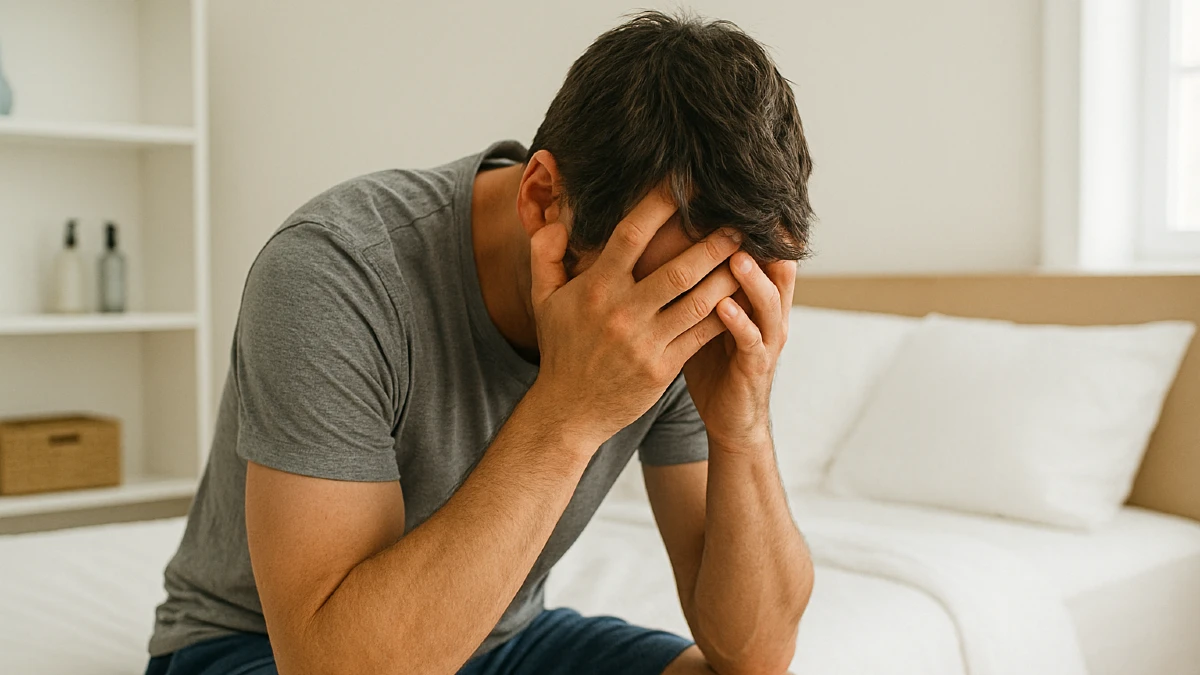
Popping a pill for sleep might seem harmless, but many OTC options mess with heart rhythms. Diphenhydramine, found in common sleep aids, disrupts potassium channels—key for steady beats.
Over time, reliance on these can lead to rebound palpitations when the body tries to rebalance. Women in midlife are especially vulnerable because hormonal shifts already stress the heart.
Natural alternatives like magnesium or chamomile tea work better for some. If you’re waking with a racing heart after using sleep aids, it’s worth discussing safer options with a doctor.
9. Sudden Changes in Sleep Schedule (Weekend Rebound Effect)

Sleeping in on weekends feels like a treat, but the heart doesn’t always agree. Shifting bedtime confuses the body’s internal clock, stressing the autonomic nervous system.
For women over 45, this can mean extra palpitations as the heart struggles to adjust. Consistency matters more with age—going to bed and waking at the same time daily keeps rhythms steady.
If weekends disrupt your schedule, try limiting changes to an hour. Cardiologists note that erratic sleep patterns are a sneaky trigger for irregular beats.
10. Ignoring Nocturnal Teeth Grinding (Bruxism)
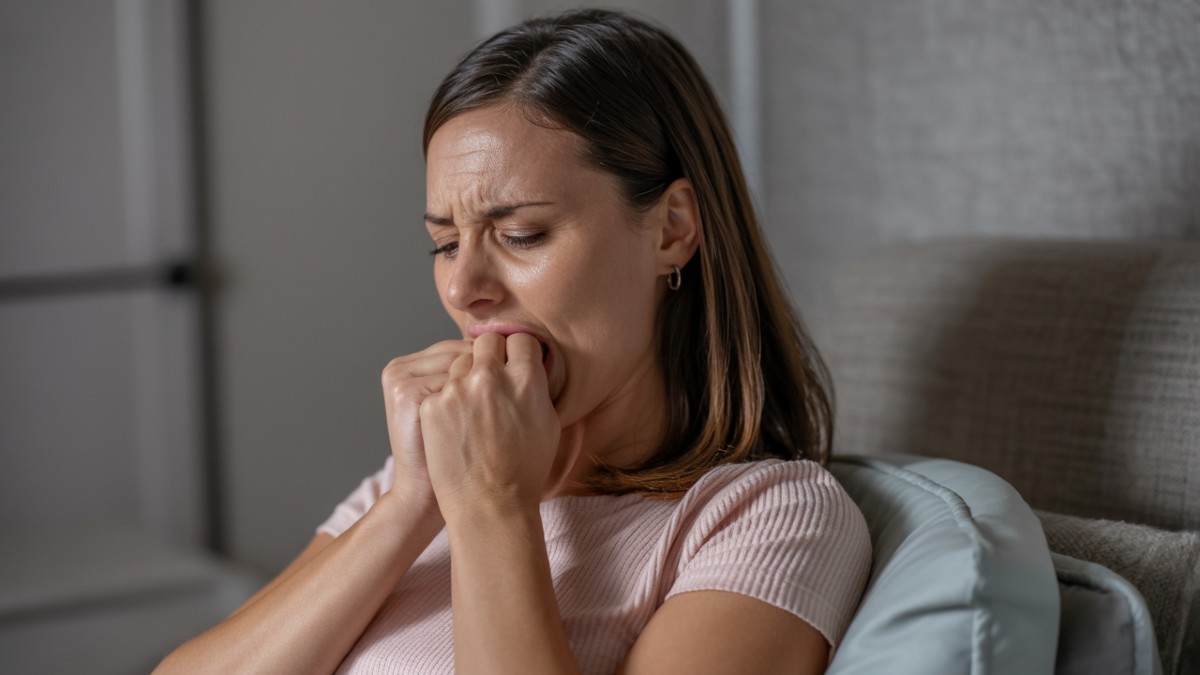
Clenching your jaw at night does more than wear down teeth—it fires up the nervous system, tricking the heart into fight-or-flight mode.
Many women don’t realize they grind until a dentist points it out, but the effects on heart rhythm are real. The tension from bruxism sends stress signals that can mimic palpitations or even chest pain.
A night guard helps, but so does reducing daytime stress. Cardiologists say treating bruxism can unexpectedly calm nighttime heart flutters too.