
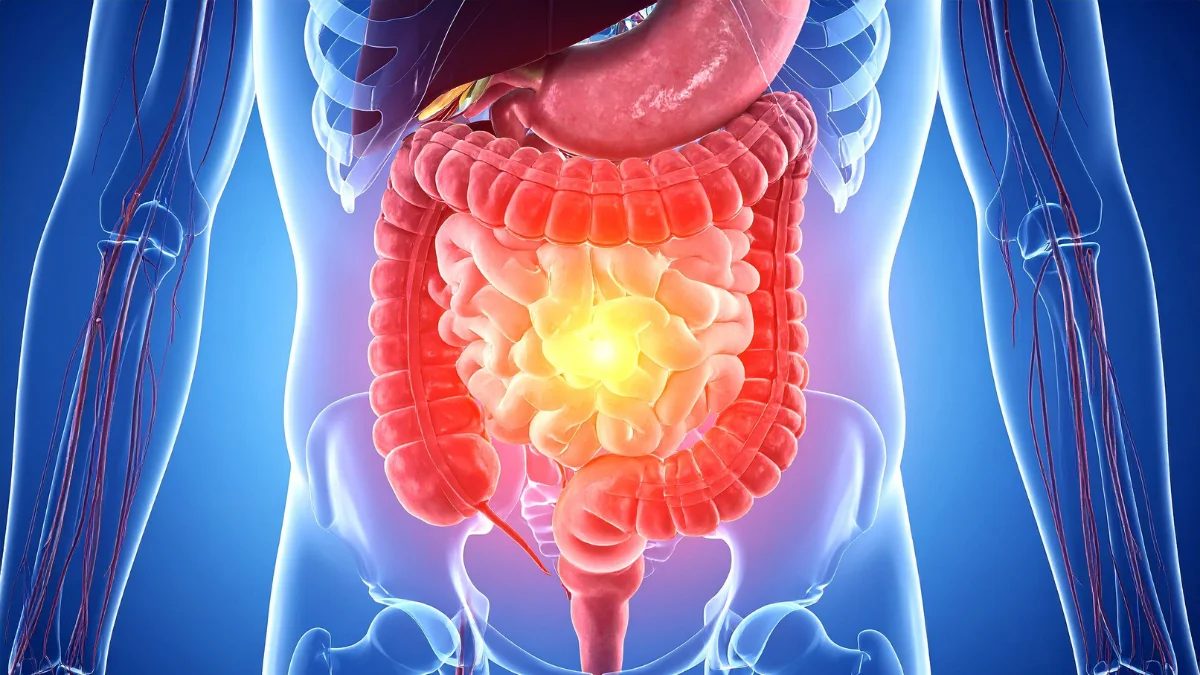
Many people over 50 have started intermittent fasting to lose weight. The most popular method is the 16:8 schedule. You fast for 16 hours and eat for 8 hours. Usually, this means skipping breakfast and eating from 12 PM to 8 PM.
But for many, the weight isn’t moving. Even worse, joints ache more, and energy levels drop.
Here is the problem. You might be fasting for the right number of hours, but you are doing it at the wrong time.
The common method of skipping breakfast is a mismatch for your aging internal clock. It is not just about how long you fast. It is about when you eat.
Recent 2026 research suggests that “Late TRE” (Late Time-Restricted Eating) can actually block the health benefits for older adults.
If you eat late, you might be accidentally increasing inflammation.
This guide explains why shifting your eating window earlier (eTRE) and changing your first meal can stop “inflammaging.”
The “Late Window” Trap: Why 12 PM to 8 PM Backfires

We have a master clock in our brain. We also have smaller clocks in our gut, liver, and pancreas. When we are young, these clocks sync up easily. As we age, they get out of sync. This is called Circadian Misalignment.
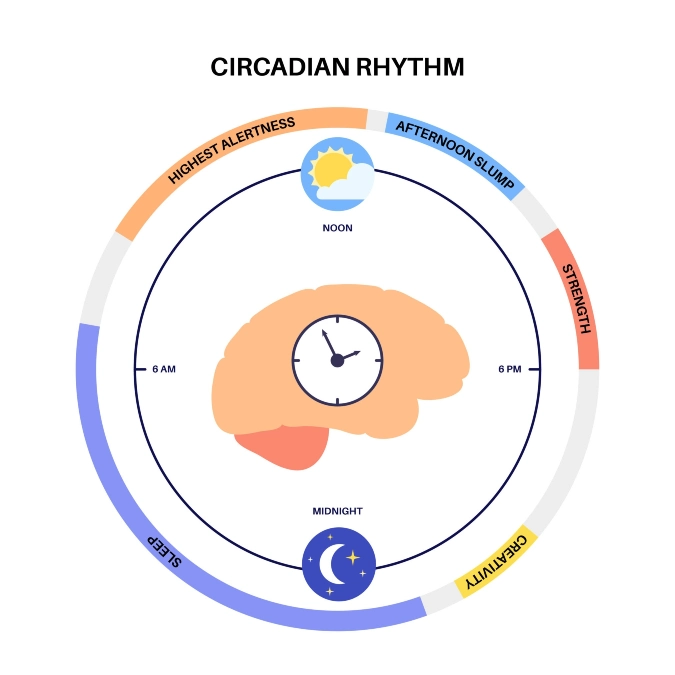
When you skip breakfast and save your calories for the afternoon and evening, you force your body to work when it wants to rest.
Here is the science:
Your pancreas is most effective in the morning. It handles sugar well when the sun comes up. But after sunset, your pancreas wants to sleep. If you eat a large meal at 7 PM or 8 PM, your pancreas has to work overtime during its “biological night.”
This causes two problems:
- Glucose Spikes: Your blood sugar stays higher for longer compared to eating the same meal in the morning.
- Cortisol Elevation: Late eating keeps your stress hormone, cortisol, high when it should drop.
The biggest mistake is pushing calories into the night. This suppresses melatonin. You might know melatonin as a sleep hormone. But it is also a powerful anti-inflammatory hormone. Older adults naturally produce less of it. Eating late reduces it even more.
The Inflammation Spike: What Happens Inside a 50+ Body

There is a specific link between when you eat and how much your body is inflamed. This is often called “Inflammaging.” It is the chronic, low-grade inflammation that comes with getting older.
Late eating acts like fuel for this fire.
New studies from 2025 and early 2026, published in journals like Frontiers in Immunology, show clear results. They found that Early TRE (eTRE) significantly lowers pro-inflammatory markers.
Key markers include:
- TNF-alpha: A protein that signals inflammation.
- CRP (C-Reactive Protein): A marker often tested by doctors to check for heart risk and swelling.
When you eat late, these markers often stay high. The data shows that eating earlier helps your body clear these inflammatory signals out.
Think of it like a seesaw. When cortisol is high from late digestion, melatonin stays low. When melatonin is low, inflammation goes up. To cool down the inflammation, you must close the kitchen before the sun goes down.
Forget What You Know About Breakfast (Enter: Protein Pacing)

For years, people said breakfast was important for “energy.” That was vague. The new 2026 science is much more specific. Breakfast is the critical window for Muscle Preservation.
After age 50, our bodies experience “anabolic resistance.” This means your muscles resist growth signals. You need a much larger dose of protein to trigger muscle repair than you did in your 30s.
The Shift:
Don’t skip breakfast. Skip dinner instead. Or make dinner tiny.
Your body needs 30 to 40 grams of protein after the long overnight fast. This triggers muscle synthesis. If you just have coffee at 8 AM and a sandwich at noon, you miss this window. Late-night protein is far less effective for building muscle because of how our hormones cycle.
Your new goal: Swap the “coffee-only” morning for a “Protein-Forward Break-Fast” at 8:00 AM or 9:00 AM. This protects your muscles from wasting away (Sarcopenia).
Why Your Gut Needs a Curfew (The Bloating Fix)
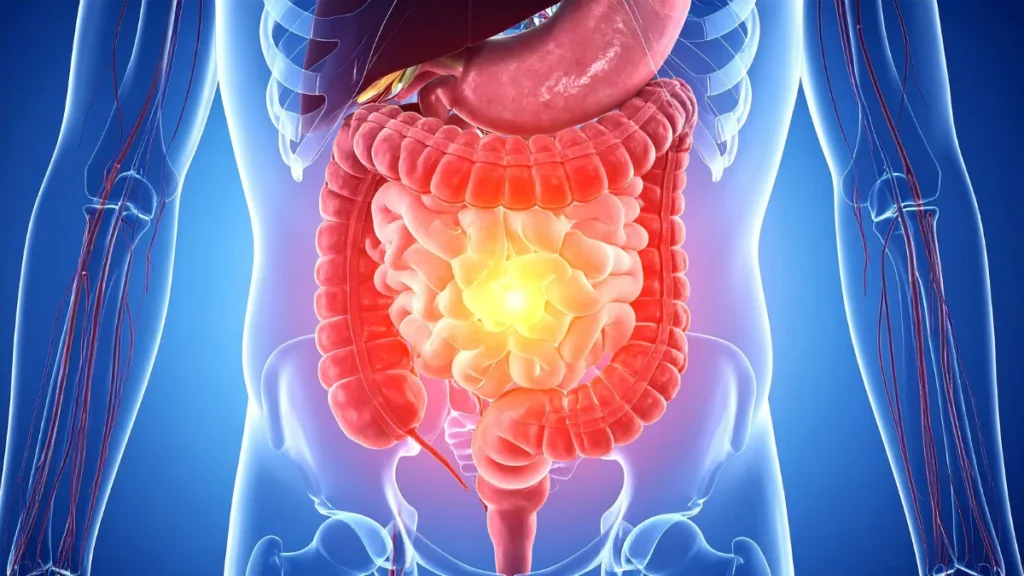
Many people over 50 struggle with constant bloating or acid reflux. We often blame the specific food we ate. But often, the timing is the real culprit.
Your gut has a built-in cleaning crew. Scientists call it the “Migrating Motor Complex.”
Think of it like a street sweeper. It moves through your intestines to sweep away leftover food and bacteria. This keeps your gut lining healthy and lowers inflammation.
But here is the catch: The sweeper only starts working when your stomach is completely empty for at least 90 minutes.
If you snack at 9 PM while watching TV, the cleaning crew goes on strike. The food sits there. It ferments. This causes gas, bloating, and discomfort the next morning.
The Reflux Connection: Eating late also keeps your stomach full when you lie down to sleep. This pushes acid up into your esophagus.
By finishing your last meal at 4 PM or 5 PM, you give your stomach hours to empty before bed. This simple change can stop nighttime heartburn better than many pills.
How to Handle Social Dinners (Without Giving Up)

The hardest part of early eating isn’t the hunger. It is the social life. You might worry about sitting with family or friends while they eat dinner at 7 PM.
You don’t have to choose between your health and your friends. Here is how to make it work.
1. The “Lunch Shift” Try to make lunch your main social event. In many “Blue Zones” (places where people live the longest), the largest meal is eaten at midday. Ask friends to meet for a noon feast instead of a late dinner.
2. The “Tea Trick” If you have a family dinner at night, sit down with them. But instead of a full meal, have a cup of herbal tea or sparkling water. You get the conversation and connection without the inflammation.
3. The 80/20 Rule Consistency matters more than perfection. If you have a wedding or a birthday party, enjoy it. Eat late that one night. One late meal won’t ruin your progress. It is what you do on the other six days of the week that lowers your inflammation.
The “Early Eater” Protocol: Your 2026 Action Plan
You don’t need to be perfect instantly. But you should aim to align your eating with the sun. This is called “Chrononutrition.”
Here is the comparison of the old way versus the new way:
| Feature | Old Advice (Late TRE) | New Science (Early TRE) |
| Window | 12:00 PM – 8:00 PM | 8:00 AM – 4:00 PM |
| Breakfast | Skipped (Black Coffee) | High Protein (30g+) |
| Dinner | Large meal before bed | Skipped or tiny snack |
| Primary Benefit | Calorie restriction | Lower Inflammation |
| Impact on Sleep | Often disrupts deep sleep | Improves Melatonin |
The Sunset Rule:
Try to stop eating 3 to 4 hours before you sleep. If you go to bed at 10 PM, you should finish eating by 6 PM at the very latest. 4 PM is even better for inflammation.
How to Transition:
Moving your first meal from noon to 8 AM is a big change. Do it slowly.
- Move breakfast 30 minutes earlier every few days.
- Move dinner 30 minutes earlier every few days.
You will likely notice better sleep within the first week.
Conclusion
Fasting is good for you. But timing is everything. You can eat healthy food, but if you eat it at the wrong biological time, your body struggles to process it.
By eating with the sun and prioritizing protein early in the day, you do two things at once. You fight inflammation and you protect your muscle mass.
The 3-Day Reset Challenge
You don’t have to commit forever. Just try this for three days and see how you feel.
- Day 1: Move your dinner 1 hour earlier than usual.
- Day 2: Move your breakfast 1 hour earlier than usual.
- Day 3: Hit the “Golden Window” (8 AM – 4 PM).
Tomorrow, try opening your window at 8 AM with 30g of protein. Close the kitchen by 4 PM. Track how your joint pain and energy change in just 3 days. Your body will thank you for the rest.