
If you’re over 40 and don’t smoke, you’ll almost certainly die from one of four causes. But it doesn’t have to happen for decades.
Most people wait until they’re sick to take action. By then, the damage is already done. Heart disease, cancer, brain diseases like Alzheimer’s, and diabetes don’t appear overnight. They build up slowly over 20 or 30 years.
These four killers share common roots. Fix the roots, and you can stop all four.
In this article, you’ll learn what these “Four Horsemen” are, how they’re connected, and the exact steps to fight back. No complicated science. Just what works in 2025.
What Are the Four Horsemen?
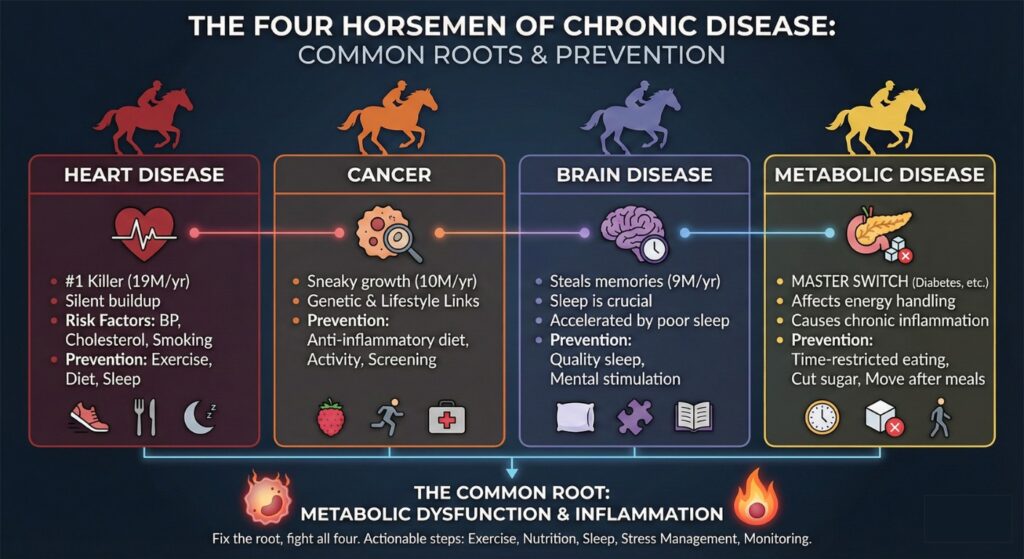
The Four Horsemen of aging are the four diseases that will likely kill you:
- Heart disease – Kills 19 million people worldwide each year
- Cancer – Takes 10 million lives annually
- Brain diseases (like Alzheimer’s) – Cause 9 million deaths per year
- Diabetes and metabolic disease – Affects how your body handles sugar and energy
Together, these four conditions cause 74% of all deaths globally. That’s 41 million people dying each year from diseases that develop slowly and quietly.
The scary part? Most people have no idea they’re sick until it’s serious.
The good part? You can see these problems coming years in advance. And you can do something about it.
Here’s what most doctors won’t tell you: all four horsemen share one common problem.
Metabolic dysfunction.
Think of metabolic health as how well your body handles food and energy. When this breaks down, it promotes all four horsemen. Bad metabolism leads to inflammation throughout your body. That inflammation damages your heart, feeds cancer cells, hurts your brain, and makes diabetes worse.
Fix your metabolism, and you make it much harder for any of the four horsemen to take hold.
Horseman #1: Heart Disease (The Biggest Killer)

Your heart beats 100,000 times every day. When it fails, everything fails.
Heart disease includes heart attacks, strokes, high blood pressure, and clogged arteries. It’s the number one killer worldwide for a reason – it strikes suddenly, but builds up slowly.
Your blood vessels get narrower over time. Your arteries get stiffer. But here’s what matters: the steps you take in your 30s and 40s make all the difference later.
A 2024 study found something remarkable: for every 10-point increase in your cardiovascular health score, your risk of heart disease drops by about one-third. The American Heart Association tracks eight key factors they call “Life’s Essential 8”:
- Blood pressure
- Cholesterol
- Blood sugar
- Body weight
- Exercise habits
- Diet quality
- Sleep
- Smoking status
You control seven of these. Only genetics is out of your hands.
Here’s another finding: fit people use about 10% fewer heartbeats per day. That’s 11,000 fewer beats because their resting heart rate is lower. Your heart literally works less when you’re in shape.
And exercise is powerful. For every unit of fitness you gain (measured as 1-MET), your risk of death drops by 11% to 17%. Your risk of heart failure drops by 18%.
Just a few hours of exercise each week transforms your heart’s efficiency.
Horseman #2: Cancer (The Sneaky One)
Cancer kills 10 million people every year. It’s sneaky because many cancers grow for years before you feel anything wrong.
You can’t control everything about cancer. Some of it is genetic. Some is bad luck. But you control more than you think.
Diet makes a huge difference. People who eat anti-inflammatory, low-sugar diets have a lower risk of developing major chronic diseases, including cancer. That’s not a small number.
What is an anti-inflammatory diet? Think:
- Fatty fish like salmon
- Berries and dark leafy greens
- Nuts and olive oil
- Whole grains instead of white bread and pasta
- Less red meat and processed food
Exercise helps too. People who do short bursts of vigorous activity throughout the day – even just a few minutes at a time – show lower cancer risk.
The key is consistency. Small, daily choices add up over the years.
Horseman #3: Brain Disease (The One That Steals You)
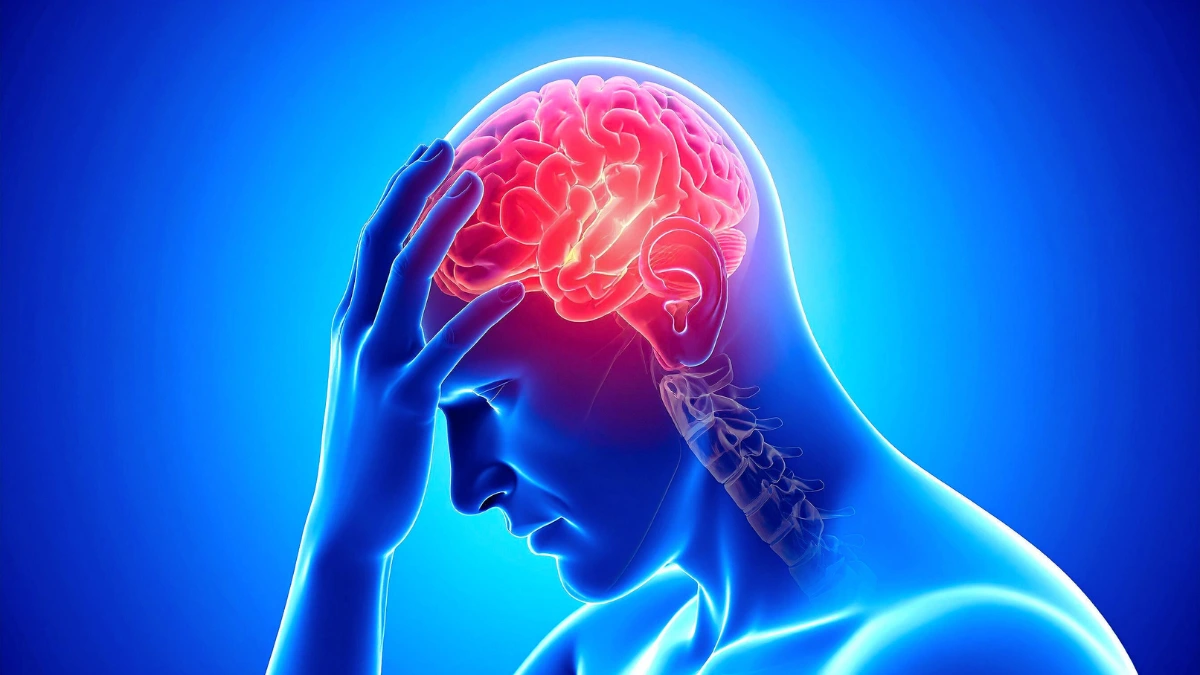
Alzheimer’s and other brain diseases kill 9 million people annually. But death isn’t the worst part. These diseases steal your memories, your personality, and your independence years before they kill you.
Your brain health depends heavily on one thing most people ignore: sleep.
Poor sleep in your 30s and 40s shows up as brain problems in your 50s and 60s. A 2024 study tracked thousands of adults and found that people with poor sleep quality had brains that looked 1 to 2.6 years older than their actual age. That’s accelerated aging you can measure.
People with the worst sleep – those with three or more sleep problems – had brains aging 2.6 years faster.
Why does sleep matter so much? During sleep, your brain clears out toxic proteins. These proteins, if they build up, contribute to Alzheimer’s. Your brain literally takes out the trash while you sleep.
Bad sleep also means:
- Worse memory and thinking skills 10 years later
- Higher inflammation throughout your body
- Damaged blood vessels in your brain
Men who sleep well live about five years longer. Women live two years longer. Sleep isn’t a luxury. It’s medicine.
Horseman #4: Metabolic Disease (The Master Switch)

This is the big one. Metabolic disease acts like the master switch that turns on the other three horsemen.
Metabolic syndrome includes problems like:
- High blood sugar
- High blood pressure
- Belly fat
- Bad cholesterol levels
- High triglycerides
About 37.3 million Americans have diabetes. Another 8.5 million don’t even know they have it yet.
Here’s why this matters so much: metabolic problems create chronic inflammation. That inflammation is like a slow fire burning throughout your body. It damages your heart, feeds cancer, hurts your brain, and makes everything worse.
The good news? Your metabolism responds fast to changes.
Eating dinner at 6 PM instead of 9 PM improves your blood sugar control for the entire next day. Even light walking after a meal lowers your glucose response. Moderate exercise improves insulin sensitivity within weeks.
Cut refined carbs – white bread, pasta, sugary drinks – and you prevent the rapid blood sugar spikes that damage your system.
Your body wants to heal. You just need to stop hurting it.
The Five Pillars of Fighting Back (Your Action Plan)
You now know the enemy. Here’s how you fight back.
These five strategies work together. Master them, and you make life very hard for all four horsemen.
1. Exercise: Your Most Powerful Weapon

Exercise is the closest thing we have to a miracle drug. It helps prevent all four horsemen at once.
How much do you need? Start with 150 minutes per week of moderate activity. That’s 30 minutes, five days a week. Walking counts if you move fast enough to raise your heart rate.
But more is better. People who exercise 300 minutes per week have 22% to 31% lower risk of dying from heart disease.
Can’t find 30 minutes? Try “exercise snacks.” These are short bursts of activity – five minutes or less – done at least twice daily. These brief sessions significantly improved fitness in people who were previously inactive.
Your action steps:
- Walk briskly for 10 minutes after each meal (that’s 30 minutes total)
- Take the stairs instead of the elevator
- Do bodyweight exercises during TV commercials
- Aim for 150 minutes weekly, then increase to 300 minutes
- Add strength training twice per week
The goal isn’t perfection. It’s consistency.
2. Nutrition: Eat to Live Longer

Diet causes about one million deaths per year in the United States alone. Most of these deaths are preventable.
You don’t need a perfect diet. You need a better diet.
Focus on these principles:
Eat more whole foods. Fruits, vegetables, whole grains, fish, nuts, and legumes. These foods reduce inflammation and provide nutrients your body needs.
Eat less processed food. Especially refined carbs and added sugars. These spike your blood sugar and promote inflammation.
Time matters too. Eat dinner by 6 or 7 PM. Give your body at least three hours between dinner and bedtime. This simple change improves blood sugar control.
Add protein and healthy fats. They slow down carb absorption and prevent blood sugar spikes. Think salmon, eggs, avocados, nuts, and olive oil.
You don’t have to be perfect. An 80/20 approach works. Eat well 80% of the time, and don’t stress about the other 20%.
3. Sleep: The Recovery Essential

Sleep is when your body repairs itself. Skip it, and everything breaks down faster.
Aim for 7 to 8 hours nightly. Not 5. Not 6. Seven to eight.
During sleep:
- Your brain flushes out toxins
- Your memories get processed and stored
- Your immune system strengthens
- Your metabolism resets
Poor sleep accelerates brain aging. It increases inflammation. It raises your risk for all four horsemen.
Your action steps:
- Keep a consistent sleep schedule (same bedtime and wake time every day)
- Make your bedroom dark and cool
- No caffeine after 2 PM
- Turn off screens one hour before bed
- If you snore loudly or feel tired despite sleeping, talk to a doctor about sleep apnea
Sleep problems in your 30s and 40s predict cognitive problems in your 50s and 60s. Fix your sleep now.
4. Stress Management: Protect Your Biological Age
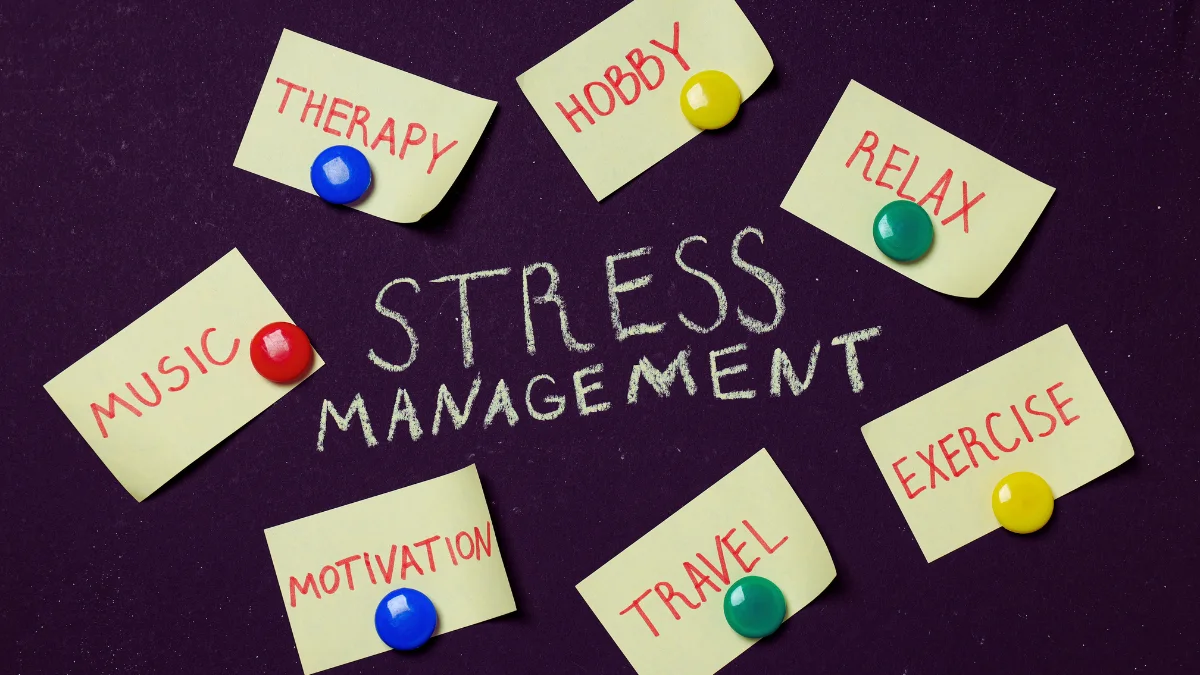
Chronic stress literally ages you faster. It shortens the protective caps on your chromosomes called telomeres. Shorter telomeres mean faster aging.
But here’s the good news: people with better mental health live longer, healthier lives. They have more resilience and higher self-rated health.
People who exercise regularly report 43% more days of good mental health compared to inactive people.
Social connections matter too. People with strong social networks have a 50% higher chance of survival compared to lonely people. Your relationships are medicine.
Your action steps:
- Practice 10 minutes of meditation or deep breathing daily
- Maintain close friendships (call or meet up regularly)
- Exercise (it reduces stress hormones)
- Journal about your feelings
- Seek therapy if stress feels overwhelming
You can’t eliminate all stress. But you can manage your response to it.
5. Regular Monitoring: Know Your Numbers
You can’t manage what you don’t measure. Traditional checkups often miss early warning signs.
Track these numbers annually:
Life’s Essential 8 metrics:
- Blood pressure (target: under 120/80)
- Cholesterol (know your LDL, HDL, and triglycerides)
- Blood sugar (fasting glucose and HbA1c)
- Body weight (maintain BMI under 25 if possible)
Also consider:
- Continuous glucose monitoring to see how foods affect you
- Sleep tracking (there are basic apps that work)
- Heart rate variability (shows recovery and stress levels)
When you track these numbers, you catch problems early. Early problems are easier to fix.
When to Start (The Answer Is Now)

The best time to start was 10 years ago. The second-best time is today.
Your body isn’t determined by your age in years. It’s determined by how well your organs, tissues, and cells function. A 50-year-old who exercises and eats well can have the biology of a 40-year-old.
The steps you take in your 30s and 40s protect your heart and brain in your 60s and 70s. But it’s never too late. Once you remove the stress and bad habits, your body starts repairing itself.
Chronic disease develops slowly. That gives you time to stop it. But you have to start now.
Your Next Step

You now know what’s trying to kill you. And you know how to fight back.
The Four Horsemen – heart disease, cancer, brain disease, and diabetes – cause most deaths worldwide. But they take decades to develop. That means you have time to change course.
Metabolic health connects all four. Improve your metabolism through exercise, better food, good sleep, stress management, and tracking your health.
You don’t need to be perfect. You need to be consistent.
Here’s your assignment: choose ONE thing to start this week. Not five things. One.
Maybe it’s a 10-minute walk after dinner. Maybe it’s going to bed 30 minutes earlier. Maybe it’s scheduling your annual physical.
Pick one. Start today.
The Four Horsemen don’t have to win. You have more control than you think. Use it.