
The blood-brain barrier was once thought to be an impenetrable fortress. New research suggests your toothbrush might be the key to keeping the gate locked.
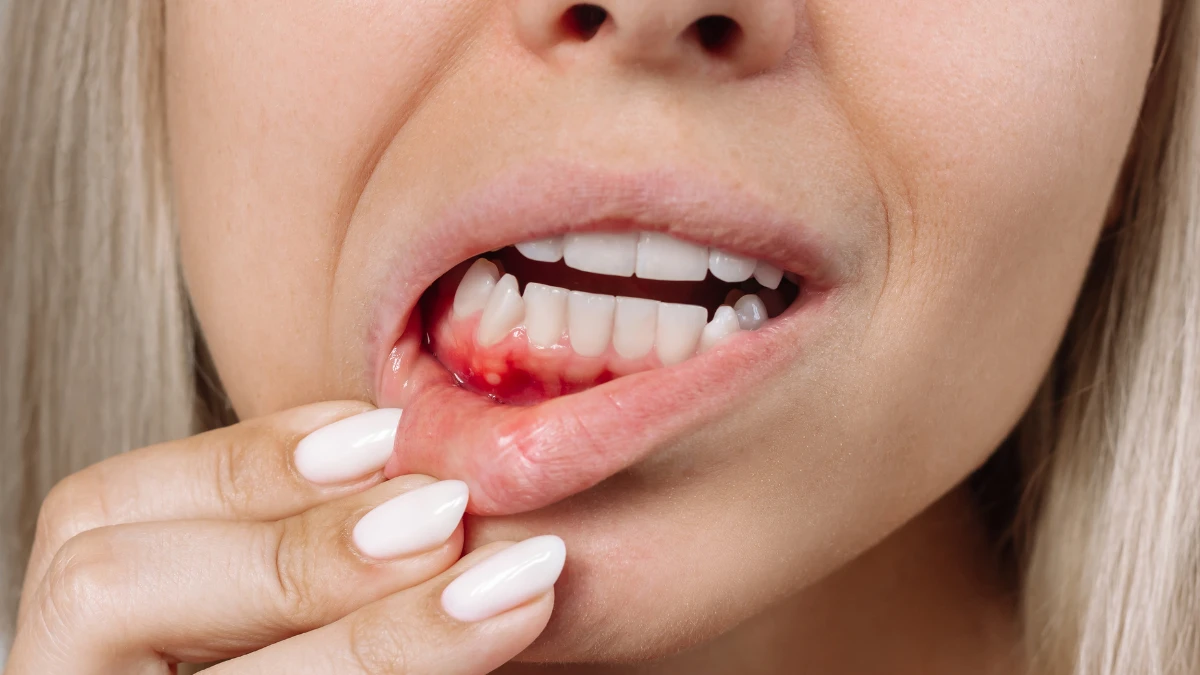
Most people view bleeding gums as a minor annoyance. You see a little pink in the sink, rinse it away, and move on. You don’t think of it as a neurological threat. But doctors and scientists are now sounding the alarm.
Medical consensus has shifted fast. We moved from thinking there was a “possible link” to seeing a “strong association” between gum health and brain health.
The connection is real.
In this guide, you will learn about the specific bacteria responsible for this damage. More importantly, you will get a 4-step protocol to protect your brain.
The Gum Guardian
MOUTH SECURE!
You have lowered the bacterial load and checked your pockets. Your risk of systemic inflammation is down.
The Science: The "Gingipain" Hypothesis

Meet Porphyromonas gingivalis (P. gingivalis).
This isn't just a harmless mouth bug. It is a pathogen, which means it causes disease. While it starts in the gums, recent studies show it doesn't stay there.
This bacteria produces toxic enzymes called "gingipains." Think of these enzymes as microscopic scissors. They cut up proteins that your cells need to function. Seminal research found these exact toxic enzymes in over 90% of brains affected by Alzheimer’s disease.
That is a terrifying statistic.
A recent study by Brahmbhatt and colleagues adds more proof. They found a direct link between severe periodontitis (gum disease) and lower cognitive scores.
They also looked at Alkaline Phosphatase (ALP), a marker for inflammation. When your gums are inflamed, your body is fighting a war that can spread to your brain.
How Bacteria Breaches the Brain
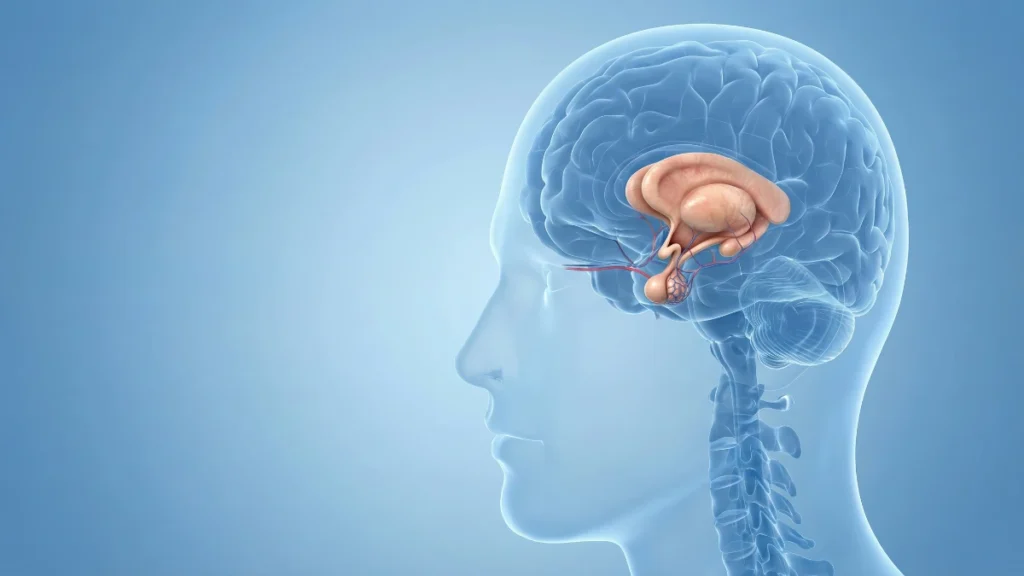
So, how does a bacteria in your mouth travel all the way to your brain?
It takes two roads: the highway and the backroads.
1. The Highway (The Bloodstream) When you chew with inflamed gums, you force bacteria into your bloodstream. This is called bacteremia. Your mouth becomes a "leaky sieve," allowing toxins to bypass your body's defenses and flow to other organs.
2. The Backroads (The Nerves) This route is more direct. The bacteria can travel up the trigeminal nerve. This nerve connects your jaw directly to your brainstem.
Once P. gingivalis reaches the brain, your body tries to protect itself. It produces beta-amyloid plaques to trap the bacteria. For a long time, scientists thought these plaques caused Alzheimer's. Now, many believe the plaques are actually the brain's defense response to the infection.
The damage begins decades before you notice any memory loss.
Silent Signs Your Brain Is At Risk
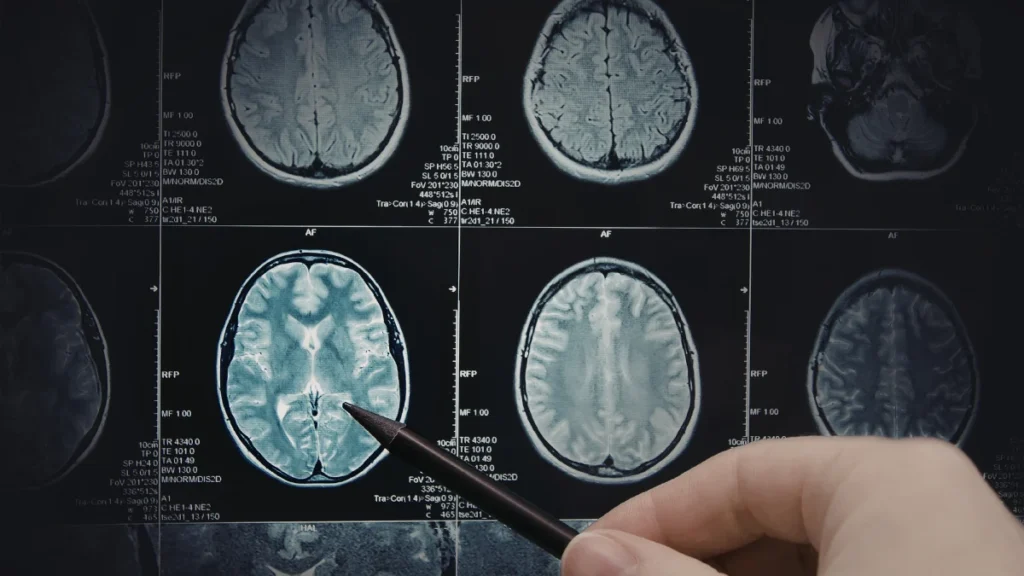
Gum disease is a silent epidemic. It often doesn't hurt until it is too late.
You might have "silent" gum disease right now and not know it. 70% of adults over 65 have some form of it.
Look for these warning signs:
- Pink in the sink: If your gums bleed when you brush or floss, you have an active infection. Healthy tissue does not bleed.
- Receding gums: If your teeth look "longer" than they used to, your gums are pulling away.
- Chronic bad breath: This is often a sign of a high bacterial load rotting food particles in your mouth.
If you see these signs, your body is inflamed. You need to act.
The "Leaky Gum" Effect
We often hear about "Leaky Gut." The same thing happens in your mouth.
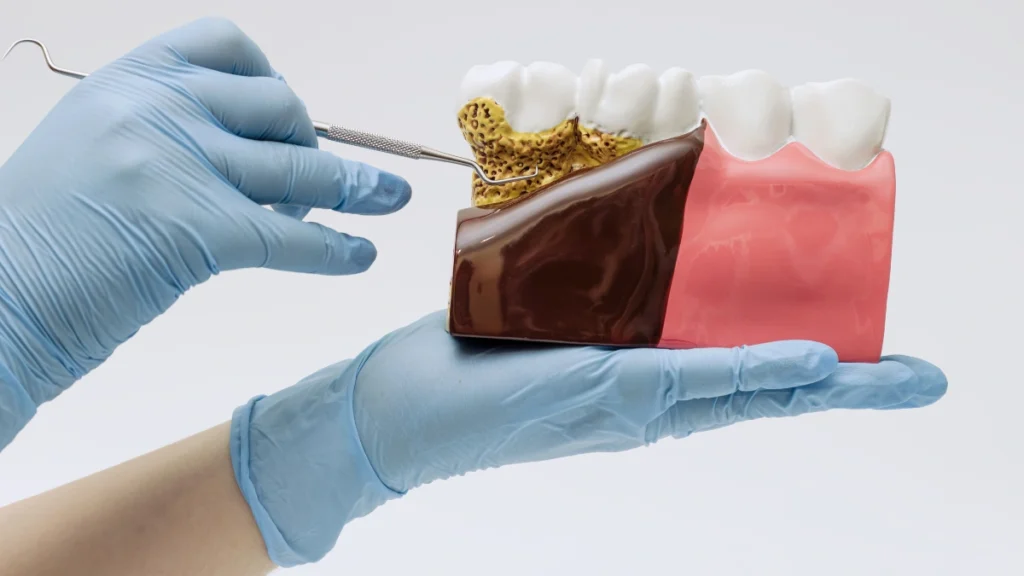
When gums are healthy, they form a tight cuff around each tooth. This seal stops bacteria from getting into your body. But when gums swell from infection, that seal breaks.
It opens a door.
Scientists call this "ulcerated surface area." If you have moderate gum disease, the total size of the wound in your mouth is roughly the size of the palm of your hand.
Imagine having an open, infected wound that size on your arm. You would clean it, bandage it, and see a doctor immediately. You wouldn't ignore it.
But because this wound is hidden inside your mouth, it is easy to ignore.
This open door allows bacteria to enter your blood 24 hours a day. It keeps your immune system on high alert constantly. This chronic stress wears down your body and damages your brain over time.
Why Antibiotics Won't Save You

You might wonder: "Can't I just take a pill to kill the bacteria?" Unfortunately, no.
P. gingivalis is smart. It builds a sticky, protective shield called biofilm. Think of biofilm like a fortress.
Antibiotics or mouthwash might kill the floating bacteria outside the fortress. But they cannot penetrate the thick walls of the biofilm. The bacteria hide inside the plaque and tartar on your teeth. They are safe there.
The only way to get rid of them is physical removal. You have to scrub the fortress away.
This is why the physical act of brushing and cleaning between teeth matters so much. It is not just about removing leftover food. It is about destroying the enemy's base.
If you don't mechanically break the biofilm, the bacteria will keep growing, and the attack on your brain will continue.
Your Actionable Brain-Protection Protocol

The good news? This risk factor is 100% treatable. You can lower your bacterial load today.
Here is a plan that goes beyond the standard "brush and floss" advice.
1. Upgrade Your Tools Manual brushing often misses plaque. Switch to an electric toothbrush. The sonic vibration helps disrupt bacterial colonies that manual bristles can't move.
You also need a water flosser. If you have deep pockets (gaps between the gum and tooth), string floss cannot reach the bacteria at the bottom. A water flosser flushes them out.
2. The Microbiome Shift Stop using alcohol-based mouthwash. It acts like napalm, killing the good bacteria your mouth needs to fight off the bad ones. This creates an imbalance called dysbiosis.
Instead, use rinses with Xylitol. Xylitol stops bacteria from sticking to your teeth. Essential oil rinses are also a great option.
3. Diet for the Gums P. gingivalis loves sugar. When you eat sugar, you feed the enemy. Cut down on sweets to starve the bacteria.
At the same time, increase your Omega-3 intake. Omega-3 fatty acids help reduce gum inflammation.
4. Get the Right Diagnostics Next time you visit the dentist, ask for your "periodontal probing" numbers. This measures the depth of the pockets around your teeth.
- 1-3mm is healthy.
- 4mm or more means you are in the danger zone.
Knowing your numbers is the first step to fixing them.
Conclusion
Your mouth is the gateway to your body.
Whatever happens in your gums affects your heart, your immune system, and your brain. Ignoring gum health is a risk factor you can control.
Cognitive decline is slow and hard to reverse. But gum disease treatment is immediate. You can lower inflammation in just a few weeks with the right care.
Don't wait for pain.
Book a comprehensive periodontal exam this week. Ask specifically about your pocket depths. Your future memories may depend on it.