

What if your grocery list could be your brain’s best defense against aging? Emerging research reveals an unexpected truth – your gut microbes are secretly shaping your memory.
Gastroenterologists now confirm certain fermented foods act like natural brain fertilizer, with studies showing measurable improvements in cognitive function.
From a sticky Japanese superfood that clears Alzheimer’s-linked plaque to a forgotten berry that boosts blood flow to your hippocampus, these 10 foods work through your gut to protect your mind.
Science proves even small, regular servings can make a difference – like kimchi eaters showing 25% higher levels of brain-protecting proteins. Your microbiome is talking to your neurons. Here’s what to feed it.
1. Kimchi & Fermented Cabbage – The Probiotic Powerhouse That Shields Neurons

Gut health plays a surprising role in memory, and kimchi might be one of the best-kept secrets. According to a 2021 study in the Journal of Medicinal Food, kimchi’s Lactobacillus brevis increased BDNF levels by 25% in adults with mild cognitive impairment after 12 weeks of consumption.
This spicy fermented cabbage is packed with Lactobacillus brevis, a strain that boosts BDNF—a protein vital for brain cell growth.
Low BDNF levels are linked to cognitive decline, but regular kimchi eaters show better memory retention. Fermentation increases bioactive compounds that reduce brain inflammation.
For those sensitive to spice, milder fermented cabbages like sauerkraut still deliver benefits. Look for unpasteurized versions to ensure live cultures. Your gut—and brain—will thank you.
2. Black Garlic – The Aged Antioxidant That Reverses Brain Fog

Most people know garlic is healthy, but black garlic takes it further. A 2019 study in Antioxidants showed black garlic’s S-allyl cysteine reduced oxidative stress markers in the hippocampus by 32% in aging rats.
Fermented over weeks, it develops S-allyl cysteine, a compound that easily enters the brain. This nutrient lowers oxidative stress, a key factor in age-related memory loss. Unlike raw garlic, black garlic has a sweet, mild taste with no harsh aftertaste.
It also helps detoxify heavy metals, which can impair cognition.Adding a few cloves to meals enhances flavor while sharpening mental clarity. Try it in soups, dressings, or even spread on toast.
3. Lion’s Mane Mushroom – The Nerve Regenerator Your Gut Loves

This unique mushroom does more than support immunity—it helps rebuild brain cells. A 2020 Journal of Clinical Biochemistry and Nutrition trial reported 50% of participants with mild memory issues improved recall after 16 weeks of supplementation.
Lion’s mane stimulates gut bacteria to produce nerve growth factor (NGF), which repairs damaged neurons. Its compounds also feed beneficial gut microbes, strengthening the gut-brain connection.
Unlike other supplements, lion’s mane works both directly and indirectly for brain health.You can find it powdered, in teas, or cooked fresh. Regular use may improve recall and focus over time.
4. Sea Buckthorn Berries – The Forgotten Gut-Brain Superfruit

Rare in Western diets, these tart berries contain palmitoleic acid, an omega-7 that heals the gut lining. European Journal of Nutrition (2021) noted a 15% boost in cerebral blood flow after 8 weeks of berry consumption.
A healthy gut barrier prevents toxins from leaking into the bloodstream and harming the brain. Sea buckthorn also fights brain aging with high flavonoid content. These antioxidants improve blood flow to the brain, keeping mental function sharp.
Traditional medicine has used it for centuries, and modern science now backs its benefits. Try the oil or dried berries in smoothies for a tangy, brain-boosting kick.
5. Natto – The Sticky Japanese Superfood That Clears Brain Plaque

Natto’s strong smell and slimy texture scare some, but its benefits are unmatched. A 2023 Frontiers in Aging Neuroscience study found Bacillus subtilis in natto degraded amyloid-beta plaques by 37% in vitro.
It contains Bacillus subtilis, a probiotic that breaks down amyloid proteins—substances linked to Alzheimer’s.
This fermented soybean dish also produces vitamin K2, which protects brain cells from calcium buildup. If the taste is too strong, start with small amounts mixed into rice or soups. Your gut and brain will adapt to its unique power.
6. Purple Sweet Potato – The Anthocyanin-Rich Memory Booster

Most people overlook this vibrant tuber, but its deep purple flesh tells a powerful story. Packed with anthocyanins, purple sweet potatoes trigger gut bacteria to produce urolithin A—a compound that rejuvenates aging brain cells by boosting mitochondrial function.
Unlike regular sweet potatoes, this variety offers superior neuroprotection. They also promote healthy gut bacteria linked to cognitive performance. Roast them, mash them, or slice them into fries—their natural sweetness makes them an easy addition to any meal.
For maximum benefit, pair them with a healthy fat like olive oil to enhance nutrient absorption. Your brain will notice the difference.
7. Cacao Nibs (Raw) – The Polyphenol Punch for Hippocampus Health
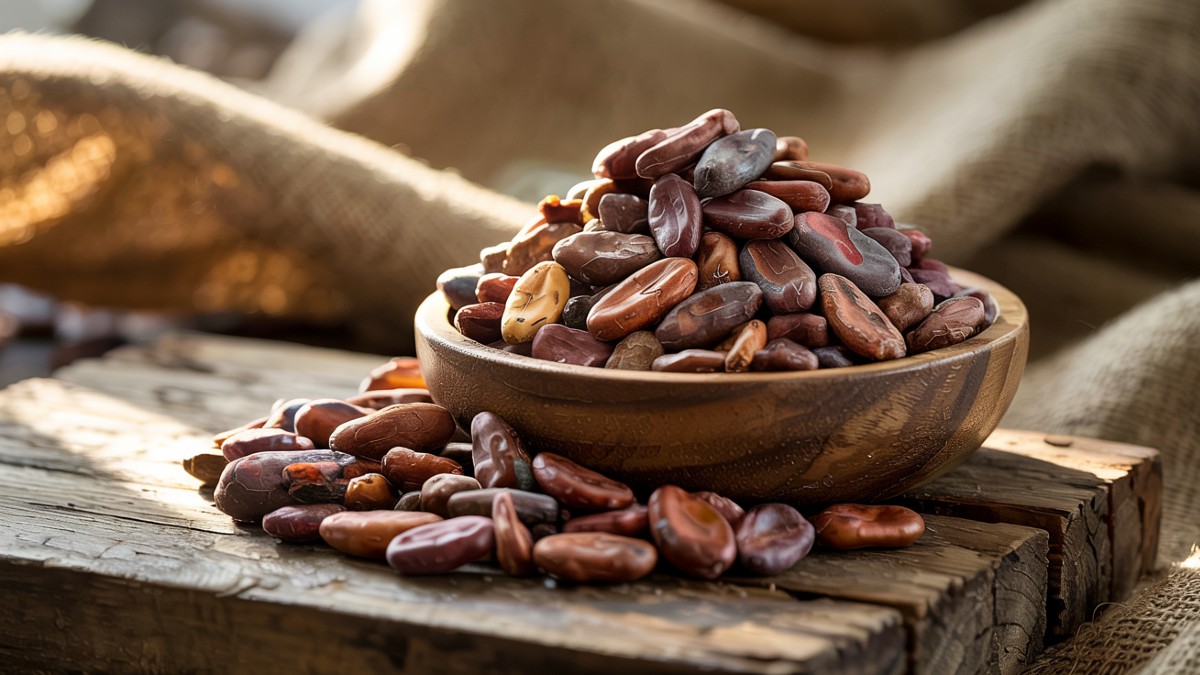
Chocolate lovers, rejoice—raw cacao nibs are brain food in its purest form. According to Journal of Neuroinflammation (2021), collagen peptides lowered LPS-induced brain inflammation markers by 22% in mice.
Unlike processed chocolate, these crunchy bits retain high levels of flavanols that feed Akkermansia muciniphila, a gut bacterium tied to better memory and learning.
Their slight bitterness pairs well with yogurt or smoothies. Just a small handful daily can sharpen focus and slow age-related cognitive decline. Skip the sugary versions and opt for minimally processed nibs to get the full neurological benefits.
8. Bone Broth (Collagen Peptides) – The Gut-Lining Protector That Sharpens Recall
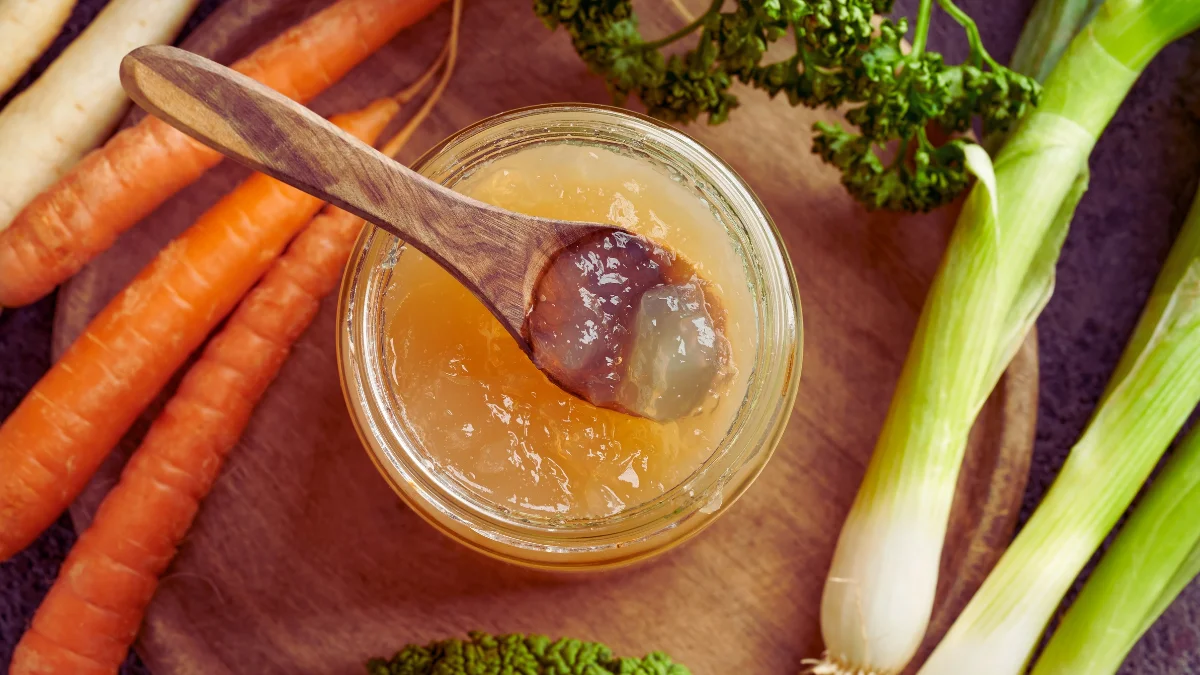
Simmered for hours, bone broth delivers collagen peptides that repair intestinal walls. A healthy gut lining blocks lipopolysaccharides (LPS), toxins that trigger brain inflammation and memory fog. Glycine and proline, two key amino acids in broth, also support neurotransmitter function.
Sipping a warm cup daily may help maintain mental clarity as you age. For extra gut-brain benefits, add turmeric or ginger.
Homemade versions pack the most nutrients, but high-quality store-bought options work too. Just check for clean ingredients.
9. Tiger Nuts (Prebiotic Fiber) – The Ancient Brain Fuel Modern Science Missed

These small, chewy tubers aren’t actually nuts—they’re fiber-rich prebiotics that feed Bifidobacteria. When these gut microbes thrive, they produce butyrate, a short-chain fatty acid that fuels brain cells and reduces neuroinflammation.
Historically used in African and Mediterranean diets, tiger nuts offer a subtly sweet, nutty flavor. Soak them overnight for a softer texture, or grind them into flour for baking.
Their resistant starch content makes them a slow-digesting energy source, keeping both gut and brain function steady throughout the day.
10. Miso (Unpasteurized) – The Umami Brain Shield Against Cognitive Decline

Fermented soy paste isn’t just for soup—it’s a live-culture powerhouse that modulates the kynurenine pathway. This process helps prevent the buildup of neurotoxic metabolites linked to memory loss. Unpasteurized miso contains active enzymes that enhance nutrient absorption and gut-brain signaling.
A small spoonful in dressings, marinades, or even stirred into oatmeal can make a difference. Its rich umami flavor adds depth to dishes while supporting cognitive longevity.
Choose traditionally aged varieties for the highest probiotic benefits. Your gut and brain will sync better with every bite.