
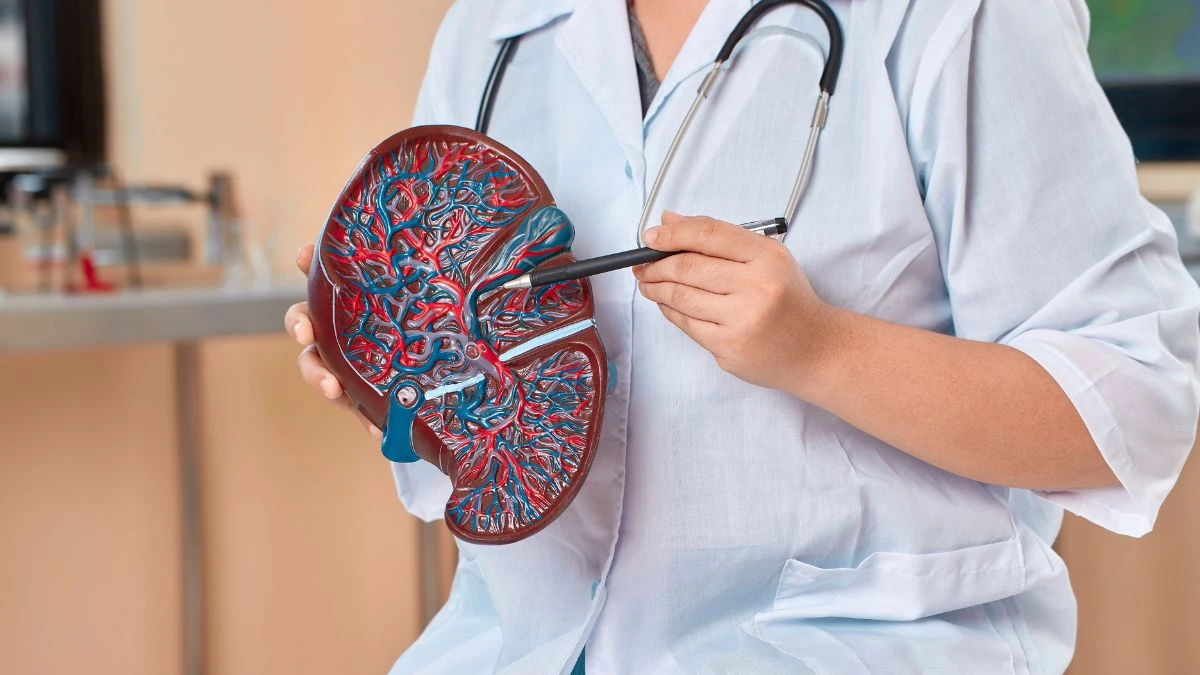
Insulin resistance rarely stays confined to your blood sugar.
It can push the liver to store more fat, raise triglycerides, and increase the strain placed on your arteries. By the time fasting glucose starts climbing, changes may already be developing inside the liver and cardiovascular system.
The encouraging part is that certain everyday foods can improve the overall dietary pattern that drives insulin sensitivity. The real secret is not one miracle ingredient.
It is choosing foods that help the liver handle glucose and fat more efficiently while protecting the heart at the same time.
Why Insulin Resistance Connects the Liver and Heart

Insulin normally tells muscle, fat, and liver cells how to handle glucose.
When those tissues become less responsive, the pancreas often produces more insulin to compensate. The liver may continue releasing glucose even when the bloodstream already contains plenty, which can contribute to higher fasting glucose and triglycerides.
Insulin resistance is also closely connected with metabolic dysfunction associated steatotic liver disease, often shortened to MASLD. This condition involves excess fat stored in the liver in people with metabolic risk factors.
The heart enters the picture because the same pattern is commonly associated with higher blood pressure, abnormal cholesterol, inflammation, abdominal weight gain, and greater cardiovascular risk.
That is why liver specialists rarely focus on sugar alone. A useful eating pattern must address several problems at once.
| What may be happening | Effect on the liver | Possible cardiovascular effect |
|---|---|---|
| Muscle cells resist insulin | More glucose remains in the bloodstream | Higher glucose can damage blood vessels over time |
| The liver resists insulin | The liver may release glucose when it is not needed | Fasting glucose and triglycerides may rise |
| Excess energy reaches the liver | More liver fat may accumulate | Higher triglycerides may contribute to vascular risk |
| Visceral fat releases inflammatory signals | Liver inflammation may worsen | Blood pressure and artery health may deteriorate |
| The pancreas produces extra insulin | High insulin may persist for years | Hunger, weight gain, and metabolic stress may increase |
No individual food can reverse this entire chain.
However, foods rich in fiber, unsaturated fat, plant protein, and minimally processed carbohydrates can make meals easier for the body to manage. Mediterranean style patterns built around vegetables, legumes, whole grains, nuts, olive oil, and minimally processed foods have repeatedly been associated with better metabolic and cardiovascular markers.
1. Beans
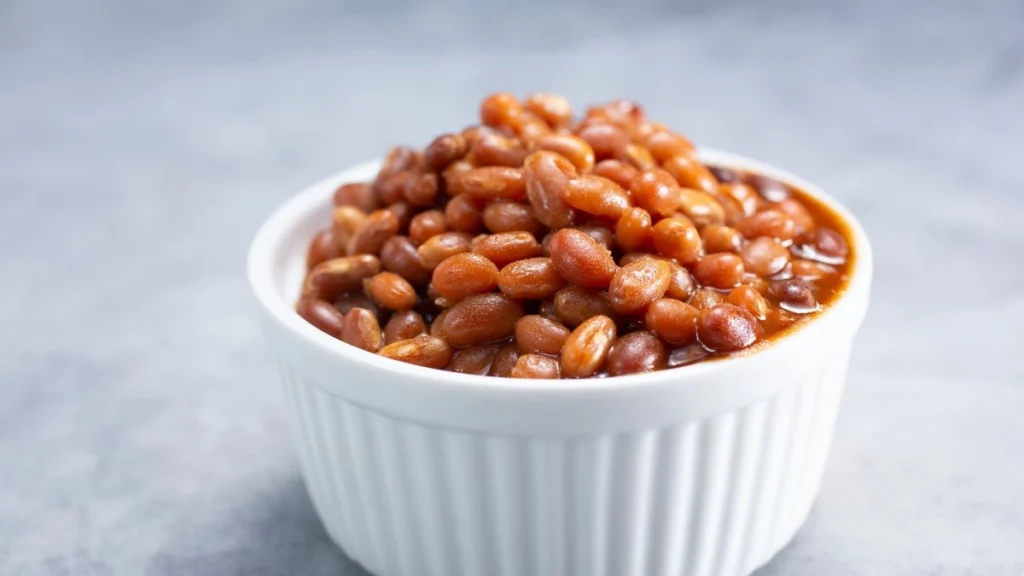
Beans slow the glucose rush while replacing fattier proteins.
Black beans, kidney beans, pinto beans, and chickpeas provide a combination of plant protein, resistant starch, and soluble fiber. This structure slows digestion and usually produces a gentler glucose response than refined bread, white rice, or sugary foods.
Beans also support fullness, which may help reduce excess calorie intake without forcing you to eat tiny portions. Their plant protein can replace processed meat or high saturated fat meals that do little for liver or heart health.
Start with about one half cup of cooked beans in a soup, salad, chili, or grain bowl. Rinse canned beans to reduce sodium.
2. Lentils
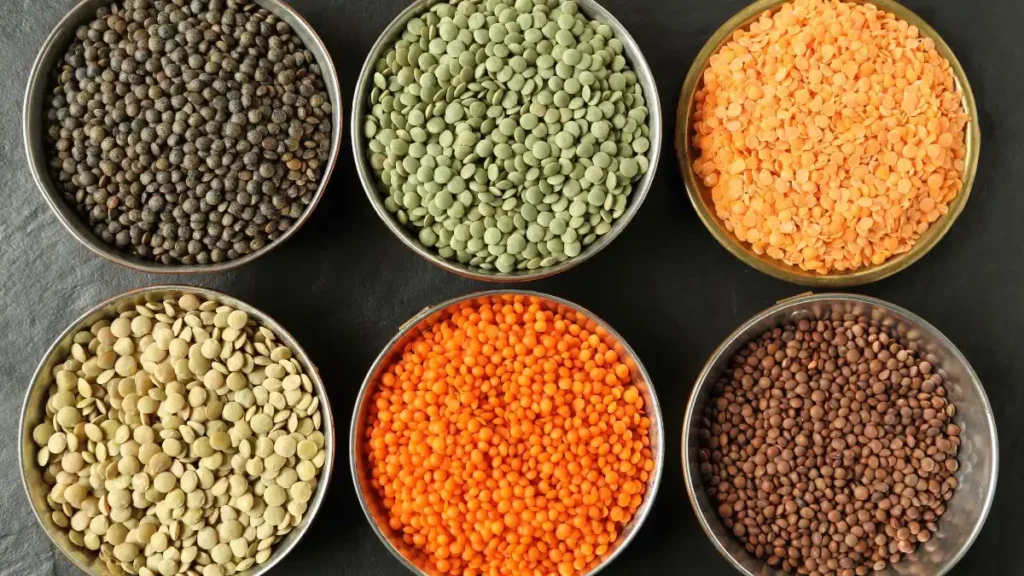
Lentils deliver the benefits of legumes with very little preparation.
Lentils contain fiber and protein in a compact serving. They digest more slowly than most refined starches and can reduce the total glycemic impact of a meal when used instead of white rice, pasta, or large portions of bread.
They are also naturally low in saturated fat. That matters because improving insulin resistance is not simply about removing carbohydrates. The type of carbohydrate and the food replacing it both matter.
Try one half to one cup of cooked lentils several times a week. Red lentils soften into soups, while green and brown lentils hold their shape in salads.
3. Oats
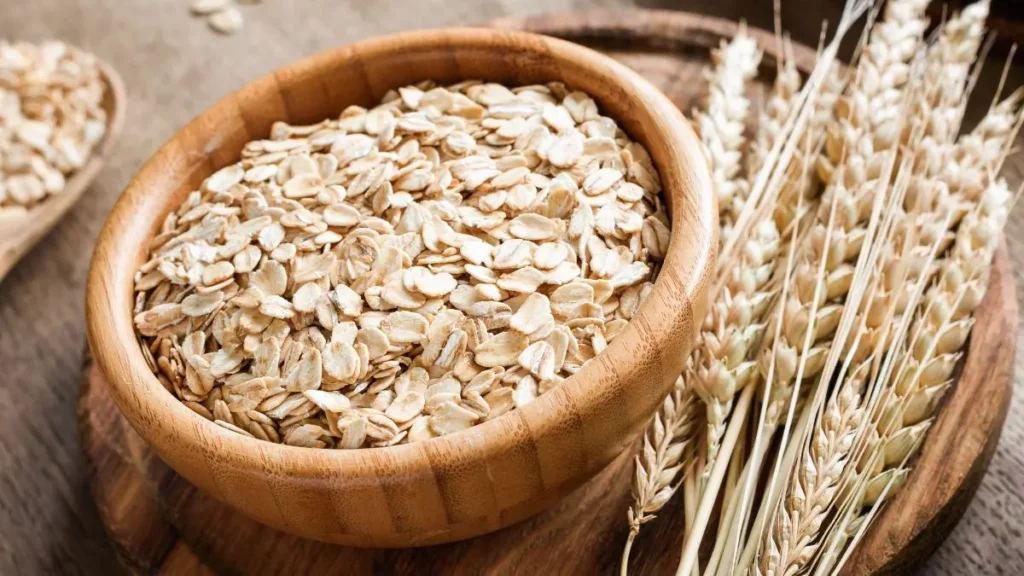
Oats form a soluble fiber gel that slows digestion.
Oats contain beta glucan, a viscous soluble fiber that thickens after it absorbs water. This can slow stomach emptying and reduce the speed at which glucose enters the bloodstream.
A systematic review found that adding oat beta glucan to carbohydrate containing meals reduced post meal glucose and insulin responses. Research has also linked oat beta glucan with lower cholesterol, although effects on insulin sensitivity itself have varied across trials.
Choose plain rolled oats or steel cut oats rather than heavily sweetened packets. Add cinnamon, berries, walnuts, or chia seeds instead of brown sugar.
4. Barley
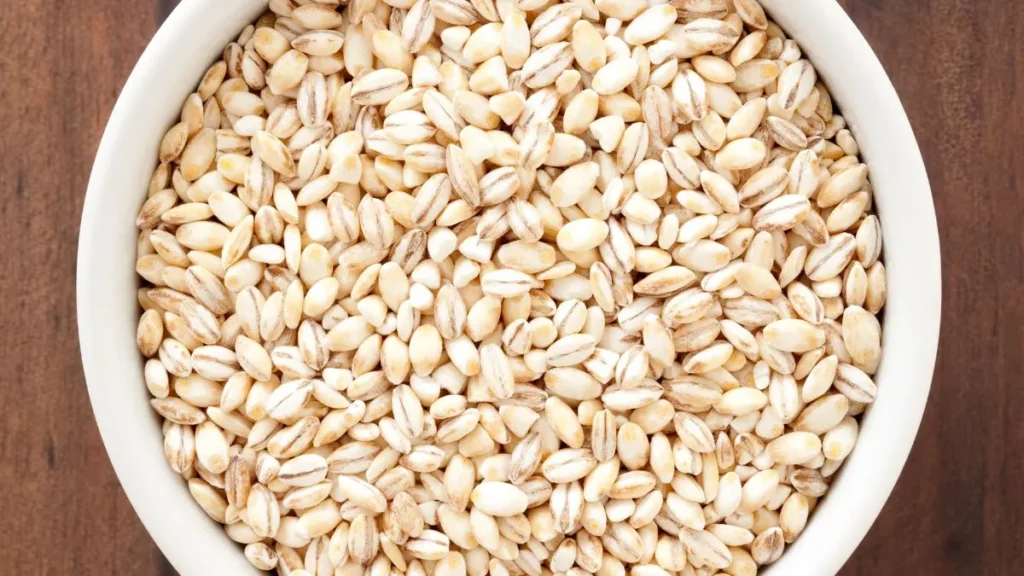
Barley provides a second major source of beta glucan.
Like oats, barley contains soluble fiber that can slow carbohydrate absorption and support healthier cholesterol levels. Hulled barley contains more intact fiber than highly refined pearled varieties, although both can fit into a balanced meal.
Barley also has a chewy texture, which makes it useful as a replacement for refined rice in soups, pilafs, and grain bowls.
Use about one half cup of cooked barley as part of a meal. Pair it with vegetables and beans rather than treating it as an unlimited carbohydrate.
The Best Swaps for a Liver and Heart Friendly Plate
| Instead of this | Try this | Why the swap may help |
| Sugary breakfast cereal | Plain oats with berries and walnuts | More soluble fiber, less added sugar |
| Large serving of white rice | Barley, lentils, or beans | Slower digestion and more fiber |
| Processed meat sandwich | Chickpea or bean salad | Less saturated fat and more plant protein |
| Cream based dressing | Olive oil with vinegar or lemon | More unsaturated fat and fewer refined ingredients |
| Sweetened fruit yogurt | Plain unsweetened yogurt with berries | Less added sugar and more control over portions |
| Chips or biscuits | Nuts, roasted chickpeas, or vegetables | More fiber, protein, and satiety |
5. Berries
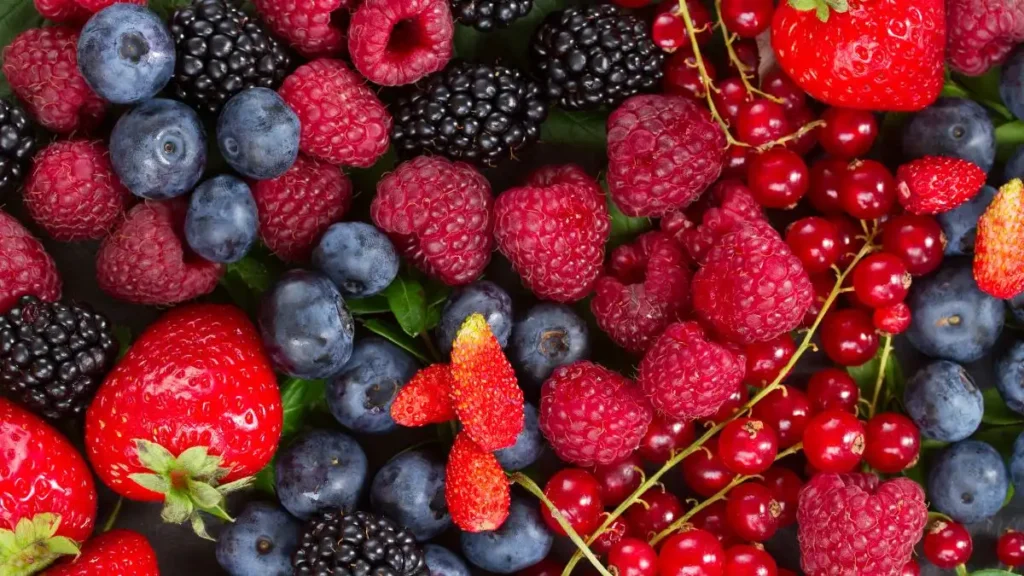
Berries bring sweetness without the concentrated sugar load of juice.
Blueberries, strawberries, blackberries, and raspberries provide fiber, water, vitamin C, and polyphenols. Dark blue and purple berries are especially rich in anthocyanins, compounds being studied for effects on inflammation, blood vessel function, and glucose metabolism.
Some controlled studies have reported improvements in post meal glucose responses or insulin sensitivity after berry intake. The results are promising, but they do not mean berries can compensate for an otherwise highly processed diet.
Eat about one half to one cup of fresh or frozen berries. Whole berries are generally a better choice than juice because the fiber remains intact.
6. Leafy Green Vegetables
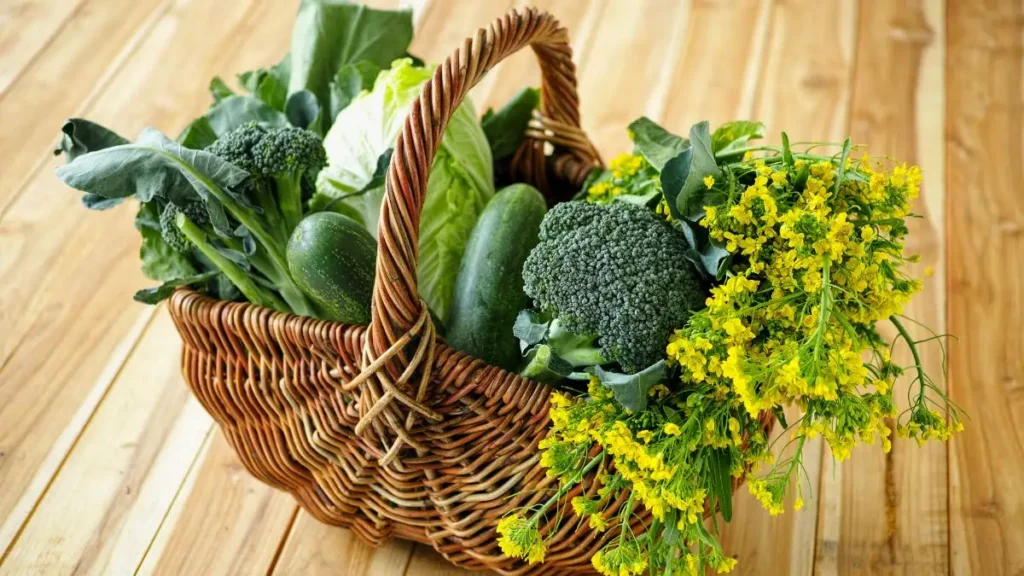
Leafy greens add volume without flooding the bloodstream with glucose.
Spinach, kale, collard greens, arugula, and Swiss chard provide fiber, folate, magnesium, potassium, carotenoids, and nitrate compounds. They contain relatively little digestible carbohydrate for their volume.
Magnesium is involved in glucose metabolism, while dietary nitrates can support nitric oxide production and blood vessel function. The greatest benefit may come from what leafy greens replace, such as fries, refined grains, or creamy side dishes.
Aim to fill at least one quarter of the plate with non starchy vegetables at lunch and dinner. Rotate raw salads with cooked greens for variety.
7. Broccoli and Other Cruciferous Vegetables
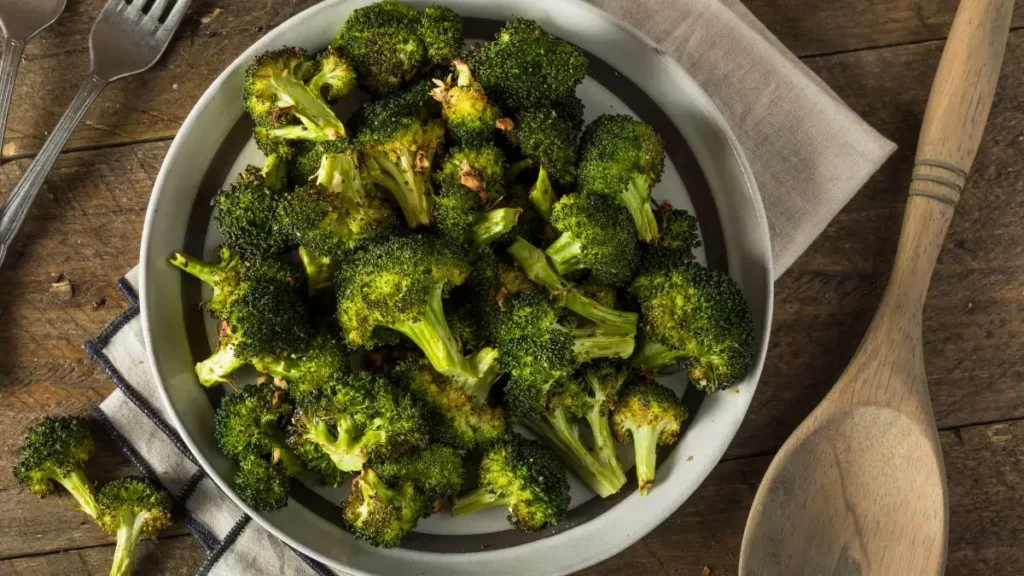
Cruciferous vegetables support fullness and deliver protective plant compounds.
Broccoli, cabbage, cauliflower, Brussels sprouts, and bok choy contain fiber and glucosinolates. During cutting and chewing, these compounds can form biologically active substances such as sulforaphane.
Sulforaphane has been studied for possible effects on oxidative stress and glucose metabolism. Human evidence is still developing, so broccoli should be viewed as a valuable part of a protective dietary pattern rather than a treatment by itself.
Roast, steam, or lightly sauté one to two cups. Avoid burying the vegetables under large amounts of cheese sauce or sugary glaze.
8. Walnuts
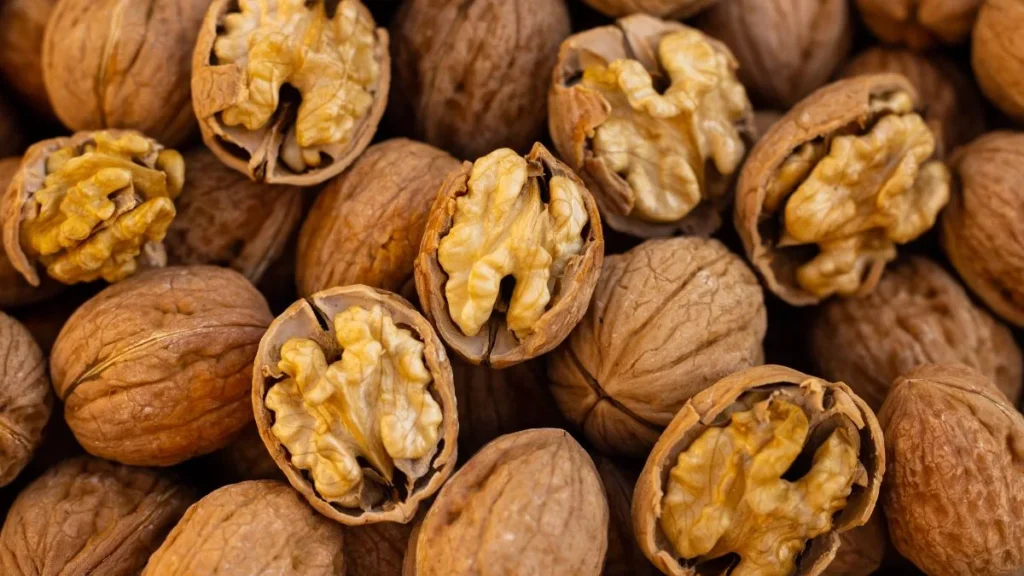
Walnuts provide plant based omega 3 fat and substantial satiety.
Walnuts contain alpha linolenic acid, a plant omega 3 fatty acid. They also provide fiber, magnesium, polyphenols, and unsaturated fat.
Nuts are calorie dense, but controlled portions can be useful because they replace refined snacks and may help people feel satisfied. Diets containing nuts are consistently included in cardiovascular eating recommendations.
A practical portion is about one ounce, roughly a small handful. Use walnuts on oats, salads, or plain yogurt rather than eating directly from a large bag.
9. Almonds and Pistachios
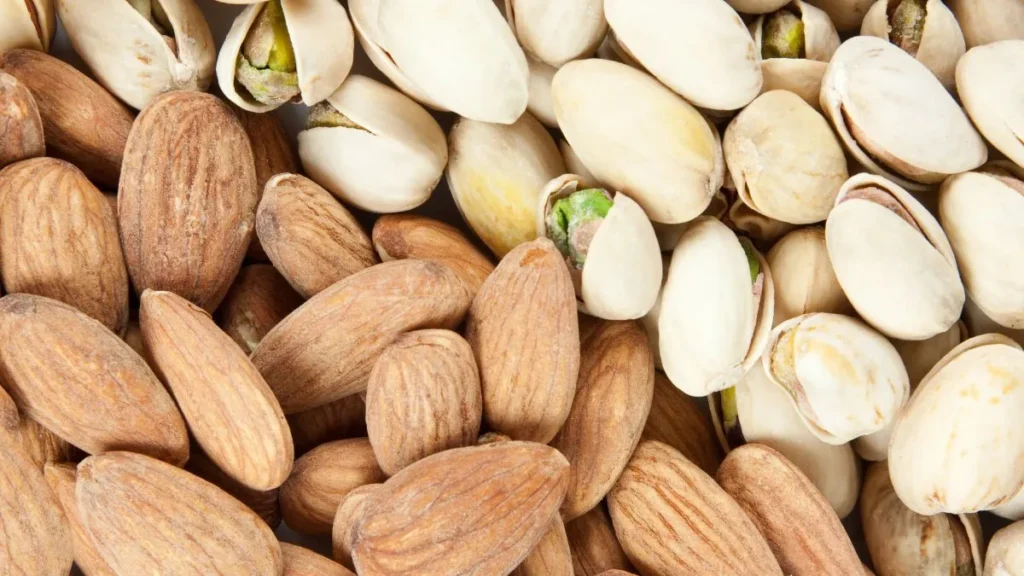
These nuts may soften the effect of carbohydrate heavy meals.
Almonds and pistachios contain protein, fiber, magnesium, and mostly unsaturated fat. Eating a modest portion with fruit or a meal may slow digestion and reduce the temptation to reach for refined snacks.
Their magnesium content is relevant because magnesium participates in insulin signaling and glucose handling. However, nuts do not need to be eaten in huge amounts to be useful.
Choose unsalted or lightly salted nuts. A one ounce portion is usually enough.
Food portions are not one size fits all. People using insulin or medicines that can cause low blood sugar may need individualized carbohydrate guidance from a doctor or registered dietitian.
The Daily Habit That Actually Works
Build one insulin friendly meal before trying to overhaul your entire diet.
- Fill half the plate with non starchy vegetables.
- Add beans, lentils, tofu, fish, or another minimally processed protein.
- Choose one modest portion of oats, barley, intact whole grain, or starchy vegetables.
- Add unsaturated fat from nuts, seeds, avocado, or olive oil.
- Drink water, sparkling water, tea, or coffee without added sugar.
Repeating this structure regularly matters more than eating a so called superfood once a week.
10. Extra Virgin Olive Oil
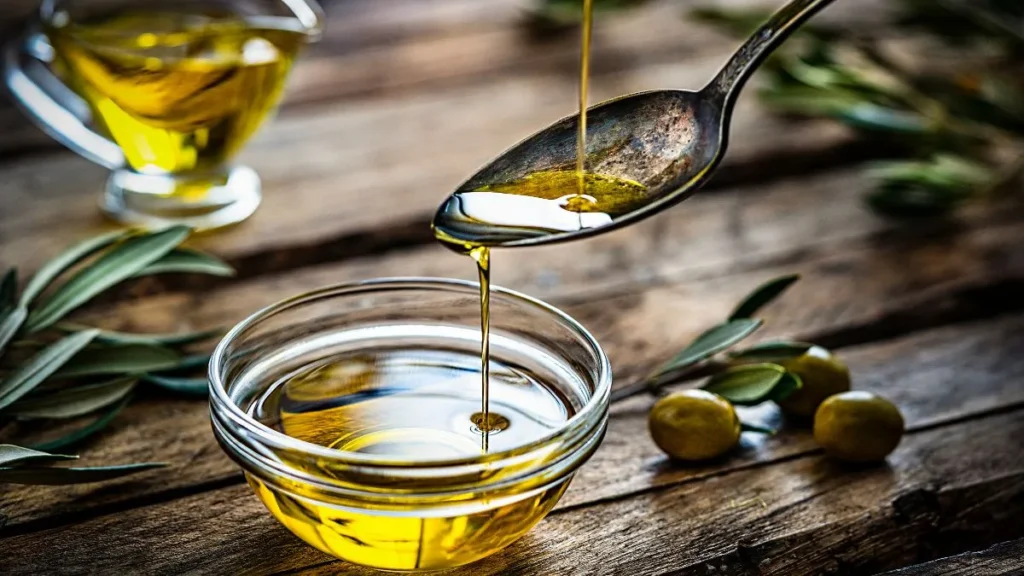
Olive oil works best when it replaces butter or highly processed sauces.
Extra virgin olive oil is rich in monounsaturated fat and contains polyphenols. Diets using olive oil as a primary fat source are a central part of Mediterranean style eating patterns.
These patterns have been associated with improvements in blood pressure, lipid levels, inflammation, and insulin sensitivity. The benefit is strongest when olive oil replaces saturated fat or refined dressings, not when it is simply poured on top of an already high calorie diet.
Use one to two teaspoons on vegetables or in a vinaigrette. Measure occasionally because free pouring can turn a modest meal into a very calorie dense one.
11. Avocado
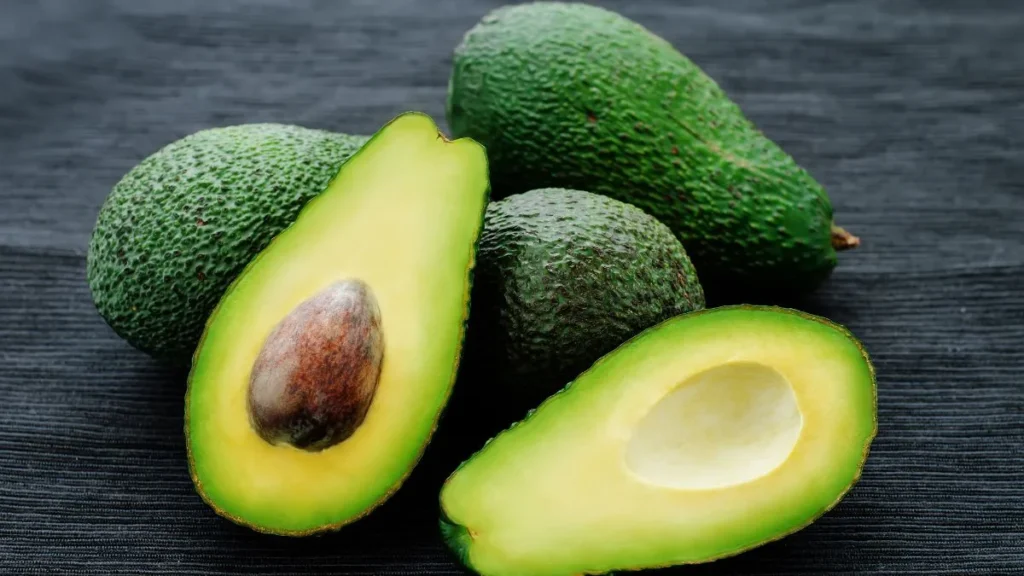
Avocado combines unsaturated fat with fiber.
Unlike most fruits, avocado contains very little sugar and a meaningful amount of monounsaturated fat. Its fiber and fat can slow digestion and make a meal more satisfying.
Avocado also provides potassium, which supports blood pressure regulation. People with advanced kidney disease may need to limit potassium, so this food is not automatically appropriate for everyone.
Try one quarter to one half of an avocado in place of mayonnaise, butter, cheese, or a large portion of creamy dressing.
12. Soy Foods
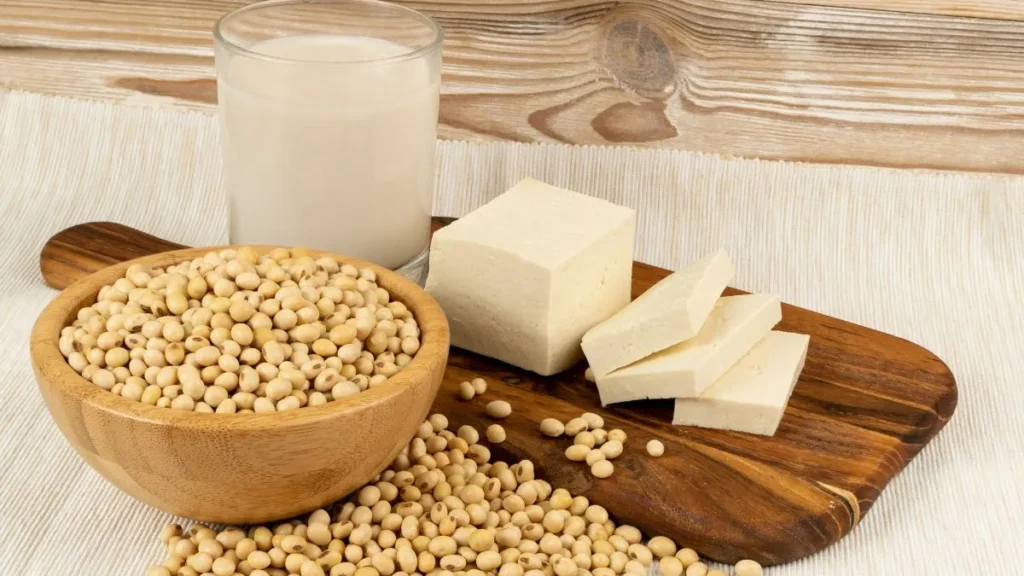
Whole soy foods offer protein without the saturated fat found in many animal products.
Tofu, tempeh, edamame, and unsweetened soy milk provide plant protein, unsaturated fat, minerals, and bioactive compounds called isoflavones.
Replacing processed meat or high fat meat with soy can improve the overall fat quality of a meal. Soy also gives plant based eaters a substantial protein source that does not rely on refined meat substitutes.
Choose tofu, tempeh, or edamame most often. Check flavored soy milk and sauces for added sugar and sodium.
How the 12 Foods Compare
| Food | Main useful component | Simple serving idea | Main role |
| Beans | Soluble fiber and resistant starch | One half cup cooked | Slower glucose absorption |
| Lentils | Fiber and plant protein | One half to one cup cooked | Replaces refined starch or fatty protein |
| Oats | Beta glucan | One half cup dry before cooking | Supports post meal glucose and cholesterol |
| Barley | Beta glucan and intact starch | One half cup cooked | Higher fiber grain replacement |
| Berries | Fiber and anthocyanins | One half to one cup | Replaces sweets or juice |
| Leafy greens | Fiber, magnesium, and nitrates | One to two cups | Adds volume with little glucose load |
| Cruciferous vegetables | Fiber and glucosinolates | One to two cups | Supports fullness and diet quality |
| Walnuts | ALA omega 3 and polyphenols | One ounce | Replaces refined snacks |
| Almonds or pistachios | Fiber, magnesium, and unsaturated fat | One ounce | Adds satiety to meals or snacks |
| Extra virgin olive oil | Monounsaturated fat and polyphenols | One to two teaspoons | Replaces saturated fat |
| Avocado | Fiber and monounsaturated fat | One quarter to one half | Replaces creamy toppings |
| Soy foods | Plant protein and unsaturated fat | Three to four ounces tofu | Replaces processed or fatty meat |
What Hepatologists Actually Emphasize
Liver specialists do not generally prescribe a magic list of twelve foods.
They usually emphasize a sustainable eating pattern, improved glucose control, physical activity, and weight management when appropriate.
For people with excess body weight and fatty liver disease, even modest weight loss may reduce liver fat, while greater weight loss may be needed to improve liver inflammation or scarring.
The foods in this article fit because they resemble Mediterranean and minimally processed plant centered patterns frequently recommended for metabolic health.
They provide fiber, unsaturated fat, and nutrient density while reducing dependence on sugary drinks, refined grains, processed meats, and heavily processed snacks.
That is the research gap many food lists miss.
They praise blueberries or olive oil without explaining what those foods must replace. Adding walnuts to a diet that still contains sweet drinks, oversized desserts, and frequent processed meat is unlikely to produce the same result as rebuilding the whole meal.