

Your energy crashes by 3 PM. Your gym sessions feel harder than they used to. That drive you once had seems to fade more each year.
Testosterone levels drop 1% annually after age 30, leaving millions of men feeling like shadows of their former selves.
Big pharma wants you to believe expensive treatments are your only option. But urologists know something different. Your kitchen already holds 12 powerful foods that can naturally restore what time steals away.
These aren’t exotic superfoods or costly supplements. They’re common ingredients sitting in your pantry right now, waiting to reignite your vitality.
1. Onions
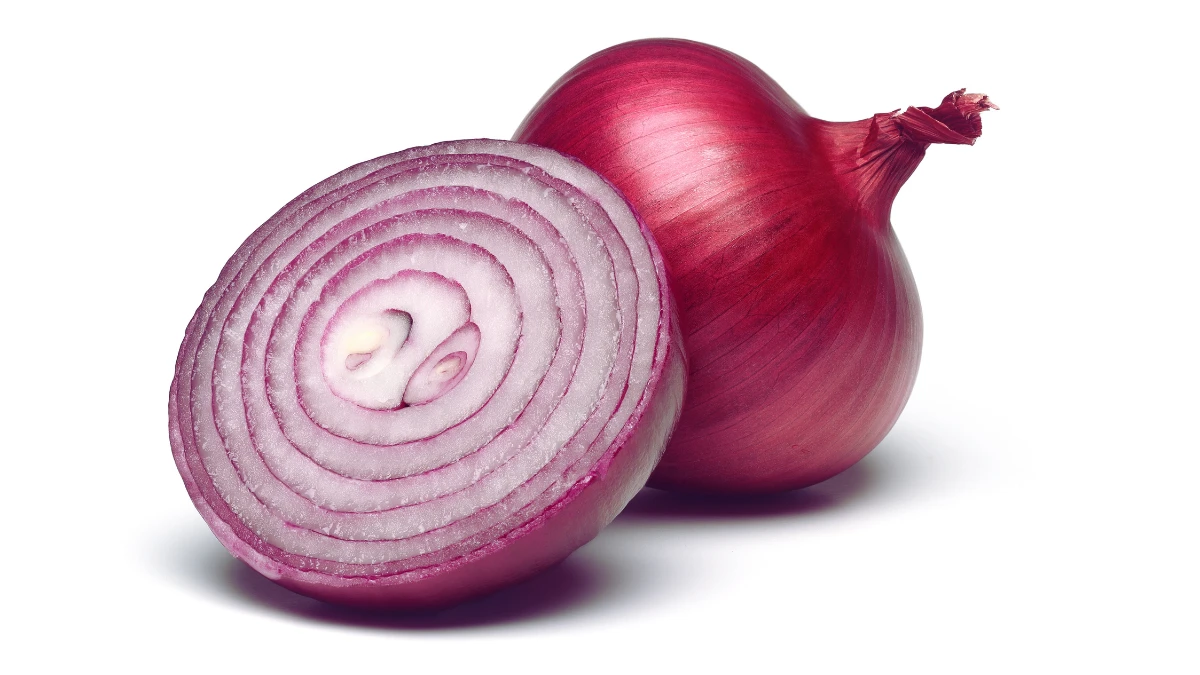
Raw or cooked, these kitchen staples pack a serious punch for hormone health. Quercetin and other antioxidants found in onions help protect the cells responsible for testosterone production from damage caused by free radicals.
Regular consumption can stimulate luteinizing hormone release, which signals your body to ramp up testosterone production.
Yellow, white, and red varieties all contain beneficial compounds, though red onions tend to have higher antioxidant levels.
The sulfur compounds that make you tear up when chopping also contribute to their hormone-supporting properties. These same compounds help improve blood flow, which plays a role in overall reproductive health.
Adding onions to your meals doesn’t require special preparation. Throw them in stir-fries, soups, or eat them raw in salads.
Even pickled onions retain many of their beneficial properties. The key is consistency rather than quantity, making them an easy addition to any testosterone-supporting diet plan.
2. Garlic
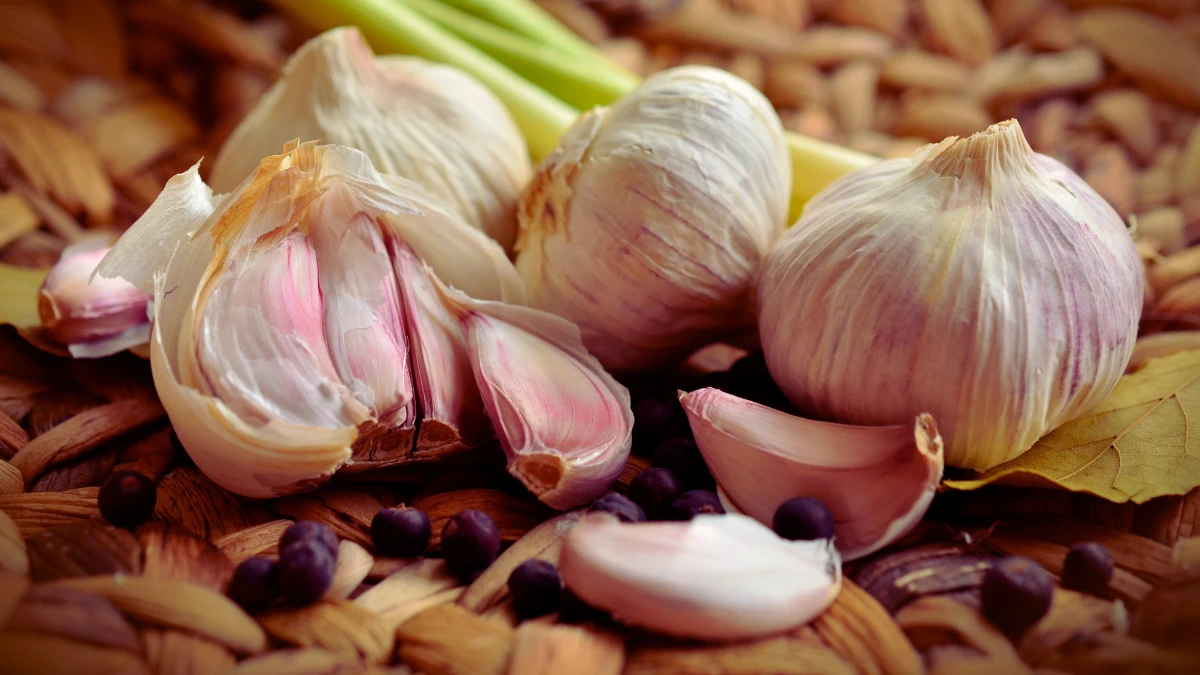
Fresh garlic cloves contain diallyl disulfide, a powerful compound that triggers the release of hormones involved in testosterone production.
This sulfur-rich ingredient also acts as a natural protector for Leydig cells, the specialized cells in your testicles that manufacture testosterone. Damaged Leydig cells mean lower hormone output.
Crushing or chopping garlic releases more of its active compounds compared to swallowing whole cloves.
Heat can reduce some benefits, so adding minced garlic to dishes near the end of cooking preserves more of its hormone-supporting properties. Raw garlic in dressings or marinades offers maximum potency.
Beyond testosterone support, garlic improves cardiovascular health, which directly impacts hormone circulation throughout your body.
Better blood flow means hormones reach their target tissues more effectively. Start with one to two cloves daily and gradually increase if your stomach tolerates it well. Some men find aged garlic supplements easier on their digestive system while still providing benefits.
3. Fatty Fish (Salmon, Tuna, Mackerel)
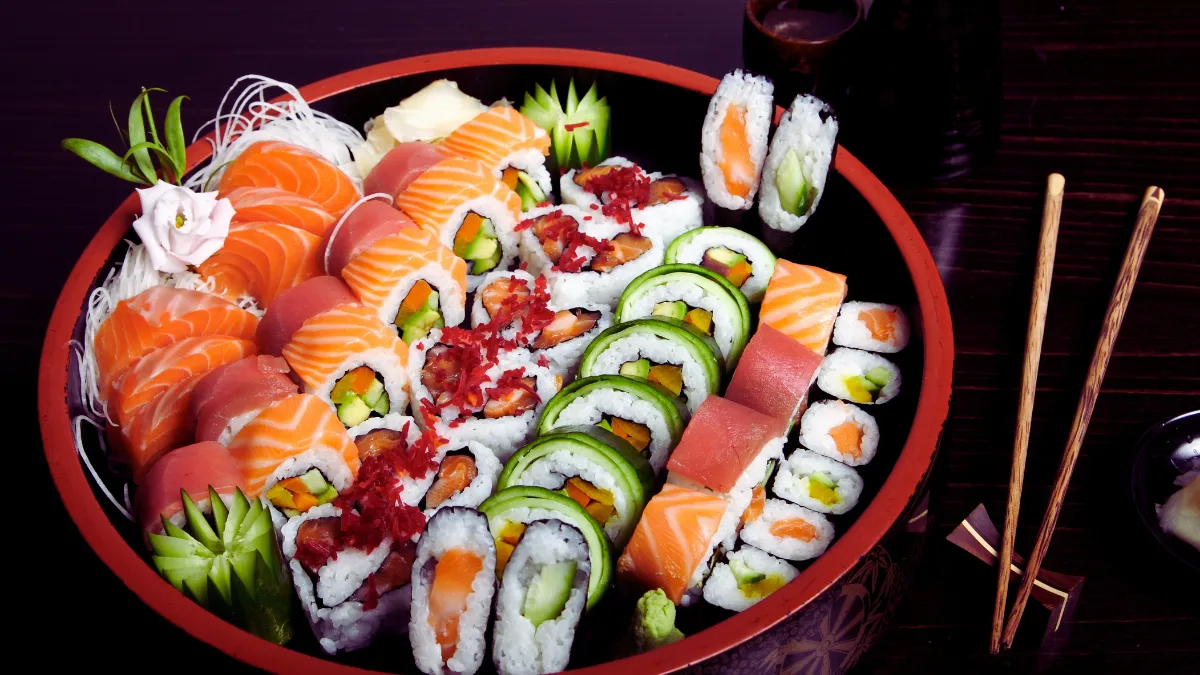
Omega-3 fatty acids found in these fish support testosterone production while reducing inflammation that can interfere with hormone synthesis.
Fish caught in the wild generally provide higher levels of healthy fats than those raised on farms. These healthy fats also help your body absorb fat-soluble vitamins that play roles in hormone manufacturing.
Vitamin D naturally occurs in fatty fish, and this vitamin acts almost like a hormone itself in your body. Men with higher vitamin D levels often have higher testosterone levels, too.
Salmon, sardines, and mackerel provide substantial amounts of this sunshine vitamin, especially important during winter months when sun exposure drops.
Preparation methods matter for preserving nutrients. Grilling, baking, or pan-searing works better than deep frying, which can damage the delicate omega-3 oils.
Aim for two to three servings per week of palm-sized portions. Canned fish like sardines or wild salmon offer convenience and affordability while delivering the same hormone-supporting benefits as fresh varieties.
4. Eggs

Whole eggs provide cholesterol, which serves as the basic building block for all steroid hormones, including testosterone. Your body needs adequate cholesterol to manufacture hormones efficiently.
Egg yolks contain the highest concentration of these beneficial fats, along with vitamin D and other nutrients that support hormone production.
Pasture-raised eggs from free-range chickens contain higher levels of omega-3 fatty acids and vitamin D compared to conventional eggs.
The bright orange yolks indicate higher nutrient density. Don’t skip the yolks thinking you’re being healthy – that’s where most of the hormone-supporting nutrients live.
Cooking methods affect nutrient retention differently. Soft-boiled or poached eggs preserve more nutrients than scrambled eggs cooked at high heat.
Hard-boiled eggs make convenient snacks and retain most of their beneficial properties. Three to four whole eggs several times per week can contribute meaningfully to your hormone health without negatively affecting cholesterol levels in most healthy men.
5. Oysters

These shellfish contain more zinc per serving than almost any other food source. Zinc deficiency directly correlates with low testosterone levels, making oysters a potent natural option for supporting healthy hormone production.
Your body can’t store zinc effectively, so regular intake becomes important for maintaining optimal levels.
Raw oysters contain the highest zinc concentrations, though cooked varieties still provide substantial amounts. Six medium oysters deliver more than the daily recommended zinc intake for adult men.
This mineral also supports sperm production and overall reproductive function beyond just testosterone manufacturing.
Fresh oysters work best, but frozen or canned versions still offer benefits when fresh ones aren’t available. If you’re not a fan of the texture or taste, other zinc-rich foods like beef, pork, and pumpkin seeds can help fill the gap.
Start slowly with oysters if you’ve never eaten them before, as some people experience digestive upset when introducing them suddenly to their diet.
6. Leafy Greens (Spinach, Kale)
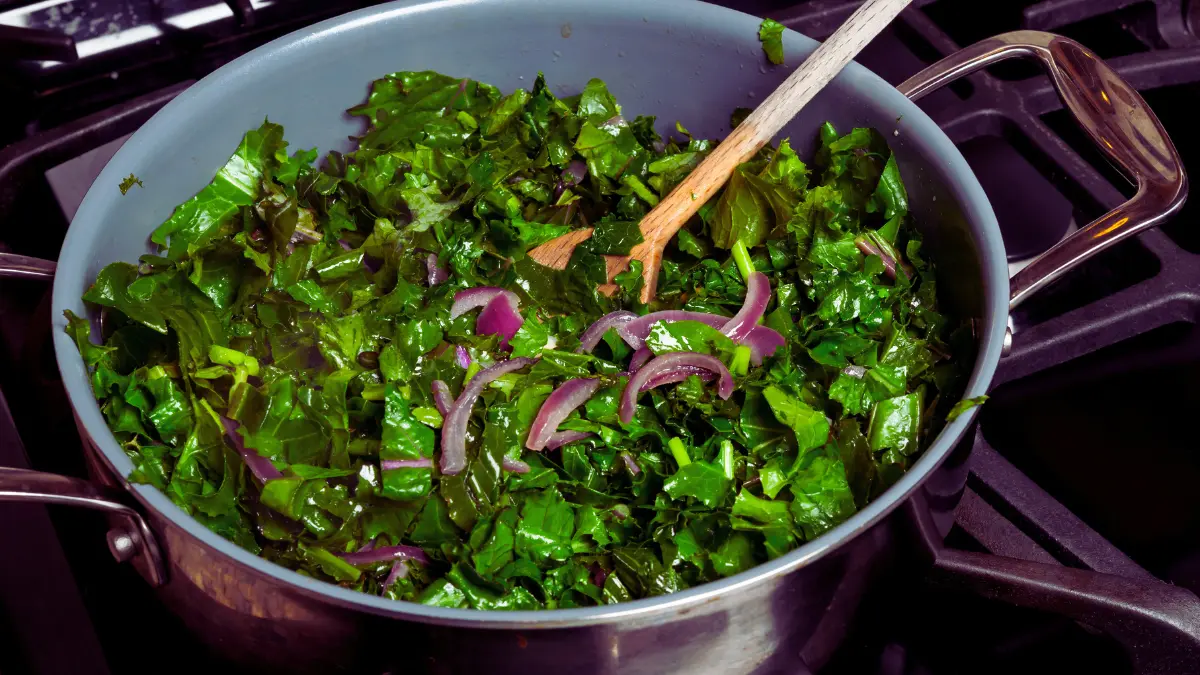
Dark leafy vegetables provide magnesium, a mineral that many men don’t get enough of from their regular diet.
Magnesium supports testosterone production by reducing oxidative stress and inflammation that can interfere with hormone synthesis. Low magnesium levels are associated with decreased testosterone in older men, especially.
Spinach, kale, Swiss chard, and arugula all contain high magnesium levels along with folate and other B vitamins that support overall hormone health.
These vegetables also provide nitrates that improve blood flow, helping hormones circulate more effectively throughout your body. Better circulation means better hormone delivery to target tissues.
Raw greens in salads provide maximum mineral content, though lightly steamed vegetables are easier for some people to digest.
Massaging kale with a bit of olive oil breaks down tough fibers and makes nutrients more available. Adding a handful of greens to smoothies offers an easy way to increase intake without dramatically changing your meal routine.
7. Honey
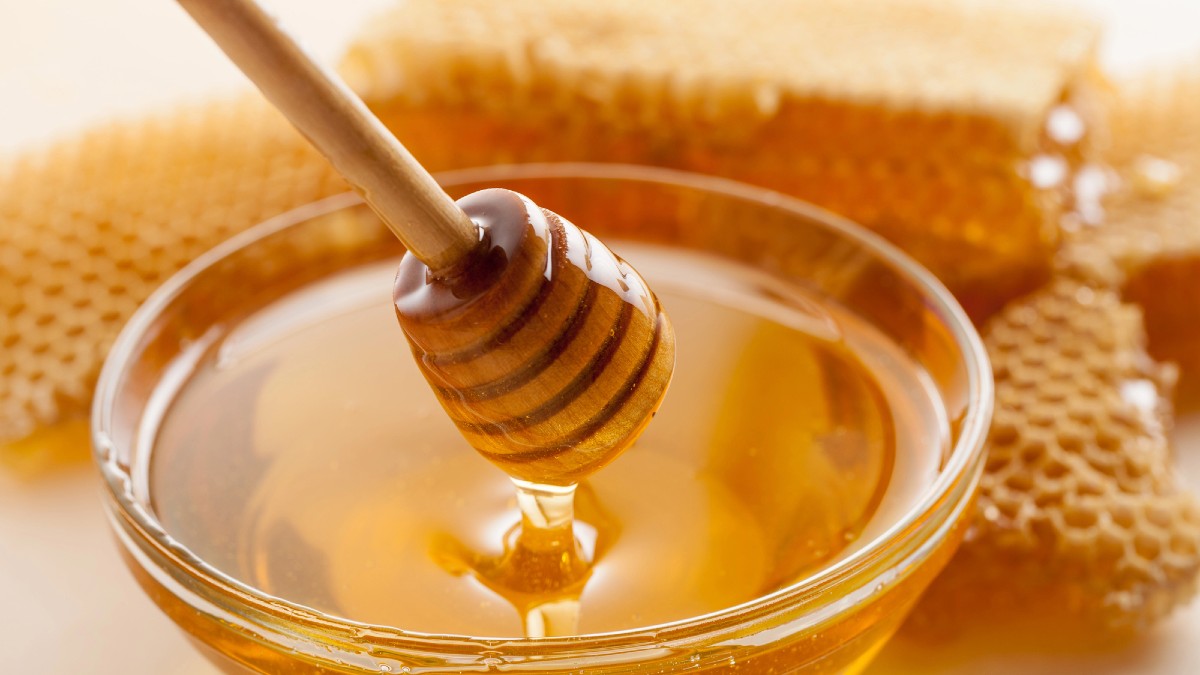
Raw honey contains natural compounds that boost luteinizing hormone production, which directly signals your testicles to manufacture more testosterone.
Antioxidants in unprocessed honey protect Leydig cells from oxidative damage that occurs with aging. These specialized cells become less efficient over time, but honey’s protective compounds help maintain their function.
Darker varieties like buckwheat or manuka honey typically contain higher levels of beneficial compounds compared to lighter processed versions.
The natural sugars provide quick energy, while flavonoids and phenolic acids work behind the scenes to support hormone production. Heat processing destroys many of these beneficial compounds, so raw honey offers superior benefits.
A 2019 systematic review found that oral honey administration increased serum testosterone levels in males, though most studies were conducted on animals.
The research highlighted honey’s ability to reduce aromatase activity, preventing testosterone conversion to estrogen. Two tablespoons daily can contribute to hormone support when combined with other testosterone-friendly foods.
8. Beans and Legumes
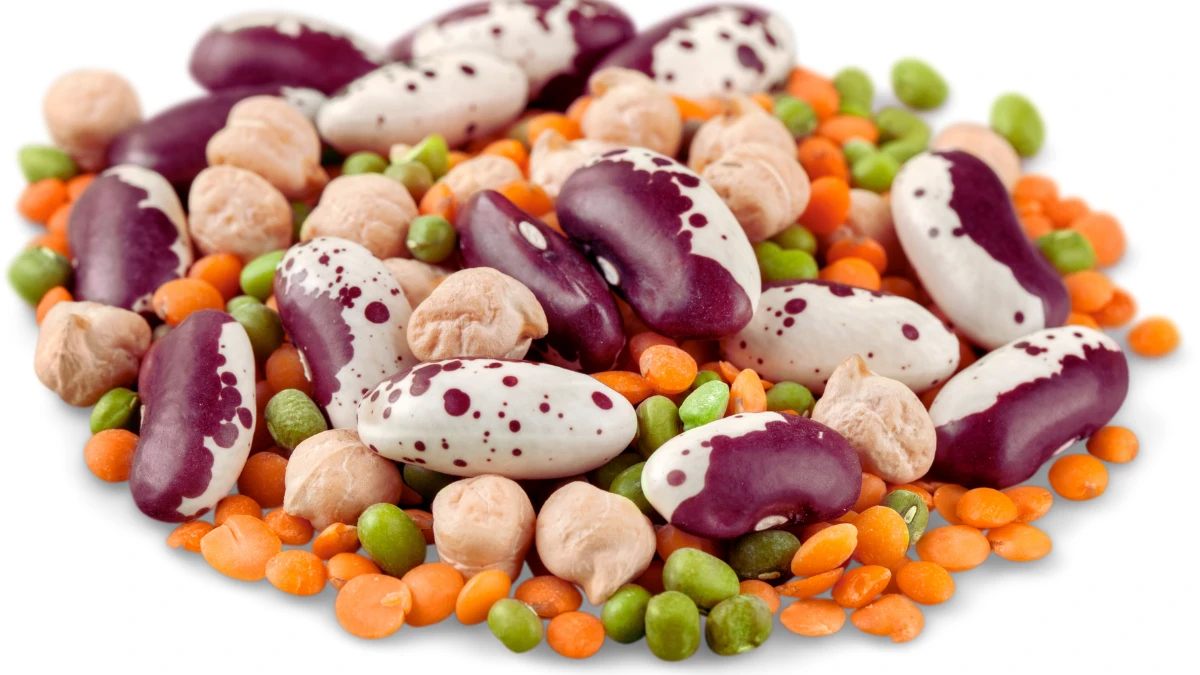
Plant-based proteins from lentils, chickpeas, and black beans provide essential amino acids needed for hormone synthesis.
These foods also deliver zinc and magnesium, two minerals that play direct roles in testosterone production. Many men focus solely on animal proteins but miss out on the hormone-supporting benefits that legumes provide.
Fiber content in beans helps regulate blood sugar levels, preventing insulin spikes that can interfere with testosterone production.
Stable blood sugar creates an environment where hormone manufacturing can proceed efficiently. The B vitamins found in legumes also support energy metabolism and overall endocrine function.
Preparation affects nutrient availability significantly. Soaking dried beans overnight and cooking them thoroughly improves mineral absorption.
Canned varieties offer convenience but often contain added sodium, so rinsing them reduces this concern. Adding beans to soups, salads, or as side dishes provides an easy way to boost protein and mineral intake without relying solely on meat sources.
9. Brazil Nuts
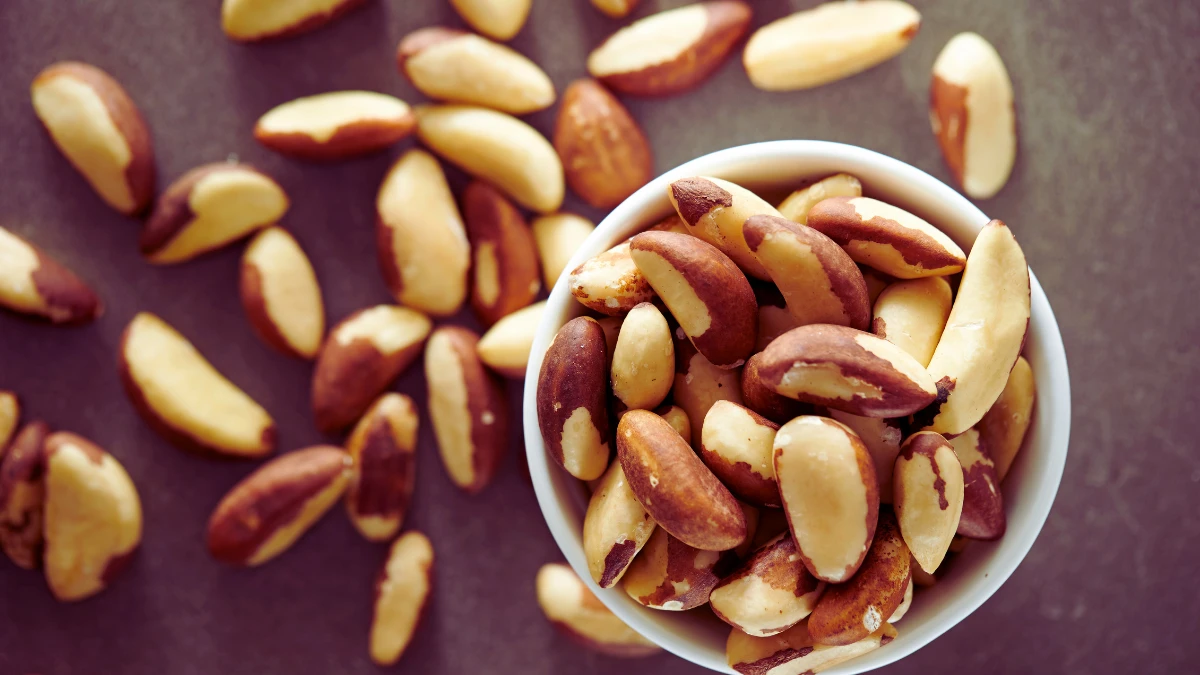
Just two Brazil nuts provide more selenium than most people get in an entire day. This trace mineral supports testosterone production and protects reproductive tissues from oxidative stress.
Selenium deficiency correlates with reduced hormone levels and poor sperm quality in men, making these large nuts a concentrated source of this important nutrient.
The high selenium content means you don’t need many Brazil nuts to see benefits. Eating too much can cause selenium toxicity, so moderation becomes important.
Two to three nuts several times per week provides adequate selenium without risking overconsumption. Their rich, creamy texture makes them satisfying as a standalone snack.
Storage affects selenium content over time. Keeping Brazil nuts in airtight containers in cool, dry places preserves their nutrient levels longer.
Rancid nuts lose beneficial compounds and can create harmful free radicals that work against hormone health. Fresh nuts should have a clean, nutty smell without any bitter or sour odors that indicate spoilage.
10. Broccoli and Cruciferous Vegetables
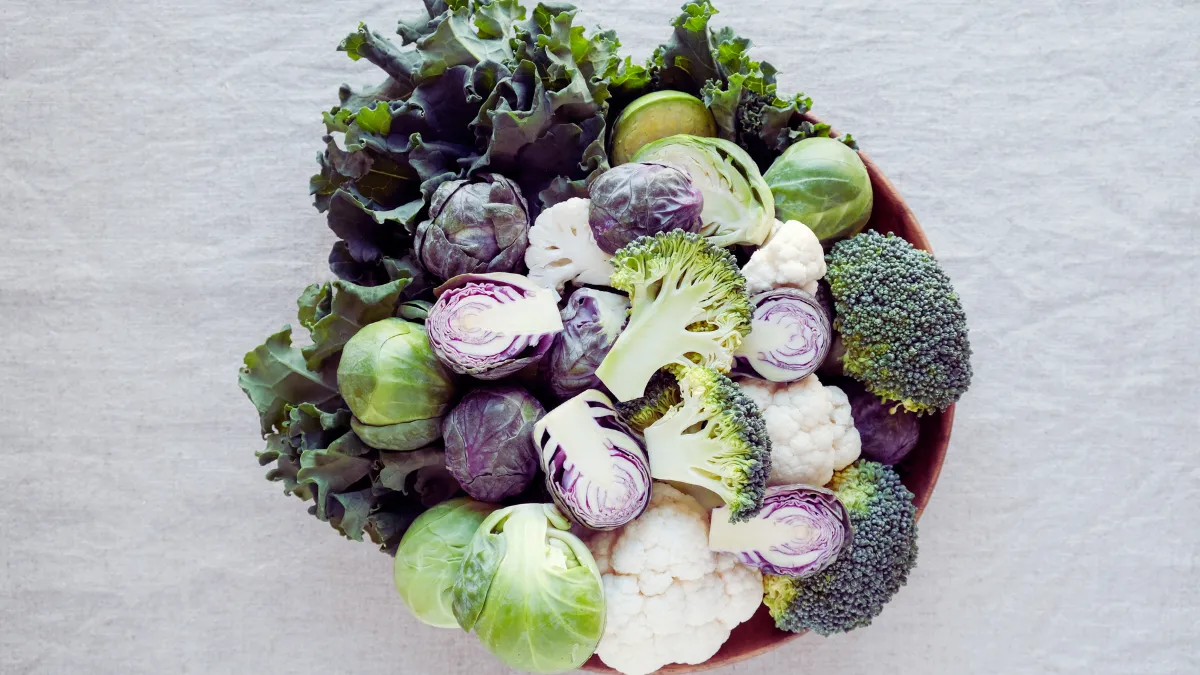
Indole-3-carbinol, found in broccoli, cauliflower, and Brussels sprouts, helps your body eliminate excess estrogen more efficiently.
When estrogen levels run high relative to testosterone, men experience symptoms like increased body fat and reduced muscle mass. These vegetables help restore a healthier hormone balance by supporting estrogen metabolism.
Sulforaphane, another compound in cruciferous vegetables, provides additional hormone-supporting benefits through its anti-inflammatory effects.
Chronic inflammation interferes with testosterone production and accelerates the aging process in hormone-producing tissues.
Regular consumption of these vegetables helps maintain a cellular environment conducive to healthy hormone levels.
Cooking methods affect compound availability differently. Light steaming preserves more beneficial compounds than boiling, which leaches nutrients into cooking water.
Raw vegetables provide maximum levels of active compounds, though some people find them harder to digest. Chopping and letting vegetables sit for 10 minutes before cooking allows enzyme reactions that increase beneficial compound formation.
11. Extra Virgin Olive Oil
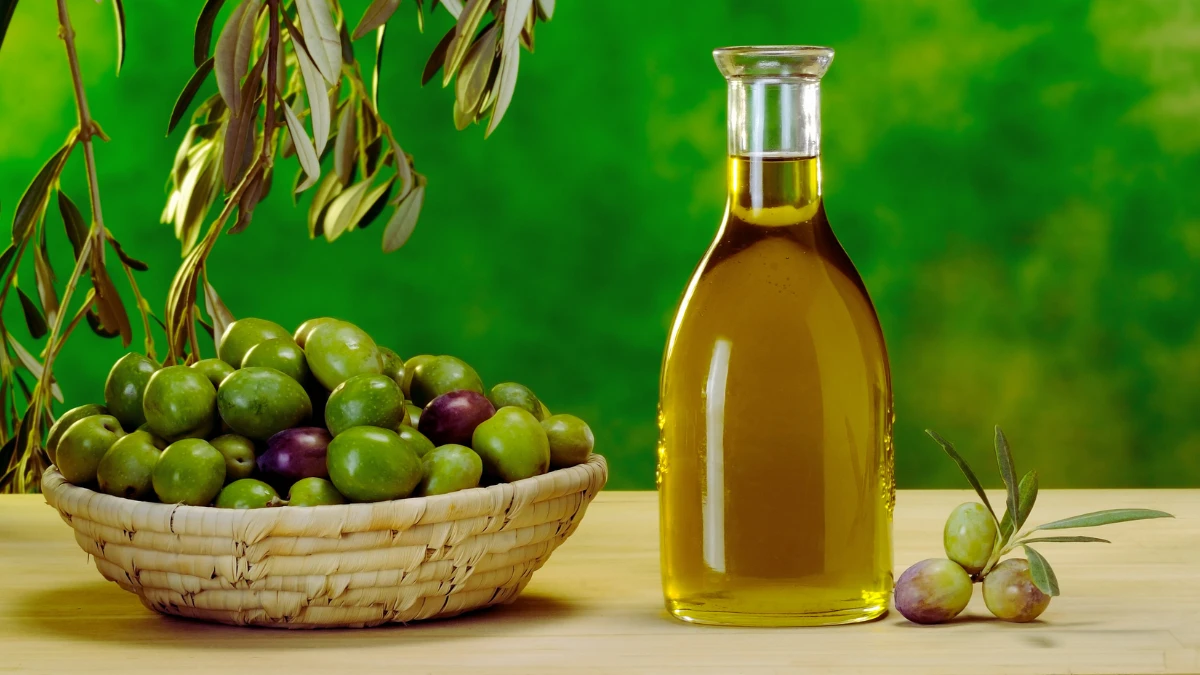
Cold-pressed olive oil contains monounsaturated fats that support healthy cholesterol levels needed for testosterone synthesis.
These beneficial fats also reduce inflammation throughout the body, creating better conditions for hormone production.
Men who consume more monounsaturated fats typically maintain higher testosterone levels as they age compared to those eating primarily processed oils.
Polyphenols in high-quality olive oil provide antioxidant protection for hormone-producing cells. These compounds help prevent the cellular damage that accumulates over time and interferes with optimal testosterone production.
Extra virgin varieties contain significantly higher polyphenol levels than refined oils processed with heat and chemicals.
Quality varies dramatically between brands and processing methods. Look for oils stored in dark glass bottles to prevent light damage to beneficial compounds.
First, cold-press oils retain more nutrients than those extracted with heat or solvents. Using olive oil for salad dressings and low-heat cooking preserves its hormone-supporting properties better than high-temperature frying.
12. Pumpkin Seeds
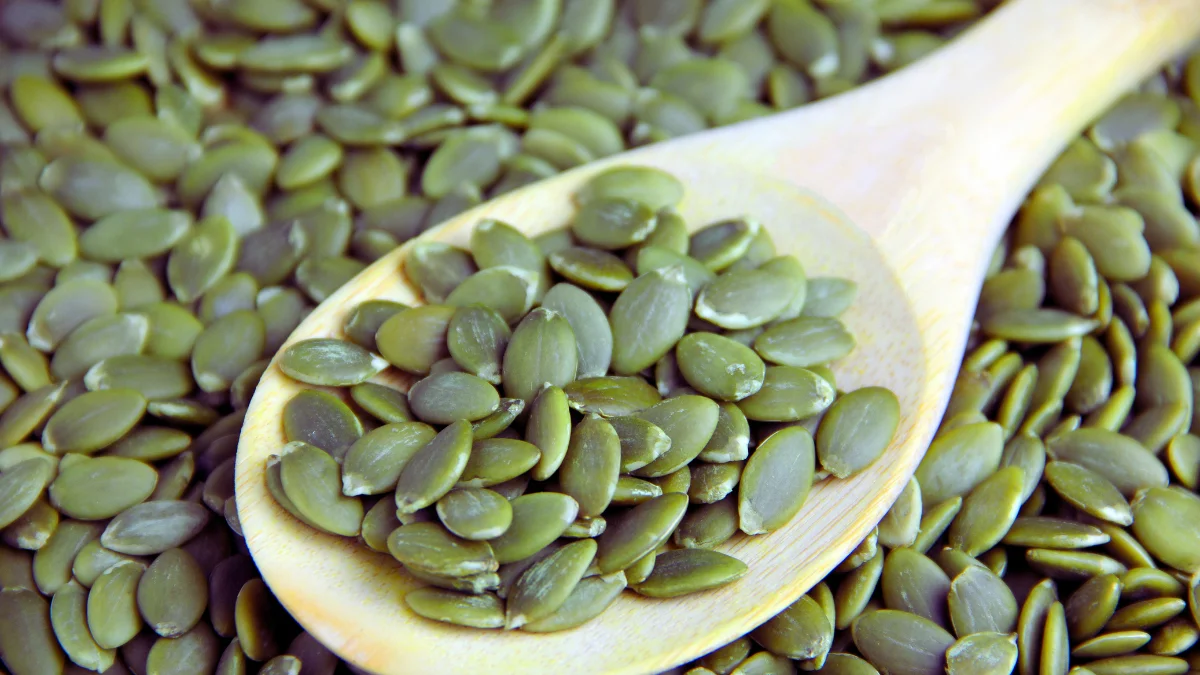
These flat, green seeds pack substantial amounts of zinc and magnesium into each handful. Zinc deficiency directly reduces testosterone production, while magnesium supports the enzymatic processes involved in hormone synthesis. A quarter cup of pumpkin seeds provides nearly half the daily zinc requirement for adult men.
Healthy fats in pumpkin seeds support overall hormone health beyond just testosterone. These omega-3 and omega-6 fatty acids help reduce inflammation and improve nutrient absorption.
The combination of minerals and healthy fats makes pumpkin seeds particularly effective for supporting male reproductive health. Raw or lightly roasted seeds retain more nutrients than heavily processed versions with added oils and salt.
A review published in MedicineNet highlights pumpkin seeds as an excellent dietary source of zinc, which research consistently shows as crucial for testosterone production.
Storing seeds in airtight containers prevents the oils from becoming rancid and maintains their hormone-supporting benefits longer.