

Do you ever worry when you forget a name or an appointment? For many people over 50, small memory slips can be a concern. Some of these changes are a normal part of getting older. But science shows that something more serious might be happening. A hidden enemy could be lurking in your grocery store and in your own kitchen.
This “Memory Thief” works slowly. The damage adds up over many years from the foods you eat every day. The typical American diet is full of processed foods, added sugars, and bad fats. This mix is now linked to brain damage.
More than half of the calories the average American eats come from these ultra-processed foods. This makes the threat to your long-term brain health a serious issue.
How These Foods Harm Your Brain
The Memory Thief
14 common ingredients are hiding in your kitchen right now. Complex damage mechanisms are targeting your neural pathways.
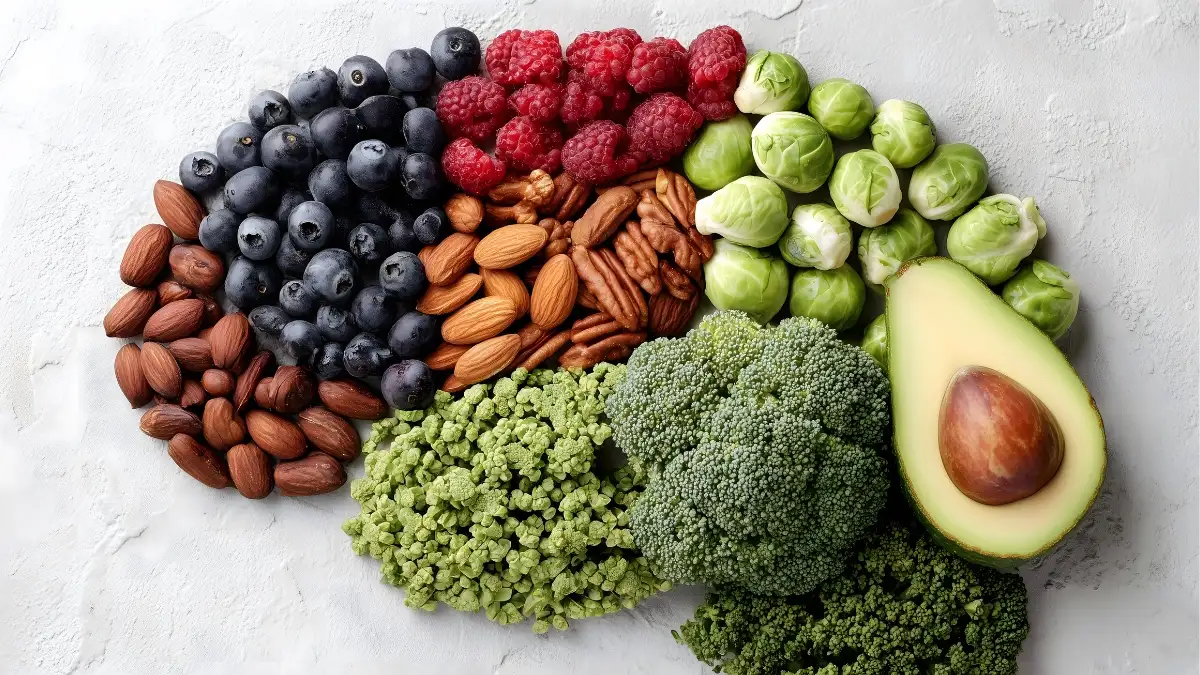
The 14 ingredients in this report work together to harm your brain. They cause damage in a few key ways. Over time, this can lead to serious memory problems. When you see how they work, you’ll get why your diet is so important for your brain.
14 Kitchen Ingredients That Can Harm Your Memory
The ways these foods cause damage are complex, but the foods themselves are very common. The following 14 ingredients are the biggest dietary threats to brain health for adults over 50. They are the main agents of the memory thief, hiding in your kitchen right now.
1. Added Sugars & High-Fructose Corn Syrup (HFCS)
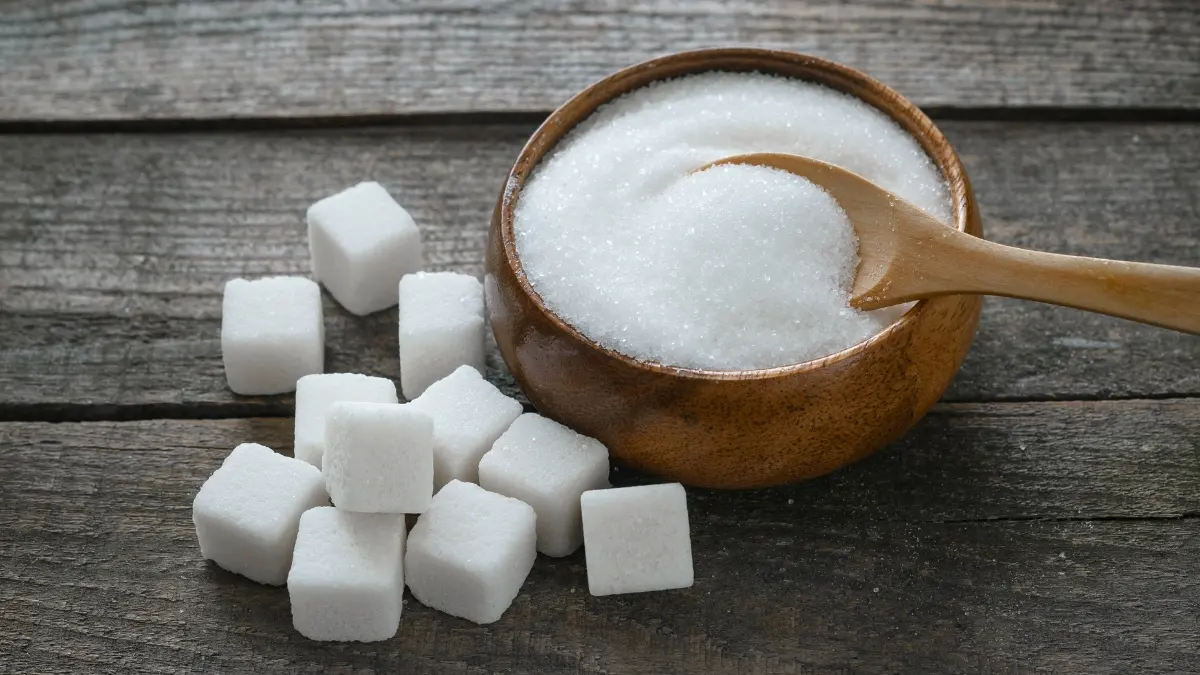
What It Is: Added sugars are any sugars that food makers add to products. This includes table sugar and sweeteners like high-fructose corn syrup (HFCS). HFCS became very common in American foods around 1980 because it was cheap.
Where You Find It: The most obvious sources are sugary drinks like sodas, sports drinks, and sweetened coffees. These make up about 30% of the fructose an average American eats. But sugar also hides in many processed foods. You can find it in breakfast cereals, flavored yogurts, sauces like ketchup, salad dressings, and even “healthy” foods like granola bars.
What the Science Says: The link between sugar and dementia is very strong. One long-term study followed 789 older adults for over 7 years. It found that those who ate the most sugar were twice as likely to develop dementia as those who ate the least.
The same study found that fructose and sucrose were especially bad, increasing dementia risk by 2.8 times and 1.93 times. Other research showed that even slightly high blood sugar levels are linked to brain shrinkage and a higher risk of dementia.
How It Hurts Your Brain: Sugar attacks your brain in several ways. It is a main cause of brain inflammation and insulin resistance. This creates the “Type 3 diabetes” situation where brain cells can’t get energy.
High glucose levels in the brain have been shown to directly harm the hippocampus, which is key for memory. Over time, this can lead to a loss of brain volume, especially in the hippocampus.
What to Use Instead: The best thing you can do is stop drinking sugar-sweetened beverages. Replace them with water, sparkling water, unsweetened teas, or water with fresh fruit like berries.
To sweeten foods, use whole fruits. The fiber in fruit slows down how fast your body absorbs the sugar. Spices like cinnamon, nutmeg, and vanilla can also make foods like oatmeal taste sweeter without any sugar.
2. Artificial Sweeteners (Aspartame, Sucralose, etc.)
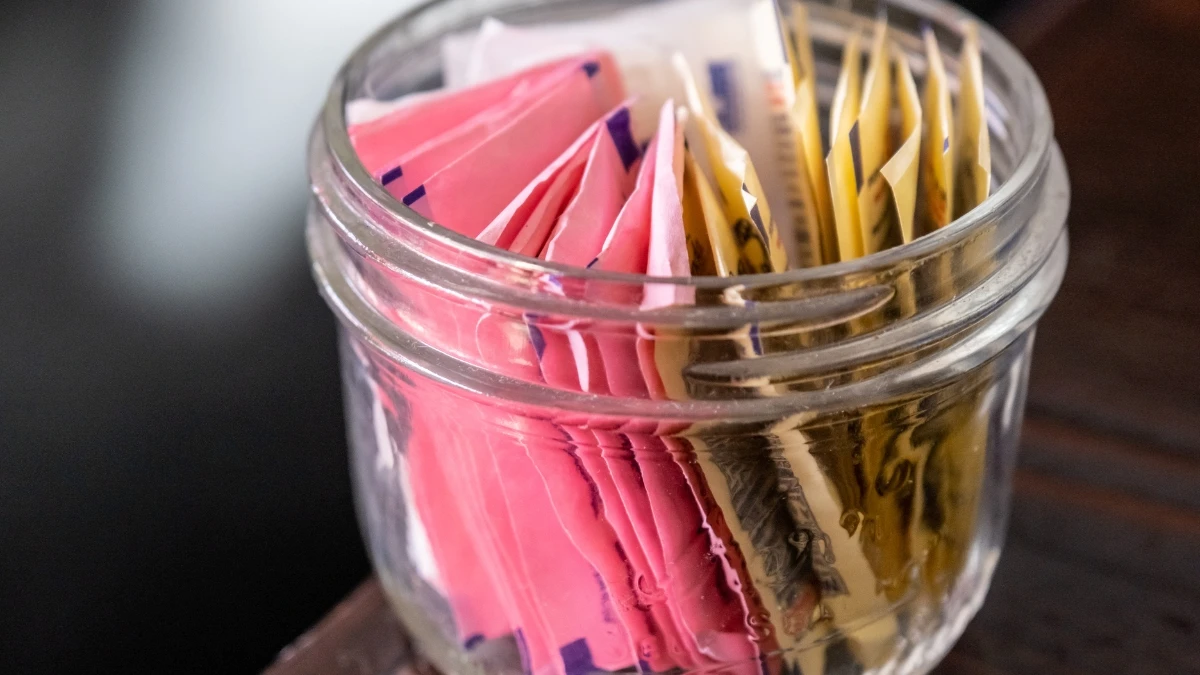
What It Is: These are synthetic sugar substitutes used in “diet” and “sugar-free” products. They have become more popular as people try to eat less sugar. For example, over 51 million Americans use Splenda (sucralose).
Where You Find It: These sweeteners are in diet sodas, sugar-free candies, light yogurts, and some salad dressings.
What the Science Says: Though they are sold as healthy options, new research raises concerns. A large study in Brazil followed over 12,000 adults for eight years. It found that people who consumed the most artificial sweeteners had a 62% faster decline in thinking and memory skills.
The researchers said this was like 1.6 years of extra brain aging. Another study on aspartame found that a high-aspartame diet made people more irritable and depressed. They also did worse on spatial tests.
How It Hurts Your Brain: Aspartame breaks down into substances that can cross into the brain. One of these, phenylalanine, can mess with the production of key brain chemicals like dopamine and serotonin.
This is linked to mood changes and thinking problems. Also, artificial sweeteners can harm your gut microbiome. This reduces good bacteria that are important for the gut-brain connection, leading to more inflammation.
What to Use Instead: It’s best to slowly cut back on all intense sweeteners. This helps your taste buds get used to less sweet flavors. Swap diet sodas for sparkling water with a squeeze of lemon or lime. You can also drink unsweetened herbal iced teas. If you need a sweetener, use a very small amount.
3. Refined White Flour & White Rice
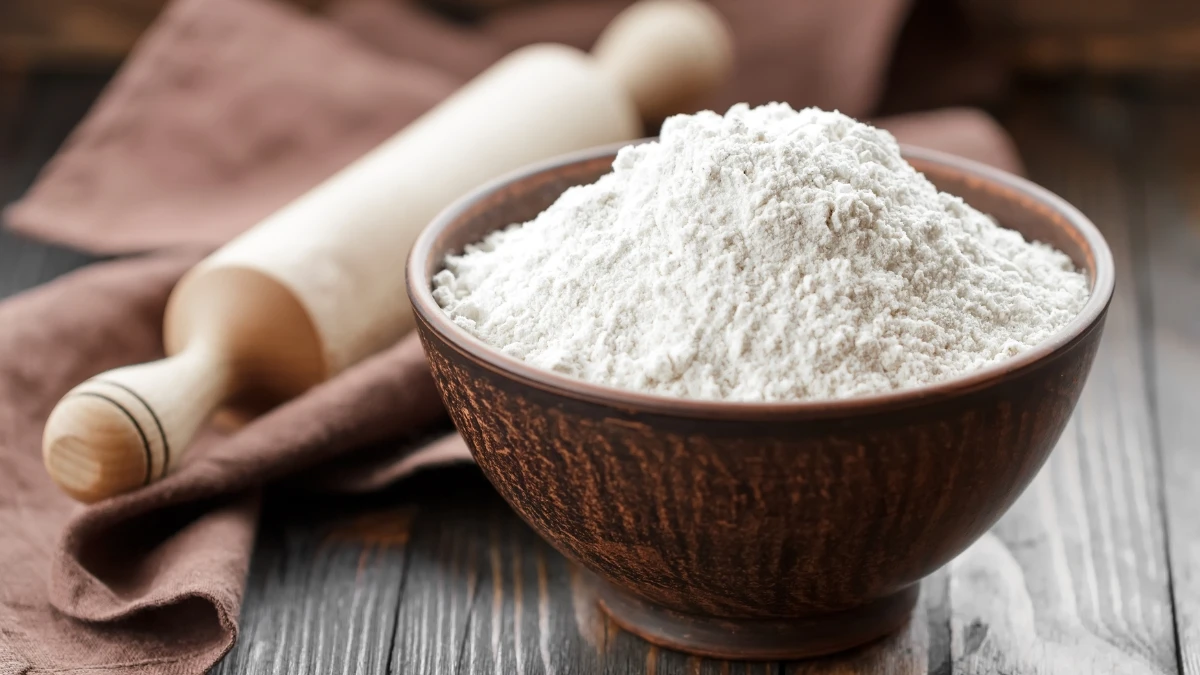
What It Is: These are “Refined Carbohydrates.” The refining process strips away the parts of the grain that have most of the fiber, vitamins, and minerals. What’s left is mostly starch, which has few nutrients and is digested quickly.
Where You Find It: Refined carbs are everywhere in the Western diet. They are in white bread, white pasta, most breakfast cereals, crackers, and baked goods. White rice is a common side dish.
What the Science Says: Because they digest so fast, refined carbs have a high glycemic index (GI). This means they cause a sharp spike in blood sugar. The link to brain problems is strong. A 2015 review found that even one high-GI meal can hurt memory. Long-term use is linked to dementia risk.
A 12-year study in France found that a high-glycemic afternoon snack was linked to a higher risk of dementia and Alzheimer’s disease. The risk was even higher for people with the APOE-ε4 gene, a major genetic risk factor for Alzheimer’s.
How It Hurts Your Brain: The main problem with refined carbs is the dramatic blood sugar spikes and crashes they cause. This can lead to brain fog and fatigue right away. Over time, it causes chronic inflammation in your body and brain.
This inflammation is a known risk factor for Alzheimer’s disease. The repeated insulin surges also lead to insulin resistance, making the brain’s energy crisis worse.
What to Use Instead: Replace refined grains with whole grains. Choose 100% whole-grain bread and pasta. Switch from white rice to brown rice, quinoa, barley, or farro. Eat oats for breakfast instead of sugary cereals. Beans, lentils, and chickpeas are also great sources of complex carbs and fiber that give your brain steady energy.
4. Trans Fats (Partially Hydrogenated Oils)

What It Is: Artificial trans fats are industrial fats made by turning liquid vegetable oils into solid fats. This makes food last longer on the shelf, so it was popular with food makers for a long time. Rules have reduced them, but they are not gone completely.
Where You Find It: Trans fats are often in margarine, shortening, packaged baked goods, frozen pizza, and fried fast foods. Look for “partially hydrogenated oil” on labels. A product can say “0 grams of trans fat” but still have up to 0.5 grams per serving if it has this ingredient. These small amounts can add up.
What the Science Says: The link between trans fats and brain damage is one of the strongest in nutrition science. A Japanese study followed over 1,600 older adults for ten years. It found that those with the highest levels of a major trans fat in their blood were 50% to 75% more likely to develop dementia.
Another study looked at memory in men under 45. For each extra gram of trans fat eaten daily, they recalled 0.76 fewer words on a memory test. This meant about 12 fewer words for those who ate the most trans fats compared to those who ate none.
How It Hurts Your Brain: Trans fats cause damage in many ways. They are very inflammatory, causing neuroinflammation and oxidative stress that damage brain cells.
They also harm blood vessels, which hurts blood flow to the brain. Most importantly, high trans fat intake is linked to the buildup of beta-amyloid plaques in the brain. These plaques are a key sign of Alzheimer’s disease.
What to Use Instead: The best amount of trans fat to eat is zero. You have to read labels carefully to avoid any product with “partially hydrogenated oil”. Use mashed avocado or nut butters instead of margarine. Cook with healthy oils like extra virgin olive oil (for low heat) and avocado oil (for high heat).
5. Omega-6-Heavy Vegetable Oils (Corn, Soybean, Sunflower)

What It Is: Not all vegetable fats are the same. The problem is with a type of fat called omega-6 fatty acids. You need some omega-6s, but the modern diet has way too much of them. This comes mainly from highly processed seed oils. It creates a bad imbalance with anti-inflammatory omega-3 fatty acids.
Where You Find It: These oils—soybean, corn, safflower, and sunflower oil—are some of the most common fats in the U.S. They are used in most processed foods, like chips and crackers. They are also the main cooking oil in many restaurants.
What the Science Says: The ideal ratio of omega-6 to omega-3 fats in your diet should be around 4-to-1 or less. But the typical Western diet has a ratio closer to 20-to-1. This creates a constant state of low-level inflammation.
This imbalance is directly linked to brain health. A review of 13 studies found that a high omega-6 to omega-3 ratio is linked to a higher risk of both cognitive decline and Alzheimer’s disease. Animal studies show that diets high in these omega-6 oils can cause the hippocampus to shrink and lead to memory problems in old age.
How It Hurts Your Brain: The main issue is that it creates a pro-inflammatory state. Too much omega-6 leads to compounds that cause inflammation. This can cancel out the brain-protective benefits of omega-3s.
Also, when these oils are heated to high temperatures for frying, they can create a toxic compound called hydroxynonenal. This neurotoxin damages important proteins in your cells and is linked to Alzheimer’s.
It is important to know that not all “vegetable oils” are bad. The problem is with the specific types that are common in processed foods—soybean, corn, and sunflower—because they have so much omega-6. This is not a rule to avoid all plant oils. It’s a call to choose oils with a healthier fat profile. This changes the advice from a simple “avoid” to a smarter “choose wisely.”
What to Use Instead: Use oils that are rich in healthy monounsaturated fats. Extra virgin olive oil and avocado oil are great for everyday cooking at low to medium heat. At the same time, eat more omega-3 fatty acids to fix the ratio. Good sources are fatty fish (like salmon and sardines), walnuts, and flaxseeds.
6. Saturated Fats (from specific sources)
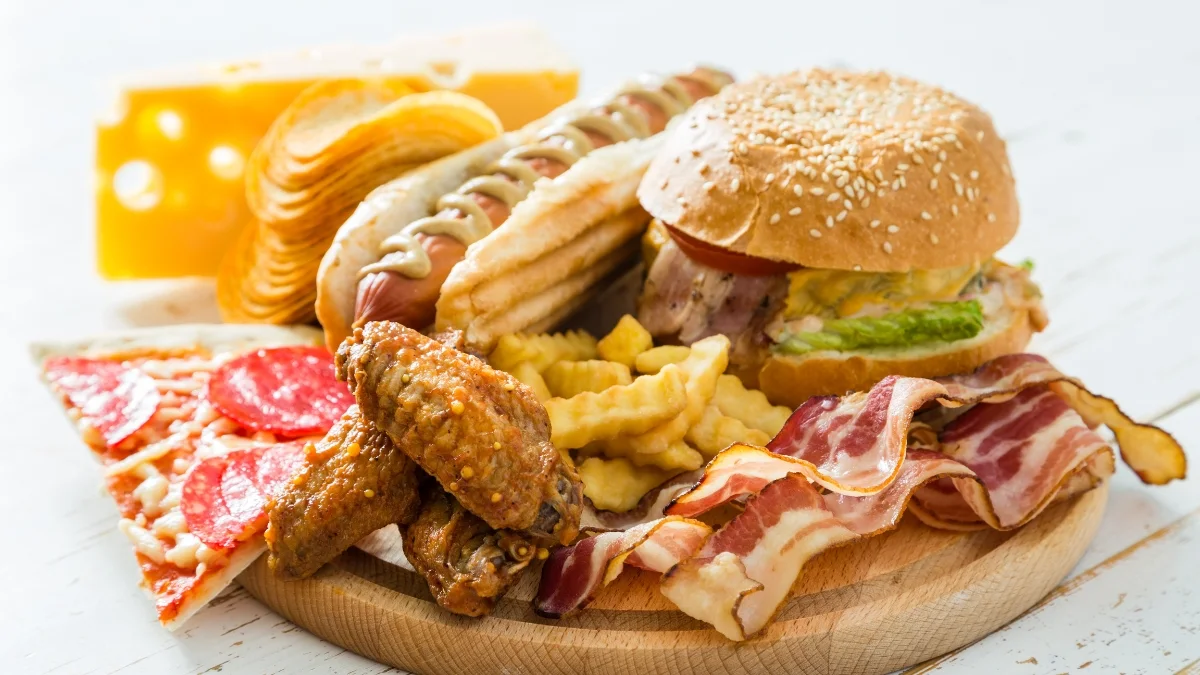
What It Is: Saturated fat is a tricky topic. Not all sources are equally bad. But a high intake from certain foods—like red and processed meats, and full-fat dairy like butter and cheese—is consistently linked to bad brain outcomes.
Where You Find It: These fats are in fatty cuts of beef and pork, processed meats like bacon, butter, full-fat cheese, cream, and ice cream. They are also in many store-bought baked goods.
What the Science Says: A large review of studies found that a high saturated fat intake was linked to a higher risk of Alzheimer’s disease in three out of four studies. It was also linked to cognitive decline in two out of four studies. The link is especially strong for people with a certain gene.
Data showed that while high saturated fat intake was linked to a 15% faster rate of cognitive decline in general, this risk jumped for people with the APOE-ε4 gene. They saw a 45% faster decline. This shows a strong gene-diet link where this diet is especially bad for those already at high genetic risk for Alzheimer’s.
How It Hurts Your Brain: High intake of these saturated fats leads to high levels of LDL (“bad”) cholesterol. This can cause hardened arteries and poor blood flow to the brain. This vessel damage is a major risk factor for dementia.
These fats can also worsen inflammation in the body and brain. The higher risk in people with the APOE-ε4 gene suggests these fats mess with how the brain handles lipids, possibly leading to faster damage.
What to Use Instead: The key is to replace these fats. Use healthier unsaturated fats instead of saturated ones. You can do this by using olive oil instead of butter, choosing lean proteins like fish and chicken over fatty red meats, and picking low-fat or nonfat dairy.1 Plant-based proteins like beans and lentils are also great low-fat choices.
7. Processed Meats & Excessive Red Meat
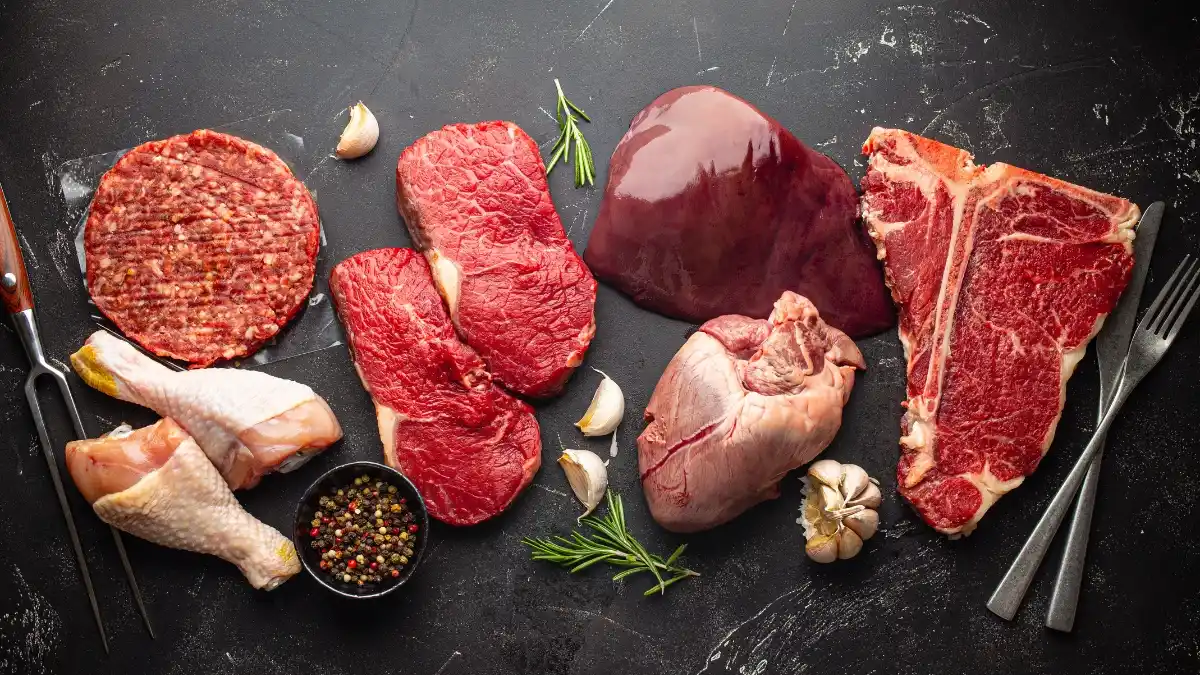
What It Is: This group has two related threats. Processed meats are meats that have been salted, cured, or smoked to add flavor or make them last longer. This includes bacon, sausages, hot dogs, and deli meats. Excessive red meat means eating a lot of unprocessed beef, pork, and lamb.
Where You Find It: Processed meats are common at breakfast (bacon, sausage) and in sandwiches (deli meats). Red meat is a staple in many Western diets as steaks, roasts, and ground beef.
What the Science Says: The evidence against processed meat is very strong. A large U.S. study that followed over 133,000 people for decades found that those eating just a quarter of a serving of processed meat per day (like two strips of bacon) had a 13% higher risk of dementia.
The study also found that each extra daily serving of processed meat was linked to an accelerated aging effect of 1.61 years in overall thinking skills. The good news is that replacing just one daily serving of processed meat with nuts and beans was linked to a 19% lower risk of dementia.
How It Hurts Your Brain: Processed meats are a double threat. They are high in saturated fat, which causes vessel damage and inflammation. The processing itself also adds harmful things. Preservatives like nitrites, high levels of salt, and other compounds are believed to cause oxidative stress, brain inflammation, and direct brain damage.
Red meat, even when not processed, has a lot of saturated fat and L-carnitine. Gut bacteria can turn L-carnitine into a pro-inflammatory compound called TMAO, which is linked to the buildup of harmful proteins in the brain.
What to Use Instead: Cut back on or stop eating processed meats. Replace them with fresh, unprocessed protein. Great choices include skinless chicken, fatty fish rich in omega-3s (like salmon), and a variety of plant-based proteins like beans, lentils, and tofu.
8. Fried Foods

What It Is: This means foods cooked by deep-frying in hot oil. This process adds a lot of fat and calories. It can also create harmful chemicals, especially when unhealthy oils are used at high temperatures.
Where You Find It: Fried foods are very common in fast food and restaurants. Examples include French fries, fried chicken, doughnuts, and potato chips.
What the Science Says: The link between fried food and poor brain health is well-known. A study of over 18,000 people found that a diet high in fried foods was directly linked to lower scores on memory and learning tests. This is so consistent that the respected MIND diet—which has been shown to lower Alzheimer’s risk by up to 53%—recommends limiting fried food to less than one serving per week.
How It Hurts Your Brain: Frying food, especially with the common omega-6-heavy vegetable oils, is a big source of inflammation and oxidative stress. This can damage brain cells over time. The high heat can also create new, toxic compounds.
One is acrylamide, which forms in starchy foods during high-heat cooking. Animal studies show that long-term exposure to acrylamide can cause brain inflammation. Also, as mentioned before, heating unstable omega-6 oils can create hydroxynonenal, a neurotoxin linked to Alzheimer’s.
What to Use Instead: The best strategy is to use healthier cooking methods. Baking, roasting, and grilling can all make food brown and tasty with very little added fat. An air fryer is a great tool for getting a crispy texture like frying, but it uses hot air with little to no oil. Steaming and poaching are also great ways to cook vegetables and proteins while keeping their nutrients.
9. Excessive Alcohol

What It Is: The science is clear on one thing: drinking too much alcohol is toxic to the brain and a known risk factor for dementia.
Where You Find It: The risk comes from how much and how often you drink any kind of alcohol, including hard liquor, beer, and wine. A 43-year study confirmed that heavy drinkers had a much higher risk of dementia.
What the Science Says: The data on heavy drinking is stark. Research found that people who drink every day have smaller brains. Heavy drinking is linked to a 57% higher risk of dementia and an earlier start of the disease. The damage is worse for people with other health problems.
One study showed that heavy drinking greatly increased the risk of cognitive problems in people with high blood pressure and chronic kidney disease. Another study found that people who had 4 or more drinks a day had almost 6 times the risk of hippocampus shrinkage compared to non-drinkers.
How It Hurts Your Brain: Alcohol is directly toxic to the brain, meaning it can damage and kill brain cells. Chronic heavy use leads to brain shrinkage, especially in key areas like the frontal lobes. It also messes with important brain chemicals. It hurts blood flow to brain regions like the hippocampus.
Also, alcohol abuse often leads to poor nutrition and problems absorbing thiamine (Vitamin B1). A severe lack of this key brain nutrient can cause Wernicke-Korsakoff Syndrome, a terrible brain disorder with severe memory loss.
What to Use Instead: The best approach is to limit alcohol. If you do drink, some evidence suggests that wine in moderation may be a better choice than hard liquor. For social events, there are many tasty non-alcoholic options available. You can find mocktails, sparkling teas, and zero-proof spirits that give you the feeling of having a drink without the harmful effects.
10. High-Sodium Foods & Excess Table Salt
What It Is: The main source of sodium in our diet is salt. Your body needs a little sodium, but most people eat way too much. The average American eats about 3,400 mg of sodium a day, much more than the recommended 2,300 mg limit. Most of this extra sodium comes from processed and restaurant foods, not the salt shaker.
Where You Find It: High levels of sodium are in canned soups, frozen dinners, processed meats, salty snacks, fast food, and many breads and cheeses.
What the Science Says: The link between sodium and brain health was once thought to be only through blood pressure. High sodium causes high blood pressure, which is a major risk factor for stroke and vascular dementia.
But new research in mice has found a more direct and scary link. Studies showed that a high-salt diet can cause cognitive problems even without changes in blood pressure. While human studies have had mixed results, this animal research gives a strong reason to be concerned.
How It Hurts Your Brain: A high-salt diet attacks the brain in at least two ways. First, by causing high blood pressure, it leads to vessel damage in the brain, reducing blood flow and increasing stroke risk. Second, the new research found a specific chain of events: high salt causes an immune response in the gut that reduces nitric oxide in the brain’s blood vessels.
This lack of nitric oxide leads to the destabilization of the tau protein. Unstable tau proteins clump together to form tangles—one of the key signs of Alzheimer’s disease. A 2024 study also found that high salt can mess up a signaling pathway, reducing levels of a protein called SHANK1 that is needed to keep synapses healthy. This directly leads to memory problems in animal models.
What to Use Instead: The best step is to cut way back on processed, packaged, and restaurant foods. Cooking at home gives you control over salt. Instead of salt, flavor your food with a variety of salt-free seasonings. These include herbs (basil, rosemary), spices (cumin, paprika), garlic, onion, citrus (lemon juice), and ginger.
11. Monosodium Glutamate (MSG)
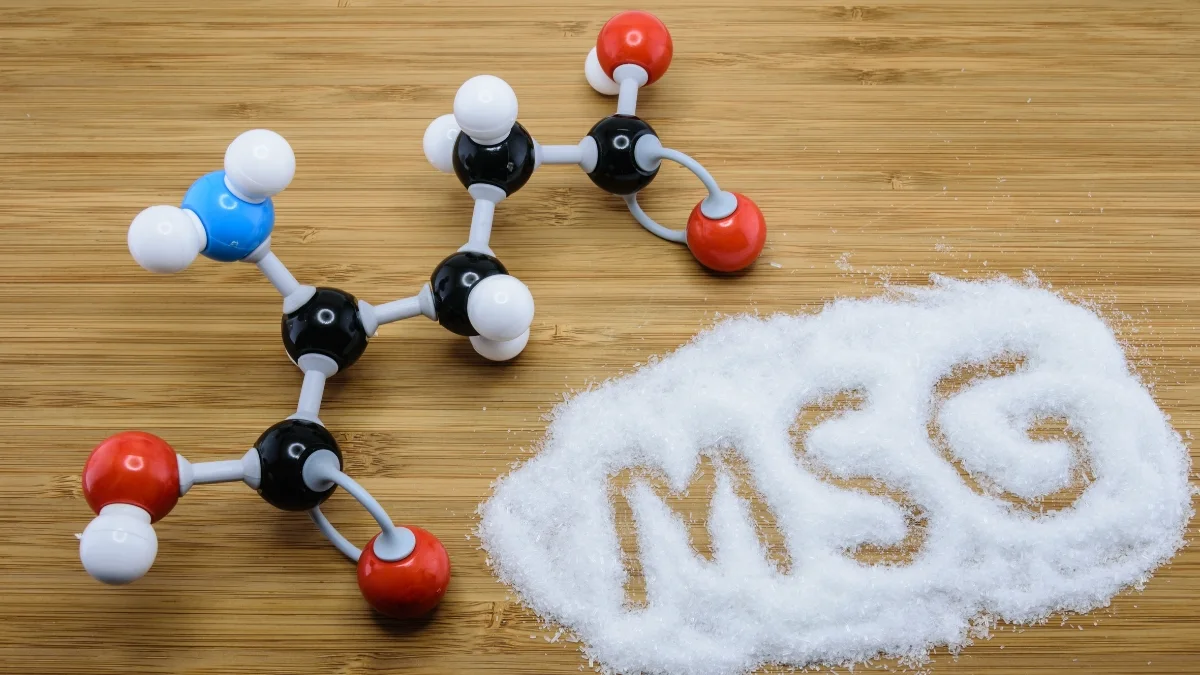
What It Is: Monosodium glutamate (MSG) is a flavor enhancer that gives food a savory or “umami” taste. It has been controversial for a long time. While the FDA says it’s “generally recognized as safe” at normal levels, some people worry about its potential to be toxic to the brain at high doses.
Where You Find It: MSG is a common additive in many processed foods. You can find it in canned soups, instant noodles, chips, seasoning blends, and frozen meals. It’s also used a lot in fast food and restaurants.
What the Science Says: The safety of MSG at normal levels is debated. The average adult eats about 0.55 grams of added MSG a day. This is much lower than the 3-gram level that might cause short-term symptoms like headaches in a small number of sensitive people.106 But animal studies with high doses are concerning.
A 2021 study gave rats high oral doses of MSG for 30 days. It found significant, dose-dependent brain cell damage in the hippocampus. At the highest dose, up to 66% of neurons in one area of the hippocampus were damaged.
How It Hurts Your Brain: The main concern with MSG is a process called excitotoxicity. Glutamate is the brain’s most important excitatory chemical; it’s needed for learning and memory.108 But the theory is that too much glutamate can overstimulate its receptors. This leads to a huge, uncontrolled rush of calcium into brain cells.
This calcium overload starts a destructive chain reaction. It activates enzymes that break down parts of the cell, causes severe oxidative stress and inflammation, and ultimately leads to brain cell damage and death.
What to Use Instead: The best way to avoid added MSG is to eat fewer highly processed and fast foods. To get a rich, savory umami flavor at home, you can use a variety of natural sources. Foods rich in natural glutamates include dried shiitake mushrooms, ripe tomatoes (especially tomato paste), aged cheeses like Parmesan, and fermented products like soy sauce.
12. Processed CheesePhoto Credit: Canva

What It Is: It’s important to know the difference between natural cheese and ultra-processed cheese products. Processed cheese includes things like individually wrapped American cheese slices and cheese spreads like Velveeta. These products are often only about 50% real cheese. The rest is made of emulsifiers, vegetable oils, extra salt, artificial colors, and preservatives.
Where You Find It: These products are common in fast-food cheeseburgers, grilled cheese sandwiches, and boxed mac and cheese.
What the Science Says: As an ultra-processed food (UPF), processed cheese is in a category of foods strongly linked to cognitive decline. A UK study of over 72,000 adults found a 25% increased risk of dementia for every 10% increase of UPFs in the diet.
While no major studies have looked at processed cheese alone, its ingredients put it in this high-risk group. This is different from research on natural cheese, which has shown mixed or even good effects. For example, some studies point to brain-protective compounds in natural cheddar and brie.
This difference shows an important point: the word “cheese” is too general. The possible brain benefits seen in some studies are likely from compounds created during the natural aging of real cheese. These include helpful peptides, fatty acids, and probiotics that can have anti-inflammatory and brain-protective effects.
Ultra-processed cheese products, on the other hand, are made in a way that removes these benefits and adds a mix of harmful additives. So, the advice is not to avoid all cheese, but to be very selective.
How It Hurts Your Brain: The harm from processed cheese comes from its ultra-processed profile. It gives you a mix of high salt (bad for blood vessels), unhealthy fats (often inflammatory omega-6 oils), and artificial additives. Some neurologists also worry about certain flavorings like diacetyl, which has been linked in some research to memory decline.
What to Use Instead: Avoid ultra-processed cheese products. Instead, choose natural, minimally processed cheeses in moderation. Good options include feta, mozzarella, cottage cheese, and aged hard cheeses like cheddar or Parmesan. For a creamy texture in sandwiches or dips, try healthy alternatives like mashed avocado, hummus, or homemade cashew “cheese” spreads.
How to Protect Your Brain with Food
Knowing which foods can harm your brain is the first step. The real power comes from building a strong defense. This means not just avoiding the “memory thieves” but also choosing a diet and lifestyle that protects your brain for the long run.
Eat These Food Patterns to Protect Your Brain
The best science shows that overall eating patterns protect your brain, not just single “superfoods.” The Mediterranean diet and the MIND diet are the best-known plans for defending the aging brain.
These diets share a similar idea. They are based on whole, plant-based foods. This includes lots of vegetables (especially leafy greens), fruits (especially berries), whole grains, and beans.
They focus on healthy fats, with extra virgin olive oil as the main source. They also include regular servings of nuts and seeds. Protein comes mostly from fatty fish, which is rich in omega-3s, and chicken. Red meat, sweets, and processed foods are very limited.
The results of following these diets are amazing. The original study on the MIND diet found that people who followed it most closely had a 53% lower rate of developing Alzheimer’s disease. Even those who followed it moderately had a 35% lower risk. This suggests that every step you take in the right direction helps.
How to Stock Your Kitchen for a Healthy Brain
To change your diet, start with your kitchen. A simple kitchen clean-out and restock can replace the foods that harm your brain with foods that build it up.
The Refrigerator: Fill it with colorful, fresh produce. This includes leafy greens like spinach and kale, other vegetables, and berries. Lean proteins like eggs and low-fat dairy like plain yogurt are also good to have.
The Pantry: This is the center of your brain-healthy eating. Stock it with whole grains (oats, quinoa, brown rice), beans and lentils, and nuts (especially walnuts for their omega-3s). Canned fatty fish like sardines and salmon are a cheap and easy source of omega-3s.
Your main cooking fat should be a good extra virgin olive oil. Also, have a variety of salt-free herbs and spices to add flavor.
The Freezer: This can be a big help. Frozen fruits and vegetables are just as healthy as fresh ones because they are frozen at their peak ripeness. Frozen fish is another easy way to make sure you eat this brain-healthy food regularly.
The Best Ways to Cook for Brain Health
How you cook your food is just as important as what you cook. High-heat methods like deep-frying can create brain-toxic compounds and turn a healthy food into a bad one.3 Using brain-healthy cooking techniques is key.
Methods like steaming, poaching, and blanching are great for vegetables. They use water-based heat that keeps nutrients, color, and texture without adding fat. Baking, roasting, and grilling use dry heat to make vegetables and lean proteins taste rich and caramelized with little or no added oil.
A light sauté or stir-fry in a small amount of healthy oil like olive oil is a quick way to cook food while keeping it healthy. These methods are much better than deep-frying and should be your go-to techniques.
More Ways to Keep Your Brain Sharp
Diet is a huge part of brain health, but it works best with a broader healthy lifestyle. Research shows that other factors work with good nutrition to build a strong brain. Regular physical exercise improves blood flow to the brain and helps grow new brain cells. Good sleep is key for turning short-term memories into long-term ones.
Staying mentally and socially active helps build “cognitive reserve.” This means doing things like reading, learning new skills, playing games, and spending time with friends. It strengthens your brain networks and makes your brain better able to handle age-related changes.25 A full defense against memory loss uses all of these habits together.
Conclusion
This guide shows one clear thing: what’s in your kitchen has a huge impact on your mind’s future. Common, everyday foods—from the sugar in your coffee to the oil in your pan—can act as “memory thieves.” They slowly break down the brain structures that help you think and remember.
They do this by causing inflammation, insulin resistance, and blood vessel damage. The combined effect of a diet full of these foods, especially after age 50, is one of the biggest and most changeable risk factors for memory loss and dementia.