

Your mom forgot your name yesterday. She stared at you for three long seconds before it came back. You laughed it off. She laughed too. But later, alone in your car, you cried.
You’ve seen what Alzheimer’s does. Maybe it took your grandmother. Maybe you watched your father disappear piece by piece. And now you wonder: Am I next?
Here’s what nobody tells you. Your DNA isn’t your destiny.
A simple eating plan cuts Alzheimer’s risk by 35%. Even if you carry the worst genetic cards. Even if both your parents had dementia. Even if a DNA test said you’re high-risk.
This isn’t about eating kale every day or giving up everything you love. It’s about 10 specific foods that protect your brain. And the science behind it is rock-solid.
Let me show you exactly how this works.
Why Your Doctor Hasn’t Told You About This

The MIND diet sounds new. It’s not.
Researchers at Rush University created it in 2015. They studied what happens when you combine the best parts of two proven diets: Mediterranean and DASH. Then they laser-focused on foods that specifically protect your brain.
The results shocked everyone.
A major study tracked 215,000 people ages 45 to 75 for over a decade. More than 21,000 of them developed dementia. The people who followed the MIND diet had something amazing happen. Their brains aged more slowly. Way slower.
Here’s the breakdown:
- Strict followers: 53% lower Alzheimer’s risk
- Moderate followers: 35% lower risk
- People who improved their eating over time: 25% better protection
You read that right. You don’t need to be perfect. Moderate effort still cuts your risk by more than a third.
But here’s the part that matters most if Alzheimer’s runs in your family.
The Gene That Terrifies Everyone (And Why It Shouldn’t)

APOE4. Four letters that feel like a death sentence.
If you carry two copies of this gene, your chance of getting Alzheimer’s by age 85 jumps to 60%. Most doctors will tell you there’s nothing you can do. They’re wrong.
People with two copies of APOE4 who ate a Mediterranean-style diet (which includes MIND diet principles) lowered their dementia risk by 35%.
Think about that. The worst genetic hand you can be dealt. And food still works.
One man, Simon Nicholls, carried the APOE4 gene. He changed his diet. His blood tests showed less amyloid and tau—the proteins that destroy brain cells. His hippocampus, the brain’s memory center, actually grew.
Your genes load the gun. But your diet decides if it fires.
The 10 Foods That Build Brain Armor
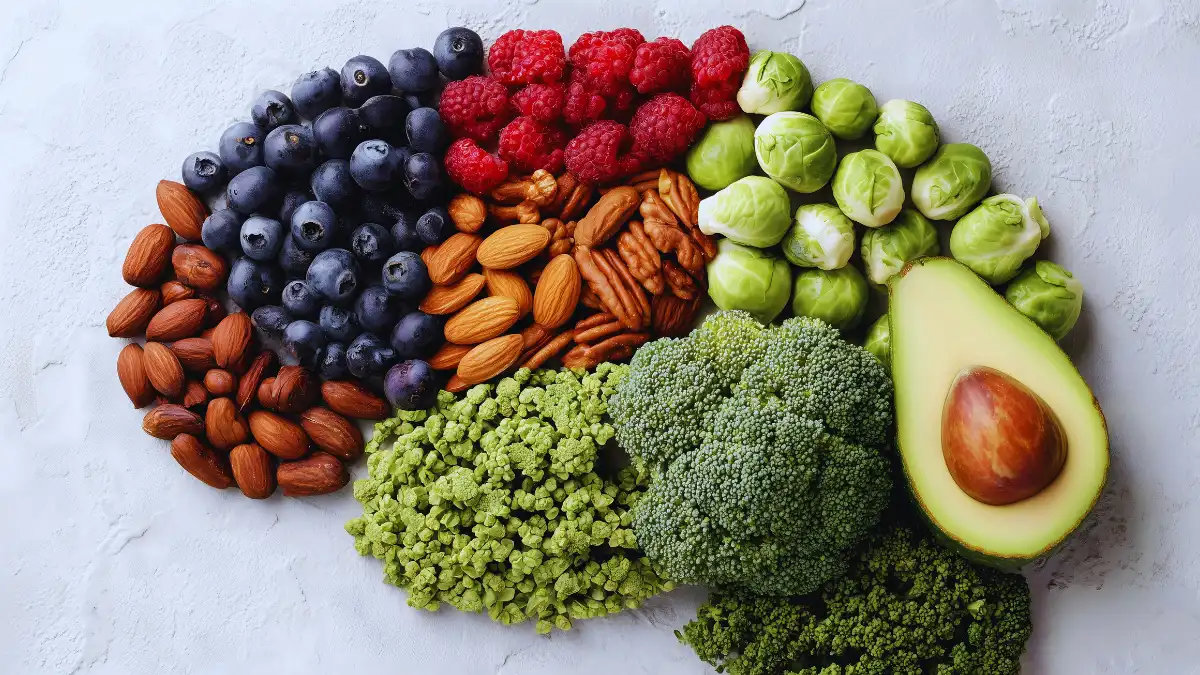
Forget complicated rules. These 10 food groups are your defense system.
1. Leafy greens: 6+ servings per week
Spinach, kale, collards, lettuce. These packs contain folate, vitamin E, and compounds that stop brain inflammation. Each serving is one cup raw or half a cup cooked.
Throw spinach in your eggs. Add lettuce to sandwiches. It’s that simple.
2. Other vegetables: 1 serving daily
Broccoli, peppers, carrots, squash. Anything that isn’t leafy and green counts here. Aim for variety.
3. Berries: 2+ servings per week
Blueberries rank number one. They contain anthocyanins that cross into your brain and fight the damage that kills neurons. Strawberries work too. One serving is half a cup.
Fresh or frozen—both work. Frozen berries are often cheaper and just as good.
4. Nuts: 5 servings per week
Almonds, walnuts, cashews. One serving is a small handful. They give you healthy fats that your brain cells need to communicate.
5. Whole grains: 3 servings daily
Oatmeal, brown rice, whole wheat bread, quinoa. One slice of bread or half a cup of cooked grains counts as one serving.
Skip anything that says “enriched wheat flour.” That’s code for processed junk.
6. Beans: 3+ servings per week
Black beans, chickpeas, lentils. They’re loaded with fiber and protein. Half a cup cooked is one serving.
Canned beans work fine. Just rinse them first.
7. Fish: 1+ serving per week
Salmon, tuna, sardines, trout. The omega-3 fats in fish reduce brain inflammation. Three ounces is a serving—about the size of a deck of cards.
Not a fish person? Eat it twice a month minimum.
8. Poultry: 2 servings per week
Chicken or turkey. Baked, grilled, or roasted. Skip the fried stuff.
9. Olive oil: Use as your main oil
Extra virgin olive oil for cooking and salads. The compounds in it protect blood vessels in your brain.
Mix three parts olive oil with one part balsamic vinegar. There’s your salad dressing.
10. Wine (optional): 1 glass daily
Red wine has resveratrol. But if you don’t drink, don’t start. The benefits aren’t worth the risks for non-drinkers.
That’s it. Ten categories. Simple portions. Real food.
Now let’s talk about what hurts your brain.
The 5 Brain Killers Hiding in Your Kitchen
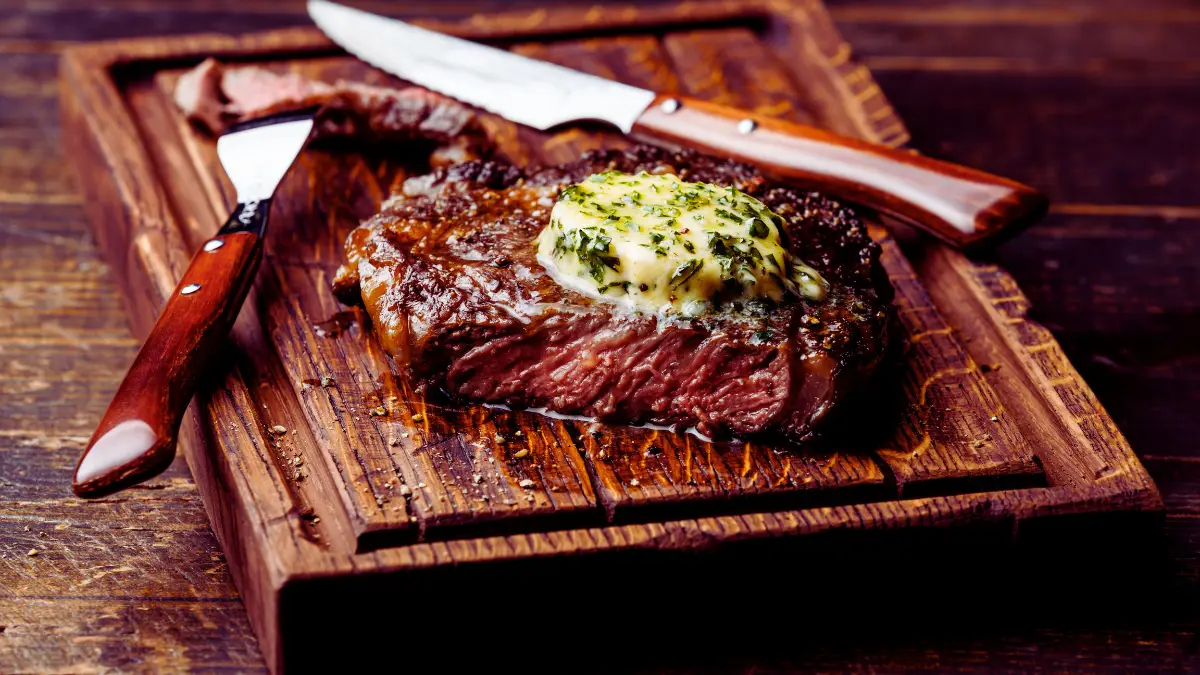
You don’t need to eat perfectly. But these five foods actively damage your brain. Cut them back.
1. Butter and margarine: Less than 1 tablespoon daily
Saturated fat clogs the blood vessels feeding your brain. People with the APOE4 gene who ate the most saturated fat were seven times more likely to get Alzheimer’s.
Swap it for olive oil. Even on toast.
2. Cheese: Less than once per week
This one hurts. But cheese packs saturated fat and salt. Save it for special occasions.
3. Red meat: No more than 3 servings per week
Beef, pork, lamb. The fat and iron can promote inflammation. When you eat it, choose lean cuts.
4. Fried food: Less than once per week
French fries, fried chicken, donuts. The high-heat oils create compounds that poison neurons.
5. Pastries and sweets: Fewer than 5 servings per week
Cookies, cake, candy, ice cream. Sugar spikes damage blood vessels over time.
Five servings might sound like a lot. But notice it says “fewer than.” Aim for two or three.
Your First Week: The Easy Framework
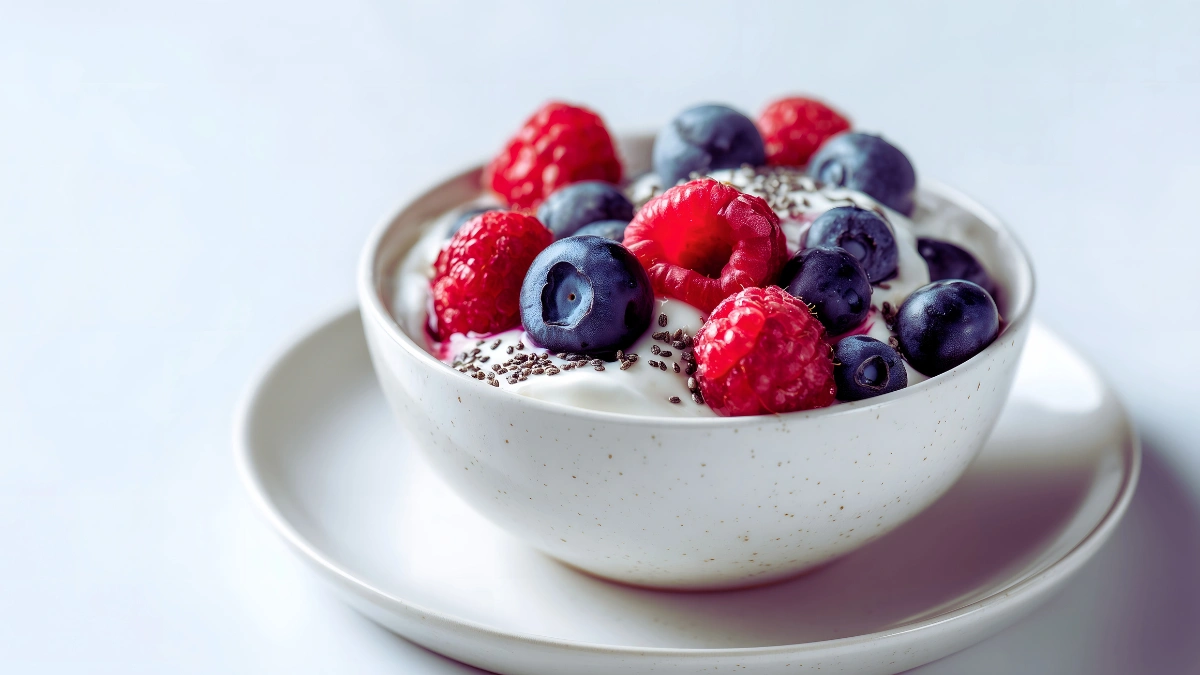
You don’t need fancy recipes. You need a simple pattern.
Breakfast template:
- Whole grain base (oatmeal or whole wheat toast)
- Protein (eggs or almond butter)
- Berries or fruit
Example: Oatmeal with blueberries and a handful of walnuts. Done in five minutes.
Lunch template:
- Leafy greens
- Protein (chicken, beans, or fish)
- Other vegetables
- Olive oil dressing
Example: Spinach salad with chickpeas, peppers, cucumbers, and olive oil-balsamic dressing.
Dinner template:
- Protein (fish, chicken, or beans)
- Whole grain
- Two types of vegetables
- Olive oil for cooking
Example: Baked salmon with brown rice and roasted broccoli.
Snacks that count:
- Apple slices with almond butter
- Carrot sticks with hummus
- A handful of mixed nuts
- Berries with Greek yogurt
Start with breakfast. Get that right for three days. Then add lunch. Then dinner. Build slowly.
The Grocery List That Protects Your Memory

Take this list to any store. Buy what’s on sale.
Produce section:
- Spinach (fresh or frozen)
- Mixed salad greens
- Broccoli
- Peppers
- Blueberries (fresh or frozen)
- Strawberries
- Apples
- Carrots
Protein section:
- Salmon filets or canned salmon
- Chicken breast
- Eggs
Pantry:
- Canned black beans
- Canned chickpeas
- Brown rice
- Oatmeal
- Whole wheat bread
- Almonds
- Walnuts
- Extra virgin olive oil
- Balsamic vinegar
What to skip:
- Butter
- Margarine
- Red meat (or limit to once this week)
- Cheese
- Chips and crackers
- Cookies and sweets
Budget tight? Focus on these cheapest brain-savers:
- Frozen spinach
- Frozen berries
- Canned beans
- Oatmeal
- Eggs
Frozen vegetables have the same nutrients as fresh. Sometimes more, because they’re frozen at peak ripeness.
Making This Stick When Life Gets Messy
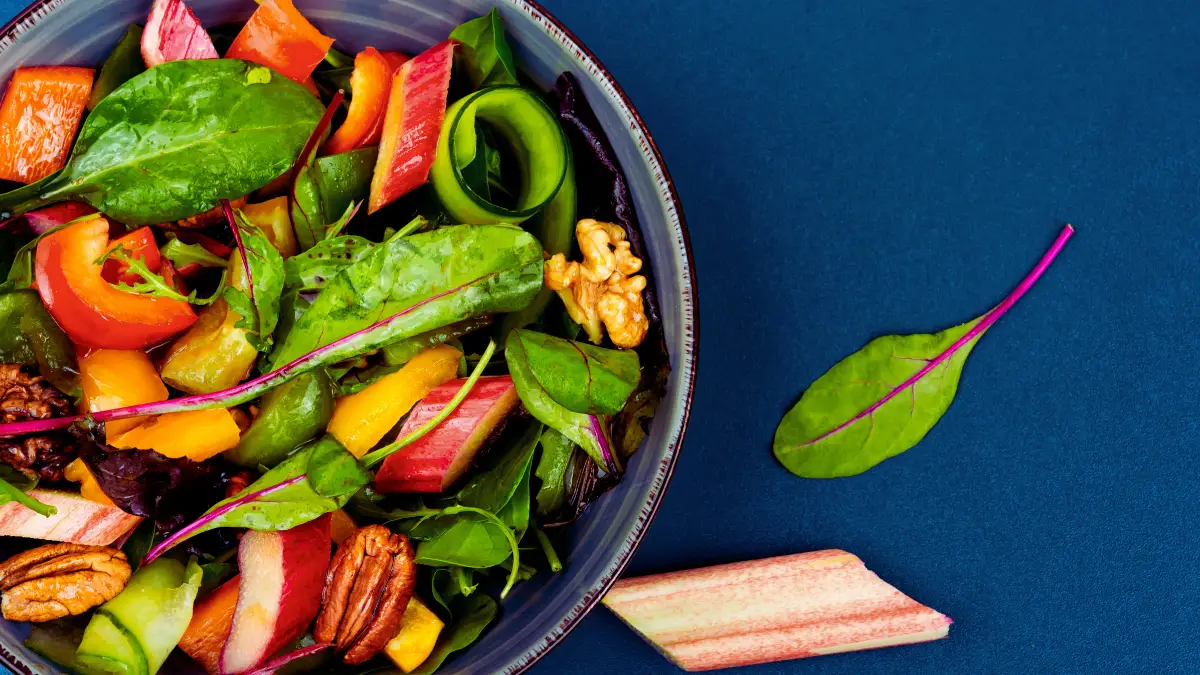
Perfect doesn’t exist. And you don’t need it.
Remember those numbers from earlier? Moderate adherence still gives you 35% protection. That means you can mess up and still win.
The 80/20 rule:
Eat MIND-style 80% of the time. The other 20%? Live your life. Birthday cake. Pizza night. Dinner at your favorite restaurant.
Your brain benefits from patterns, not perfection.
When eating out:
- Start with a salad
- Choose grilled fish or chicken
- Ask for olive oil instead of butter
- Skip the bread basket (or have one piece)
- Share dessert
At family gatherings:
- Fill half your plate with vegetables first
- Take small portions of foods that don’t fit the plan
- Bring a MIND-friendly dish to share
Travel tips:
- Pack nuts and dried fruit for the plane
- Choose restaurants with salads and grilled options
- Order berries for breakfast
- Ask for olive oil and vinegar
One woman named Qamar Mateen, age 75, said the secret was ditching the word “diet.” She calls it a pattern change. She eats what protects her brain most days. Some days she doesn’t. Her memory tests keep improving.
Beyond Food: The Multiplier Effect

The MIND diet is powerful alone. But four other things multiply its effects.
Move your body:
Exercise pumps blood to your brain. It also grows new neurons. You don’t need a gym membership. Walking 30 minutes daily works.
Sleep 7-8 hours:
Your brain clears out toxic proteins during deep sleep. Skimp on sleep, and those proteins build up. They’re the same proteins that cause Alzheimer’s.
Manage stress:
Chronic stress shrinks your hippocampus. Try five minutes of deep breathing daily. Or call a friend. Or pet a dog. Whatever calms you.
Keep learning:
Read books. Do puzzles. Learn a language. Take a class. New challenges build new brain connections.
Stay connected:
Loneliness increases dementia risk by 50%. Call someone. Join a club. Volunteer. Human connection protects your brain.
Each of these habits makes the others stronger. Diet plus exercise beats diet alone. Diet plus sleep beats diet alone. Stack them all and you’ve built serious protection.
What Happens Next

You’re scared. I get it.
You’ve watched Alzheimer’s steal someone you love. You’ve seen the empty stare. The confusion. The person disappears while their body stays behind.
And you’re wondering if you can actually change what’s coming.
Here’s what the science says: You can.
Start tonight. Cook one meal with olive oil instead of butter. Add spinach to your eggs tomorrow. Snack on blueberries instead of chips.
Small changes stack. One meal becomes one day. One day becomes one week. One week rewires your habits.
You’re not fighting just for yourself. You’re fighting for the memories you’ll make. The grandkids who’ll know your name. The spouse who won’t have to watch you disappear.
Your brain is plastic. It changes based on what you do today. Feed it the foods that protect it. Move it. Rest it. Challenge it. Connect with people.
Your genes loaded the gun. But you decide if it fires.
Start with one meal. One grocery trip. One week of trying.
That’s all it takes to begin protecting your mind.
The rest will follow.