Your gym buddy swears you need steak and chicken to build serious muscle. You’ve been told plant protein is “incomplete” and won’t give you gains. Sound familiar?
Sports nutritionists have been keeping a secret. New research shows certain plant foods actually outperform meat for muscle growth.
While you’ve been overpaying for protein powder and forcing down bland chicken breasts, athletes using these seven plant foods have been recovering faster and building more lean mass.
The protein game just changed. Here are the plant foods that science proves build more muscle than meat.
1. Lentils
Photo Credit: Depositphotos
One cup of cooked lentils delivers 18 grams of protein along with complex carbohydrates that fuel intense training sessions.
These small legumes pack 6.6 mg of iron, supporting oxygen delivery to working muscles during exercise. Their fiber content reaches 15.6 grams per cup, promoting healthy digestion and reducing inflammation that can slow recovery.
Red, green, and black varieties offer slightly different nutrient profiles, but all contain significant amounts of folate and magnesium.
These minerals support nitric oxide production, which improves blood flow to muscles during workouts. The combination creates better nutrient delivery when you need it most.
Unlike red meat, lentils contain zero saturated fat while providing sustained energy release. Their protein combines well with grains to form complete amino acid profiles. Add them to soups, salads, or eat them as a side dish with rice for enhanced protein quality.
2. Tempeh
Photo Credit: Depositphotos
Fermentation transforms soybeans into this protein-dense food containing around 15 grams of protein per 100-gram serving.
The process breaks down compounds that can interfere with nutrient absorption, making the protein more available to your body. All nine essential amino acids appear in proportions that support muscle building effectively.
Beneficial bacteria created during fermentation produce compounds that may reduce exercise-related inflammation.
This could mean faster recovery between training sessions. The firm texture makes tempeh versatile for grilling, baking, or adding to stir-fries as a meat substitute.
Tempeh provides about 1,400 mg of leucine per 100g serving. Leucine triggers muscle protein synthesis, the process your body uses to build new muscle tissue.
The fermented nature also supports gut health, which plays a role in overall nutrient absorption and immune function.
3. Hemp Seeds
Photo Credit: Depositphotos
Three tablespoons of hemp seeds contain 10 grams of protein plus 15 grams of healthy fats, including omega-3 fatty acids that help control inflammation.
These small seeds blend easily into smoothies or are sprinkled over yogurt without any preparation needed. Their soft texture won’t change the consistency of most foods.
Research published in the European Journal of Applied Physiology found that athletes using hemp protein showed faster recovery compared to those using whey protein. The study followed participants for 12 weeks and also noted greater strength gains in the hemp protein group. Scientists attributed these benefits to the anti-inflammatory properties of hemp.
Hemp contains edestin protein, which your body digests easily at a 98% rate. The seeds also provide gamma-linolenic acid (GLA), a fatty acid that may reduce delayed-onset muscle soreness after intense workouts. This combination supports both muscle building and recovery processes.
4. Chickpeas
Photo Credit: Depositphotos
Cooked chickpeas deliver 14.5 grams of protein per cup while providing moderate glycemic index carbohydrates for workout fuel.
They contain 2.5-3 mg of zinc per cup, a mineral that supports testosterone production and protein synthesis. Many athletes don’t get enough zinc, making chickpeas a valuable addition to training diets.
Their L-lysine content reaches 1,300 mg per cup. This amino acid often appears in lower amounts in plant foods but plays a key role in calcium absorption and collagen formation.
Strong connective tissues support heavier lifting and reduce injury risk during training. Chickpeas work well in salads, soups, or roasted as snacks.
When you eat them with whole grains, they create complete protein combinations that can sustain muscle protein synthesis for 5-6 hours. Their resistant starch feeds beneficial gut bacteria, which may help reduce systemic inflammation.
5. Pumpkin Seeds
Photo Credit: Depositphotos
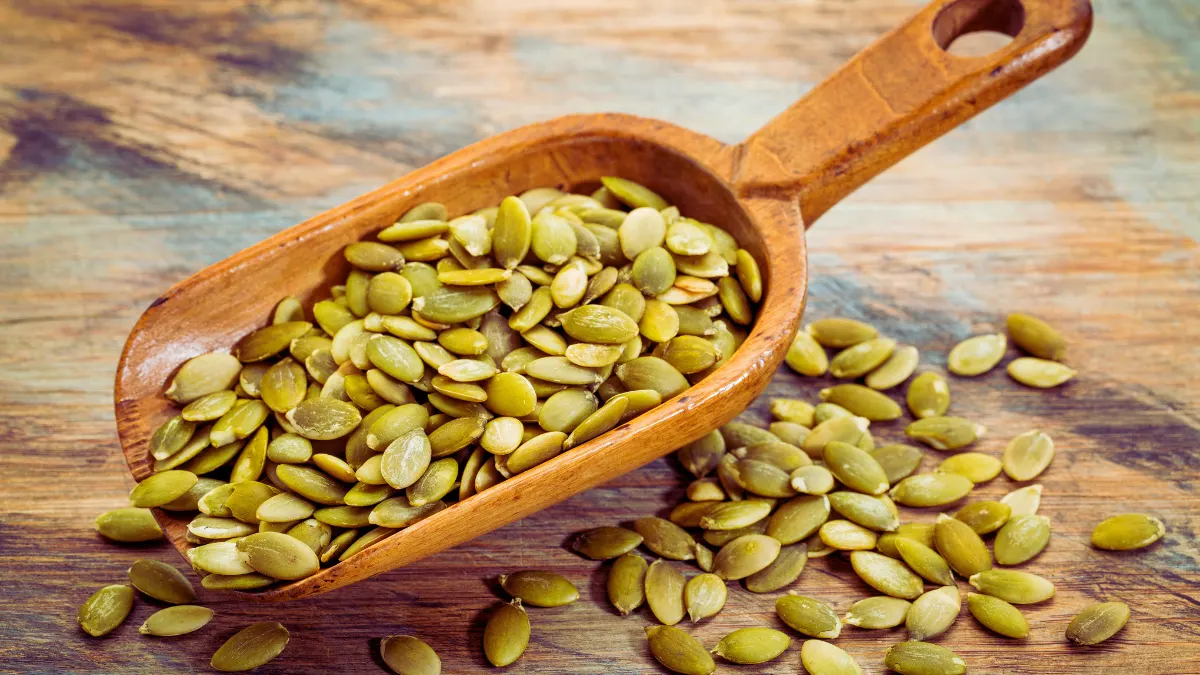
One ounce of pumpkin seeds provides 8.5 grams of protein and 150 mg of magnesium, covering 37-40% of daily magnesium needs.
This mineral supports ATP production and glucose utilization during exercise. Low magnesium levels can impair both strength and endurance performance.
These seeds contain significant amounts of tryptophan, an amino acid that may improve sleep quality. Better sleep supports growth hormone release, which happens primarily during deep sleep stages. They also provide zinc at 2.2 mg per ounce, supporting optimal hormone production.
The L-arginine content reaches about 2,000 mg per ounce. This amino acid supports vasodilation, helping deliver nutrients to muscles during training.
Pumpkin seeds work well sprinkled on oatmeal, blended into nut butters, or eaten as portable snacks between meals.
6. Seitan
Photo Credit: Depositphotos
Made from wheat gluten, seitan contains 20-25 grams of protein per 100-gram serving, matching or exceeding most animal proteins.
Its neutral flavor absorbs marinades and seasonings well, making it versatile for various cooking methods. The protein density rivals beef and chicken without the saturated fat content.
Seitan’s gluten proteins become highly bioavailable when properly prepared through kneading and cooking processes.
Combine it with lysine-rich foods like beans or quinoa to balance its amino acid profile. Its chewy texture makes it suitable for dishes that traditionally use meat as the main protein source.
7. Pea Protein
Photo Credit: Depositphotos
Pea protein isolate powder delivers 22.5-25 grams of protein per 30-gram scoop with rapid digestion rates. Extracted from yellow split peas, it provides 5 mg of iron per serving along with branched-chain amino acids at levels similar to whey protein. Most people tolerate it well without digestive issues.
This supplement contains 2.5 grams of leucine per serving, meeting the threshold needed to trigger muscle protein synthesis.
Its arginine content reaches 4.6 grams per 30g scoop, supporting nitric oxide production more effectively than many animal proteins. This may improve nutrient delivery during workouts.
Studies show pea protein stimulates muscle building at rates equivalent to dairy protein when the leucine content matches.
A Journal of Nutrition study found equal muscle growth in athletes using pea protein versus whey over 12 weeks of resistance training. The plant-based option offers similar results without dairy-related digestive concerns.