
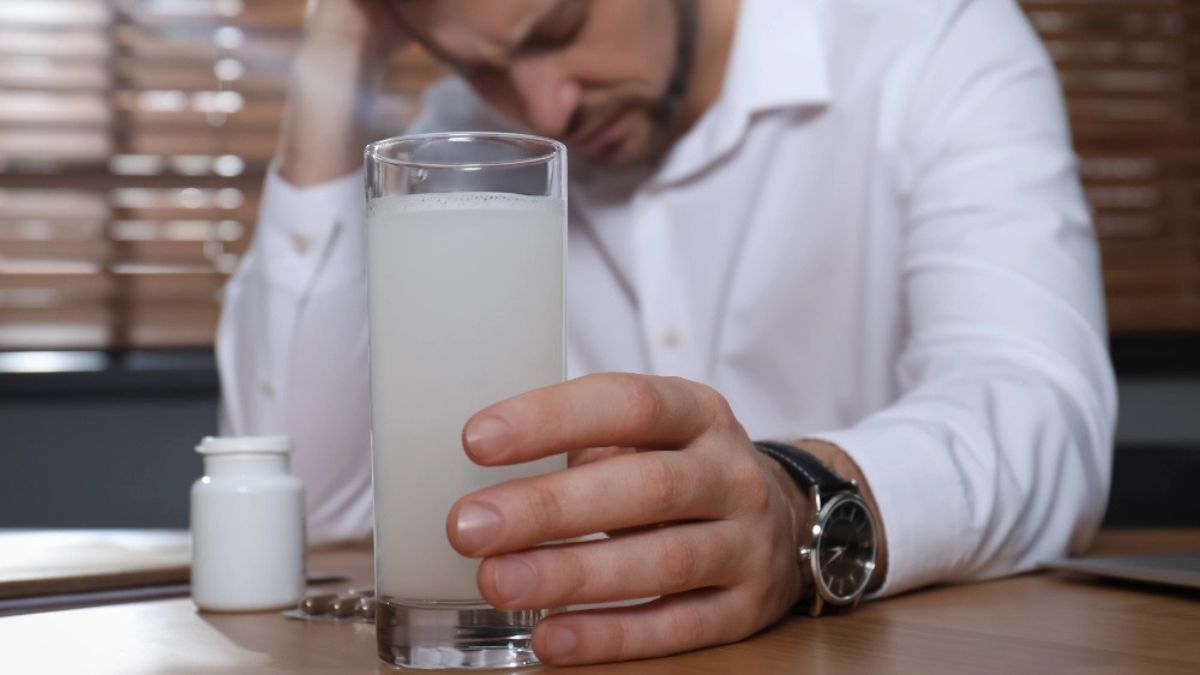
Hitting your 40s with strong bones should be guaranteed, right? Wrong. Your skeleton is quietly losing calcium every day, and certain habits accelerate this invisible theft.
Many people discover the problem only after a shocking fracture or concerning bone scan. Orthopedic surgeons warn that common daily choices dramatically impact bone health during this critical decade.
You can halt and even reverse calcium loss by identifying these 12 sneaky culprits. Your future mobility and independence depend on the actions you take today. Let’s uncover what’s draining your skeletal bank account.
1. Excessive Sodium Intake
Salt hides everywhere in our modern diets. Processed foods, restaurant meals, and even canned vegetables harbor sodium that quietly competes with calcium in your kidneys.
Your body struggles to reabsorb both minerals simultaneously, forcing a choice that often leaves calcium behind.
Most Americans consume nearly double the recommended sodium amount without realizing it. This silent battle happens daily as your kidneys filter blood.
When sodium levels rise, calcium gets flushed away through urine instead of returning to nourish your bones. Over time, this continuous calcium loss weakens your skeletal structure.
Cutting back on table salt helps, but won’t solve the problem entirely. The biggest sodium sources lurk in pre-packaged foods and restaurant meals.
Reading labels becomes crucial after 40, when bone density naturally begins declining. Simply swapping processed items for fresh alternatives can dramatically reduce this calcium-depleting effect.
2. High Caffeine Consumption
Morning coffee rituals might satisfy your taste buds, but can secretly undermine bone health. Caffeine acts as a diuretic, increasing urinary output and washing away valuable calcium before your body fully utilizes it.
This effect compounds when consumption exceeds three cups daily. Your morning brew also interferes with absorption mechanisms in your digestive tract.
Caffeine slightly alters how efficiently your intestines extract calcium from food. Four or more caffeinated beverages daily create a noticeable impact on mineral retention.
The effect becomes especially problematic during your 40s, when natural calcium absorption already decreases.
Switching to half-decaf or alternating with herbal options provides a reasonable compromise. Coffee lovers need not panic about moderate intake—one to two cups rarely cause significant harm.
Adding milk to your coffee provides some calcium benefit, partially offsetting the diuretic effect. Balance becomes key rather than complete elimination.
3. Smoking

Cigarettes ravage bone health through multiple pathways simultaneously. Tobacco chemicals constrict blood vessels, limiting nutrient delivery to bone tissue.
This restricted blood flow prevents proper nourishment and regeneration exactly when your body needs it most.
Nicotine directly attacks bone-building cells called osteoblasts. These specialized cells work continuously to deposit new bone material throughout life.
Smokers experience diminished osteoblast function while the competing bone-breakdown cells continue working unchecked. Women face additional challenges as smoking lowers estrogen levels, further accelerating calcium loss.
Bone recovery begins remarkably quickly after quitting. Former smokers see improved circulation within weeks and gradually restored bone-building capacity over months.
Their fracture risk decreases substantially within years of cessation. This makes quitting particularly valuable during your 40s, when preserving bone mass becomes increasingly important for long-term skeletal health.
4. Alcohol Abuse

Regular heavy drinking creates a calcium crisis that your bones cannot withstand. Alcohol disrupts the delicate hormonal balance controlling calcium metabolism while simultaneously damaging your liver’s ability to activate vitamin D.
Without properly activated vitamin D, calcium absorption plummets regardless of dietary intake. Ongoing heavy drinking acts as a toxin to osteoblasts, those crucial cells that create fresh bone material throughout your body.
Three or more drinks daily can reduce their function by up to 40%. This bone-building impairment occurs precisely when age-related bone loss begins accelerating. The combined effect creates perfect conditions for rapid skeletal deterioration.
Moderation makes all the difference for bone protection. Occasional light drinking shows minimal impact on calcium balance.
The damage threshold typically begins at three daily drinks for men and two for women. Reducing consumption to moderate levels allows your body’s natural bone maintenance systems to function properly.
This simple change proves especially valuable during your 40s, when prevention becomes easier than rebuilding lost bone mass.
5. Sedentary Lifestyle

Your bones respond to movement demands by strengthening themselves. Without regular physical stress, they receive no signal to maintain or build density.
Office jobs, commuting, and screen time create extended periods of inactivity that tell your skeleton it can safely shed excess material.
Calcium continuously cycles between blood and bone tissue through natural remodeling processes. Sedentary habits shift this balance toward greater breakdown than rebuilding.
Inactive adults lose bone mass up to three times faster than their active counterparts. This silent weakening happens without symptoms until bones become dangerously fragile.
Walking provides one of the simplest solutions to combat inactivity. Even 30 minutes daily stimulates bone-preserving responses throughout your skeleton.
Activities causing mild impact, like jogging, tennis, or dancing, work even better by creating stronger mechanical signals.
Resistance training twice weekly completes the formula for maintaining calcium reserves during your 40s and beyond.
6. Vitamin D Deficiency
Modern indoor lifestyles have created an epidemic of vitamin D shortages. This crucial nutrient functions as the gatekeeper for calcium absorption in your intestines. Without adequate vitamin D, even calcium-rich diets cannot properly nourish your bones.
Your skin naturally produces vitamin D when exposed to sunlight, but factors like office work, sunscreen use, and northern latitudes limit this production.
By age 40, vitamin D synthesis decreases while your calcium needs remain high. Blood tests often reveal deficiencies even in otherwise healthy adults.
The resulting poor absorption forces your body to extract calcium from existing bone tissue to maintain essential functions.
Spending 15 minutes outdoors several times weekly with arms and face exposed helps restore natural production. During winter months, supplementation often becomes necessary.
Fatty fish, egg yolks, and fortified foods provide dietary sources, though rarely in sufficient quantities alone. Getting levels checked establishes your baseline and guides appropriate supplementation to protect bone mass during these crucial years.
7. Cola Consumption

That refreshing cola might quench your thirst while quietly stealing calcium from your bones. The phosphoric acid found in these popular beverages creates a double threat to your skeletal health.
It binds with calcium in your digestive tract, preventing absorption, while simultaneously triggering increased calcium excretion through urine.
Researchers at Tufts University published eye-opening findings in The American Journal of Clinical Nutrition in 2006.
Their study revealed that women who consumed cola daily had approximately 4% lower bone mineral density in their hips compared to non-cola drinkers. This reduction significantly increases fracture risk during middle age when natural bone loss already accelerates.
Interestingly, the study found this effect specific to colas rather than all carbonated beverages. The combination of phosphoric acid, caffeine, and sugar creates particularly harmful conditions for calcium balance.
Switching to other beverages—even other carbonated options without phosphoric acid—can help preserve bone density during these critical years. Water, herbal teas, and calcium-fortified alternatives offer better choices for regular consumption.
8. Chronic Stress

Ongoing stress silently chips away at bone strength through hormonal chaos. When stress levels remain elevated, your adrenal glands pump out excess cortisol that disrupts the delicate balance between bone formation and breakdown. This stress hormone actively inhibits osteoblasts, the cells responsible for building new bone tissue.
Your digestive system suffers during stressful periods, compromising calcium absorption regardless of dietary intake.
Stress alters gut function, reducing nutrient extraction efficiency precisely when your body needs these minerals most.
Many adults in their 40s face peak career and family pressures, creating the unfortunate timing of maximum stress during crucial bone maintenance years.
Stress management becomes genuine medicine for bone health after 40. Simple practices like regular walks outdoors, breathing exercises, or meditation create measurable improvements in hormonal balance.
Getting adequate sleep proves equally important, as sleep deprivation mimics chronic stress physiologically. These lifestyle adjustments protect calcium reserves while supporting overall health during demanding midlife years.
9. Crash Dieting or Being Underweight

Quick-fix weight loss approaches come with hidden skeletal consequences. Severe calorie restriction creates nutritional gaps that your bones cannot tolerate.
Even short periods of crash dieting trigger increased calcium loss through urine while simultaneously reducing absorption from the limited food consumed.
Maintaining abnormally low body weight presents even greater risks. Fat tissue produces estrogen, which helps preserve bone density in both women and men.
People with BMIs under 18.5 lack this protective effect, accelerating calcium depletion. Their bones receive inadequate mechanical loading due to lower body weight, further reducing the stimulus for calcium retention and bone strengthening.
Healthy weight management supports stronger bones through balanced nutrition and appropriate body composition.
Gradual approaches that include adequate protein, calcium, and other bone-supporting nutrients maintain skeletal health during weight changes.
This becomes particularly important during your 40s when hormonal shifts already challenge calcium balance. Sustainable eating patterns rather than drastic measures protect both current and future bone strength.
10. High Sugar Intake
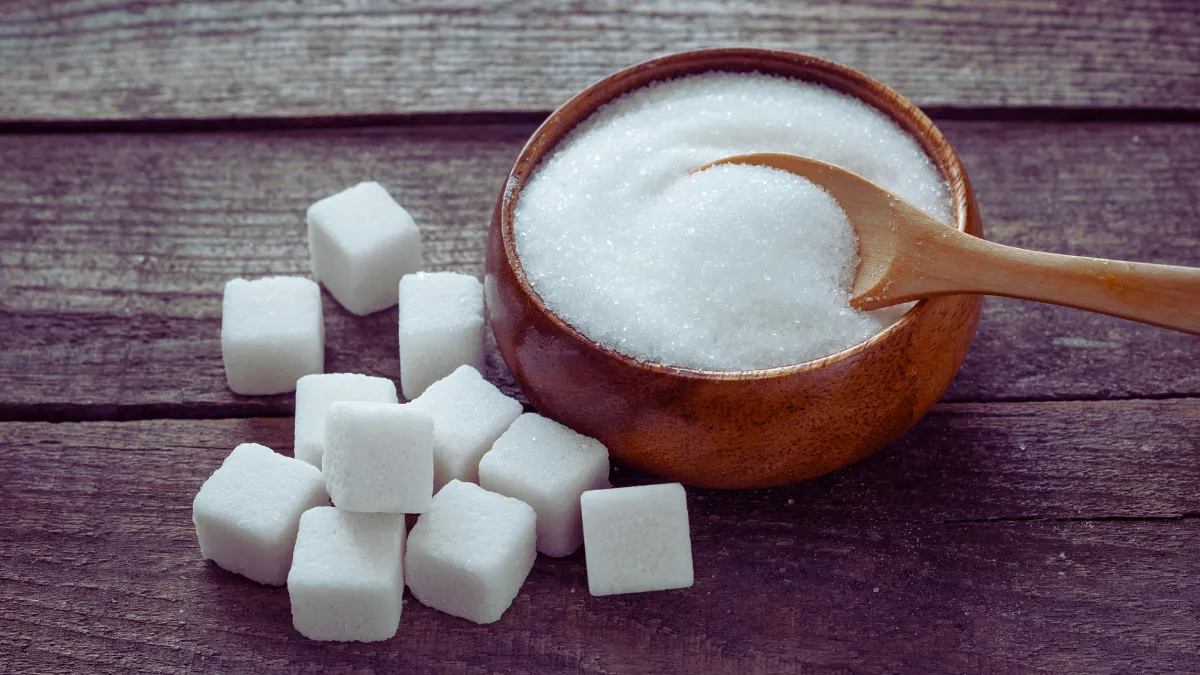
Sweet treats undermine bone health far beyond their empty calories. Sugar triggers inflammation throughout your body, including within bone tissue, where it disrupts normal remodeling processes.
This inflammatory response accelerates calcium removal while impairing deposition of new mineral content.
Your kidneys respond to sugar consumption by excreting more calcium through urine. Calcium loss increases proportionally with sugar intake, creating a direct dose-response relationship.
The collagen framework that gives bones their flexibility also suffers from sugar exposure. High glucose levels interfere with collagen formation and cross-linking, weakening the structural foundation upon which calcium deposits normally form.
Reducing added sugars preserves bone strength on multiple levels. Natural sugars from whole fruits come packaged with bone-supporting nutrients and fiber that moderate absorption.
Artificial sweeteners might spare calories but offer no bone benefits. Gradually training your palate to enjoy less sweetness overall protects calcium balance during your 40s, when prevention becomes increasingly valuable.
11. Certain Medications

Common prescriptions can unintentionally weaken your skeleton over time. Corticosteroids used for asthma, arthritis, and autoimmune conditions directly inhibit calcium absorption while stimulating bone breakdown.
Proton pump inhibitors (PPIs) for acid reflux reduce stomach acid that normally helps dissolve calcium into absorbable forms.
A comprehensive meta-analysis published in Osteoporosis International in 2017 revealed alarming findings about PPI use.
Researchers found that these commonly prescribed heartburn medications increased hip fracture risk by 34% with long-term use. The analysis included data from over 2 million patients, providing compelling evidence of their impact on calcium metabolism.
Medication management requires thoughtful consideration of bone health. Never discontinue prescribed treatments without medical guidance, but discuss bone-protective strategies with your healthcare provider.
Additional calcium supplementation, vitamin D monitoring, or bone density testing may offset medication-related risks.
Alternative treatments with lower skeletal impact might be available for some conditions, particularly valuable during your 40s when natural bone preservation becomes crucial.
12. Avoiding Weight-Bearing Exercise

Your skeleton craves mechanical challenges to maintain strength. Without regular weight-bearing movement, bones receive no signals to preserve calcium or maintain density.
The body efficiently removes seemingly unnecessary bone mass when movement patterns suggest it isn’t needed for structural support.
Bone tissue constantly balances between building and breakdown processes. Without adequate stress from movement, this equilibrium shifts heavily toward breakdown.
The effect accelerates dramatically in your 40s, when natural age-related bone loss begins. Adults can lose 1–3% bone mass annually after 40 without intervention, a silent progression until fractures occur.
Simple activities provide powerful bone-preserving benefits. Walking, jogging, dancing, tennis, and hiking all stimulate mineral retention through gravitational forces.
Resistance training adds another dimension by creating direct pull on bone attachments from muscle contractions.
Combining both movement types creates comprehensive skeletal loading patterns that maintain calcium stores. Even previously inactive adults show significant bone density improvements when starting appropriate exercise programs in midlife.