
Your brain might be a full year older than it should be. And the reason is probably sitting in your bedroom right now.
Most people worry about wrinkles and gray hair. But there’s something scarier happening inside your head while you sleep. Or rather, while you’re NOT sleeping properly.
Scientists just found something shocking. The way you sleep can make your brain age faster than your body. We’re not talking about feeling tired. We’re talking about actual, measurable brain aging.
Here’s what you’ll learn in the next few minutes:
- The exact sleep habits that add 12 months to your brain age
- Why 59% of people are aging their brains without knowing it
- Five simple fixes that work better than sleep pills
- How to reverse the damage starting tonight
Unlike your genetics, you can control this completely.
Scientists Scanned 27,500 Brains and Found Something Terrifying

Researchers at the Karolinska Institutet in Sweden did something massive. They analyzed brain scans from 27,500 adults and used machine learning to calculate each person’s “brain age.”
Think of it like this: Your driver’s license says you’re 45. But your brain might look 47. Or 43.
The study, published in eBioMedicine in September 2025, tracked people’s sleep habits and compared them to actual brain structure.
What they found will make you rethink your bedtime.
For every point your sleep quality dropped, your brain aged by about 6 months.
Let me repeat that. Six months of brain aging for each sleep habit you mess up.
People with the worst sleep patterns? Their brains looked nearly 3 years older than they should.
The lead researcher, Dr. Abigail Dove, explained it simply: “Poor sleep quality is linked to older-appearing brains.”
But here’s where it gets interesting. The damage isn’t random.
The 5 Sleep Patterns That Are Destroying Your Brain

Not all sleep problems are equal. Five specific habits showed up again and again in people with older-looking brains.
1. You’re a Night Owl
Being a late sleeper was the single biggest problem. Night owls had the oldest-appearing brains of all the groups tested.
This isn’t about being lazy. Your body has an internal clock. When you fight it, your brain suffers.
Going to bed at 2 AM and sleeping until 10 AM isn’t the same as sleeping from 10 PM to 6 AM. Your brain knows the difference.
2. You Sleep Less Than 7 Hours or More Than 8
There’s a sweet spot: 7 to 8 hours.
Too little is obvious. Your brain doesn’t get enough recovery time. But too much? That’s also a problem.
The research showed a U-shaped pattern. Both extremes age your brain faster.
Most people think more sleep is always better. Wrong.
3. You Have Chronic Insomnia
Can’t fall asleep? Wake up constantly? Lie awake for hours?
A separate study found that chronic insomnia is tied to cognitive decline equivalent to being 4 years older in brain age.
That’s not a typo. Four years.
Insomnia doesn’t just make you tired. It physically changes your brain structure over time.
4. You Snore Regularly
Snoring isn’t just annoying your partner. It’s a warning sign.
Heavy snoring often means you’re not breathing properly at night. Your brain isn’t getting enough oxygen. And the study showed strong links between snoring and accelerated brain aging.
Many snorers have sleep apnea without knowing it. We’ll come back to this.
5. You’re Exhausted During the Day
Feeling sleepy at 2 PM every day? That’s not normal.
Excessive daytime sleepiness means your nighttime sleep is broken. Even if you think you slept 8 hours.
Your brain cycles through different sleep stages. When those get interrupted, you don’t get real rest.
Here’s the scary part: Only 41% of people in the study had healthy sleep (4-5 good habits out of 5). About 3% had terrible sleep (0-1 good habits).
Which group are you in?
Why This Happens: Your Brain’s Garbage Disposal System
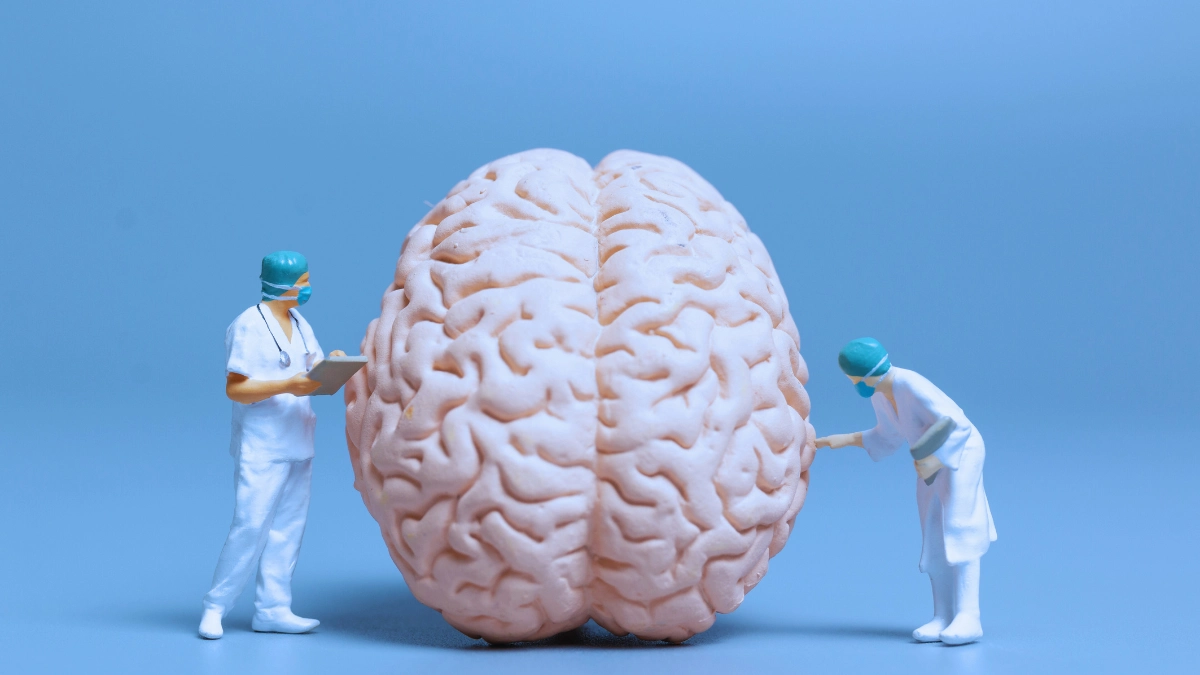
Your brain produces waste all day long. Just like your body.
But here’s the thing. Your brain doesn’t have a normal waste removal system like your intestines or kidneys.
Instead, it has something called the glymphatic system. Think of it as your brain’s janitor.
This system only works properly during deep sleep.
When you sleep, your brain cells actually shrink a little. This creates space for fluid to flush through and wash away toxic proteins. Including beta-amyloid, the stuff that builds up in Alzheimer’s disease.
During deep sleep, the glymphatic system clears away toxins like beta-amyloid proteins that are linked to dementia.
Skip good sleep? The trash piles up.
Night after night, those proteins accumulate. They damage brain cells. They create inflammation. They age your brain.
And there’s more.
Poor sleep raises inflammation throughout your body. The researchers found that inflammation accounts for more than 10% of the connection between bad sleep and brain aging.
Inflammation is like rust for your brain. It damages the protective coating around nerve fibers (called white matter). It reduces blood flow. It kills brain cells.
The damage is real. Scientists can see it on MRI scans.
Your brain literally looks older.
Calculate Your Brain Aging Risk Score Right Now
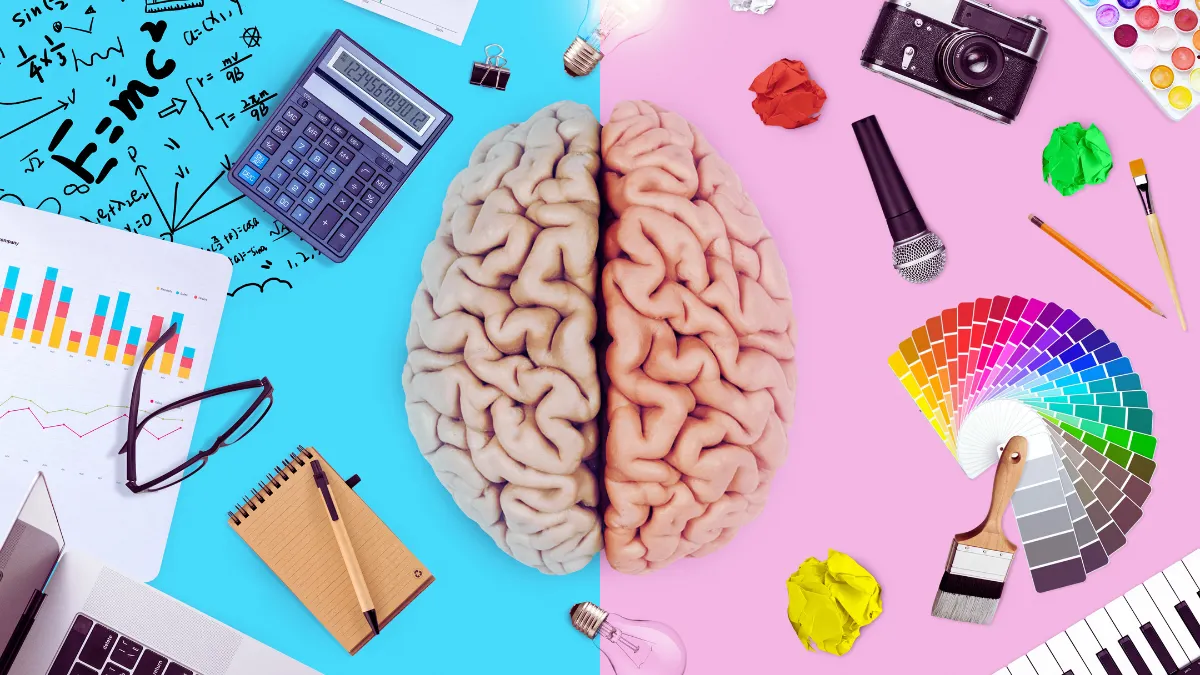
Let’s figure out where you stand. Give yourself 1 point for each yes answer:
- Are you a morning person (not a night owl)?
- Do you sleep 7-8 hours most nights?
- Can you fall asleep within 30 minutes and stay asleep?
- Do you rarely or never snore?
- Do you feel alert during the day without needing naps?
Your score:
- 4-5 points: Your sleep is protecting your brain
- 2-3 points: You’re at moderate risk
- 0-1 points: Your brain is aging faster than it should
For every point you’re missing, add about 6 months to your brain age.
Scored low? Don’t panic. Everything on this list can be fixed.
5 Ways to Reverse Brain Aging Starting Tonight
Here’s the good news that makes everything else worth reading. Every single habit that ages your brain can be reversed.
You don’t need pills. You don’t need expensive treatments. You need the right approach.
Fix #1: Try CBT-I (It Works Better Than Ambien)

CBT-I stands for Cognitive Behavioral Therapy for Insomnia. It’s not talk therapy. It’s a specific program that trains your brain to sleep.
The research shows it produces results equal to sleep medication but with no side effects and fewer relapses.
Here’s what makes it work:
Sleep restriction therapy: You limit your time in bed to match your actual sleep time. Sounds backwards, right? But it creates sleep pressure. Your body learns to sleep efficiently.
Stimulus control: You only go to bed when you’re actually sleepy. If you can’t sleep after 20 minutes, you leave the room. Come back only when tired.
This breaks the pattern of lying awake in bed, which trains your brain that bed equals being awake.
The results are impressive. People using CBT-I fall asleep 19 minutes faster and spend 26 minutes less awake during the night.
And unlike sleeping pills, the improvements last. Sleep continues to get better even after treatment ends.
Fix #2: Lock Down Your Sleep Schedule

Your brain loves patterns. Give it one.
Go to bed at the same time every night. Wake up at the same time every morning. Yes, even on weekends.
I know. Saturday morning sleep-ins feel amazing. But they confuse your internal clock.
It’s like giving yourself jet lag twice a week.
Pick a bedtime that allows 7-8 hours before your alarm. Stick to it for 30 days. Your brain will adapt.
Fix #3: Turn Your Bedroom Into a Sleep Cave

Your bedroom should have one purpose: sleep (and sex). That’s it.
Keep it cool, dark, and quiet.
Cool means 65-68°F. Your body temperature drops when you sleep. A cold room helps this process.
Dark means blackout curtains or an eye mask. Even small amounts of light can disrupt your sleep cycles.
Quiet means earplugs if needed. Or a white noise machine to cover disruptive sounds.
No TV in bed. No phones. No working on your laptop under the covers.
When you use your bed for other activities, your brain stops associating it with sleep.
Fix #4: Create a Power-Down Routine

Your brain can’t go from 60 to 0 instantly.
Start winding down one hour before bed. Same routine every night.
Here’s what works:
- Dim the lights
- Turn off screens (blue light is a problem)
- Do something calming: read, stretch, take a warm bath
- Keep it boring
No action movies. No work emails. No scrolling social media.
Your brain needs to know: this routine means sleep is coming.
Fix #5: Manage Your Stress Before Bed

Here’s something powerful. People who practice stress management have brains that appear 8 years younger than their actual age.
Eight years. Just from managing stress better.
Stress keeps your brain alert. It releases cortisol, which is the opposite of what you need for sleep.
Try this before bed:
- Deep breathing: 4 seconds in, 4 seconds hold, 4 seconds out
- Progressive muscle relaxation: tense and release each muscle group
- Write down tomorrow’s tasks (gets them out of your head)
The goal isn’t to eliminate stress. That’s impossible. The goal is to stop bringing it to bed with you.
Apps and Tools That Actually Help
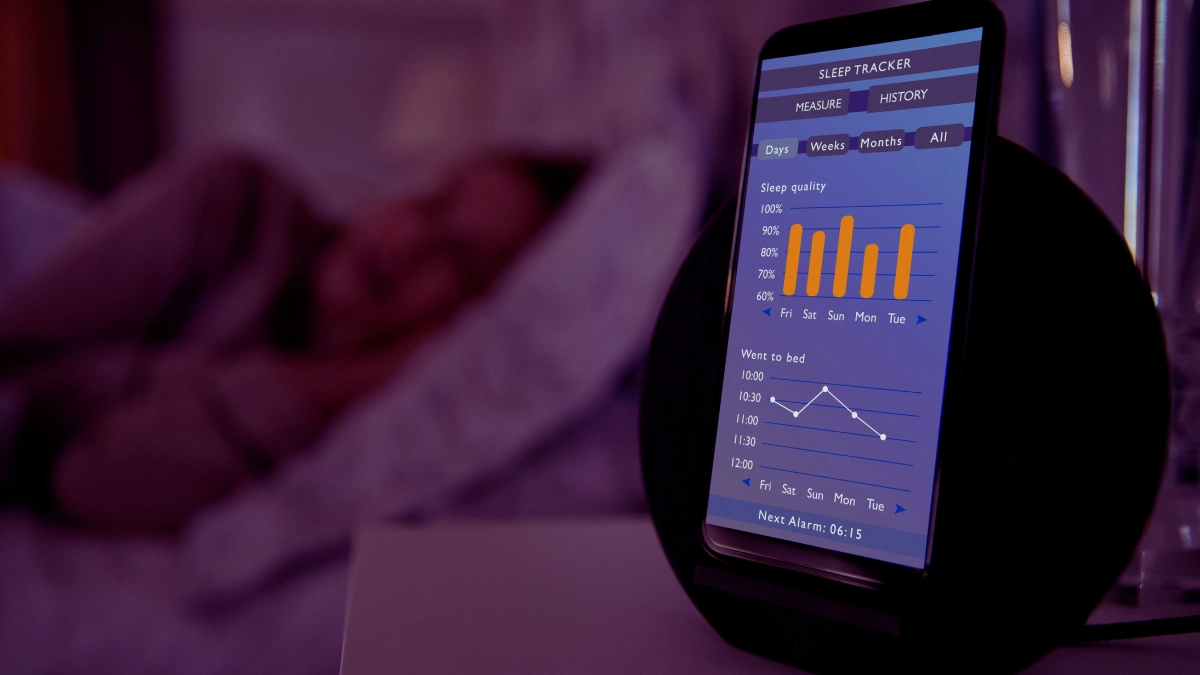
Technology caused some of our sleep problems. But it can also help fix them.
Sleepio is the gold standard. It’s an FDA-cleared digital program for insomnia. The app uses CBT-I principles and has 13 randomized controlled trials backing it up. It requires a prescription, but many insurance plans cover it.
CBT-I Coach is free and was developed by the Department of Veterans Affairs. It’s not as polished as Sleepio, but it teaches the same core techniques.
Sleep Cycle tracks your sleep using your phone’s microphone and movement sensors. It wakes you during light sleep, which helps you feel less groggy. The free version gives you basic tracking.
Oura Ring is expensive ($300+) but accurate. Around 91% agreement with professional sleep lab equipment. It tracks your sleep stages, heart rate, and body temperature.
Chorus Sleep offers an accessible interface for CBT-I. It costs less than other paid apps and walks you through the full program.
The key: pick one and use it consistently. An okay app that you actually use beats a perfect app that sits on your phone.
What to Expect: Your Recovery Timeline

Improvement takes time. Here’s what the research shows.
Weeks 1-2: You might feel worse. Sleep restriction makes you tired at first. Your body is adjusting. Push through.
Weeks 3-4: Sleep efficiency starts improving. You fall asleep faster. You wake up less during the night.
Weeks 6-8: You feel the difference. More energy during the day. Clearer thinking. Better mood.
Months 3-6: The changes stick. Your brain has learned new patterns. Cognitive benefits become obvious.
Long-term: Your sleep keeps improving past the initial treatment period. The habits become automatic.
Be patient. You didn’t develop bad sleep habits overnight. You won’t fix them overnight either.
When DIY Solutions Aren’t Enough

Most people can improve their sleep with these strategies. But sometimes you need professional help.
See a doctor if:
Your symptoms last more than 3 months despite trying everything. Chronic insomnia affects 12% of Americans and often needs professional treatment.
You gasp or choke during sleep. Your partner says you stop breathing. You wake up with headaches. These are signs of sleep apnea, which is dangerous and treatable.
Your daytime life is falling apart. You can’t focus at work. Your relationships are suffering. You’re not safe to drive.
You’re over 50 and experiencing new sleep problems. The risk of sleep apnea increases with age.
How to find help:
- Ask your doctor for a sleep specialist referral
- Look for behavioral sleep medicine therapists (they specialize in CBT-I)
- Check the Society of Behavioral Sleep Medicine directory
Don’t tough it out for years. Sleep problems rarely fix themselves.
Your Brain Can Heal (If You Let It)
Here’s what you need to remember.
Your sleep habits are physically aging your brain. Each poor habit adds about 6 months to your brain age. People with terrible sleep can have brains that look 3 years older.
But unlike your genetics, you can change this.
The five habits destroying your brain are:
- Being a night owl
- Sleeping too little or too much
- Having chronic insomnia
- Snoring regularly
- Feeling exhausted all day
And five fixes that actually work:
- Try CBT-I (better than pills)
- Lock down your schedule
- Optimize your bedroom
- Create a power-down routine
- Manage stress before bed
People who fix their sleep habits can have brains that look 8 years younger than their actual age.
Think about that. Eight years of brain aging, erased.