

Feeling off but can’t put your finger on why? Those mysterious changes in your body after 40 aren’t “just aging” – they’re often hormonal imbalances sending warning signals.
Irritability, sudden weight gain, brain fog, and sleep troubles can wreck your quality of life and lead to serious health issues if ignored.
The good news? You don’t need prescriptions to get your hormones back on track. Simple food shifts, stress techniques, and lifestyle tweaks can dramatically restore balance.
Here are the 13 silent signs your hormones need attention, plus natural fixes that work.
1. Irregular Menstrual Cycles

Your periods might start coming at odd times once you hit 40. Some months, they show up early, late, or skip town altogether. Other time,s they’re heavier than usual.
This happens because estrogen and progesterone levels start playing musical chairs in your body, disrupting normal ovulation patterns.
Getting a handle on this means paying attention to what’s happening. Track your cycles using an app to spot patterns.
Food choices matter too – adding flaxseeds to your morning yogurt introduces plant-based estrogens that can help steady the ship.
Dark leafy greens and almonds pack magnesium that supports progesterone production. Most women find comfort in knowing these changes are normal parts of perimenopause.
But talk to your doctor if bleeding becomes extremely heavy or lasts longer than usual. Simple lifestyle shifts often make a big difference without needing medication.
2. Unexpected Weight Gain Around Your Middle

That stubborn new belly fat that won’t budge? Blame hormones, not just extra cookies. As estrogen levels drop, your body becomes less responsive to insulin signals.
This resistance promotes fat storage specifically around your midsection. Thyroid slowdowns can compound the problem by reducing how many calories you burn daily.
Fighting back starts with breakfast. Including protein, fiber, and healthy fats at each meal helps regulate blood sugar and reduce cravings.
Avocados, eggs, and nuts are particularly helpful. Strength training twice weekly builds muscle that burns calories even when you’re resting.
Many women notice that stress management techniques help too. High cortisol levels contribute to belly fat, so activities that lower stress hormones indirectly help your waistline.
Patience matters – this type of weight responds more slowly but also more permanently to consistent habits rather than crash diets.
3. Mood Swings and Anxiety

One minute you feel fine, the next you’re teary or irritable for no apparent reason. This emotional rollercoaster often stems from estrogen fluctuations affecting serotonin, your brain’s mood-stabilizing chemical.
The result? Your emotional thermostat becomes less reliable, sometimes triggering anxiety or low moods that seem to come from nowhere.
Simple daily practices can help smooth these hills and valleys. Regular mindfulness practices like yoga or five-minute meditation sessions help regulate your stress response.
Your plate matters too – foods rich in omega-3s, such as salmon and walnuts, support brain health and mood regulation.
Herbal support through adaptogens like ashwagandha can help your body better handle stress triggers. Many women find evening routines particularly important for emotional equilibrium.
Reading, gentle stretching, or journaling before bed signals your brain that it’s safe to relax. Remember that these shifts are physiological, not character flaws or signs of weakness.
4. Sleep Problems That Disrupt Your Nights

Waking up drenched in sweat or staring at the ceiling night after night? Low progesterone combined with fluctuating estrogen throws off your internal temperature regulation and melatonin production. Your body’s thermostat and sleep clock essentially get their wires crossed.
Setting up your bedroom as a sleep sanctuary makes a difference. Keep your room cool (around 65°F), use breathable cotton sheets, and consider a cooling mattress topper.
Taking magnesium before bed helps relax muscles and calm your nervous system. Turning off screens an hour before sleep prevents blue light from suppressing natural melatonin.
Morning habits matter too. Consistent wake times help reset your circadian rhythm even after rough nights. Light exposure early in the day signals your brain to properly time melatonin release later.
Many women find that addressing daytime stress through brief walks or breathing exercises leads to noticeable improvements in sleep quality within weeks.
5. Ongoing Fatigue That Rest Doesn’t Fix

That bone-deep tiredness that coffee can’t touch often signals thyroid changes or adrenal stress. When your thyroid slows down, every cell in your body receives less energy-producing stimulus.
Meanwhile, chronic stress keeps cortisol elevated, eventually leading to adrenal fatigue, where you feel constantly depleted.
Reclaiming your energy starts with realistic sleep priorities. Even one extra hour makes a difference, as does consistency in your sleep schedule.
Herbal supports like rhodiola help regulate stress hormones without stimulant effects. Some women notice significant improvements from limiting caffeine after noon.
Small energy investments yield big returns. Brief morning stretches increase blood flow when you feel too tired for a full workout.
Afternoon energy dips can signal blood sugar crashes, so having protein-based snacks ready helps maintain steady energy.
Your doctor can check thyroid levels if fatigue persists despite these changes, as simple supplements often resolve the issue.
6. Thinning Hair Where It Once Was Thick

Finding more hair in your brush than usual? Hormonal shifts affect hair in two ways. Rising levels of certain androgens (like DHT) can shrink hair follicles on your head, while thyroid imbalances slow the growth of new strands. The result is gradual thinning that becomes noticeable, especially at the crown and part line.
Nourishing your hair from within makes a difference. Foods rich in biotin (eggs, sweet potatoes) provide building blocks for new hair growth.
Iron and zinc work as cofactors in this process, so if you suspect deficiencies, ask your doctor about testing. Regular scalp massages increase blood flow to follicles, supporting healthier growth cycles.
Gentle hair care matters more now. Heat styling, tight ponytails, and harsh chemicals can stress already vulnerable hair.
Many women find that switching to sulfate-free shampoos and reducing washing frequency helps maintain natural oils that protect fragile strands. Hair growth takes time, but consistent nutrition and care typically show results within three months.
7. Changes in Intimate Comfort and Desire

Discomfort during intimacy and reduced interest often catch women by surprise. As estrogen decreases, vaginal tissues become thinner and less lubricated.
Meanwhile, falling testosterone levels can dampen desire, creating a frustrating combination that affects relationships and self-image.
Small daily habits can make significant differences. Staying well-hydrated and consuming foods with plant estrogens (soy, flaxseeds) helps maintain tissue health.
Regular intimacy, with or without a partner, increases blood flow to tissues and can slow these changes. High-quality, non-hormonal lubricants provide immediate comfort during intimate moments.
Talking openly with partners about these shifts prevents misunderstandings about changing needs and responses.
Many women experience a sense of sexual freedom after addressing physical discomfort, as they worry less about pregnancy and focus more on pleasure. Remember that these changes are universal biological shifts, not reflections of attractiveness or worth.
8. Insulin Resistance & Blood Sugar Fluctuations
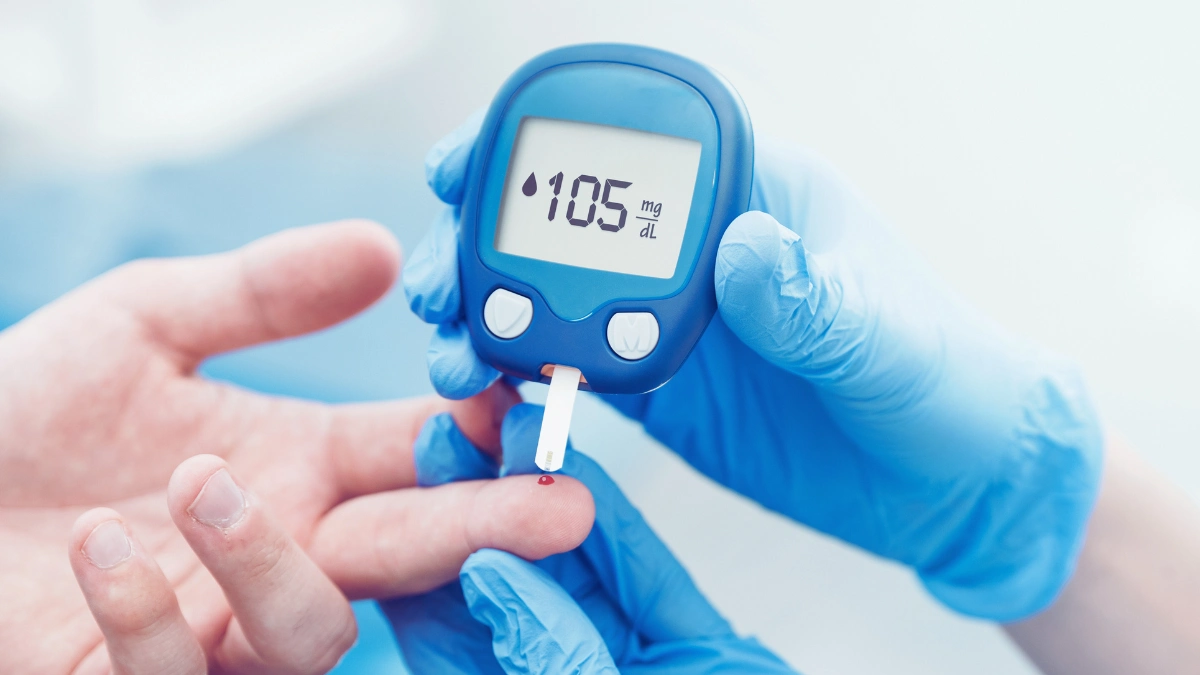
Your body starts processing sugar differently after 40. Declining estrogen makes cells less responsive to insulin signals, causing sugar to linger in your bloodstream.
This creates energy crashes, cravings, and increased diabetes risk. Stress makes it worse by triggering cortisol-driven glucose spikes throughout the day.
Taking action through exercise makes a real difference. A landmark study by Bird and colleagues (2017) found that regular physical activity improves insulin sensitivity by 25-30%, helping cells better respond to insulin signals.
Combining brisk walking with strength training twice weekly creates the most powerful effect. What you eat matters too – choosing low-glycemic foods like beans, intact grains, and proteins prevents the sugar rollercoaster.
Many women notice significant improvements by simply spacing their meals properly. Eating every 4-5 hours prevents extreme blood sugar drops that trigger cravings and fatigue.
Apple cider vinegar before meals has shown promise in slowing carbohydrate absorption. Women often report clearer thinking, more stable energy, and better weight management within weeks of making these changes.
9. Digestive Issues and Uncomfortable Bloating

Your stomach might start acting unpredictably with gas, bloating, or bowel changes that seem to come from nowhere.
Your digestive rhythm and gut inflammation levels are naturally controlled by estrogen and progesterone hormones.
As these hormones fluctuate, your digestive rhythm gets disrupted, and the balance of bacteria in your gut shifts.
Building a healthier gut starts with fermented foods. Adding small portions of kefir, sauerkraut or kimchi introduces beneficial bacteria that help restore balance.
Soluble fiber from psyllium husk, chia seeds, or flaxseed creates a gel that soothes irritated intestinal walls while feeding good bacteria.
Many women find dramatic improvement by identifying personal trigger foods through a simple elimination diet.
How you eat matters as much as what you eat. Slowing down at meals and chewing thoroughly reduces the air swallowed with food.
Stress management directly affects digestion, too – your gut has its nervous system, highly responsive to emotions.
Even five minutes of deep breathing before meals can shift your body from “fight or flight” to “rest and digest” mode, improving absorption and reducing discomfort.
10. Joint Pain & Morning Stiffness

Waking up feeling like the Tin Man isn’t just about getting older. As estrogen declines, its natural anti-inflammatory effects diminish, allowing joint inflammation to increase.
The cartilage cushioning your joints receives less protection, and repair processes slow down. Cortisol imbalances from chronic stress further aggravate this inflammation.
Your kitchen can become your medicine cabinet. Incorporating anti-inflammatory foods like turmeric, fatty fish, and colorful berries reduces pain signals.
Bone broth or collagen supplements provide building blocks your body needs to repair joint tissues. Just two tablespoons of tart cherry juice daily have shown remarkable effects on reducing pain for many women.
Movement matters enormously. Gentle, low-impact exercise like swimming, cycling, or yoga increases joint lubrication without causing damage. Morning stiffness often improves with brief warm-up movements right after waking.
Epsom salt baths help extract excess fluid from tissues while delivering magnesium that relaxes surrounding muscles. Many women findthat these approaches not only manage symptoms but improve joint function over time.
11. Skin Changes That Seem to Happen Overnight

Your skin tells the hormonal story happening inside. Some women suddenly battle acne for the first time since high school as androgens increase oil production.
Others find their skin becoming uncomfortably dry and thin as estrogen’s collagen-supporting effects diminish. Fine lines appear more quickly, and skin tone becomes less even.
Adapting your skincare routine makes a significant difference. Gentle cleansers that don’t strip natural oils prevent both dryness and breakouts.
Hyaluronic acid serums trap moisture in the skin, creating plumpness without added oil. Products containing bakuchiol (a natural retinol alternative) help stimulate collagen production without irritation.
Many women find that simplifying their routines with fewer, higher-quality products yields better results. Nutrition plays a starring role in skin health. Foods rich in omega-3 fatty acids strengthen the skin barrier from within.
Colorful vegetables and fruits provide antioxidants that fight free-radical damage. Water intake directly affects skin hydration levels.
Minimizing sugar reduces glycation, a process that damages collagen and elastin fibers. Sun protection becomes even more crucial as repair mechanisms slow down, making daily SPF non-negotiable.
12. Foggy Thinking & Memory Blips

Those moments of forgetting why you walked into a room or struggling to find common words often trace back to hormonal shifts.
Estrogen supports neurotransmitter function and blood flow to the brain. Its decline affects memory, focus, and word retrieval.
Wang and colleagues (2015) found that high-protein breakfasts significantly improved cognitive performance by stabilizing blood sugar and providing amino acids needed for neurotransmitter production.
Supporting brain health starts at breakfast. Including protein (eggs, Greek yogurt, or nut butter) with complex carbs provides steady fuel for brain cells.
Foods rich in choline, like eggs and Brussels sprouts, support acetylcholine, a neurotransmitter crucial for memory.
Blueberries, walnuts, and dark chocolate contain compounds that protect neural connections and reduce inflammation in the brain.
Regular aerobic exercise increases BDNF, a protein that acts like fertilizer for brain cells. Even 20-minute walks boost immediate cognitive function.
Brief meditation practices help reduce mental static that interferes with focus. Many women report clearer thinking after reducing multitasking and instead batch-processing similar tasks.
Sleep quality directly affects memory consolidation, making those earlier sleep hygiene practices doubly important for brain health.
13. Surprising Changes in Body Scent

You might notice that your natural scent has changed, sometimes despite good hygiene. This happens because hormonal shifts alter sweat composition and gut bacteria balance.
The result can be stronger or a different body odor that seems resistant to usual deodorants. Many women find this change confusing and concerning.
Natural approaches start from the inside. Chlorophyll-rich foods like parsley, cilantro, and spinach help neutralize odors from within.
Zinc-containing foods such as pumpkin seeds regulate sebum production, which affects skin bacteria. Staying well-hydrated dilutes waste compounds excreted through sweat.
People often see a real difference when they skip foods high in sulfur, such as garlic and onions, before meetings or social gatherings.
External solutions matter too. Natural deodorants containing magnesium or baking soda neutralize odor without blocking sweat glands. Cotton clothing allows better evaporation than synthetics.
Some women find success with apple cider vinegar as an underarm rinse that changes skin pH to discourage odor-causing bacteria. Remember that new scents aren’t necessarily bad – they’re simply different signals from a changing body.