
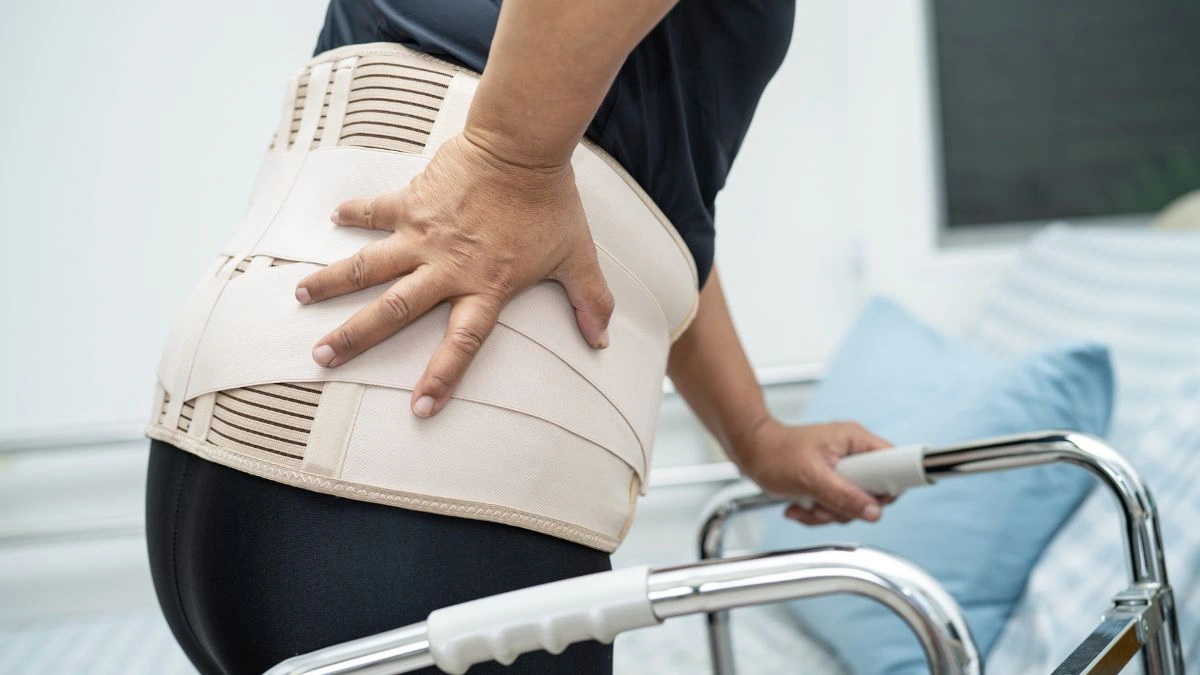
A new hip can erase years of grinding pain, then make you feel safer than you really are. That is when people ditch the walker, sit too long, drive too soon, or ignore a warm wound because the joint itself feels better.
Those choices can slow recovery, raise the risk of a clot or dislocation, and make an otherwise successful hip replacement harder to protect.
Carol learned that the smartest recovery was less about fear and more about stopping the wrong habits while starting three others much earlier.
What Hip Replacement Recovery Usually Looks Like
Recovery speed depends on your condition before surgery, your surgical approach, and whether complications occur. The dates below are reference points, not deadlines.
| Recovery period | Common focus | What usually requires caution |
|---|---|---|
| First few days | Walking with a walker or crutches, ankle movement, pain control, wound care | Falls, long periods in bed, missed blood thinning medicine |
| Weeks 1 through 6 | Short walks, prescribed exercises, gradual household activity | Driving, twisting, crossing the legs, deep bending, soaking the wound |
| Weeks 6 through 12 | Building strength, endurance, balance, and walking quality | Sudden increases in distance, heavy lifting, impact exercise |
| Months 3 through 6 | Gradual return to approved recreation and sport | Running, jumping, contact sports, unfamiliar strenuous activities |
| By one year | Long term strength, implant monitoring, return to normal routines | Skipping follow up because the hip feels good |
AAOS notes that precautions often remain in place for about six to eight weeks, although the exact positions and duration depend on how the operation was performed. AAHKS advises discussing every return to driving, work, and sport with the operating surgeon.
1. Carol Stopped Treating Pain Relief as Permission to Rush
The arthritic pain may disappear quickly, but the tissues disturbed during surgery still need time to heal. Muscles, tendons, the joint capsule, and the incision do not recover the moment the worn joint surfaces are replaced.
Carol stopped adding several new activities on the same day. She increased one thing at a time, such as walking distance, stairs, or exercise repetitions, then watched how the hip responded over the next 24 hours.
A mild ache or temporary swelling can happen after activity. A sharp pain, a sudden loss of function, or symptoms that keep worsening deserve a call to the surgical team.
2. Ditching the Walker Just to Look Recovered

A walker or cane is not a sign that surgery failed. It helps you walk without leaning, shortening your stride, or placing uneven force through the pelvis.
Walking with a limp can reinforce poor movement patterns while the hip muscles are still weak. Carol waited until she could walk smoothly and safely before reducing support.
AAHKS says many patients progress from a walker or crutches to a cane, then to no aid, during the first month or two. The right time depends on stability and walking quality rather than pride or a fixed date.
3. Sitting for Hours at a Time

Rest is necessary, but complete inactivity is not recovery. Long periods of sitting reduce circulation, allow the hip to stiffen, and make the first few steps more difficult.
Surgery on the hip and legs temporarily raises the risk of deep vein thrombosis. Early walking, ankle pumps, prescribed blood thinning medication, and compression devices may all be included in a prevention plan.
Carol began breaking up sitting time with brief, approved walks around the house. During the early weeks, several short walks were more manageable than one exhausting walk.
4. Copying Someone Else’s Hip Precautions
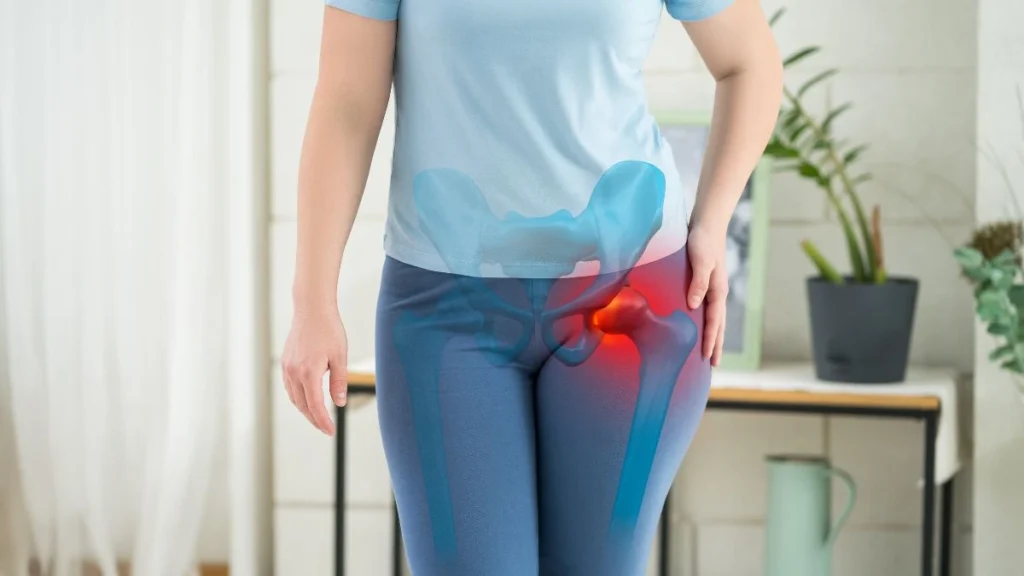
One friend may have been told to avoid bending past 90 degrees. Another may have received fewer restrictions after a different surgical approach.
Both instructions can be reasonable. AAOS explains that the required precautions vary according to surgical technique, and not every surgeon recommends the same restrictions.
Common early precautions may include avoiding crossed legs, deep hip bending, extreme inward or outward foot rotation, and leaning far forward from a low chair. Carol followed the positions listed on her own discharge paperwork instead of advice from social media.
She also stopped assuming those restrictions were permanent. Many people can resume previously restricted movements after six to eight weeks, but only after receiving clearance.
5. Driving Based on the Calendar Alone

Being able to sit in a car does not mean you can control it safely. Driving requires fast braking, comfortable entry and exit, clear judgment, and enough strength to move the operated leg without hesitation.
Many surgeons allow driving at about four to six weeks. It may be sooner after a left hip replacement when the vehicle has an automatic transmission, but reaction time and medication use still matter.
Carol did not drive while taking an opioid pain medicine. She waited until her surgeon cleared her and she could enter the vehicle, operate the pedals, check blind spots, and perform an emergency stop without pain or delay.
6. Taking Blood Clot Prevention Casually

Blood thinning medicine is easy to forget because it may not make the hip feel different. That does not make it optional.
Carol took it at the prescribed time and did not change the dose because of bruising, swelling, or something she read online. She contacted the prescribing team when she had questions.
She also checked before adding ibuprofen, aspirin, vitamins, or herbal products. Some combinations can increase bleeding or interfere with prescribed medication.
| Habit that can cause trouble | Why it matters | Safer response |
|---|---|---|
| Missing blood thinning medicine | May reduce protection against a blood clot | Use a medicine reminder and call about missed doses |
| Staying seated most of the day | Reduces movement of blood through the legs | Take brief approved walks and perform ankle pumps |
| Driving while using opioids | Can slow reaction time and judgment | Wait until opioid use has stopped and the surgeon clears driving |
| Adding pain medicine without asking | May increase bleeding or side effects | Check with the surgeon or pharmacist first |
| Ignoring one sided leg swelling | May delay treatment of a clot | Contact a clinician immediately |
Medication type, dosage, and duration must come from the surgical team. Do not stop a blood thinner, opioid, anti inflammatory medicine, or other prescribed treatment based on general recovery advice.
7. Soaking and Picking at the Incision
A sealed looking incision can still be healing below the surface. Carol stopped pulling at adhesive, applying unapproved creams, and treating the bath or swimming pool as harmless.
Many waterproof dressings allow showering, but soaking is usually delayed until the incision has healed completely. AAHKS notes that this may take about three to four weeks, although dressing instructions vary.
Drainage that continues for more than three days deserves attention. Increasing redness, warmth, swelling, drainage, fever, chills, or worsening pain can signal infection.
8. Smoking

Smoking is not just a lung issue during hip replacement recovery. Tobacco exposure reduces oxygen delivery, interferes with wound healing, and is associated with higher rates of infection and other complications after hip and knee replacement.
Systematic reviews have linked tobacco use with a higher risk of prosthetic joint infection following total hip replacement. Research has also found higher complication rates and poorer outcomes among patients who continue smoking.
Carol asked for help rather than relying on willpower alone. A clinician can discuss counseling, nicotine replacement, or medication based on the patient’s health history.
Quitting after surgery still has value. Quitting before surgery provides more time for circulation, lung function, and wound healing to improve.
9. Treating Rehabilitation Like Optional Homework

Hip replacement removes damaged joint surfaces. It does not automatically rebuild the muscles weakened by months or years of painful movement.
The gluteal muscles help stabilize the pelvis every time you stand on one leg during walking. Weakness can show up as a limp, poor balance, difficulty climbing stairs, or fatigue during longer walks.
Carol completed the exercises prescribed for her stage of recovery. These commonly include walking, thigh strengthening, hip muscle work, and gradual endurance exercise.
Research on rehabilitation programs is mixed because programs vary widely, but exercise remains a central part of restoring strength and function. A separate review found that physical activity often fails to increase substantially after joint replacement unless patients actively change their habits.
The Daily Habit That Actually Works
- Take several short, comfortable walks instead of saving all movement for one long session.
- Perform only the exercises approved for your current recovery stage.
- Use a walker or cane until you can walk without leaning or limping.
- Record walking time, swelling, pain, and exercise completion in a simple notebook.
- Increase only one exercise variable at a time, such as distance, repetitions, or resistance.
10. Assuming Every Form of Exercise Was Safe
Movement protects health, but different activities place very different forces through a hip implant. Walking, swimming, cycling, golf, and controlled strength training are commonly viewed more favorably than running, repeated jumping, or collision sports.
AAHKS recommends low impact sports after hip replacement. Medium impact activities require caution, while high impact sports are generally discouraged because repeated loading may increase implant wear or loosening.
Many patients begin returning to sport during the first three months and reach their previous recreational level around four to six months. That does not mean a previously inactive person should suddenly begin running or intense court sports.
Carol gave her surgeon a specific list of the activities she wanted to resume. A discussion about tennis, hiking, gardening, weight training, or skiing is more useful than simply asking, “Can exercise be resumed?”
11. Disappearing From Orthopedic Care
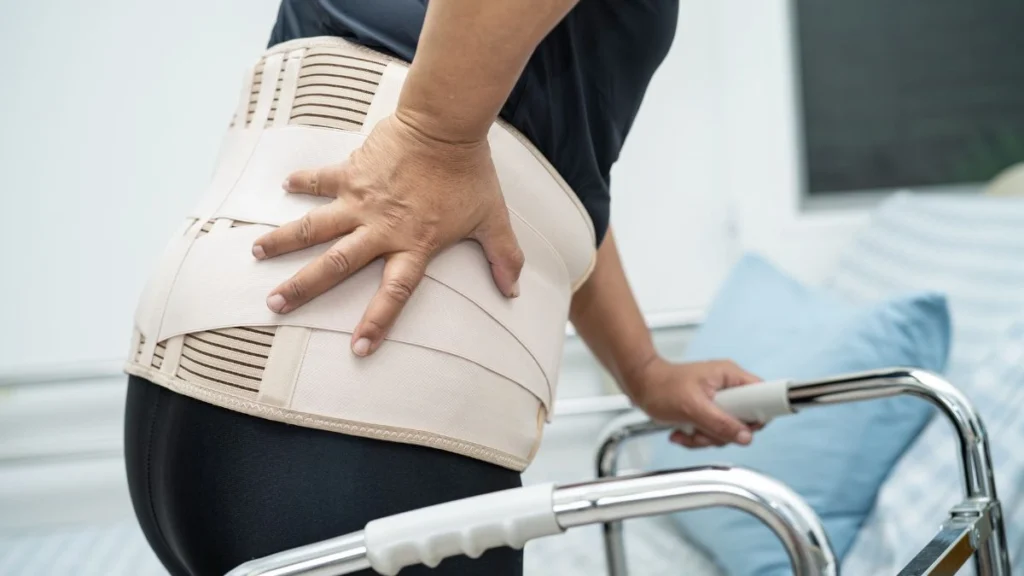
A quiet implant can still develop wear that appears on an X ray before it causes serious pain. Skipping every appointment once the incision heals removes the chance to spot subtle loosening, liner wear, or changes in bone early.
A typical follow up schedule may include a wound check, a six week visit, a three to six month review, and a one year evaluation. After that, the surgeon may recommend annual visits, visits every other year, or checks at five and ten years.
Carol also told her dentist and other clinicians about the joint replacement. Current AAOS guidance does not treat preventive antibiotics before dental work as an automatic lifelong requirement for every patient. The decision should be individualized according to infection history, immune status, dental procedure, and other risks.
She did not ignore skin infections, urinary symptoms, dental infections, or a sudden change in hip function. Bacteria can occasionally travel through the bloodstream and infect a joint replacement even years after surgery.
When to Seek Urgent Medical Care
Stop reading and contact a medical professional immediately when any of these warning signs appear:
- Sudden shortness of breath, chest pain, or chest pain with coughing, which can signal a clot in the lungs.
- New severe swelling, redness, or calf pain in one leg, especially when elevation does not reduce it.
- Wound drainage, spreading redness, increasing warmth, chills, or pain that is getting worse instead of better.
- A sudden pop followed by severe hip pain, visible deformity, or inability to stand, which may indicate dislocation or fracture.
The 3 Things Carol Wishes She Had Started at 50
Hip replacement can restore movement and reduce arthritis pain, but the years before surgery matter. Strength, balance, weight management, and everyday activity affect how much physical reserve a person brings into recovery.
Prehabilitation research suggests that exercise before joint replacement may improve strength, pain, function, or hospital recovery, although results differ among programs.
1. Progressive Strength Training

Carol wishes she had started building muscle before pain made exercise difficult. Strong hips, thighs, and trunk muscles help control the pelvis, support walking, and reduce the effort required for stairs and rising from a chair.
The goal is not bodybuilding. It is gradually making the muscles work harder through exercises such as chair stands, step ups, bridges, resistance band movements, or supervised weight training.
Current physical activity guidance recommends muscle strengthening activity on at least two days each week. Adults over 65 should also include aerobic and balance activity.
A physical therapist can modify movements when hip pain, back problems, osteoporosis, or poor balance make standard exercises uncomfortable.
2. Balance and Bone Protection
Muscle strength alone does not prevent every fall. Vision, medication side effects, footwear, home hazards, and balance all affect the chance of landing on the hip.
Carol wishes she had practiced balance before it began declining. Simple options include supported single leg standing, heel to toe walking, tai chi, and controlled sit to stand practice.
Balance and resistance exercise can improve stability and help maintain bone and muscle. The National Institute on Aging recommends strength and balance training as part of fall prevention.
Bone health also deserves a medical review after 50, especially after menopause, a previous fracture, long term steroid use, low body weight, or a family history of osteoporosis. Calcium or vitamin D supplements should be based on diet, blood testing, bone health, and professional advice rather than started blindly.
3. Earlier Action on Hip Pain and Metabolic Health
Carol spent years avoiding painful movement without replacing it with safer activity. That created a cycle of weaker muscles, lower endurance, weight gain, and even less movement.
Exercise is strongly recommended for hip osteoarthritis. Weight reduction is also strongly recommended for people with hip or knee osteoarthritis who are overweight or have obesity.
Earlier care does not guarantee that replacement can be avoided. Arthritis can progress despite excellent habits.
It can, however, help preserve strength and daily function. A clinician or physical therapist may suggest low impact aerobic activity, resistance exercise, water exercise, a walking aid, medication, or other treatment based on the source and severity of the pain.
| Habit to begin around 50 | Practical starting target | Why it matters later |
|---|---|---|
| Strength training | Two sessions each week | Preserves hip, thigh, and trunk strength |
| Moderate aerobic activity | Build gradually toward 150 minutes each week | Supports endurance, circulation, weight, and heart health |
| Balance practice | Brief practice three or more days each week | Improves control and may reduce falls |
| Hip pain assessment | Seek care when pain repeatedly changes walking or sleep | Identifies treatable problems before severe deconditioning |
| Bone health review | Discuss risk factors and screening with a clinician | Helps detect osteoporosis and fracture risk |
These targets are general public health goals. A painful hip, recent operation, heart condition, balance disorder, or other illness may require a slower and more individualized plan.
The Lesson Was Not to Become Afraid of the New Hip
Carol did not protect her replacement by staying on the sofa. She protected it by walking, rebuilding muscle, following temporary precautions, and choosing activities that matched the implant and her current ability.
The biggest shift was learning that recovery has two sides. You must avoid certain risks during healing, but you must also give the body enough safe movement to regain strength.
The three habits she wishes she had started at 50 are simple: build muscle, train balance, and respond to hip pain before inactivity takes over. None can promise that surgery will never be needed, but they can create a stronger body for whatever comes next.
This article is for informational purposes only and is not a substitute for professional medical advice, diagnosis, or treatment. Always consult your surgeon, doctor, physical therapist, or another qualified healthcare provider before changing your exercise routine, wound care, medication, diet, or daily activities, especially after joint replacement surgery.