Tired of bland meals that just don’t excite your taste buds anymore? Your spice cabinet holds ancient treasures that do far more than simply enhance flavor.
These colorful powders and seeds contain compounds so powerful they can reduce inflammation, balance blood sugar, and even boost brain function.
Many people miss out on these benefits because they don’t know how to use spices properly. With just a pinch or two added to your daily meals, you can transform both your cooking and your health.
Let me show you how 12 common spices can be your secret weapon against everyday health challenges.
1. Turmeric
Photo Credit: Depositphotos
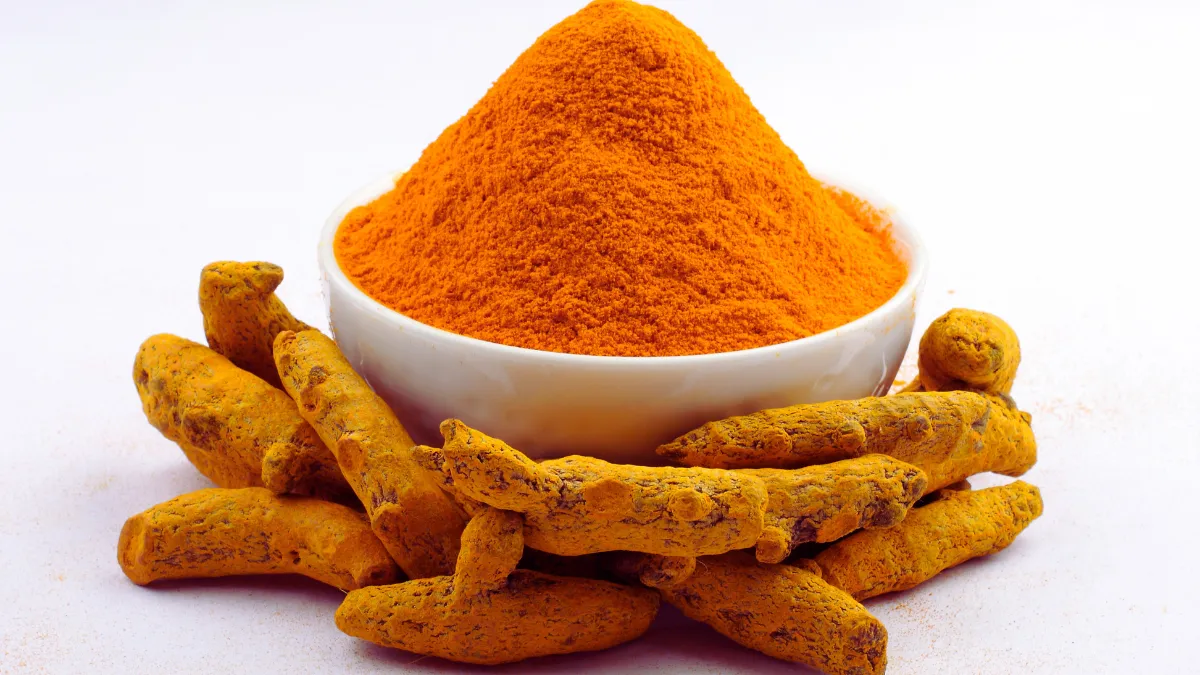
This golden spice contains curcumin, a compound with powerful anti-inflammatory effects. It fights inflammation at the molecular level and helps reduce pain in people with arthritis.
It also acts as an antioxidant, protecting your body from free radical damage. Adding turmeric to your meals is simple. Try making golden milk by mixing it with warm milk, honey, and black pepper.
The black pepper significantly boosts absorption by up to 2,000%. You can also sprinkle it into soups, stews, or rice dishes for a subtle earthy flavor.
For best results, combine turmeric with fats like coconut oil or olive oil, as curcumin is fat-soluble. Regular consumption may help reduce chronic inflammation and support brain function over time. Just one teaspoon daily in your cooking can make a noticeable difference.
2. Ginger
Photo Credit: Depositphotos
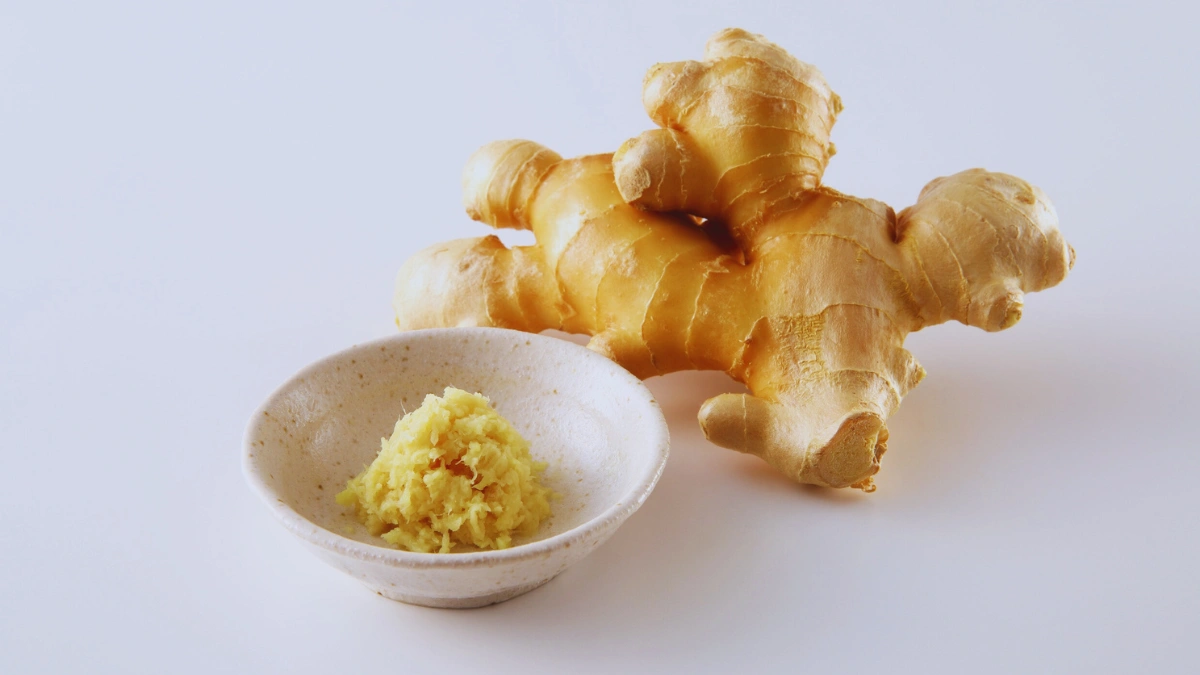
Fresh ginger root offers quick relief from nausea and morning sickness. Its active compounds, gingerols, help reduce muscle pain after exercise and fight harmful bacteria.
This spice has been used for thousands of years in both cooking and traditional medicine. You can easily add ginger to your daily routine. Steep a few slices in hot water for a soothing tea that calms an upset stomach.
Grate it into stir-fries or curries for a warming kick. Even a small amount can transform a dish while offering health benefits.
Ginger works well in both sweet and savory recipes. Try blending it into smoothies with mango or pineapple for a tropical flavor and digestive boost.
The anti-inflammatory properties work best with consistent use. Store unpeeled ginger in the freezer to make it last longer and grate it easily when needed.
3. Cinnamon
Photo Credit: Depositphotos
This sweet, aromatic bark contains compounds that mimic insulin and help move glucose into cells. Regular consumption can lower blood sugar levels and improve insulin sensitivity.
It ranks among the most antioxidant-rich spices in the world. Cinnamon fits easily into your daily diet. Sprinkle it on oatmeal or yogurt for a sweet touch without added sugar.
Add a stick to your coffee pot while brewing for a warm, spiced flavor. Ceylon cinnamon (the lighter variety) is best for regular consumption as it contains less coumarin than cassia cinnamon.
The benefits are built with regular use. Just half a teaspoon daily may help stabilize blood sugar levels. Cinnamon also helps reduce LDL cholesterol and triglycerides.
Its antimicrobial properties can help preserve food naturally and fight bad breath—making it both practical and beneficial for everyday use.
4. Garlic
Photo Credit: Depositphotos
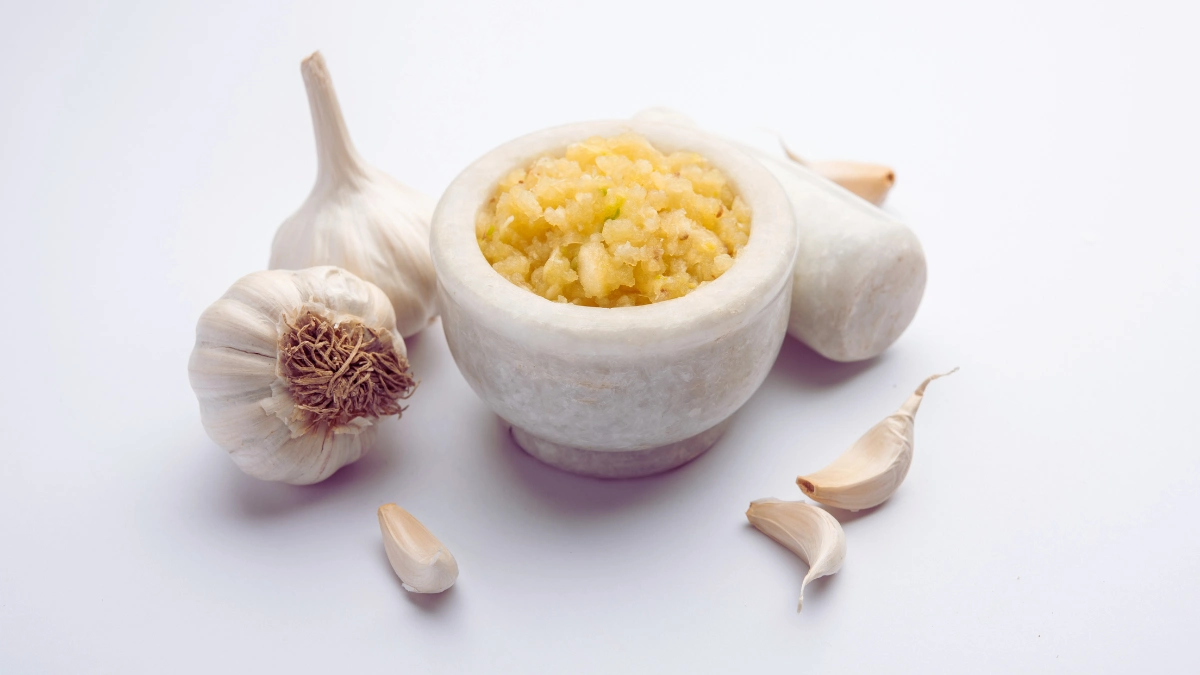
This pungent bulb contains allicin, which gives garlic its distinctive smell and most of its health benefits. It boosts immune function and reduces the severity of cold and flu symptoms. Garlic also supports cardiovascular health through multiple mechanisms.
A 2019 meta-analysis published in Experimental and Therapeutic Medicine found that garlic supplementation significantly reduces both systolic and diastolic blood pressure in people with hypertension.
The research showed greater effects with longer treatment durations, suggesting consistent consumption matters.
Incorporating garlic into meals is straightforward. Crush or chop cloves and let them sit for 10 minutes before cooking to activate the beneficial compounds.
Add it to sauces, soups, or roasted vegetables. For maximum benefit, consume 1-2 cloves daily. Roasting garlic mellows its flavor, making it easier to eat regularly while still providing health advantages.
5. Cayenne Pepper
Photo Credit: Depositphotos
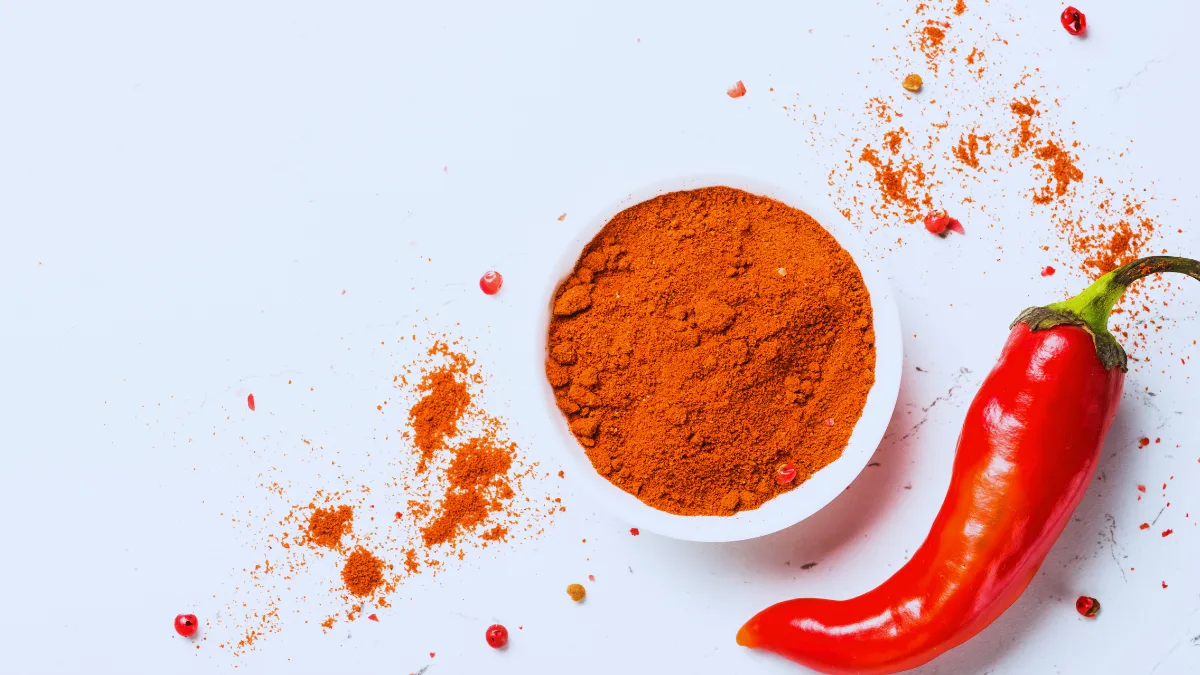
This fiery red spice contains capsaicin, a compound that creates heat and stimulates metabolism. It can increase fat burning and reduce appetite, making it helpful for weight management.
Cayenne also improves circulation and digestive health. Using cayenne in your meals is simple. Start with small amounts if you’re sensitive to heat.
Sprinkle it on eggs for a metabolism-boosting breakfast or add it to soups for warmth and depth. Mixing cayenne with lemon juice and maple syrup creates a cleansing drink that many find energizing.
The heat from cayenne triggers endorphin release, which can improve mood and reduce pain perception. It also helps the body absorb other nutrients more effectively.
For those who build tolerance, the benefits can increase over time. Try adding it to chocolate dishes for an unexpected but delicious contrast that brings both flavor and health benefits.
6. Black Pepper
Photo Credit: Depositphotos
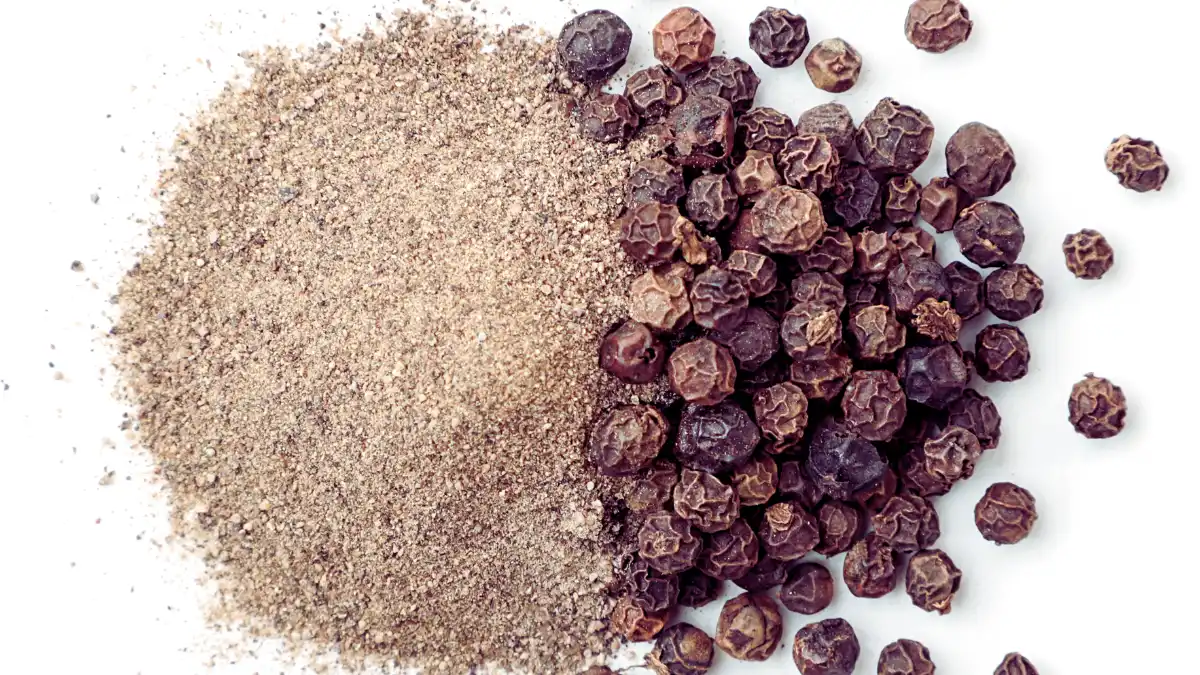
This common table spice contains piperine, which blocks enzymes that break down certain nutrients. It dramatically increases the absorption of turmeric, making these two spices perfect partners.
Black pepper also has its own antioxidant and anti-inflammatory properties. Freshly ground pepper tastes much better than pre-ground and retains more beneficial compounds.
Use it on almost any savory dish—soups, salads, proteins, and vegetables all benefit from its sharp bite. Combining black pepper with olive oil creates a simple but effective absorption-boosting base for many spices.
The subtle heat from black pepper can stimulate digestive enzymes and improve gut health. It works at very low doses, so even a few grinds on your food can make other nutrients more bioavailable.
This makes pepper not just a flavor enhancer but a nutritional amplifier that helps you get more from your food with minimal effort.
7. Cloves
Photo Credit: Depositphotos
These aromatic flower buds pack more antioxidants than most other spices. Their active compound, eugenol, acts as a natural pain reliever and has antibacterial properties.
Many dentists use clove oil to numb gums before injections because of its effectiveness. You can easily add cloves to your cooking routine.
Stick whole cloves into an onion when making stock or broth for complex flavor. Ground cloves work wonderfully in baked goods like gingerbread or pumpkin pie. For a warming tea, simmer a few whole cloves with cinnamon and orange peel.
The intense flavor means a little goes a long way. Too much can overpower a dish, so start with small amounts. For sore throats, try steeping a few cloves in hot water with honey.
They also make an excellent addition to mulled wine or cider during cold months. Regular consumption supports dental health and provides a steady supply of antioxidants.
8. Cardamom
Photo Credit: Depositphotos
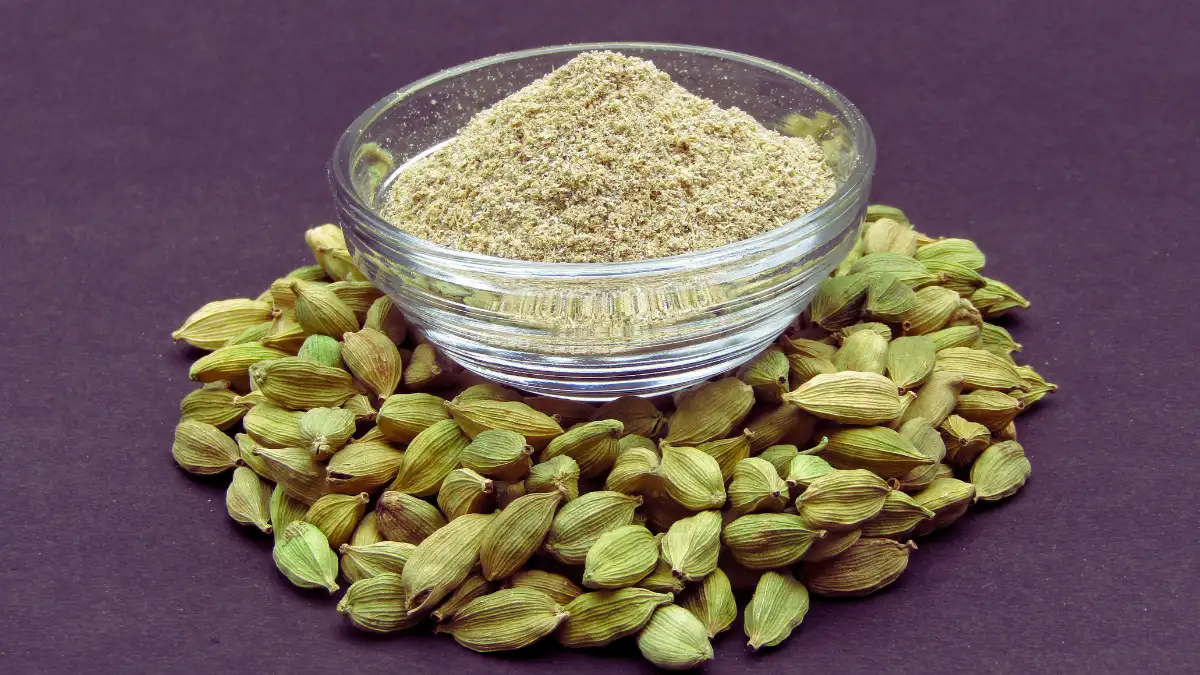
This fragrant spice contains compounds that help improve digestion and prevent bad breath. The essential oils in cardamom pods can increase airflow to your lungs and boost oxygen uptake during exercise.
A 2020 study published in the Journal of Ethnopharmacology found that cardamom supplementation significantly improved antioxidant status and reduced inflammation markers in people with pre-diabetes. Scientists observed better insulin response in participants after only eight weeks of consistent use.
Incorporating cardamom into your diet brings both flavor and benefits. Crack open whole pods and add them to rice while cooking for a subtle, aromatic flavor.
Brew cardamom pods with black tea and milk for a simplified version of chai. Ground cardamom adds complexity to baked goods or morning oatmeal.
Even chewing on a whole pod after meals can freshen your breath naturally while aiding digestion. The sweet, floral notes make it versatile for both savory and sweet applications.
9. Fenugreek
Photo Credit: Depositphotos
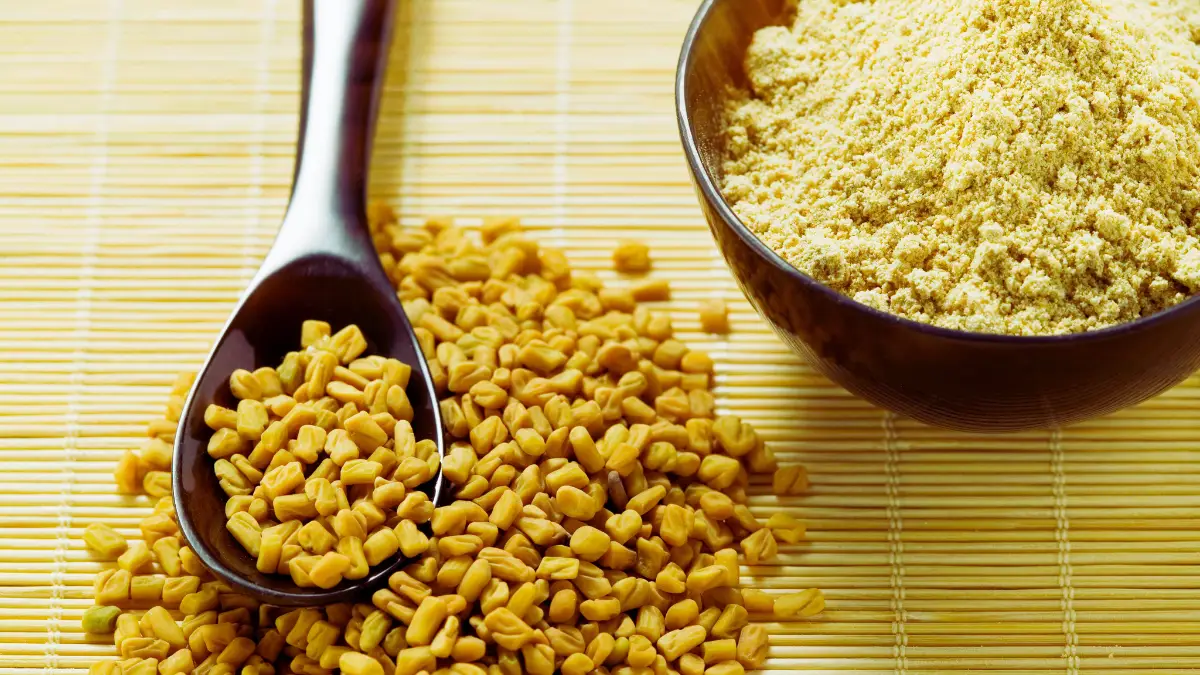
These small yellow seeds offer big benefits for blood sugar control. They contain fiber and compounds that slow sugar absorption in the intestines.
Nursing mothers often use fenugreek to increase milk production with noticeable results. Adding fenugreek to your meals takes some planning but pays off.
Soak seeds overnight to soften them and reduce bitterness before adding to dishes. Toast the seeds lightly in a dry pan to bring out their maple-like aroma before grinding for spice blends.
Sprouted fenugreek seeds make a nutritious addition to salads with a slightly bitter, nutty taste. For the most pronounced effects on blood sugar, consistency matters.
Try fenugreek tea by steeping a teaspoon of seeds in hot water for 10 minutes. The seeds can also thicken sauces and soups naturally while adding nutritional value.
Their unique flavor works especially well in curries, pickles, and vegetable dishes from Middle Eastern and Indian cuisines.
10. Mustard Seeds
Photo Credit: Depositphotos
These tiny seeds come in black, brown, and yellow varieties, each with slightly different properties. They contain compounds that can boost your metabolism and support liver function.
The spicy heat comes from enzymatic reactions that occur when the seeds are cracked or ground. You can easily work mustard seeds into everyday cooking. Heat a teaspoon of seeds in oil until they pop to start Indian curries or vegetable dishes.
Mix ground seeds with vinegar, honey, and spices to make homemade mustard that’s free from preservatives. Sprinkle toasted seeds on salads for a crunchy, nutritious topping.
The full benefits develop when the seeds are broken or chewed thoroughly. This releases myrosinase enzymes that create the active compounds.
Try adding crushed seeds to homemade salad dressings or marinades. The seeds also work well in pickling brines, adding both flavor and preservation benefits. Regular consumption supports thyroid function thanks to its selenium content.
11. Nutmeg
Photo Credit: Depositphotos
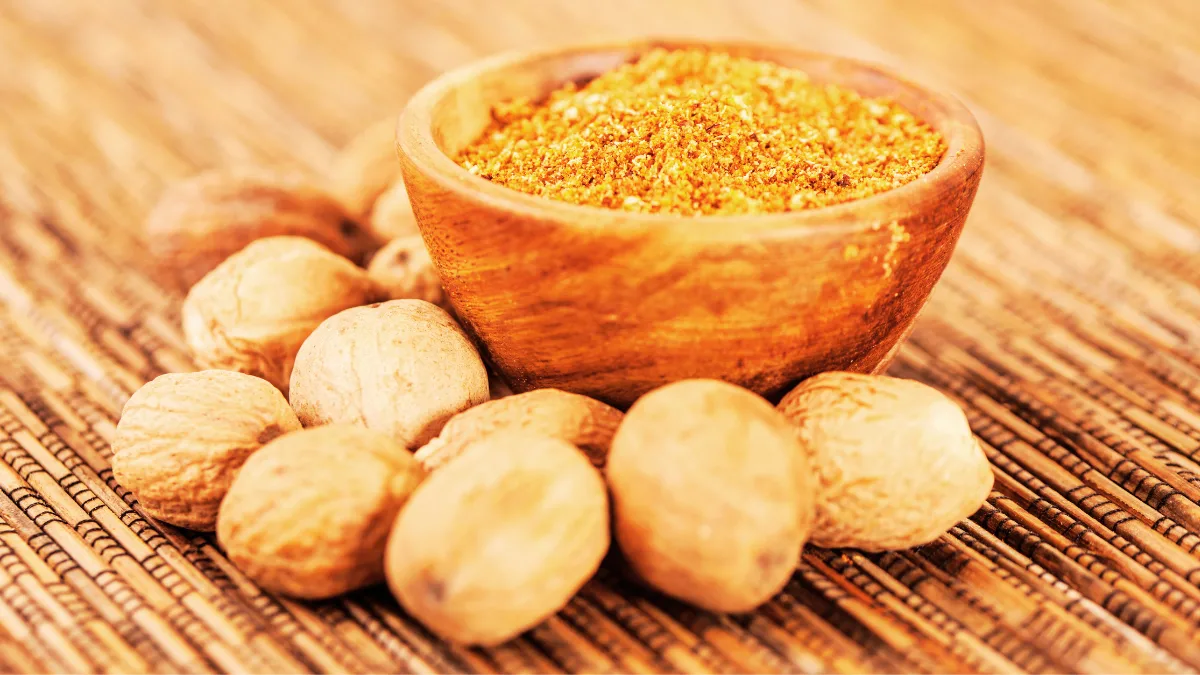
The nutmeg seed, known for its warmth and fragrance, contains natural compounds that aid both digestive health and sleep improvement. Just a small amount can relieve indigestion and reduce gas. The essential oils may also enhance memory and concentration.
Using nutmeg in your kitchen brings both flavor and benefits. Grate a small amount (about ⅛ teaspoon) into warm milk before bed for better sleep.
Add a pinch to creamy sauces like béchamel or alfredo for depth of flavor and digestive benefits. Because of its potency, nutmeg should be used sparingly—too much can cause headaches.
The warming nature of nutmeg makes it particularly useful during cold months. Try adding it to hot chocolate or coffee for a cozy boost. It pairs beautifully with starchy vegetables like sweet potatoes and pumpkin.
The oil in freshly grated nutmeg stays potent for only a short time, so grating it fresh provides the most flavor and benefit. Buy whole nutmeg and a small grater for the best results.
12. Rosemary
Photo Credit; Depositphotos
This fragrant herb contains carnosic acid and rosmarinic acid, which support brain health and memory. Its needle-like leaves supply antioxidants that fight free radical damage. The strong aroma comes from essential oils that may improve concentration.
A 2016 study published in the Journal of Medicinal Food found that rosemary aroma improved cognitive performance and mood in healthy adults.
The research showed significant improvements in memory speed and accuracy even with brief exposure to the herb’s scent, suggesting both consumption and aromatherapy provide benefits.
Adding rosemary to your routine is straightforward. Strip the leaves from woody stems and chop them to release more flavor before adding them to dishes.
Roast potatoes, chicken, or lamb with whole sprigs for an infusion of flavor. For a simple memory-boosting tea, steep fresh rosemary in hot water for 5-10 minutes.
Fresh rosemary stays good for weeks when stored upright in a glass of water in the refrigerator, making it easy to incorporate into regular meals.