

You’ve heard Greek yogurt builds muscle. But you’re not sure if it’s real or just clever marketing.
Scientists at Brock University studied people who ate Greek yogurt daily while lifting weights for 12 weeks. They gained way more strength and muscle than people who didn’t eat it. And the results get even better by week 15.
This isn’t about eating yogurt and magically getting bigger. You still need to lift weights. But Greek yogurt gives your muscles exactly what they need to grow faster and stronger.
In this article, you’ll learn what actually happens inside your muscles each week. You’ll see the numbers from real research. And you’ll know exactly how much to eat and when to eat it.
Why Greek Yogurt Works Better Than Regular Food for Muscle

Let’s look at what makes Greek yogurt special.
One serving (about 6 ounces) has 17 to 20 grams of protein. That’s as many as three eggs. Regular yogurt only has 4 to 5 grams. Greek yogurt has 4 times more protein because it strains out the watery part.
But here’s what really matters: the type of protein.
Greek yogurt is 80% casein and 20% whey protein. Whey digests fast. Your muscles get amino acids within an hour. Casein digests slowly. It keeps feeding your muscles for hours.
Think of it like this: whey is a quick snack. Casein is a slow-release meal. You get both in one container.
Each cup also has 2.5 grams of leucine. That’s the amino acid that tells your muscles to start growing. You’d need to eat five servings of peanuts to get that much leucine.
Greek yogurt contains all 9 essential amino acids your body can’t make on its own. That makes it a complete protein source.
One more thing: the fermentation process breaks down the protein into smaller pieces before you even eat it. Your body absorbs it more easily than regular milk protein.
So you’re not just getting more protein. You’re getting better protein that your body can actually use.
What Happens to Your Muscles Week by Week
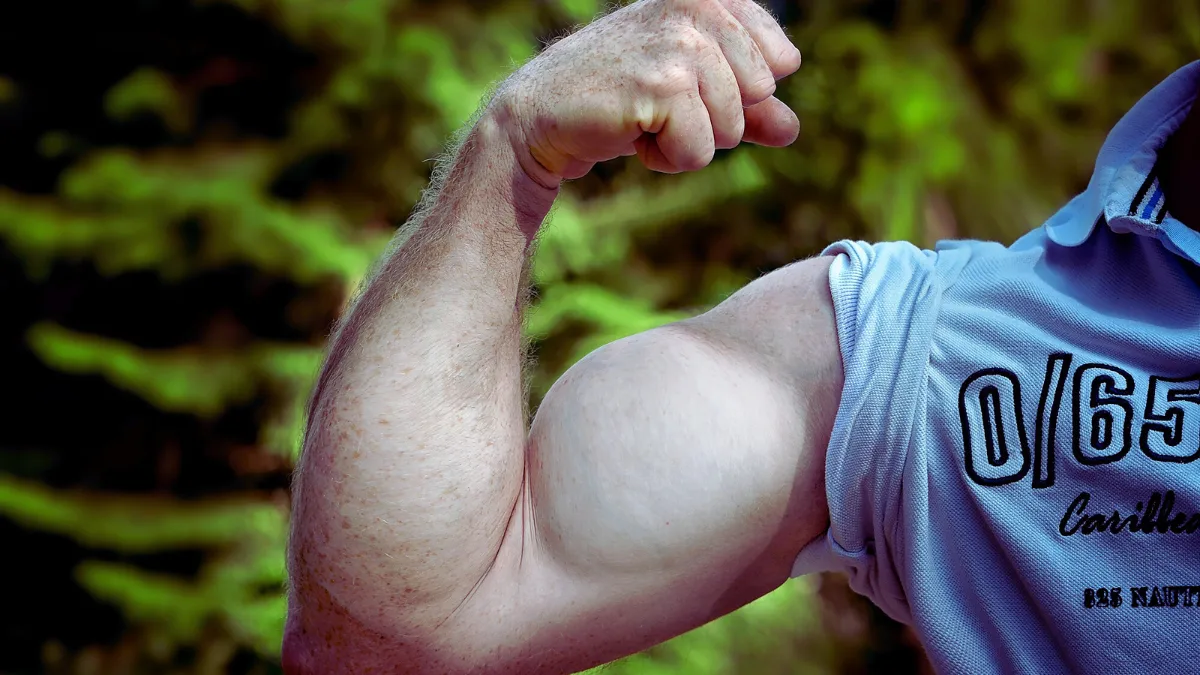
Here’s the timeline based on what researchers found.
Weeks 1 to 4: Your Brain Gets Stronger First
Your muscles don’t grow much yet. But something important happens.
Your nervous system learns which muscle fibers to activate. You’ll lift heavier weights. You’ll do more reps. Your friends might think you’re getting bigger, but it’s mostly neural.
You’ll notice: the same weight feels lighter. You finish your sets more easily. You’re ready for the next exercise faster.
Weeks 4 to 6: Protein Synthesis Kicks In
Now your muscles start actually growing.
Every time you lift weights, your muscle protein synthesis stays high for 24 hours. That means your muscles keep building for a full day after each workout.
Greek yogurt feeds this process. The casein keeps delivering amino acids while you sleep. The whey gives you a quick boost after training.
You’ll notice: your muscles feel fuller. Your shirts fit tighter around your arms. You see veins you didn’t see before.
Weeks 6 to 10: Real Growth Starts
This is when most people see visible muscle growth. Your body has adapted. The protein is working. The weights are getting heavier.
You’ll notice: friends and family comment on your arms. Your pants feel tighter in the thighs. You need to adjust your car seat because your back is thicker.
Weeks 10 to 12: The Numbers Get Serious
This is where the Brock University research gets really interesting.
People in the Greek yogurt group gained 0.46 centimeters in bicep thickness. The control group only gained 0.12 centimeters. That’s almost 4 times more growth.
They also gained 2.4 kilograms (5.3 pounds) of fat-free mass. The control group gained only 1.3 kilograms (2.9 pounds).
The most impressive part is that the group consuming yogurt experienced a 1.1% reduction in body fat, while the control group showed no change. They built muscle AND lost fat.
Weeks 12 to 15: Everything Comes Together
By week 15, your body composition looks completely different. The changes are obvious in photos. Your clothes fit differently. People who haven’t seen you in a while will definitely notice.
Total strength gains in the yogurt group: 98 kilograms (216 pounds) across all exercises. Control group: only 57 kilograms (126 pounds).
That’s 90 extra pounds you can lift. That’s huge.
How Much Greek Yogurt Do You Need to Eat
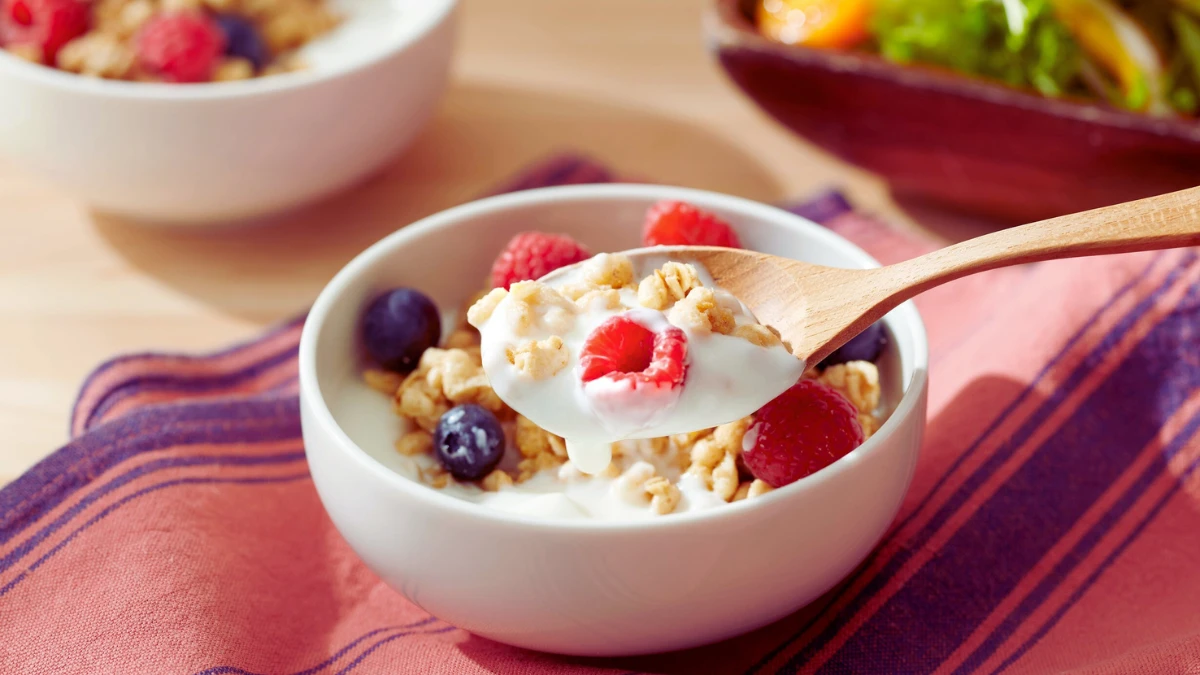
More isn’t always better. But you need enough.
In the Brock University research, participants ate 200 grams (about 7 ounces) three times per day on workout days. They ate 150 grams (about 5 ounces) twice per day on rest days.
Let’s make this simple for your life.
If you weigh 150 pounds:
- Eat 2 to 3 servings per day
- That’s 34 to 51 grams of protein from yogurt
- Split it up: morning, post-workout, evening
If you weigh 180 pounds:
- Eat 3 servings per day
- That’s 51 to 60 grams of protein from yogurt
- Same timing: spread it throughout the day
If you weigh 200+ pounds:
- Eat 3 to 4 servings per day
- That’s 51 to 80 grams of protein from yogurt
- You might need an extra serving before bed
This gave people 40 to 60 extra grams of protein per day. Their total protein went from 1.22 grams per kilogram to 1.74 grams per kilogram of body weight.
That’s the sweet spot: 1.6 to 1.7 grams of protein per kilogram for muscle growth.
When to Eat It
Eating protein within 1 to 2 hours of your workout helps the most. But don’t stress too much about exact timing.
Here’s what works:
- Morning: Set up your protein for the day
- After a workout: Feeds your muscles when they’re hungry
- Before bed: Reduces muscle breakdown overnight
Why the Probiotics Actually Matter for Muscle

Most people skip this part. Don’t.
Greek yogurt has live bacterial cultures called Streptococcus thermophilus and Lactobacillus bulgaricus. These aren’t just good for your gut.
Research shows probiotic yogurt reduces inflammation markers in your body. Less inflammation means faster recovery. Faster recovery means you can train harder and more often.
Probiotics might decrease exercise-induced inflammation. When you lift heavy, your muscles get tiny tears. That’s normal. But too much inflammation slows down repair.
Think of probiotics as your recovery team. They help clean up the damage faster.
They also improve nutrient absorption. You’re not just eating protein. You’re actually using more of it because your gut processes it better.
People who ate probiotic yogurt daily in a 2016 workplace study had less stress, depression, and anxiety. Better mental health means more consistent training.
Consistency builds muscle. Probiotics help you stay consistent.
What You’ll Actually See in the Mirror

Let’s be real about expectations.
Week 3 to 4: Performance Changes
You won’t look different yet. But you’ll feel different.
You’ll lift 5 to 10 pounds more than last week. You’ll finish your last set when you used to fail. Your rest time between sets gets shorter.
This is your nervous system adapting. It counts as progress even if the mirror doesn’t show it yet.
Week 6 to 8: The First Visual Changes
Your shirts feel tighter in the shoulders. Your arms look fuller in the morning. When you flex, you see more definition.
A 2018 study in the European Journal of Applied Physiology found that after about 10 training sessions, modest muscle growth starts. It’s subtle. Your spouse might notice. You definitely notice.
Week 10 to 12: People Start Commenting
“Have you been working out?”
“Your arms look bigger.”
“What are you doing differently?”
The same research showed that after 18 workouts, real muscle growth becomes obvious. You’re not imagining it anymore. The changes are measurable.
Week 15: The Full Transformation
Most people see major body composition changes by week 12 to 16. By week 15, you’re there.
Your before and after photos look like different people. Your body fat percentage dropped while your muscle mass went up. Your clothes fit completely differently.
But here’s what matters most: you feel stronger. More confident. Healthier.
The Simple Way to Add Greek Yogurt Every Day

You don’t need fancy recipes. Keep it simple.
Morning Option:
- 1 cup Greek yogurt (17g protein)
- Handful of berries
- A tablespoon of honey
- Sprinkle of almonds
- Total: about 25g protein
Post-Workout Smoothie:
- 1 cup Greek yogurt (17g protein)
- 1 banana
- 1 cup spinach
- Splash of almond milk
- Scoop of protein powder (optional)
- Total: 30 to 50g protein
Evening Snack:
- ½ to 1 cup Greek yogurt plain (9 to 17g protein)
- Cinnamon on top
- That’s it
Important: Buy plain Greek yogurt. Not vanilla. Not strawberry. Plain.
Flavored yogurts have 15 to 20 grams of added sugar per serving. That’s like eating 5 teaspoons of sugar. It cancels out the benefits.
If you hate plain yogurt, add your own fruit. Use a little honey. Mix in some vanilla extract. You control the sugar.
Best Brands Based on Protein Content:
Ratio has 25 grams per serving. Oikos Pro has 20 grams. Fage has 18 grams. All of these work great.
Don’t overthink the brand. Just check two things:
- At least 15 grams of protein per serving
- Less than 7 grams of sugar per serving
Mistakes That Kill Your Results
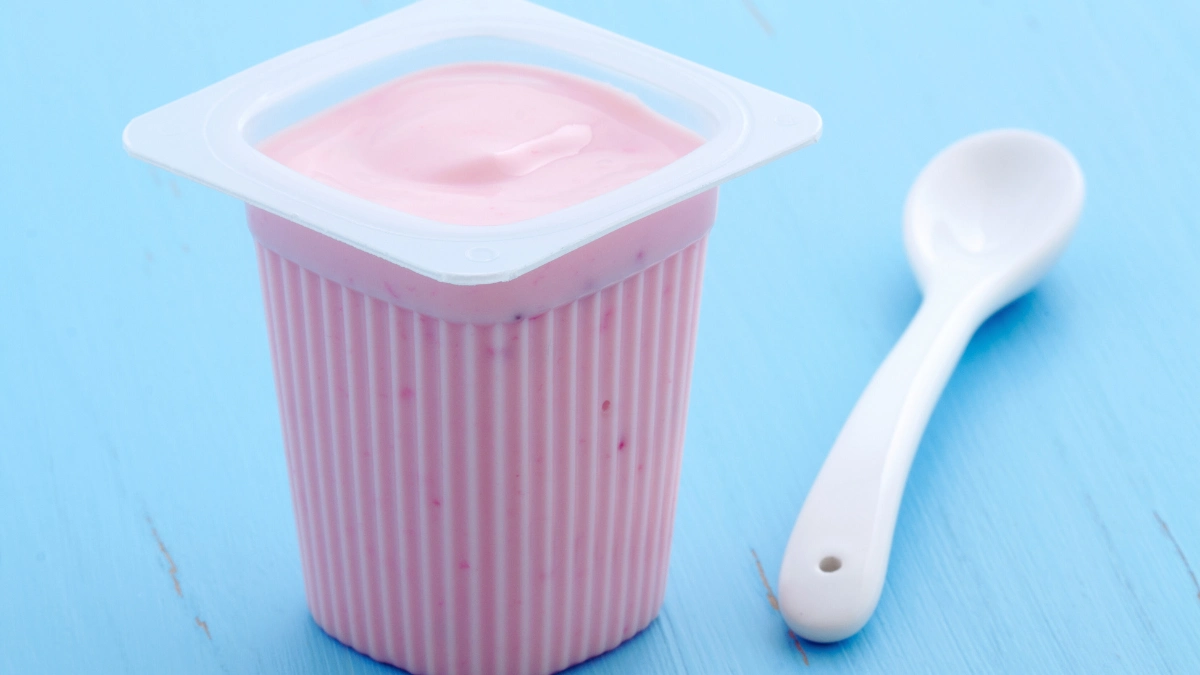
People mess this up in predictable ways.
Mistake 1: Buying Flavored Yogurt
That strawberry Greek yogurt? It has 18 grams of sugar. Your plain yogurt with fresh strawberries? Maybe 5 grams.
Sugar doesn’t help muscle growth. It just adds calories you don’t need.
Mistake 2: Eating Yogurt But Not Lifting Weights
Greek yogurt doesn’t build muscle by itself. It gives your muscles what they need IF you’re training.
The Brock University participants lifted weights 3 days per week for 12 weeks. No training = no results.
You need both: protein AND progressive overload.
Mistake 3: Skipping Days
You ate it on Monday, Wednesday, and Friday. But you forgot Thursday and Saturday.
Muscle protein synthesis happens daily. Your body needs consistent protein intake. Missing days means missing growth.
Set a phone reminder if you have to. Make it automatic.
Mistake 4: Not Eating Enough Total Protein
Greek yogurt helps. But it’s not your only protein source.
The successful participants ate 1.74 grams of protein per kilogram of body weight. That’s from yogurt PLUS meals.
Track your total. Use an app if needed. Hit your number every day.
Mistake 5: Sleeping 5 to 6 Hours
People who slept more lost significantly more fat while building the same muscle. The sleep-deprived group actually gained fat.
Your muscles grow during sleep. Sleep less = grow less. Aim for 7 to 8 hours minimum.
Mistake 6: Buying “Greek Style” Yogurt
Some brands add thickening agents to regular yogurt. They call it “Greek style,” but it’s not real Greek yogurt.
Check the protein. Real Greek yogurt has 15+ grams per serving. Fake Greek yogurt has 8 to 10 grams.
Who Gets the Best Results From This

Not everyone responds the same way.
Beginners Win Big
The Brock University research used untrained people who averaged 20.6 years old. They saw massive gains because their bodies were new to resistance training.
If you’ve never lifted weights seriously, you’ll see faster changes. Your first 15 weeks are special. Your muscles are super responsive.
Intermediate Lifters Still Benefit
You’ve been training for 1 to 3 years. Your gains will be slower than beginners. But you’ll still make progress.
Expect half the rate of a beginner. That’s still meaningful growth over 15 weeks.
Older Adults Need This More
Greek yogurt helps maintain muscle mass and function in aging populations. After age 30, you lose muscle every year unless you fight it.
High-protein foods like Greek yogurt help you keep what you have. And yes, you can still build new muscle after 40, 50, or 60.
Women Get Similar Benefits
Protein works the same for women. Your hormones are different, so you won’t get as bulky. But you’ll get stronger and more defined.
Women often need slightly less protein per pound. But the Greek yogurt approach still works great.
Factors That Affect Your Results
Age, genetics, training history, diet quality, and sleep all play a role. Some people are genetic lottery winners. They build muscle fast.
Other people are hardgainers. They need perfect nutrition and training to see half the results.
Don’t compare yourself to others. Track YOUR progress against YOUR starting point.
Take photos every 4 weeks. Measure your arms, chest, and thighs. The scale lies because muscle weighs more than fat. Trust the measurements and photos.
What Happens After Week 15

You don’t stop growing at week 15. But the rate slows down.
Your first 6 to 10 weeks give you the fastest visible changes. After that, growth continues, but it’s more gradual.
Think of it like compound interest. The gains keep adding up. But each month gives you a smaller percentage increase than the last.
- Year 1: You can gain 15 to 25 pounds of muscle (if you’re a beginner).
- Year 2: Maybe 8 to 12 pounds.
- Year 3: Maybe 4 to 6 pounds.
By week 15, you’re probably between these stages. Keep eating the Greek yogurt. Keep training hard. Keep tracking progress.
The people who look amazing 5 years from now are the ones who stayed consistent after week 15.
The Bottom Line: Does It Actually Work?

Yes. But only if you do the work.
People who ate Greek yogurt during training gained almost twice as much muscle thickness, 80% more fat-free mass, and lost body fat, while the control group stayed the same.
Those are facts from published research. Not marketing. Not opinions.
But they also lifted weights 3 times per week. They ate enough total protein. They stayed consistent for 12 to 15 weeks.
Greek yogurt isn’t a shortcut. It’s a tool that makes the process work better.
Start today with 2 servings. Train 3 times this week. Take a photo for comparison.
Check back at week 4. You’ll notice strength changes.
Check again at week 8. You’ll see visual changes.
By week 15, you’ll have proof that it works.
No magic. Just protein, consistency, and time.