
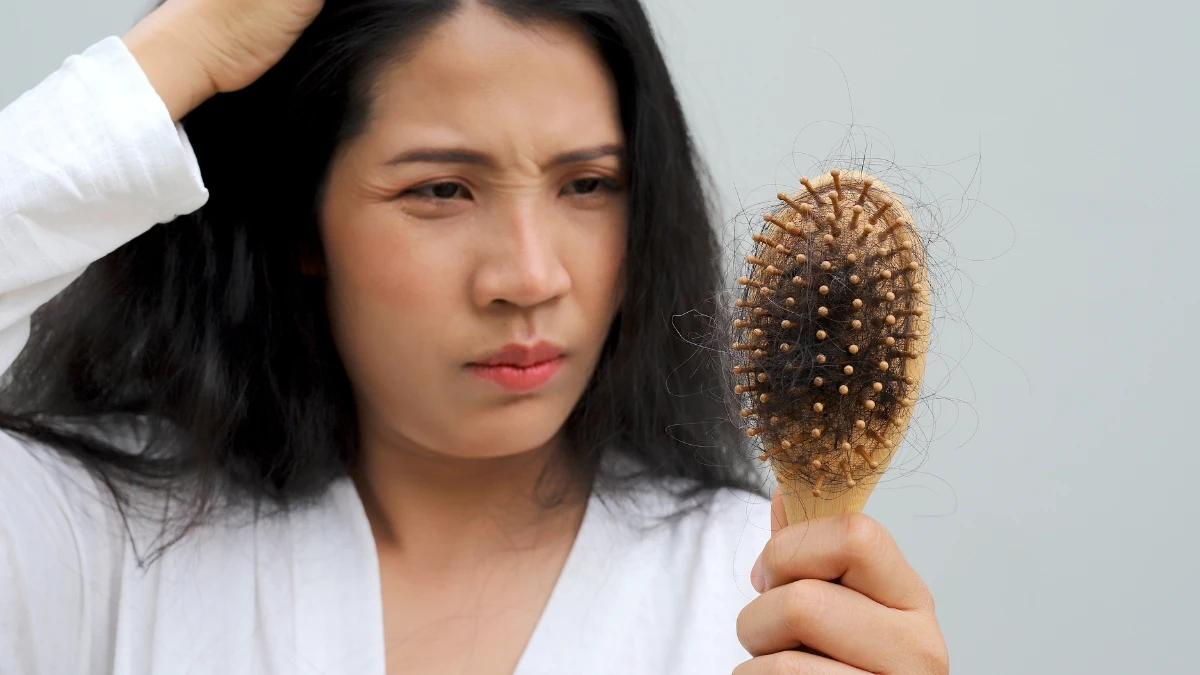
Thinning hair is often more than just a cosmetic concern—it can be a sign that your body is lacking essential nutrients. While many people assume genetics or age are to blame, the real culprits may be deficiencies in iron and protein.
Your hair, like the rest of your body, needs a steady supply of building blocks like protein and oxygen to grow and stay healthy.
When these vital nutrients are in short supply, your body prioritizes more critical functions, leaving hair growth on the back burner. Iron, stored as ferritin, plays a crucial role in oxygenating your hair follicles, while protein forms the very structure of each strand.
Is Your Hair Brush Telling You Something?
A lack of iron or protein can cause hair to thin. These nutrients are essential for hair growth, and when they are in short supply, the body diverts them to support vital organs instead of non-essential functions like producing hair.
Seeing a lot of hair in your brush or the shower drain is unsettling. For many people, thinning hair causes real anxiety. You might think it’s just genetics or getting older. But your hair can be a warning sign that your body is low on key nutrients.
About 85% of men and 33% of women will deal with some hair loss, and the market for treatments is huge. But often, the best solutions aren’t in a bottle. They’re on your plate.
This guide explains the message your hair is sending. We’ll look at two of the biggest, and most fixable, causes of thinning hair: low iron and low protein. Your hair’s health is a direct look at your overall health.
When your body doesn’t have enough building blocks (like protein) or oxygen (carried by iron), it cuts back on non-essential jobs. Hair growth is one of the first things to go. This guide will show you the science behind this, how to get a proper diagnosis, and a food plan to help you recover.
The Iron Story: Why Your Ferritin Level Is a Big Deal
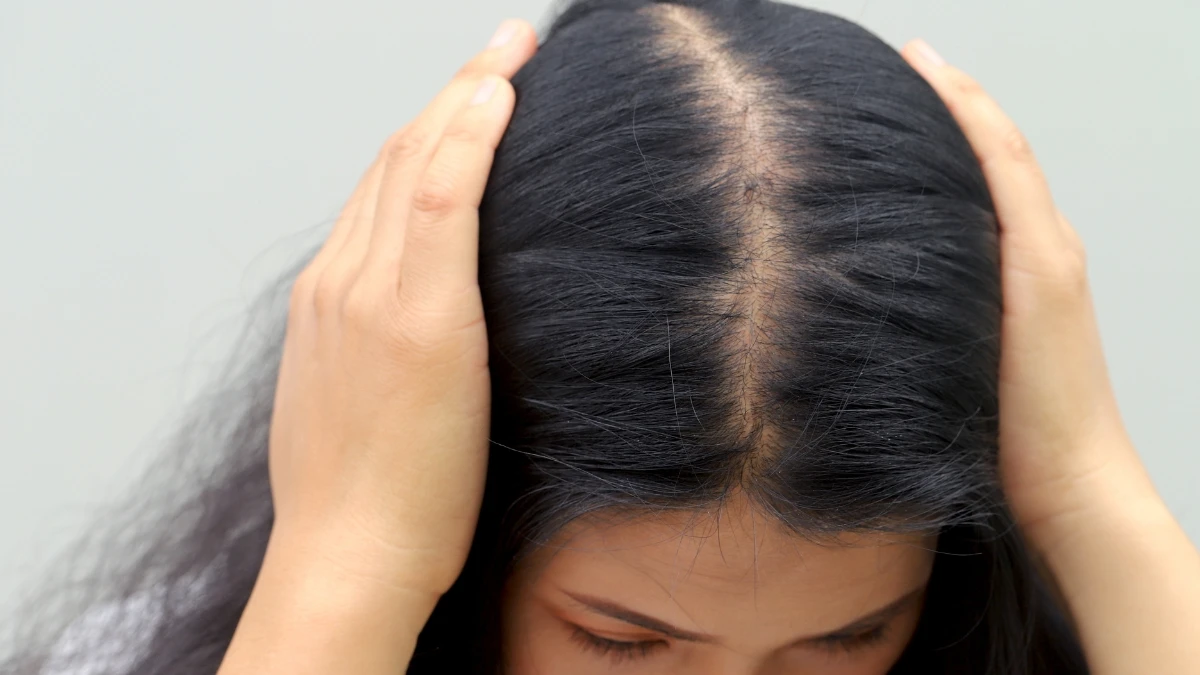
You’ve probably heard that iron is important for your hair. But it’s a bit more specific than that. The real key isn’t just the iron floating in your blood. It’s about your body’s iron savings account, a protein called ferritin.
Iron vs. Ferritin: The Difference That Matters for Your Hair
Iron is a mineral that helps red blood cells carry oxygen all over your body. Your body needs it for everything, including growing hair. But a basic iron test can be misleading if you’re losing hair. The number you really need to watch is your serum ferritin level.
Ferritin is a protein that stores iron and lets it out when your body needs it. Here’s an easy way to think about it: hemoglobin (what a normal iron test measures) is like cash in your wallet for daily needs. Ferritin is your savings account. Your body is smart. For survival, it gives vital organs first dibs on the “cash.”
Your hair follicles are not a top priority, so they have to get iron from the “savings account” (ferritin). This means you can have normal iron levels in your blood but have a totally empty savings account. This is a major, and often missed, reason for hair thinning.
How Low Ferritin Makes Your Hair Shed
To see how low ferritin causes hair loss, you first need to know the three phases of the hair growth cycle :
- Growth Phase (Anagen): This is when your hair is actively growing. It can last for years. Most of your hair (85-90%) is in this phase right now.
- Transition Phase (Catagen): A short phase where the hair follicle shrinks.
- Resting Phase (Telogen): The hair stops growing and rests for a few months before a new hair pushes it out.
The growth phase uses a lot of energy and oxygen, and both depend on having enough iron. When your ferritin levels are low, your body thinks there’s an iron shortage. To save iron for important jobs like getting oxygen to your organs, it hits the emergency brake.
It forces a lot of your hair from the growth phase into the resting phase. This is what causes the heavy shedding you see.
Here’s the important part: thinning hair is often a sign that your body is trying to prevent anemia by sacrificing something non-essential. Your body will take ferritin from your hair follicles before your blood tests show you’re anemic. This makes hair loss one of the first signs of an iron problem.
It can get even more complicated. Low ferritin can also affect your thyroid, and a poorly working thyroid is another known cause of hair loss. You could be treated for a thyroid problem when the real issue is low iron. That’s why getting the right tests is so important.
Telogen Effluvium: Giving the Problem a Name
The official name for this kind of all-over hair shedding is Telogen Effluvium (TE). It usually starts a couple of months after a trigger event. Low iron is a common trigger, but so are things like major surgery, high stress, having a baby, or crash dieting. With TE, you might lose up to 300 hairs a day, instead of the normal 50-100.
The best news about TE is that it’s almost always reversible. Once you fix the underlying problem—like getting your iron levels back up—your hair follicles will get back to their normal cycle, and your hair can grow back.
The Protein Foundation: How to Build Stronger Hair
Iron is the fuel for your hair follicles. Protein is the actual building material. If you don’t get enough protein, it hurts your hair in a different but equally bad way.
Keratin and Amino Acids: What Your Hair Is Made Of
Your hair is about 95% protein. Most of it is a tough protein called keratin. Your body makes keratin from smaller parts called amino acids, which you get from the protein you eat.
Your body can make some amino acids, but there are nine essential amino acids that you can only get from food. This means there’s a direct link between the protein on your plate and the strength of your hair.
Why Your Body Sacrifices Hair First
Just like with iron, your body has priorities when protein is scarce. It needs protein for critical jobs like repairing muscles, making hormones, and keeping your immune system strong. If you’re not eating enough, your body will send the protein it has to those jobs first. Hair growth is not essential for survival, so it gets put on the back burner.
When your body cuts the supply of amino acids to your hair, two things happen. First, like with low iron, it can trigger Telogen Effluvium and cause shedding. Second, any hair that does grow is weak. Without all the right building blocks, the keratin isn’t as strong. This shows up as hair that is dull, dry, brittle, and breaks easily.
This is a key difference. Low iron mainly messes up the hair growth cycle, causing shedding. Low protein makes the hair itself weak, on top of causing shedding. If you have both problems, which is common with a poor diet, you’ll have a lot of hair falling out and the hair that’s left will be weak. A good plan has to fix both of these issues.
How to Get Real Answers

Guessing the cause of your hair loss won’t work. But going to your doctor with the right information is a great first step. This section will guide you on the specific tests and signs that point to low iron and protein.
How to Find Out if You Have Low Iron: The Right Blood Tests
A simple “iron test” isn’t enough. To see if low iron is affecting your hair, you should ask for a full iron panel. It should include these tests:
Serum Ferritin
This is the most important one. It measures your stored iron—the “savings account” for your hair follicles.
Complete Blood Count (CBC)
This checks if your iron problem has turned into anemia.
Serum Iron
This measures the iron currently in your blood. It can change a lot based on what you just ate, so it’s less reliable than ferritin.
Total Iron-Binding Capacity (TIBC)
This measures how well a protein is carrying iron in your blood.
Transferrin Saturation
This percentage is a very good marker for iron deficiency, especially if you have inflammation that might be making your ferritin levels look higher than they really are.
A big problem is that the “normal” range for ferritin on a lab report might not be good enough for healthy hair. A level that a lab calls “low normal” could be too low to support hair growth. This table shows you the difference.
You can use this table to have a better conversation with your doctor. You can ask for a treatment plan that gets you to an optimal level for hair, not just a “normal” one.
How to Spot Signs of Low Protein
There isn’t a single blood test for low protein. It’s usually figured out by looking at your diet and other physical signs. Besides thin, brittle hair, other signs you might not be getting enough protein include :
- Brittle nails with ridges
- Feeling tired or weak all the time
- Moodiness or feeling blah
- Getting sick often or taking a long time to heal
- Frequent infections
If you notice these signs and know your diet is low in protein, it’s a strong clue that it could be part of your hair problem.
Your Plan to Rebuild: A Food Guide for Healthy Hair

Once you know what’s wrong, a smart food plan is the best way to fix it. It’s always better to get nutrients from whole foods instead of pills.
How to Refill Your Iron Savings: A Food-First Plan
To get your iron stores back up, you need to eat iron-rich foods and combine them in smart ways. There are two types of iron in food:
- Heme Iron: This is found in animal foods like meat, chicken, and fish. Your body absorbs it very easily, up to 30%.
- Non-Heme Iron: This is found in plants like beans, leafy greens, and nuts. It’s harder for your body to absorb, only about 2-10%.
The best sources of heme iron are red meat, liver, and oysters. Great sources of non-heme iron are lentils, spinach, tofu, and beans.
A Simple trick to get more out of plant-based iron: add Vitamin C. Eating foods with Vitamin C at the same meal can seriously boost how much non-heme iron your body absorbs. This table gives you some ideas.
Export to Sheets
On the other hand, some things can block iron absorption. The tannins in tea and coffee, calcium in dairy, and phytates in whole grains can get in the way. It’s a good idea to have these things at least an hour or two apart from your iron-rich meals.
How to Get Enough Protein for Strong Hair
To make sure your body has the amino acids it needs to build keratin, you have to eat enough protein. Women need about 46 grams a day, and men need about 56 grams. You might need more if you’re very active.
Try to eat complete proteins—foods that have all nine essential amino acids. Animal foods are naturally complete. You can also get all of them by combining different plant foods. This table shows some of the best sources.
What About Supplements?
You must talk to a doctor before you start taking any supplements. Taking too much of certain things, especially iron, can be harmful.
If a doctor tells you that you have an iron deficiency, especially if your ferritin is very low, food alone might not be enough to fix it quickly. In that case, your doctor will probably suggest an iron supplement and will check your blood levels to make sure you’re on the right dose.
Protein powders can be a handy way to get more protein if you find it hard to eat enough. There is no proof that whey protein causes hair loss. For most people, it’s a safe way to get more protein. But real food is always the best option because it gives you other nutrients too.
The Bigger Picture: Other Things That Help Your Hair
Iron and protein are the foundation, but healthy hair needs a mix of nutrients and good overall health. A diet that’s low in one thing is often low in others. Here are a few other key players:
- Zinc: This mineral helps with hair tissue growth and repair. A zinc deficiency can cause hair loss.
- Vitamin D: Some studies show Vitamin D helps create new hair follicles. Low levels have been linked to hair loss.
- B Vitamins: Biotin (B7) is needed to make keratin, and B12 helps create red blood cells that carry oxygen to your scalp. Not having enough can lead to thinning hair.
Also, it’s important to remember that high levels of stress can trigger Telogen Effluvium. Sometimes stress is the main problem, and other times it makes hair loss from a nutrient deficiency even worse. A good plan for recovery includes both a better diet and ways to manage stress.
Conclusion
Thinning hair is more than just a cosmetic issue. It’s a signal from your body that you should pay attention to. Now you know that your body puts survival first. When it’s low on nutrients, hair growth is one of the first things it shuts down. Low iron stores (measured by ferritin) and not enough protein are two of the biggest and most fixable reasons for this.
This guide should help you have a good, informed talk with a doctor, dermatologist, or dietitian. A personal plan based on your lab results and diet is the best way to fix the root cause of your thinning hair, rebuild your body’s nutrient foundation, and get your hair back to being healthy and strong.