
For many, brittle, peeling, or splitting nails are a persistent and frustrating cosmetic annoyance. Despite investments in strengthening polishes, moisturizing creams, and dietary supplements, the problem often remains, leaving individuals searching for a solution that addresses more than just the surface.
May not be found in the beauty aisle but rather deep within the body’s core systems. Emerging evidence and expert consensus increasingly point to a profound connection between the state of one’s nails and the health of the gastrointestinal tract—a concept known as the “gut-nail axis”.
Nails are not merely inert shields for the fingertips; they are complex structures that serve as mirrors of internal health. Their condition can provide valuable insights into systemic functions, particularly nutritional status and digestive efficiency.
Your Nails Are Sending You a Message About Your Gut
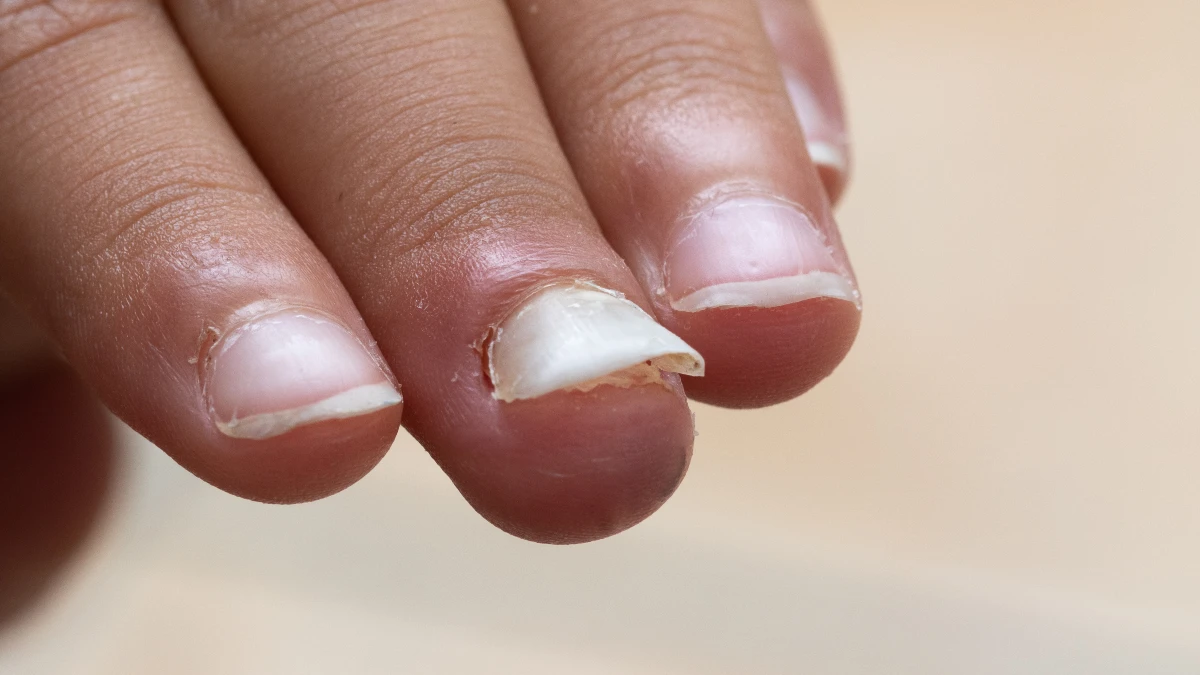
Are you tired of nails that peel, split, or feel brittle? You’ve probably tried all the creams, polishes, and supplements. But the problem doesn’t go away. This is a frustrating issue for many people.
The solution might not be in a bottle. It could be inside your body. More and more, experts see a strong link between your nails and your gut health. This is called the “gut-nail axis.”
Your nails are more than just shields for your fingertips. They act like mirrors, showing what’s happening inside you. They can tell you a lot about how well you digest food and get nutrients. Naturopathic doctor Sara Norris says, “nail health is most often an indicator of poor nutritional intake or poor digestion”.
Things like washing your hands a lot or using harsh chemicals can weaken your nails. But if the problem won’t go away, and it affects both your fingernails and toenails, the cause is likely internal. When lotions and polishes fail, you need to look deeper. Your gut is in charge of absorbing the nutrients that build strong nails.
This article will show you the science behind the gut-nail link, help you read the signs your nails are sending, and give you a clear plan to build healthier nails from the inside out.
What Are Your Fingernails Trying to Tell You?
Brittle nails are just one sign. Your nails can change in texture, shape, and color. These changes are clues to problems inside your body. When you learn to spot these signs, you can connect them to possible gut issues. Each change tells a story about what your body needs.
Brittle or Splitting Nails (Onychoschizia) This is the most common nail problem. Your nails might crack easily or peel in layers. Sometimes, this is from getting your hands wet and dry too often.
But if it’s a long-term problem, it could be from internal issues like a thyroid problem or a lack of iron, zinc, or vitamin B12. Poor gut health can make it hard for your body to absorb these nutrients.
Spoon Nails (Koilonychia) This is when your nails are thin, soft, and curve up like a spoon. It’s a classic sign that you are low on iron. This often happens to people with gut problems like inflammatory bowel disease (IBD) or celiac disease. These conditions cause swelling in the gut that blocks iron from being absorbed.
Horizontal Ridges (Beau’s Lines) These are grooves that run across your nail. They show that your nail growth stopped for a short time. This can happen if you have a high fever, a bad infection, or are under a lot of stress. It can also be a sign that you are very low on zinc. Your body needs zinc to grow new cells, and a healthy gut is needed to absorb it.
White Lines (Muehrcke’s Lines) These are not the same as white spots from an injury. Muehrcke’s lines are pairs of white bands across the nail that don’t grow out. They are a sign of low protein (albumin) in your blood.
This can happen if you are not eating enough or if your gut is leaking protein because of a digestive disorder. A lack of zinc and niacin (vitamin B3) can also be a cause.
Nail Clubbing This is a major sign where your fingertips get bigger and the nails curve down around them. It can be a sign of serious heart or lung problems. But it is also a known sign of IBD, like Crohn’s disease and ulcerative colitis. About 15% of people with ulcerative colitis might see this change.
| Nail Sign (Description) | Medical Term | What You Might Be Lacking | Possible Gut Problem |
| Nails easily crack, peel, or split. | Onychoschizia | Iron, Zinc, Vitamin B12 | Poor absorption, SIBO, Thyroid issues |
| Nails are thin, curved up like a spoon. | Koilonychia | Iron | Inflammatory Bowel Disease (IBD), Celiac Disease |
| Grooves run sideways across the nail. | Beau’s Lines | Zinc | Major illness, Not enough food |
| Paired white bands that don’t grow out. | Muehrcke’s Lines | Protein (Albumin), Zinc, Niacin (B3) | Leaky gut, Celiac Disease, IBD |
| Fingertips get bigger, nails curve down. | Nail Clubbing | Not from a specific lack; from long-term swelling. | Inflammatory Bowel Disease (IBD), Liver Disease |
How a Troubled Gut Can Starve Your Nails
The link between a bad gut and bad nails is not a coincidence. It happens when your body’s supply chain for growth breaks down. First, you need to know what a healthy nail needs. Nails are made of a strong protein called keratin. They also need minerals like iron, zinc, calcium, and magnesium to be strong.
When you are healthy, your gut breaks down food and absorbs these building blocks. The good bacteria in your gut, called the microbiome, help with this process. But when your gut is not healthy, the system stops working right. Things like processed foods, stress, or sickness can mess up your gut bacteria and harm the lining of your intestines. This leads to two main problems.
First, an unhealthy gut can cause long-term, low-level swelling (inflammation). This swelling messes with digestion. It also makes it harder for your body to use nutrients. This means less supply for things like your nails.
Second, this swelling can lead to a “leaky gut”. The lining of your gut is supposed to be a strong barrier. It lets good nutrients in and keeps bad things out. When the barrier gets weak, toxins and bits of food can leak into your blood. This makes your immune system react, causing more swelling all over your body.
The final result is that your body can’t absorb nutrients properly. This is called malabsorption. You could eat a perfect diet, but if your gut is sick, it can’t get the nutrients to where they need to go.
When your body is low on supplies, it makes a choice. It sends nutrients to your vital organs first. Your hair, skin, and nails are last in line. That’s why they are often the first to show signs of a problem. Your nails are a great indicator of your gut health.
4 Gut Problems That Can Ruin Your Nails
While many gut issues can cause weak nails, a few specific conditions are known for blocking nutrient absorption. Each one messes with your body’s supply chain in a different way.
Small Intestinal Bacterial Overgrowth (SIBO)
SIBO happens when too many bacteria grow in your small intestine. This part of your gut should have few bacteria. These extra bacteria steal nutrients from your food before your body can absorb them.
They especially take fat-soluble vitamins (A, D, E), iron, and vitamin B12. When you lack these nutrients, you might feel tired, have hormone issues, and see your skin, hair, and nails get worse.
Inflammatory Bowel Disease (IBD: Crohn’s & Colitis)
IBD includes Crohn’s disease and ulcerative colitis, which cause long-term swelling in the gut. This swelling damages the gut lining, so it can’t absorb nutrients well. Bleeding in the gut can also cause you to lose a lot of iron.
People with IBD often lack many nutrients. Low iron is common and can lead to spoon-shaped nails. A lack of zinc and B12 can make nails brittle. The swelling from IBD can also cause other body-wide signs, like nail clubbing.
Low Stomach Acid (Hypochlorhydria)
Many people overlook this problem. Hypochlorhydria means you don’t have enough acid in your stomach. Stomach acid is the first step in digestion. It breaks down proteins and kills germs. It’s also needed to absorb minerals like iron, calcium, and zinc.
Without enough acid, your body can’t break down protein to make keratin for your nails. It also can’t absorb the minerals needed for strong nails. This can lead to brittle nails and hair loss.
Celiac Disease & Gluten Sensitivity
Celiac disease is an autoimmune issue. When someone with celiac eats gluten, their immune system attacks the small intestine. This damages the parts of the gut that absorb nutrients.
A sensitivity to gluten can still cause gut swelling. In both cases, your body can’t absorb nutrients well. This can show up in your nails as spoon nails from low iron, white lines from low protein and zinc, or just overall brittle nails.
Your 3-Step Plan to Fix Your Nails from the Inside
Fixing brittle nails means you have to fix your gut. A simple polish won’t work. This three-step plan can help you restore your gut and rebuild strong nails. You should talk with a doctor to make sure this plan is right for you.
Step 1: Eat Foods That Heal Your Gut
A healthy gut starts with the right food. You need a diet that feeds good bacteria, lowers swelling, and gives you the building blocks to repair your gut and nails.
Eat Probiotic and Fermented Foods
These foods add good bacteria to your gut. Try plain yogurt, kefir, sauerkraut, kimchi, and miso.
Get More Fiber and Prebiotics
Prebiotics are fibers that feed your good gut bacteria. Eat lots of different fruits, vegetables, whole grains, and beans to keep your gut happy.
Choose Foods That Build Strong Nails
Make sure you eat foods with the right nutrients for nail strength. The table below shows you what to eat.
Avoid Foods That Cause Swelling
Processed foods, sugar, and unhealthy fats can feed bad gut bacteria and cause swelling. Eating less of these foods helps your gut heal.
| Nutrient/Food Type | Why It’s Important | Where to Find It |
| Protein | Gives you the building blocks for keratin, the main part of your nails. | Chicken, turkey, fish, eggs, lentils, chickpeas, tofu. |
| Iron | Carries oxygen to your nails to help them grow. A lack of iron causes spoon nails. | Red meat, liver, lentils, spinach. Eat with vitamin C (like oranges) to absorb it better. |
| Zinc | Helps cells grow and is important for a healthy gut barrier. | Oysters, pumpkin seeds, chickpeas, cashews. |
| Biotin (Vitamin B7) | Helps make keratin stronger, which makes nails thicker and less brittle. | Eggs, almonds, nuts, seeds, sweet potatoes. |
| Magnesium | Helps make the protein needed for nail growth. A lack of it can cause flaky nails. | Spinach, almonds, pumpkin seeds, black beans, avocado. |
| Probiotics | Good bacteria that balance your gut, helping you digest food and absorb nutrients. | Plain yogurt, kefir, sauerkraut, kimchi, kombucha. |
Step 2: Use Supplements Wisely (Test, Don’t Guess)
Food should always come first. But sometimes you need supplements to fix a major lack of nutrients. Don’t just guess what you need. Ask a doctor to run blood tests to see what you’re missing. Taking supplements you don’t need, like iron, can be harmful. Based on tests, a doctor might suggest:
- L-Glutamine: An amino acid that helps repair the gut lining.
- Vitamin D: Helps you absorb calcium and supports your immune system.
- Zinc: A common nutrient people with gut problems lack.
- Probiotics: Certain types of good bacteria can help reduce swelling and fix a leaky gut.
- Biotin: A popular supplement for nails, but it works best if you are actually low on it.
Step 3: Make Lifestyle Changes for a Healthy Body
Your gut health is about more than just food. Your lifestyle matters too.
Manage Stress
Long-term stress is bad for your gut bacteria. It can also reduce blood flow to your nails and use up important nutrients. Try meditation, deep breathing, or yoga to lower your stress.
Get Enough Sleep
Sleep is when your body repairs itself, including your gut. Not enough sleep can mess up your gut bacteria and increase swelling.
Stay Hydrated
Your nails need water to be strong. They get brittle if they are less than 16% water. Water is also key for good digestion.
When Should You See a Doctor?

This action plan is a great start. But you can’t diagnose yourself. If your nail problems don’t go away, or if you also have gut symptoms like bloating, pain, or tiredness, it’s time to see a professional. A doctor can help you find the real cause.
Who to See
Gastroenterologist
A gut specialist who can diagnose problems like IBD, celiac disease, and SIBO.
Dermatologist
A skin, hair, and nail doctor who can check for other causes like a fungal infection and confirm if your nail issues point to a bigger health problem.
Registered Dietitian (RDN)
A nutrition expert who can create a personal diet plan to fix nutrient gaps and heal your gut.
What Tests to Ask About
Blood Tests
A doctor can check your blood for low levels of iron, vitamin B12, vitamin D, and zinc. You can buy some tests yourself, but a doctor should always explain the results.
SIBO Breath Test
This simple test measures gases in your breath to check for too many bacteria in your small intestine.
Stool Analysis
An advanced stool test can show the health of your gut bacteria, check for bad bugs, and measure swelling.
Intestinal Permeability Tests
A blood test can measure markers like zonulin to see if you have a “leaky gut”.
With this information, you can work with your doctors to find out what’s really going on.
Fix Your Gut, Fix Your Nails
It’s clear that your nail health is tied to your gut health. Brittle nails are not just a beauty problem. They are a sign from your body that something is wrong on the inside. The gut-nail axis shows how problems with digestion and absorption can show up on your fingertips.
When you learn to read these signs, you can get clues about your health. You can see how a troubled gut leads to starved nails.
The key to strong nails is not a new polish. It’s about healing your body from the inside. A plan that includes good food, smart supplements, and healthy lifestyle habits can fix the root cause.
When you take care of your gut, you rebuild your body’s supply chain. This makes sure all your parts, including your nails, get the nutrients they need to be strong. Seeing your nails this way turns a frustrating problem into a reason to take action for your health.