
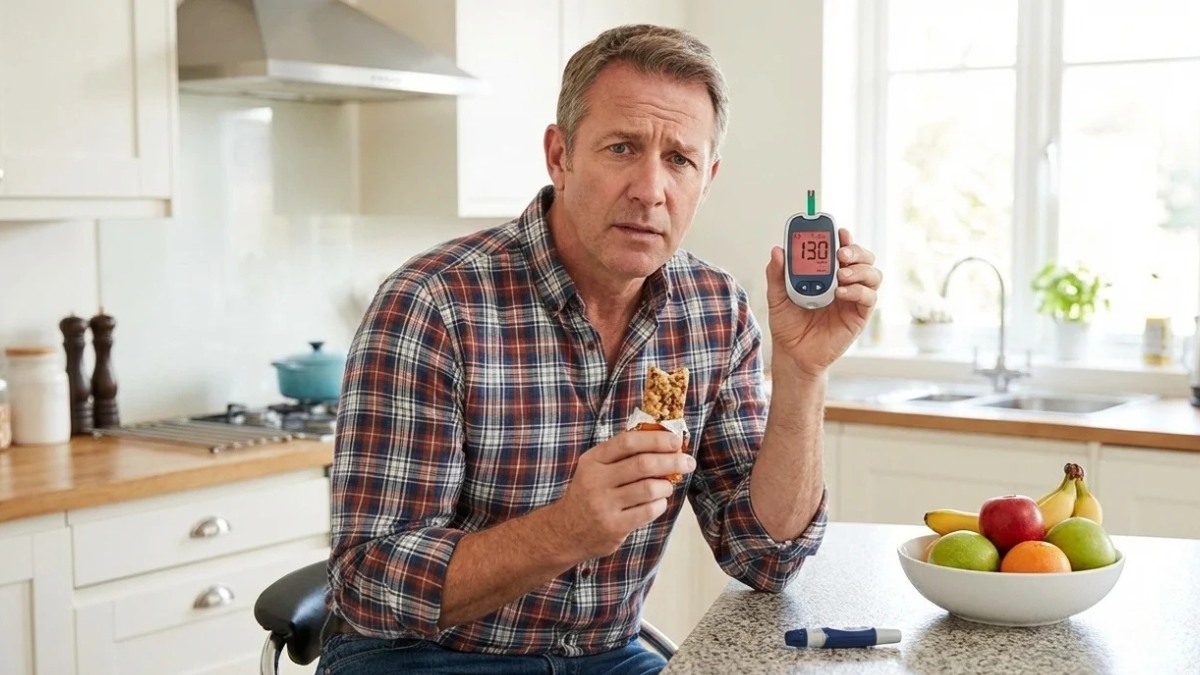
You’ve done everything right. You swapped the white bread for whole wheat, you chose agave over sugar, and fat-free flavored yogurt is your go-to snack.
So why is your A1c still climbing? It’s one of the most frustrating feelings in diabetes management: trying your best but not seeing the results in your blood sugar levels.
You’re not imagining it, and you’re not failing. You’ve just fallen for the “health halo”—the deceptive marketing that makes certain foods seem healthy when they’re actually sabotaging your A1c management.
This isn’t about blame. It’s about knowledge. Backed by insights from endocrinologists and clinical data.
This guide will expose 15 so-called “diabetic-friendly” foods that are often loaded with hidden sugars in food. Let’s pull back the curtain.
Understanding the Glycemic Lie Why “Healthy” Doesn’t Mean “Good for Diabetes”
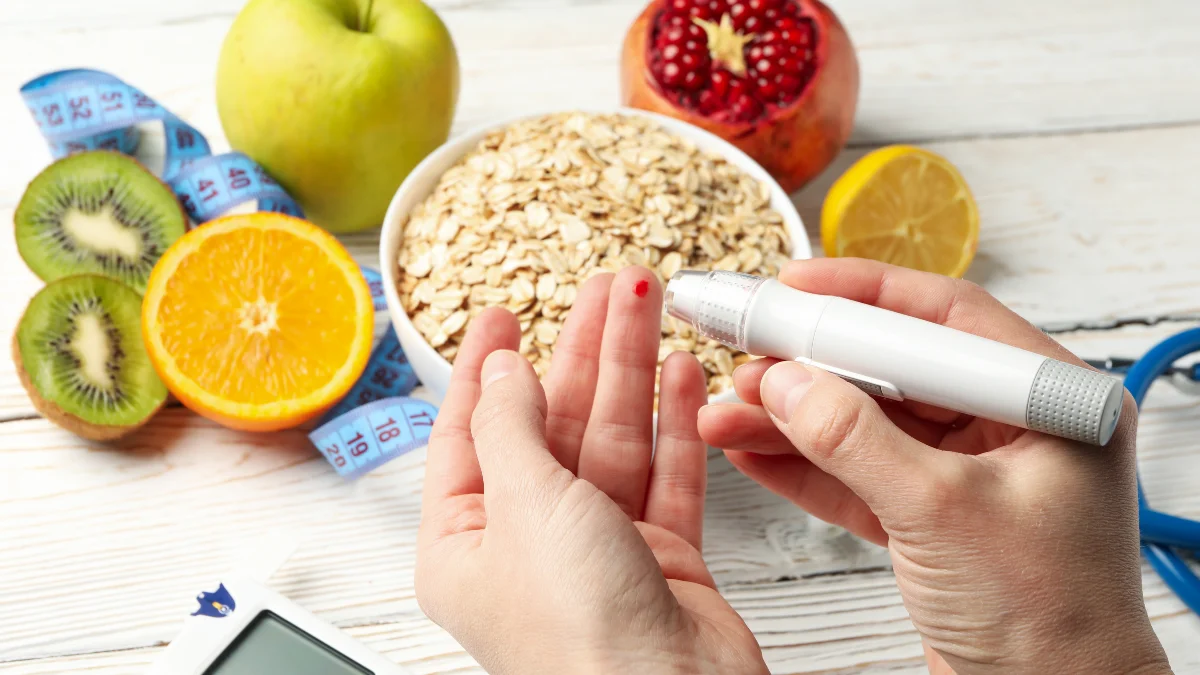
Before we dive into the list, we need to understand one key concept: not all carbs are created equal.
You’ve probably heard of the Glycemic Index (GI), a scale that ranks foods on how quickly they raise blood sugar. But that’s only half the story.
Endocrinologists often focus more on the Glycemic Load (GL), which considers both the speed (GI) and the amount of carbs in a typical serving.
Think of it like this: GI is the speed of the car, but GL is the total traffic it creates in your bloodstream. A food can be medium-GI but have a huge GL if you eat a large portion.
Here’s the trap: food manufacturers are masters of manipulation. They’ll strip out fat and replace it with sugar to improve the taste.
They’ll use “healthy” sounding sugars and flours that hit your bloodstream just as fast as the “bad” stuff.
At the end of the day, your body doesn’t care if the sugar came from a “natural” source or a candy bar. A spike is a spike. Now, let’s look at the specific culprits.
The 15 “Diabetic-Friendly” Foods Spiking Your Blood Sugar
Get ready to re-examine your pantry. Some of these might surprise you.
1. Oatmeal
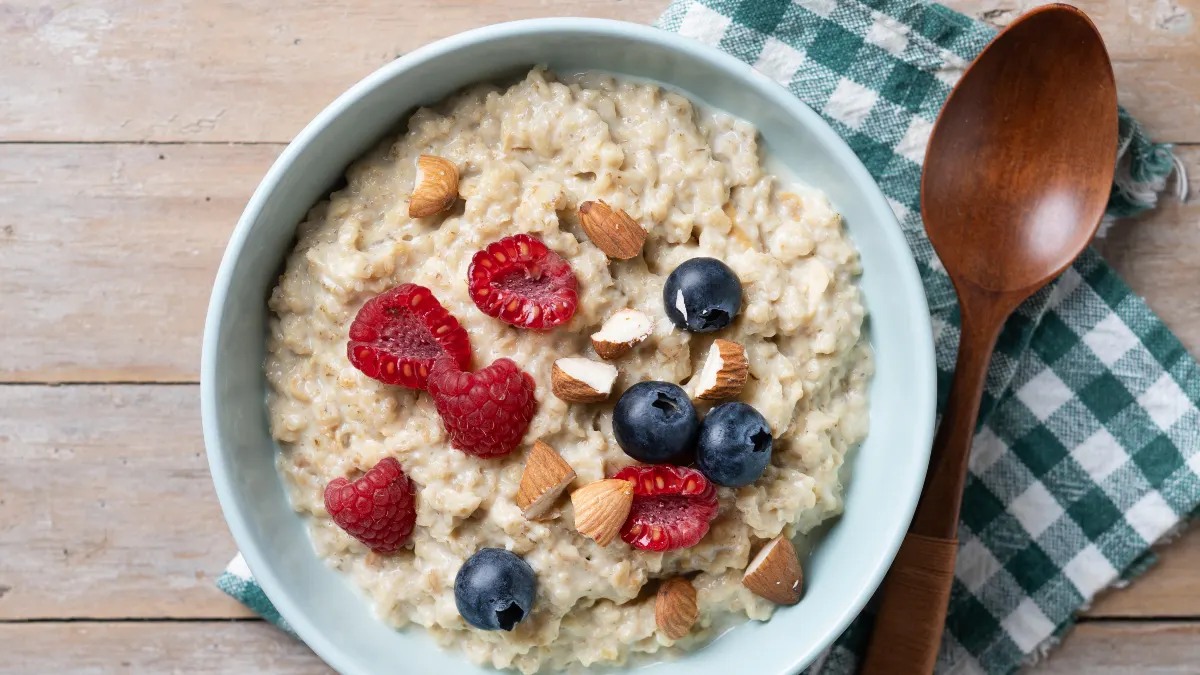
- The Claim: It’s the ultimate heart-healthy, high-fiber breakfast to lower cholesterol.
- The Reality: Especially the instant, flavored packets. These are highly processed, stripping away much of the fiber and bran. The result? A bowl of fast-digesting carbs. Some instant oatmeals have a GI as high as 79 (table sugar is 65). It delivers a rapid glucose spike, followed by a crash.
- The Smart Swap: Steel-cut oats (cooked in small portions) or, even better, a chia seed pudding with berries and nuts.
2. Agave Nectar

- The Claim: A natural, low-glycemic sweetener from a plant. Sounds perfect, right?
- The Reality: Agave nectar is extremely high in fructose—up to 85%, which is more than high-fructose corn syrup. While it doesn’t spike glucose immediately (because fructose is processed in the liver), endocrinologist Dr. Robert Lustig and others have shown that high fructose intake can drive insulin resistance and fatty liver disease, which is disastrous for long-term A1c management.
- The Smart Swap: Monk fruit sweetener or pure stevia.
3. Brown Rice
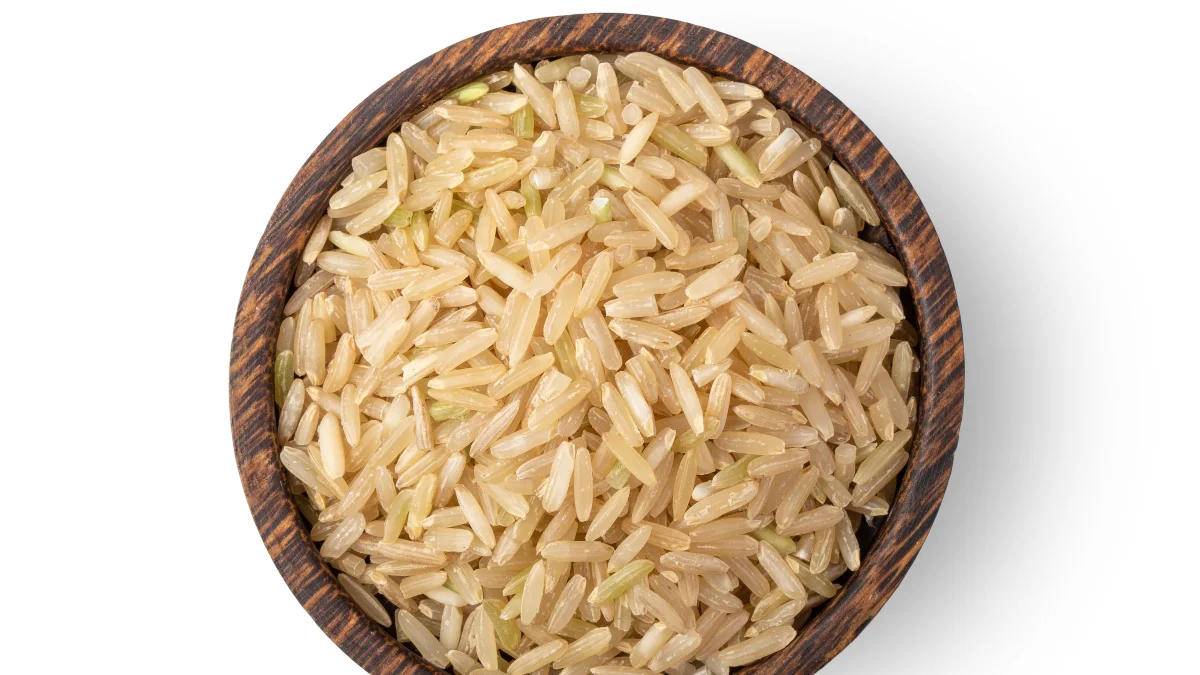
- The Claim: It’s the “healthy” whole-grain alternative to white rice.
- The Reality: Better, but not benign. Brown rice is still a carb-dense food. One cooked cup packs around 45-50 grams of carbohydrates. For many people with diabetes, that’s their entire carbohydrate budget for a meal, and it will cause a significant rise in blood sugar levels.
- The Smart Swap: Cauliflower rice, broccoli rice, or quinoa (in very small portions).
4. Whole Wheat Bread
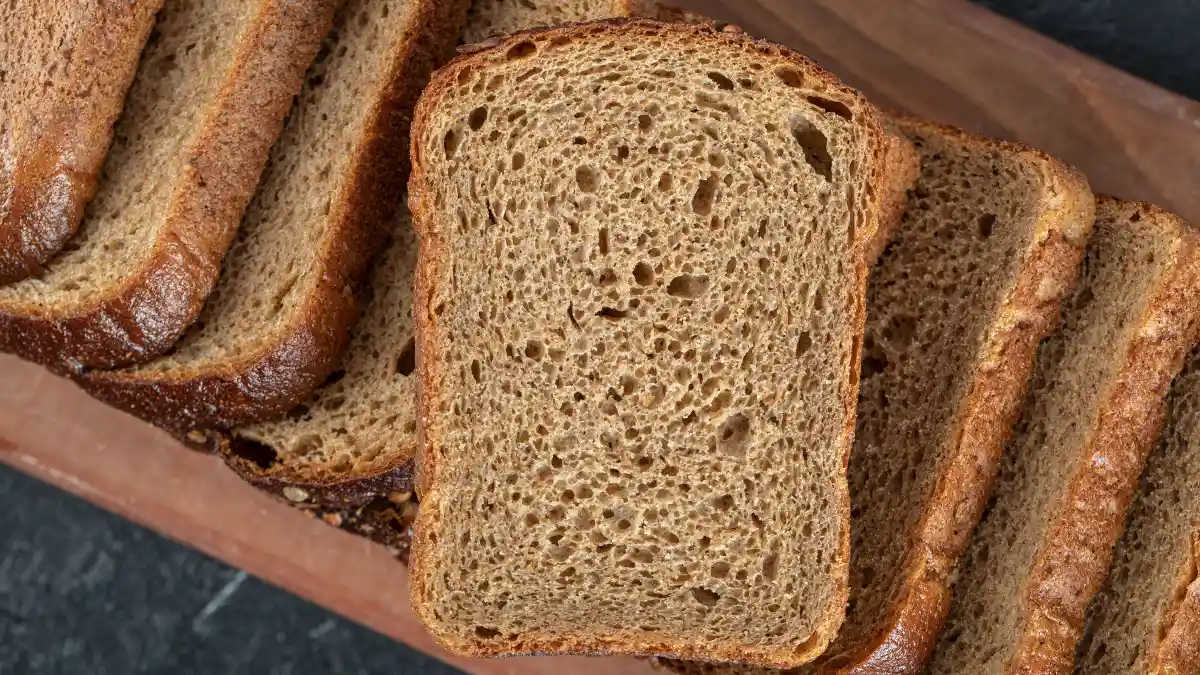
- The Claim: It’s a whole grain, full of fiber and nutrients.
- The Reality: Look at the ingredients. Many popular “whole wheat” breads list “wheat flour” as the first ingredient, not “whole wheat flour.” More importantly, most modern wheat has been milled into a very fine flour. This ultra-fine texture gives it a GI that is often identical to white bread, causing a sharp blood sugar spike.
- The Smart Swap: True low-carb bread made with almond or coconut flour, or lettuce wraps.
5. “Sugar-Free” Packaged Snacks
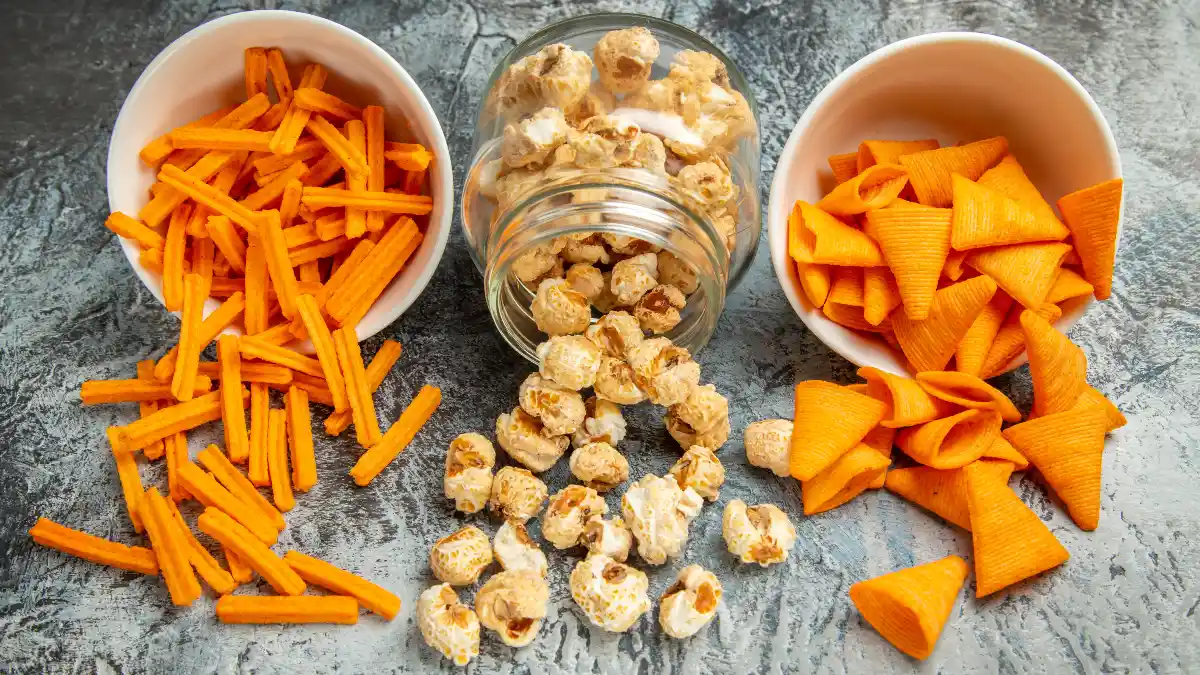
- The Claim: “Zero Sugar!” is written right on the front.
- The Reality: To make these snacks sweet, companies use sugar alcohols like maltitol and sorbitol. While they have fewer calories, they are not carb-free and can still raise blood sugar in many people. Maltitol, a common one, has a GI of 35—not zero. Plus, they can cause significant bloating and digestive distress.
- The Smart Swap: A small handful of almonds, macadamia nuts, or olives.
6. Bananas and Grapes
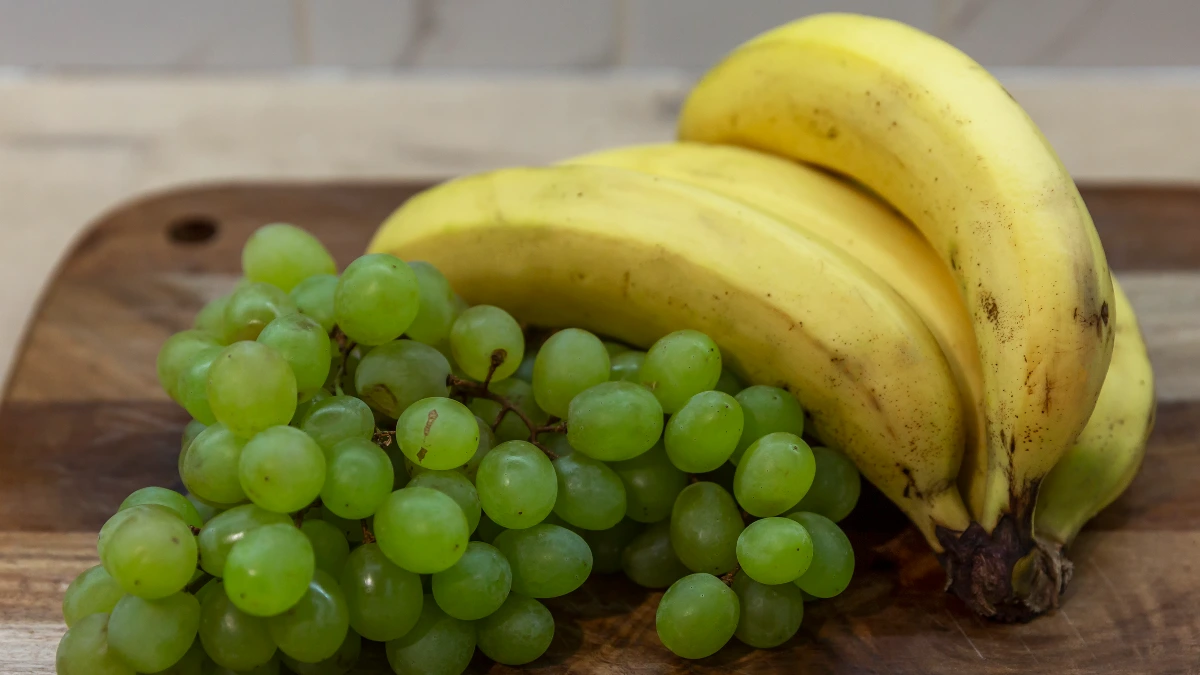
- The Claim: They’re natural fruits, full of potassium and vitamins!
- The Reality: You could call them nature’s candy. They are very high in sugar compared to other fruits. A single medium banana contains about 27 grams of carbs, and a cup of grapes has about 23 grams. They are essentially a concentrated sugar hit.
- The Smart Swap: Berries like raspberries, blackberries, and strawberries, which are high in fiber and lower in sugar.
7. 100% Fruit Juice
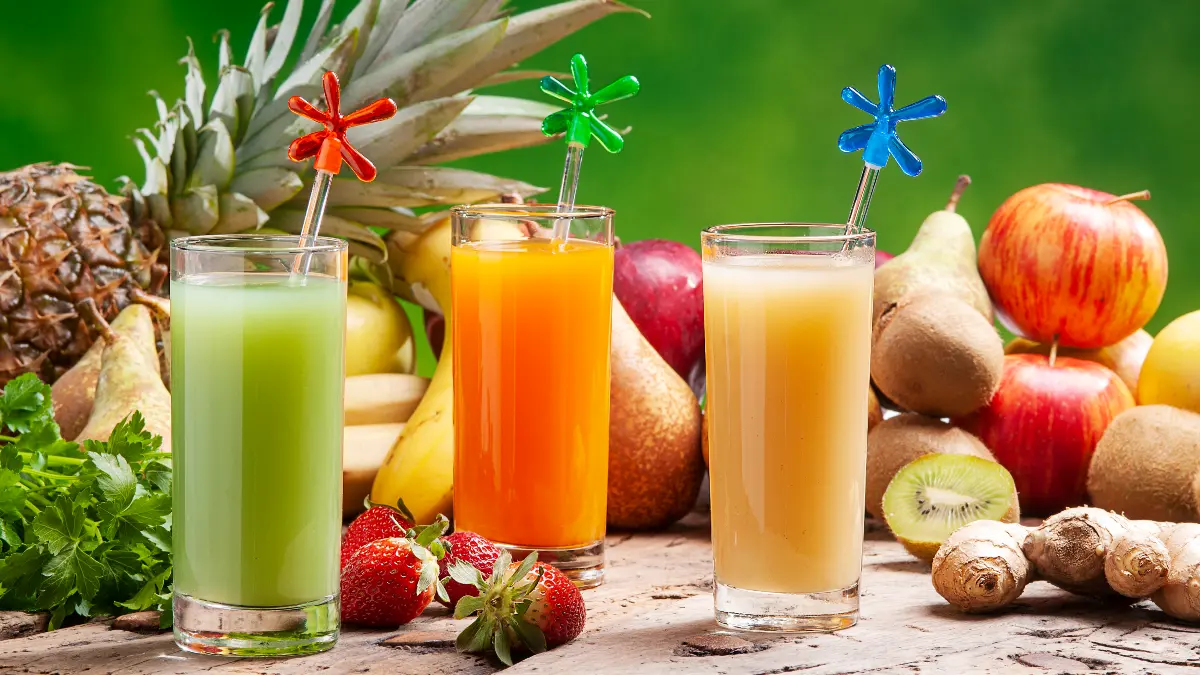
- The Claim: It’s “all-natural” and gives you a full serving of fruit.
- The Reality: Drinking a glass of orange juice is metabolically similar to drinking a can of soda. You get the sugar of 4-5 oranges with absolutely none of the fiber that would normally slow down its absorption. It’s a guaranteed blood sugar rocket.
- The Smart Swap: Water infused with lemon or berries. Or, eat one whole orange.
8. Low-Fat Flavored Yogurt

- The Claim: It’s low in fat and a great source of protein and probiotics.
- The Reality: When manufacturers remove fat, they destroy the flavor and texture. Their solution? Pump it full of sugar. A small container of fruit-on-the-bottom yogurt can have more sugar than a donut, often between 15-25 grams.
- The Smart Swap: Plain, full-fat Greek yogurt. Add a few raspberries yourself if you need sweetness.
9. Gluten-Free Products
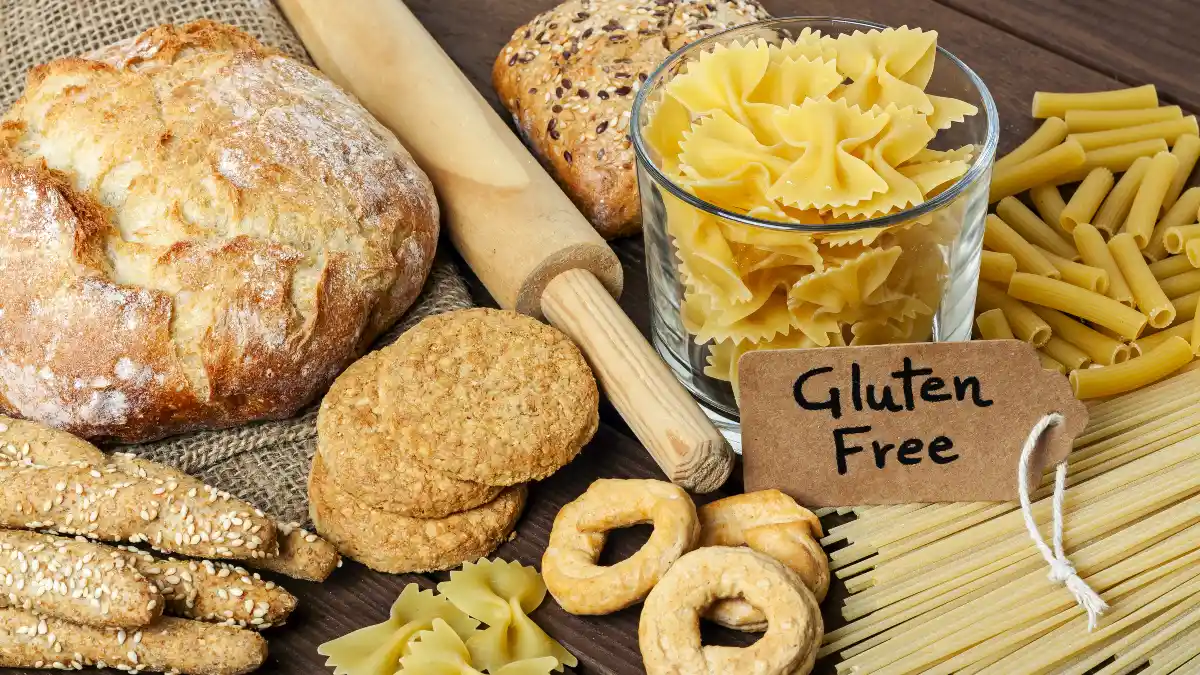
- The Claim: Gluten-free has become synonymous with “healthy.”
- The Reality: For anyone without Celiac disease, this is a dangerous trap. Gluten-free breads, pastas, and snacks are often made from high-glycemic flours like rice flour, potato starch, and tapioca starch. These can spike blood sugar even faster and higher than their wheat-based counterparts.
- The Smart Swap: Stick to naturally gluten-free foods like meat, fish, and vegetables, not processed substitutes.
10. Protein & Energy Bars
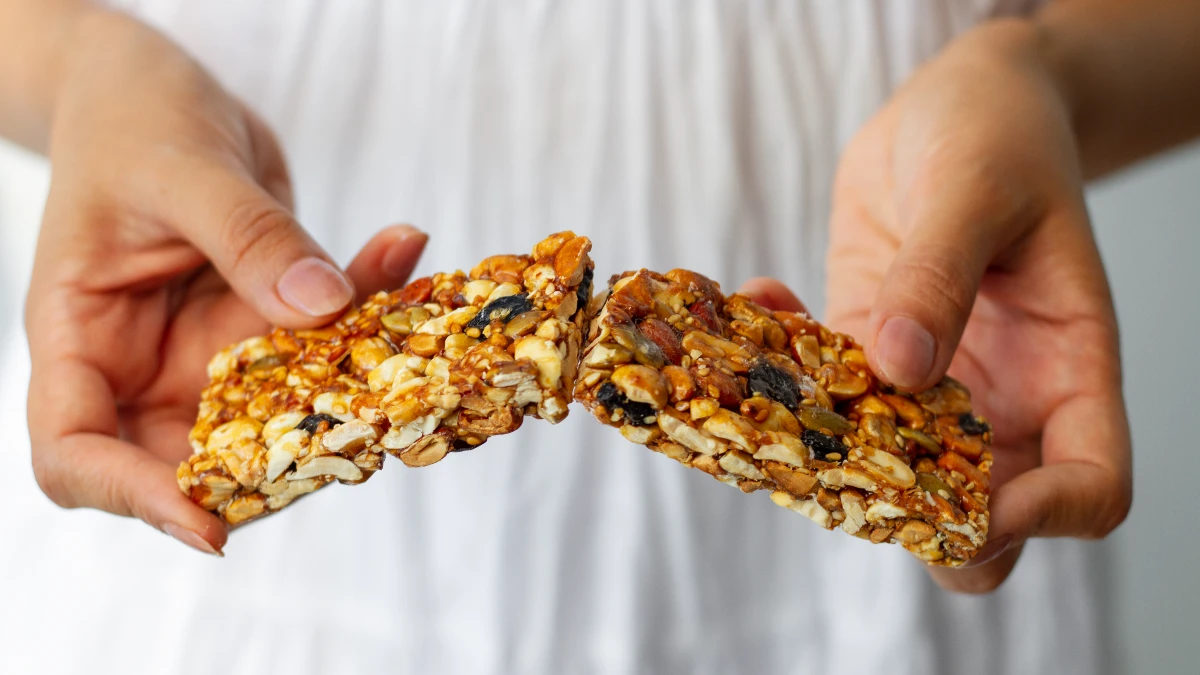
- The Claim: A perfect post-workout or on-the-go meal replacement.
- The Reality: Most are candy bars in disguise. Flip over that “low sugar” bar and check the total carbohydrates. Many contain syrups, fruit purees, and fillers that add up to 20-40 grams of carbs. The protein does little to slow down the sugar spike from these ingredients.
- The Smart Swap: A handful of walnuts and a hard-boiled egg.
11. Dried Fruit
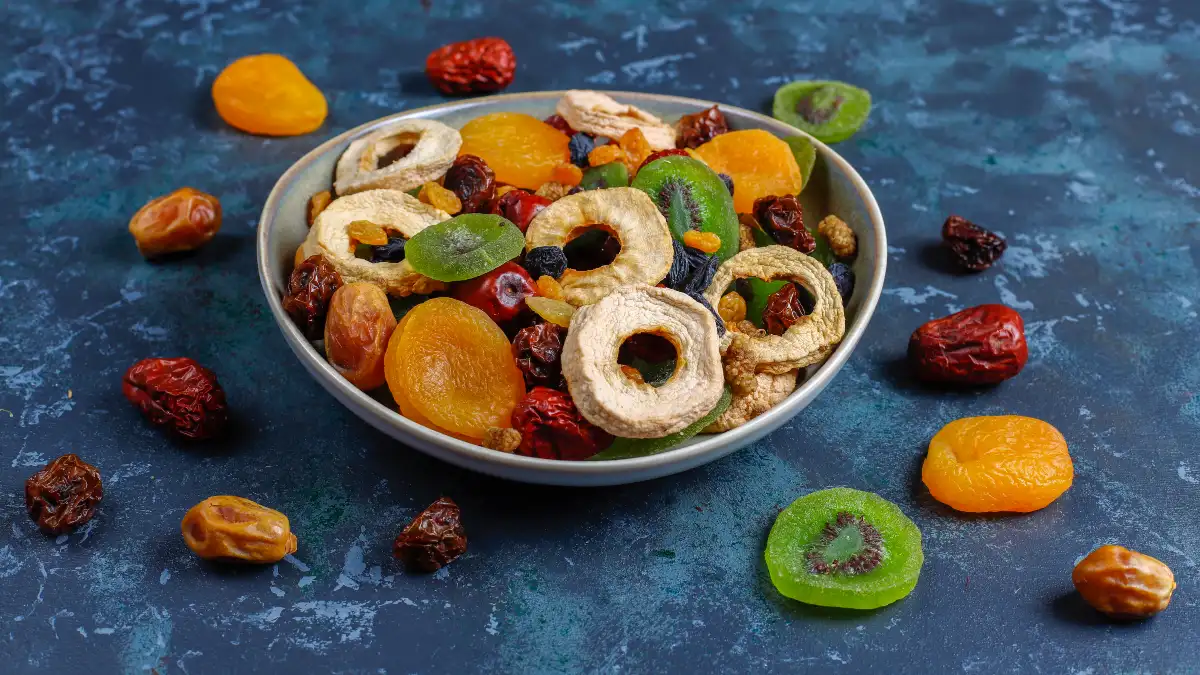
- The Claim: A convenient, high-fiber snack.
- The Reality: Drying fruit is a process of removing water and concentrating sugar. A small box of raisins is a sugar bomb. By weight, raisins are over 70% sugar. It’s incredibly easy to overeat them, leading to a massive glucose surge.
- The Smart Swap: A small handful of fresh blueberries or a few slices of a green apple.
12. “Diabetic” Cookies and Sweets
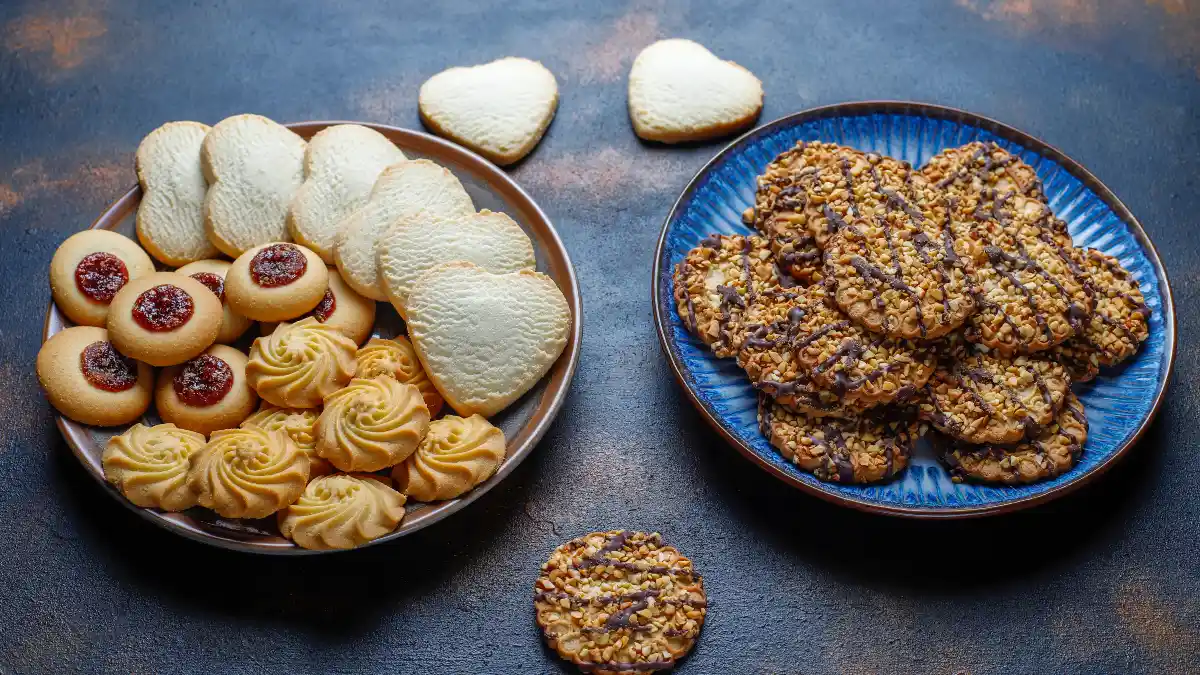
- The Claim: Specially formulated for people with diabetes.
- The Reality: This is pure marketing. These products often use refined flours and sugar alcohols (see #5) that still impact blood sugar. The serving sizes are also deceptively small. The “diabetic” label gives a false sense of security, encouraging you to eat something you’d otherwise avoid.
- The Smart Swap: Bake your own treats using almond flour and a zero-glycemic sweetener like erythritol.
13. Corn and Peas
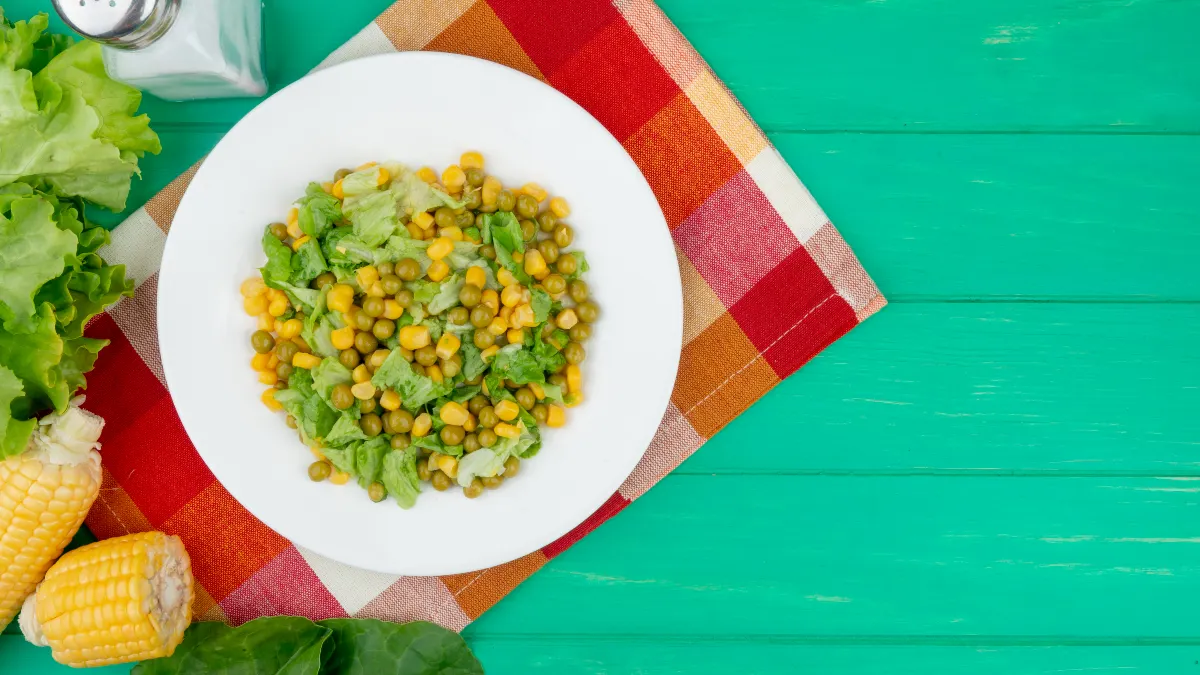
- The Claim: They’re vegetables! What could be wrong?
- The Reality: They are starchy vegetables, meaning they behave much more like grains in your body. A cup of corn has nearly as many carbs as a cup of pasta. While they contain nutrients, they are not “free” foods and must be counted carefully as a primary carb source.
- The Smart Swap: Non-starchy vegetables like broccoli, spinach, bell peppers, and zucchini.
14. Sports Drinks
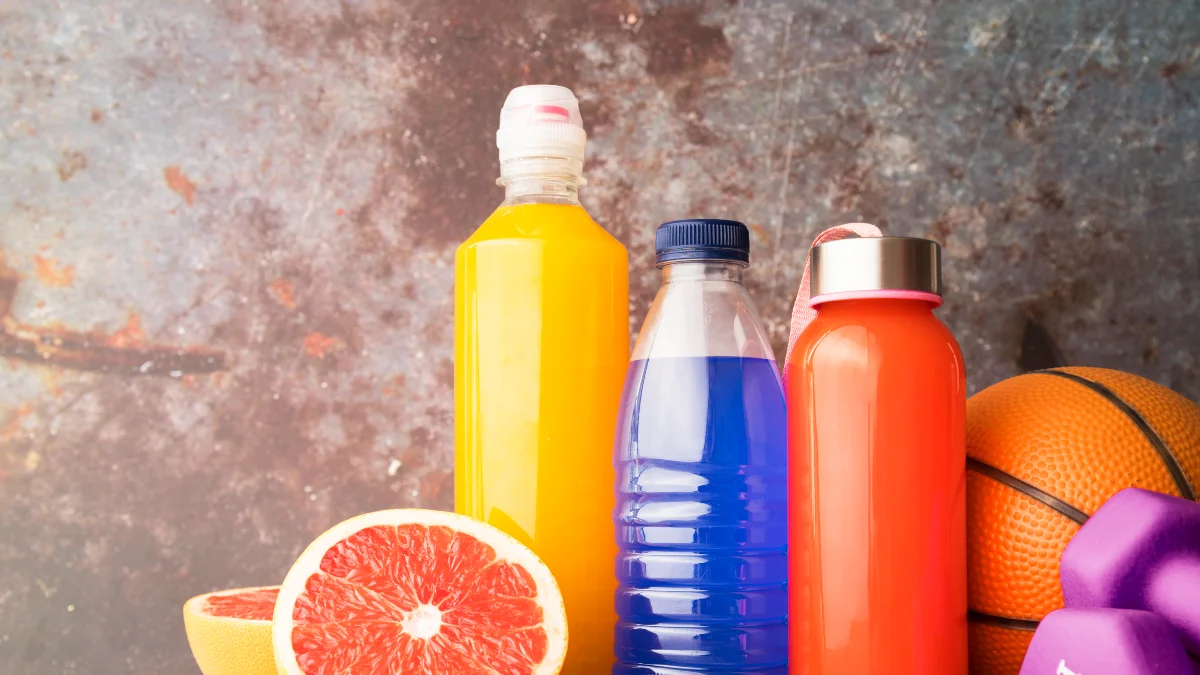
- The Claim: They replenish electrolytes and provide energy for an active lifestyle.
- The Reality: Unless you are a professional athlete running a marathon, you do not need a sports drink. They are designed to deliver sugar to your bloodstream as fast as possible. A standard bottle contains a shocking amount of sugar, often as much as a can of soda.
- The Smart Swap: Water with a pinch of sea salt and a squeeze of lime to get electrolytes without the sugar.
15. Pre-Made Smoothies
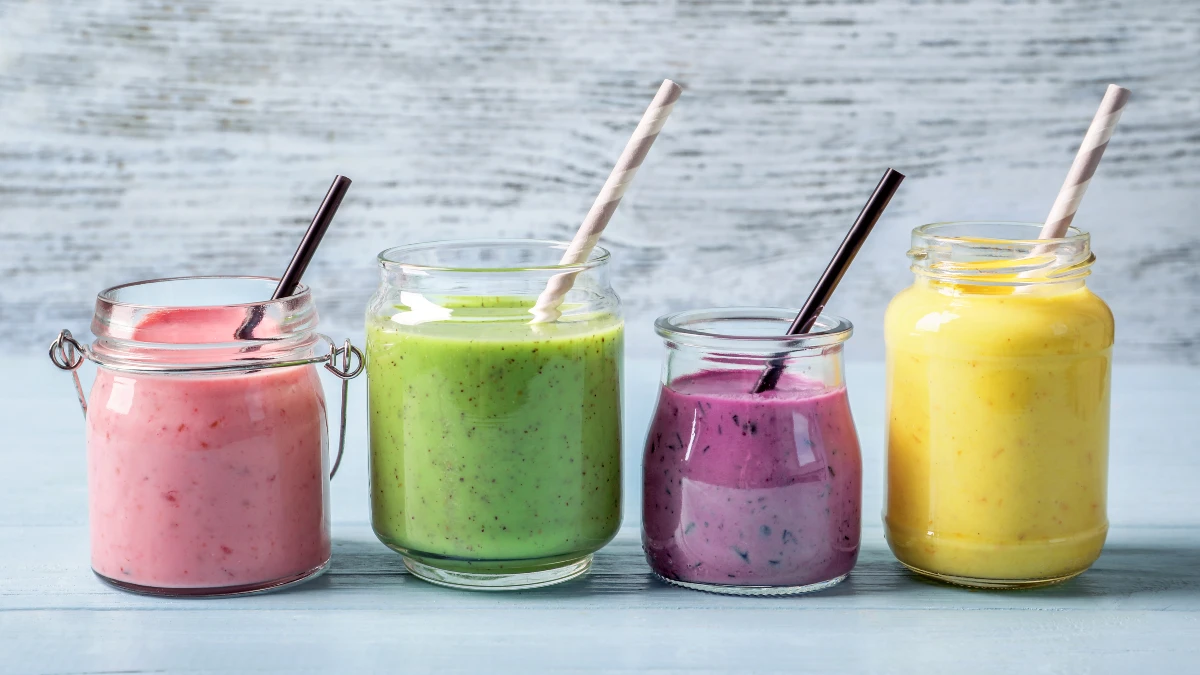
- The Claim: A quick, easy way to get your vitamins and greens.
- The Reality: That green-looking smoothie from a bottle or chain store is likely packed with hidden sugars in food. They often use fruit juice, sugary yogurt, and fruit purees as a base, with just a tiny amount of actual greens. A single smoothie can easily contain 50-70 grams of sugar.
- The Smart Swap: Make your own. Use a base of unsweetened almond milk, a scoop of protein powder, a large handful of spinach, a tablespoon of chia seeds, and just a few berries for flavor.
Conclusion: Take Back Control
Seeing this list isn’t about feeling restricted; it’s about feeling empowered. The food industry’s marketing can be incredibly misleading, but your body’s reaction doesn’t lie.
True A1c management comes from understanding how foods actually affect your blood sugar levels, not from reading the claims on the front of the box.
The key is to prioritize whole, unprocessed foods. By being skeptical of labels and focusing on real food, you can finally break the cycle of high blood sugar.
You can avoid the “diabetic-friendly” foods that are holding you back and take a massive step toward stable, predictable control.
Start today. Pick just one food from this list that you currently eat and find a better swap for it. What will your first step be? Share it in the comments below!