

Feeling alone isn’t just emotionally painful, it’s also aging you. Medical research now shows loneliness damages your cells faster than smoking cigarettes.
Your body responds to social isolation with inflammation, immune suppression, and stress that accelerates aging at a molecular level.
You can reverse these effects without awkward networking events or forced socializing. The six science-backed strategies below work even for introverts and busy people.
They build meaningful connections without draining your energy or pushing you too far outside your comfort zone. Your body and mind will thank you.
5 Reasons Loneliness Accelerates Aging More Than Smoking
Social isolation doesn’t just hurt emotionally—it physically changes your body at a cellular level. Being lonely impacts health more severely than smoking cigarettes, affecting everything from your cells to your brain.
1. Cellular Aging via Psychological Stress

Your cells age faster when you’re lonely. The stress from social isolation damages DNA repair systems and shortens telomeres, those protective caps on your chromosomes that keep genetic information intact.
A 2022 study using an AI aging clock found loneliness adds about 1.65 years to biological age, while smoking adds 1.25 years to Aging.
This happens because your body stays in fight-or-flight mode without social connections. Stress hormones flood your system constantly.
Your cells can’t recover properly during this sustained stress response. The molecular changes happen invisibly but affect your entire body.
Your skin loses elasticity faster. Your organs work less efficiently. Even your ability to heal from wounds slows down as cellular aging accelerates.
2. Chronic Inflammation

Your body turns on its defense systems when you feel socially isolated. This protective response triggers inflammation that should be temporary, but with chronic loneliness, it never turns off.
Inflammatory markers like interleukin-6 and C-reactive protein rise to levels comparable to smoking 15 cigarettes daily. These compounds circulate through your bloodstream, slowly damaging tissues and organs over time.
This silent fire inside your body connects to major age-related conditions: heart disease, arthritis, diabetes, and cognitive decline.
Your tissues become more vulnerable to damage. Blood vessels grow stiffer. Organs function less effectively. The body essentially burns itself out from the inside, speeding up aging processes that would normally take decades longer to develop.
3. Impaired Immune Function

Loneliness weakens your body’s defense system. Without regular social contact, cortisol patterns become irregular, directly compromising immune function.
Your white blood cells don’t work as effectively. Your body produces fewer antibodies when vaccinated. This immune suppression looks remarkably similar to what happens in smokers.
Socially isolated people catch more colds, develop more infections, and take longer to recover. The body struggles to fight off pathogens that normally wouldn’t cause problems.
Socially isolated individuals face higher rates of preventable mortality. Your body simply can’t mount the same strong defense against illness when lacking social connections.
This vulnerability accumulates over time, making each illness slightly more dangerous and recovery slightly slower—a pattern that accelerates aging dramatically.
4. Accelerated Cognitive Decline

Your brain needs social interaction to stay healthy. Without it, cognitive function deteriorates faster. A University of California, San Francisco study found loneliness increases dementia risk, creating brain changes similar to those caused by smoking.
MRI scans show lonely people experience faster hippocampal atrophy—actual shrinkage in the brain region crucial for memory.
Social isolation reduces mental stimulation while promoting harmful amyloid plaque buildup. These plaques interfere with normal brain cell communication.
The study “Prolonged Social Isolation and Loneliness Are Equivalent to Smoking 15 Cigarettes a Day” confirms that lacking social connections hurts your thinking abilities as much as tobacco harms your lungs.
Your processing speed slows. Memory lapses become more common. Problem-solving abilities decrease. These cognitive changes cascade into each other, accelerating overall brain aging.
5. Compounding Behavioral Risks

Loneliness creates dangerous health spirals. Isolated people make poorer health choices, which worsen loneliness, which leads to even worse choices.
National Health and Aging Trends Study data shows that socially isolated individuals are 5.48 times more likely to smoke.
They also exercise less, eat poorly, and drink more alcohol. Sleep quality suffers dramatically without social connections, further accelerating aging processes.
These behaviors interact with physical changes from isolation. Poor sleep worsens inflammation. Lack of exercise weakens immune function.
Bad eating habits contribute to cellular aging. Each factor multiplies the others rather than simply adding to them.
This self-reinforcing cycle makes loneliness particularly dangerous. Small initial isolation can snowball into major health effects that make social reconnection increasingly difficult as both physical and mental health deteriorate.
6 Unconventional Ways to Reconnect
Fighting loneliness requires more than just “getting out more.” These practical strategies can help rebuild meaningful connections without overwhelming social pressure or anxiety.
1. Cultivate “Move the Body” Friendships

Finding friends who show up when it truly matters creates a safety net against existential loneliness. These relationships go beyond casual meetups.
Look for people who consistently appear during tough moments without being asked. They might bring soup when you’re sick or help with a crisis at 2 AM.
Quality matters more than quantity here—just one or two such friendships provide profound protection against loneliness. Many people mistakenly chase large social circles while lacking these deeper bonds.
Start by becoming this type of friend yourself. Show up unconditionally for others before expecting the same. Notice who reciprocates over time.
These relationships often develop gradually through small acts of mutual care rather than grand gestures. Building this foundation creates the emotional security needed to combat chronic loneliness at its core.
2. Low-Energy Hangouts

Traditional socializing demands energy that many people simply don’t have. Low-effort alternatives make connection possible even on difficult days.
Try “parallel play” activities where you share space without constant interaction. Craft together while occasionally chatting. Run errands as a pair. Watch movies in the same room.
The TikTok “rot with friends” trend captures this idea—just existing together without pressure to entertain. Many find this approach less draining than structured social events.
These casual interactions often lead to deeper conversations naturally. Without the pressure of making every moment count, authentic sharing happens organically.
Your nervous system registers the comforting presence of another person regardless of conversation quality. This biological response reduces stress hormones even when the activity itself seems unproductive or passive.
3. Embrace Fangirling/Fanboying

Shared passion creates an instant connection. Finding communities around specific interests builds surprisingly meaningful relationships without the awkwardness of conventional socializing.
Join groups dedicated to authors, musicians, sports teams, or hobbies you genuinely love. These communities come with built-in conversation topics and scheduled events.
A 2025 survey found 72% of “fangirls” reported stronger social bonds through shared obsessions. The enthusiasm creates natural opportunities for connection.
What matters isn’t the specific interest but the shared excitement. Book clubs, fantasy sports leagues, concert groups, and convention meetups all provide structured ways to interact with guaranteed common ground.
The focus on something external reduces social anxiety while still building real friendships. These connections often transfer beyond the original interest, evolving into broader relationships once the initial bond forms.
4. AI-Guided Mental Health Tools
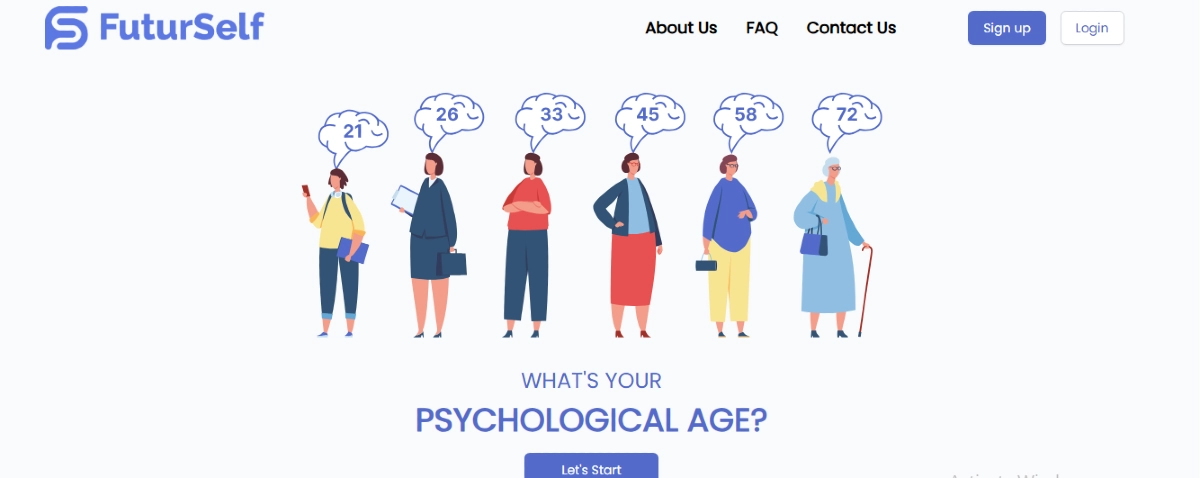
Technology offers new approaches to combat loneliness. Smart platforms now combine biological markers with personalized social recommendations.
Services like FuturSelf.AI use biological aging clocks to assess how loneliness affects your physical health, then suggest tailored interventions.
The AI analyzes your specific patterns of isolation and recommends activities matching your personality and interests.
These tools bridge the gap between knowing you need a connection and making it happen. They track progress objectively, showing physical improvements as social habits change.
Many users find the data-driven approach more motivating than general advice. The technology works best as a supplement to real-world interaction, providing structure and accountability while you build authentic connections.
5. Structured Peer Programs

Formal programs make meeting people less random and awkward. They create environments specifically designed to foster meaningful connections.
Initiatives like Hoos Connected at UVA pair students for guided conversations about vulnerability and belonging.
No One Eats Alone Day programs bring people together through shared meals and conversation prompts. These structured experiences reduce loneliness by 40% among participants. The framework permits people to connect without fear of rejection.
Community centers, libraries, and health clinics increasingly offer such programs. They work because they eliminate the guesswork from socializing. Everyone attends with the same goal of connection.
The shared vulnerability creates psychological safety. Most programs focus on listening skills and authentic sharing rather than superficial networking. This approach builds relationships that continue beyond the initial program.
6. Digital Detox Challenges

Scrolling creates an illusion of connection while increasing isolation. Taking breaks from technology opens space for real relationships.
Try “active unplugging” by deleting social apps for a week and replacing screen time with specific in-person activities.
The key lies in planning offline activities before starting your detox. Sign up for classes, schedule coffee dates, or join community events ahead of time.
Without this preparation, many people simply feel more isolated during digital breaks. Short experiments work better than permanent changes—even a weekend without social media can reset relationship patterns and show which digital habits truly help or harm your social life.