

We often think living a long life is just about eating kale and doing cardio. But that is missing the point. You can eat all the salad in the world, but you will fail if you lack the psychological fuel to keep going.
There is one state that has figured this out. Hawaii is the reigning champion of US life expectancy. People there live to be about 81 years old. That is nearly a decade longer than people in the lowest ranking states like Mississippi or West Virginia.
You do not need to move to Honolulu to get these benefits. You can steal the specific “internal” habit that drives these results. Data shows this single change can add up to 7 years to your life.
Longevity Plan
1. The Purpose Audit
Find the overlap.
2. Micro Volunteering
Pick one small act of Kuleana.
3. Walking Moai
Build your squad. Set the time.
🎉 Plan Secured
Take a screenshot of your commitment.
The Hawaii Advantage: Why This State Wins Every Year

Picture the US map in your head. One state is glowing green for longevity while much of the rest is struggling.
The US state life expectancy rankings for 2025 and 2026 tell a clear story. The average American lives to about 77. But in Hawaii, that number jumps to nearly 81. The gap between Hawaii and the bottom states is massive.
You might think, “Well, they have great weather and beaches.” That is not the whole story.
Hawaii has a very high cost of living. Stress levels there are high. Traffic is bad. Yet they still thrive. The secret lies in the social determinants of health. It is a mix of Native Hawaiian values like Aloha (deep connection) and influences from Japan.
This creates a unique environment similar to the “Blue Zones” found in Okinawa. They do not just survive; they have a system that protects them from the stress of modern life.
The Habit: It’s Not Just Diet, It’s “Ikigai” (Active Purpose)
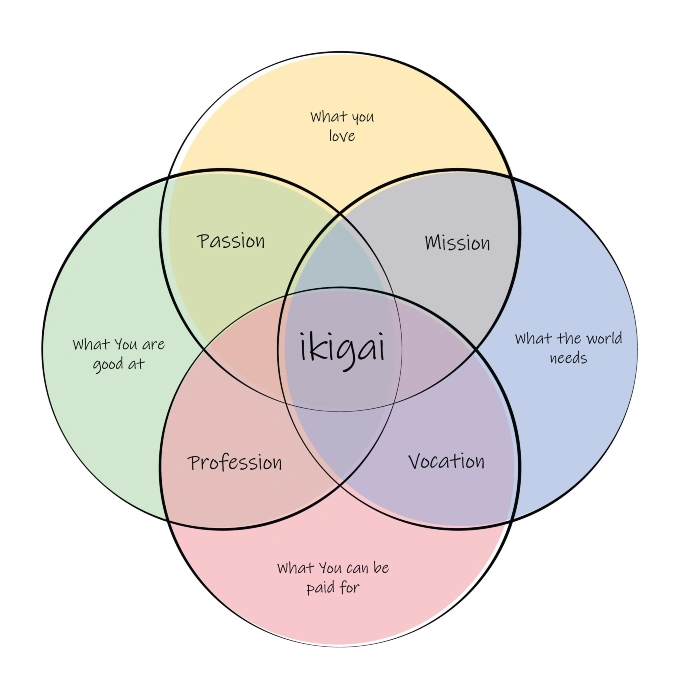
If you ask a centenarian in Hawaii why they wake up in the morning, they will not say “to watch TV.” They will have a clear answer.
In Japan, this concept is called Ikigai meaning “a reason for being.” In Hawaii, it aligns with Kuleana. This means having a responsibility or a privilege to care for something.
This is the psychological fuel mentioned earlier.
Research from the National Institute on Aging and Blue Zones data backs this up. Having a strong sense of purpose reduces your risk of dying early. It can add around 7 years to your life.
Why does this matter so much after 40?
This is the age where life shifts. Your career might peak or change. Kids might leave home. If your identity is tied only to a job title or parenting, you risk losing your way when those things change. Losing purpose leads to a faster mental and physical decline.
The “Purpose Bonus” is real. Studies from Rush University suggest that purpose reduces the risk of Alzheimer’s by 2.4 times. It also cuts the risk of stroke by 50%.
The “Moai” Factor: Purpose Needs a Posse
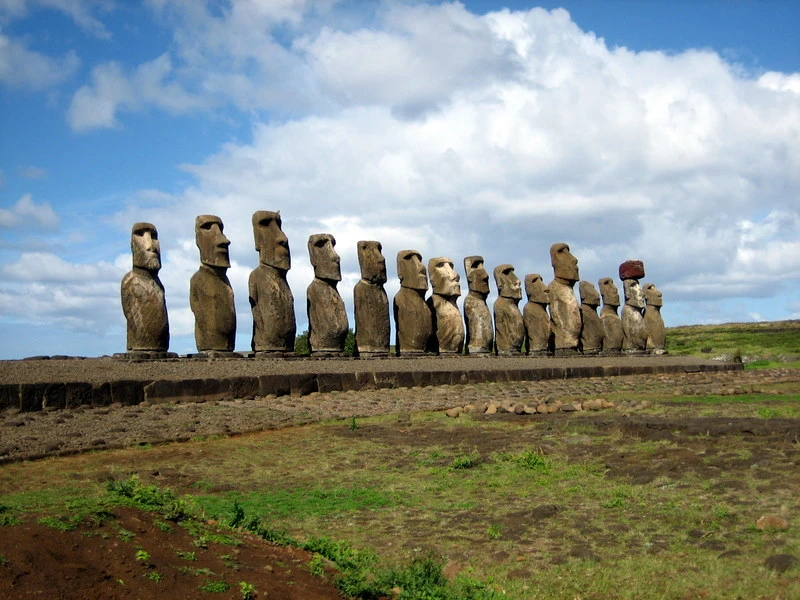
Purpose does not happen in a vacuum. You cannot do this alone.
Hawaii’s longevity is deeply tied to Ohana (family) and Moais. A Moai is a concept from Okinawa. It is a social support group that meets regularly.
Loneliness is dangerous. The Surgeon General has warned that social isolation is as deadly as smoking 15 cigarettes a day.
If your five closest friends eat junk food and complain all day, you will likely do the same. But if they walk, volunteer, and laugh, you will follow suit.
Actionable takeaway: You need 3 to 5 people you can rely on. These are not just Facebook friends. These are people you can call on a bad day. You need a squad to help you build community after 40.
The “80% Rule”: A Simple Trick for Every Meal
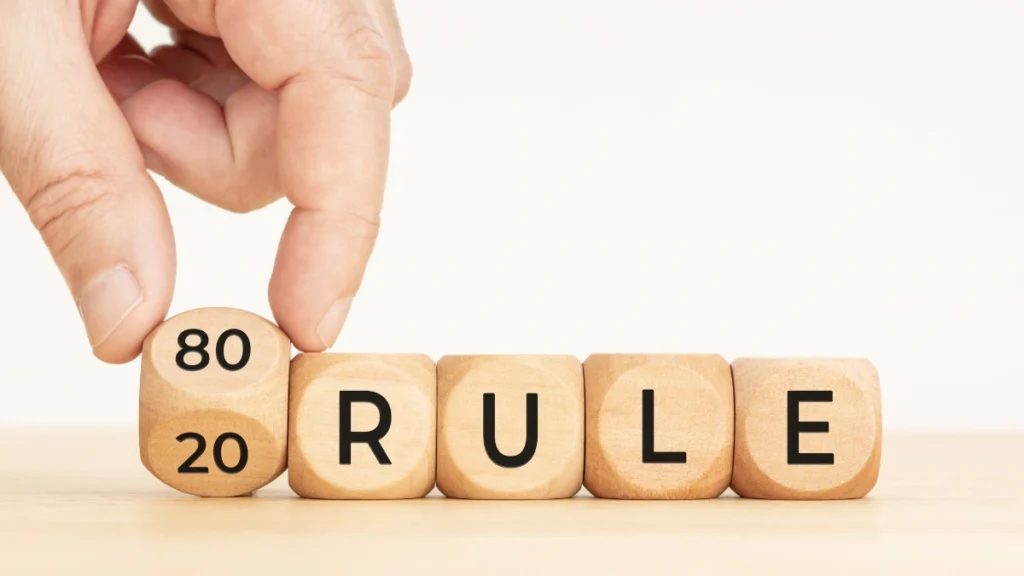
You cannot talk about living longer without talking about food. But the secret in Hawaii and its Japanese influences is not just what they eat. It is how they eat.
There is a phrase for this called Hara Hachi Bu. It means “eat until you are 80% full.”
In the US, we often eat until we cannot eat another bite. We clear our plates because we were told to as kids. This leads to eating too much and feeling tired.
Why this works: Your stomach takes about 20 minutes to tell your brain that it is full. If you eat fast until you feel 100% full, you actually overate 20 minutes ago.
How to do this today:
- Use smaller plates. A 10 inch plate makes normal portions look big. Your brain likes that.
- The “Fork Down” method. Put your fork down on the table between every single bite. Do not pick it up until you swallow. This slows you down enough to feel that “80%” signal.
Master the Art of “Pau Hana” (Done with Work)
Stress is a major killer. It raises cortisol levels in your body. Over time, high cortisol damages your heart and shrinks parts of your brain.
In Hawaii, there is a strong culture of Pau Hana. This literally means “finished work.” It is the time of day when work stops and life begins.
On the mainland, we often let work bleed into our evenings. We check emails at dinner. We worry about projects while watching TV. We never fully switch off. This keeps our stress response turned on 24/7.
You need a hard stop. People who live long lives know how to rest. They do not see rest as laziness. They see it as recovery.
The 15 Minute Transition: Create a ritual that tells your brain the workday is over.
Signal: “I am no longer at work.”
> INITIATING SHUTDOWN…
> VOCAL_CMD: “WORK IS DONE”
> EXECUTE
- Change your clothes immediately when you finish work.
- Go for a quick walk around the block.
- Put your phone in a drawer for one hour.
- Say out loud, “Work is done.”
This signals your body to drop those cortisol levels and start repairing itself.
3 Ways to “Hack” This Habit in 2026 (No Move Required)
You do not need a plane ticket; you need a plan. Here is how to apply these longevity habits for 2026 right now.
3 Ways to Hack Longevity
| Habit | Quick Action | Why It Works |
| The Purpose Audit | List what you love, are good at, and what is needed. Find the overlap. | Identifies your Ikigai (Active Purpose) instantly. |
| Micro-Volunteering | Do 10-minute tasks: pick up trash or text a struggling friend. | Triggers Kuleana (responsibility) without causing burnout. |
| The Walking Moai | Set a weekly walk with 3 friends. Rule: No cancelling. | Combines physical movement with essential social connection. |
1. The “Purpose Audit”
Do not overcomplicate this. Draw a simple chart.
- List what you love doing.
- List what the world needs.
- List what you are good at. Look for the spot where they overlap. That is your active purpose. It might be gardening, mentoring, or even caring for a pet.
2. Micro Volunteering
You do not need to commit 20 hours a week. That leads to burnout. Look for “micro” ways to feel Kuleana.
- Pick up trash on your block for 10 minutes.
- Text a friend who is having a hard time.
- The goal is the dopamine hit of being useful.
3. The “Walking Moai”
Combine movement with connection. Start a weekly walk and talk group.
- Invite 3 friends.
- Pick a set time (e.g., Tuesdays at 6 PM).
- Rule: No cancelling unless it is an emergency.
- Use apps like Meetup or local community boards to find walking groups if you do not have a squad yet.
Conclusion
Genes play a role in how long you live, but they are not the boss of you.
Your reason for waking up matters more than you think. Hawaii proves that connection and purpose are the best ways to play the long game. The food you eat maintains the engine, but purpose is the fuel.
Here is your challenge for today: Send one text to a friend you haven’t seen in a while. Ask to meet for a coffee or a walk. Or, look up one local place to volunteer for just one hour next month.
Do not wait. Your future self is counting on you.