

That midnight bathroom trip? The weaker stream you blame on coffee? Your body’s trying to tell you something. Urologists warn prostate trouble starts decades before most men notice – with sneaky symptoms written off as “normal.”
New research reveals men in their 30s showing subtle signs – from post-sex discomfort to mystery UTIs – often face serious prostate issues by 50. The scary part? 68% of recurrent infections in young men trace back to hidden prostate inflammation most doctors miss.
Your desk job might be doing more damage than you think too. One study found sitting just 6 hours daily hikes BPH risk by 31%. The good news? Catching these red flags early changes everything. Here’s what to watch for – and when to act.
1. The “Midnight Pee Tax” – Why Nighttime Urination in Your 30s is a Red Flag

But urologists warn that even one nightly bathroom trip in your 30s could signal early prostate changes. Unlike occasional disruptions, consistent nocturia suggests your bladder isn’t holding urine as it should.
If you can’t sleep four hours without a bathroom break, your prostate may already be pressing on your urethra. Don’t brush it off as normal aging. Track your patterns—if nights are becoming interrupted, it’s worth a prostate check.
2. The “Silent Squeeze” – Weak Flow Isn’t Just About Hydration
If you’ve started adjusting how you stand or feel like your bladder never fully empties, your prostate could be the hidden cause.
Waiting until it’s a real problem means missing the chance to act early. A simple exam can confirm whether it’s just dehydration—or something more.
3. Post-Sex Discomfort – The Overlooked Prostate Warning

But if the ache lingers or feels deeper than muscle strain, your prostate might be inflamed. Unlike typical soreness, prostatitis-related discomfort often sticks around for hours or worsens over time.
Men in their 30s assume it’s temporary, but urologists say ignoring it allows low-grade inflammation to persist. If this happens more than once, don’t just tough it out. Early treatment prevents chronic issues.
4. The “Stealth UTI” – Why Men in Their 30s Get Mystery Infections
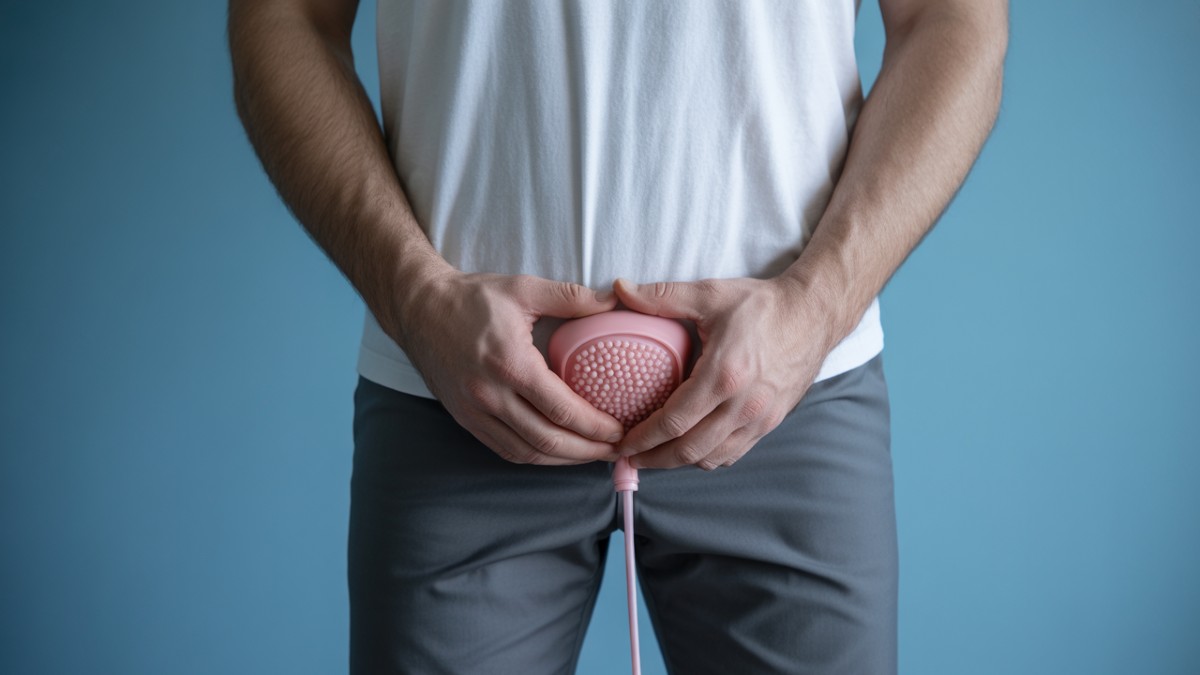
Recurrent bladder infections often trace back to an irritated prostate harboring bacteria. Unlike women, men don’t usually experience classic UTI burning. Instead, they might notice cloudy urine or vague pelvic pressure.
Because symptoms are mild, many delay seeing a doctor until infections keep coming back. A hidden prostate issue could be the root cause. Catching it early stops the cycle.
5. The Desk Job Effect – How Sitting 8+ Hours a Day Accelerates Prostate Issues

Urologists see more prostate complaints in men under 40 with sedentary jobs, even if they exercise occasionally. Stagnant circulation leads to inflammation and sluggish prostate function. Over years, this can speed up BPH and prostatitis risks.
Standing breaks and movement matter more than most realize. Your prostate health starts long before symptoms become obvious.